Quick Information

RECOMMENDED DURATION

3 hours

VISITORS PER YEAR

1200000

EXPECTED WAIT TIME - STANDARD

0-30 mins (Peak), 0-30 mins (Off Peak)

Plan your visit

Did you know?

Established in 1828, ZSL London Zoo is described in the guide as the oldest scientific zoo in the world.

Penguin Beach holds 450,000 liters of water and was designed to mimic the South American coastline for Humboldt penguins.

The guide notes that London Zoo has the only walk-through spider enclosure in Europe.

Is London Zoo worth visiting?

London Zoo feels less like a traditional zoo and more like a series of wildlife worlds tucked into the heart of Regent’s Park. One moment you're watching Asiatic lions bask in the sun, the next you're walking through a rainforest habitat filled with free-flying birds or coming face-to-face with western lowland gorillas. The atmosphere is lively and family-friendly, but there are also plenty of quieter corners where you can slow down and observe animal behaviour up close.

Founded in 1828 by the Zoological Society of London, it was originally created as a scientific collection to advance the study of animals. Over time, it evolved into one of the world's leading conservation-focused zoos, combining research, education, and public engagement.

The emotional payoff comes from seeing species you may have only encountered in documentaries and gaining a deeper appreciation for the challenges they face in the wild. Most visitors leave feeling more connected to the natural world than when they arrived.

Skip it if you have less than 2 hours or prefer museums, galleries, and indoor attractions over large outdoor experiences that involve plenty of walking.

What to see at the London Zoo

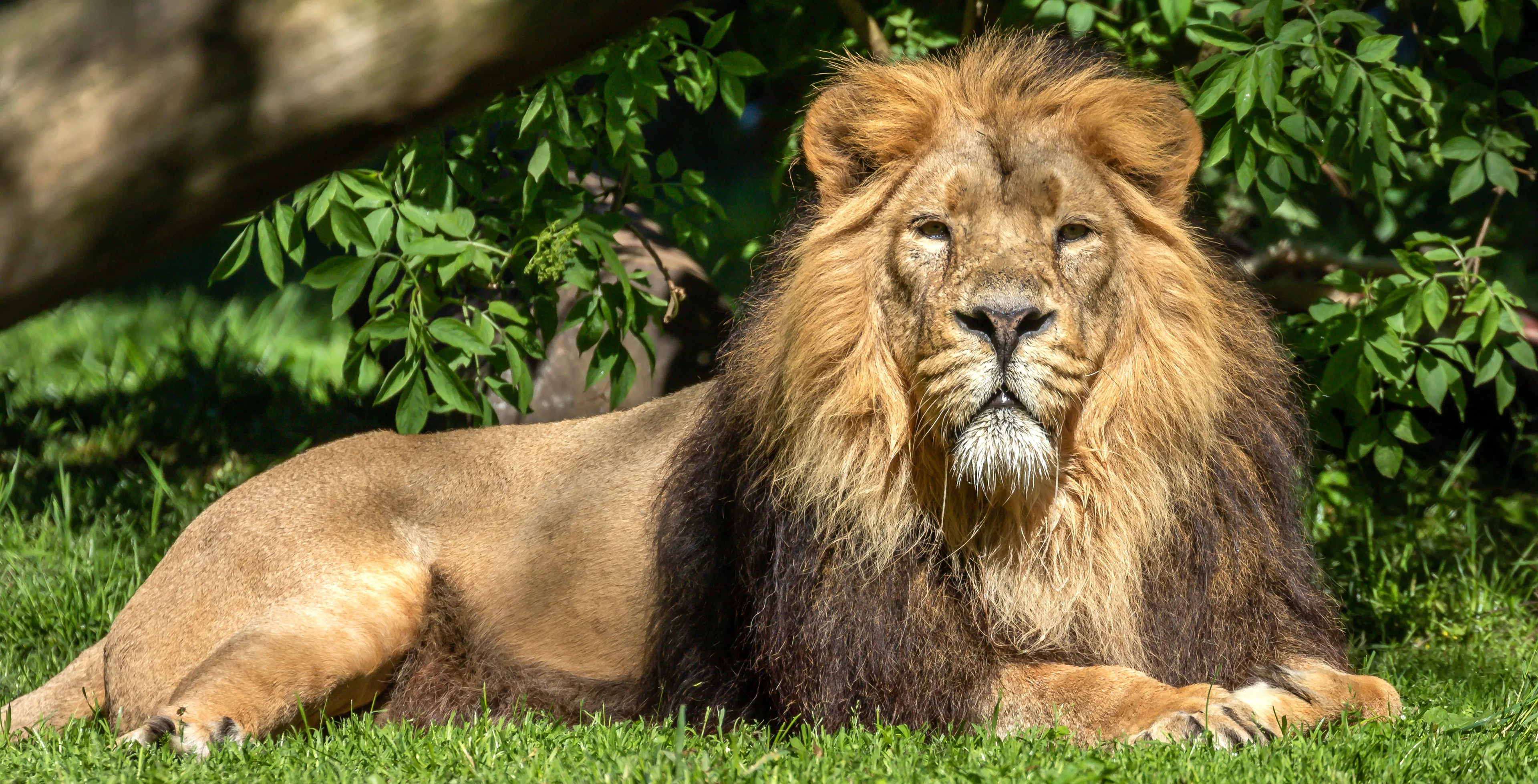
Asiatic lion resting on grass with greenery in the background.
1/11

Land of the Lions

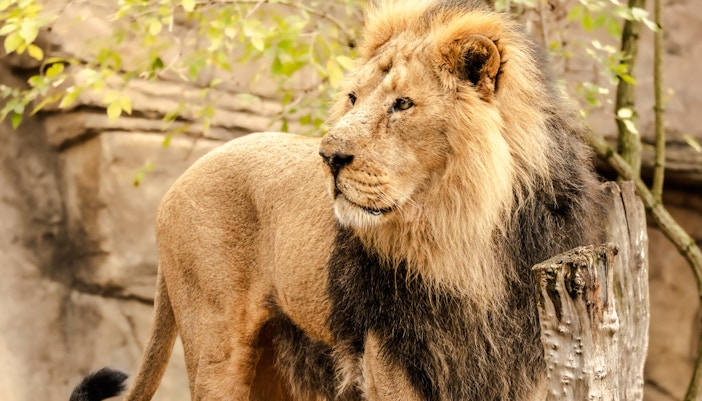
London Zoo's most theatrical habitat, built to recreate the streets of a Gujarati village on the edge of India's Gir Forest. Walk raised pathways directly over the Asiatic lion enclosure and look down on one of the rarest big cats on the planet — fewer than 700 survive in the wild. Most visitors spend longer here than anywhere else in the zoo, so give yourself at least 20 minutes.

Tiger Territory

Floor-to-ceiling glass puts you almost nose-to-nose with Sumatran tigers in an enclosure planted with authentic Indonesian vegetation. The zoo's current residents — male Asim, female Gaysha, and their two cubs Zac and Crispin — are most active in the morning, so it's worth making this one of your first stops.

Gorilla Kingdom

A family of seven western lowland gorillas lives on a moated island at the centre of this African rainforest habitat. The surrounding area is easy to rush through, but the walk-through aviary and smaller enclosures for mangabeys, macaques and Diana monkeys are genuinely worth the extra time.

Penguin Beach

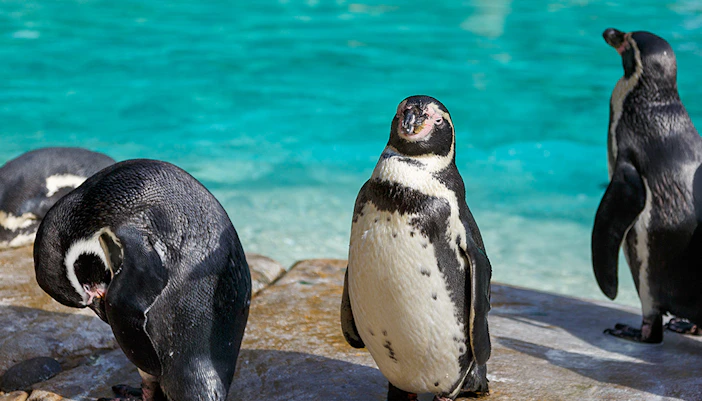
England's biggest penguin pool is home to a large and energetic Humboldt colony, with an underwater viewing area where you can watch them dart and dive. Feeding sessions happen twice daily and pull in the biggest crowds of the day, so get there five minutes early if you want a front-row view.

Rainforest Life & Night Life

An indoor walk-through South American rainforest where sloths, golden lion tamarins, red titi monkeys, tamanduas and flying foxes move freely around you. Head downstairs into Night Life and the lights drop — bushbabies, slender lorises, naked mole-rats and Malagasy giant rats come to life in the dark. Allow at least 30 minutes for both levels together.

Monkey Valley

The former Snowdon Aviary has been transformed into the UK's first colobus monkey walkthrough, rising 80 feet above the canal with 360-degree views of the troop leaping between trees. The walkthrough runs on a timed schedule — 11am to 12.30pm and 2pm to 3.30pm — so it's worth checking before you head over.

Into Africa

Giraffes, zebras, okapis, pygmy hippos, warthogs and African wild dogs all share this sprawling zone. The Giraffe House at its heart dates to 1837 and is the oldest zoo building in the world still used for its original purpose, which makes it as interesting for the architecture as for the animals inside.

Secret Life of Reptiles & Amphibians

Opened in 2024, this is the zoo's newest major habitat and one of the best reasons to visit. King cobras, Philippine crocodiles, Chinese giant salamanders, vipers and emerald tree boas are all here, across more than 33 species. It tends to be quieter than the big mammal enclosures, and it rewards the time most people don't give it.

Tiny Giants

A journey through the habitats of some of the planet's smallest and most overlooked creatures, from a coral reef aquarium to a spider walk-through. It's a good one to do with children, who tend to find the minibeasts just as compelling as the lions and tigers.

Blackburn Pavilion

This Victorian building, originally constructed in 1883, now houses more than 50 species of exotic birds in a free-flight tropical walkthrough. The elaborate clock outside by artist Tim Hunkin puts on a bird-themed display every 30 minutes, and it's worth timing your visit around it.

In with the Lemurs

A walk-through enclosure where ring-tailed lemurs roam freely at eye level, with no barriers between you and them. It's one of the shorter experiences at the zoo, but the closeness of it makes it one of the more memorable ones.

Make more of your day in London

Pair your London Zoo visit with another top attraction and save on individual ticket costs. Combo tickets are available with the London Eye, Madame Tussauds, and a Thames River cruise, making it easy to combine wildlife, city views, and iconic sightseeing in one itinerary.

How to explore London Zoo

Budget a full day — most visitors spend between 3 and 5 hours, and the zoo is large enough that rushing leaves whole sections unseen. Comfortable shoes matter more than people expect; there's a lot of ground to cover.

Suggested route

Start with Tiger Territory and Land of the Lions first thing, when the big cats are most active and the crowds are still thin. Move through Gorilla Kingdom and into Rainforest Life before heading to Penguin Beach for one of the morning feeding sessions. Cross into Into Africa for the giraffes and pygmy hippos in the early afternoon, then work your way through Monkey Valley, the Secret Life of Reptiles and Amphibians, and Tiny Giants to finish.

Must-see

Land of the Lions, Tiger Territory, Penguin Beach feeding session, Rainforest Life and Night Life, and Monkey Valley walkthrough.

Optional: Butterfly Paradise, Blackburn Pavilion and Bird Safari are all worth doing on a second visit or if you have time to spare after the headline zones.

Note on Monkey Valley: the walkthrough runs on a timed schedule (11am–12.30pm and 2pm–3.30pm), so plan your route around it.

Exploration style

Self-paced works well here — the zoo is clearly signposted and the three-zone layout is easy to follow. Download the London Zoo app before you arrive, as it includes GPS-enabled navigation and daily keeper talk times, which are worth building your afternoon around.

Brief history of London Zoo

  • 1826: The Zoological Society of London is founded by Sir Stamford Raffles, who envisioned a scientific institution dedicated to the study of living animals — not a public spectacle, but a place for research. Raffles died just months later, before the zoo opened.
  • 1828: London Zoo opens in Regent's Park as the world's first scientific zoo, initially accessible only to Fellows of the Society by written order and payment of one shilling.
  • 1831: The Royal Menagerie from the Tower of London is transferred to the zoo, significantly expanding the collection.
  • 1847: Financial pressure forces the zoo to open fully to the public. The word "zoo" enters popular use around this time, inspired by a music hall song about the Zoological Gardens.
  • 1849–1853: London Zoo opens the world's first reptile house, followed by the world's first public aquarium.
  • 1991: The ZSL Council votes to close the zoo due to mounting losses. A £1 million donation from the Emir of Kuwait prompts the decision to be reversed, keeping it open.
  • Today: ZSL operates conservation programmes across more than 50 countries, and every ticket sold funds that work directly.

Architecture of London Zoo

london zoo

London Zoo is organised as a collection of themed habitats rather than a single architectural landmark. Spread across Regent's Park, the site is divided into distinct zones that group animals by habitat, geography, or conservation story, making it easier to explore while creating more immersive environments.

The zoo sits on a 36-acre site in the northern corner of Regent's Park, bisected by the Regent's Canal. The canal divides the zoo into two distinct halves, connected by an underpass that visitors walk through to move between them. The zoo is organised into three colour-coded zones — orange, blue and pink — designed to help visitors navigate what is a surprisingly large and non-linear site.

There is no single obvious route; the layout has evolved over nearly 200 years of building, demolition and redevelopment rather than being planned from scratch. Many of the structures are listed buildings spanning Victorian, Modernist and contemporary architecture.

Who built London Zoo?

London Zoo was created by the Zoological Society of London, a scientific charity founded in April 1826 by Sir Stamford Raffles and a group of naturalists, scientists and explorers. Their vision was ambitious for its time: to establish a centre where animals could be studied systematically to advance scientific knowledge, rather than simply being displayed for entertainment.

Raffles died just three months after founding the Society, before the zoo itself opened. His vision was carried forward by the Marquess of Lansdowne and architect Decimus Burton, who designed the original grounds and buildings. It was a place built for scientific minds first, and the public second — a distinction that still shapes how the zoo approaches its work today.

Frequently asked questions about London Zoo

Yes, especially if you're looking for a wildlife attraction that combines animal encounters with conservation and education. The zoo's immersive habitats, historic setting in Regent's Park, and diverse collection make it one of London's most rewarding family attractions.

More reads