Plan your visit to London Zoo

London Zoo is a large city zoo in Regent's Park best known for its immersive big-cat habitats, penguins, gorillas, and conservation-led animal houses. Even though it's in central London, this isn't a quick walk-through - most visits take 3 to 5 hours, with plenty of outdoor walking and a few indoor houses that are easy to miss if you drift with the crowds. The biggest difference between an average visit and a great one is seeing the headline habitats before lunch, then using feeding talks to shape the rest of your route.

Quick overview: London Zoo at a glance

If you're deciding when to go, how long to stay, and which ticket makes sense, start here.

  • When to visit: Daily from 10am, with closing time changing by season; Tuesday to Thursday before 11am is noticeably calmer than weekends and school-holiday afternoons, because Penguin Beach, Gorilla Kingdom, and the family play areas fill up fast once the main crowd arrives.
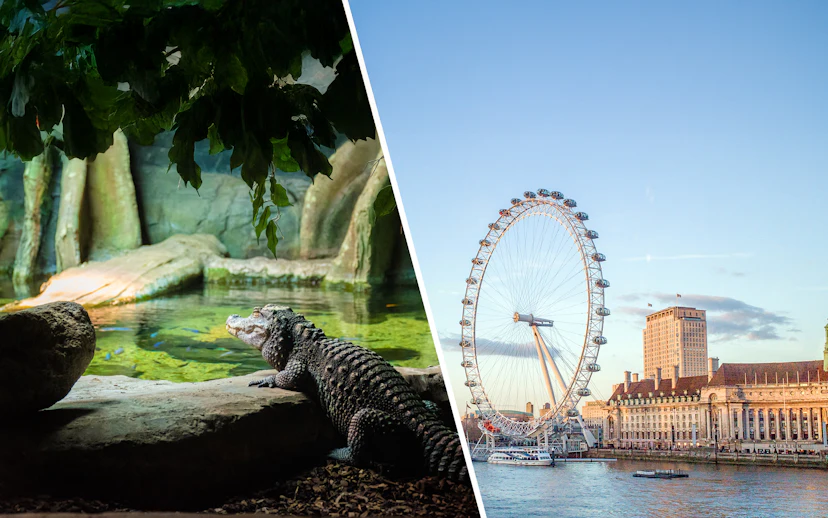
  • Getting in: From £23.50 for standard entry and Zoo Nights , the adults-only evening event. Combo tickets start from £56.78 with Madame Tussauds , £59.43 with the London Eye , and £39.60 with a Thames River Cruise. Booking at least two weeks in advance is strongly recommended for weekends, school holidays, and special event dates.
  • How long to allow: 3–5 hours for most visitors. Keeper talks, lunch, indoor houses like Tiny Giants and the Reptile House, and time in Animal Adventure push visits to the longer end.
  • What most people miss: Tiny Giants, Butterfly Paradise, and the Reptile House are often skipped after the big cats, even though they're among the most interactive parts of the zoo.
  • Is a guide worth it? For most visitors, no - a clear route and the free keeper talks give you enough context, while animal lovers who want more depth get better value from timing their visit around talks rather than paying for a formal add-on.

🎟️ Tickets for London Zoo can sell out days in advance during summer weekends and school holidays. Lock in your visit before the time you want is gone. → See ticket options

Jump to what you need

Where and when to go

If you want active big cats, don't save them for the afternoon

Land of the Lions and Tiger Territory are stronger first-stop exhibits than last-stop ones, because both cats are more likely to be visible before the warmest and busiest part of the day. Build your route around those habitats first, then use keeper talks to shape the rest of the visit.

How much time do you need?

Visit typeRouteDurationWalking distanceWhat you get

Highlights only

Main entrance → Gorilla Kingdom → Penguin Beach → Land of the Lions → Tiger Territory → exit

2.5–3 hours

~3 km

You cover the biggest crowd-pleasers, but you'll likely skip Butterfly Paradise, Tiny Giants, the Reptile House, and most of the family zones.

Balanced visit

Main entrance → Gorilla Kingdom → Penguin Beach → Land of the Lions → Tiger Territory → Butterfly Paradise → Tiny Giants/Reptile House → Animal Adventure → exit

3.5–4.5 hours

~4.5 km

This adds the zoo's strongest indoor houses and gives you time for one or two keeper talks without turning the day into a rush.

Full exploration

Main entrance → full loop through the major habitats, indoor houses, family areas, feeding points, cafés, and seasonal zones → exit

5+ hours

~6 km

You see the zoo properly, including smaller exhibits many people miss, but it only feels worthwhile if you're happy to spend most of a half-day on your feet.

Which ticket fits the way you want to visit?

London Zoo entrance tickets cover the highlights route and the full zoo at your own pace. Headout Pass London and combo tickets make more sense if London Zoo is one stop in a wider city day.

✨ The full route works best if you follow the map rather than the crowd – the smaller houses sit off the main big-cat flow and are easy to miss once the site gets busy. Choose the ticket that matches how many London attractions you want to cover in one trip.

→ See ticket options

Which London Zoo ticket is best for you?

Ticket typeWhat's includedBest forPrice from

London Zoo Entrance Tickets

Full-day access to all zoo habitats, animal talks, and feeding sessions

A flexible, self-paced visit where you want to explore at your own rhythm over 3–4 hours without a fixed schedule

£23.50

Zoo Nights at London Zoo

Evening-only entry with after-hours access, street food, bars, and live talks

A seasonal, adults-focused experience that shifts the zoo atmosphere into a relaxed evening social setting

£23.50

Combo with London Eye

London Zoo entry + London Eye ride

A split-day London experience combining wildlife encounters with panoramic city views from above

£59.43

Combo with Madame Tussauds

London Zoo entry + Madame Tussauds entry

A contrast-focused itinerary mixing live animal environments with interactive celebrity-themed exhibits

£56.78

Combo with Thames River Cruise

London Zoo entry + Thames River Cruise

A scenic London day combining riverside cruising with a full zoo visit for a relaxed sightseeing flow

£39.60

Headout Pass London

Access to London Zoo + 45+ attractions across London

A flexible city pass for building your own itinerary across multiple attractions over a 30-day window

£52
Third-party listings can make tickets look more flexible than they are

⚠️ Buy carefully if you're comparing multiple sellers. London Zoo uses timed entry, re-entry is not permitted, and the smoothest option is a verified ticket that matches the slot and format you actually want.

How do you get around London Zoo?

Which animals and habitats should you prioritise?
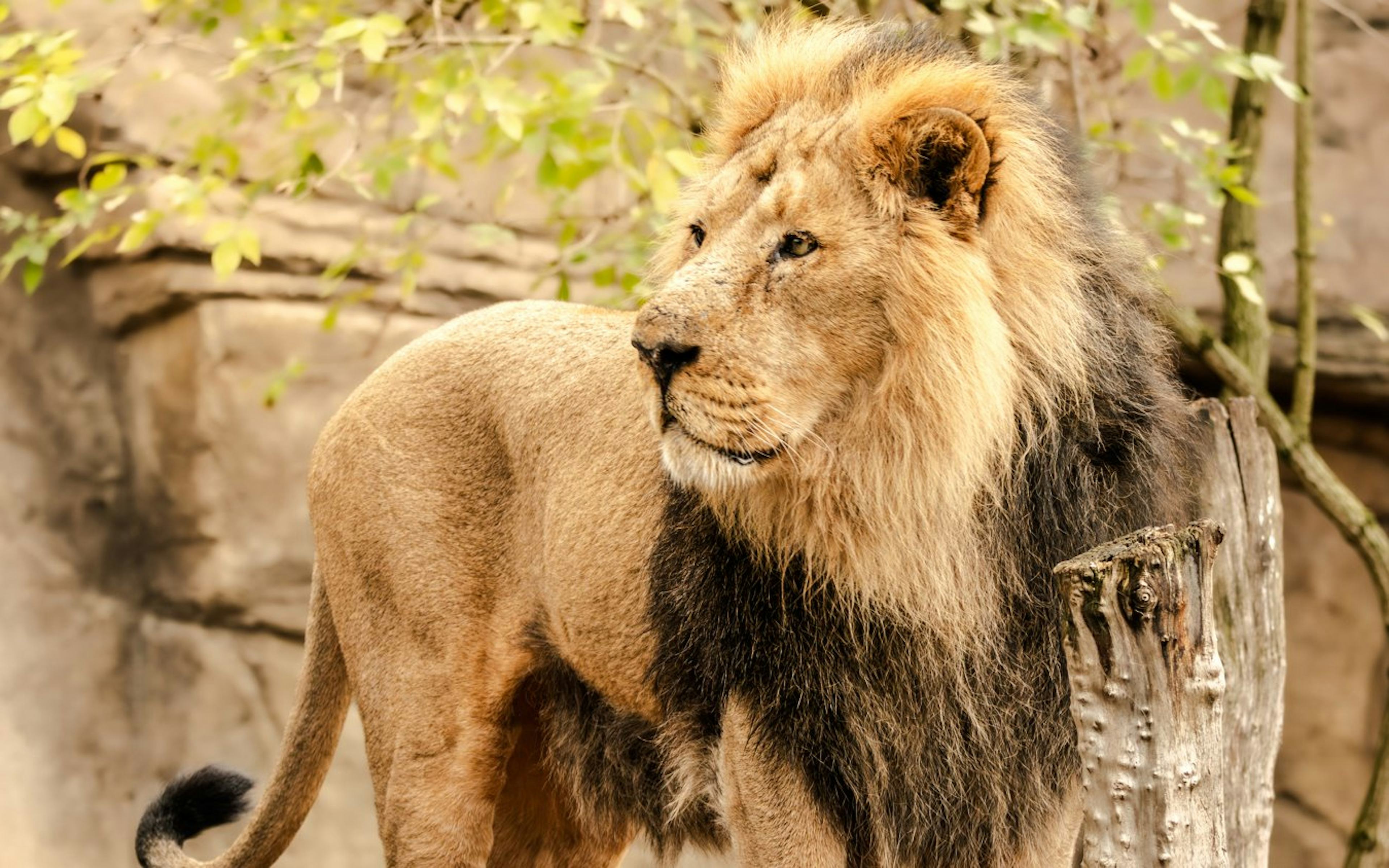
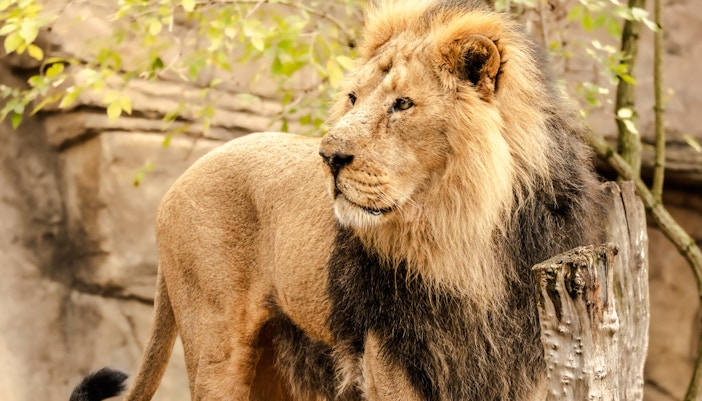
Asiatic lion standing in its enclosure at the London Zoo.
1/6

Land of the Lions

Attribute - Species: Asiatic lion

Land of the Lions is one of the zoo's signature habitats, built like an Indian village with elevated walkways and multiple viewing angles that make it feel more immersive than a standard big-cat enclosure. It's worth slowing down here because the theming tells part of the conservation story, not just the animal sighting. Most visitors rush to the first viewpoint and miss the alternate vantage points deeper into the zone.

Where to find it: Follow the main route from Penguin Beach toward the central big-cat section of the zoo.

Tiger Territory

Attribute - Species: Sumatran tiger

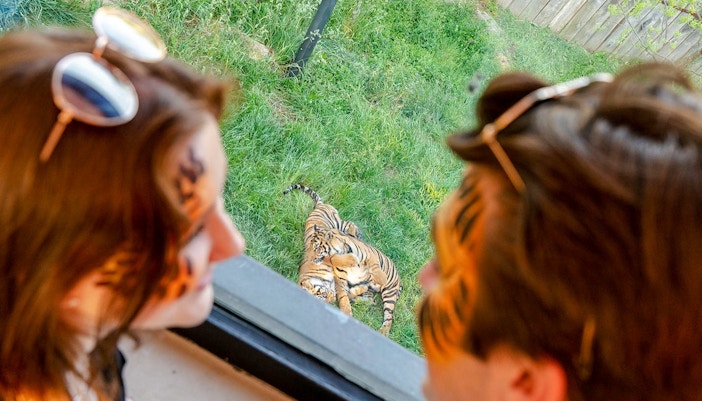
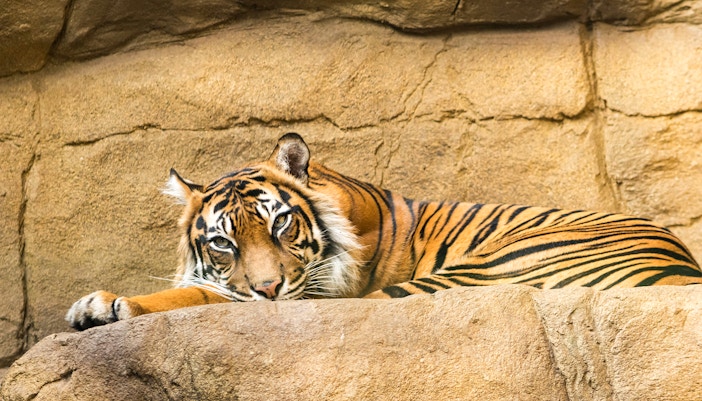
Tiger Territory delivers some of the zoo's closest big-cat views thanks to its floor-to-ceiling glass, and it's one of the best places in the park to catch real movement rather than distant lounging. The most rewarding visits happen earlier in the day, when the tigers are more likely to patrol the habitat edges. Many people leave after one quick look and miss how different the sightlines are from each viewing panel.

Where to find it: Close to Land of the Lions in the zoo's central predator area.

Gorilla Kingdom

Attribute - Species: Western lowland gorilla

Gorilla Kingdom is one of the most memorable habitats at London Zoo because it feels leafy, open, and surprisingly calm despite the crowds around it. If you linger, you'll usually see more than a quick still moment - feeding, grooming, or younger gorillas playing are what make this stop rewarding. Many visitors don't realize the morning window is often the liveliest and arrive after the troop has settled into a slower rhythm.

Where to find it: One of the first major zones many visitors reach after entering the zoo.

Penguin Beach

Attribute - Species: Humboldt penguin

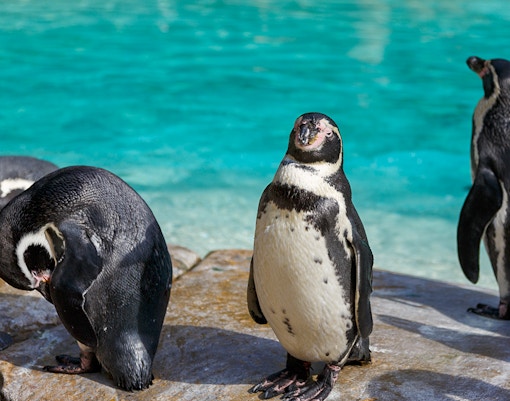
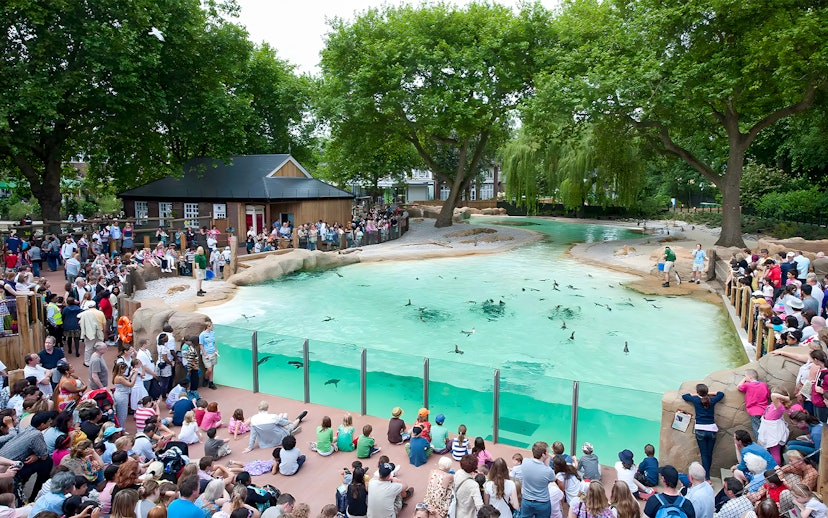
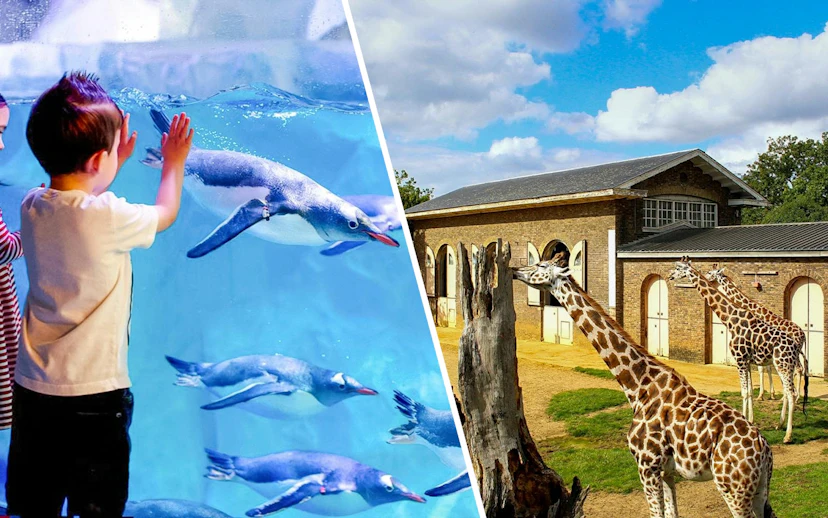
Penguin Beach is a crowd favorite for good reason: the underwater viewing turns a simple animal stop into a high-energy one, especially when the penguins are diving rather than standing still on the rocks. It becomes even better during feeding demonstrations, when you get movement, commentary, and personality all at once. What many people miss is that the glass-fronted underwater area often gives the best views, not the open-air edge.

Where to find it: On the main family route, between the early central habitats and the larger carnivore areas.

Butterfly Paradise

Attribute - Habitat type: Walk-through tropical butterfly house

Butterfly Paradise is easy to underestimate after the lions and tigers, but it gives the visit a completely different pace - warm, quiet, and close-up rather than dramatic. It is worth stopping because it feels immersive in a way most city zoos don't. The detail most people miss is that the best moments happen when you slow down and look at flowers, feeding trays, and railings rather than scanning the whole room at once.

Where to find it: Along the later part of a balanced route, after the major outdoor habitats.

Tiny Giants and Reptile House

Attribute - Habitat type: Invertebrates, reef life, reptiles, and amphibians

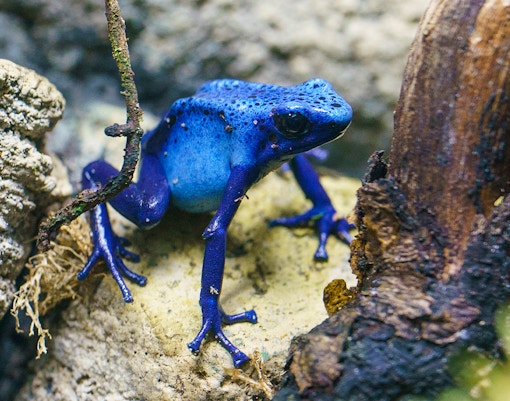
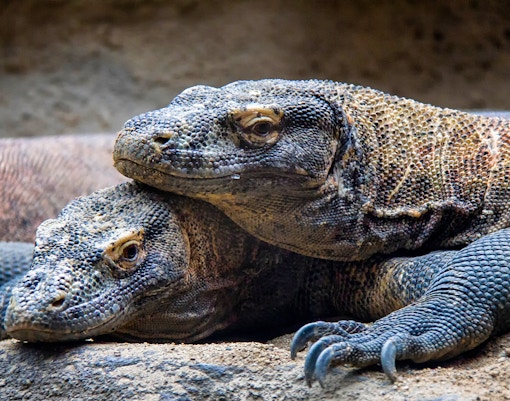
This pair of indoor houses is where London Zoo becomes more surprising, because the focus shifts from headline species to the smaller creatures most visitors would never seek out on their own. Tiny Giants is especially good if you want something interactive and different after the mammal-heavy part of the visit. Many people miss it because the crowd naturally pulls them toward the big cats, then straight to lunch or the exit.

Where to find it: In the indoor-house section beyond the main large-animal flow; check the zoo map early so you don't walk past it.

Most visitors miss Tiny Giants!

Tiny Giants and the Reptile House sit outside the loudest part of the zoo's crowd flow, which is exactly why they're worth protecting time for. If you only follow the busiest paths, you'll get the famous habitats and miss some of the zoo's most distinctive indoor spaces.

Facilities and accessibility

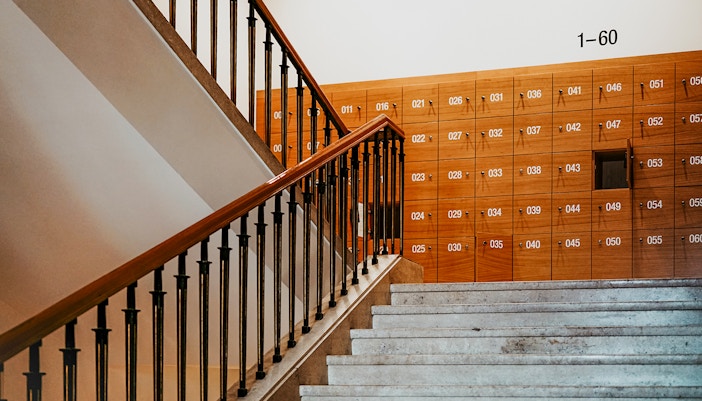
  • 🎒 Lockers: Lockers are available on site, but availability can run out on busy days, so don't rely on finding one if you're carrying a larger bag.
  • 🚻 Restrooms: Restrooms are available across the zoo, and they are part of the core visitor facilities rather than something you need to leave the grounds to find.
  • 🍽️ Cafés and kiosks: Food is available on site, but many visitors find it expensive for what you get, so it works better as a convenience stop than a destination meal.
  • 🛍️ Gift shop: The main gift shop sits near the exit and is best for children-focused souvenirs like plush animals and simple zoo keepsakes.
  • 📶 Wi-Fi: Free Wi-Fi is available, which helps if you're checking your ticket, map, or timetable during the day.
  • 🅿️ Parking: On-site parking is available, but the lot is small, paid, and known to fill quickly on peak dates.
  • Mobility: Most of the zoo is wheelchair and stroller accessible, but this is best described as broad access rather than perfectly seamless access across every older building and route.
  • 👁️ Visual impairments: Guide dogs are welcome at the venue, which makes London Zoo more workable for visitors who rely on assistance animals.
  • 🧠 Cognitive and sensory needs: Weekday mornings are the easiest low-crowd window, while Penguin Beach, family zones, and feeding demonstrations are usually the loudest parts of the visit.
  • 👨‍👩‍👧 Families and strollers: Prams and strollers are allowed through most of the zoo, and the flatter main paths make it easier for families to cover the headline habitats without constant lifting or carrying.

London Zoo suits children well because the day mixes big animals, hands-on learning, and places to burn off energy instead of asking kids to stay quiet for hours.

  • 🕐 Time: With young children, 3–4 hours is the realistic sweet spot, with Penguin Beach, Gorilla Kingdom, Land of the Lions, and Animal Adventure usually giving the best return on energy.
  • 🏠 Facilities: Restrooms, lockers, parking, food outlets, and stroller-friendly main paths make the zoo easier to manage than many longer outdoor attractions.
  • 💡 Engagement: Use keeper talks and feeding times as anchors, because children often stay engaged longer when there's movement and a live explanation to follow.
  • 🎒 Logistics: Arrive near opening time, bring a small bag rather than a bulky one, and plan your route around the big habitats before lunch while attention spans are strongest.
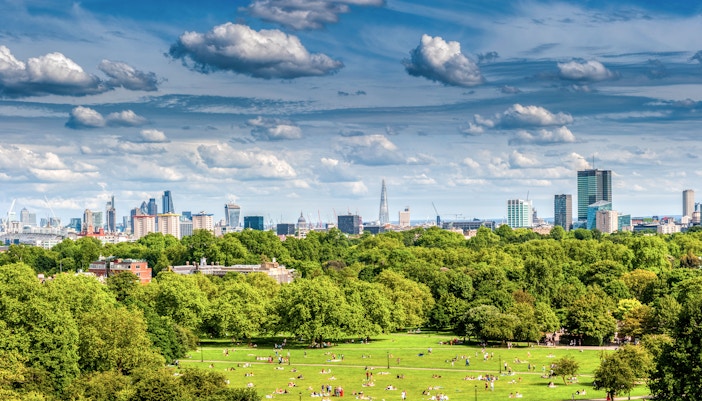
  • 📍 After your visit: Regent's Park and Primrose Hill are the easiest child-friendly add-ons if you still have energy left after the zoo.

Rules and restrictions

⚠️Once you leave London Zoo, you cannot re-enter!

Re-entry is not permitted once you exit London Zoo. Plan meals, rest breaks, and souvenir shopping before leaving - the nearest broader food options are about a 15–20 min walk toward Camden, and heading out early means ending your zoo day rather than pausing it.

Practical tips

  • Booking and arrival: Book a few days ahead for summer weekends and school holidays, because timed slots are the easiest part of the day to lose if you leave it too late, and arriving inside your 30-min entry window helps you avoid the slowest entry line.
  • Pacing: Do the big-ticket habitats first - Gorilla Kingdom, Penguin Beach, Land of the Lions, and Tiger Territory - then save Tiny Giants, Butterfly Paradise, and the Reptile House for later when the main paths are busier.
  • Crowd management: Weekday mornings work best here because the big-animal sightlines are clearer, feeding areas are less packed, and you won't spend the first hour weaving around school-holiday stroller traffic.
  • What to bring or leave behind: Bring a small day bag, not a bulky backpack, because lockers can be limited and this is a long walking visit with several indoor houses and narrow viewing points.
  • Food and drink: Eat before the noon rush or after 2pm if you plan to use the zoo cafés, because on-site food is convenient but often seen as pricey, and leaving for food means giving up re-entry.
  • Families: If you're visiting with children, use Animal Adventure as a late-visit energy release rather than an early stop, or you risk losing momentum before the zoo's headline habitats.

What else is worth visiting nearby?

Eat, shop and stay near London Zoo

  • On-site: Zoo cafés and kiosks serve simple lunch options and snacks, but they work best as a convenience fallback because many visitors find them expensive for the quality.
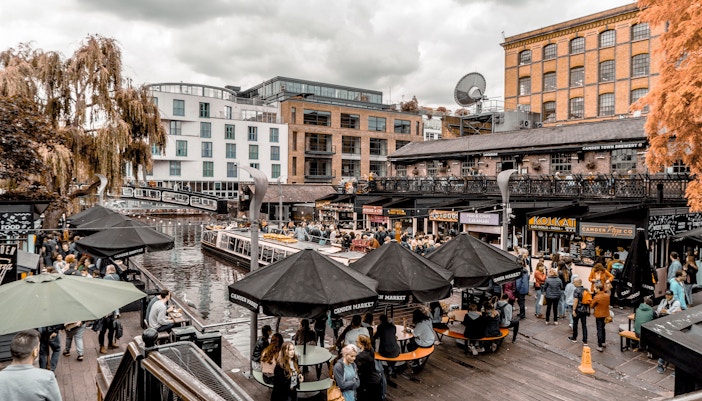
  • Camden Market: 15–20 min walk, Camden Lock area; street food and casual international options, and the easiest nearby choice if you want more variety after your visit.
  • Regent's Park cafés: 10–15 min walk, inside Regent's Park; better if you want a quieter coffee or light bite without heading straight back into city traffic.
  • Baker Street restaurants: 10–12 min by bus, Baker Street area; a useful option if you're pairing the zoo with Madame Tussauds or continuing deeper into central London.
  • 💡 Pro tip: If you're staying inside the zoo for 4+ hours, eat before noon or after 2pm so you don't lose time in the busiest food queues.
  • London Zoo Gift Shop: Animal-themed souvenirs, plush toys, and simple keepsakes, right by the exit where most families naturally end the day.
  • Camden Market: Better for browsing than the zoo shop if you want something less child-focused and more distinctly London.

Staying near London Zoo works best if your priority is green space, a slower pace, and quick access to Regent's Park rather than a central sightseeing base. It suits short trips built around the zoo, Camden, and nearby neighborhoods, but it is not the most practical all-round base for a first London visit.

  • Price point: This area usually skews mid-range to high, especially around Regent's Park and Marylebone, with better value once you move toward Camden.
  • Best for: Visitors who want to walk to the zoo, families trying to keep travel logistics light, and anyone who prefers parks over nightlife-heavy districts.
  • Consider instead: Covent Garden or South Bank work better for longer stays if you want easier access to London's biggest sights without depending as much on buses or the Tube.

Frequently asked questions about visiting London Zoo

Most visits take 3–5 hours. You can do the headline habitats in about 3 hours, but keeper talks, lunch, Animal Adventure, and the indoor houses like Tiny Giants and the Reptile House easily push it closer to a half-day.

More reads