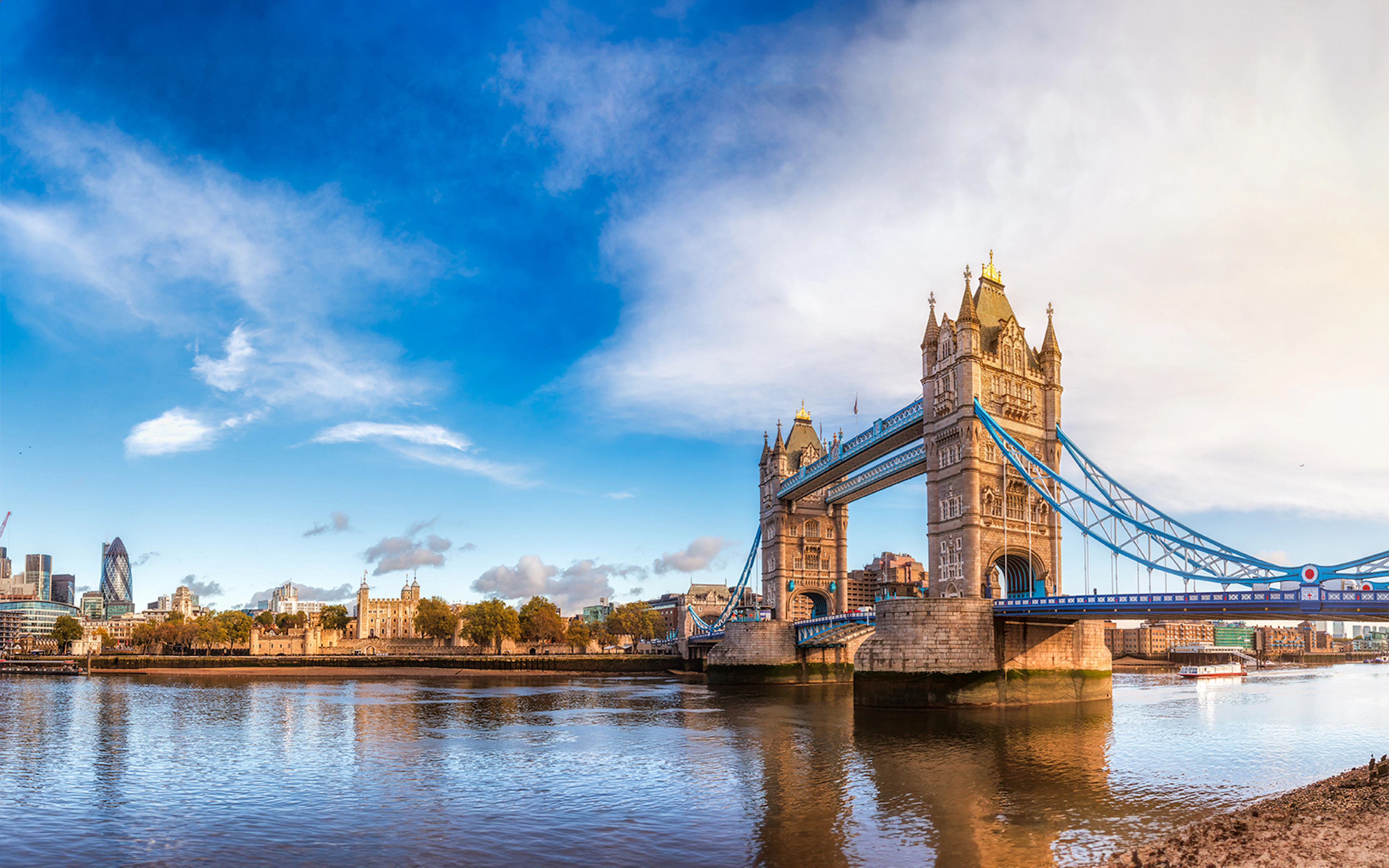
The most concentrated stretch of landmarks in London, possibly in Europe. Big Ben, the Houses of Parliament, Westminster Abbey, Buckingham Palace, and two royal parks, all within a single square mile and all walkable. Westminster is where London performs itself for the world, and for many first-time visitors it is the day that makes the city click. Come here first. Come here early. Everything else builds from it.
Where to go in London, and why it matters
London is one of the most visited cities in the world, and most visitors arrive with a long list of things to do but little sense of where those places actually are. The truth is that London is not a single, unified city. It is a collection of villages that slowly grew into each other over more than a thousand years without ever fully becoming the same place.
Westminster and Soho are only fifteen minutes apart on foot, yet they feel like different countries. Greenwich and Kensington are both royal and historic, but almost nothing alike.
The neighbourhoods are where London starts to make sense. Each one has its own character, its own reasons to visit, and its own rhythm for the day. Choose the right neighbourhood, and everything else falls into place: where to eat, what to see, how to get around, and when to slow down. Choose poorly and you spend half the day on the Underground wondering why the city feels harder than it looked on the map.
This guide covers five of London’s most rewarding neighbourhoods. Not necessarily the most famous five, but five that together capture much of what the city does best: history, museums, parks, food, nightlife, river views, royal palaces, and the occasional flamingo on a rooftop. Between them, they include many of the best things to do in London. The rest of this guide will help you decide where to begin.
Five neighbourhoods, one city
London rewards the visitor who picks a neighbourhood and goes properly rather than trying to cover everything at once. Here are the five worth knowing, and what each one gives you that the others don't.
Which neighbourhood is right for you
London has a neighbourhood for every kind of trip. The question is knowing which one matches what you actually want from the day.
Can I visit more than one neighbourhood in a day?
Yes, and London is well suited to it. The five neighbourhoods in this guide sit close enough to each other that combining two in a day is not only possible but often the best way to experience the city. The key is choosing pairings that complement rather than compete, two neighbourhoods that give you different things rather than the same thing twice.
Getting between neighbourhoods
London's transport system is straightforward once you understand one thing: the Oyster card or a contactless bank card gets you onto every bus, Underground line, and Thames Clipper in the city at the same price. Buy or activate one before you start moving and you will never need to queue for a ticket.
Frequently asked questions about London's neighbourhoods
Westminster. It is the most concentrated stretch of landmarks in London and the day that makes the city click for most first-time visitors. Big Ben, Westminster Abbey, Buckingham Palace, St James's Park, and the National Gallery are all within a single square mile and all walkable. Start here and use it as your orientation point for everything else.
Kensington and Greenwich between them cover most of what families need. The Natural History Museum and Science Museum in Kensington are genuinely excellent for children of all ages and both are free. In Greenwich, the Cutty Sark and the Peter Harrison Planetarium engage older children differently, and Greenwich Park has one of the better playgrounds in south London. Both neighbourhoods have parks large enough to absorb the energy that museums cannot.
Greenwich for maritime and scientific history. Westminster for royal and political history. Both carry a thousand years of consequence in a walkable area and both reward the visitor who reads a little before arriving. If you only have one day, Westminster covers the broader sweep of British history. If you want something more specific and surprising, Greenwich.
Kensington. Three world-class museums, all free, all on the same street. The Natural History Museum, the V&A, and the Science Museum together cover the natural world, five thousand years of human creativity, and the entire history of science and technology. Pick one and go properly rather than attempting all three in a day.
Soho, and it is not a close contest. The concentration of restaurants, bars, theatres, and late venues in a single square mile is unmatched anywhere in London. Greenwich and Kensington are largely done by early evening. Westminster empties after dark. Waterloo has the South Bank cultural venues. Soho is where London goes when it wants to stay up.
Greenwich. It is forty minutes from central London, feels completely unlike the rest of the city, and contains enough to fill a full day without requiring much planning. Arrive by river from Westminster Pier on the Thames Sightseeing Cruise from Westminster to Greenwich for the best possible introduction to the neighbourhood.
Oyster card or contactless bank card on the Underground, bus, or Thames Clipper. The river is the most underused and most enjoyable option: the Clipper connects Westminster, Waterloo, and Greenwich directly and costs the same as a bus fare. For the Westminster to Greenwich journey specifically, the Thames Sightseeing Cruise is the most atmospheric way to travel.
Westminster and Waterloo are ten minutes apart across Westminster Bridge. Westminster and Kensington are forty minutes through the royal parks. Waterloo and Soho are fifteen minutes across Waterloo Bridge. Soho and Westminster are twenty minutes down Whitehall. Greenwich is the only neighbourhood in this guide that requires a train or river to reach from the others.
For the major ticketed attractions, yes. Westminster Abbey, the Houses of Parliament tours, Buckingham Palace State Rooms, the Cutty Sark, and the Royal Observatory all sell out during peak periods and reward advance booking. The free attractions, the National Gallery, the Natural History Museum, the V&A, the Science Museum, St James's Park, and Greenwich Park, require no booking. Check each attraction's website before you visit and book anything ticketed as early as possible.
A city pass covers multiple attractions across London's neighbourhoods at a reduced combined price. The London Pass by Go City covers over 100 attractions including Westminster Abbey, the Tower of London, Kensington Palace, and the Royal Observatory among others. The London Explorer Pass by Go City lets you choose between two and seven attractions from a set list. Both are worth considering if you are planning to visit three or more ticketed attractions across multiple neighbourhoods. Book here.
It can be, but the five neighbourhoods in this guide contain a remarkable amount that costs nothing. The National Gallery, the Natural History Museum, the V&A, the Science Museum, the National Maritime Museum, the Queen's House, the Painted Hall, St James's Park, Hyde Park, Kensington Gardens, Greenwich Park, the palace exteriors, and Evensong at Westminster Abbey are all free. A well-planned day in Kensington or Greenwich costs almost nothing beyond food.
Spring, from March to May, is the most balanced window across all five neighbourhoods. The parks are in bloom, the crowds have not yet reached summer levels, and the weather is good enough to make the transitions between indoor and outdoor spaces genuinely pleasant. Autumn, from September to October, is the most underrated time: quieter than summer, with better light and the parks at their most beautiful. Summer is the busiest and most social season. Winter is the best time for serious museum visits and the least crowded period across all five neighbourhoods.