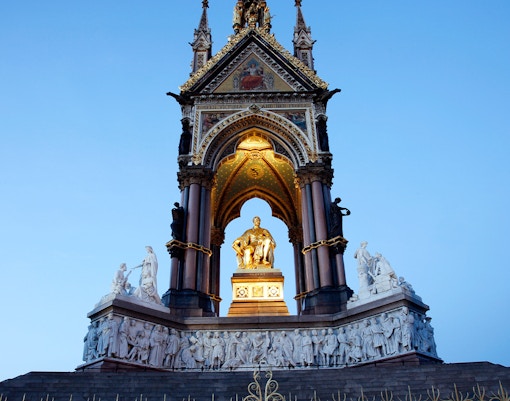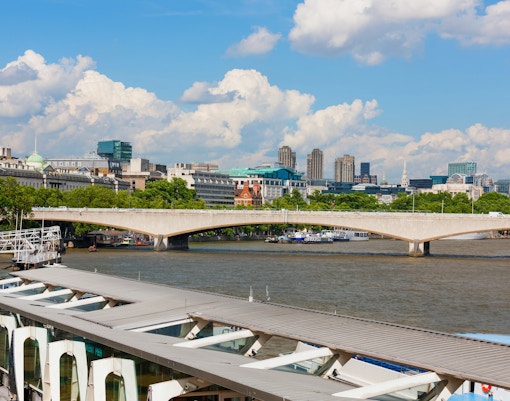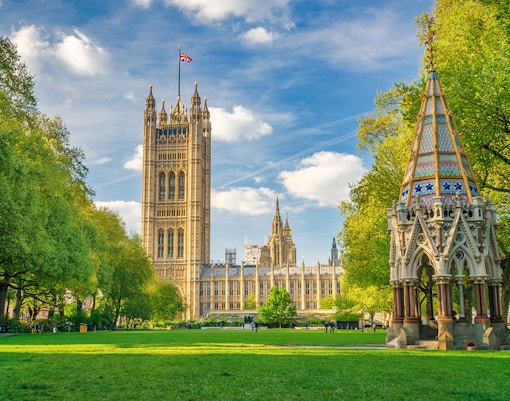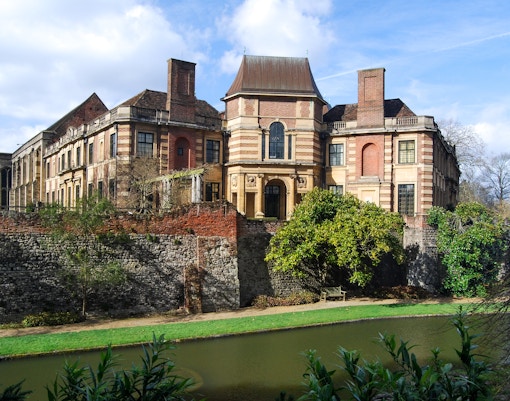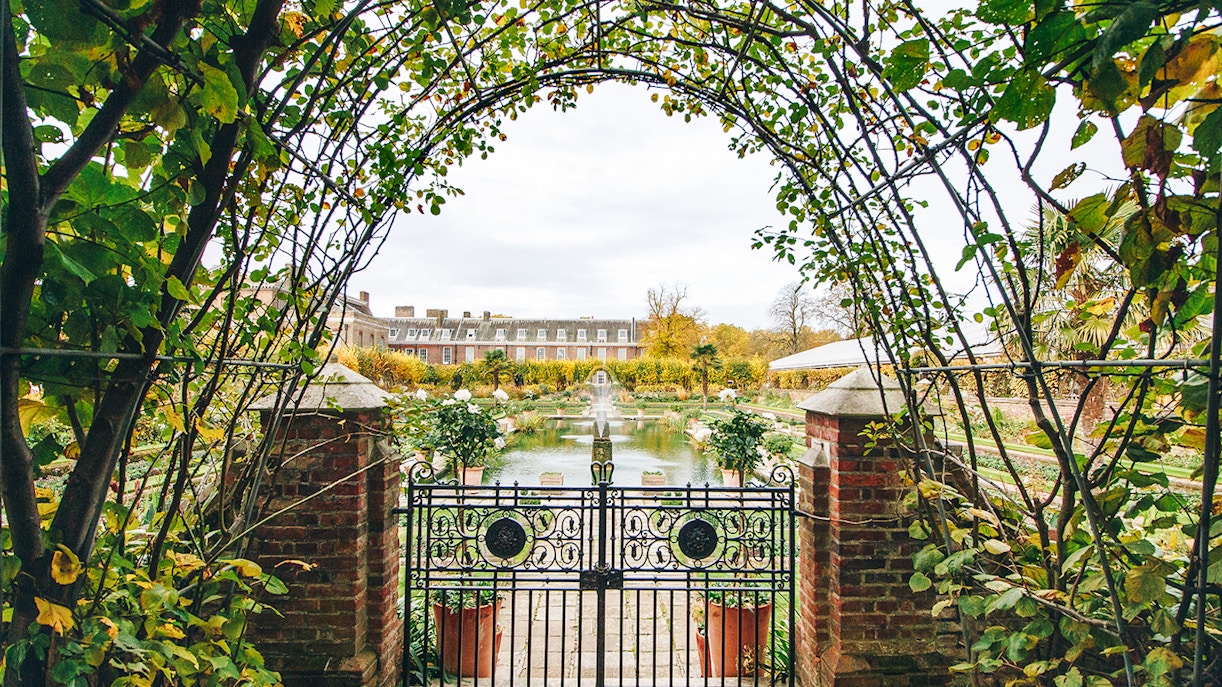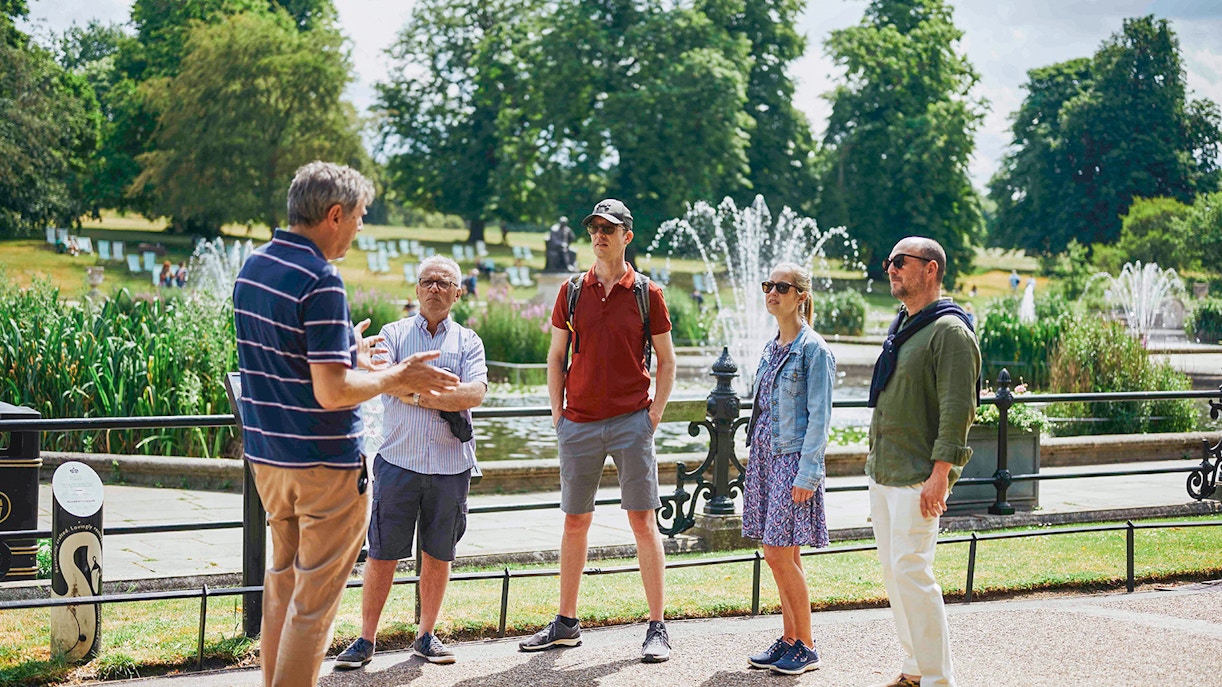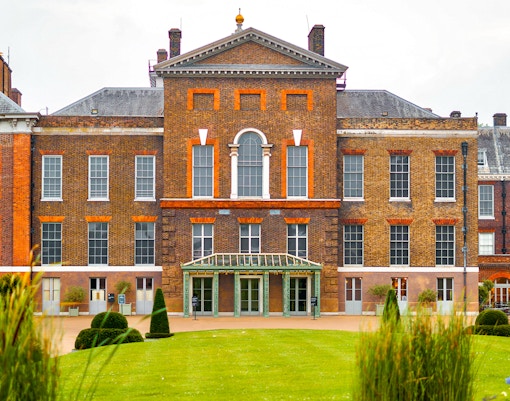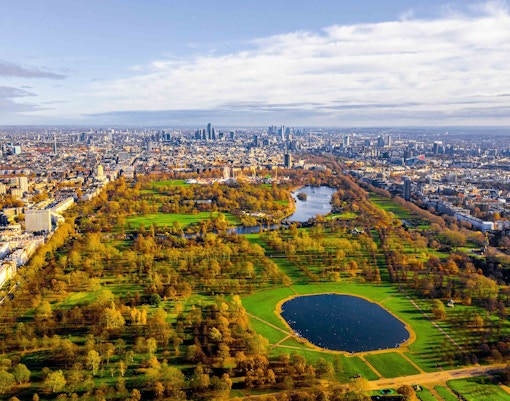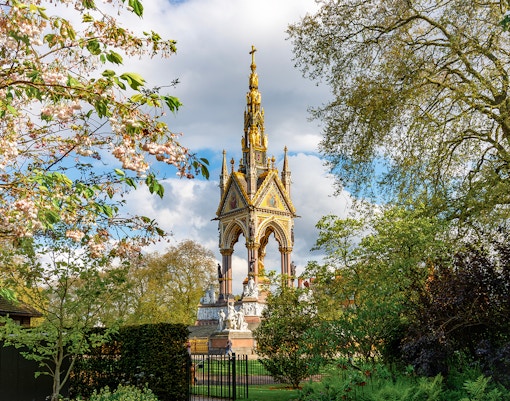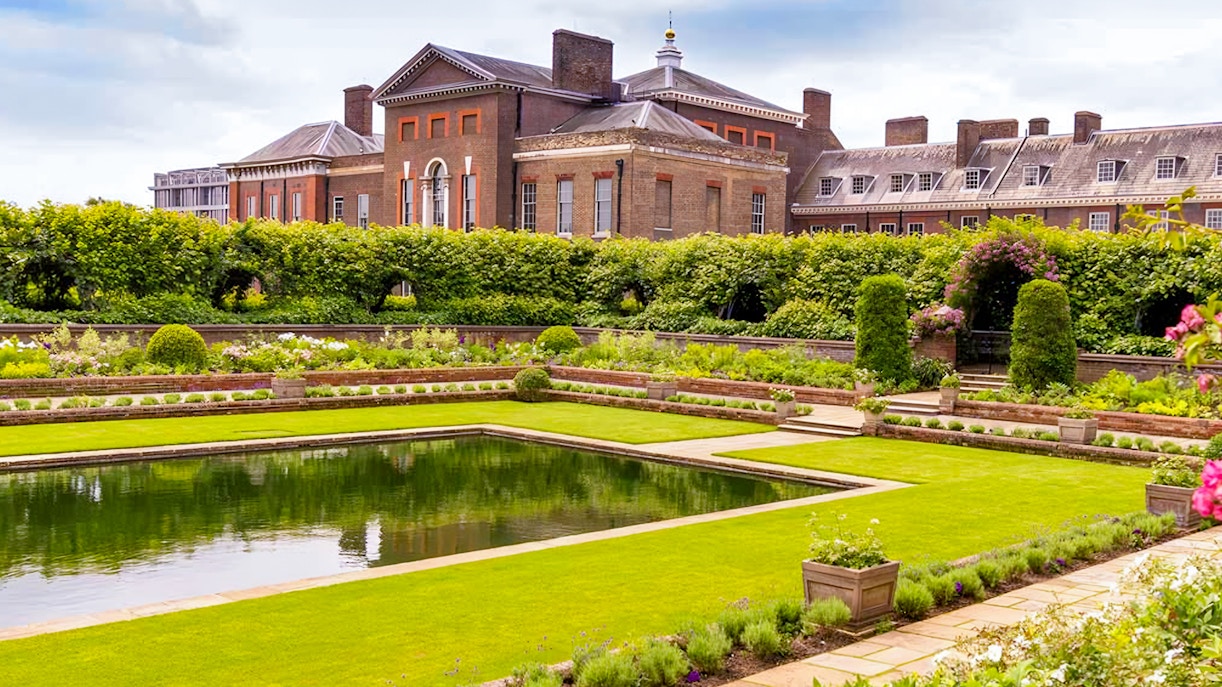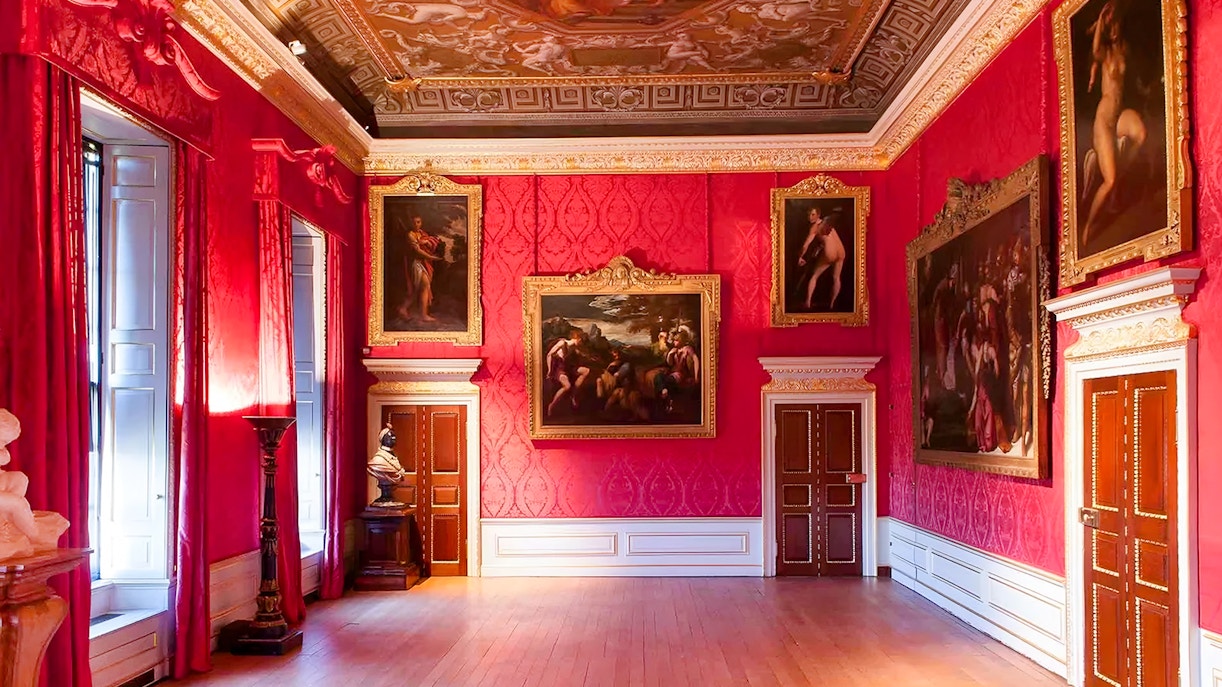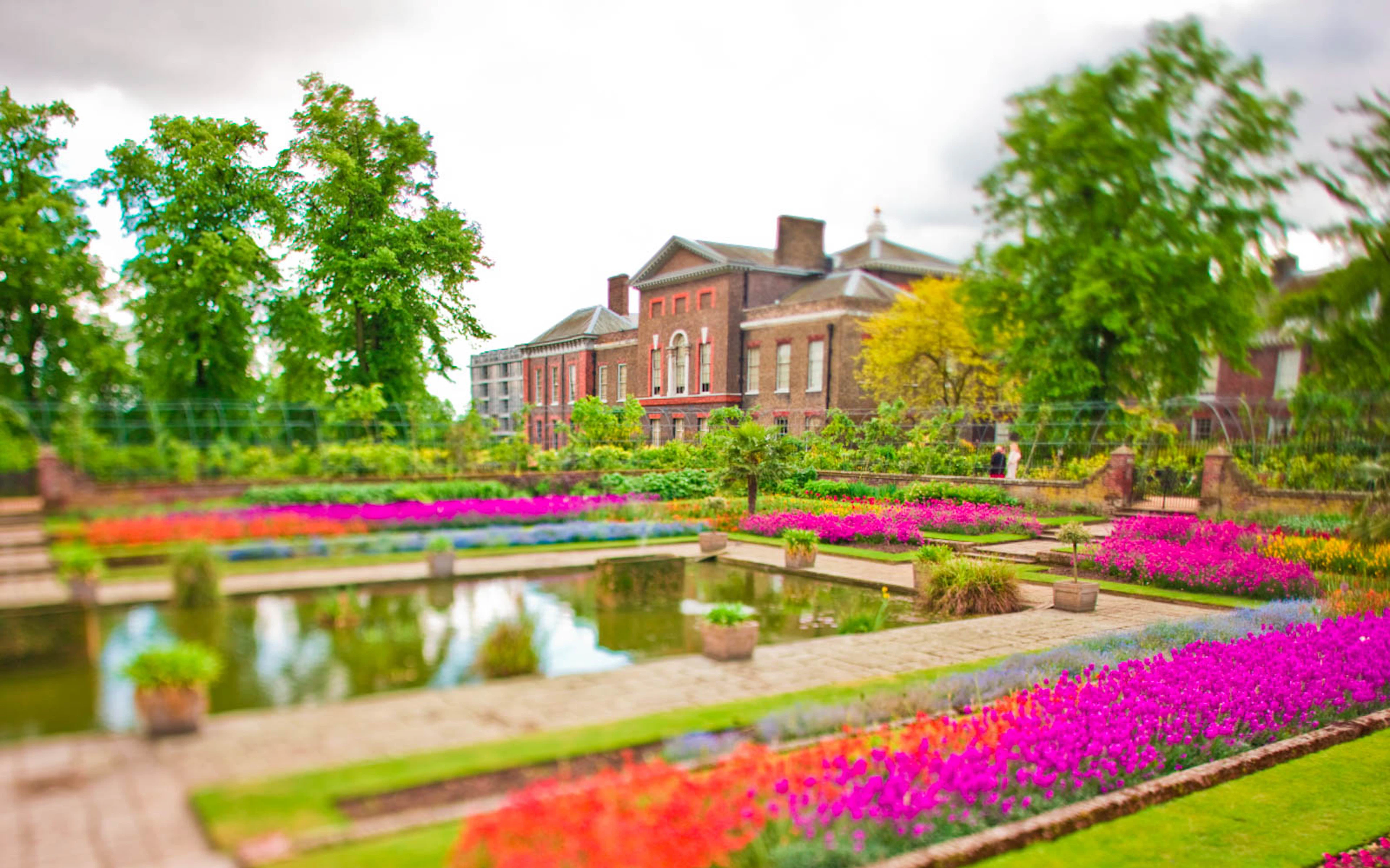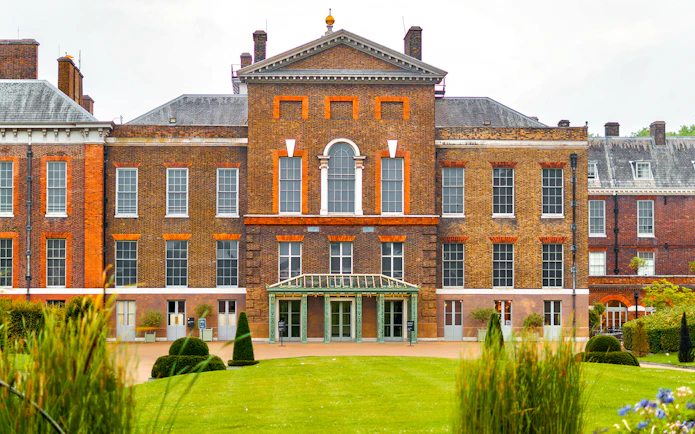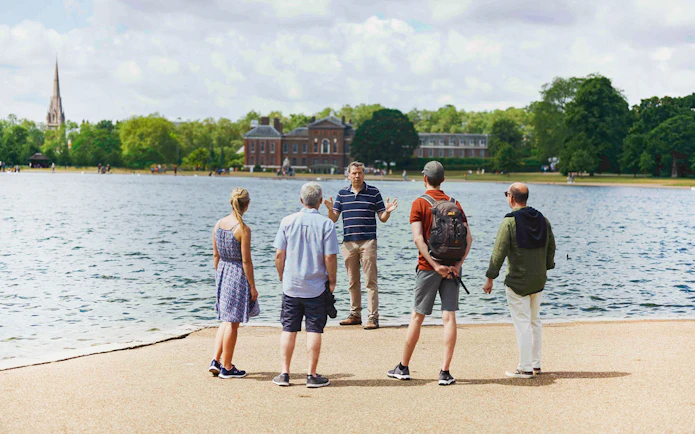
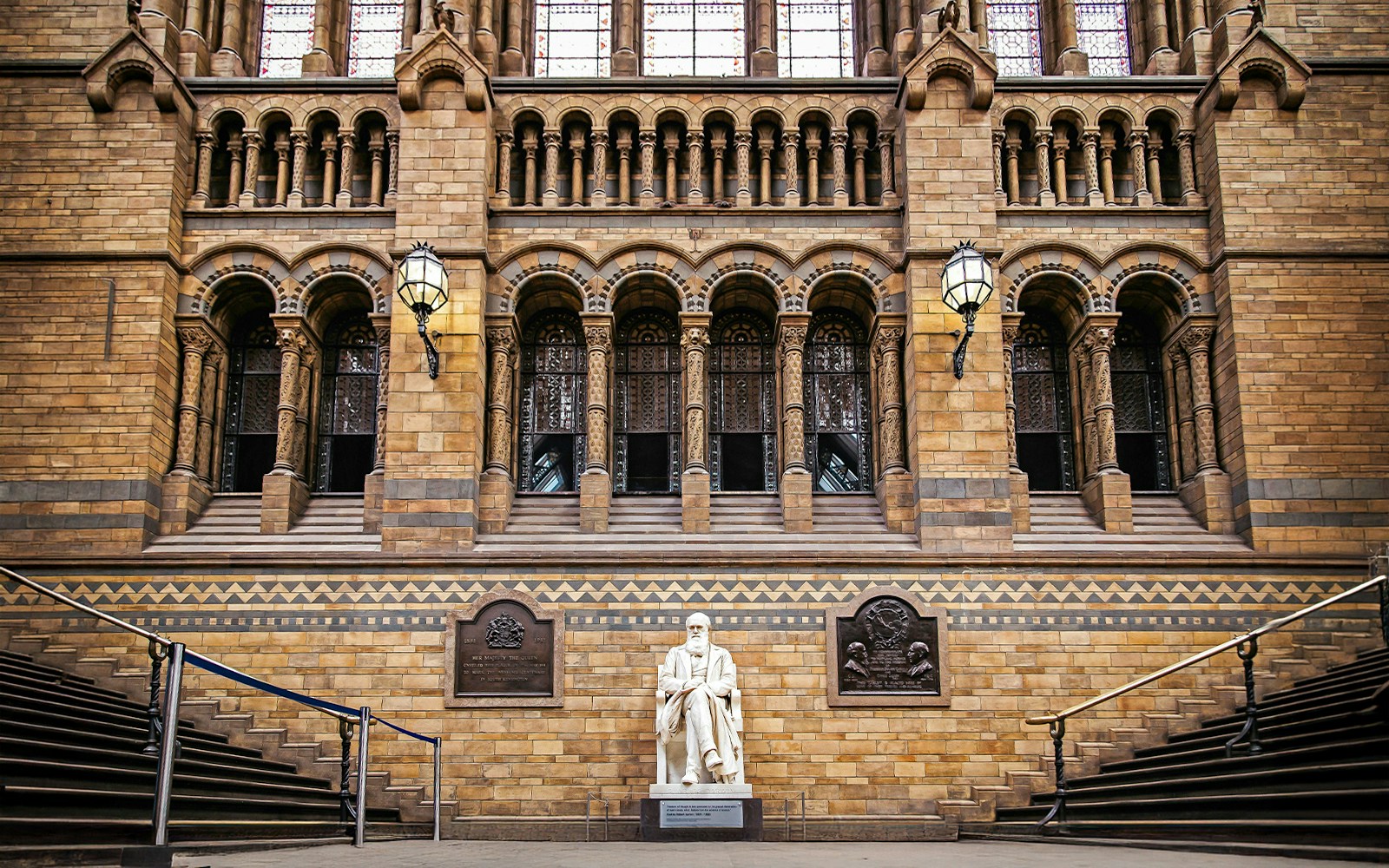
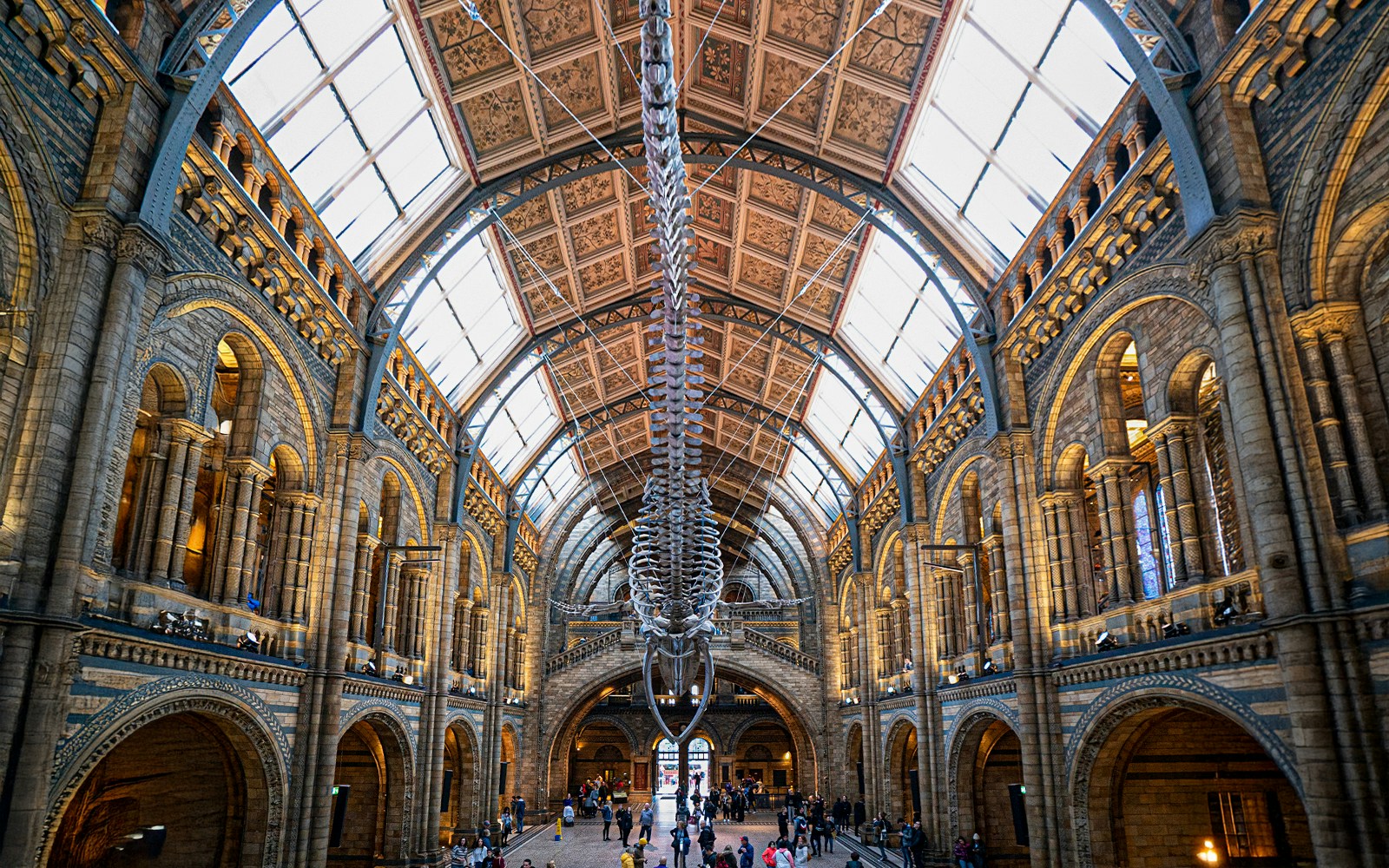
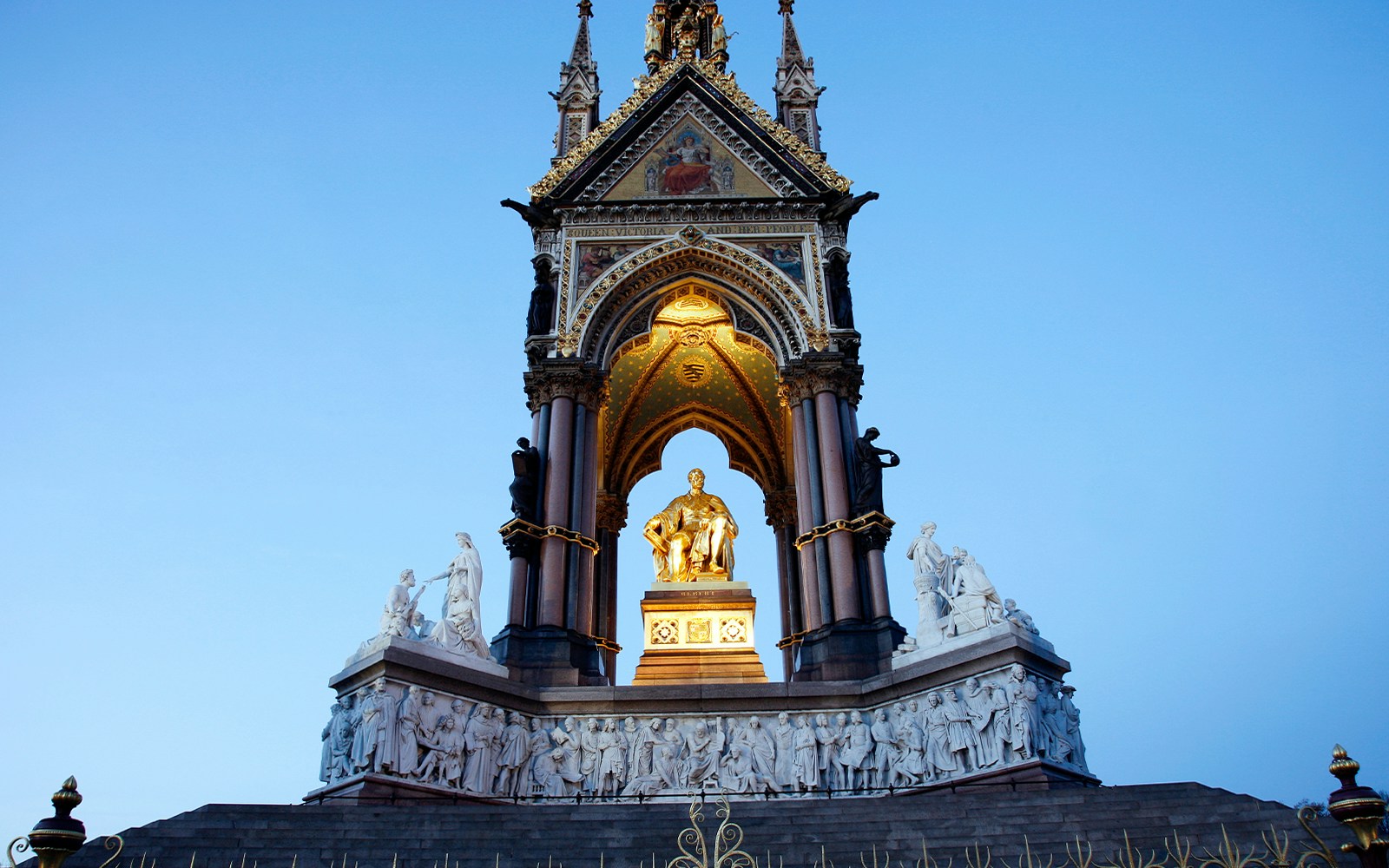
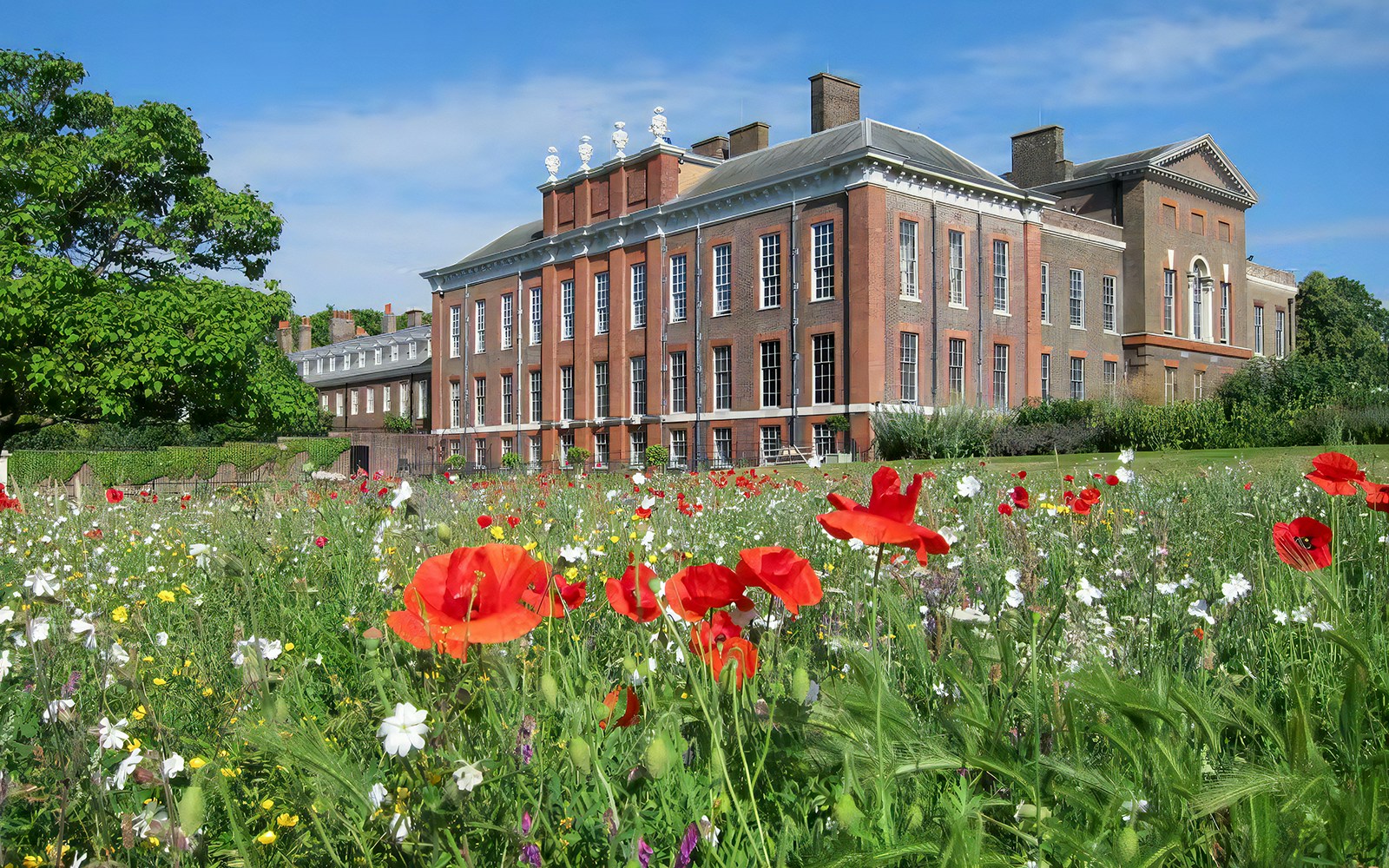
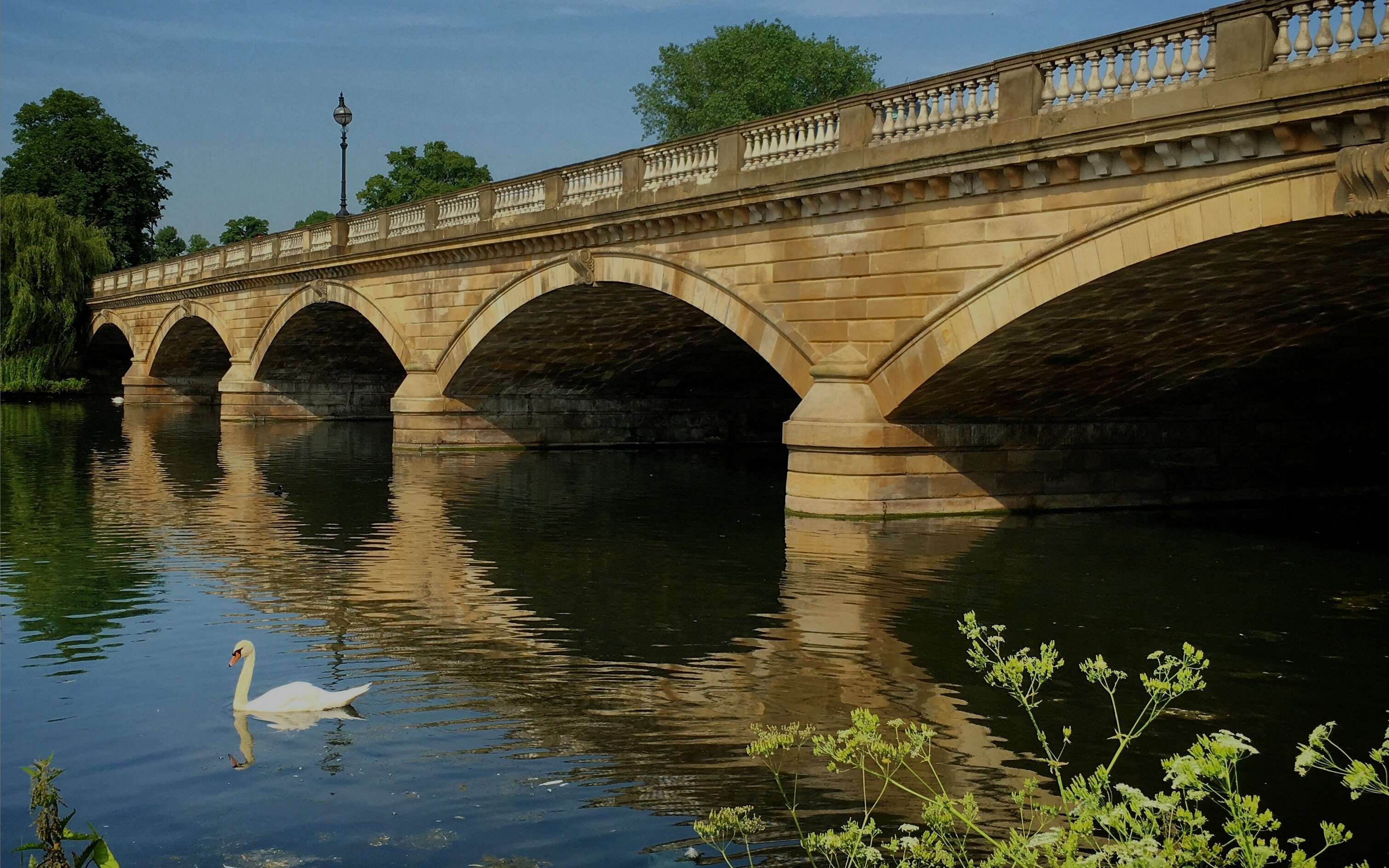
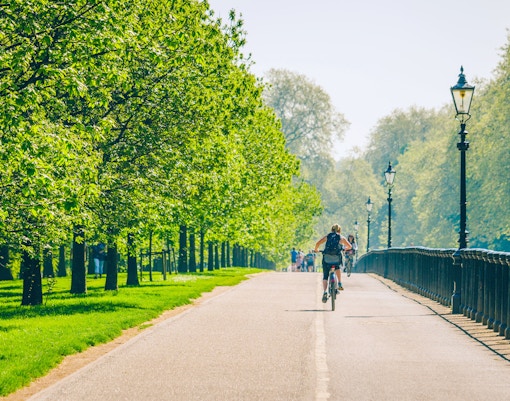
- The 625-acre Royal Park is free to enter and perfect for walking, cycling, and picnics. Highlights include the Serpentine, Diana Memorial Fountain, Albert Memorial, Italian Gardens, and Speakers’ Corner. A full walk from Bayswater Gate to Kensington Palace takes about 25 minutes.
- Best for: walkers, families, cyclists (30–90 mins)
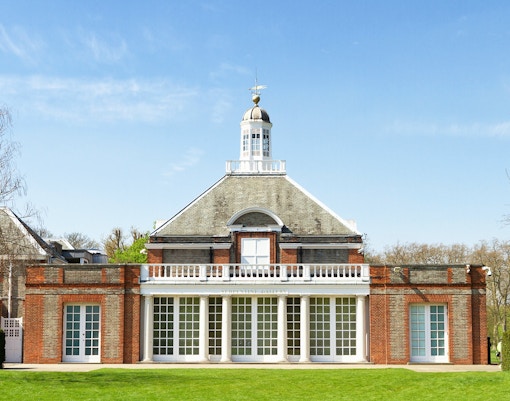
- Combine with: Kensington Palace or Serpentine Galleries
Neighborhood at a glance
Why visit: Kensington has London’s highest concentration of free world-class museums, alongside Kensington Palace, the Royal Albert Hall, and Hyde Park, all within a compact area around Exhibition Road and Kensington High Street.
Atmosphere: Affluent, quiet residential, museum-heavy, park-bordered.
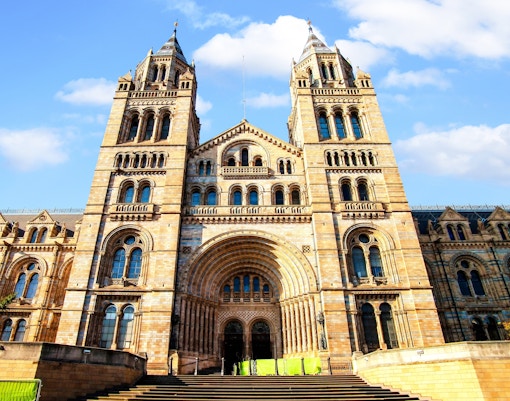
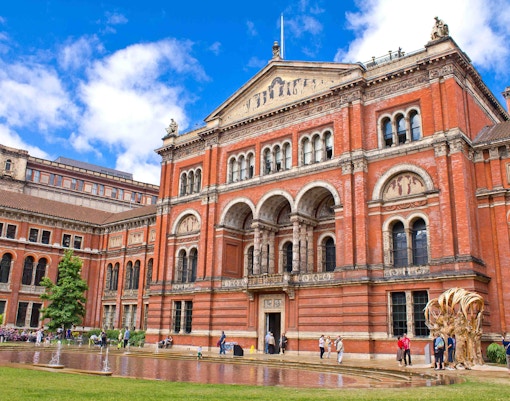
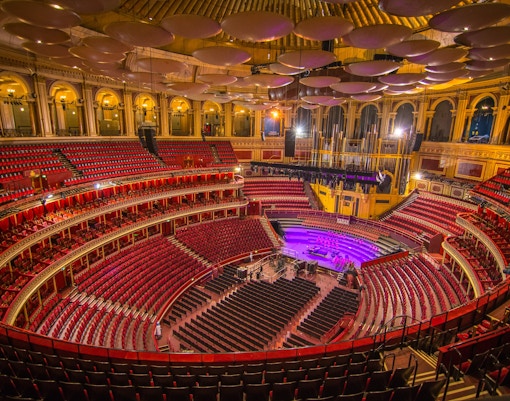
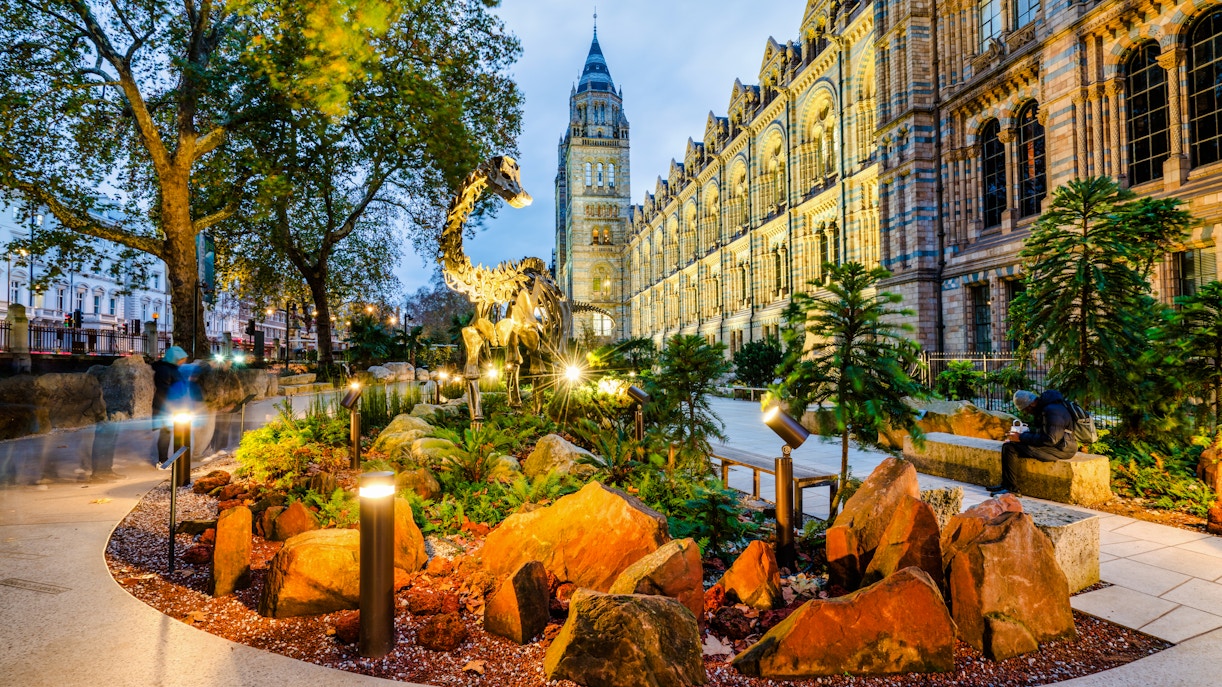
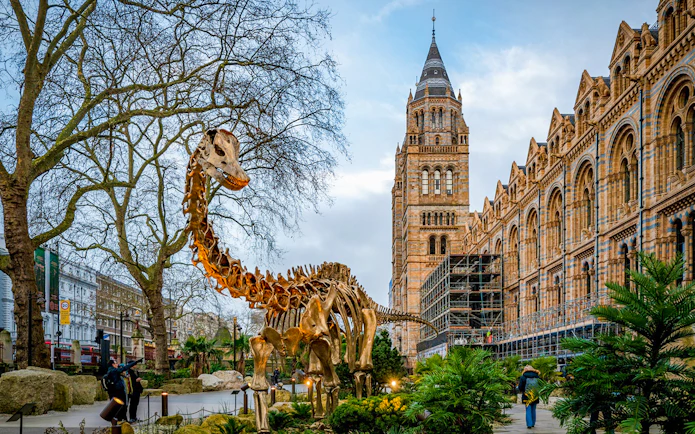
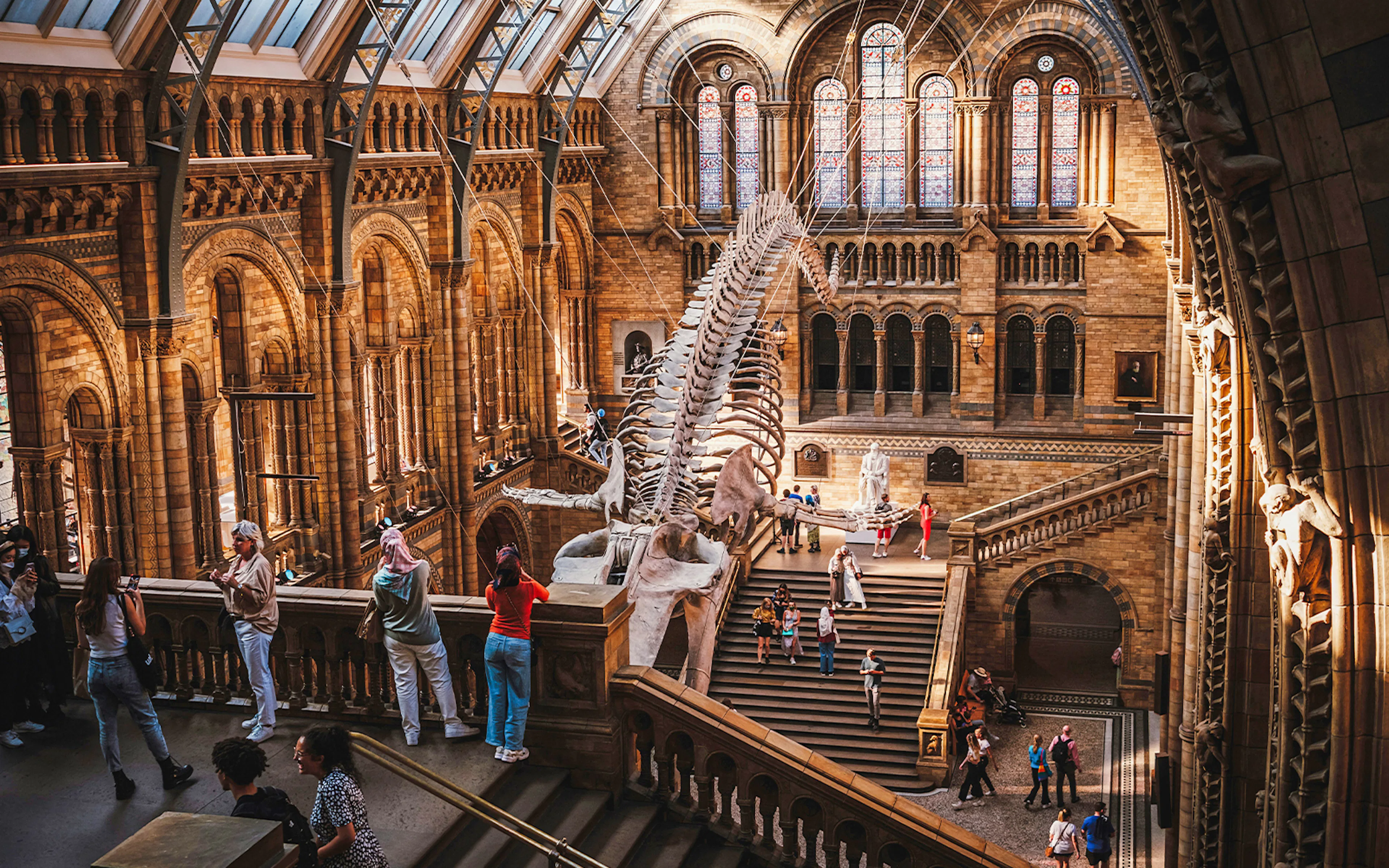
Top things to do: Visit the Natural History Museum's blue whale and dinosaur galleries, walk through Kensington Gardens to Kensington Palace, see a performance at the Royal Albert Hall, explore the Victoria and Albert Museum's decorative arts collection.
Best for: Families, culture and museum visitors, architecture fans, visitors wanting a quieter alternative to central London.
Time needed: 3–4 hours for the museum strip and Kensington Gardens; a full day to include Kensington Palace, the Royal Albert Hall and Hyde Park.
Best time to visit: Weekday mornings for the museums, particularly the Natural History Museum, which draws school groups from mid-morning onward. Kensington Gardens is best on weekend mornings before the Serpentine area fills up.
Nearby: Knightsbridge, South Kensington, Notting Hill, Chelsea, Hyde Park Corner.
Top things to do in Kensington
Quick navigation
🏛️ Why visit | 🎟️ Best ways to explore |🧭 Plan your visit | 🌟 Free things to do | 📋 Itinerary | 💡 Tips | 🍴 Dining
Best ways to explore Kensington
The Royal Afternoon Tea at Kensington Palace with Walking Tour of the Gardens is the flagship guided experience in Kensington. It combines a narrated stroll through the palace gardens and Broad Walk with a classic afternoon tea served in the historic Orangery right beside the palace.
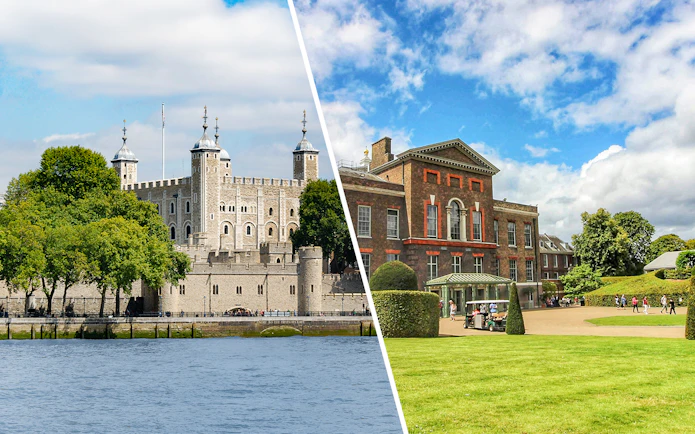
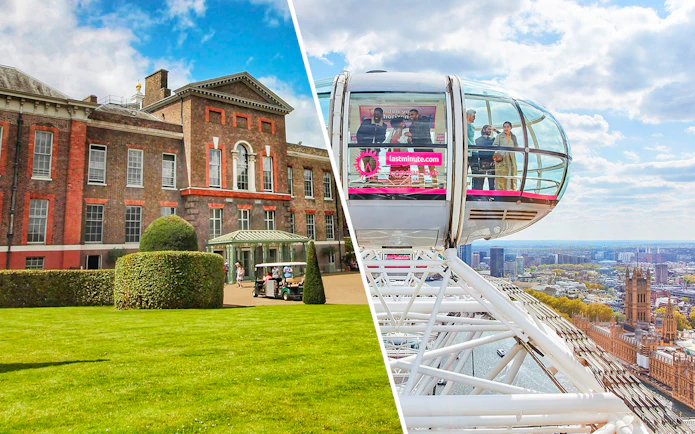
Kensington Palace features in several money‑saving combo tickets that link it with major London attractions. You can pair it with the Tower of London or Kew Gardens, opt for a culture‑plus‑immersive‑art day with Frameless London, or add the London Eye for skyline views, typically saving 5–10% compared to booking separately.
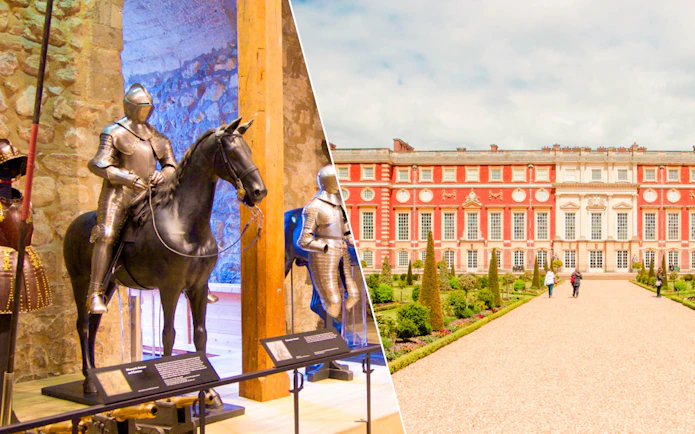
The 3 Palace Pass (Tower of London, Hampton Court Palace, and Kensington Palace) is designed for visitors who want a deeper dive into royal history. It lets you visit three very different royal sites, fortress, riverside Tudor palace, and Victorian residence, on one flexible ticket, usually at a lower combined price than buying each individually.
Hyde Park and Kensington Gardens have a signposted, mostly traffic‑free cycling route running east–west, ideal for confident and casual cyclists alike. With flat paths, generous space, and multiple Santander Cycles docking stations at key gates and near the Royal Albert Hall, it’s one of the easiest ways to experience central London’s parks on two wheels.
Plan your visit
Kensington sits in west London, roughly 2 miles west of Trafalgar Square, centered on Kensington High Street and the Exhibition Road museum strip.
Free things to do in Kensington
Suggested itinerary for visiting Kensington
Kensington divides naturally into two areas: the museum strip at the south end of the neighborhood along Exhibition Road, and the palace and park cluster in Kensington Gardens to the northwest. They are connected by a 20-minute walk through the park or a 5-minute Underground journey.
Tips for visiting Kensington
- Use the South Kensington tunnel: From South Kensington Station, follow signs to the pedestrian tunnel under Exhibition Road for direct, step-free access between the museums—no need to cross busy roads.
- Plan the Natural History Museum first: At Natural History Museum, the dinosaur gallery gets very crowded after 11am. Visit it first before exploring Hintze Hall.
- Book Kensington Palace in advance: Kensington Palace is open year-round and especially worthwhile when Buckingham Palace is closed. Advance booking is recommended on weekends.
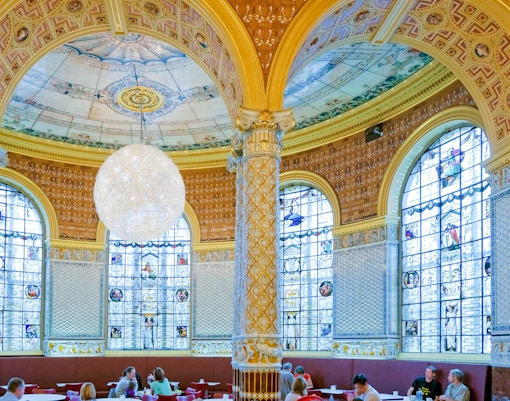
- Don’t miss the V&A café: The café inside Victoria and Albert Museum is set in historic 1860s rooms—worth a stop even just for a coffee.
- Best Albert Memorial views: For the best angle, walk to the south side of the Albert Memorial facing the Royal Albert Hall, especially in late afternoon light.
- Summer highlights in the park: Hyde Park sometimes hosts seasonal swimming at the Serpentine Lido and the temporary Serpentine Pavilion (summer only).
- Timing matters for museums: The major museums in the area typically close around 5:30pm, so start early if combining more than one.
- Avoid driving if possible: Parking is limited and expensive—public transport is far easier with multiple nearby Underground stations.
Dining in Kensington
Should you stay in Kensington?
Staying in Kensington puts Natural History Museum, Victoria and Albert Museum, and Kensington Palace within walking distance, with Hyde Park close by—but it’s one of London’s pricier residential areas.
Vibe: Kensington is quiet in the evenings, with little nightlife. After museum closing hours, activity centers around Kensington High Street and nearby restaurant streets, while most surrounding residential areas stay very calm.
Logistics: Hotels cluster around Cromwell Road, Kensington High Street, and South Kensington. Expect higher-than-average prices. Budget stays are more common just south in Earls Court, within a 10–15 minute walk.
Best for: Ideal for museum-focused trips, families, and travelers who prefer a peaceful, residential base over nightlife or central West End access.
Best area to stay: Queen’s Gate and Cromwell Road offer the best balance—close to museums, a short walk to Hyde Park, and easy Underground access via South Kensington station.
Explore other London neighbourhoods
Frequently asked questions about Kensington
Yes. Kensington gives you big London sights such as museums, parks and a palace in a calmer, safer area than many central districts. You can see a lot of London from Kensington without feeling overwhelmed.
If you just want the highlights of Kensington, half a day is enough for one museum, a park walk and the High Street. A full day gives you time for two museums, the palace and a proper dinner in Kensington.
Kensington works all year, but spring and early autumn are the sweet spots. You get lighter crowds, parks you actually want to walk through and museums that are busy but not exhausting.
Use South Kensington for the big Kensington museums on Exhibition Road. Use High Street Kensington for Kensington Palace, Kensington Gardens’ south side and the High Street itself. Picking the right station saves you an unnecessary extra walk.
The simplest option is the Piccadilly line direct from Heathrow to South Kensington. If you are staying closer to the High Street, you can change once or take a taxi for the last short hop into Kensington.
Yes, the big Kensington museums such as the V&A, Natural History Museum and Science Museum are free to enter, with paid special exhibitions. You still need to budget time and energy, not just money.
You should. Kensington Palace uses timed tickets and can sell out at popular times. Booking ahead online means you can plan the rest of your Kensington day around a fixed entry slot.
Kensington is one of the flattest, most walkable pockets of central London. Paths through Kensington Gardens are level, the main museums have lifts and step free routes, and you can always fall back on a short bus or Tube ride within Kensington if needed.
Look one or two streets back from the main sights. Around South Kensington, Bute Street feels the most local. Near Kensington High Street, places like Maggie Jones’s and Ffiona’s draw more Kensington regulars than day trippers.
Yes. Kensington is one of the easiest parts of London with children: dinosaurs at the Natural History Museum, hands on galleries at the Science Museum, space to run in Kensington Gardens and playgrounds within a few minutes’ walk of each other.
You can. Step away from Exhibition Road into mews streets, residential squares and the smaller cafés and pubs. Kensington has a lot of money, but it also has schools, corner shops and everyday routines if you slow down and watch.