Westminster Abbey vs St Paul’s Cathedral

First-time visitors to London often weigh Westminster Abbey against St Paul’s Cathedral- two world-famous churches that promise very different experiences in history and architecture. Below, we compare access, prices, highlights, and practicalities so you can decide quickly- or plan to see both on the same trip.

Quick comparison – Westminster Abbey vs St Paul’s Cathedral

FeatureWestminster AbbeySt Paul’s Cathedral

Location

Parliament Square, Westminster (SW 1)

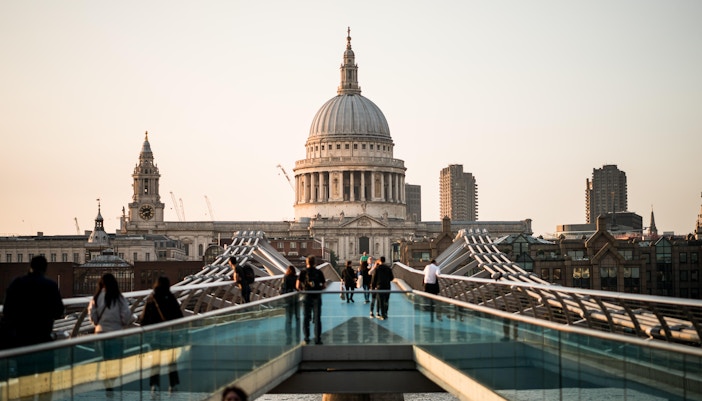
The City, near Millennium Bridge (EC4)

Price

Adults from £31 online (from Oct 2025); concessions available.

Adults from £25 online; family & concession options.

What is it?

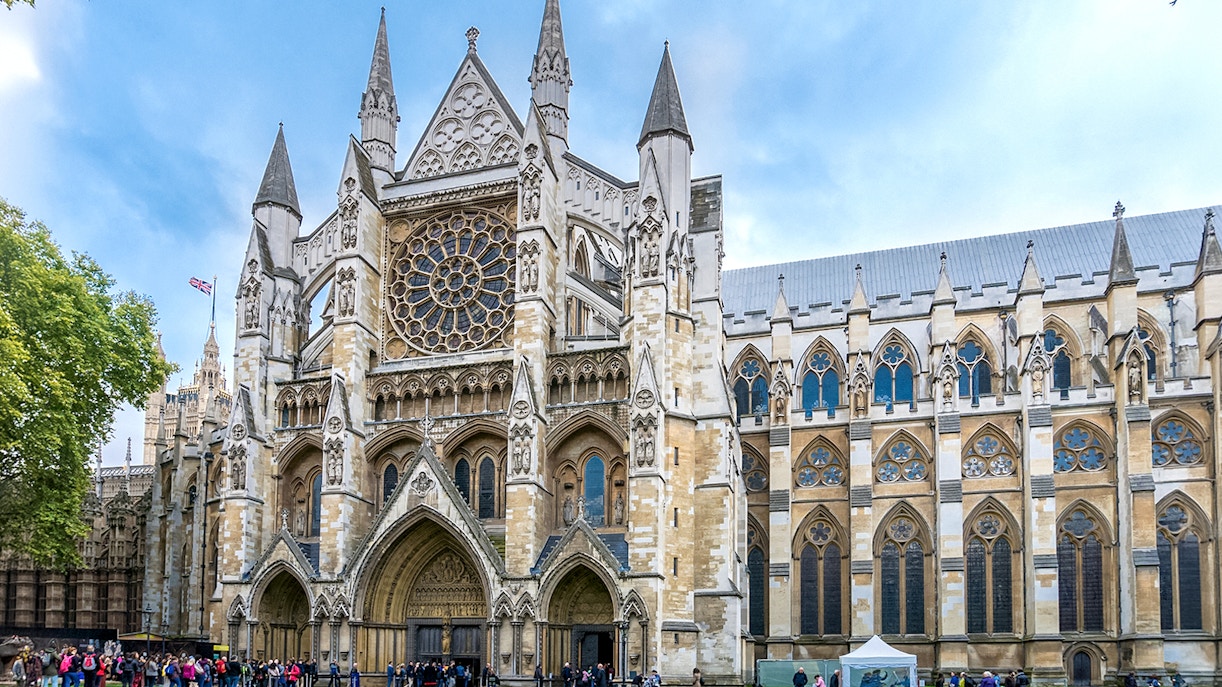
Coronation church and royal shrine with 1,000+ years of history.

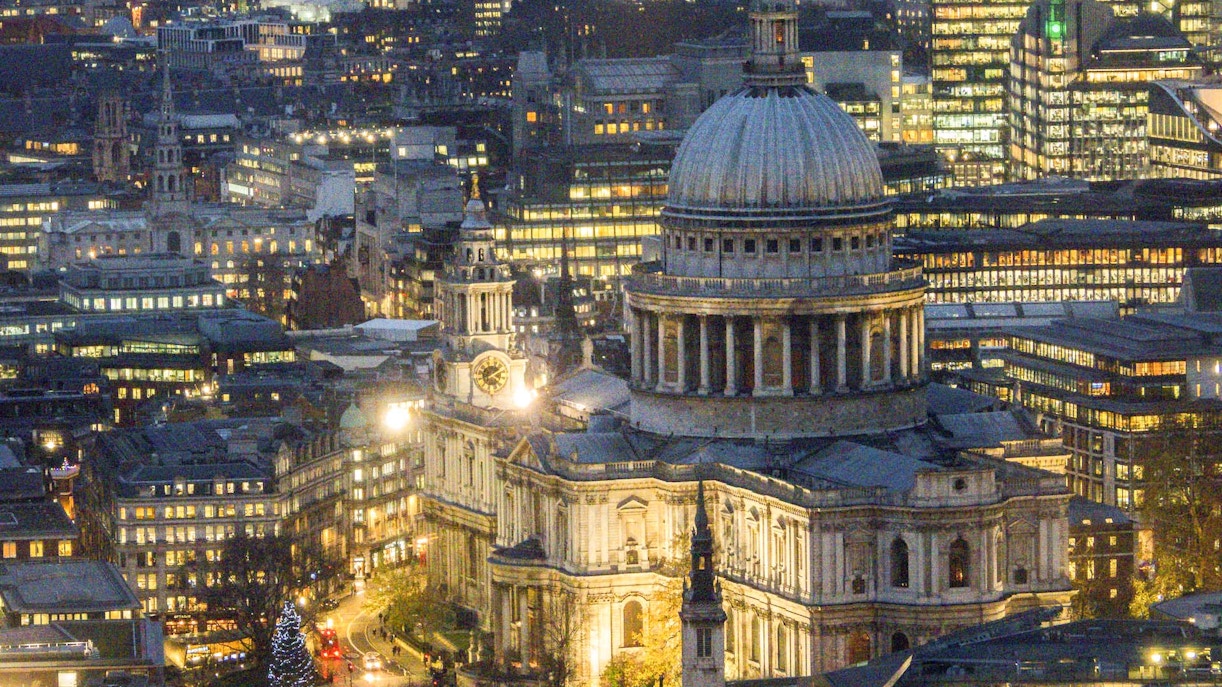
Christopher Wren’s Baroque masterpiece with a climbable dome.

Built / Age

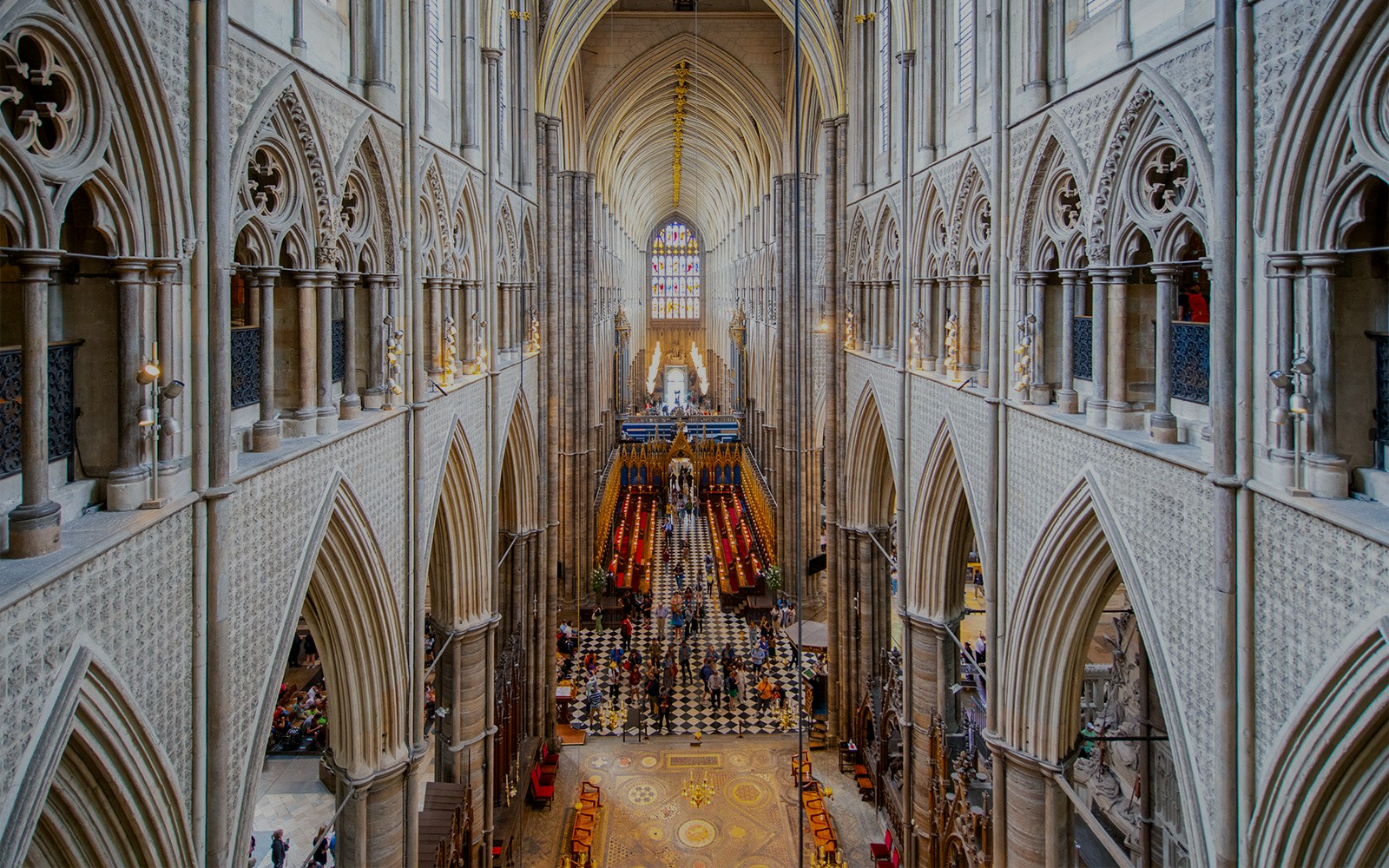
Mainly 13th–16th centuries (Gothic).

Rebuilt 1675–1710 after the Great Fire (English Baroque).

Height / Size

Dome height 111 m / 365 ft to cross.

Timings

Sightseeing hours vary by day; check calendar for services/closures.

Mon–Sat sightseeing; galleries and times vary by date- check the schedule.

Duration needed

1.5–2.5 hours (more if using the multimedia guide).

2–3 hours if climbing dome (longer with all galleries).

Queues / Wait time

Can be long at peak hours and service days- prebook and arrive early.

Peak queues, especially for the dome- prebook morning slots.

Best time to visit

Weekday mornings outside major services/ceremonies.

Early weekday mornings; verify gallery access that day.

Accessibility

Step-free routes in most areas; some historic gradients/steps remain.

Lifts to main floor and Stone/Golden Galleries access vary; check daily notes.

Kid-friendly

Good with scavenger trails and audio; solemn spaces.

Engaging climb and views; many steps for upper galleries.

Highlights

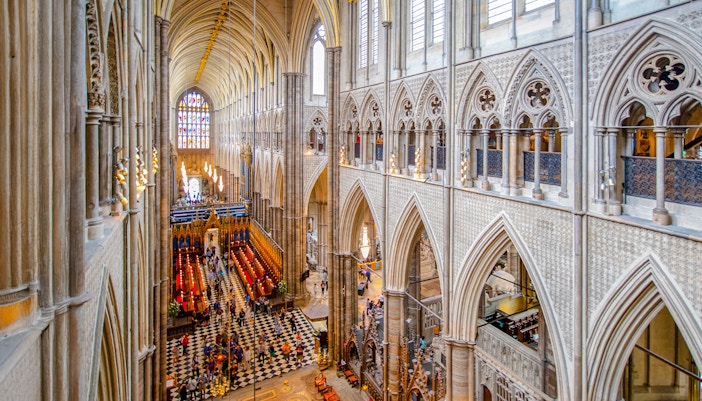
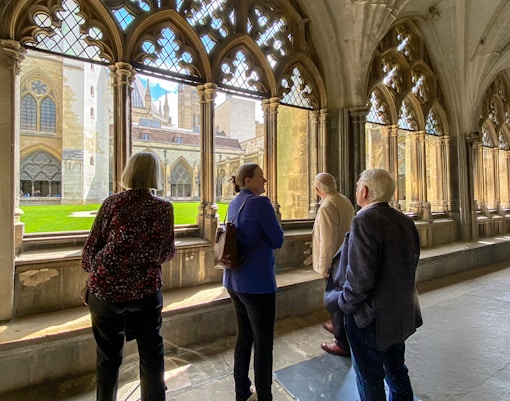
Poets’ Corner, Coronation Chair (display varies), royal tombs, Cloisters.

Whispering, Stone & Golden Galleries; nave & quire; dome views over London.

Dining options

Cellarium Café & Terrace next door.

The Wren Café (crypt level).

Nearby attractions

Houses of Parliament, Big Ben, Whitehall, St James’s Park.

Tate Modern, Millennium Bridge, Borough Market, Museum of London.

Photography

Personal photography permitted in some areas (e.g., Cloisters); restricted in the Abbey church.

Personal photography allowed on tours (no drones/tripods; restrictions during services).

Verdict – Which Should You Visit?

Short on time? Choose Westminster Abbey for royal history, tombs, and Britain’s coronation church- no stairs required.

Pick St Paul’s for architecture you can climb and enjoy sweeping city views from the dome.

Do both if you have two mornings; book timed entries and start early for lighter crowds.

See both with one pass

Max out value with a London sightseeing pass or combo that includes Westminster Abbey and St Paul’s Cathedral, saving money and queueing time- ideal for first-timers planning 2–3 days in London.

Major differences between Westminster Abbey and St Paul’s Cathedral explained

What you’ll see at Westminster Abbey

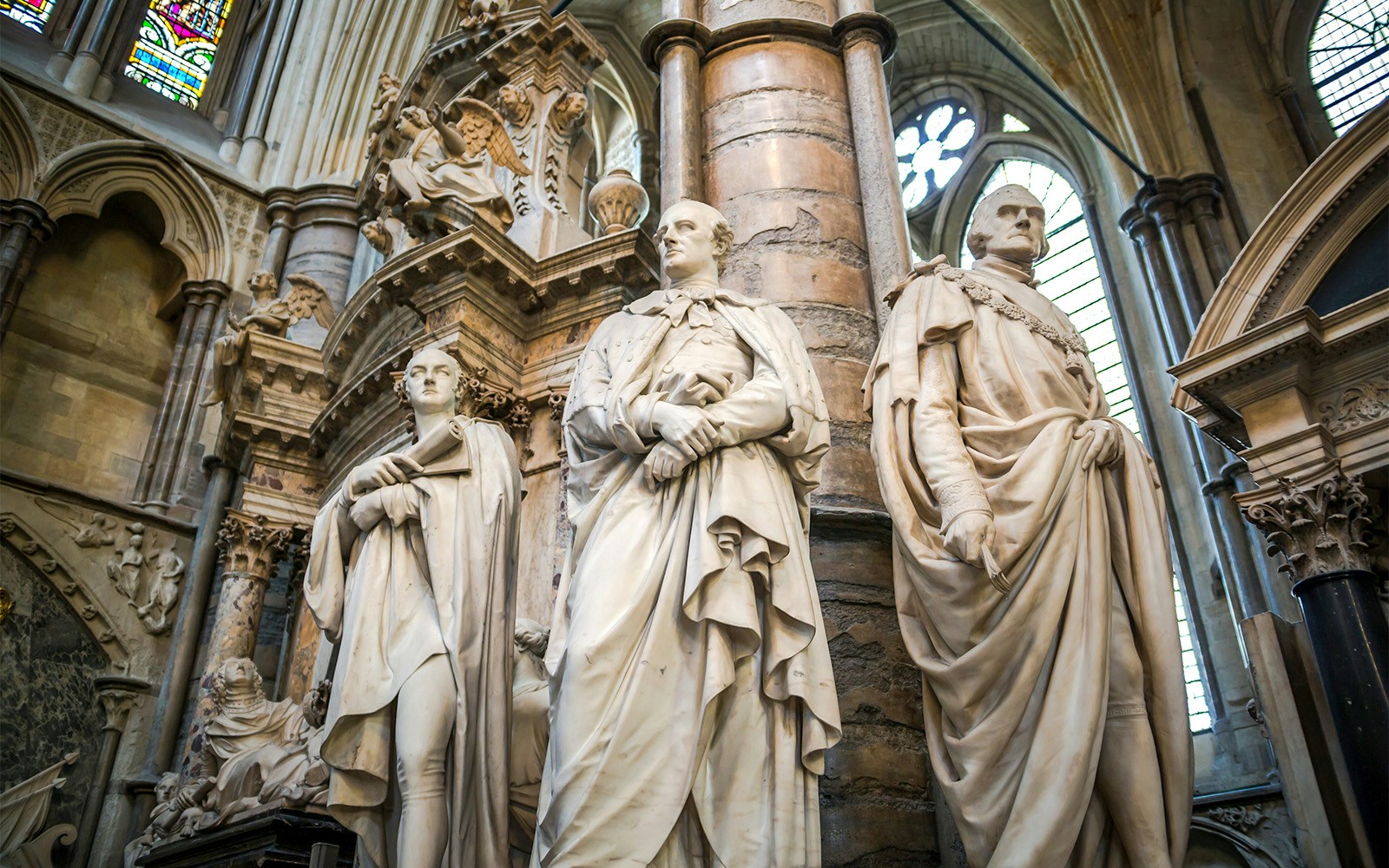
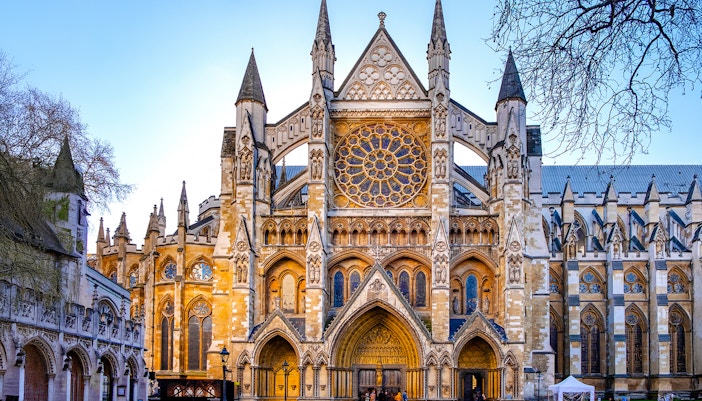
Statues inside Westminster Abbey, London, showcasing historical figures.

Poets’ Corner

Memorials and graves to literary greats, from Chaucer to Dickens, set within the south transept.

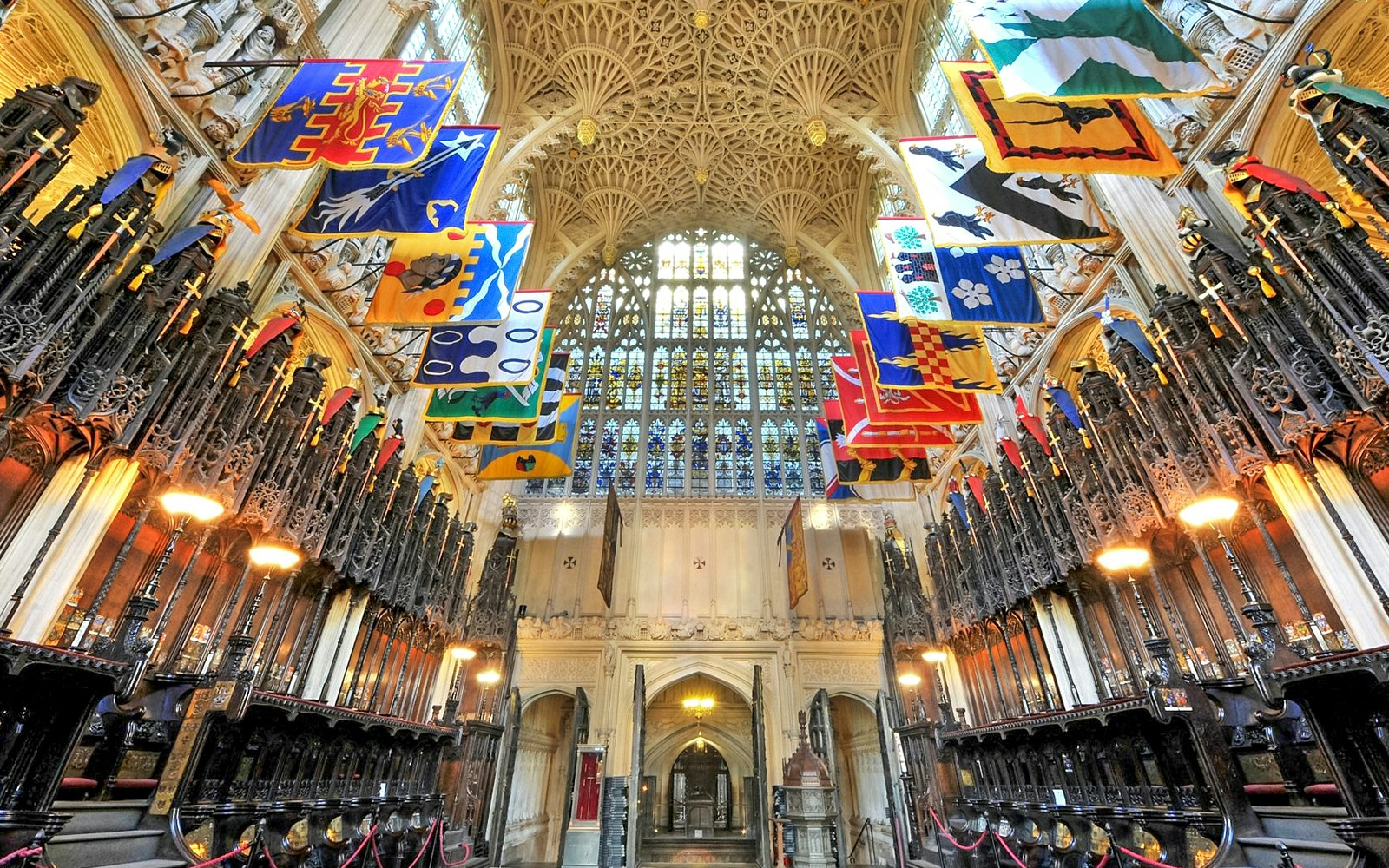
The Lady Chapel interior with ornate ceiling and colorful banners, Westminster Abbey.
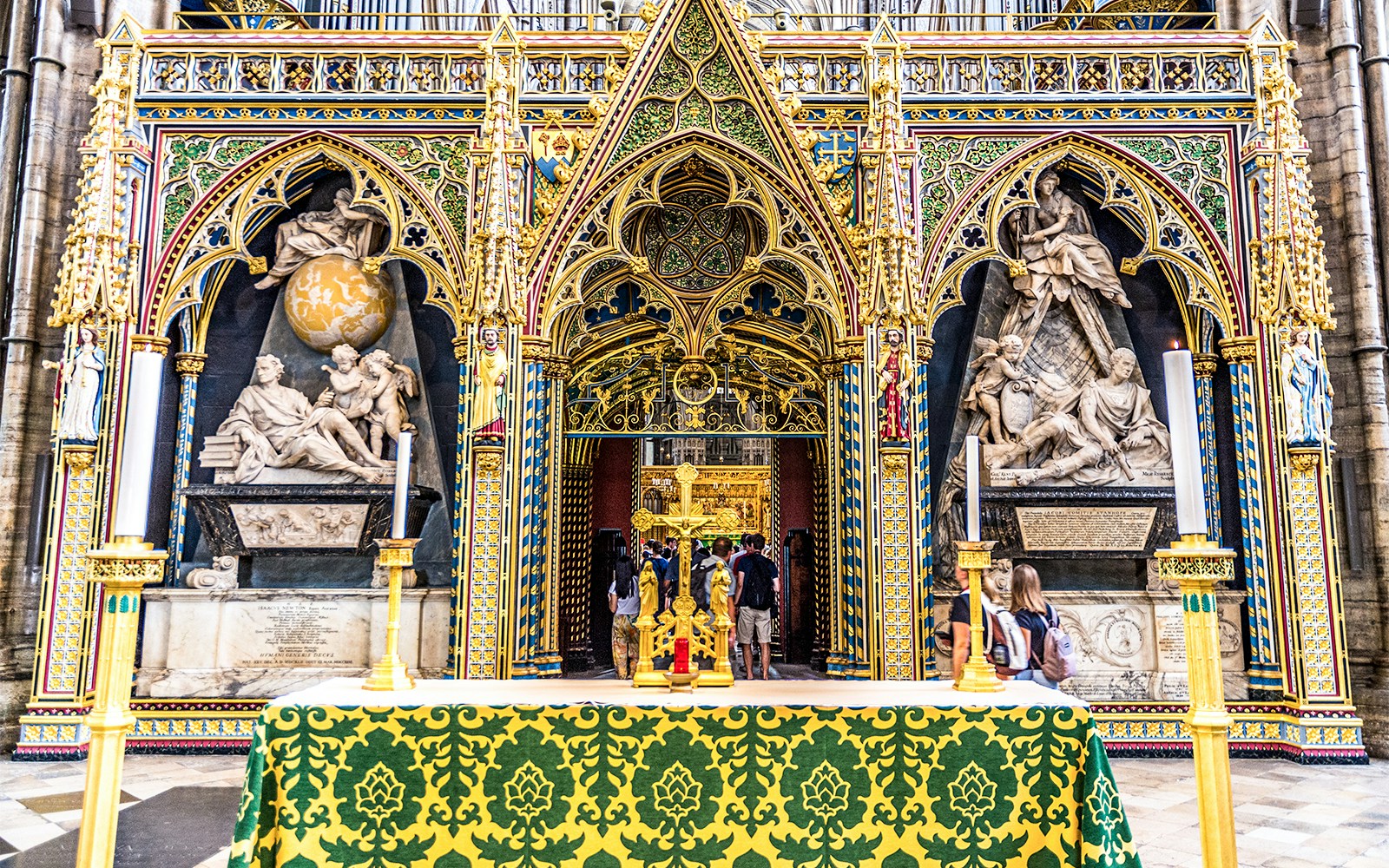
Sir Isaac Newton's Tomb in Westminster Abbey with ornate Gothic architecture.
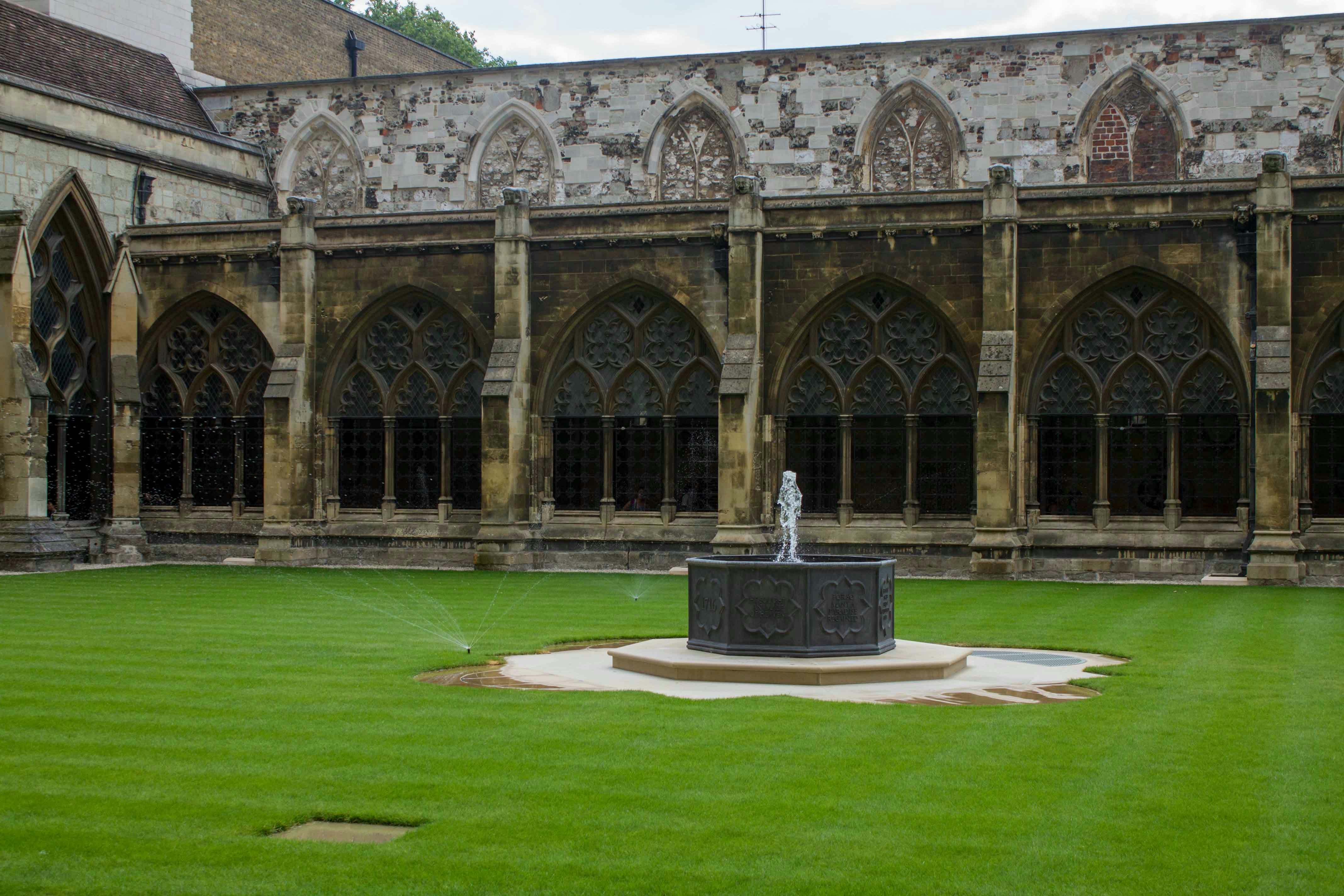
Westminster Abbey garden with fountain and Gothic arches in London.
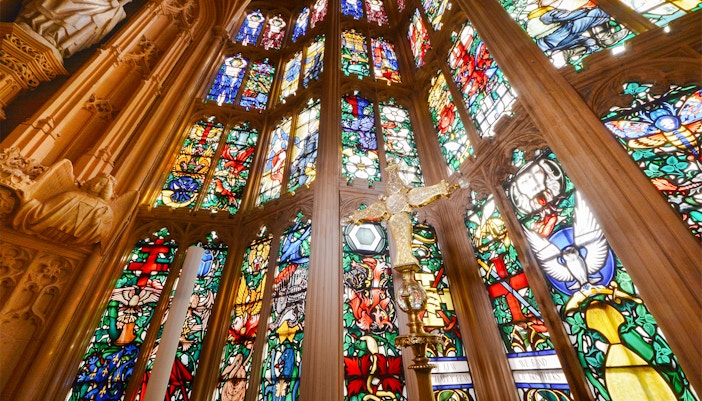
Westminster Abbey interior view with Anglican Church architecture and stained glass.

What you’ll see at St Paul’s Cathedral

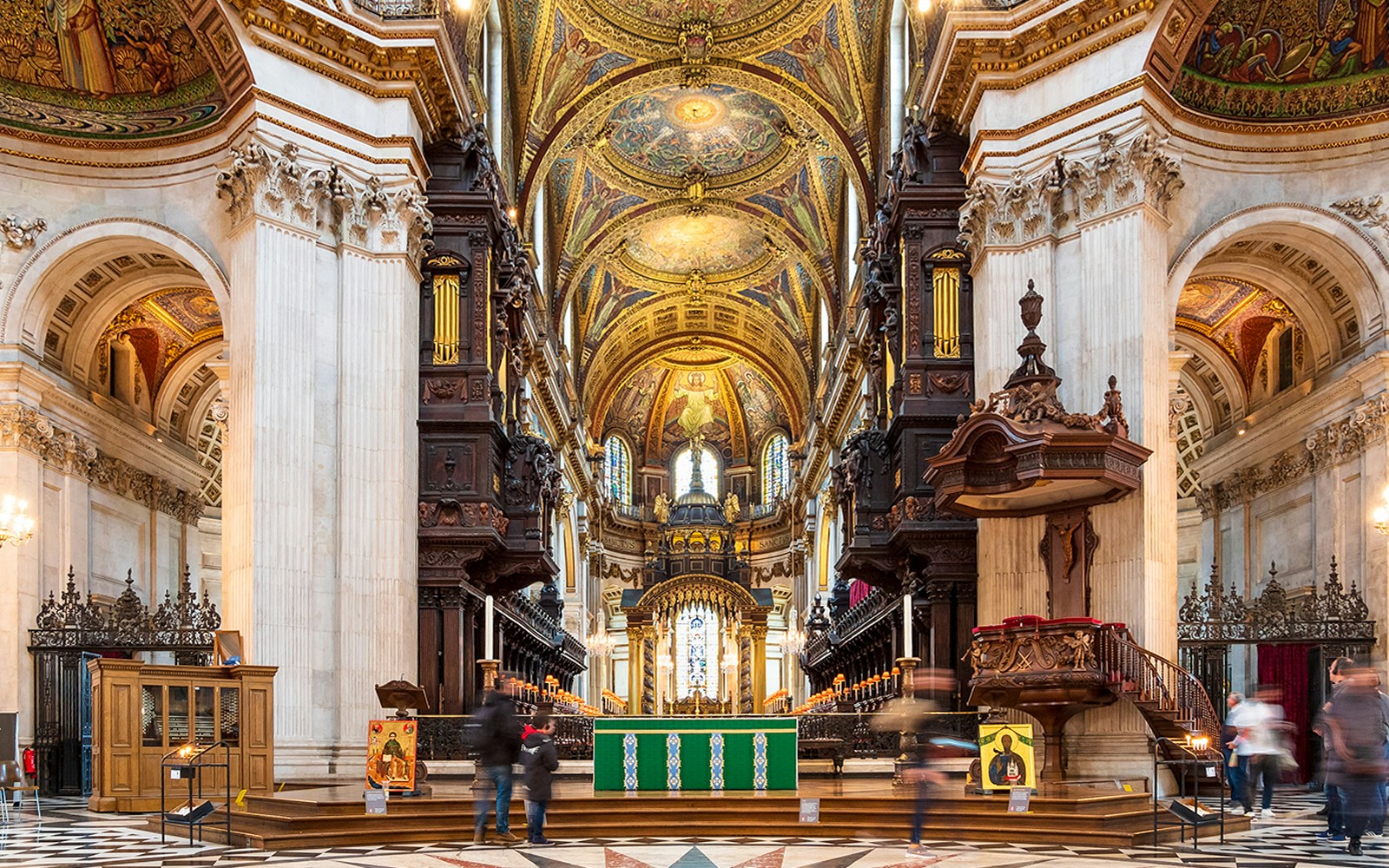
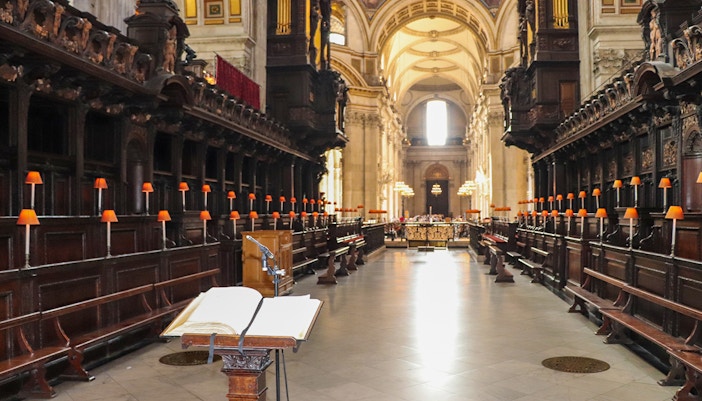
Interior of St. Paul's Cathedral, London, showcasing ornate ceiling and altar.

The Nave & Quire

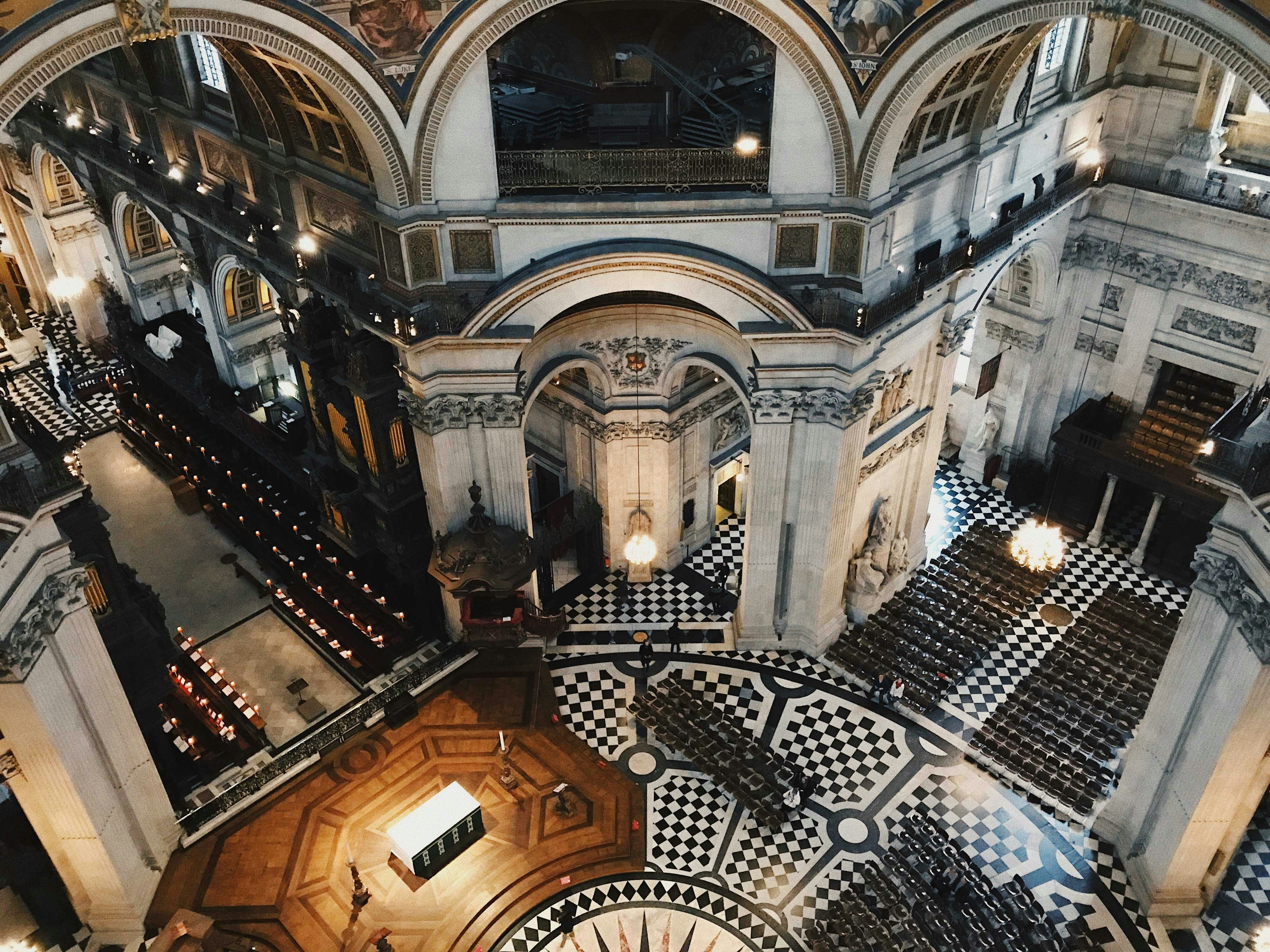
Grand Baroque volumes with mosaics and carved choir stalls leading toward the dome.

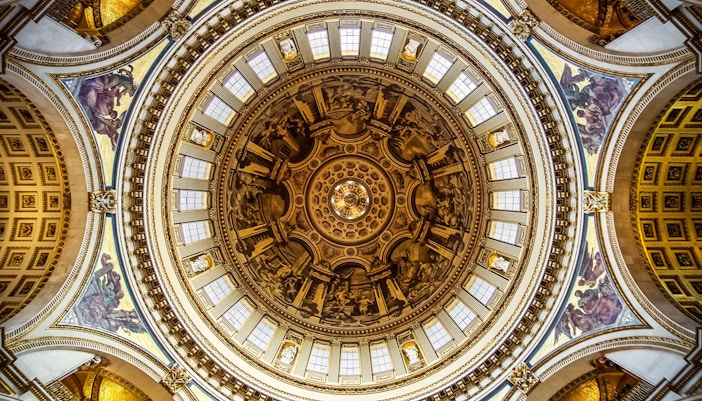
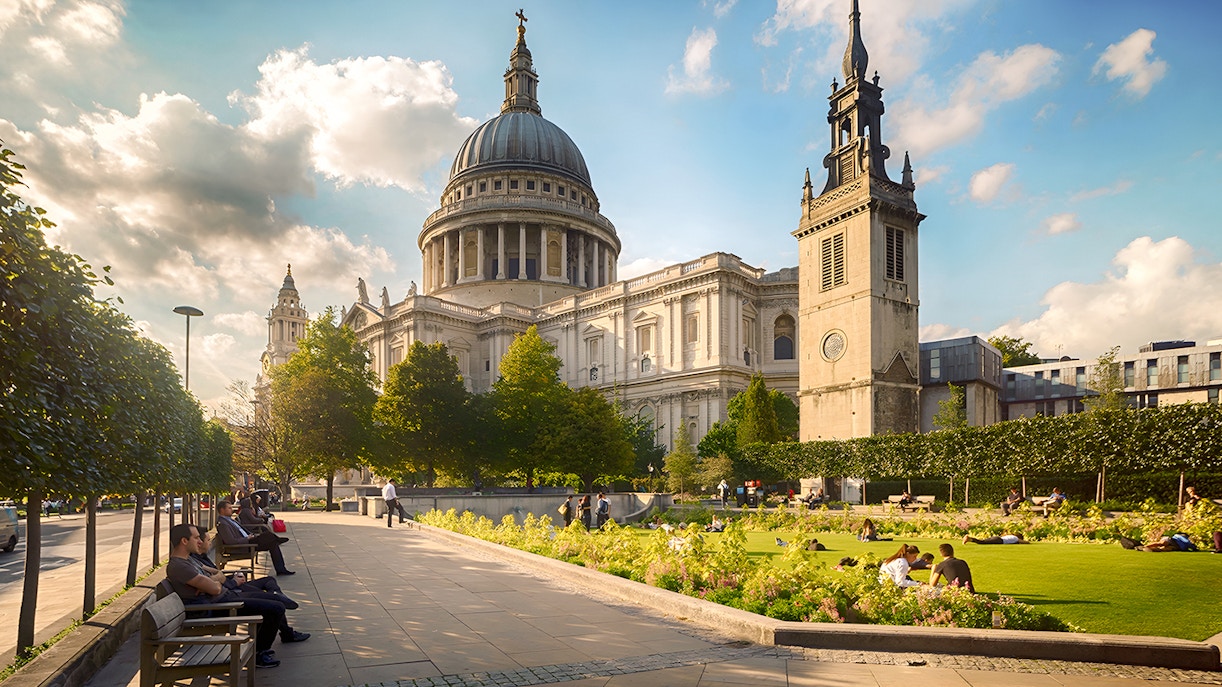
St Paul’s Cathedral Dome
Whispering Gallery interior view at St. Paul's Cathedral, London, showcasing ornate architecture.
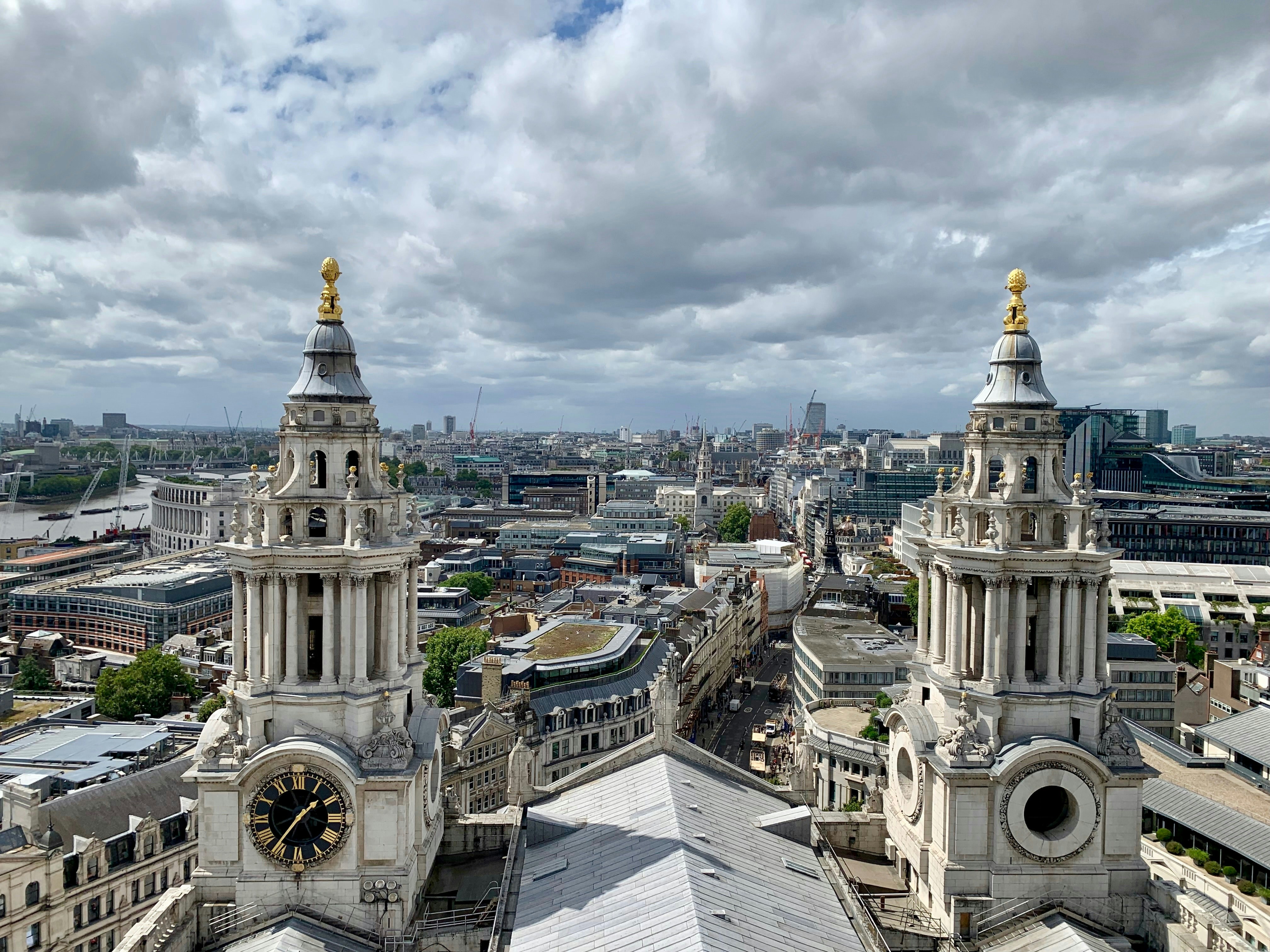
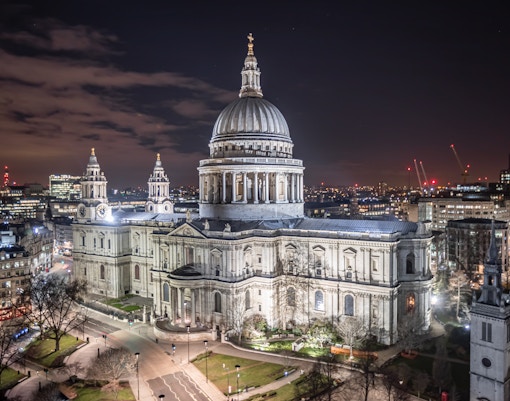
St Paul's Cathedral towers overlooking London skyline, United Kingdom.
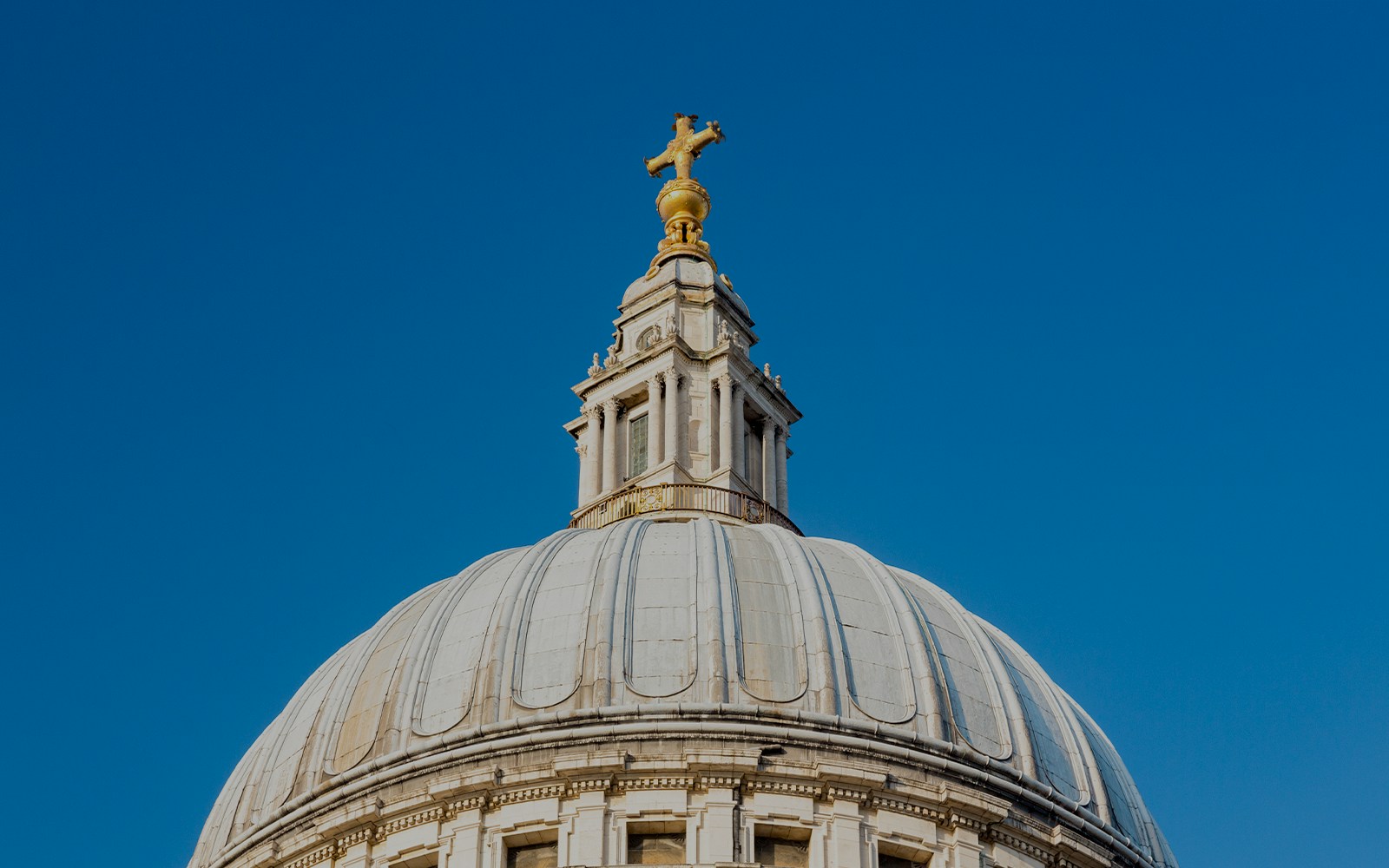
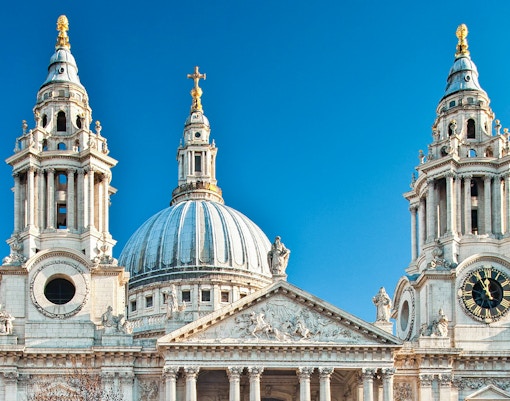
Dome and cross of St. Paul's Cathedral, London against blue sky.

Visiting Westminster Abbey and St Paul’s Cathedral

Frequently asked questions about Westminster Abbey vs St Paul’s Cathedral

Can you visit both in one day?

Yes, book an early slot at the Abbey, travel to the City for a mid-afternoon St Paul’s entry, and check that dome galleries are open that day. Expect a full, rewarding day.

Which is more budget-friendly?

St Paul’s headline adult price is typically slightly lower than the Abbey’s online rate; family and concession options exist at both. Check current pricing before you book.

Which is better for first-time visitors to London?

Choose Westminster Abbey for the classic royal-history experience near Big Ben and Parliament; pick St Paul’s if skyline views and Wren’s architecture appeal more. Many travelers enjoy both on separate mornings.

Which is better for kids?

St Paul’s can be more engaging for older children thanks to the dome climb; the Abbey suits families who prefer stories, audio guides, and shorter walks without hundreds of steps.

How far apart are they?

Roughly 2 miles/3.2 km apart- about 15 minutes by tube (Jubilee/District/Circle connections) or a 35–40-minute Thames-side walk via Westminster Bridge and the Embankment.

What if I only have time for one?

Pick the Abbey if you want royal tombs and Britain’s coronation church. Choose St Paul’s if you want to climb for London views and see Wren’s Baroque interior.

Which has the better views?

St Paul’s- from the Stone and Golden Galleries when open and weather permits. The Abbey offers atmospheric interiors and cloisters but no high viewpoints.

Are both included in city passes?

Many London sightseeing passes include both venues; check your pass’s current inclusions and booking instructions as allocations and peak-day rules can change.

How long do you need at each?

Budget 1.5–2.5 hours for the Abbey depending on interest; 2–3 hours for St Paul’s if climbing the dome.

Which is bigger?

In height and interior volume experience, St Paul’s feels larger, crowned by its 111 m dome; the Abbey spans multiple chapels and cloisters with centuries of burials and memorials.