- Regency Cafe – Classic British breakfasts and tea in a 1940s setting.
Price range: £5–£10 - Strutton Ground Market – Weekday street food stalls near Parliament Square.
Price range: £5–£10
Neighborhood at a glance
- Why visit: Westminster is the political and ceremonial center of London, with Westminster Abbey, the Palace of Westminster, Buckingham Palace, the Churchill War Rooms and St James's Park all within a 20-minute walk of each other.
- Atmosphere: Formal, monumental, tourist-heavy, historically dense.
- Top things to do: Visit Westminster Abbey, watch the Changing of the Guard at Buckingham Palace, walk through St James's Park, explore the Churchill War Rooms underground bunker.
- Best for: First-time visitors to London, history enthusiasts, royal family followers, architecture fans.
- Time needed: 4–6 hours for the main highlights; a full day to include Buckingham Palace State Rooms and the Churchill War Rooms.
- Best time to visit: Weekday mornings before 10am for Westminster Abbey and the Palace of Westminster exterior; Changing of the Guard takes place most days at 11am at Buckingham Palace [VERIFY current schedule].
- Nearby: Trafalgar Square, Whitehall, St James's Palace, Victoria Embankment, Covent Garden, Pimlico.
Top things to do in Westminster
💡 Pro tip
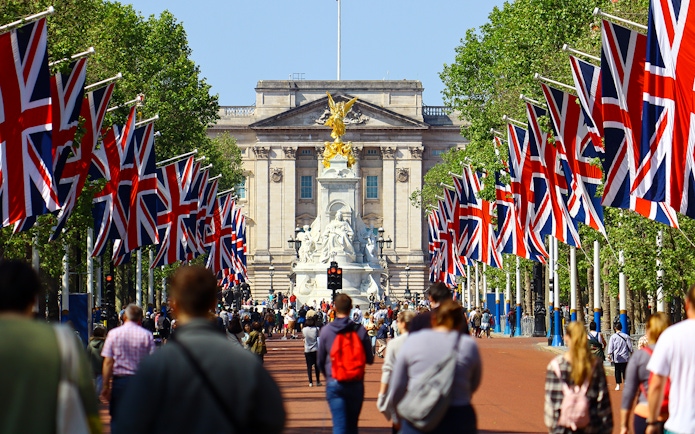
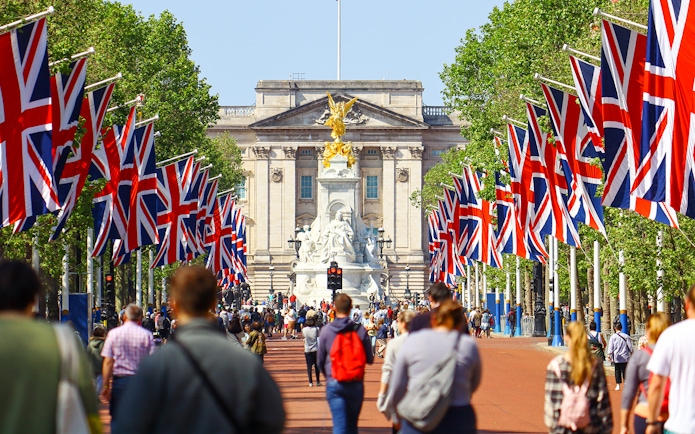
For the Changing of the Guard at Buckingham Palace, position yourself on the Victoria Memorial roundabout at least 30 minutes before 11am. The view from the steps of the memorial looks directly through the palace gates into the forecourt where the ceremony takes place, and it fills up fast on clear mornings.
Quick navigation
🏛️ Why visit | 🎟️ Best ways to explore |🧭 Plan your visit | 🌟 Free things to do | 📋 Itinerary | 💡 Tips | 🍴 Dining
Why visit Westminster

1/5
Westminster’s UNESCO Core
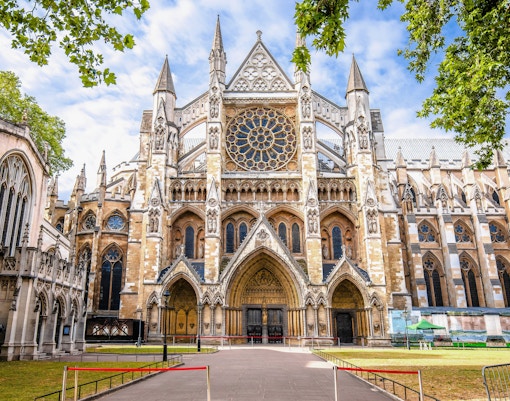
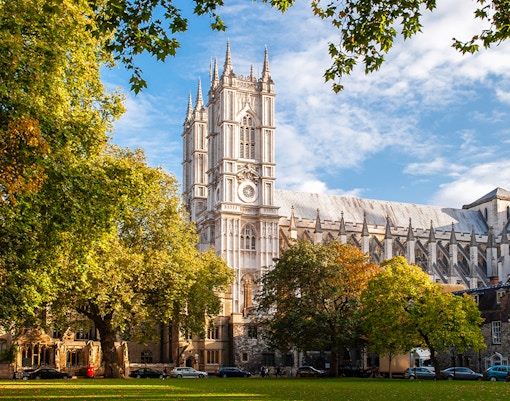
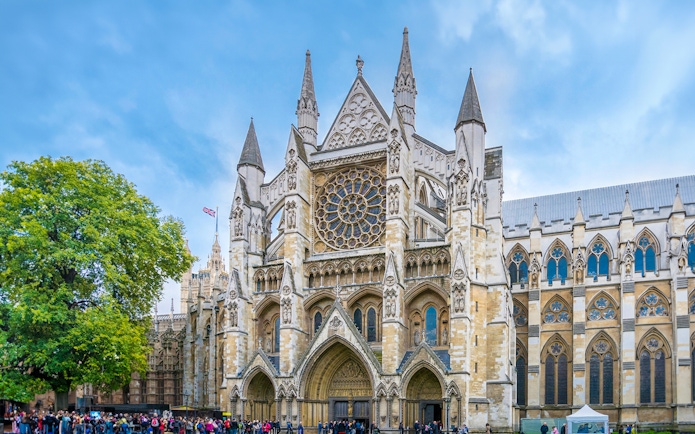
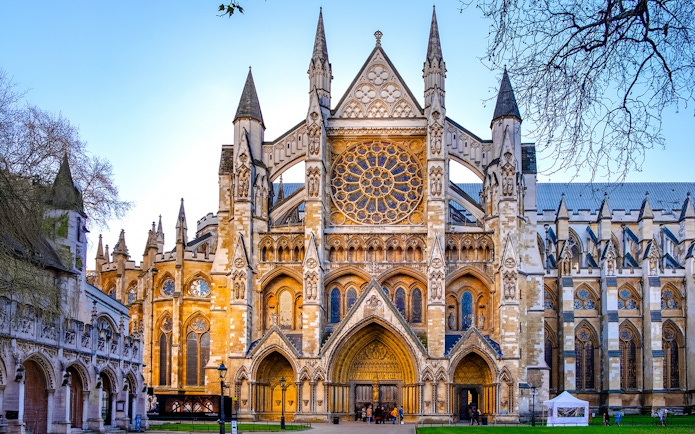
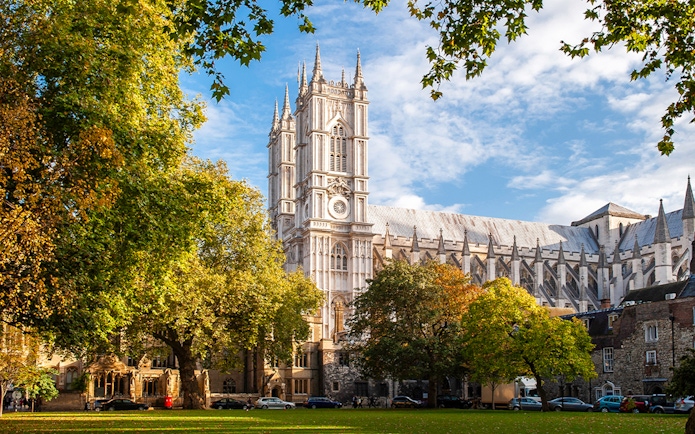
Palace of Westminster, Westminster Abbey, and St Margaret's Church form a UNESCO World Heritage Site (1987) within a 500m radius of Parliament Square. The area spans Gothic architecture from the 11th to 19th centuries, from Norman foundations to Victorian detailing. It’s the densest concentration of protected historic landmarks in central London.
Changing of the Guard is Free to Watch
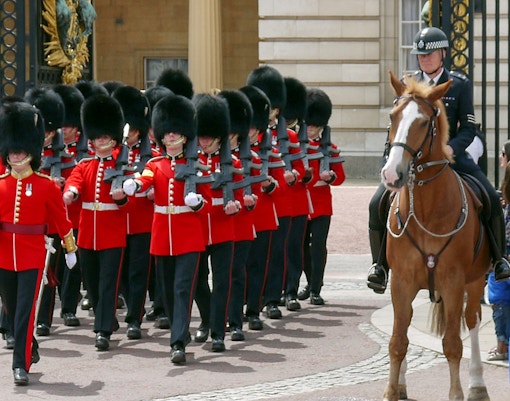
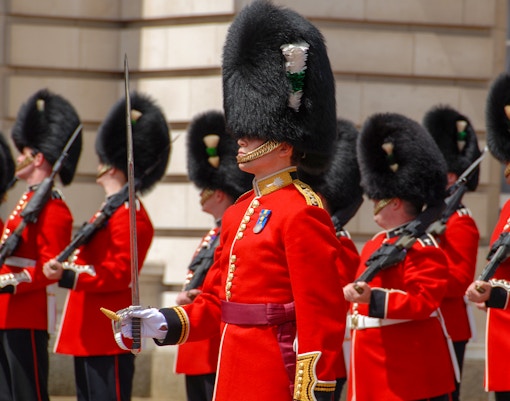
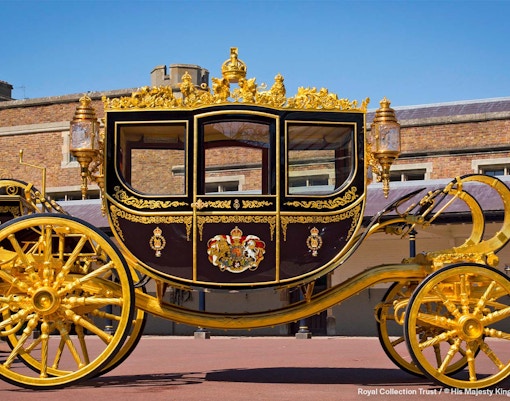
The Changing of the Guard at Buckingham Palace is free to view from public areas like the Victoria Memorial. It features Foot Guards, a regimental band, and a formal handover lasting about 45 minutes. Arrive early for a good spot, or consider a guided tour for easier viewing.
Westminster Abbey: Layers of History
Westminster Abbey holds an extraordinary concentration of history, with figures like Isaac Newton, Charles Darwin, and Stephen Hawking memorialized inside. Every monarch since 1066 has been crowned here at the Coronation Chair. A guided tour adds far more context than the standard audio guide.
St James’s Park: Palace to Parliament Walk
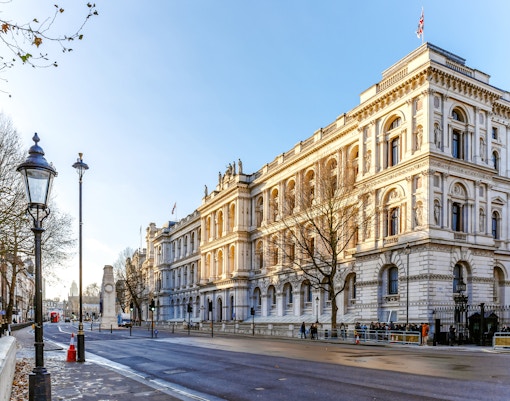
St James's Park links Buckingham Palace to Whitehall in about 10 minutes on foot, making it the easiest route between royal and government sights. The park is known for its pelicans and lake, with the Blue Bridge offering one of London’s most iconic views toward the palace.
Churchill War Rooms: WWII Bunker
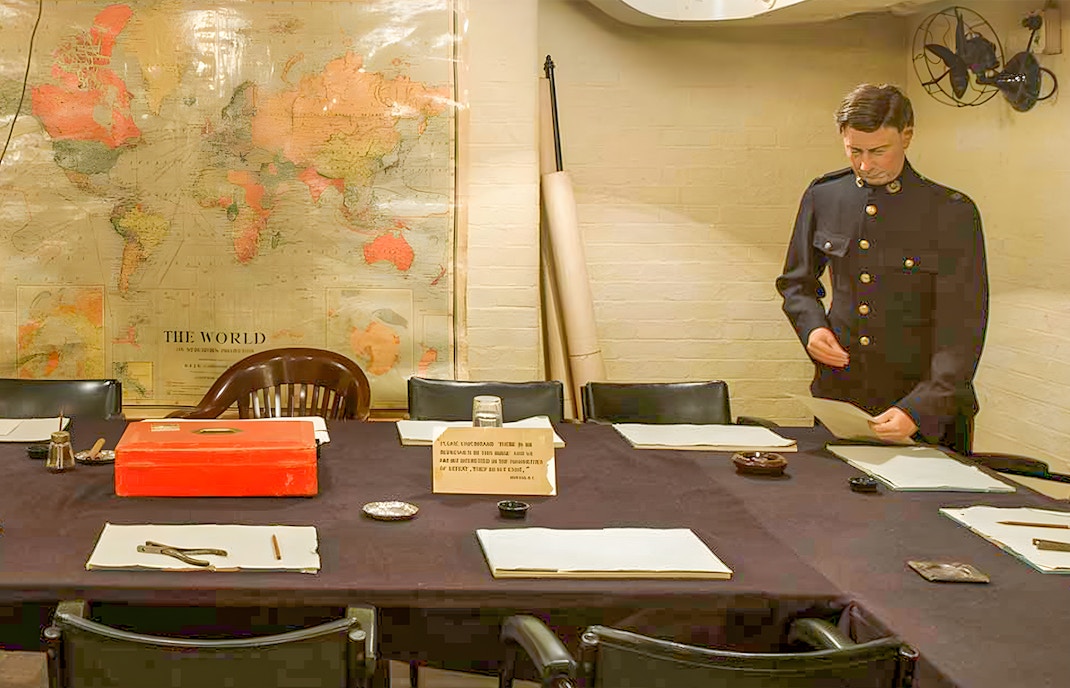
Churchill War Rooms preserves the original underground command center used by Winston Churchill during WWII. The Map Room remains untouched since August 1945, with original pins, rooms, and layouts intact. Unlike most museums, it presents the real wartime spaces, not reconstructions.
Best ways to explore Westminster
Westminster walking tours typically cover landmarks like the Palace of Westminster, Westminster Abbey, St James's Park, and Buckingham Palace—often paired with entry to major attractions.
Best options by interest:
- Classic highlights + entry: Guided Tour of Westminster with Westminster Abbey Entry and Changing of the Guard . Cover the UNESCO core in one route.
- WWII focus: Walking Tour of Westminster & Entry to Churchill's War Rooms. Combines street-level history with the original bunker.
- Landmark combos: Pair your walk with entry to Tower Bridge , St Paul's Cathedral , or The Shard .
Most tours are small-group, last around 3 hours, making them a flexible way to explore Westminster with added entry benefits.
Westminster’s sights group into two clusters: the abbey core around Parliament Square and the royal area around Buckingham Palace.
Best combo ideas:
- Classic London combos:
- Westminster Abbey + Tower of London
- Westminster Abbey + St Paul's Cathedral
- Westminster Abbey + Tower Bridge
- Westminster Abbey + Madame Tussauds London
- Westminster Abbey + Tower of London
- Multi-attraction passes:
- The London Pass (100+ attractions)
- London Explorer Pass (choose 2–7 attractions)
- The London Pass (100+ attractions)
These combos help link nearby landmarks efficiently and offer better value than booking each attraction separately.
- The Thames Sightseeing Cruise from Westminster Pier—a 5-minute walk from the Palace of Westminster—to Greenwich Pier.
- Along the way, it passes landmarks like Waterloo Bridge, Tate Modern, Shakespeare's Globe, HMS Belfast, and Tower Bridge.
City & multi-attraction passes
If you’re planning to visit multiple paid attractions around Westminster and beyond, a city pass can simplify planning and reduce overall costs.
- The London Pass: 100+ attractions-best if you’re packing several sights into a few days.
- London Explorer Pass: Choose 2–7 attractions -better for a slower, more flexible itinerary.

Plan your visit
Westminster sits in the center of London on the north bank of the Thames, approximately 1.5 miles southwest of the City and 1 mile west of Waterloo. Parliament Square is the geographic center of the neighborhood and the most useful orientation point.
Buckingham Palace & Windsor Castle in one day
The full-day tour combines Buckingham Palace State Rooms with an afternoon visit to Windsor Castle. It’s the most efficient way to see both royal residences without splitting them across two days.
Free things to do in Westminster
Suggested itinerary for visiting Westminster
Westminster's attractions are spread across a wider area than most London neighborhoods. The parliamentary cluster around Parliament Square, the war rooms on King Charles Street, and the royal cluster around Buckingham Palace are connected by a 10-minute walk through St James's Park. Most visitors move between these two poles throughout the day.
Tips for visiting Westminster
- Book ahead: Westminster Abbey queues can reach 60–90 mins. Pre-book or choose a guided skip-the-line tour.
- Check guard schedule: The Changing of the Guard is not daily. Always confirm timings in advance.
- Time the War Rooms: Churchill War Rooms are busiest 11am–2pm. Go early or after 4pm for fewer crowds.
- Sunday visits: Westminster Abbey has limited access on Sunday mornings. Plan for afternoon entry.
- Best Big Ben view: For Elizabeth Tower, head to the south side of Westminster Bridge, not Parliament Square.
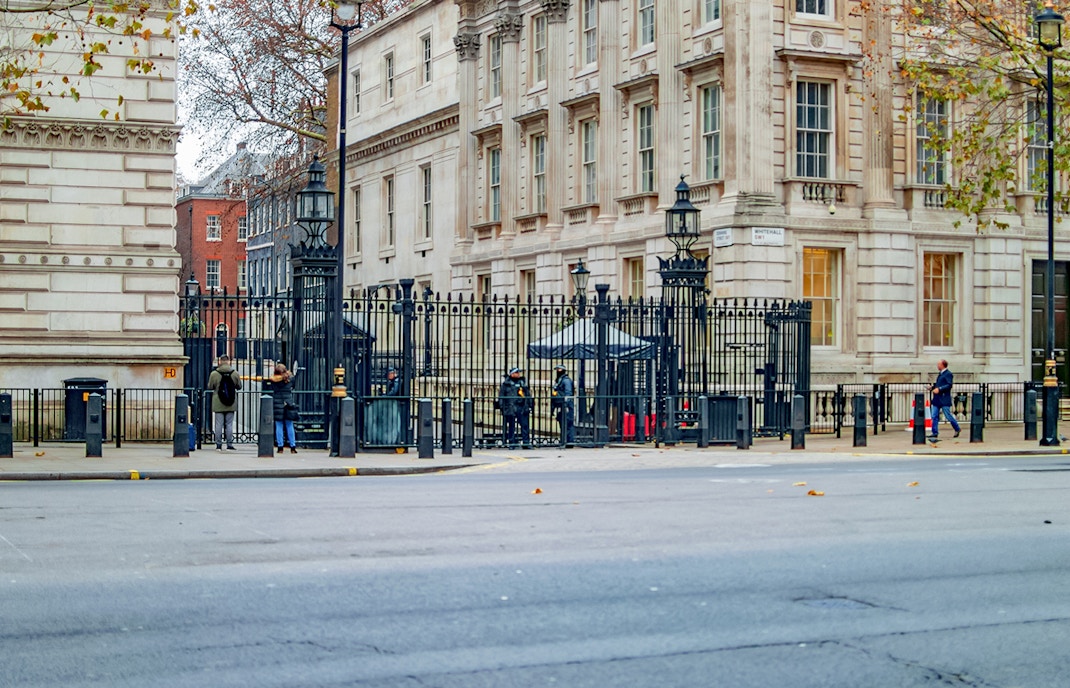
- Downing Street access: Downing Street is gated. Photos are only possible from a distance on Whitehall.
- Inside Buckingham Palace: The King’s Gallery is open year-round. State Rooms are seasonal and best booked with guided entry to avoid queues.
- Park tip: St James's Park has limited cafés near the palace. The main one is by the lake.
- Station exit: Westminster Station exits directly at Parliament Square. Jubilee line platforms are deep, allow extra time.
Best photo spots in Westminster

Westminster Bridge (south pavement)
Stand mid-bridge on the Lambeth side facing northeast for a clean view of Elizabeth Tower with the Thames. Best in morning light.


Dining in Westminster
Where to book in advance
The Cinnamon Club is the one dining spot in Westminster worth planning around. Known for its signature rack of lamb, it’s a 5-minute walk from Westminster Abbey and fills up quickly, especially at weekday lunch.
Should you stay in Westminster?
Staying in Westminster means walking distance to Westminster Abbey, Buckingham Palace, and Parliament Square, but with some of London’s highest hotel prices and a quiet atmosphere after 6pm.
The vibe: Evenings are calm and largely empty around Whitehall and the abbey. Dining and nightlife are limited compared to areas like Covent Garden.
The logistics: Mostly 4–5 star hotels around Buckingham Gate, Victoria Street, and the Embankment. Budget options are scarce; better value is found in nearby Pimlico (10–15 mins walk).
Who it’s for: Best for short stays, first-time visitors, and those focused on royal and historic sights. Less suited for nightlife or budget travel.
Top tip: Stay near Buckingham Gate or between St James's Park and Victoria for a good balance of location, price, and quieter streets.
Explore other London neighbourhoods
Frequently asked questions about Westminster
Yes, especially from June to August when morning slots sell out and queues build. Book in advance. If you want a free experience, Evensong on most weekdays lets you hear the choir in the full abbey without a ticket; you attend as part of a service.
Guided tours are paid and must be booked. When Parliament is sitting, you can visit the public galleries of the Commons and Lords for free on a first come basis, which is one of the most memorable things you can do in Westminster if you are happy to queue.
No. The State Rooms are usually open only in August and September. The exterior, forecourt and Victoria Memorial are free to see year round, and Changing of the Guard runs on scheduled mornings at 11:00 when the weather and calendar allow.
Yes, once. It is a real piece of ceremony rather than a show created for visitors. Arrive about 30 minutes early if you care about your view, and be prepared for 45 crowded minutes.
Both. Coming in or leaving by boat gives you one of the best views of Parliament and the bend in the Thames, and it feels very different from stepping out of the Underground.
Yes. Common pairings are Westminster plus Soho (walk up Whitehall), Westminster plus South Bank (cross the bridge), Westminster plus Greenwich (go by river), or Westminster plus Kensington (walk the linked parks).
Midday on a summer Saturday, when tour groups, school trips and general crowds all overlap around the abbey and Parliament Square. A weekday morning in most other months feels noticeably calmer.
Yes, with planning. Parks and the Guard change work well for younger children; the Abbey, Parliament and Churchill War Rooms suit older children who have some historical context and patience for interiors.
A lot. Parks, Parliament Square, Westminster Bridge, Trafalgar Square, Changing of the Guard, the exterior of all major buildings, and free entry to public galleries in Parliament and to services such as Evensong at the abbey.
Half a day is enough for the abbey exterior or interior, one park, the palace from outside and the bridge. A full day lets you add at least one major museum or interior such as Parliament or Churchill War Rooms.
Yes, for most visitors. It is heavily policed and lit, with constant security around government and royal sites. Normal city sense is enough: keep bags closed, watch for pickpockets in crowds and stick to main routes at night.