London Tickets
Royal Mews opening schedule

The Royal Mews is open from 5 March to 1 November 2026, usually Thursday to Monday, and is closed on Tuesdays and Wednesdays except during July and August, when it opens 7 days a week. From 5 March to 24 October, it is open 10am–5pm, with last admission at 4:15pm. From 25 October to 1 November, it is open 10am–4pm, with last admission at 3:15pm.


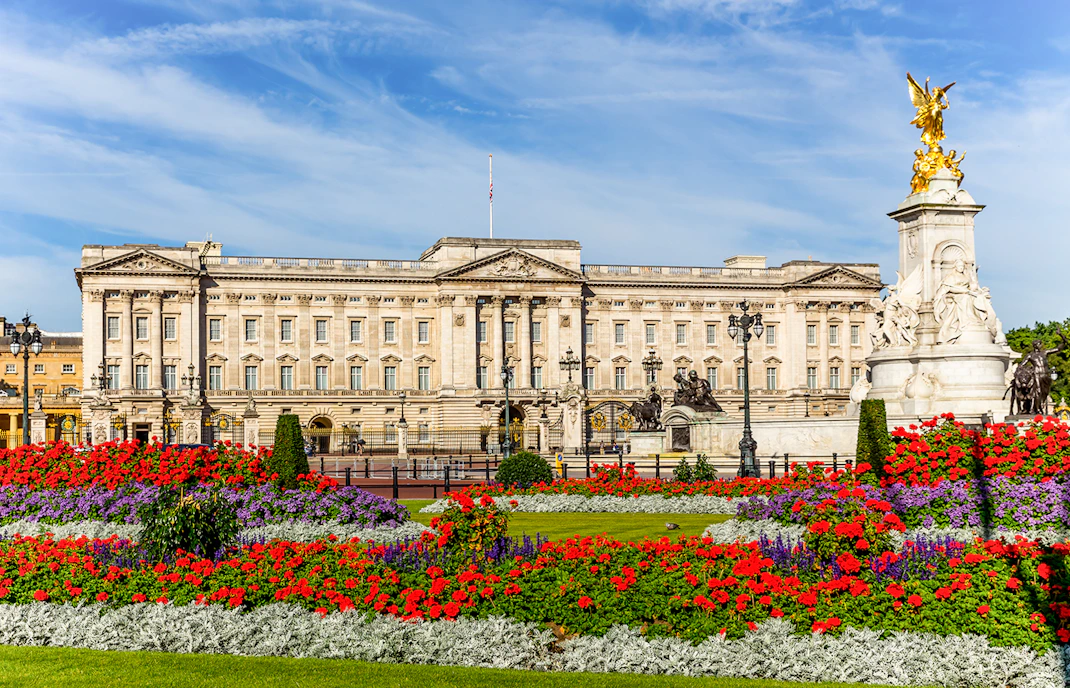
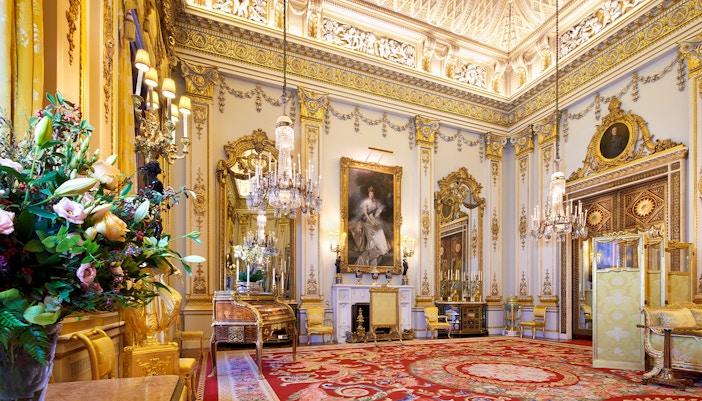
The Royal Mews at Buckingham Palace is one of the finest working stables in the world, where historic carriages, modern vehicles, and royal horses are still kept and cared for today. Step inside to see grand ceremonial carriages, including the Gold State Coach, alongside the horses and equipment used for royal occasions. More than a collection of historic vehicles, the Mews offers a glimpse into the practical side of royal life and the preparations behind major ceremonies. It is a great addition to a Buckingham Palace visit if you want to see a different side of the monarchy beyond the State Rooms.

Quick overview

  • Ticket: Separate ticket (The Royal Mews at Buckingham Palace Tickets) required.
  • Starting price: From £18.
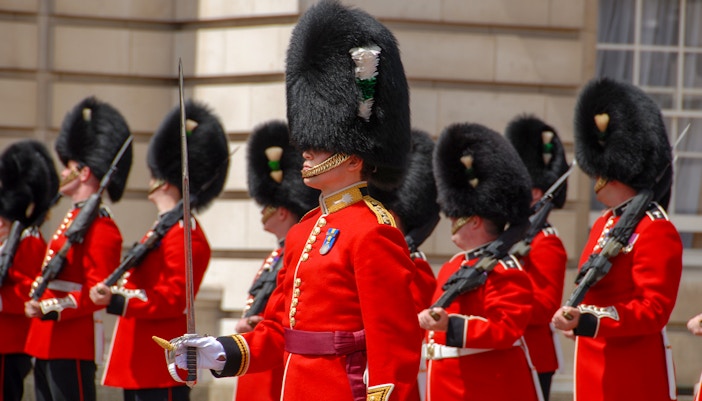
  • Combo available: Available. You can either opt for optional paid upgrades (Westminster walking tour, Changing the Guard viewing, English-speaking guide) or witness the Changing of the Guard plus entry to the King’s Gallery with your Royal Mews ticket.
  • Visit duration: Around 45 minutes using the included multimedia tour, per official guidance.
  • Best time: Weekday mornings, before the site gets busier later in the day.
  • Included in Buckingham Palace ticket: No. The Royal Mews requires its own dedicated ticket, separate from State Rooms admission.

Things to know before booking your Royal Mews tickets

  • Separate ticket required: The Royal Mews has its own entry ticket and is not included with standard Buckingham Palace State Rooms admission.
  • Choose the right experience: You can book the standalone Royal Mews ticket for a self-guided visit or choose the Changing the Guard experience with King’s Gallery tickets and optional Royal Mews if you want to combine all three royal experiences with a guided tour.
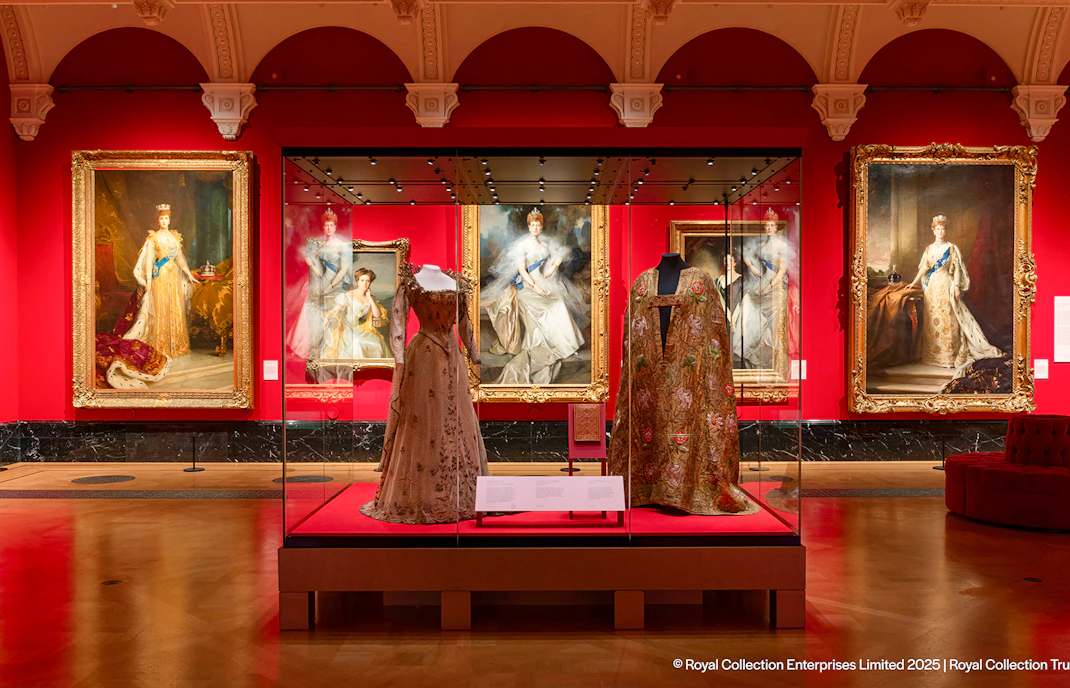
  • What the combined experience includes: The upgraded experience includes a guided Changing the Guard tour, entry to The King’s Gallery and its Queen Elizabeth II: Her Life in Style exhibition, plus Royal Mews entry when the Mews is open. The full experience lasts around 4 hours when the Mews is open and 3 hours when it is closed.
  • Royal Mews opening schedule: The Royal Mews is usually closed on Tuesdays and Wednesdays, except during July and August, when it opens 7 days a week. From 5 March to 24 October 2026, it is open 10am–5pm, with last admission at 4:15pm. From 25 October to 1 November, it is open 10am–4pm, with last admission at 3:15pm.
  • Seasonal closure: The Royal Mews is closed from 2 November 2026 to 3 March 2027. If you book the combined Changing the Guard and King’s Gallery experience during this period, the Royal Mews portion will not be available.
  • Accessibility: The Royal Mews experience is wheelchair and pram/stroller accessible, with accessible toilets, a changing space, and seating available.
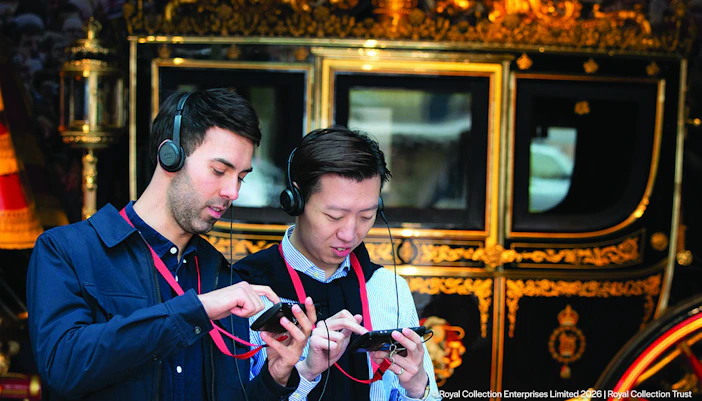
  • Multimedia guide: The standalone Royal Mews ticket includes a multimedia guide in 9 languages, while the combined experience includes an English multimedia guide at The King’s Gallery, with translated materials also available.

Is it worth it?

Standalone vs combo vs main?

OptionBest for
The Royal Mews only

Visitors interested in royal carriages, horses, and ceremonial transport, or those who want a shorter, focused Buckingham Palace experience.

Buckingham Palace State Rooms only

First-time visitors more interested in the palace’s grand interiors, royal art, and ceremonial rooms than its working stables.

Changing the Guard + King’s Gallery + Royal Mews experience

Visitors who want to combine several royal experiences in one guided outing and have around 4 hours to spare.

Ticket options explained

Access / FactorThe Royal Mews ticketsChanging the Guard + King’s Gallery + Royal Mews

Royal Mews access

Yes

Yes, when the Mews is open

The King’s Gallery access

No

Yes, including Queen Elizabeth II: Her Life in Style

Changing the Guard

No

Yes, guided walking tour

Additional features

Multimedia guide in 9 languages

Expert English-speaking tour leader, headsets, and multimedia guide at The King’s Gallery

Best for

A focused visit to the royal stables, horses, and ceremonial carriages

Combining the Changing the Guard, King’s Gallery, and Royal Mews in one experience

Duration

Self-guided

4 hours when the Mews is open; 3 hours when closed

Starting price

From £18

From £65

Accessibility

Wheelchair and pram/stroller accessible

Not wheelchair or pram/stroller accessible

How to best experience the Royal Mews

Exploring the Royal Mews

The Royal Mews is more than a collection of historic carriages. It remains a working royal establishment, responsible for road transport for The King and members of the Royal Family. As you explore, look beyond the grand coaches to the horses, equipment, and hands-on displays that reveal how the Mews still operates.

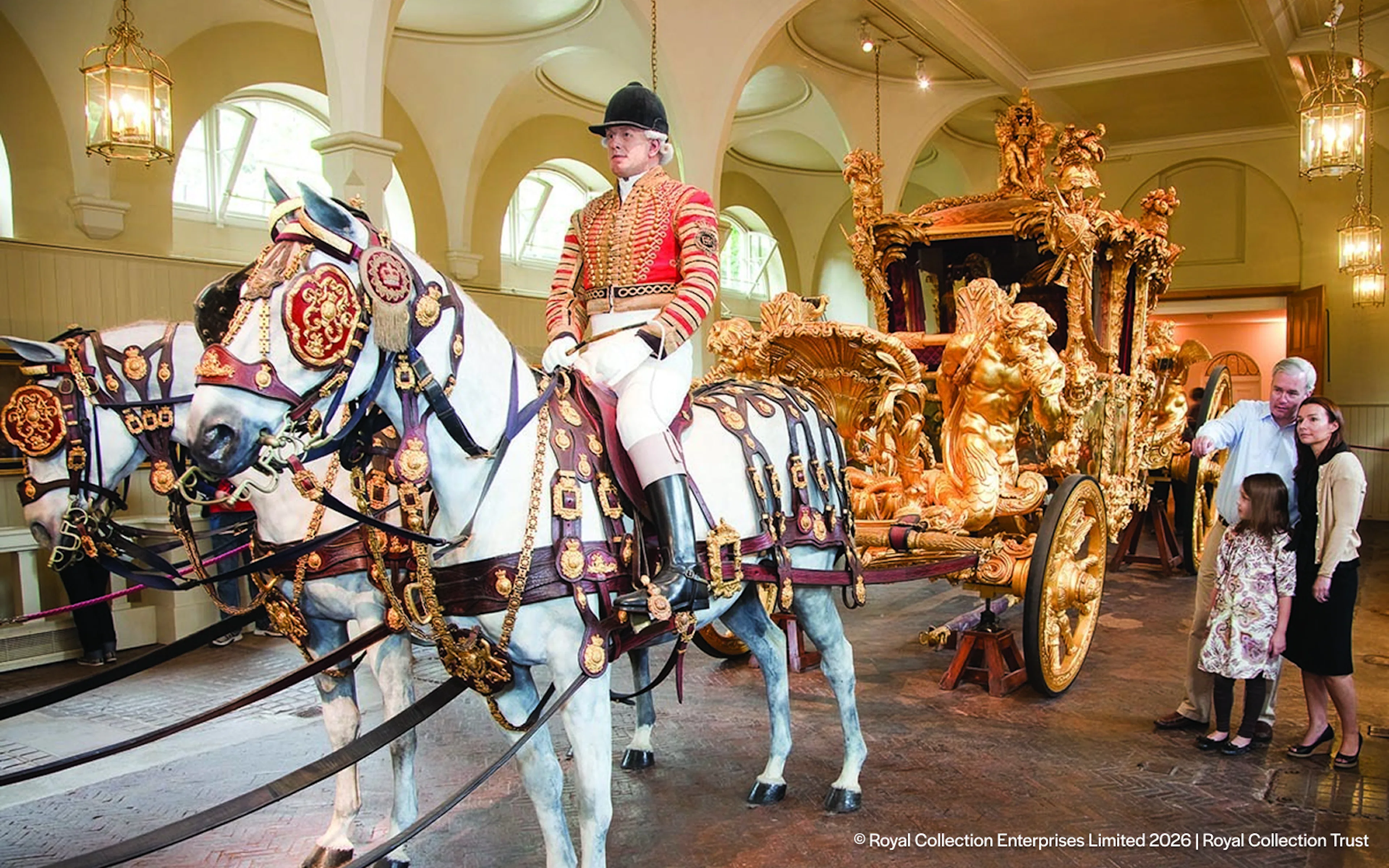
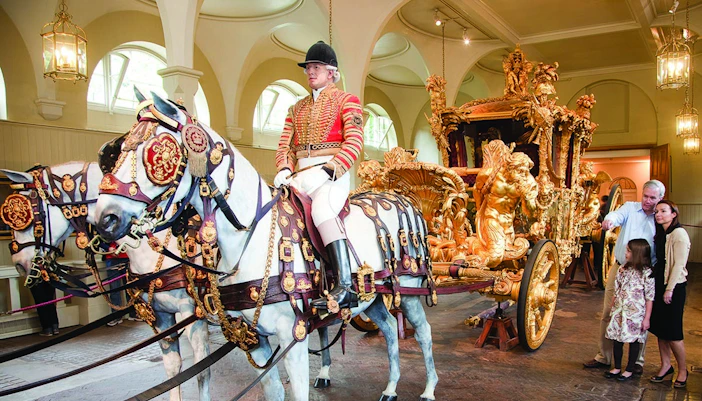
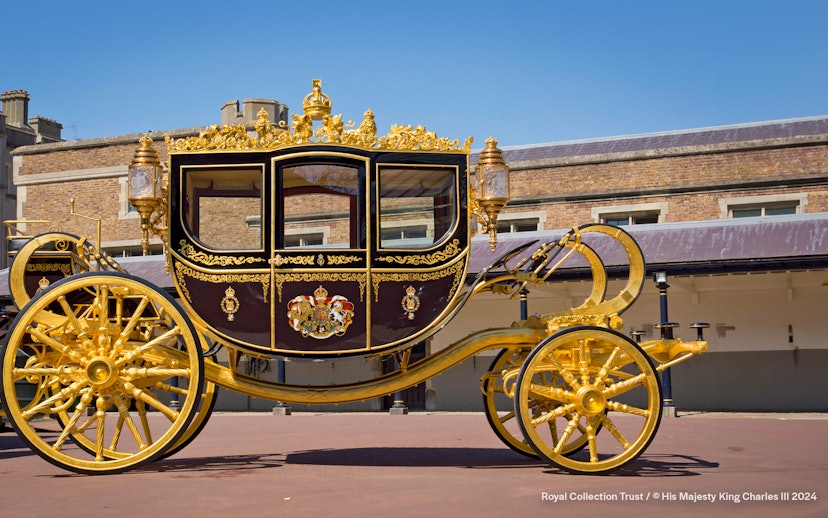
Royal Mews carriage with ornate gold details and horses, part of Changing of the Guard tour.
1/6

The Gold State Coach

The Gold State Coach is the Royal Mews’ grandest carriage. Built in 1762, it weighs four tonnes, stands 3.6m high, and requires eight horses to draw it. It has been used at every coronation since William IV’s in 1831, most recently for King Charles III’s Coronation in 2023.

Diamond Jubilee State Coach

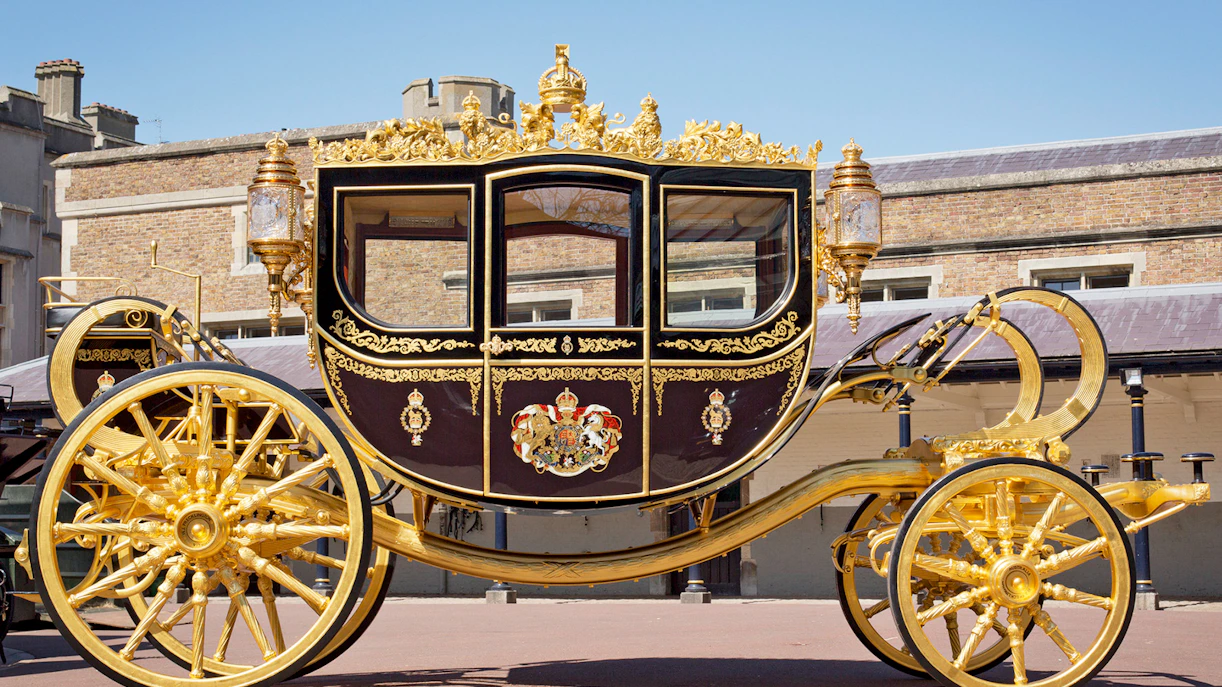
Built to celebrate Queen Elizabeth II’s Diamond Jubilee, the Diamond Jubilee State Coach is the newest coach at the Mews and was first used at the State Opening of Parliament in 2014. Its aluminium body combines modern technology with traditional craftsmanship, while its interior incorporates materials from more than 100 historic sites and organisations across Britain.

Irish State Coach

The Irish State Coach is one of the historic working carriages housed at the Royal Mews. Along with the Scottish State Coach, Glass Coach, and Queen Alexandra’s State Coach, it forms part of the Mews’ collection of ceremonial vehicles. Take time to look at the coach’s distinctive exterior and richly decorated interior.

Scottish State Coach

The Scottish State Coach dates to around 1830 and was built for Prince Adolphus, Duke of Cambridge. Its decoration includes distinctly Scottish heraldic details, including the Crown of Scotland. Look closely at the exterior to spot these details and compare its design with the other state coaches.

Windsor Greys and Cleveland Bays

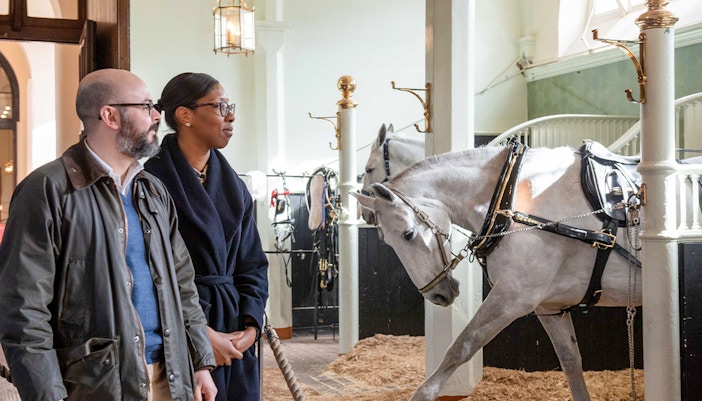
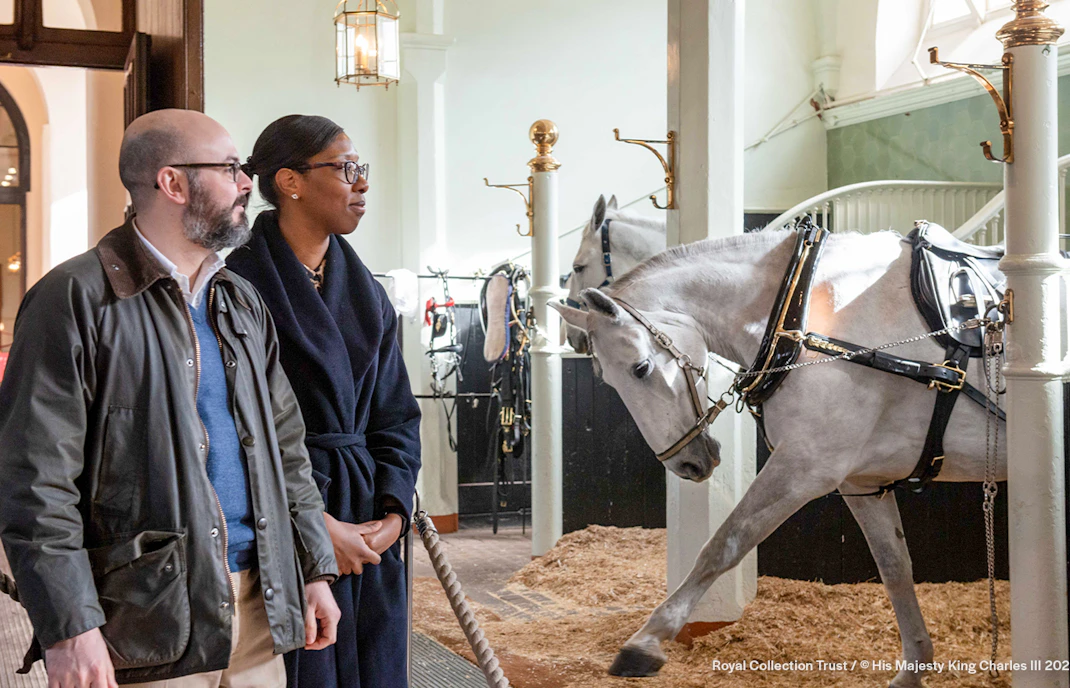
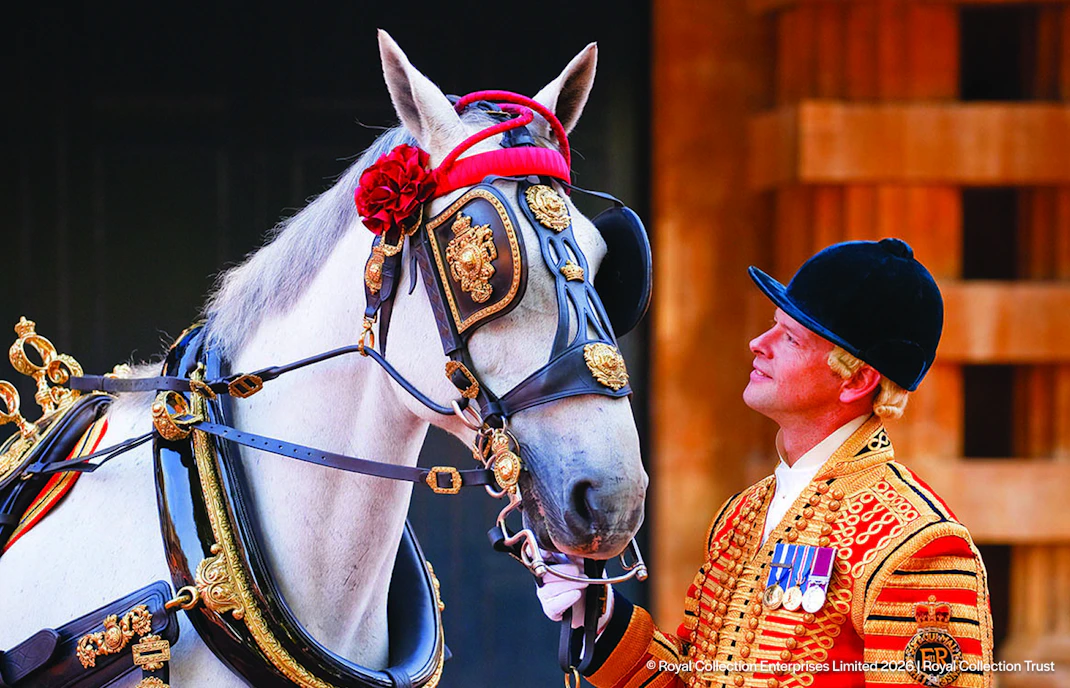
The Royal Mews trains and cares for two types of carriage horse: Windsor Greys and Cleveland Bays. Windsor Greys draw the carriages used by The King, members of the Royal Family, and their guests, while Cleveland Bays are used for other carriage duties. Horses are not necessarily on public display during every visit, so treat seeing them as a bonus rather than a guarantee.

The working stables

Look beyond the carriages to the working side of the Mews. Staff train horses, maintain carriages, and manage the equipment needed for royal transport. Depending on the day, you may see some of this work taking place, offering a behind-the-scenes view that you won't get from a traditional carriage collection.

Historical and cultural significance of the Royal Mews

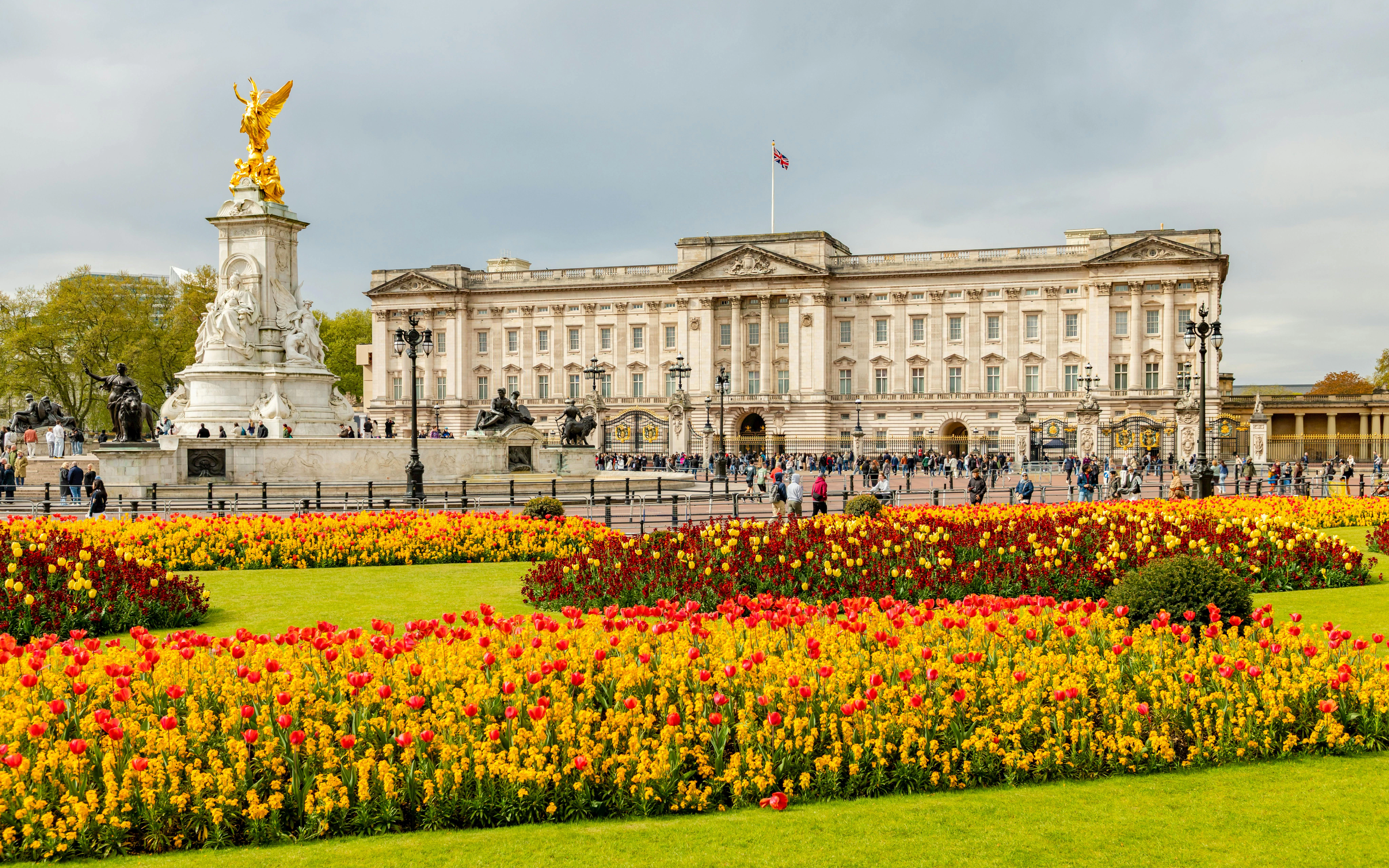
The Royal Mews has stood at Buckingham Palace since 1825, when John Nash built stables for 100 horses for George IV. Its name reaches back to the late 14th century, when royal hawks were kept at the King’s Mews. More than a stable, it is a working centre of royal transport and pageantry: its coaches support coronations, State Openings of Parliament and other major occasions. Today, it trains Windsor Greys and Cleveland Bays and maintains the horse-drawn vehicles and motor cars used by the Royal Family, making the Mews a living part of royal tradition.

Carriage operations and conservation

The Royal Mews is a working stable responsible for the King’s and Royal Family’s road transport, including horse-drawn carriages and motor cars. The Crown Equerry oversees the operation, supported by staff who care for the horses, vehicles, livery and harness.

  • Traditional and specialist techniques: Specialist craftspeople carry out restoration work in the Mews workshop, using established skills to preserve the carriages while keeping them suitable for ceremonial use.
  • Behind-the-scenes expertise: Staff maintain the vehicles and equipment used by the Royal Family, combining careful conservation with the practical demands of a working transport operation.
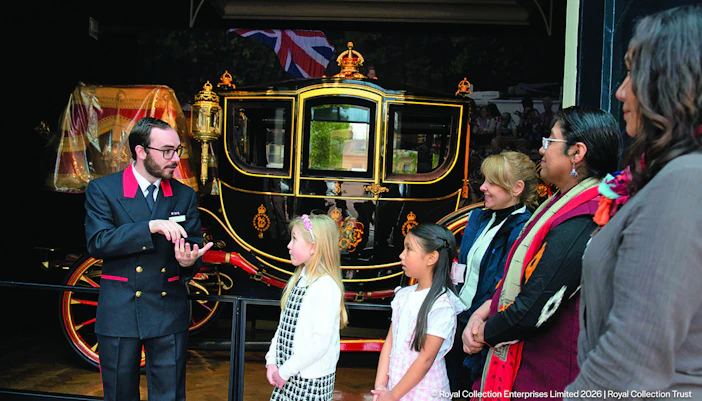
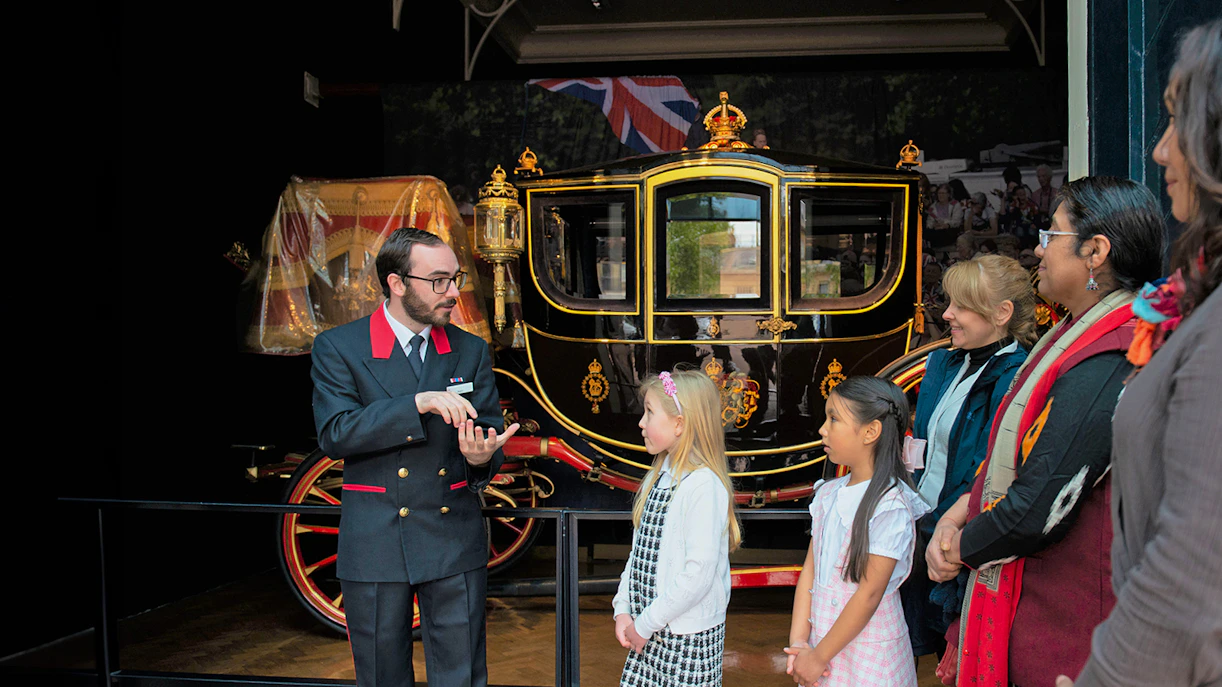
  • Living history for visitors: Guided tours and wardens’ talks explain the historic coaches, the horses and the daily work carried out at the Mews. Visitors may occasionally see staff working with the horses or maintaining the vehicles.

Royal Mews shop

The Royal Mews shop sells souvenirs and gifts inspired by the coaches, carriages and horses associated with the Royal Family.

Plan your visit to the Royal Mews

Frequently asked questions about the Royal Mews

Yes! You can catch a glimpse of the royal horses in action during their training sessions. It's an excellent opportunity to learn about the care, grooming, and preparation that go into keeping these animals ready for royal duties.

More reads