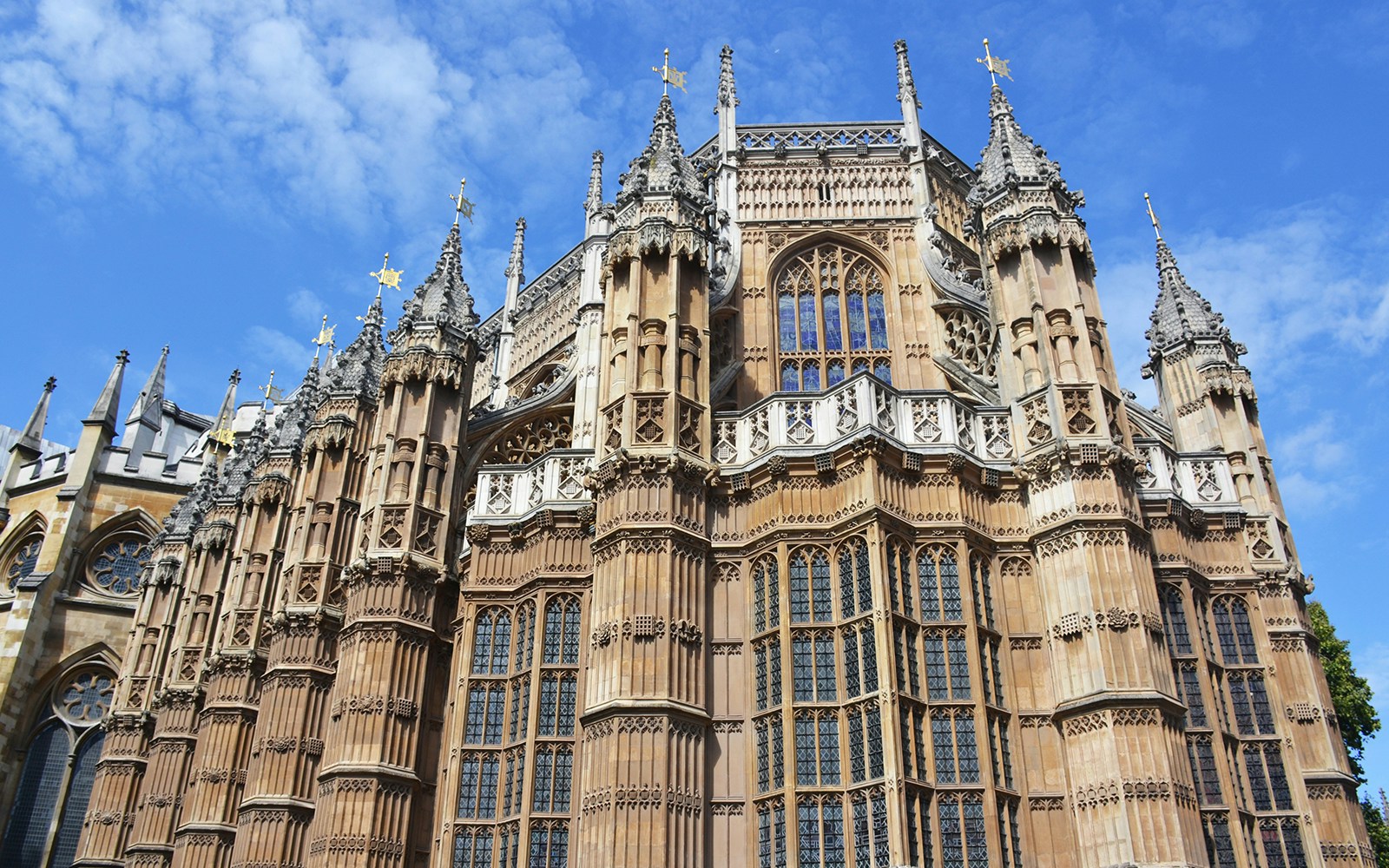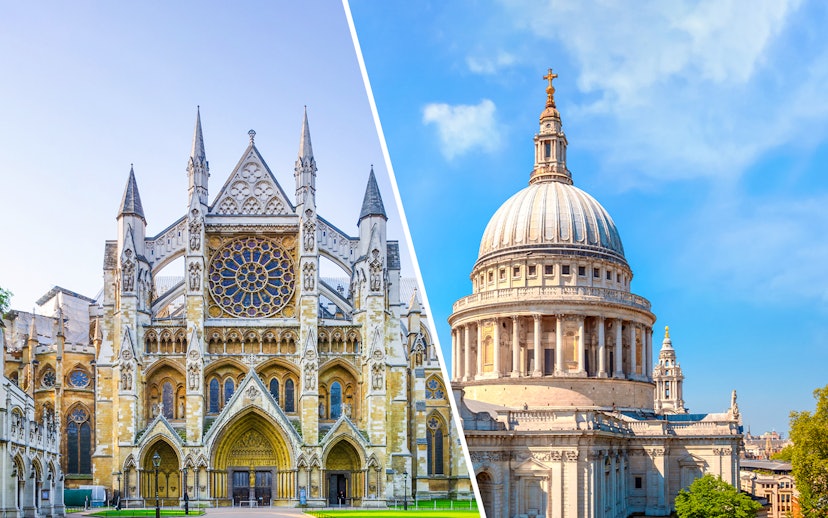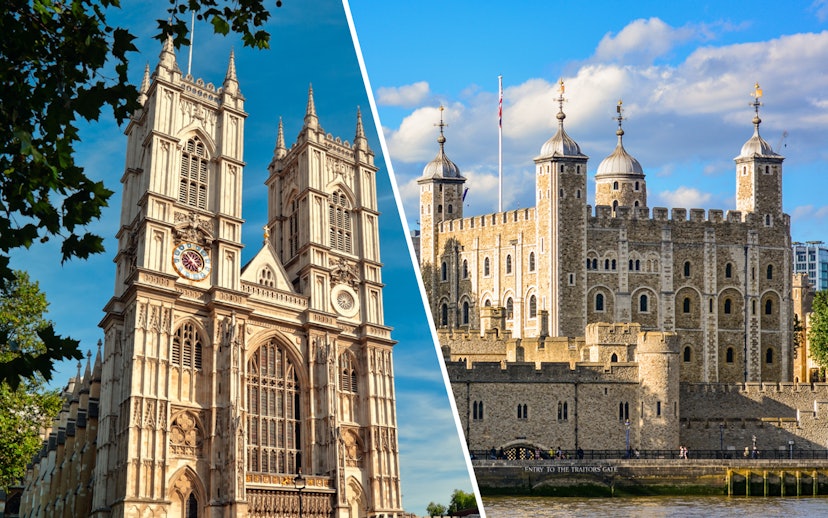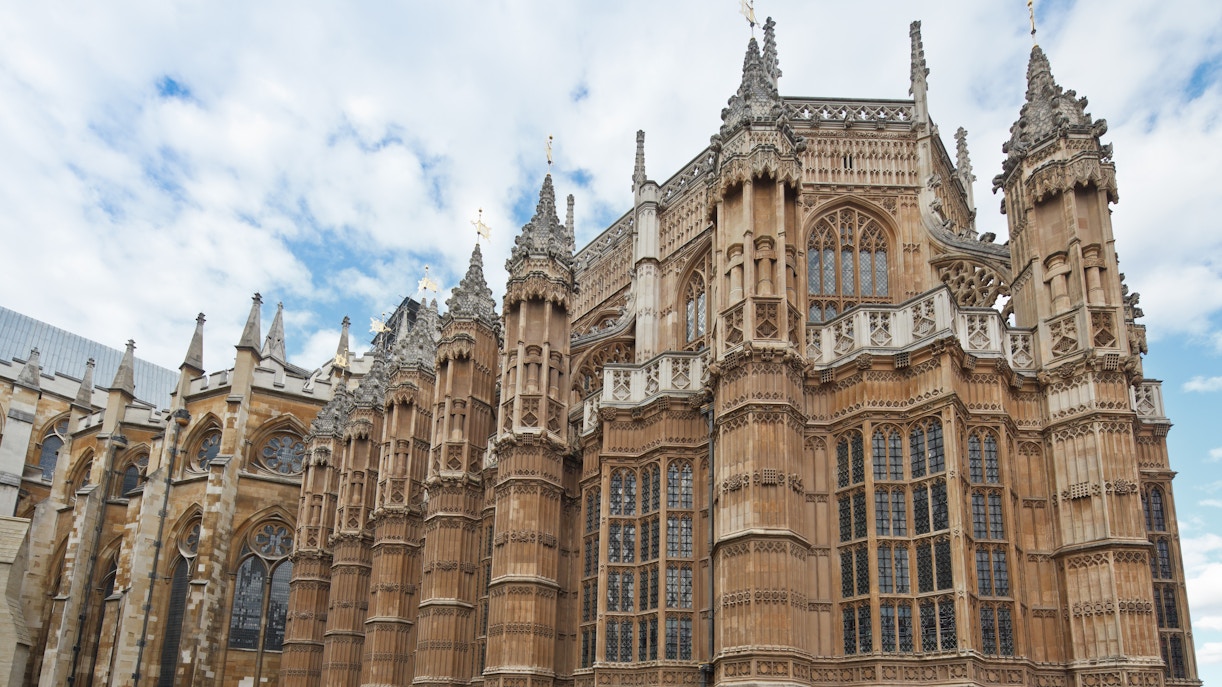
- Must-see highlights: The Henry VII Lady Chapel is celebrated for its extraordinary fan-vaulted ceiling, elaborate Tudor stone carvings, and royal tombs of monarchs, including Henry VII and Elizabeth I.
- Current use: The chapel remains a ceremonial home of the Order of the Bath and continues to host religious services and commemorative events.
- Unique fact: The Lady Chapel at Westminster Abbey is widely regarded as the final masterpiece of medieval English Gothic architecture.
Henry VII Lady Chapel – A late-medieval Tudor masterpiece
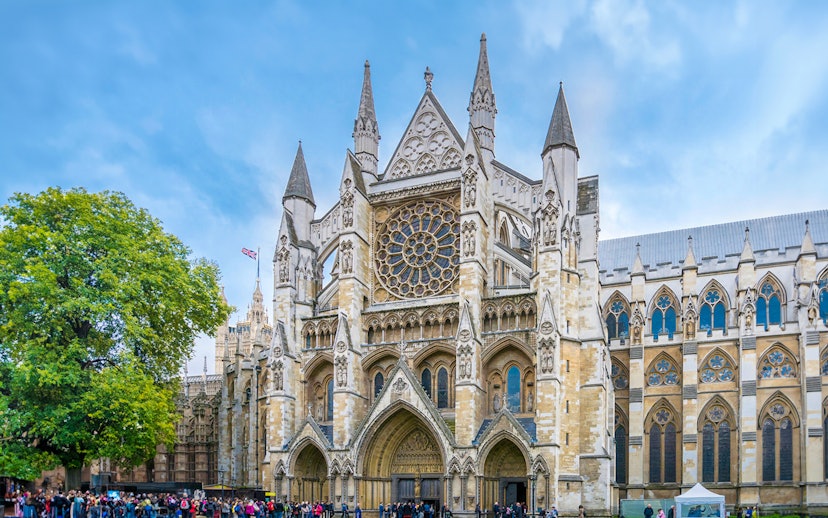
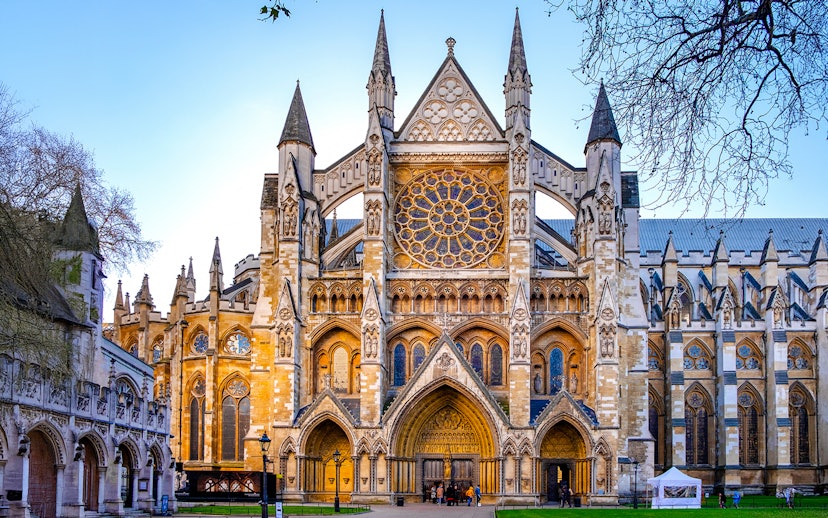
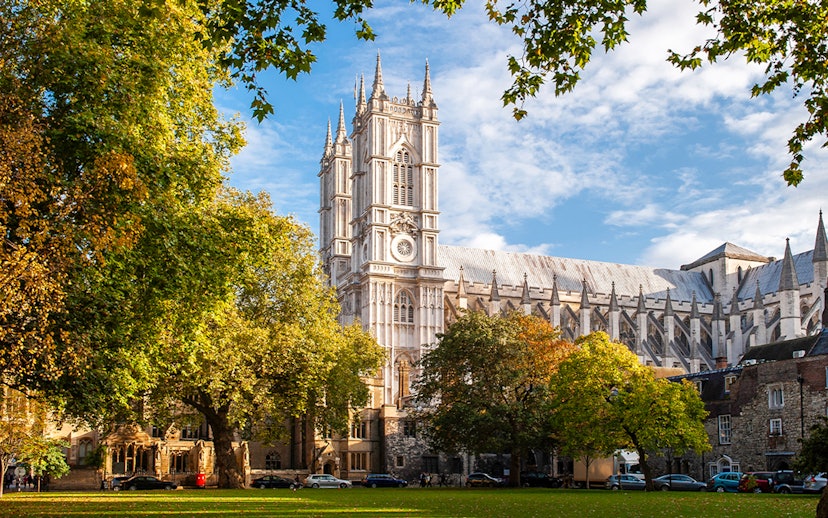
The Henry VII Lady Chapel is a world-renowned masterpiece of medieval architecture and the final great flowering of the English Perpendicular Gothic style. Commissioned by the first Tudor king in 1503, this chapel within a church serves as a royal mausoleum and the official chapel of the Most Honourable Order of the Bath. Whether you are drawn by the fan-vaulted ceiling or the tombs of England’s most famous queens, the Lady Chapel is the crowning jewel of the Westminster Abbey experience.
Where is it located?
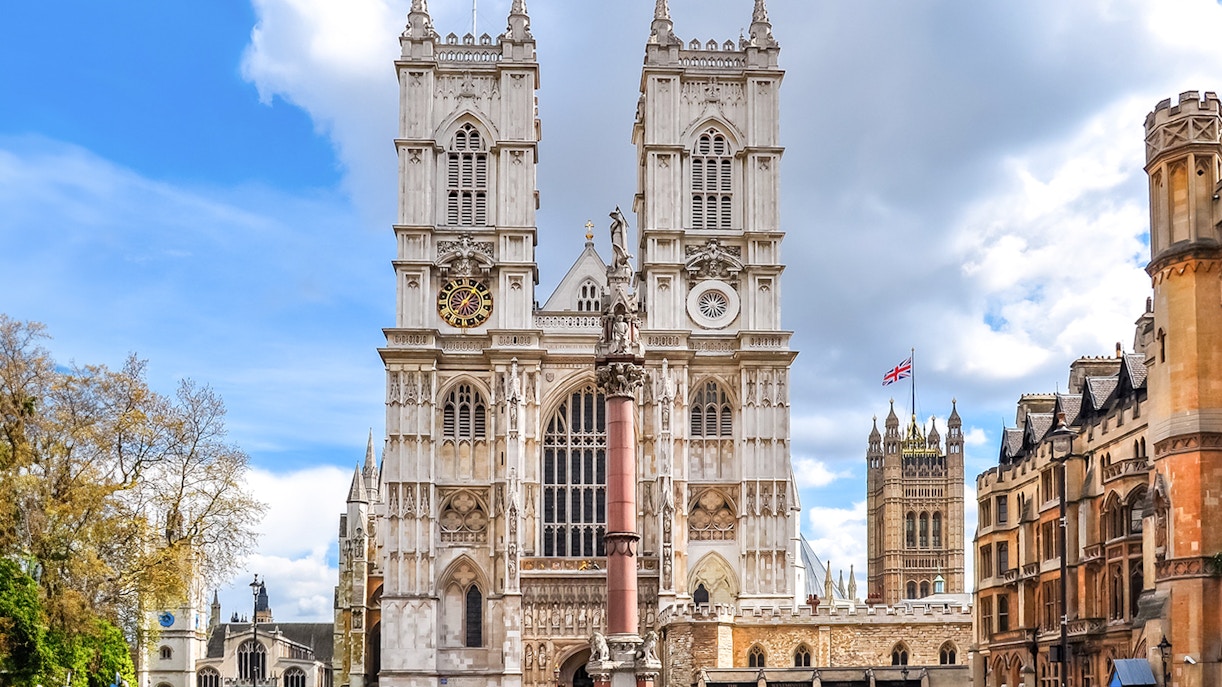
The Henry VII Lady Chapel is located at the eastern end of Westminster Abbey, directly behind the high altar within the main church structure.
How to access?
Access to the Henry VII Lady Chapel is included with all valid Westminster Abbey tickets. Visitors enter through the abbey’s standard visitor route, and the chapel follows the same opening hours unless closed for ceremonies or services.
Things to know before booking Henry VII Lady Chapel tickets
- Access to the Henry VII Lady Chapel is included with all Westminster Abbey entry tickets, meaning you do not need to purchase a separate ticket. However, some guided tours and specialised experiences provide deeper insights into the Lady Chapel at Westminster Abbey, including commentary about royal burials, Tudor symbolism, and architectural innovations.
- Ticket prices differ based on inclusions such as multimedia guides, expert-led tours, or skip-the-line entry that reduces wait times during peak tourist seasons. Skip-the-line tickets are especially useful during school holidays and summer months when visitor numbers are highest.
- The Henry VII Lady Chapel remains an active ceremonial and religious space. Portions of the chapel may close temporarily for services, particularly during Order of the Bath ceremonies or special national commemorations.
- The chapel follows Westminster Abbey’s general visitor schedule, typically open Monday to Saturday for sightseeing, with Sundays reserved mainly for worship.
- Photography restrictions apply inside most areas of the abbey, including parts of the Henry VII Lady Chapel.
Henry VII Lady Chapel in a nutshell
The Order of the Bath
Your Henry VII Lady Chapel ticket types
| Ticket type | Is Henry VII Lady Chapel access included? | Why go for it? | Starting price |
|---|---|---|---|
| Standard entry tickets | Yes | Budget-friendly access to the abbey and chapel | From £27.90 |
| Skip-the-line tickets | Yes | Saves time during busy periods | From £79 |
| Guided tours | Yes | Detailed expert insights into chapel history | From £79 |
| Combo tickets | Yes | Visit multiple London landmarks affordably | From £63.46 |
Exploring inside the Henry VII Lady Chapel
1/5
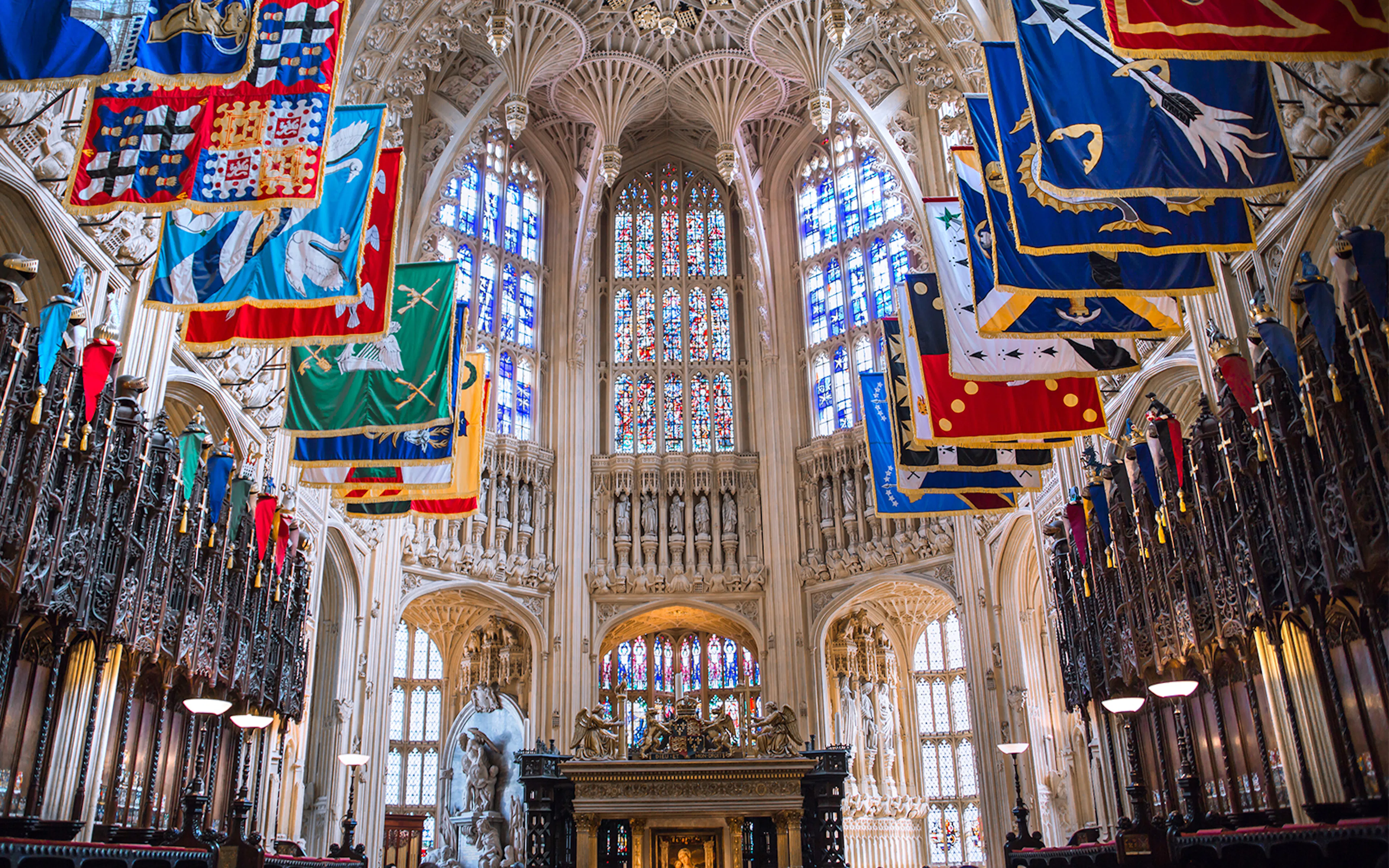
Fan-vaulted ceiling
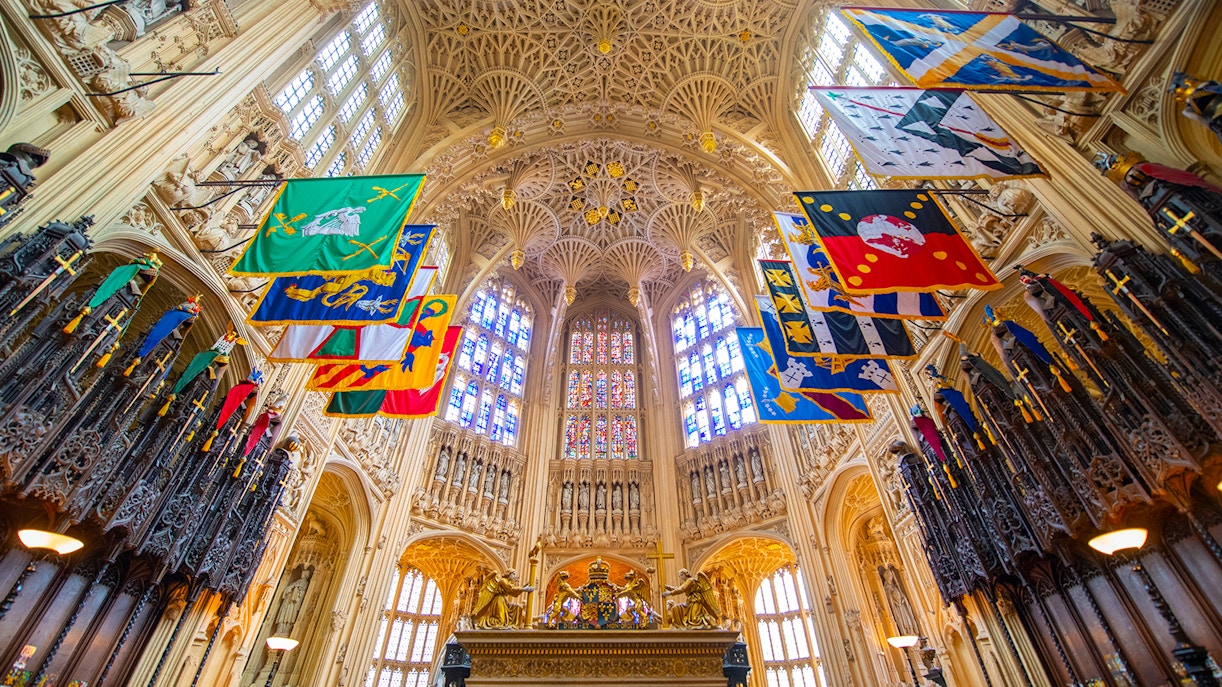
The Henry VII Lady Chapel at Westminster Abbey is renowned for its magnificent fan-vaulted ceiling, where stone ribs spread like lace across the roof. Completed in the early sixteenth century, the ceiling symbolises Tudor power and remains one of England’s finest architectural achievements.
Stained glass windows
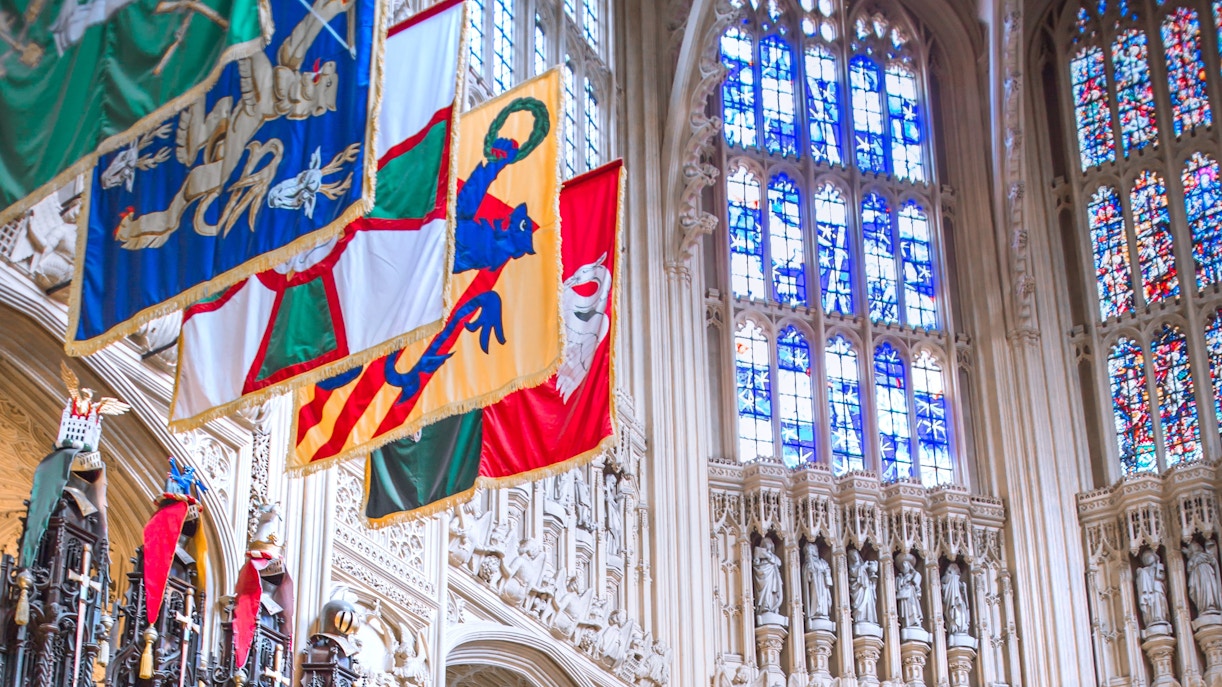
Although much original Tudor glass was lost, later stained-glass panels illuminate the Henry VII Lady Chapel with depictions of saints, heraldic symbols, and biblical narratives.
Tudor stone carvings
Every surface of the Lady Chapel at Westminster Abbey features sculpted saints, angels, and royal emblems reflecting Tudor political and religious symbolism.
Royal tombs
The Lady Chapel at Westminster Abbey houses numerous royal burials. The tomb of Henry VII and Elizabeth of York, crafted by Renaissance sculptor Pietro Torrigiano, forms the chapel’s centrepiece, symbolising Tudor dynastic unity.
Choir stalls and knights’ banners
Wooden choir stalls line the chapel walls and belong to members of the Order of the Bath. Above them hang heraldic banners representing current and past knights, linking the Henry VII Lady Chapel to ongoing British ceremonial traditions.
Architectural highlights of Henry VII Lady Chapel
Historical and cultural significance of the Henry VII Lady Chapel
The Henry VII Lady Chapel reflects the consolidation of Tudor power following the Wars of the Roses. As a royal mausoleum, it preserves monarchs who shaped British history and continues hosting Order of the Bath ceremonies. The chapel remains both a sacred worship space and a globally admired artistic landmark.
Royal burials at the chapel
Know before you go
Frequently asked questions about the Henry VII Lady Chapel
It is a large, 16th-century addition to the eastern end of the Abbey. It serves as a royal burial place, a tribute to the Virgin Mary (a Lady Chapel), and the official home of the Order of the Bath. It is famous for its intricate pendant fan-vaulted ceiling.
Yes. Access to the Lady Chapel is included in the price of a standard Westminster Abbey sightseeing ticket. You do not need a separate booking to enter this section.
Most visitors spend 20 to 30 minutes viewing tombs, architecture, and ceremonial features.
The fan vaulting is unmatched in scope and artistry, creating a lace-like stone canopy that still astonishes visitors after five centuries.
Sir Reginald Bray, Henry VII’s trusted architect, masterminded the chapel’s innovative Gothic design, though he died before its completion in 1503.
Pietro Torrigiano’s tomb design fuses Renaissance Italian artistry with English Gothic traditions, making it one of Europe’s finest royal monuments.
It serves as the burial place of multiple monarchs, making it Westminster Abbey’s central mausoleum and a continuing site of dynastic memory.
Yes, conservation work has preserved the ceiling, stained glass, and tombs, ensuring visitors still experience its sixteenth-century magnificence today.
It hosts regular services, memorials, and occasional national ceremonies, balancing historic grandeur with ongoing religious and cultural significance.
The chapel is the final resting place of several monarchs, including Henry VII, Elizabeth of York, Edward VI, Mary I, Elizabeth I, James I, Charles II, and Mary, Queen of Scots.
Nobles, queens' consorts, and influential figures rest here, including Margaret Beaufort, Henry VII’s mother, a powerful matriarch of Tudor England.
Limestone and Purbeck marble were used extensively, with bronze, wood, and glass incorporated into tombs, screens, and stained windows.
Yes, visitors may attend daily worship, experiencing the chapel’s architecture in its original liturgical context, not solely as a historic monument.
The chapel has been the official mother church of the Order since 1725. The heraldic banners, crested helmets, and brass stall plates found throughout the chapel belong to the members of this prestigious order of knighthood.
Yes, the Abbey provides ramps and step-free routes to ensure that visitors with mobility requirements can experience the chapel’s splendour.