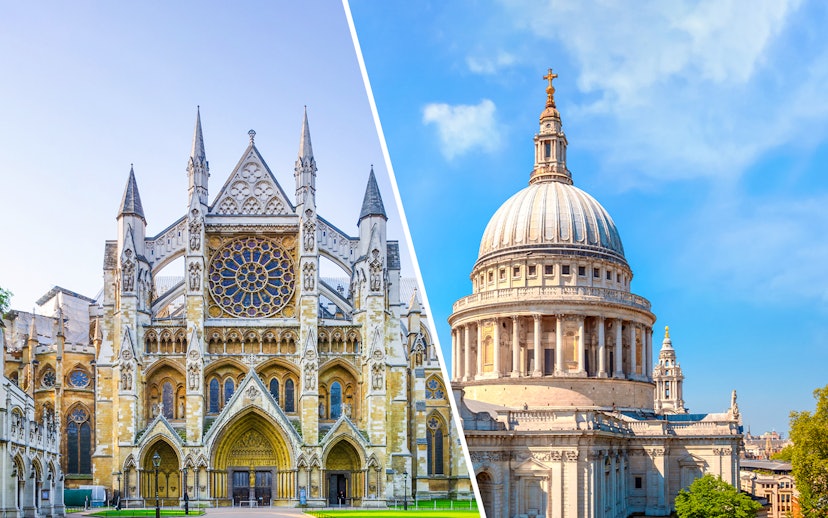
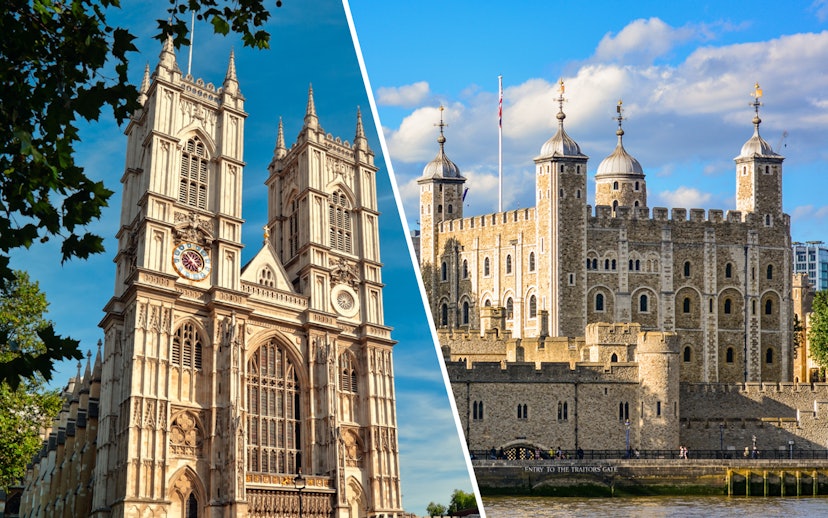
- Must-see highlights: College Garden showcases centuries-old horticultural layouts, medieval herb traditions, and seasonal flower displays that change throughout the year.
- Current use: The Westminster Abbey garden continues to function as a contemplative and ceremonial green space used for school activities, private events, and occasional concerts.
- Unique facts: College Garden is believed to be England’s oldest continuously cultivated garden, dating back nearly 1,000 years to Benedictine monastic life.
Westminster Abbey Garden – The abbey’s living monastic landscape
The Westminster Abbey garden is a historic green space reflecting nearly 1,000 years of monastic tradition and horticulture. Located within the abbey precincts, these gardens were originally cultivated by Benedictine monks and continue to offer visitors a peaceful contrast to Westminster’s busy landmarks.
Where is it located?
The Westminster Abbey garden sits within the Abbey’s cloister precincts, with College Garden positioned alongside the cloisters and historic school buildings inside Westminster Abbey’s grounds.
How to access?
Access to the Westminster Abbey garden is included with valid Westminster Abbey admission tickets. Some areas, including College Garden, have limited opening days and may not be accessible during services or events.
Things to know before booking Westminster Abbey garden tickets
- Entry to the Westminster Abbey garden is generally included with Westminster Abbey admission tickets, and visitors do not need to purchase separate garden tickets. However, the Westminster Abbey gardens opening times differ from standard Abbey visiting hours, particularly for College Garden, which operates restricted seasonal opening schedules.
- Garden access is priced within Abbey admission because the Westminster Abbey garden forms part of the historic precinct rather than functioning as an independent attraction. Note that certain areas may close for religious services, school activities, or special events such as concerts.
- Accessibility is available across most parts of the Westminster Abbey garden, but medieval pathways can be uneven and may require assistance.
Westminster Abbey garden in a nutshell
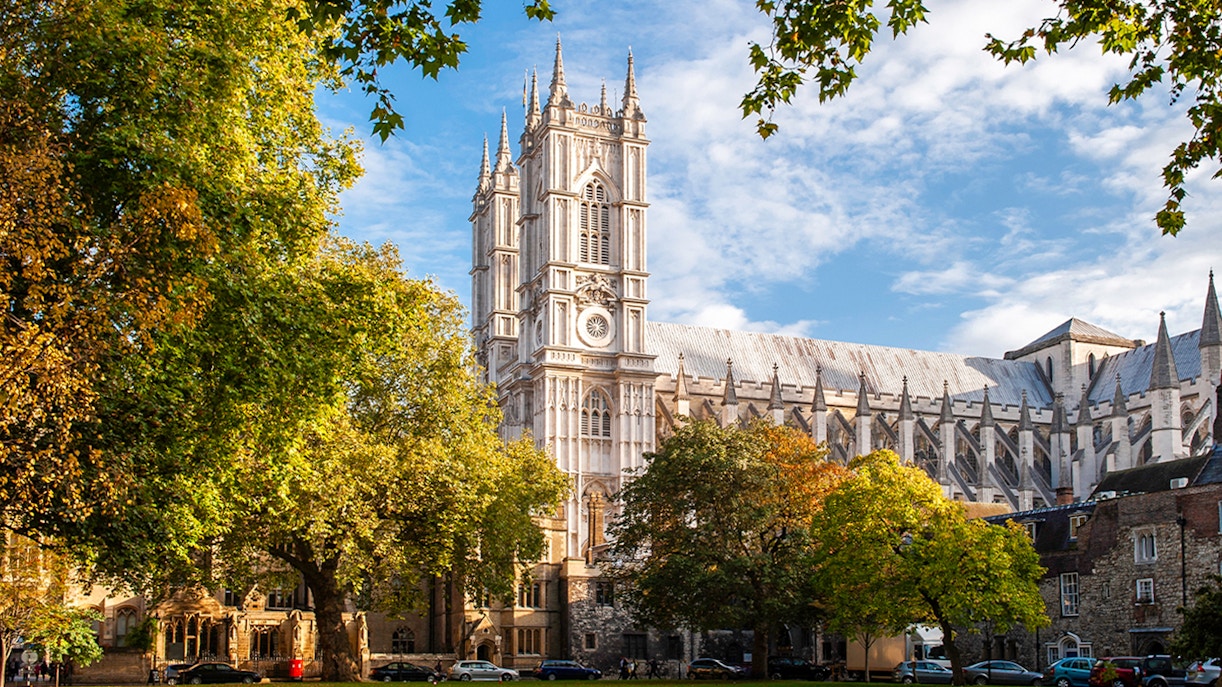
Your Westminster Abbey garden ticket types
| Ticket type | Is Westminster Abbey garden access included? | Why go for it? | Starting price |
|---|---|---|---|
Standard Westminster Abbey tickets | Yes | Budget-friendly Abbey access | From £31 |
Skip-the-line Westminster Abbey tickets | Yes | Saves queue time | From £79 |
Westminster Abbey guided tour | Yes | Expert historical insights | From £79 |
Combo and multi-attraction tickets | Yes | Covers multiple landmarks | From £44.65 |
Exploring inside the Westminster Abbey garden
1/4
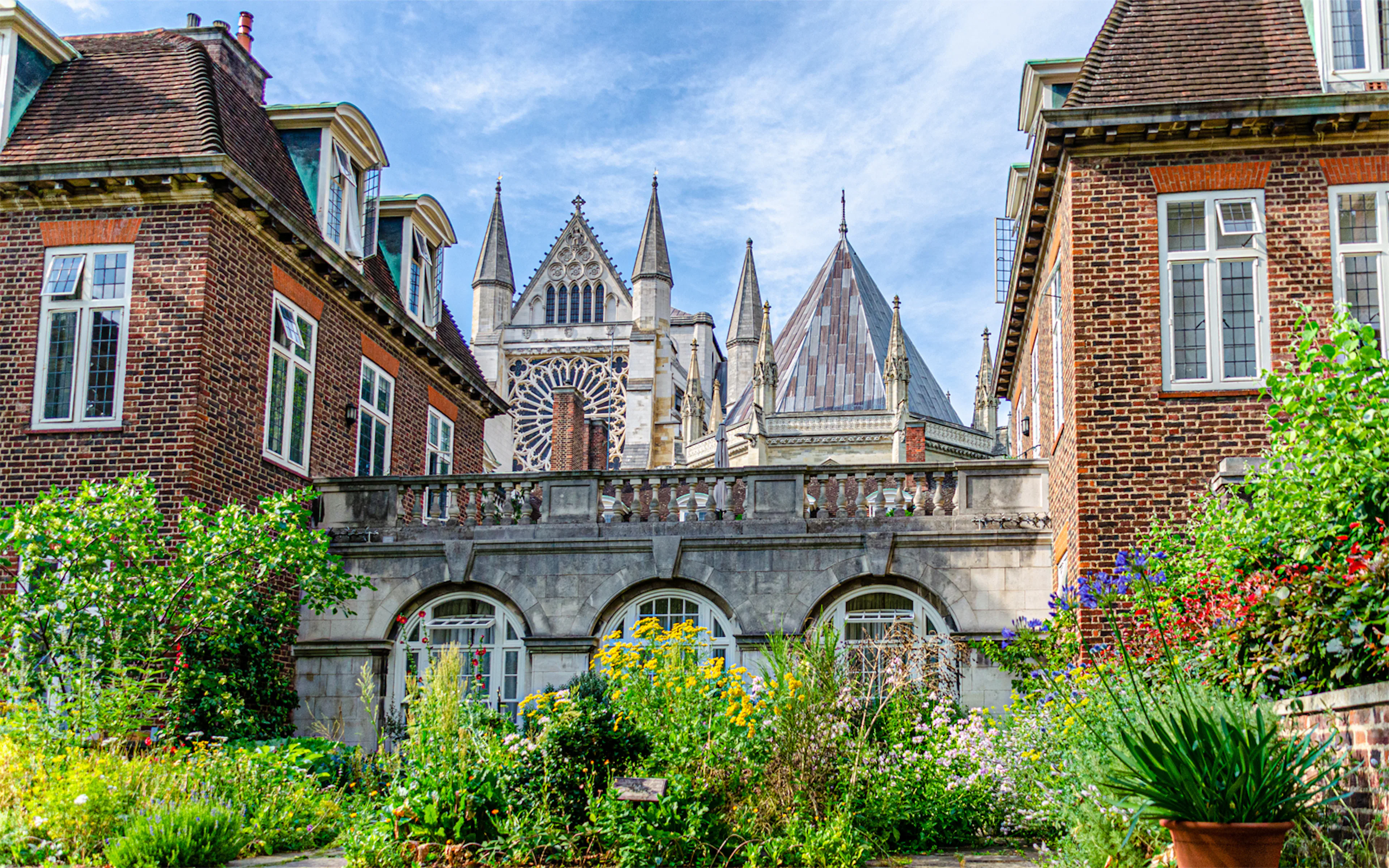
College Garden
Visitors typically enter the Westminster Abbey garden through College Garden, featuring symmetrical lawns surrounded by seasonal flower beds. The garden preserves its medieval layout and continues to showcase traditional planting patterns linked to monastic horticulture. It remains the most historically significant section of the Westminster Abbey garden.
Little Cloister Garden
This quieter part of the garden, where monks once walked and meditated, reflects traditional cloister design. It was here that Henry III swore to maintain the Magna Carta, which had been sealed by his father, King John. Today, it offers a calm resting space surrounded by historic architecture.
The Garth
The Garth is a serene lawn bordered by the main cloisters. Originally used by the monks for quiet reflection and meditation, it now features a modern lead fountain at its centre.
Seasonal displays and horticultural highlights
Throughout the year, the Westminster Abbey garden features seasonal blooms ranging from spring tulips to summer herb borders and autumn foliage. These rotating displays reflect the Abbey’s historic use of plants for healing, symbolism, and ceremonial purposes.
Architectural highlights of the Westminster Abbey garden
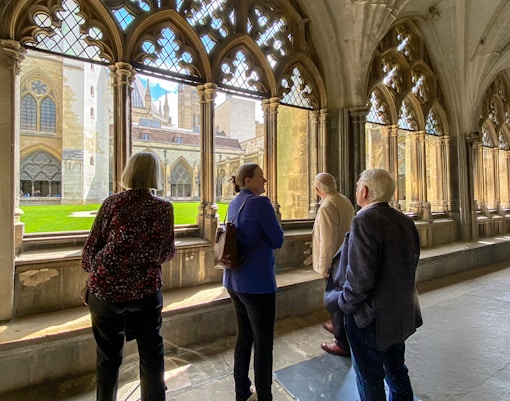
Medieval monastic wall
The oldest surviving architectural feature is the high stone wall, built in 1376.
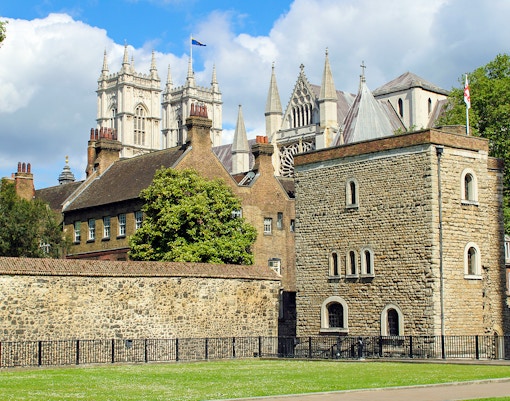
Westminster School dormitory
Located on the west side, this 18th-century structure was completed by the Earl of Burlington.
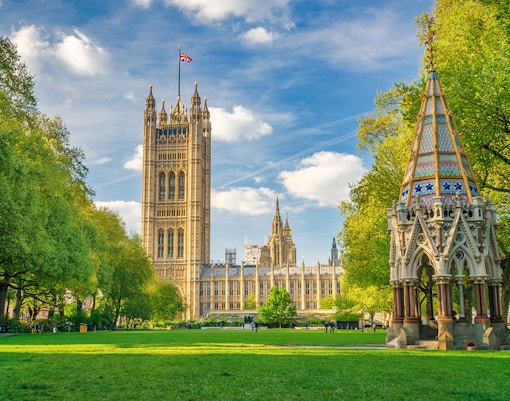
Victorian additions
The towering London plane trees were planted in the 1850s, and two late Victorian houses (now used as offices) stand at the far end of the garden.
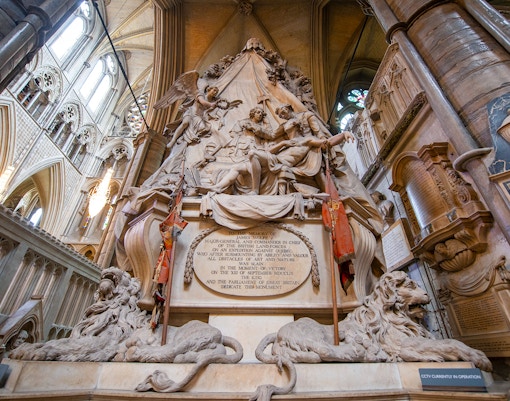
Modern art & features
At the south end, you can find a bronze sculpture of the Crucifixion by Enzo Plazzotta (presented in 1993), alongside a single jet water fountain added in 2002 and a small rose garden.
Historical and cultural significance of the Westminster Abbey garden
The Westminster Abbey garden represents a millennium of monastic tradition. During the monastic era, the garden was a vital resource managed by the Abbey’s Infirmarer, a Head Gardener, and two under-gardeners (who were monks). The space was used to grow food and medicinal herbs. A herbarium was added in 1306.
Following the Dissolution of the Monasteries, the garden transitioned to use by the Dean and Chapter (clergy) and Westminster School. In 1565, lavender was brought from Wimbledon to create a knot garden, and by 1692, the garden flourished with roses, honeysuckle, and fruit trees like raspberry and pear. It has been regularly open to the public since 1966.
Notable figures of the Westminster Abbey garden
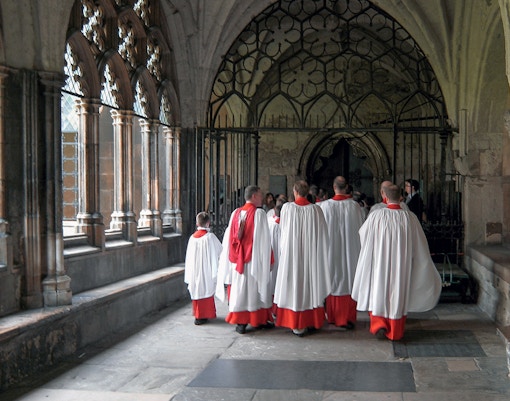
Benedictine monks
Founded and cultivated the original Westminster Abbey garden for medicinal, spiritual, and communal purposes.

Henry III
Used the Little Cloister Garden as the site for his historic oath to uphold the Magna Carta.

Earl of Burlington
The architect behind the 18th-century dormitory on the garden's edge.
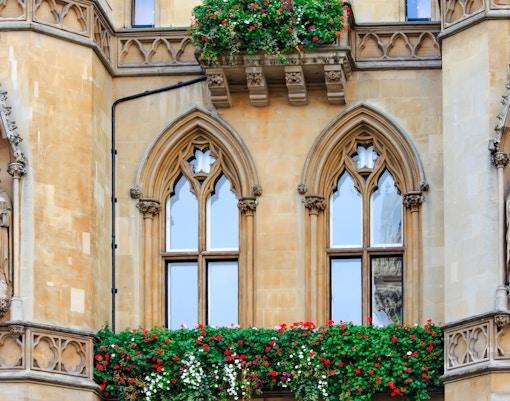
Westminster School community
Helped preserve and maintain the gardens through centuries of educational stewardship.
Know before you go
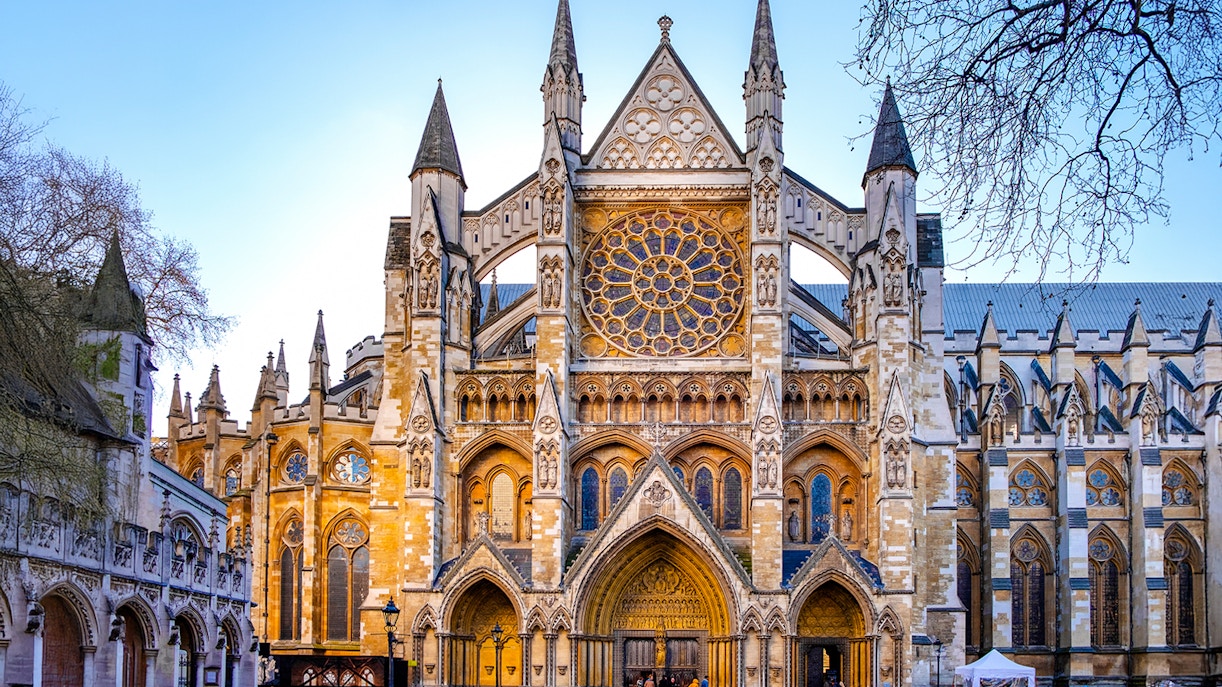
The Westminster Abbey garden usually follows Westminster Abbey’s general visitor hours, but specific sections operate on limited schedules.
College Garden, the most prominent Westminster Abbey garden area, is typically open only on Tuesday, Wednesday, and Thursday afternoons, subject to seasonal variations. Access may close during religious services, Westminster School activities, or special events such as Westminster Abbey Gardens concerts.
Because the gardens are part of an active religious and educational complex, opening hours can change with little notice. You are strongly advised to check the official Westminster Abbey Gardens opening times before arrival to avoid disappointment.
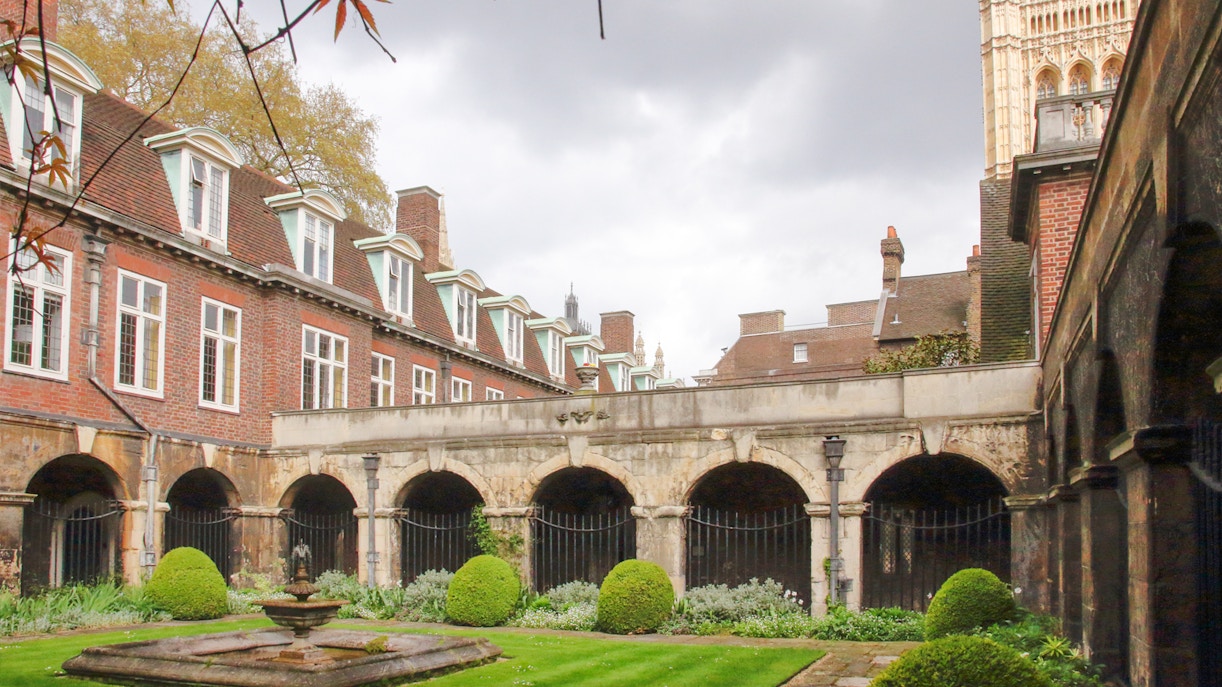
- The Westminster Abbey garden offers different experiences throughout the year, with spring and summer providing the most vibrant flower displays and favourable weather for exploring outdoor spaces.
- Afternoon visiting hours often coincide with College Garden access, making midweek visits the best opportunity to explore the gardens fully.
- Early entry times usually offer quieter surroundings and better photography conditions.
- Visitors interested in attending Westminster Abbey gardens concerts or seasonal displays should check event schedules in advance, as these occasions can enhance the experience but may also attract larger crowds.
The Westminster Abbey garden is located inside Westminster Abbey’s cloister precincts in central London, near Parliament Square, the Houses of Parliament, and Westminster Bridge. You can access the gardens through the Abbey visitor entrance after security screening.
Westminster Underground Station is the closest transport hub, served by the Jubilee, District, and Circle lines, making the Westminster Abbey Garden easily accessible by public transport. Several London bus routes also stop near Parliament Square.
The gardens are fully enclosed within the Abbey complex, meaning you must enter Westminster Abbey to reach them.
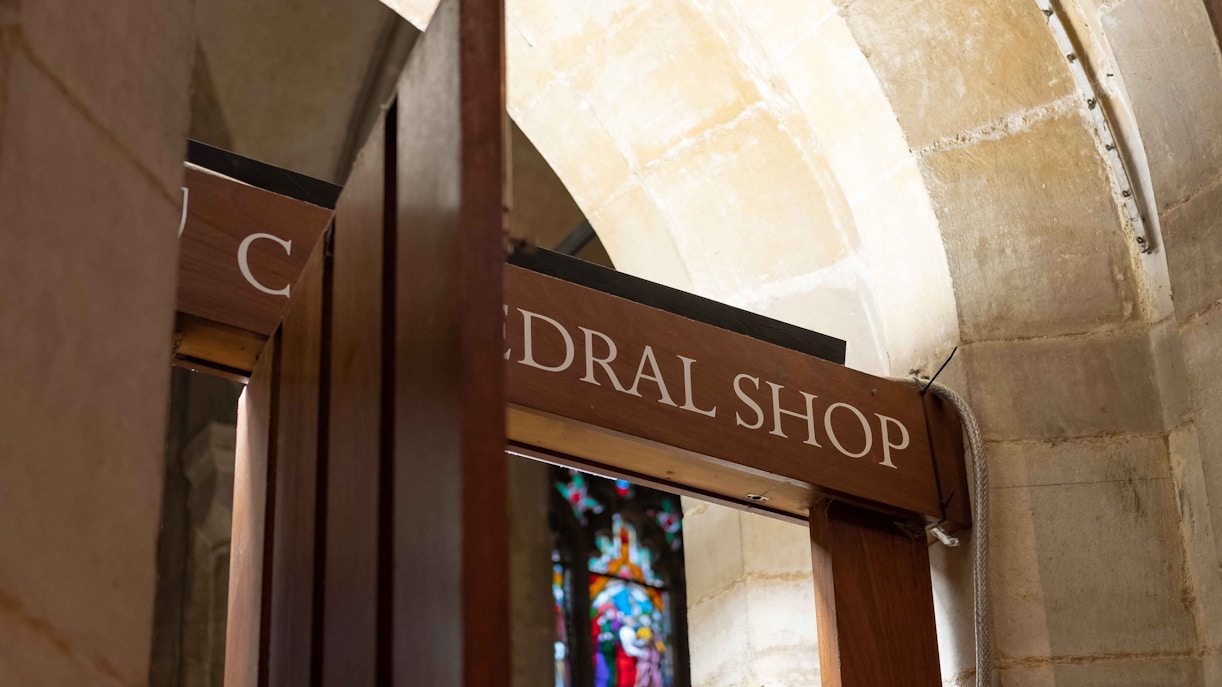
- Visitors exploring the Westminster Abbey garden can access Westminster Abbey’s main visitor facilities, including restrooms, gift shops, and information desks located within the Abbey complex.
- While benches and shaded areas are available inside the gardens for relaxation, food and beverages are only permitted in designated Abbey visitor areas outside the garden spaces.
- Drinking water facilities and visitor assistance counters are located within the main Abbey visitor route.
- Because the gardens function as protected heritage areas, facilities inside the Westminster Abbey garden itself remain minimal to preserve its historic character.

- Most sections of the Westminster Abbey garden are accessible to wheelchair users and visitors with limited mobility.
- Pathways provide access to main viewing areas, but some medieval stone routes may be uneven or narrow, requiring additional assistance.
- Abbey staff are available to help direct visitors toward accessible routes and entrances.
- Seating benches are placed throughout the gardens for rest breaks.
- Visitors with mobility requirements are encouraged to consult Abbey accessibility services in advance, especially since garden access points may change depending on services, school events, or Westminster Abbey garden tours.

- The Westminster Abbey garden is a protected historic space and requires visitors to follow preservation rules.
- Food, picnics, and smoking are not permitted inside the gardens to protect delicate historic landscaping.
- You are encouraged to remain on designated pathways and avoid stepping onto planted areas or lawns unless specifically permitted.
- The gardens are designed as quiet reflective spaces, so maintaining low noise levels helps preserve their atmosphere.
- During Westminster Abbey gardens concerts or ceremonial events, additional restrictions may apply, including limited movement within certain garden sections or temporary closures.

- Personal photography is generally permitted inside the Westminster Abbey garden, allowing visitors to capture seasonal flower displays, medieval layouts, and cloister surroundings. However, photography is not allowed inside Westminster Abbey interiors, and you should follow signage when moving between the garden and indoor spaces.
- Tripods, drones, professional filming equipment, and commercial photography require prior written permission from Abbey authorities.
- Photography may also be restricted during services, private functions, or Westminster Abbey Gardens concerts to ensure visitor safety and event privacy.
Westminster Abbey Gardens concerts and special events
The Westminster Abbey Garden occasionally hosts small cultural gatherings and concerts, usually during special seasonal events or private functions. These events often focus on classical music or ceremonial performances and may affect general visitor access. Visitors interested in Westminster Abbey garden tours during event periods should check updated schedules in advance.
Frequently asked questions about the Westminster Abbey garden
The Westminster Abbey garden is optional but highly recommended for visitors seeking a peaceful historical experience.
Yes, access to the Westminster Abbey garden is included with valid Abbey admission tickets.
Some Westminster Abbey gardens concerts are private or seasonal events. Public availability varies by event.
Most visitors spend 20–30 minutes exploring College Garden and other accessible sections.
Yes, seasonal displays highlight changing plants, with spring blossoms, summer borders, and autumn colors providing different experiences throughout the year.
Visitors should follow Westminster Abbey’s respectful dress guidelines as the gardens are part of the religious precinct.
Yes, several gardens feature interpretive plaques that highlight their monastic history, architectural context, and original functions within Abbey life.
Yes, children are welcome, but they must be supervised to protect historic plantings.
Yes, most gardens remain open year-round, though College Garden and certain areas may have seasonal closures or limited access days.
College Garden is considered Britain’s oldest cultivated garden, dating back nearly a thousand years to the Abbey’s earliest monastic community.