Quick Information

ADDRESS

London WC2E 7BB, UK

RECOMMENDED DURATION

2 hours

VISITORS PER YEAR

430000

EXPECTED WAIT TIME - STANDARD

30-60 mins (Peak), 0-30 mins (Off Peak)

Plan your visit

Did you know?

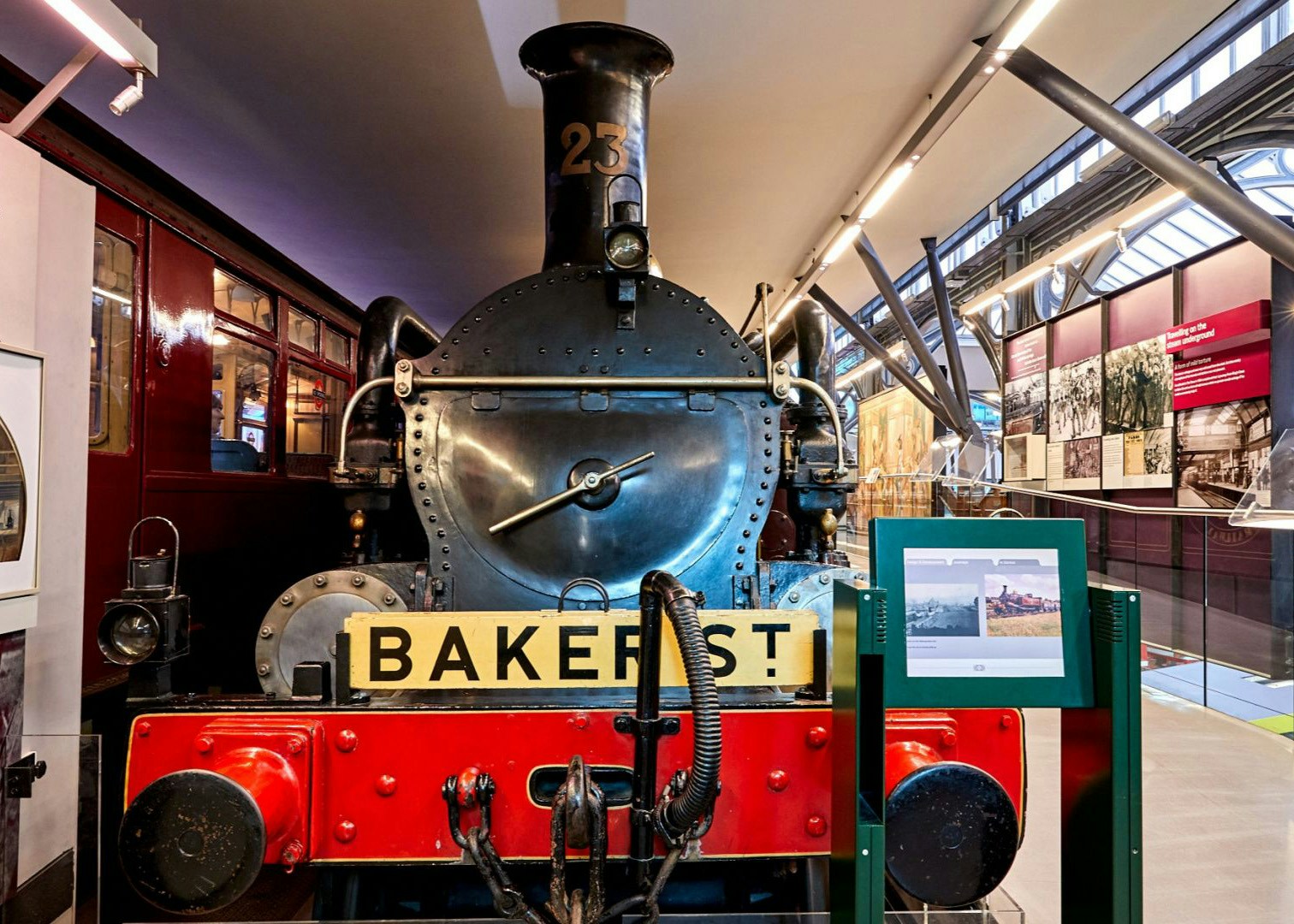
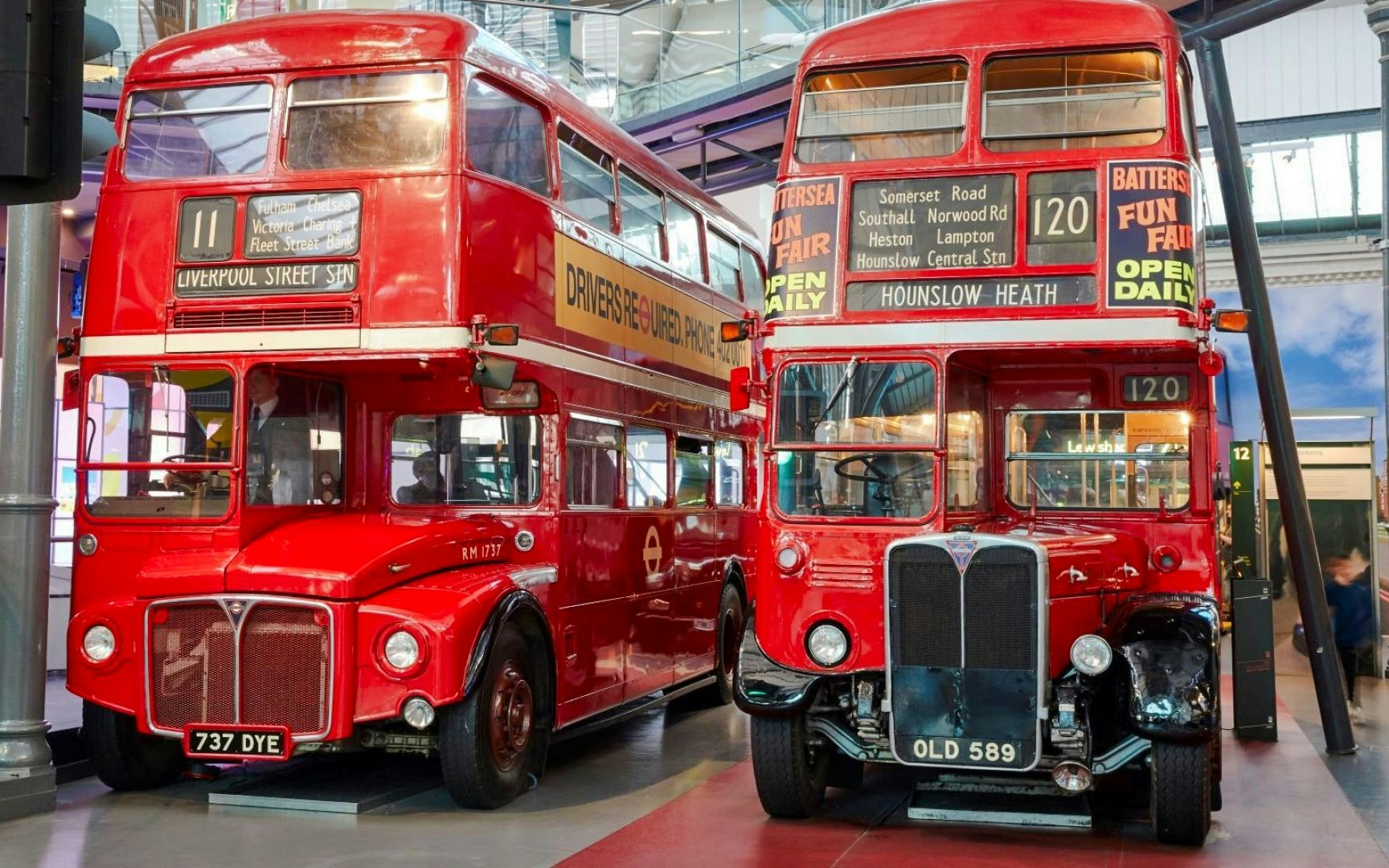
The museum is home to the world’s first underground steam train, a pioneering piece of transport history.

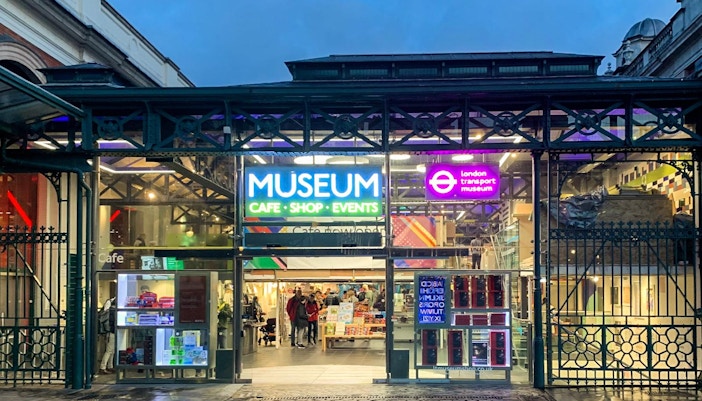
It occupies a Victorian building that once served as Covent Garden’s flower market.

Original artwork for Harry Beck’s iconic London Tube map is part of the museum’s collection.

Why is the London Transport Museum a must-visit attraction? 

The London Transport Museum offers far more than a display of old buses and trains—it reveals how transport shaped modern London. From the birth of the world’s first underground railway to the evolution of the red double-decker bus, the museum explains how London became one of the world’s most connected cities.

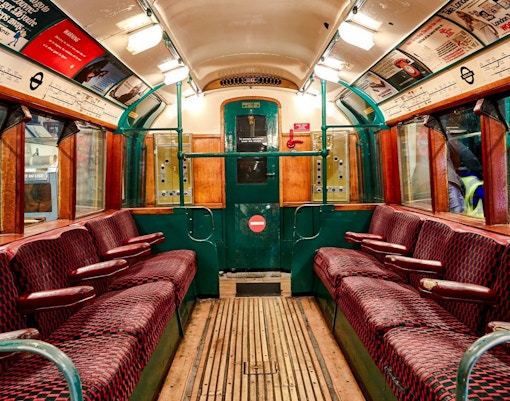
Step inside vintage Tube carriages, explore recreated stations, and follow Londoners’ daily commutes across centuries. The museum uses personal stories, historic posters, design objects, and interactive installations to bring transport history alive.

What to see at the London Transport Museum?
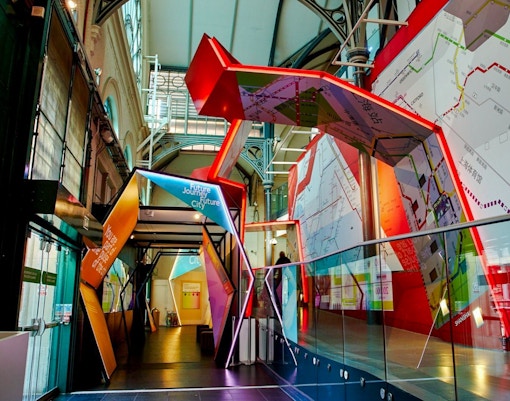
London by Design
This gallery explores the visual identity of London’s transport system, including typography, signage, posters, and the evolution of the iconic Tube map. It highlights how functional design became a global design benchmark.

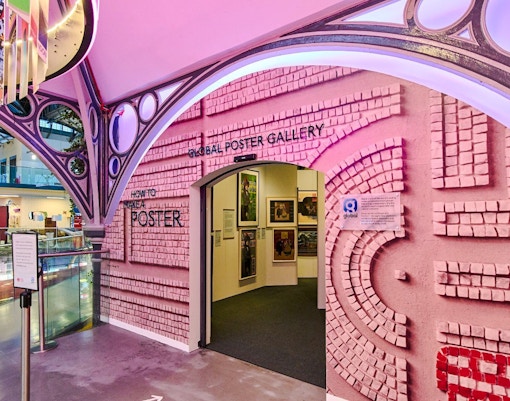
Global Poster Gallery

The poster collection showcases original artworks from the early 20th century to today, revealing how transport advertising shaped public taste, tourism, and graphic design trends across decades.

The London Underground galleries

These galleries trace the story of the Tube from its steam-powered beginnings to modern electric trains, featuring original carriages, station models, and engineering innovations.

Surface Transport Gallery

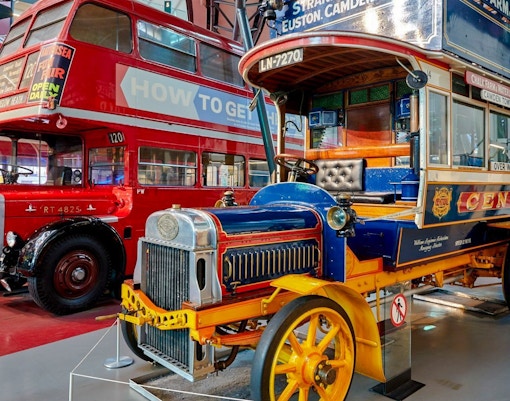
Explore London’s buses, trams, and taxis, including early horse-drawn vehicles and classic red double-decker buses that became international symbols of the city.

Brief history of the London Transport Museum 

The London Transport Museum traces its origins to the early 20th century, when London Transport began preserving historic vehicles and documents. The museum officially opened to the public in 1980 at its current Covent Garden location. Its collection reflects over 200 years of transport history, from horse-drawn omnibuses to modern Underground systems.

Over time, the museum expanded its focus beyond vehicles to include design, social history, and urban planning. Major refurbishments introduced interactive galleries and family-focused spaces, transforming the London Transport Museum into a modern cultural attraction. Today, it serves as both a museum and an archive, preserving one of the world’s most influential transport networks.

Who built the London Transport Museum? 

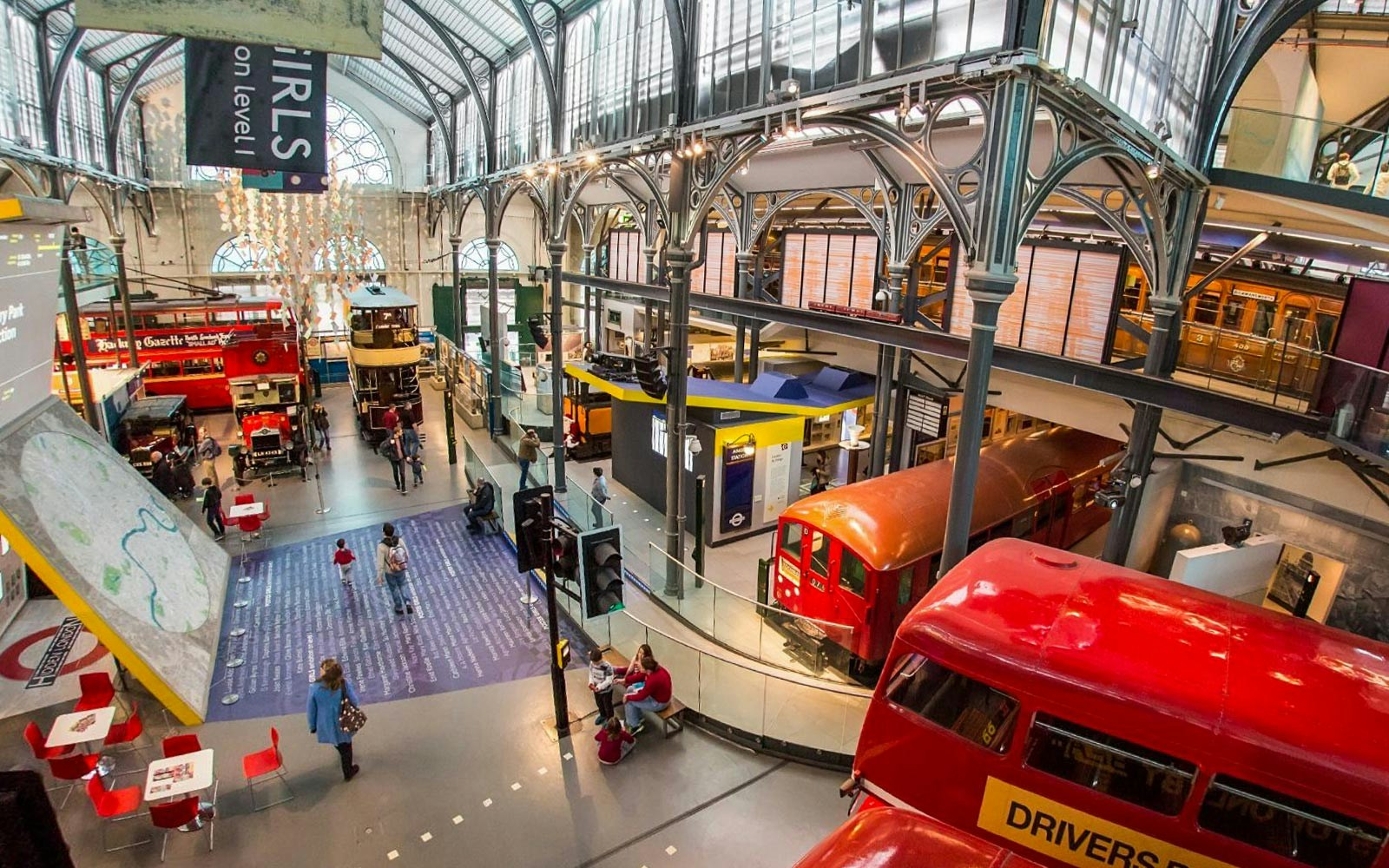
The London Transport Museum occupies a restored Victorian flower market building originally designed by William Rogers in the 1870s. Later adaptations transformed the structure into a museum while preserving its historic iron-and-glass architectural character.

Architecture of the London Transport Museum 

The London Transport Museum sits within a former Covent Garden Market building, reflecting classic Victorian industrial architecture. The structure features cast-iron columns, wide open spans, and high ceilings that once supported bustling market activity. These architectural elements now provide flexible exhibition spaces ideal for displaying large vehicles and immersive installations.

Renovations respected the building’s historic fabric while introducing modern lighting, accessibility features, and climate control systems. The blend of 19th-century industrial design with contemporary museum infrastructure mirrors the museum’s theme—connecting London’s past innovations with present-day urban life.

Beyond the museum

Many historic vehicles not on display are preserved at the London Transport Museum’s Acton Depot, which opens to the public on selected days. This behind-the-scenes conservation work ensures London’s transport heritage remains accessible for future generations.

Frequently asked questions about the London Transport Museum

How long should I spend at the London Transport Museum?

Most visitors spend around 2 to 2.5 hours exploring the London Transport Museum at a comfortable pace.

What kind of collection does the London Transport Museum have?

The London Transport Museum holds historic vehicles, original posters, maps, photographs, design objects, and archival material that document over 200 years of London’s transport and urban development.

Are the exhibits at the London Transport Museum interactive?

Yes, the London Transport Museum features several interactive displays, including walk-through train carriages, digital storytelling screens, and hands-on experiences that explain how London’s transport systems operate.

Does the London Transport Museum focus only on the Underground?

No, while the Underground is a major highlight, the London Transport Museum also covers buses, trams, taxis, river transport, road planning, and the social impact of transport on London life.

Is the London Transport Museum accessible to visitors with disabilities?

The London Transport Museum is fully accessible, with step-free entry, lifts between floors, accessible toilets, and staff support available for visitors with mobility or sensory needs.

Is the London Transport Museum suitable for children?

Yes, the London Transport Museum is one of London’s most family-friendly museums, with interactive exhibits and dedicated play zones designed for younger visitors.

Can adults enjoy the London Transport Museum without children?

Absolutely. The London Transport Museum appeals strongly to adults interested in design, history, engineering, and urban planning, with galleries that go far beyond children-focused exhibits.

Does the London Transport Museum include temporary exhibitions?

Yes, the London Transport Museum regularly hosts temporary exhibitions that explore themes such as transport design, sustainability, future mobility, and untold stories from London’s transport past.

Are original historic vehicles displayed at the London Transport Museum?

Yes, the London Transport Museum displays original Underground trains, buses, and trams, many of which have been carefully restored to reflect how Londoners experienced transport in different eras.

Does the London Transport Museum explore the future of transport?

Yes, alongside historical displays, the London Transport Museum examines future challenges such as sustainable travel, smart cities, and how transport design continues to evolve in modern London.

What makes the London Transport Museum different from other London museums?

Unlike traditional museums, the London Transport Museum connects transport history directly to everyday life, showing how movement, design, and infrastructure shaped London’s culture and neighbourhoods.

Can I combine London Transport Museum tickets with other attractions?

Yes, you can book combo tickets that pair London Transport Museum tickets with attractions like the London Eye, Tower of London, or a Thames River cruise.

More Reads

London Transport Museum exhibit with vintage underground train and double-decker buses.

Plan Your Visit

Entrance to London Transport Museum with neon signs and visitors inside.

Timings

Man and child looking at large map display at London Transport Museum.

Getting There