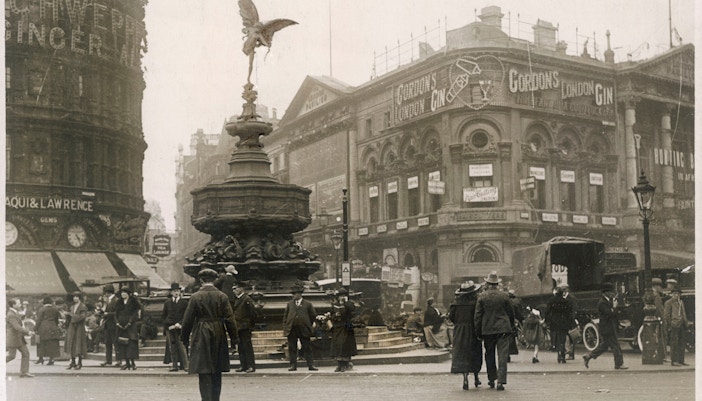
Its hidden black cab ride races through four centuries of London chaos from plague alleys to swinging sixties streets. The surprise is aging 1993 animatronics still operating today making fire dodges feel raw, noisy and authentic rather than polished theme park theatre.
12 fun facts about Madame Tussauds London
Behind the famous faces lies a stranger story few visitors expect. Madame Tussauds London hides fires, revolutions, secret rooms and creative chaos where wax survives disasters evolves through rituals and blurs history with illusion making every figure far more than a photo opportunity.
Top 12 Madame Tussauds London facts
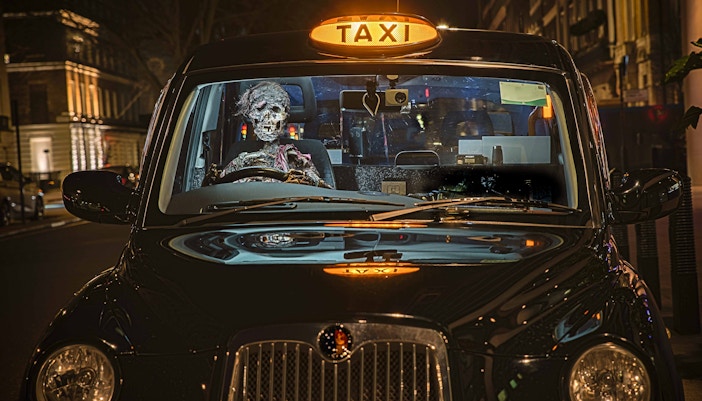
A black cab through centuries
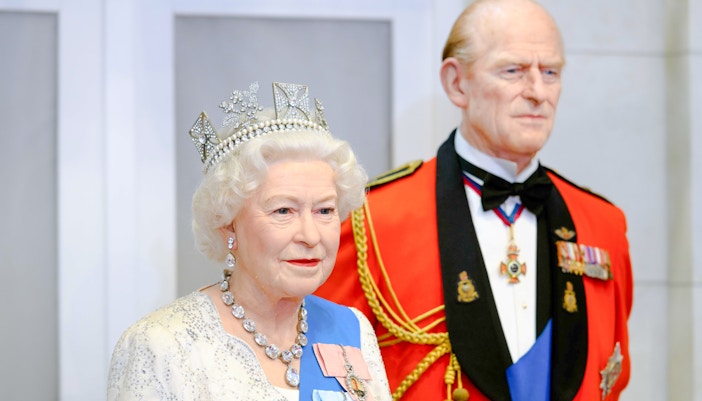
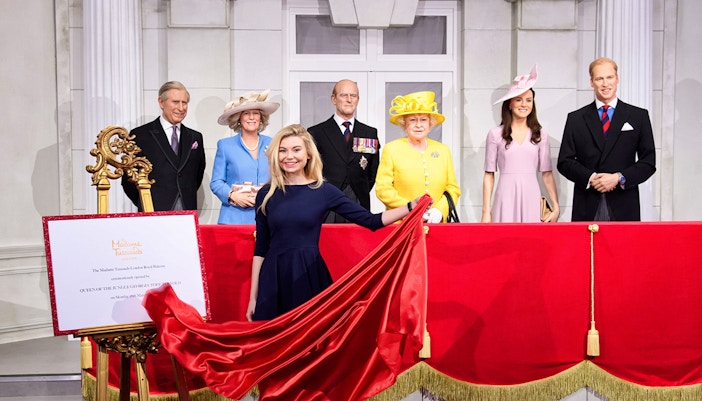
The queen who takes turns
Madame Tussauds quietly maintains two Queen Elizabeth figures created from different sittings. One rests while the other appears allowing wax to recover. The astonishing part is the second sculpture emerged after public requests for a warmer everyday monarch, not a formal icon.
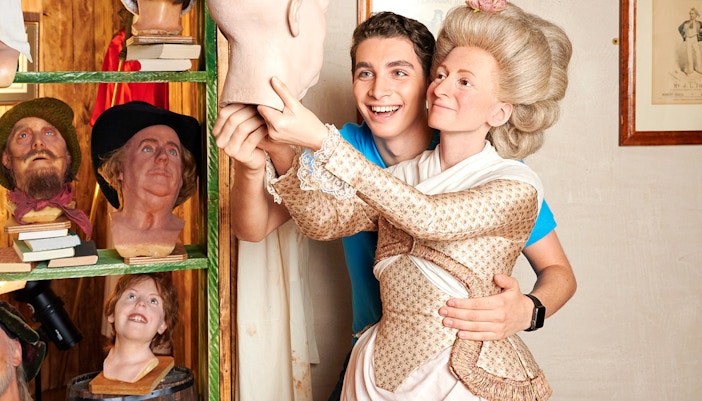
Where revolution victims became wax
This chilling gallery began with Marie Tussaud casting death masks directly from guillotine victims during the French Revolution. Few realize some original molds survived wartime bombing and still exist today stored away and revealed only during rare after hours experiences.
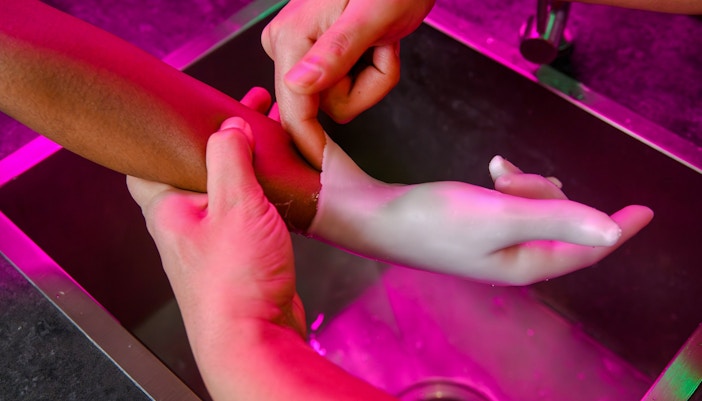
The smallest star ever made
A fairy smaller than your hand holds a world record here. Tinkerbell was sculpted at one tenth life size then suspended with ultraviolet lighting so convincingly that visitors swear she moves. It remains the tiniest figure ever created by the attraction.
Blitz damage still lives on
When bombs struck in 1940 hundreds of wax heads were lost. Instead of discarding the wreckage, staff melted remains into ghostly figures to reopen quickly. Even Queen Victoria was recreated from scorched molds leaving damage only visible during special ultraviolet tours.
An alien lurks inside London
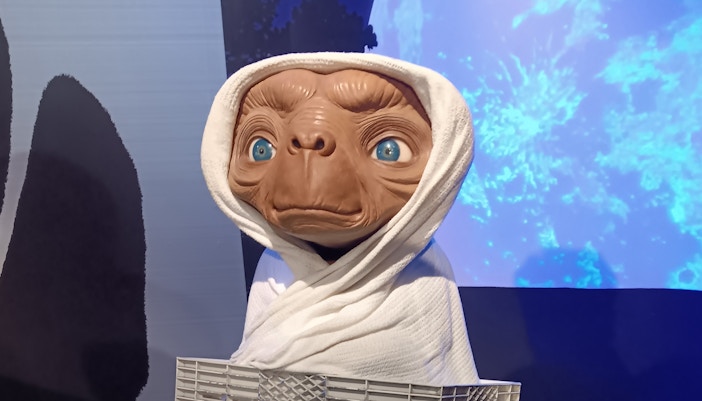
Hidden beyond celebrity rooms sits a full Alien themed scare zone. It uses designs traced back to H R Giger originals with glowing slime and ship corridors. The shock is its intensity which often unsettles adults more deeply than children.
Marie Tussauds hidden workshop secrets
A rarely seen area displays Marie Tussauds personal tools stained from centuries old waxwork sessions. Most astonishing are reconstructed holograms recreating lost sittings using archived audio. Visitors witness private moments between artist and celebrity once thought permanently erased from history.
King Kong evolves every year
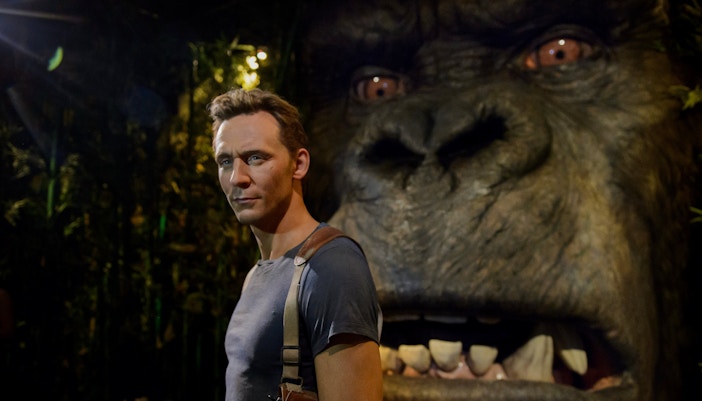
Skull Island is not a static spectacle. The massive King Kong figure is rebuilt annually using visitor reactions and film research. Fog humidity and hydraulic roars adjust each year making repeat visits surprisingly different, turning feedback into physical terror each time.
When wax turned into rivers
Fire once liquefied figures so completely that wax flowed along Baker Street. Recovery became creative chaos as melted survivors were boiled together forming hybrid bodies. Some early rebuilt figures secretly combined parts from different icons embedding disaster into their very structure.
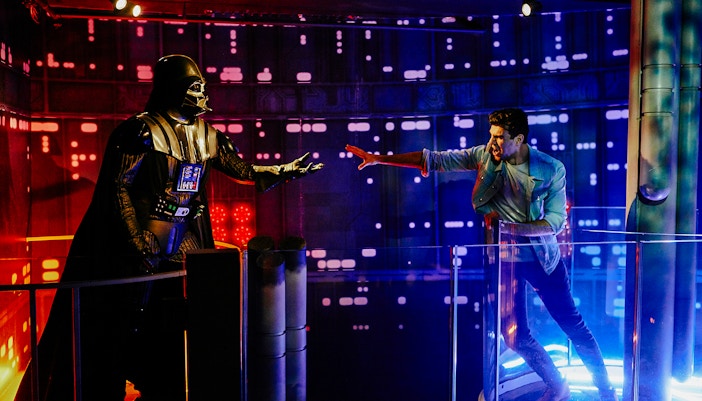
A real lightsaber moment awaits
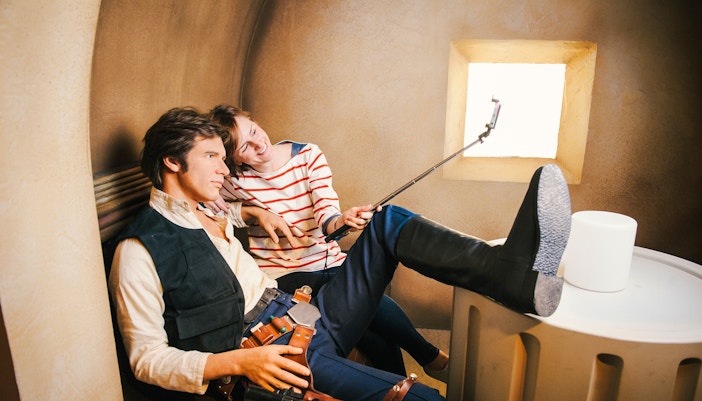
Star Wars here goes beyond posing for photos. Visitors handle real weight lightsabers molded from George Lucas owned props. The hums and balance are authentic, making guests accidental performers inside scenes approved directly by the filmmakers themselves during exclusive London installations.
When wax became Frankenstein version of celebrities
After the devastating 1925 fire melted historic figures together, staff quietly reused surviving wax to create bizarre hybrids. Think Benjamin Franklin’s head on Voltaire’s body. These mismatched figures were secretly tested on visitors during quieter months as surreal experiments.
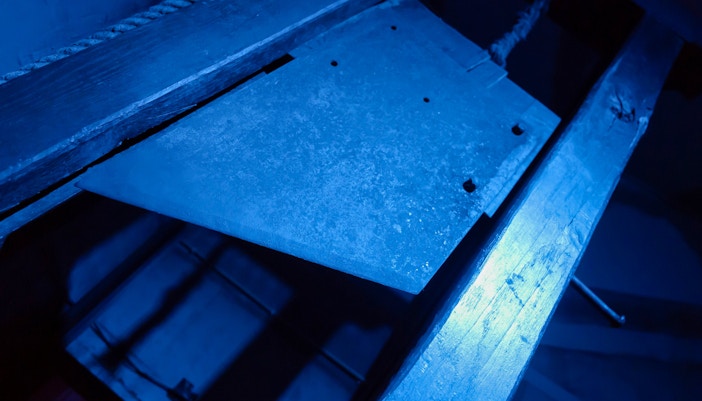
The Guillotine beneath your feet
Hidden below lies a sealed vault holding a fragment of Marie Tussauds original 1793 guillotine blade. Few known sculptors still follow a whispered tradition anointing new figures with replica blood for luck, a ritual revealed only during elite night tours.
Frequently asked questions about Madame Tussauds London facts
No figures rotate regularly due to conservation needs, popularity trends and special events meaning repeat visits often reveal entirely different faces.
Figures undergo detailed maintenance weekly including skin polishing, hair restyling and temperature checks to prevent cracking fading or surface distortion.
Yes outfits are periodically updated to reflect iconic looks, anniversaries or cultural relevance using custom tailored garments sourced from designers or archives.
Artists record hundreds of precise measurements, photographs and color references ensuring facial symmetry, skin tone and expression remain scientifically accurate.
Yes figures may be archived or dismantled if relevance fades likeness rights expire or physical wear makes restoration impractical.
From initial research to final styling one figure can take four to six months involving sculptors, painters, hair specialists and costume teams.
Yes historical figures rely entirely on portraits, sculptures, death masks and written descriptions when sittings or modern references are unavailable.
Internal lighting proximity and ambient temperature can create warmth though figures remain solid wax not temperature responsive materials.
Occasionally likeness feedback leads to revisions including facial adjustments, hair changes or posture tweaks before public unveiling.
Certain figures, scenes and installations are London exclusive due to historical relevance licensing agreements or space specific engineering.


