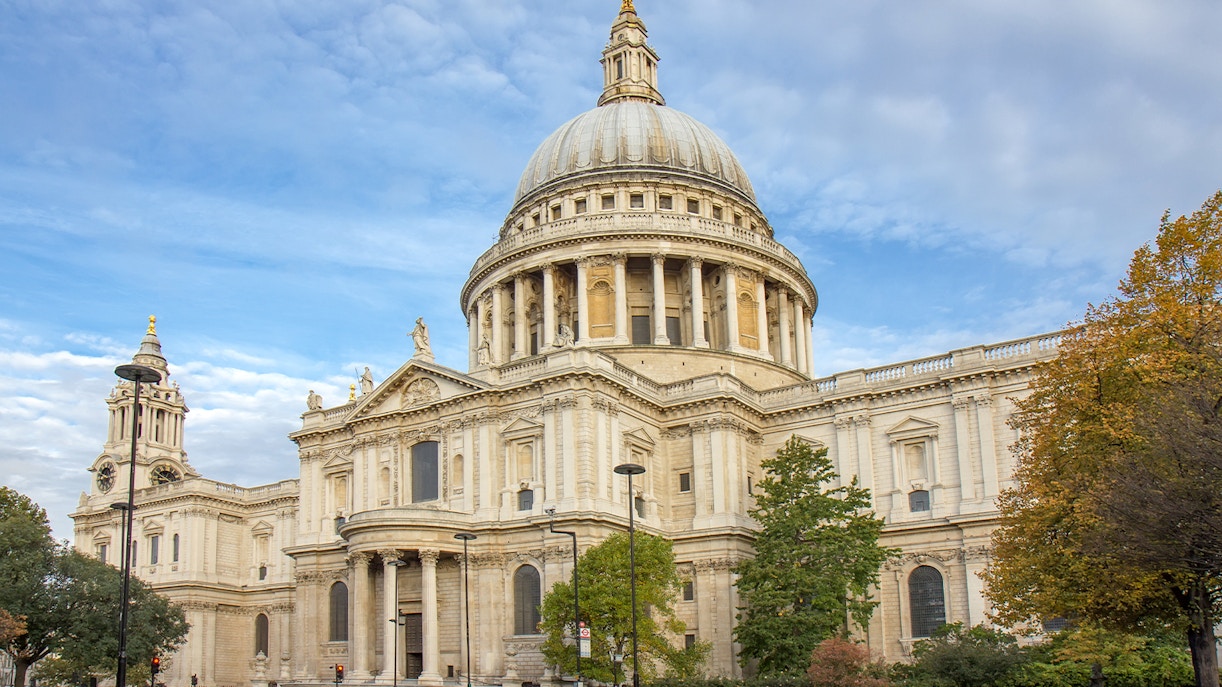
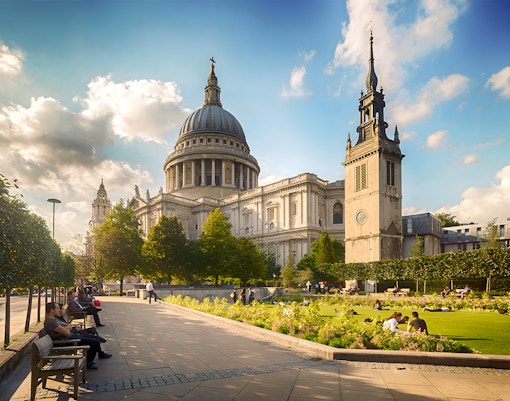
When the Great Fire of London tore through the city in 1666, Old St. Paul’s, a much earlier medieval cathedral on the same site, was badly damaged and later demolished. The present building rose in its place between 1675 and 1710, turning catastrophe into one of Britain’s most recognisable rebuilds.
Interesting facts about St. Paul’s Cathedral
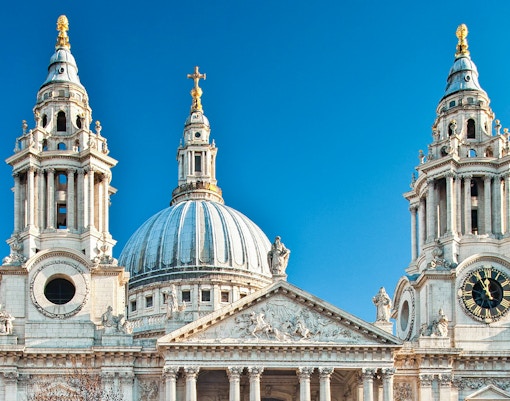
Replaced a medieval giant
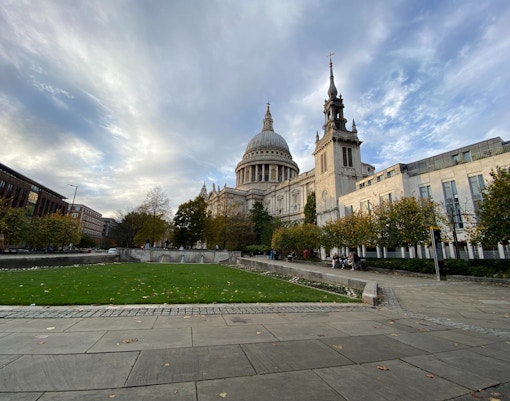
Wren saw it completed
Sir Christopher Wren spent roughly 35 years designing and overseeing the cathedral, an unusually long project that he lived to see finished. He was later buried in the crypt, where his famous Latin epitaph tells visitors that if they seek his monument, they should look around at the building itself.
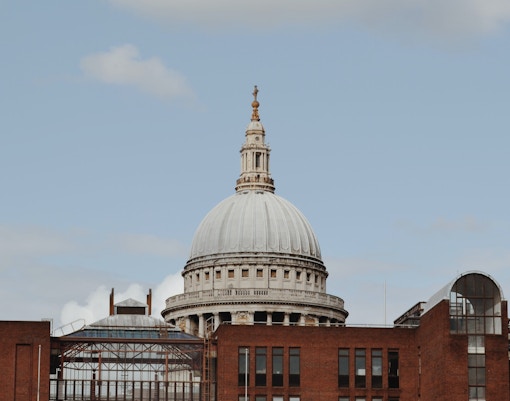
A three-layer dome
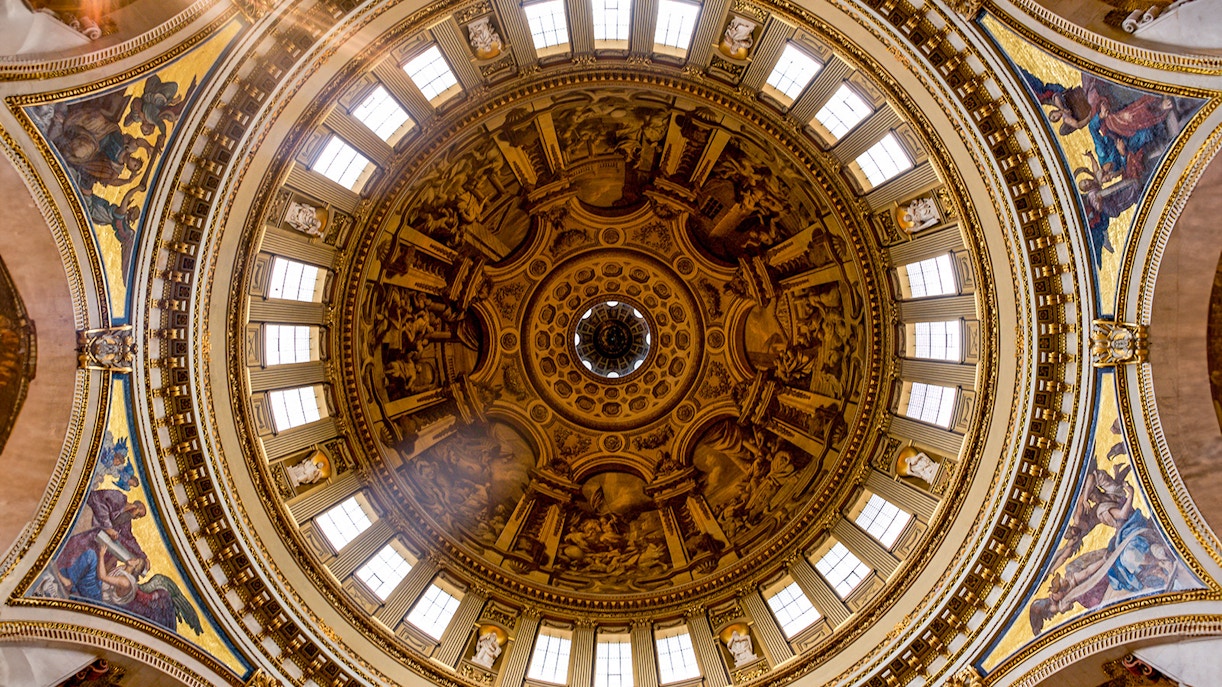
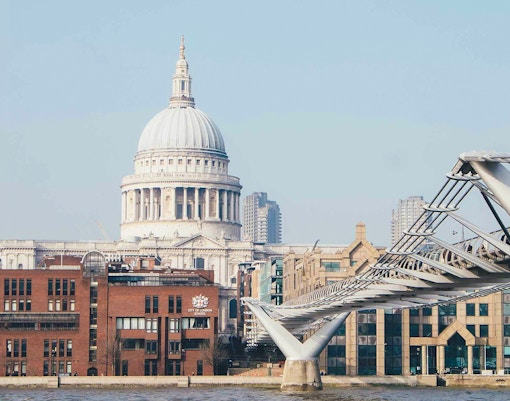
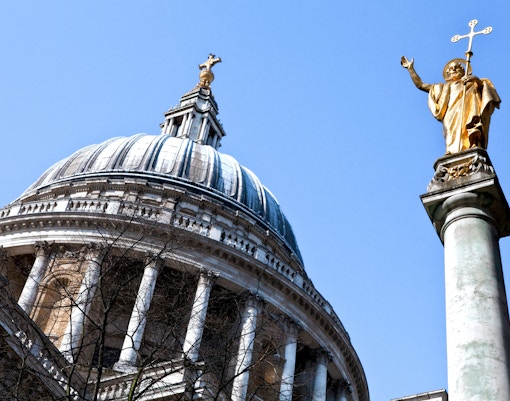
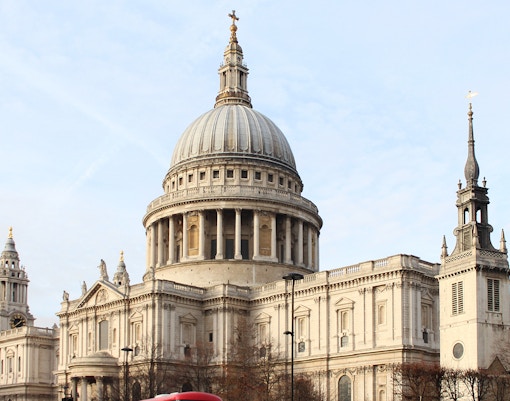
What appears to be a single dome is actually a sophisticated triple-shell structure. Wren used an inner dome for the painted interior, a concealed brick cone for strength, and an outer dome for the skyline London knows today. That engineering trick let the building look graceful inside while staying structurally sound.
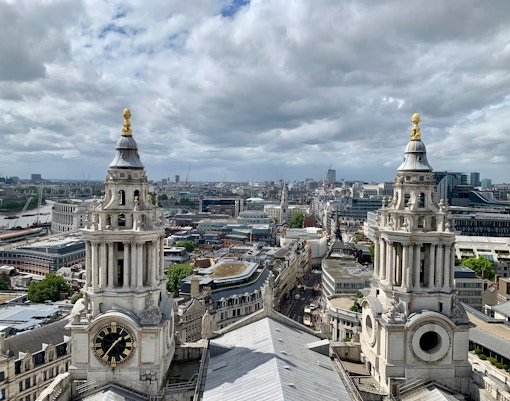
It crowns Ludgate Hill
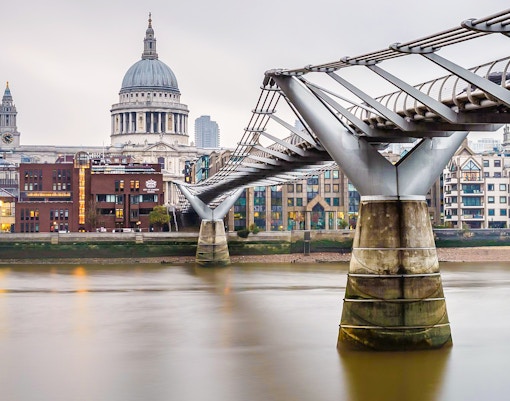
St. Paul’s was built on Ludgate Hill, the highest point in the City of London, which helps explain why its dome dominates so many classic views. Long before glass towers reshaped the skyline, the cathedral’s elevated position made it an unmistakable urban marker for Londoners approaching the old city from afar.
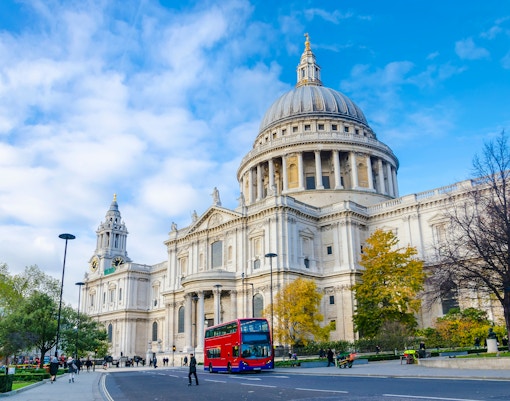
528 steps to the top
Reaching the Golden Gallery is a genuine climb, not a symbolic stroll. Visitors tackle 528 steps from the cathedral floor to the top, moving through the Whispering Gallery and Stone Gallery on the way. That ascent is one reason the views feel earned — and why St. Paul’s leaves such a strong physical memory.
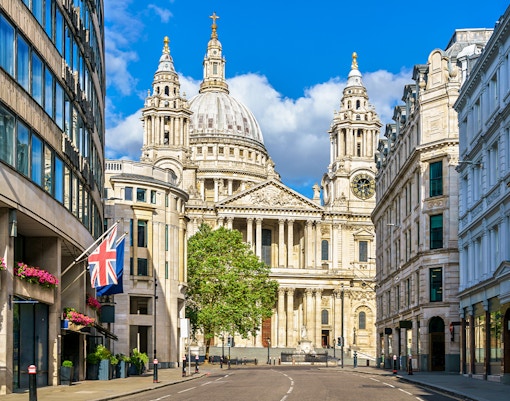
Whispers travel around the dome
The Whispering Gallery takes its name from an acoustic quirk that has fascinated visitors for centuries. A softly spoken word against the circular wall can carry to someone standing far away on the other side. It is one of those rare architectural effects that feels playful, scientific, and slightly uncanny at once.
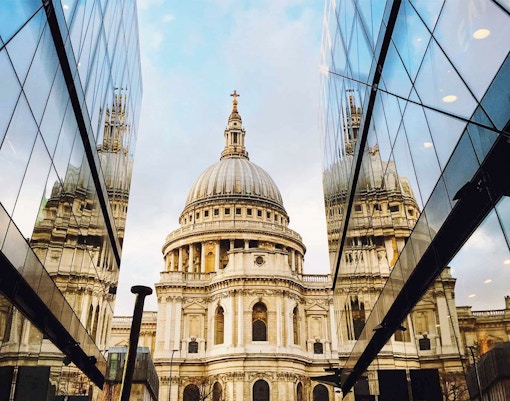
The Blitz made it a symbol
During the Second World War, bombs devastated much of the area around St. Paul’s, yet the cathedral remained standing. An iconic 1940 photograph showing its dome rising through smoke helped turn the building into a national symbol of endurance. Its survival was not accidental; dedicated fire watchers worked constantly to protect it.
A stage for national moments
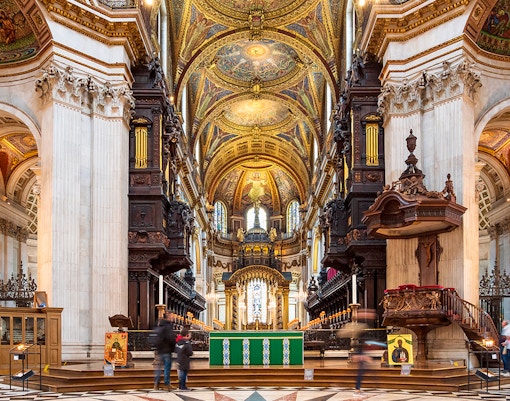
This cathedral has repeatedly served as a setting for moments of national significance rather than ordinary parish life alone. It hosted the 1981 wedding of Charles and Diana, the state funeral of Winston Churchill, and major services of thanksgiving and remembrance. Few London buildings are woven so tightly into Britain’s public memory.
The crypt holds national heroes
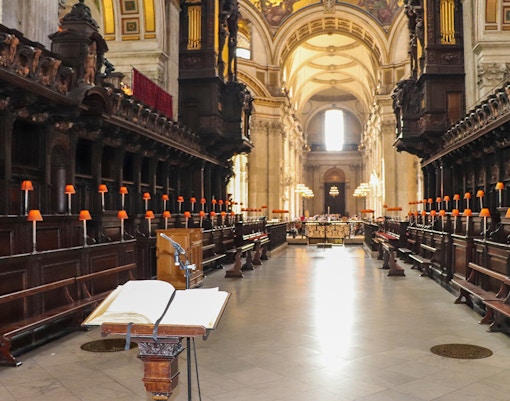
Below the cathedral floor lies a vast crypt where some of Britain’s most famous figures are buried or memorialised. Admiral Lord Nelson and the Duke of Wellington rest there, and Wren’s tomb is there too. For many visitors, the crypt turns a sightseeing stop into a direct encounter with British history.
Its skyline views are protected
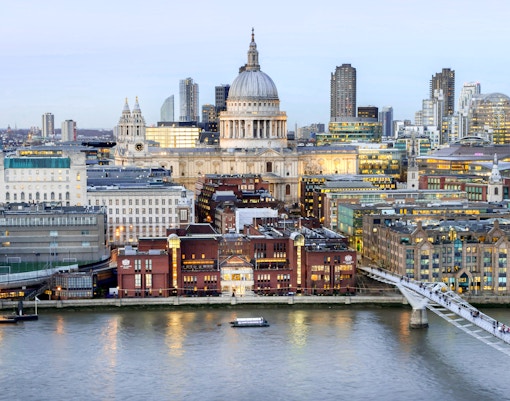
For centuries, St. Paul’s dominated London’s skyline, and that visual importance still shapes the city today. Protected viewing corridors were written into planning policy so key sightlines to the dome would not disappear behind modern development. In other words, London’s famous skyline is still being designed with St. Paul’s in mind.

A bomb blast attempt in 1914
In 1914, suffragettes aimed to bomb St Paul's Cathedral, targeting the Bishop's throne with a powerful explosive device housed in a can of mustard. Thankfully, it was discovered before detonation, as it could have caused significant damage. Their violent methods, including arson, were controversial, though their cause for women's suffrage was just.

Martin Luther King Jr. delivered a sermon at the church
In 1964, St Paul's Cathedral hosted a historic sermon by Martin Luther King Jr., attended by over three thousand people. His address emphasized the intersection of race and faith, highlighting urgent racial issues in the UK. King's visit underscored the cathedral's role as a platform for progressive discourse, extending beyond religious boundaries to advocate for social justice.
An ode to Nelson's peculiarities
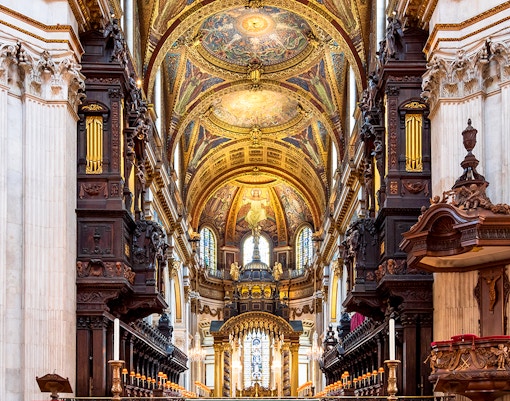
St Paul's Cathedral boasts an intriguing detail in John Flaxman's statue of Admiral Nelson: a seasick lion. Carved in the 1870s, the statue honours Nelson's victories, with the lion symbolizing his struggle with seasickness. This whimsical addition adds depth to the sculpture, showcasing Flaxman's artistry and attention to detail.
The only sculpture that survived the Great Fire
The effigy of John Donne in the Dean's Aisle is a rare relic of the Great Fire of London of 1666, surviving the flames intact. Scorch marks at its base bear witness to the flames' fury. This enduring sculpture stands as a poignant symbol of resilience amidst adversity.
The cathedral had a personal fire brigade during WWI
During World War I and the Blitz, the St Paul's Watch, comprising over 300 volunteers, acted as the cathedral's fire brigade. Led by Mr. Walter Godfrey Allen and Dean Walter Matthews, they bravely defended St Paul's from incendiary bombs. Their heroic efforts during heavy bombing raids, like that of December 29, 1940, prevented significant damage to the cathedral, securing its survival.

The cathedral featured in many artworks and films
St Paul's Cathedral has been an inspiration to artists and filmmakers worldwide. It was displayed in the artworks by famous artists including Canaletto, Daubigny, Signac, and Derain. St Paul's Cathedral has also been featured in iconic movies such as the Harry Potter series, Sherlock Holmes, Thor, and many more, creating unforgettable magic on screen.