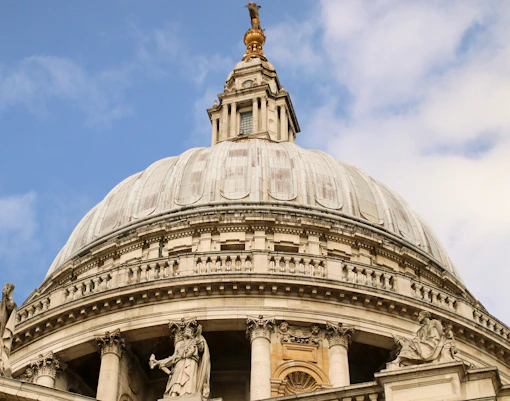
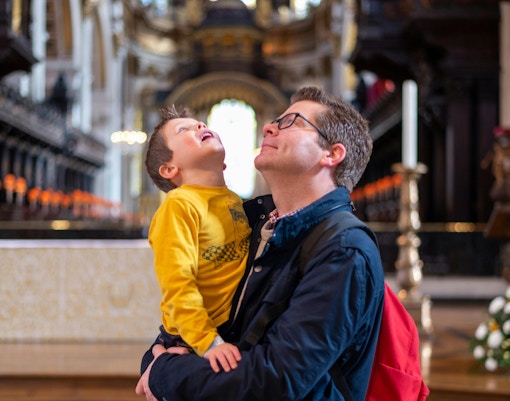
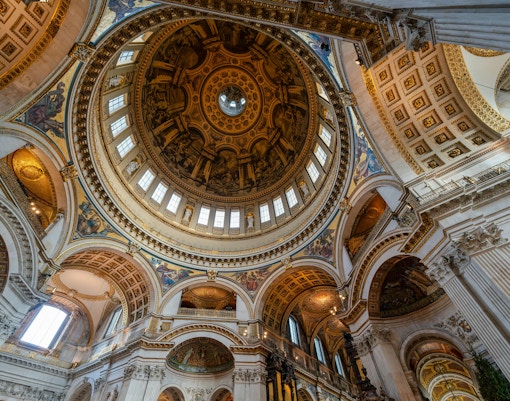
The first payoff is pure volume. You step into a long, bright interior built to make you slow down, look up, and take in how the dome controls the whole experience. Even if you’ve seen the exterior a dozen times, the interior feels more theatrical, more detailed, and far more human in scale once you’re standing beneath it.
Inside St. Paul’s Cathedral | Dome climbs, crypt stories, and London views
Step inside and St. Paul’s shifts from skyline icon to a layered experience of ceremony, memory, and city views.
- What stands out: the painted dome overhead, the Oculus film, the crypt tombs, and quieter corners like the American Memorial Chapel.
- Pro-tip: book online, start early, and do the dome climb before your legs are tired; the included multimedia guide makes the space far easier to understand without rushing.
Know more about: Top highlights | How to explore
What to expect inside St. Paul’s Cathedral?
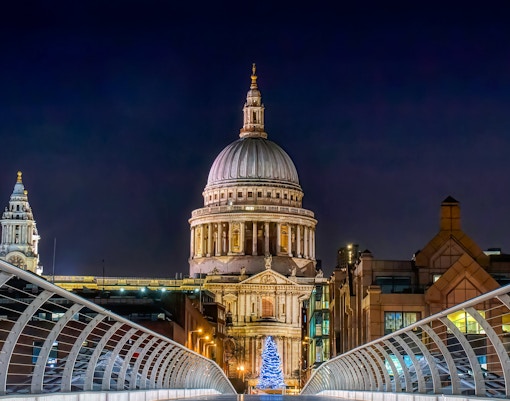
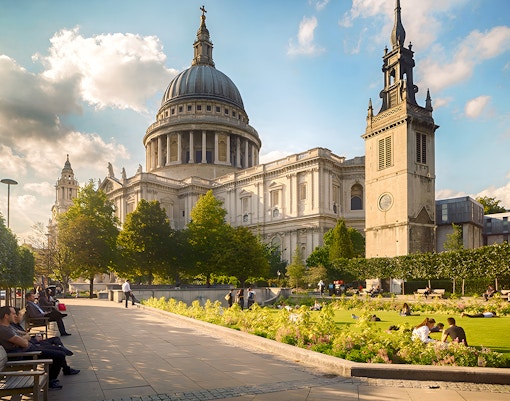
From outside, St. Paul’s is a London landmark you recognise instantly. Inside, it feels less like a postcard and more like a sequence of changing moods — grand, ceremonial, physically demanding, and surprisingly reflective once you move beyond the first look up.
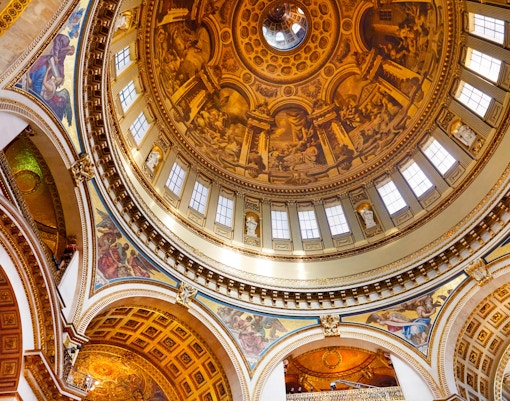
Scale that hits you immediately
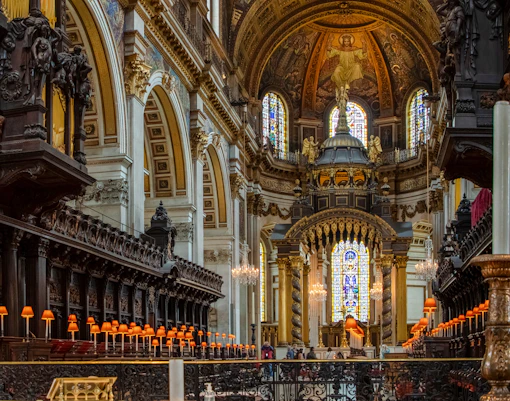
A building shaped by national life
This is not just an architectural showpiece. It is also a place where public memory, worship, and state ceremony meet. Chapels, memorials, and carved spaces give the cathedral emotional weight, so the visit is not only about beauty — it is also about the people and events the building has held over centuries.
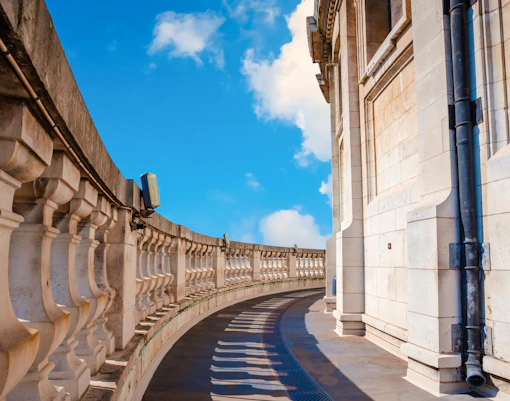
A climb that changes the visit
One reason the interior experience feels distinct is that it asks something of you physically. The route upward turns the visit into a gradual ascent through tighter stairways and changing viewpoints, ending in the Golden Gallery if you go all the way. What begins as sightseeing becomes part challenge, part reward.
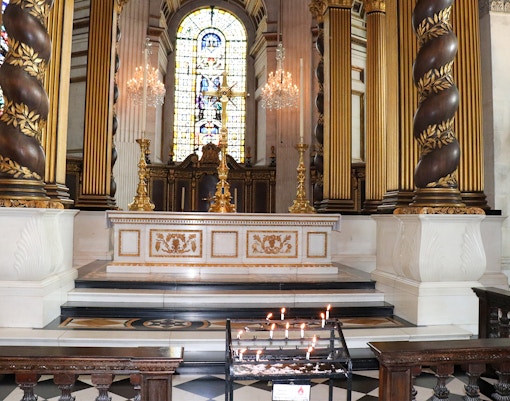
Stories below the surface
Downstairs, the mood shifts again. The crypt slows everything down, grounding the visit in tombs, remembrance, and the practical story of how the cathedral survived fire, war, and rebuilding. If you want context before the climb, the Oculus film helps connect the space you’re seeing with the city around it.
If you have limited time, prioritise the main floor, one gallery level, and the crypt rather than rushing up every stair. If you want the building to feel less overwhelming, use the multimedia guide or a guided experience that gives the interior some narrative shape before you start climbing.
Map and orientation
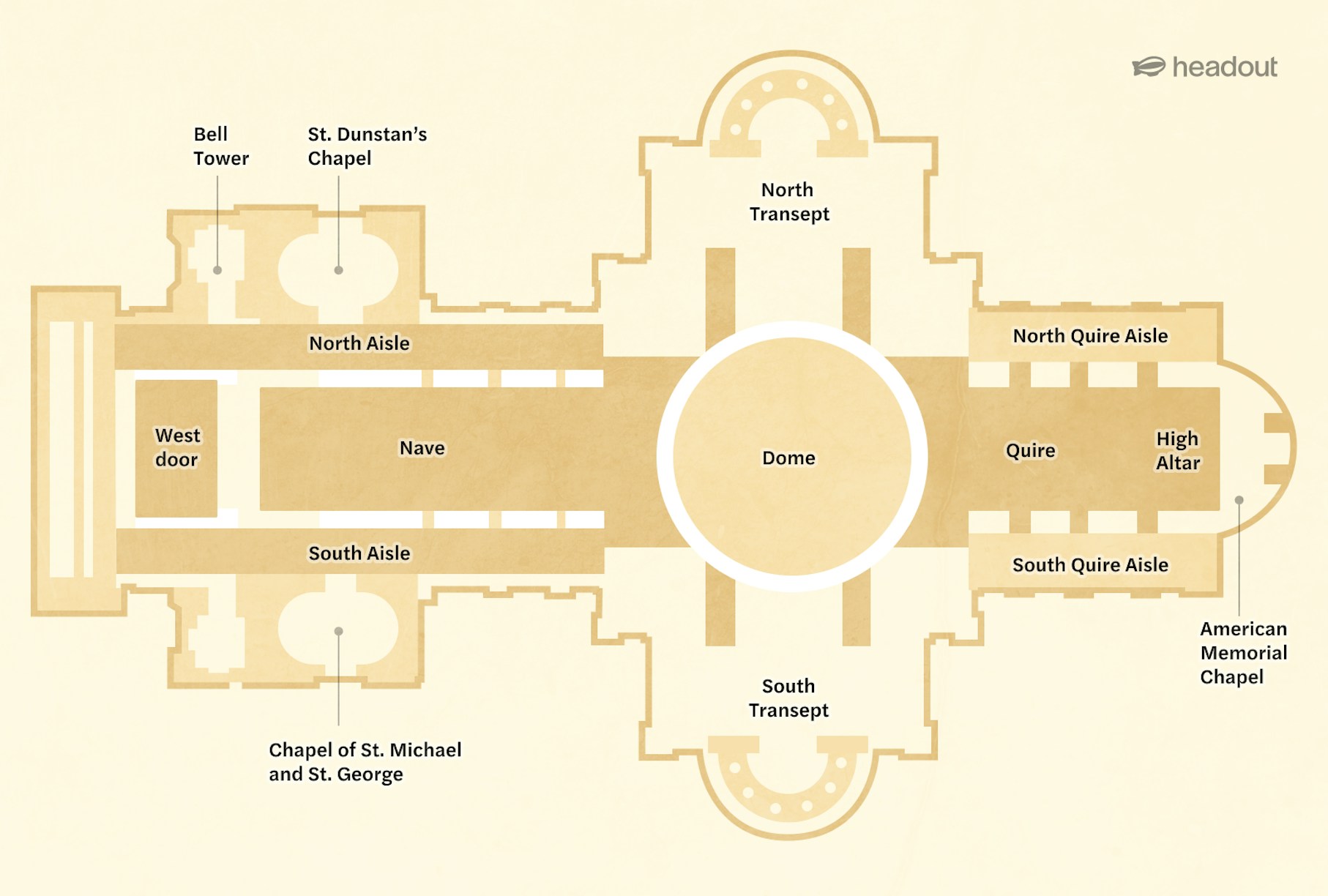
Enter through the West Front entrance. Most visits flow in a simple order: cathedral floor first, dome galleries second, and crypt last. The main visual anchor is the central dome, so it’s hard to feel fully lost once you’re inside. If you plan to climb, pace yourself early rather than zigzagging across the floor first. The crypt is the best place to reset, use facilities, and slow the visit down before exiting.
Top highlights inside St. Paul’s Cathedral
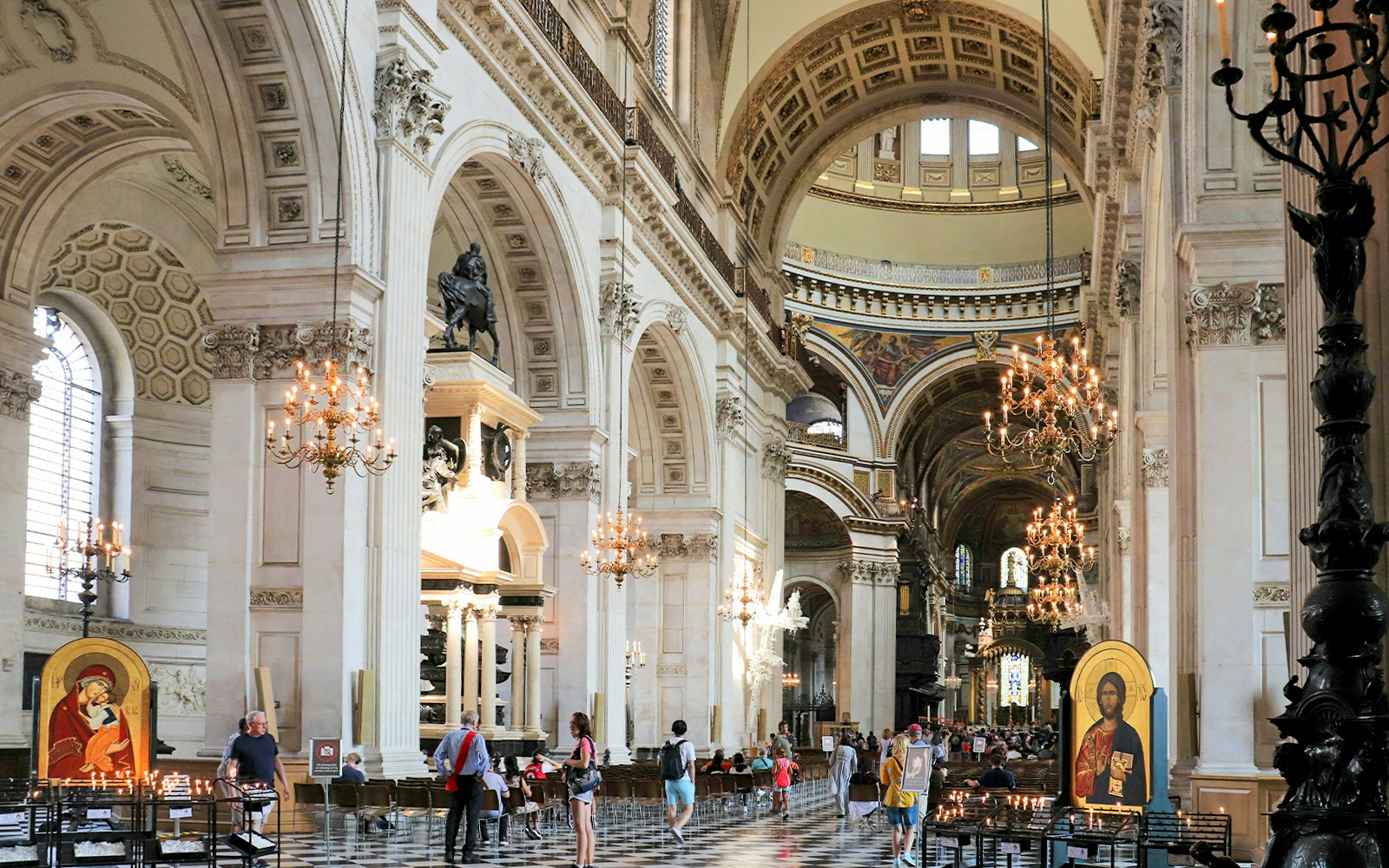
Nave and dome interior
Stand beneath the crossing and look straight up.
Why it matters: This is where the cathedral’s scale lands hardest.
Pro tip: Pause in the centre aisle first, before moving into side chapels and memorial areas.

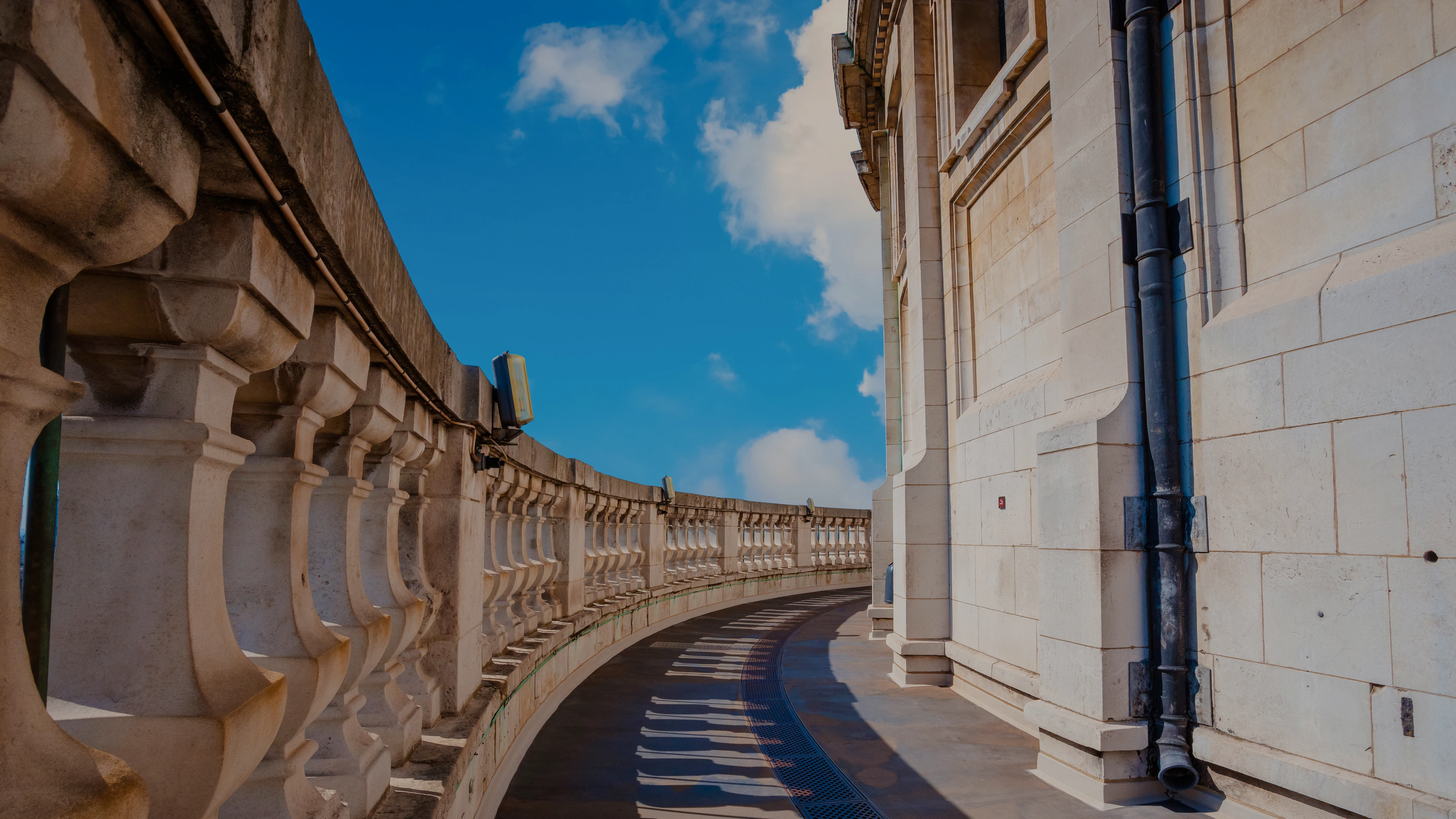
Inside St. Paul’s Cathedral
You move through St. Paul’s as a rising sequence — broad ceremonial spaces below, tighter galleries above, and a quieter memorial world beneath street level.
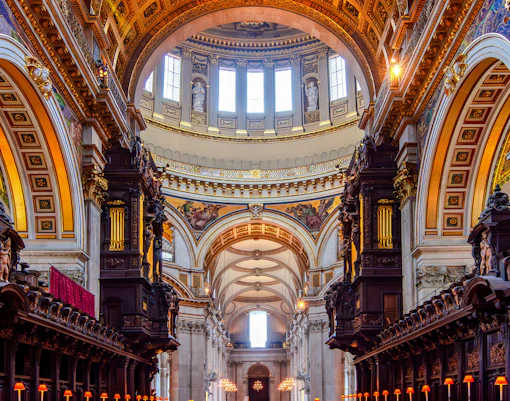
Cathedral floor
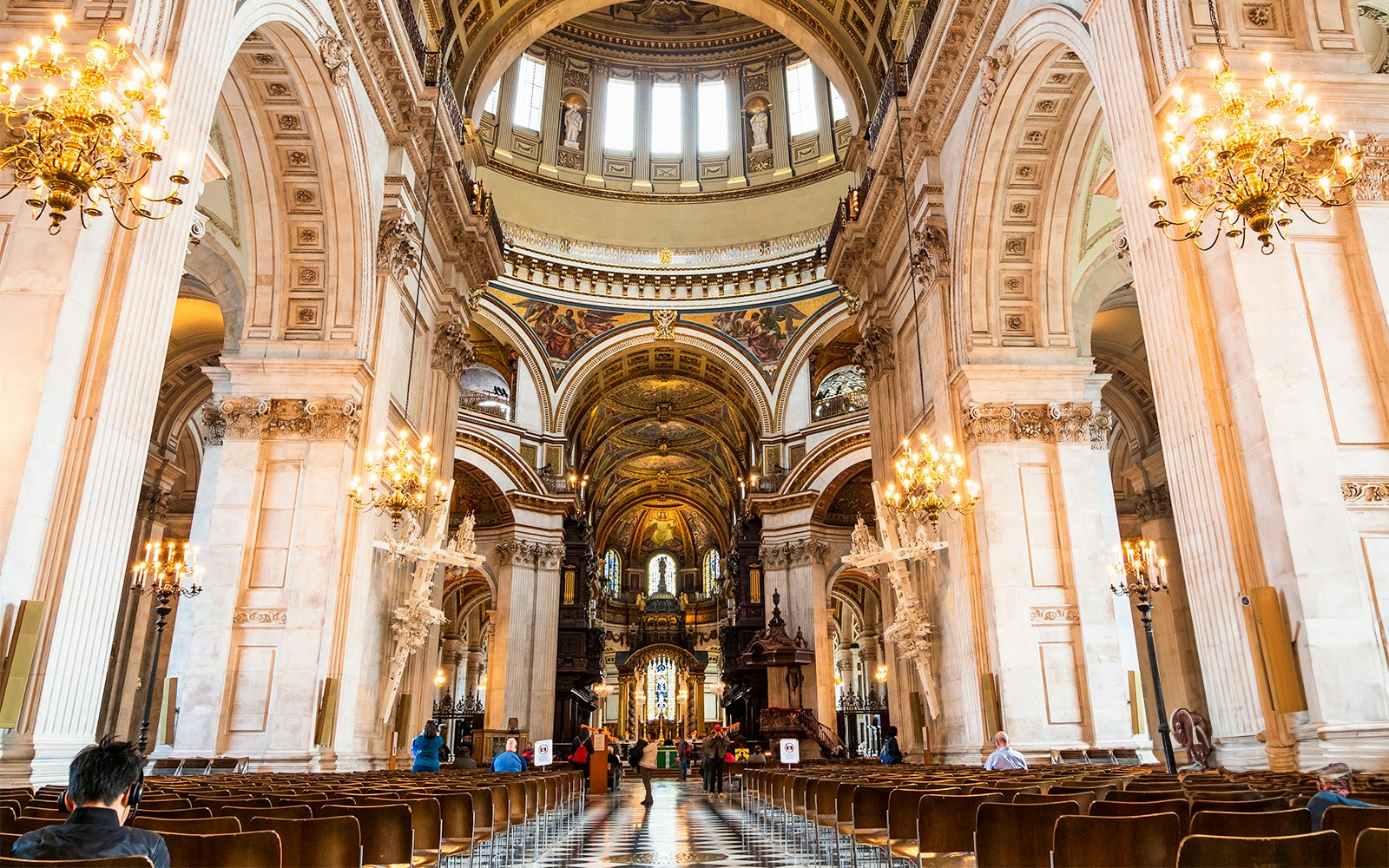
Start here for the full sense of the building’s scale. This level is where most visitors orient themselves, take in the dome from below, and understand the cathedral as a working church rather than only a landmark. It’s also the least physically demanding part of the visit, so it’s the best place to slow down before the climb begins.
- Nave → Look up from the central aisle to grasp the dome’s full scale.
- Quire and high altar → See the cathedral’s ceremonial heart and carved detail.
- Side chapels → Step into smaller spaces that change the tone of the visit.
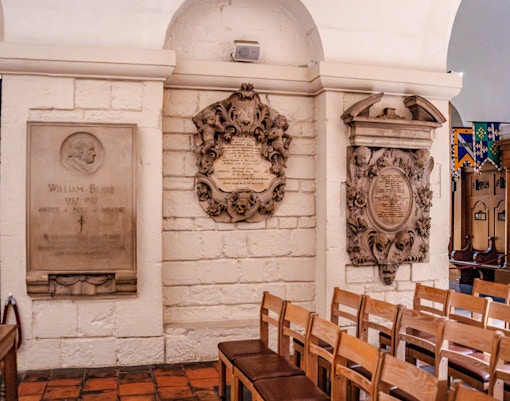
Crypt
The crypt feels more grounded and intimate than the main floor. This is where the visit becomes biographical, with tombs, memorials, exhibitions, and practical visitor facilities all on one level. It also works well as a reset point after the stairs, since you can explore, rest, and absorb the human stories behind the monument.
- Wren’s tomb → Visit the resting place of the cathedral’s architect.
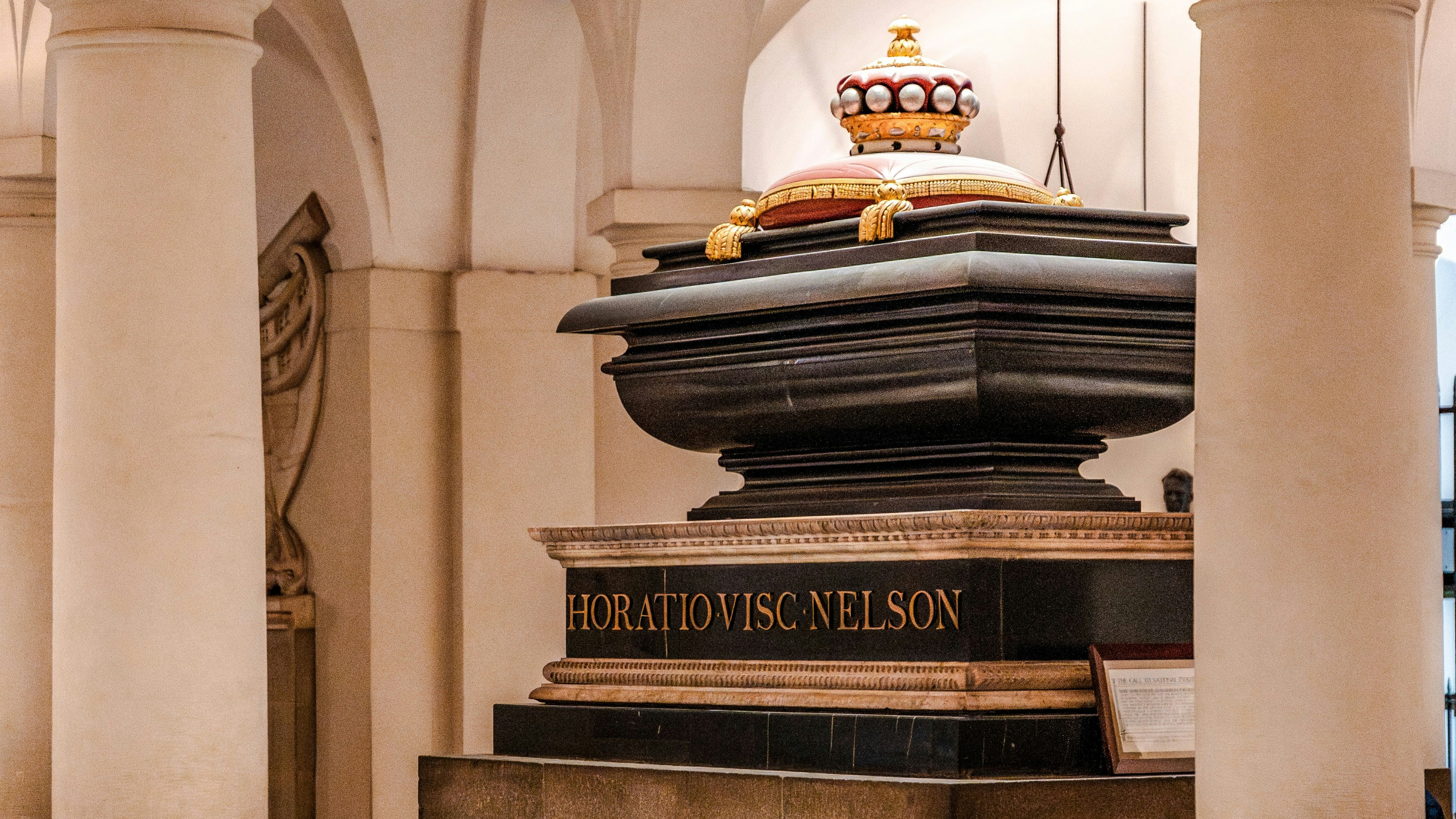
- Nelson and Wellington memorials → Connect the site to British military history.
- Café and restrooms → Take a break before heading back out into the city.
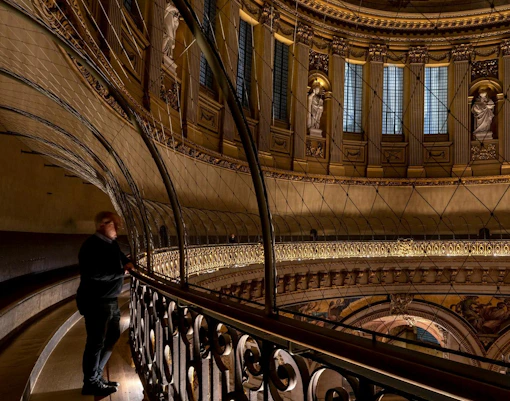
Whispering Gallery
If access is operating on the day of your visit, this is the first gallery level inside the dome. It gives you a closer relationship to the cathedral’s architecture and acoustics than the ground floor does. The sensation is part viewpoint, part structural reveal, because you’re no longer beneath the dome — you’re inside its experience.
- Acoustic wall curve → Test the gallery’s famous whispering effect if conditions allow.
- View down to the nave → Watch the cathedral floor from a very different angle.
- Close dome detail → Notice painted and decorative work you can’t read from below.
Stone Gallery
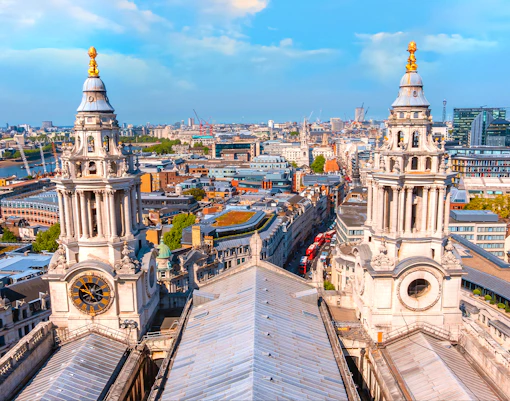
The Stone Gallery is where the visit finally opens outward. After enclosed stairs and interior balconies, you step into fresh air and start reading London from above — river, rooftops, bridges, and modern towers all in one sweep. For many visitors, this is the balance point between effort and reward.
- Open-air walkway → Circle the dome and pick out landmarks in multiple directions.
- Exterior dome perspective → See the building’s stonework at close range.
- Photo stop → Capture skyline views without the tightest upper stair sections.
Golden Gallery
This is the highest public level and the most demanding part of the route. The final ascent is narrow and steep, but the reward is a compact platform with broad views across central London. It feels less like a museum stop and more like a summit — brief, exposed, and memorable once you arrive.
- 360° panorama → Spot the Thames, bridges, and towers in every direction.
- Uppermost dome walk → Experience the cathedral as part architecture, part climb.
- Final viewpoint pause → Stay a moment before descending; the platform can feel busy.
Chapels inside St Paul's Cathedral
All Souls' Chapel
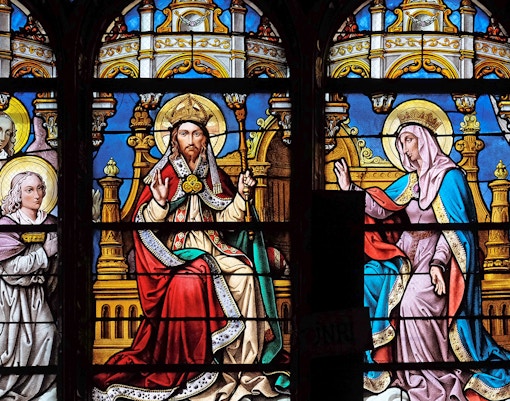
This chapel with beautiful artwork and stained glass windows, located in the north tower, was dedicated in 1925 in memory of Lord Kitchener who died at sea. He is known for restructuring the British army during World War I and for creating the most effective military recruitment campaign slogan — 'Your Country Needs You'.
St. Dunstan's Chapel
Consecrated in 1699, this chapel was the second part of Wren's building to come into use. It was dedicated to St. Dunstan, Archbishop of Canterbury in 1959. Previously, it was known as the Morning Chapel because of the early morning service of Mattins. It features stained glass windows, intricate carvings, and a beautiful altarpiece.
The Chapel of St. Michael and St. George
Founded in 1818 to honour soldiers who died during World War I, this was originally a consistory court in which cases of ecclesiastical law were heard. Renamed in 1906, it is the spiritual home of the Order of St. Michael and St. George. The chapel features beautiful carvings and stained glass windows that depict scenes from the lives of the two saints.
The Knights Bachelor Chapel
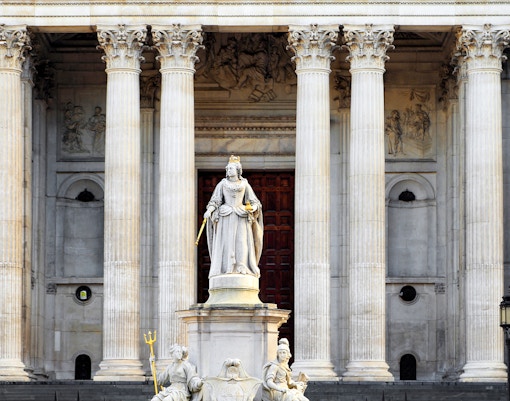
This chapel in the crypt is also known as St Martin's Chapel. It is paneled with English oak and contains two elegant cases, with registers of the names of Knights Bachelor from 1257 to date, in addition to the Founder Knights' and Benefactors' Book. Nearby is Queen Victoria's sword, with which she knighted many famous men.

The Middlesex Chapel
The Chapel of St Erkenwald and St Ethelburga, also known as the Middlesex Chapel, has been dedicated to those lost to the COVID-19 pandemic since March 2022 and features podiums showing a virtual book of remembrance as part of the Remember Me project. The chapel briefly housed The Light of the World by William Hunt.
The American Memorial Chapel
At the east end is the American Memorial Chapel. This part of the cathedral was destroyed during the Blitz. During restoration, it was decided it would commemorate the 28,000 Americans in the UK who lost their lives during World War II. The chapel features beautiful stained glass windows, carvings, and a book of remembrance.
The Order of the British Empire Chapel
The Chapel of the Order of the British Empire, also known as St Faith’s Chapel, was originally a parish church attached to the old Cathedral destroyed in the Great Fire. It became the spiritual home of the Order of the British Empire in 1960. The chapel also features a stunning stained glass window depicting the emblem of the order.
How to explore St. Paul’s Cathedral
Entry process
- Book online in advance as your default. Pre-booked entry saves the ticket-desk line, but everyone still goes through security and bag checks.
- Standard admission includes the multimedia guide, and free guided tours may be available once inside, subject to availability.
Best times
- Go at opening for the calmest interior and the easiest dome climb before tour groups arrive.
- Late afternoon can also feel lighter, but leave enough time to finish before closing.
- Avoid Saturday late morning if you want a less crowded visit.
Duration
- Give yourself 1 hour for a quick floor-and-crypt visit, 1.5–2 hours for a standard visit with the dome, and 2.5 hours if you want to listen to the guide properly, pause in side spaces, and avoid rushing the descent.
Your route
This route works well if you want the building to unfold in a natural order rather than feel like a stair challenge from the start.
- Cathedral floor → Get your bearings and take in the dome from below.
- Quire and high altar → See the ceremonial heart before crowds thicken.
- Side chapels → Catch the quieter emotional register of the building.
- Whispering Gallery → Shift from observer to participant in the dome experience.
- Stone Gallery → First outdoor release and broad city sight lines.
- Golden Gallery → Highest reward if you’re comfortable with the last steep ascent.
- Crypt → End with Wren, Nelson, Wellington, and a calmer final stretch.
Rules and accessibility
- The cathedral is a working place of worship, so dress modestly and expect occasional schedule changes.
- Sundays are closed to sightseeing visits.
- Photography is restricted in the Whispering Gallery and St Dunstan’s Chapel, and large bags are not permitted.
- The main site is wheelchair and stroller-accessible, but the dome galleries require stairs.
Tips
- Do the climb first if views matter most; tired legs make the final ascent feel much steeper.
- If the Whispering Gallery is not operating on the day, don’t assume upper access is fully cancelled — ask staff what gallery levels are open.
- Use the crypt at the end, not the start, if you want the visit to build from grandeur to reflection.
- If you’re pairing landmarks in one day, the St. Paul's Cathedral + London Eye tickets keep the route simple and skyline-focused.
Frequently asked questions about what’s inside St. Paul’s Cathedral
Yes. Visitors can enter with a standard admission ticket and explore the cathedral floor, crypt, and dome galleries that are open on the day of the visit. Sundays are generally reserved for worship rather than sightseeing, so plan a weekday or Saturday if your goal is to tour the interior.
Inside, you’ll find the vast nave and dome interior, ceremonial spaces like the quire and high altar, memorial chapels, the crypt, and up to three dome gallery levels if access is open. The experience is not just visual — it also shifts in mood from monumental upstairs to reflective downstairs.
Yes, if the dome galleries are open and you’re comfortable with a long stair climb. The full ascent takes 528 steps to the Golden Gallery, with intermediate gallery levels on the way. There is no elevator route to the top galleries, so the climb is best treated as part of the experience, not a minor add-on.
Access can change, so treat it as operational rather than guaranteed. The Whispering Gallery has had status changes in recent years, and gallery access may vary on the day due to works, services, or crowd management. Staff on-site are the best source for current access details once you enter. If the Whispering Gallery is unavailable, the visit still has a strong payoff through the main floor, crypt, and whichever upper galleries are open.
Photography rules are limited rather than blanket-open. The Whispering Gallery and St Dunstan’s Chapel are no-photography areas, and filming equipment such as tripods, monopods, and selfie sticks is not allowed. Rules can also tighten during services or special events, since this is still a working cathedral. If photos matter to you, focus on allowed areas and skyline viewpoints rather than planning around restricted spaces.
Most visitors do well with 1.5–2 hours. That gives you time for the main floor, a meaningful look at the crypt, and the dome climb without turning the visit into a sprint. If you’re using the multimedia guide thoroughly or pausing often, 2.5 hours feels more realistic.
The cathedral is wheelchair- and stroller-accessible for the main visitor experience, including entry to the site itself. The main limitation is the dome galleries, which are reached by stairs and are not an accessible part of the route. That means you can still have a strong visit without the climb, especially on the cathedral floor and in the crypt. If upper views are essential to your day, pair this visit with another accessible London viewpoint rather than relying only on the dome.
Yes. Modest, respectful clothing is the safest choice because this is an active place of worship, even when operating as a visitor site. Large bags, food and drinks, pets, and sharp metallic objects are not allowed, and bags may be searched on entry. This is one of the practical details that catches first-timers off guard, so it’s worth packing light and treating the visit more like a cathedral than a casual museum stop.
Yes. Visitors can use restrooms on-site, and the crypt is the most useful practical level because it also contains a café. Free Wi-Fi is available as well. These details make a difference if you’re doing the full climb, since most people appreciate a proper pause before or after the upper galleries. The crypt works especially well as your last stop when you’re ready to sit down and decompress.