London Tickets
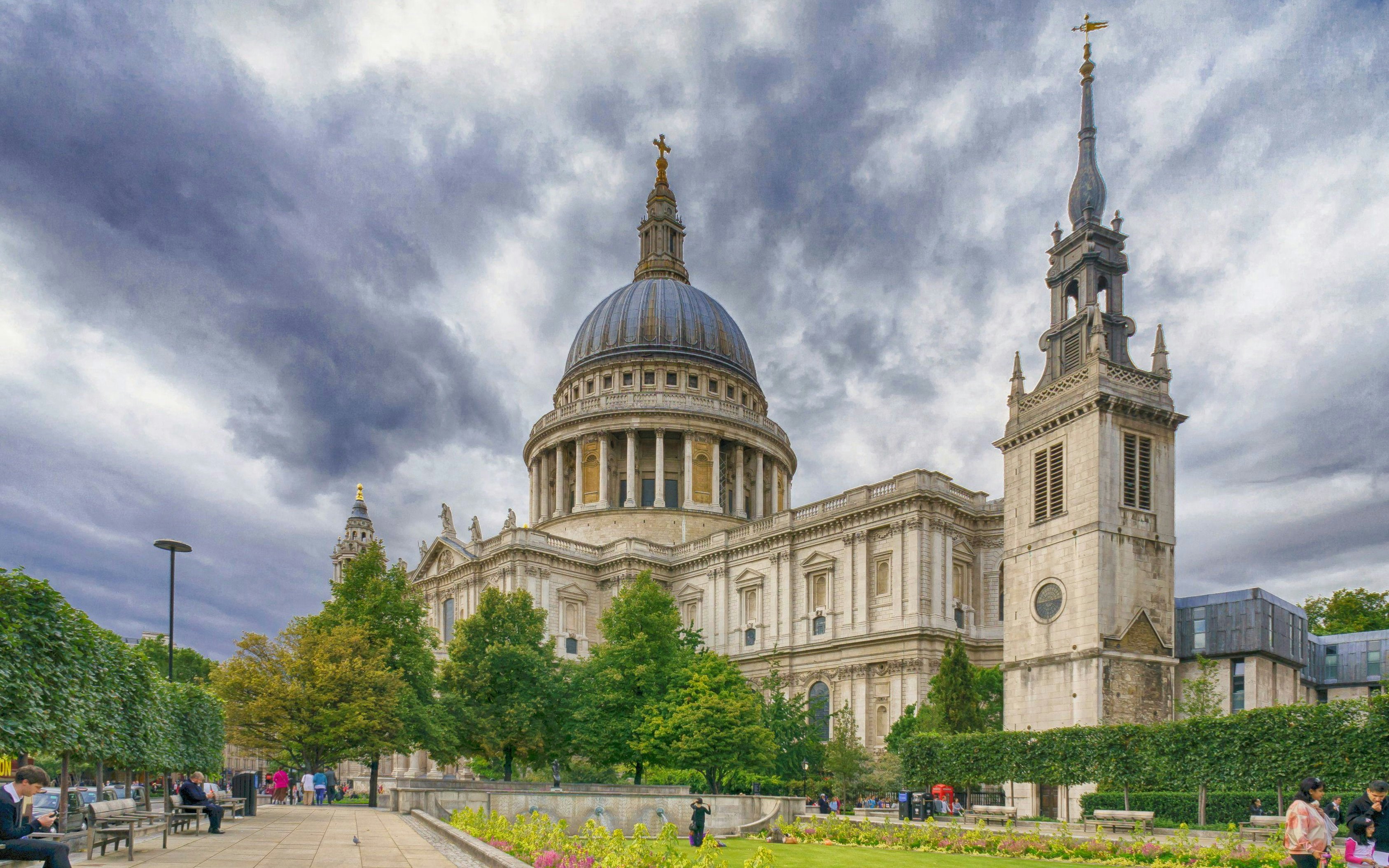
St Paul Cathedral

St. Paul's Cathedral Crypt

Included with St Paul Cathedral tickets

Timings

RECOMMENDED DURATION

2 hours

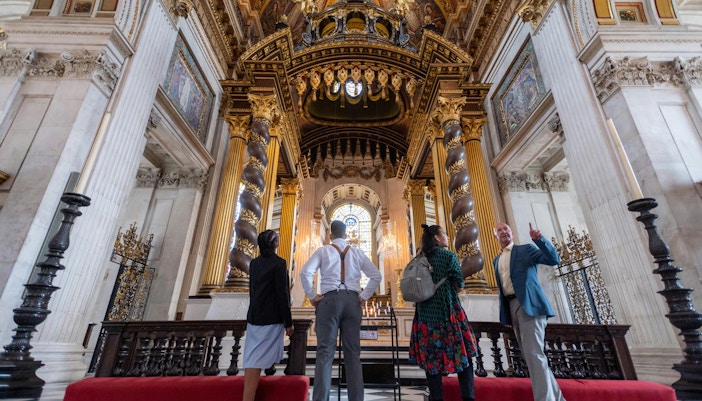
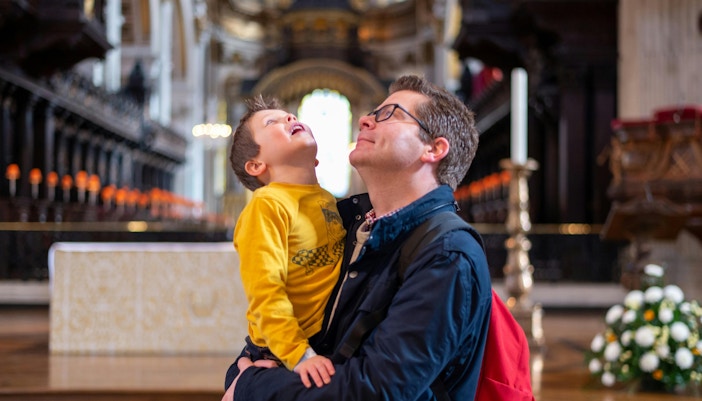
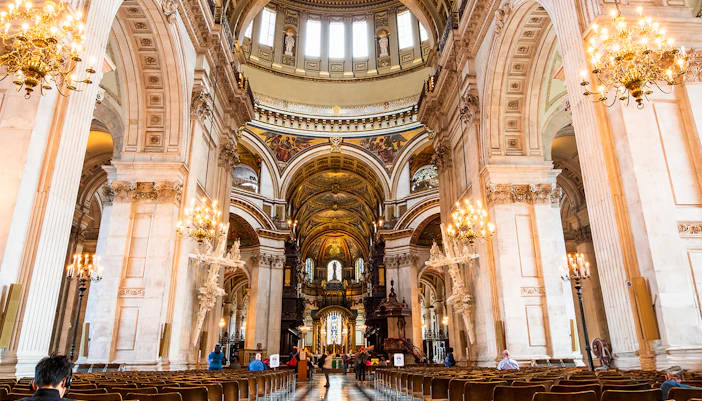
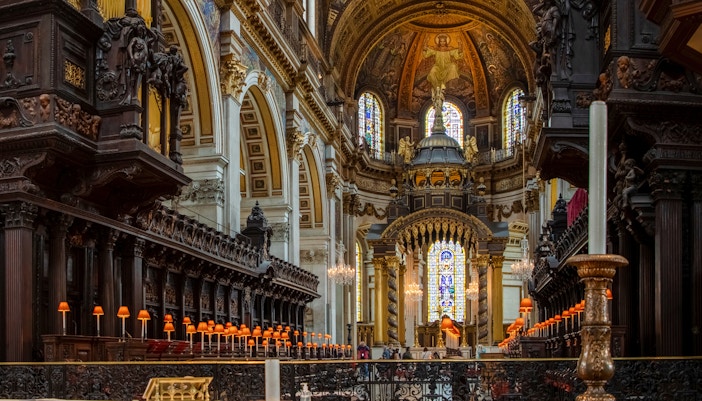
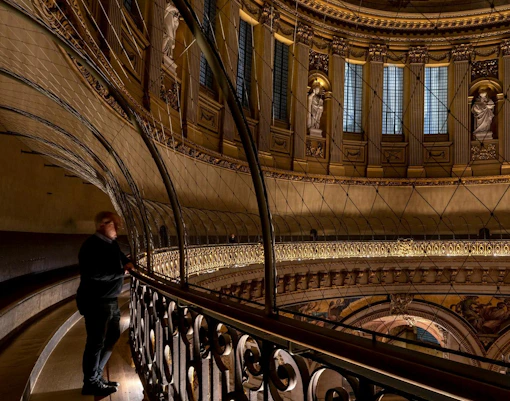
Visitors inside St Paul's Cathedral, London, admiring ornate columns and stained glass.

Quick overview

  • Access: Included in all St Paul's Cathedral tickets
  • Separate ticket: Not required
  • When you'll see it: Final stop on the cathedral route
  • Visit duration: 20–30 mins self-guided/15–20 mins with guide
  • Best time: Between 11am and 1pm (ideal for a lunch stop at the cafe)
  • Restrictions: No flash photography. Respectful behaviour required around tombs.

The crypt is fully included with all St Paul's Cathedral entry tickets; no separate ticket exists to explore this subterranean space. Located directly beneath the cathedral floor, it serves as the final stop on the standard visitor route, accessed via the staircases near the south transept. Book an online advance ticket to secure your entry slot and walk straight down after touring the main floor.

How to best experience the crypt

Best time to visit

Aim for midday between 11am and 1pm. While the main cathedral floor stays busy, heading down to the crypt during these hours aligns perfectly with a lunch or coffee break at the historic St Paul's crypt cafe.

How long to spend

Allow 20 to 30 minutes for a self-guided walk. A guide or audio tour takes about 20 minutes to detail the major military tombs. Don't just glance at the central monuments; the perimeter walls hold hundreds of smaller, fascinating memorials.

Where it fits in your itinerary

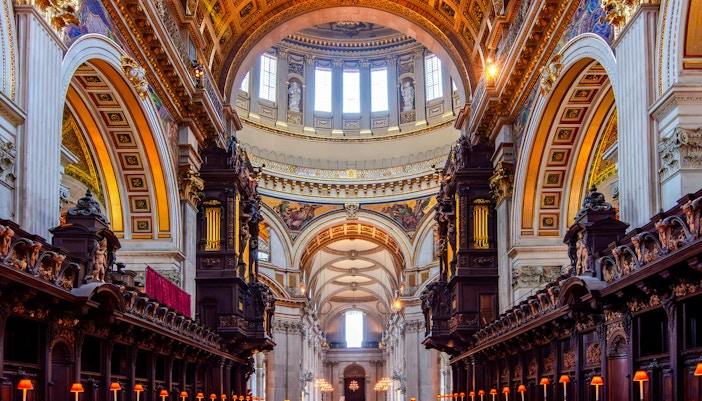
The crypt forms the structural footprint of the building and is the final phase of your visit. Complete your tour of the cathedral floor and the stone or golden galleries first, using the crypt as a quiet, grounded space to finish your tour.

Crowd patterns

Crowds are thinnest right after the cathedral opens at 8:30am or late in the afternoon after 3:30pm. Midday brings foot traffic from visitors stopping by the cafe, but the immense 30,000-square-foot layout prevents it from feeling claustrophobic.

What to prioritise if time is short

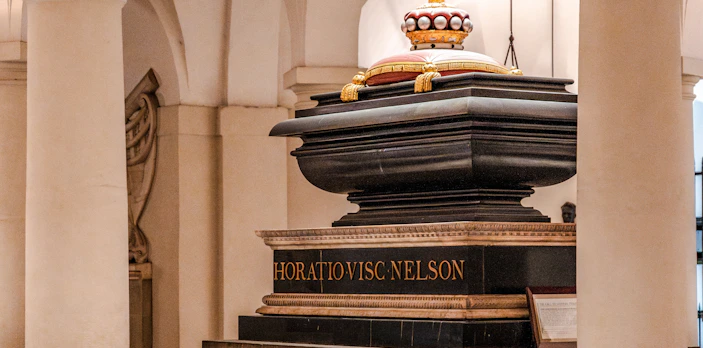
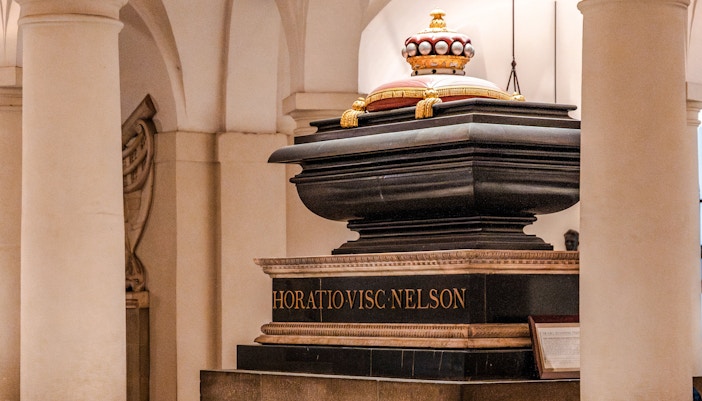
Walk directly to the center to see the massive sarcophagus of Admiral Lord Nelson. Right after, head to the far eastern end to pay respects at the exceptionally modest tombstone of the cathedral's architect, Sir Christopher Wren.

Common mistakes to avoid

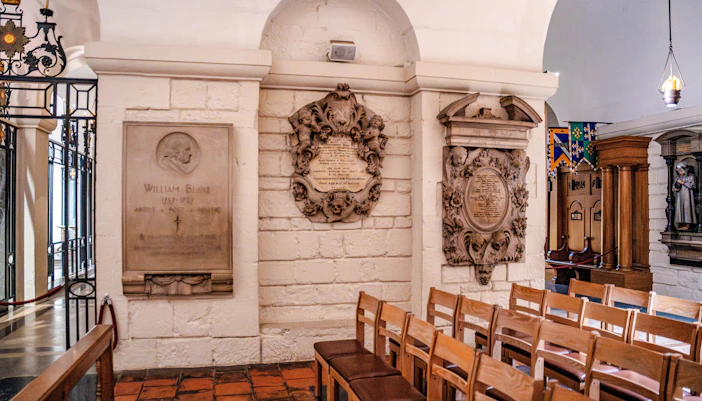
Many visitors walk right past the simple ledger stones on the floor looking for grand wall monuments. Keep your eyes on the ground pathway, or you will completely miss the resting places of crucial figures like Sir Alexander Fleming.

Best tickets to experience St Paul's Cathedral crypt

Ticket typeWhy choose it

Standard advance ticket

Beat the main ticket desk queues and head down to the crypt with plenty of time to explore.

Guided cathedral tour

Gain expert insights into the hidden symbolism on the tombs of Nelson and Wellington.

Why it's worth seeing

The crypt of St Paul's Cathedral is the largest structural crypt in Europe, stretching 30,000 square feet to perfectly mirror the cathedral floor above. Most visitors don't realize that it acts as the literal foundation holding up the thousands of tons of stone above it. Rather than a dark, spooky basement, it is a beautifully vaulted, whitewashed hall of fame that anchors British history.

The Tomb of Lord Nelson: Crafted for someone else

Located directly beneath the center of the dome, Nelson’s black marble sarcophagus was actually commissioned in the 16th century by Cardinal Wolsey for himself. It sat unused for centuries until it was repurposed for the naval hero.

Christopher Wren's Tomb: The ultimate epitaph

Wren’s resting place in the Painters’ Corner is surprisingly modest. Look above his simple stone slab for the famous Latin inscription which translates to: "If you seek his monument, look around you."

The Crypt Café: Dining among history

The St Paul's cathedral crypt cafe lets you enjoy traditional English afternoon tea directly under the original 17th-century brick arches. It’s an unusual architectural space where historical preservation meets everyday utility.

Historical & cultural significance

Constructed by Sir Christopher Wren as part of the post-Great Fire rebuilding completed in 1710, the crypt is the final resting place for over 300 of the nation's most influential figures. It transitions seamlessly from a sacred burial ground to an active community space, housing the Chapel of the Order of the British Empire alongside a fully functioning restaurant.

👉Explore the full history of St Paul's Cathedral

Know before you go

  • Open Monday to Saturday from 8:30am (Wednesday opens at 10am)
  • Last entry for sightseeing is typically 4pm
  • The Crypt Café operates on the same schedule as cathedral opening hours
  • Closed to sightseeing on Sundays for regular church services

Cathedral timings

  • Nearest tube: St. Paul's Underground Station (Central Line), a 2-minute walk away
  • Entrance: Accessed via the main cathedral west doors, then down the south transept stairs
  • Route position: Located completely underground, spanning the entire length of the building floor
  • Direct external entry is not available for standard tourists; you must pass through cathedral security first

Get directions

  • Wheelchair access: Fully accessible via a designated lift from the main cathedral floor
  • Surface: Smooth, flat flagstone flooring that is easy to navigate
  • Facilities: Accessible restrooms are located within the crypt area near the cafe
  • Audio guides with descriptive commentary are available at the main entrance desk

Plan your visit

  • No flash photography or commercial filming around the tombs and chapels
  • Bags larger than airline hand luggage (56cm x 45 cm x 25 c) are strictly prohibited inside
  • Food and drink purchased outside cannot be consumed in the burial areas
  • Visitors are requested to maintain a quiet, respectful volume near active chapels

Plan your visit

Frequently asked questions about the crypt

Yes. Sightseeing tickets grant you full access to the cathedral floor, the crypt, and the dome galleries.

More reads

Top things to do in London