- Best for: Ages 4+
- Time needed: 2–3 hrs
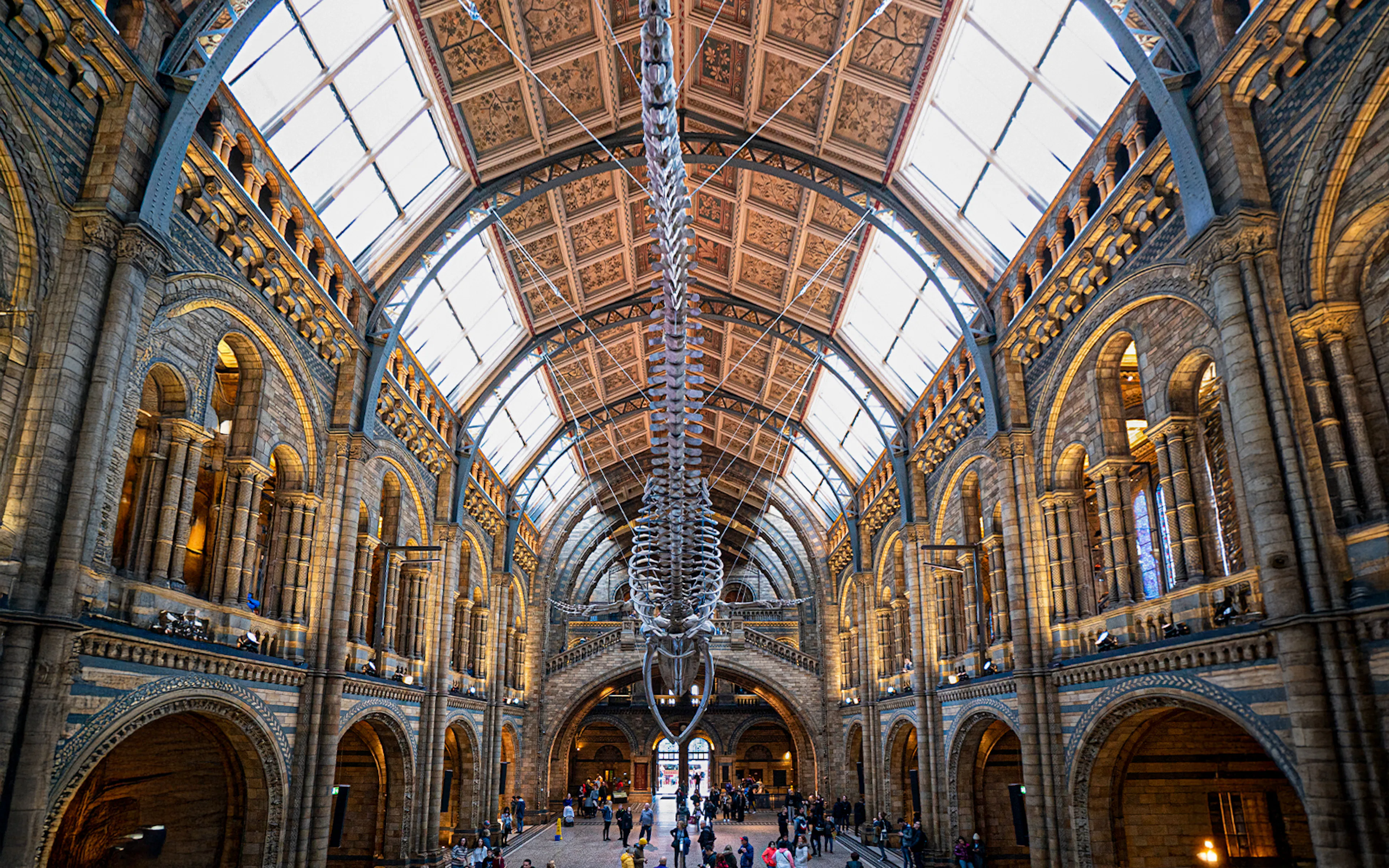
Explore dinosaurs, fossils, giant animals, and interactive exhibits in a dramatic setting.
Indoor · Free entry
London works well for family trips because many of its biggest attractions sit close to parks, museums, theatres, and easy public transport links. You can spend a morning exploring dinosaurs at the Natural History Museum, take a break in Hyde Park, then continue to an aquarium or family show. There are also plenty of options for rainy days, younger children, and teenagers.
London works well for families because it combines major attractions, spacious parks, and family-friendly neighbourhoods across a well-connected city. South Kensington brings several museums together, while South Bank combines riverside walks with attractions and entertainment. Families can also switch from busy sightseeing to quieter outdoor spaces without changing the type of day completely.
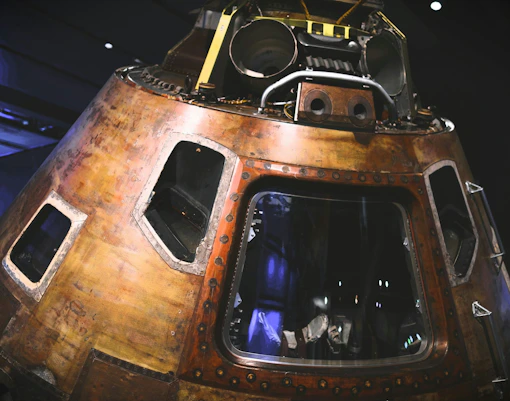
Hands-on galleries and space, technology, and engineering displays make science easier to explore through play and discovery.
Indoor · Interactive
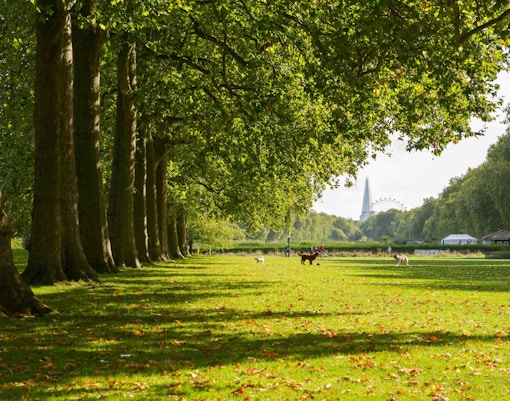
Give children space to run, play, walk, and take a break between central London attractions.
Outdoor · Pet-friendly
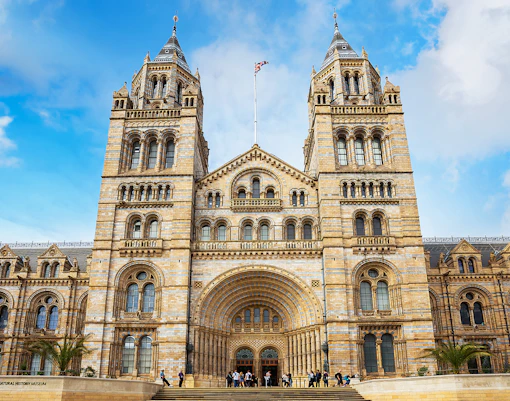
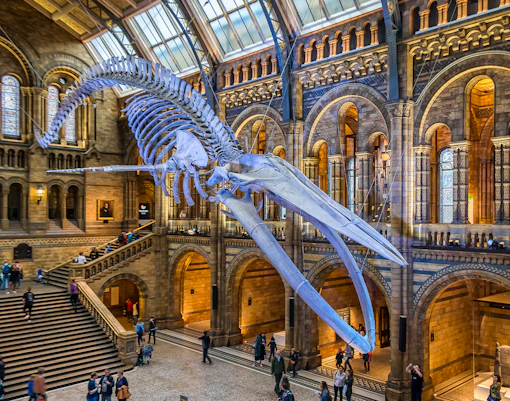
Dinosaurs, fossils, giant animal specimens, and interactive displays make this museum in South Kensington a strong first choice for families. Also visit the nearby Science Museum or Victoria and Albert Museum.
Free entry
Located beside the Natural History Museum, its hands-on displays on space, engineering, aviation, and medicine give children plenty to explore beyond traditional museum exhibits.
Free entry
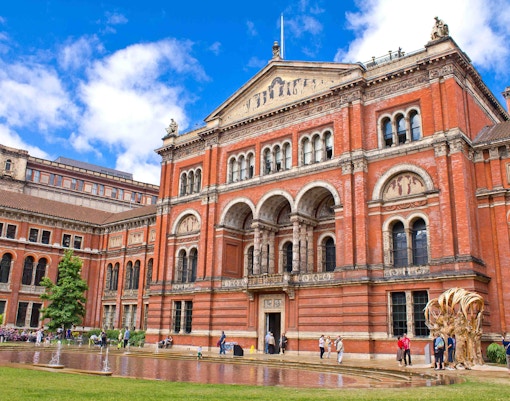
This museum is designed specifically with children and young people in mind, with collections, play spaces, design objects, and interactive areas. Great for younger children who may find larger museums overwhelming.
Free entry
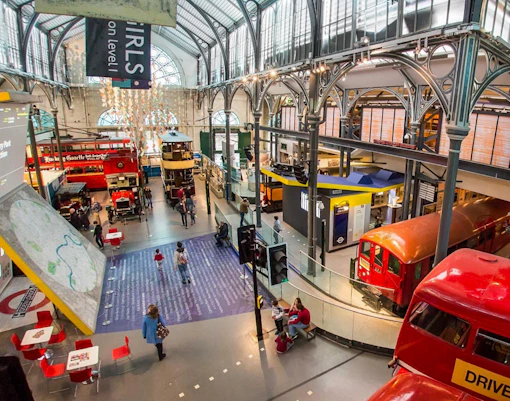
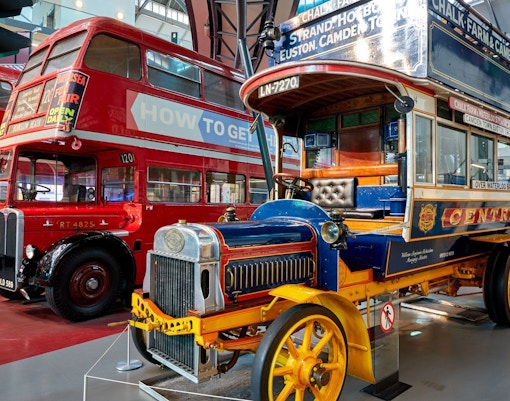
Children can explore historic buses, trains, and transport displays while discovering how London's transport network developed. Its Covent Garden location also makes it easy to combine with local markets.
Free entry

This museum focuses on ships, navigation, maritime stories, and family-oriented displays, giving children a different way to explore London's history. Pair the museum with a stop at Greenwich Park.
Free entry
Open lawns, walking paths, playground areas, and space to slow down make it a useful stop between Central London attractions, especially with younger children.
The large play area includes a wooden pirate ship, play structures, and sensory spaces inspired by Peter Pan. Combine it with Kensington Gardens or nearby museums for a balanced family day.
The central location, open spaces, water features, and resident pelicans give younger visitors something to look for during a city walk. It’s the perfect stop between Buckingham Palace and Westminster.
Open lawns, wide paths, viewpoints, and space to run make this a useful outdoor break from museums and historic attractions.Vists nearby National Maritime Museum, Royal Observatory, or Greenwich Market.
Large gardens, open spaces, playground areas, and its proximity to London Zoo make it easy to build a varied family day.
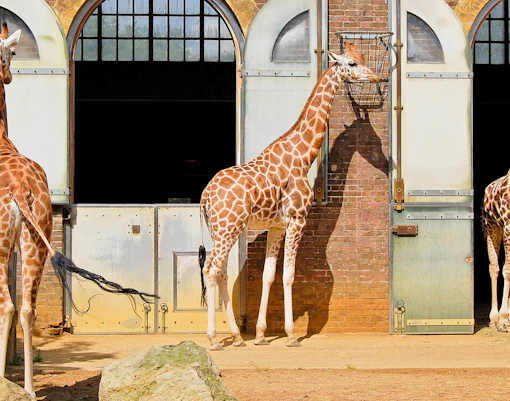
Families can see animals from around the world at this popular zoo in Regent's Park. Allow several hours because the attraction involves a lot of walking.
Indoor + outdoor
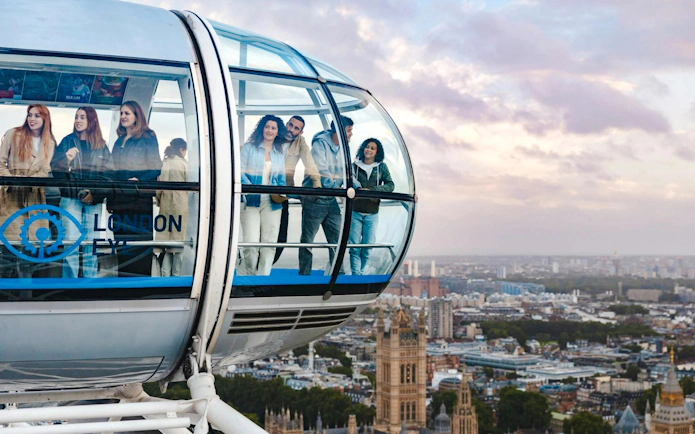
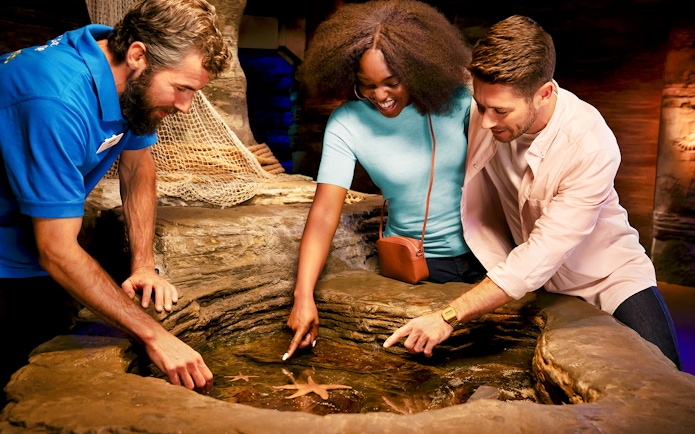
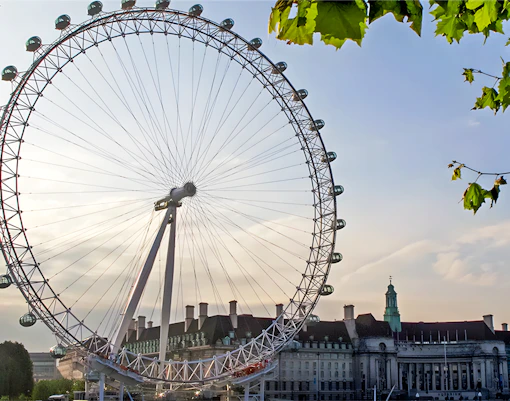
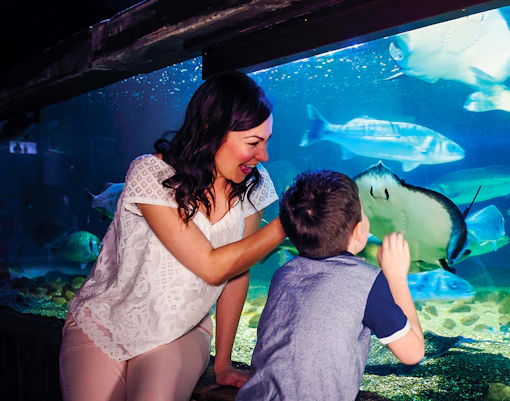
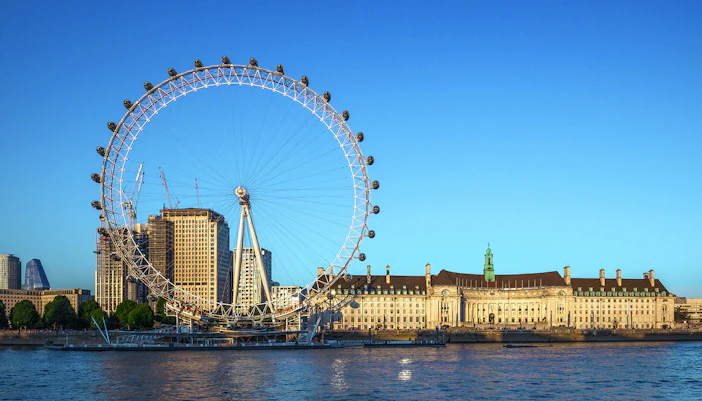
See sharks, rays, penguins, and other marine life here. It provides an indoor alternative when London's weather is unpredictable, and its South Bank location makes it easy to combine with the London Eye.
Indoor
The larger setting of this zoo gives families more space to explore animal habitats and spend a full day outdoors. Consider it when your family wants a dedicated day out.
Outdoor · Day trip
A smaller, more manageable zoo with farm animals, monkeys, and play areas designed specifically for younger children. Easily combined with Battersea Park playground.
Outdoor
A free-entry mini zoo with deer, birds, and small animals, plus a playground and butterfly house nearby. Great for pairing with a picnic on Hampstead Heath.
Outdoor · Free entry
A small community zoo with lemurs, meerkats, birds, and small mammals. Perfect for younger children to explore without long walking distances, and as a quieter alternative to central London zoos
Outdoor
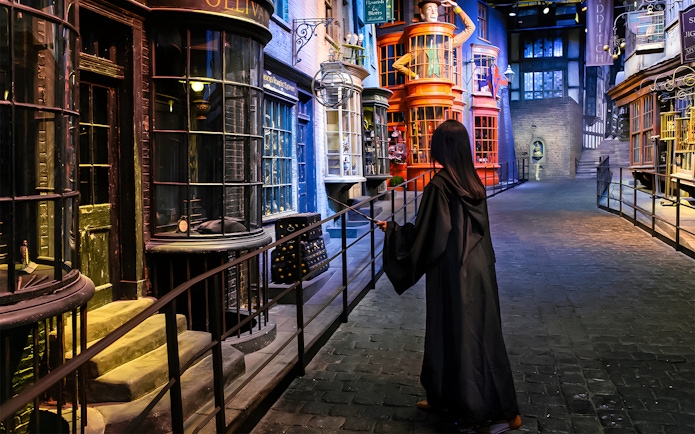
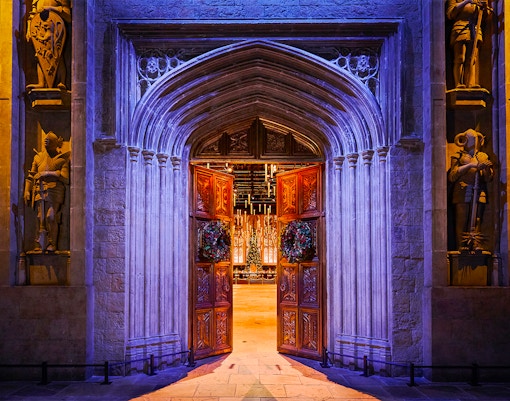
Kids can explore the sets, costumes, props, and behind-the-scenes details from the Harry Potter films on this immersive visit. Advance booking is important because there are timed entry slots.
Indoor · Outside central London
Combines rides, themed areas, and a zoo into one attraction, giving families different activity levels throughout the day. Check height restrictions before planning rides for younger children.
Outdoor + indoor · Day trip
LEGO-themed rides, interactive building zones, miniature world displays, and live shows make it a highly engaging day trip for younger children. Located just outside London, it works best as a dedicated day out.
Outdoor + indoor · Day trip
High-adrenaline roller coasters, water rides, and themed attractions make it ideal for families with older children looking for excitement. Not suitable for younger children due to height restrictions on many rides.
Outdoor · Day trip
A walk-through immersive experience with live actors, storytelling, and interactive sets that bring the Shrek universe to life in a playful, theatrical way. Located on the South Bank, it pairs easily with the London Eye or SEA LIFE London Aquarium.
Indoor · Interactive experience
An immersive, story-led experience where children step into Paddington’s world through themed rooms with interactive moments. A good option for younger children who prefer gentle, narrative-led attractions over high-energy rides.
Indoor · Interactive experience
Musicals and family productions offer an evening activity after daytime sightseeing. Choose the production based on its recommended age, running time, content, and theatre location.
Indoor · Afternoon / Evening
London is easiest with toddlers when you keep travel short and build the day around parks, playgrounds, and one major attraction. Choose one major attraction per half-day and leave room for snacks, naps, and playground time.
Children in this age group can handle a wider mix of museums, animals, parks, and shorter entertainment experiences. It’s best to alternate indoor attractions with outdoor breaks instead of planning two large museums consecutively.
Older children can usually handle longer museum visits, bigger attractions, and full-day experiences. Check height restrictions before booking rides and allow travel time for attractions outside central London.
For older children, mix major sights with interactive, entertainment, and experience-led activities. Give teenagers some choice over the day's activities to balance family sightseeing with their interests.
Start with the Natural History Museum, Science Museum, London Zoo, SEA LIFE London Aquarium, major parks, and family-friendly entertainment. The best combination depends on your children's ages and interests. For a first trip, group attractions by area rather than trying to cover the whole city in one day.
Yes. Families can use many parks and public spaces without paying admission, while several major museums have free permanent collections. Specific exhibitions, experiences, or special events may charge separately, so check the attraction's current entry conditions before visiting.
Prioritise attractions with timed entry, popular family experiences, theme parks, major shows, and experiences outside central London with fixed admission times. Booking requirements vary by attraction, so verify the current policy before travelling.
The Natural History Museum, Science Museum, Young V&A, London Transport Museum, SEA LIFE London Aquarium, and family-friendly shows are strong indoor options. They are particularly useful when rain makes parks or outdoor sightseeing less appealing.
There are plenty of outdoor spaces where children can run, play, and explore. Popular options include Hyde Park, Regent’s Park, and Greenwich Park, all of which offer large open areas and playgrounds. Diana Memorial Playground in Kensington Gardens is a standout for younger children, while St James’s Park offers central green space with wildlife spotting.
Three days gives families enough time to combine major museums, outdoor breaks, animals, entertainment, and one attraction outside central London. A shorter trip can still work if you focus on one neighbourhood per day. Families staying longer can add Greenwich, day trips, or theme-park experiences.
Public transport can be convenient for families, especially when attractions are spread across the city. Buses can reduce the need for stairs, while the Tube is useful for longer journeys. Check step-free access and current child-fare rules for your route before travelling.
Alternative: Swap one museum for SEA LIFE London Aquarium if your children prefer animals to science.
Planning note: Keep each day geographically focused rather than crossing London repeatedly.
Alternative for Harry Potter fans: Replace one day with the Warner Bros. Studio Tour London.