What happened
• Aristocrats left the area
• Mansions split into rented rooms
What it created
• Dense population
• Cheap rents
What you experience today
• Walkable streets, small venues, everything within minutes.
Soho is a small, densely populated entertainment district in central London’s West End, not a landmark, but rather a neighborhood of streets.
Soho is known for:
What happened
• Aristocrats left the area
• Mansions split into rented rooms
What it created
• Dense population
• Cheap rents
What you experience today
• Walkable streets, small venues, everything within minutes.
What happened
• French, Italian, and European settlers arrived
• Opened cafés, bakeries, and eateries
What it created
• London’s first international food district
What you experience today
• Dozens of cuisines within a few streets, even late at night.
What happened
• West End theatres developed next door
• Actors and crews socialized nearby
What it created
• Late-opening pubs and cafés
What you experience today
• Dinner after a show is a classic Soho evening.
What happened
• Jazz clubs and coffee houses appeared
• Writers, musicians, filmmakers gathered here
What it created
• Bohemian reputation
What you experience today
• Live music bars, comedy rooms, creative energy.
What happened
• LGBTQ+ venues opened around Old Compton Street
• Community spaces grew through the 20th century
What it created
• One of London’s most inclusive districts
What you experience today
• Pride flags, queer nightlife, welcoming atmosphere.
Location: West End, Central London
Boundaries (roughly): Oxford Street (north), Regent Street (west), Charing Cross Road (east), Shaftesbury Avenue (south)
Exit via Dean Street or Charing Cross Road. Walk south 5 minutes to Old Compton Street, the heart of Soho nightlife. You’ll pass small cafés and street signage for theatres. Good for hitting bars or late-night dining quickly.
Exit at Shaftesbury Avenue side → 7-min walk to Soho Square. Ideal for theatre-goers or Chinatown visitors. You’ll see neon signs and larger crowds in the evening.
Exit near Cranbourn Street → 5–8 min walk to Chinatown and West End theatres. Perfect if coming straight for shows or dinner.
Soho is London’s vibrant after-dark hub, where historic pubs, trendy cocktail bars, late-night cafés, and eclectic restaurants line the streets.
Whether you’re after a relaxed pint, a signature cocktail, or a full evening of food and music, Soho has it all. Plan your night based on your vibe: a casual evening, a lively night out, or a full-on party adventure.
Perfect for travelers who want a relaxed start to the night, sample local beers, or enjoy a historic pub atmosphere.
For travelers seeking energy, creative cocktails, and live music. Great for groups or couples starting the night.
For travelers combining dinner with a night out, or who want to enjoy Soho’s global cuisine before heading to bars.
Soho sits at the heart of London’s West End, just a 5–10 minute walk from Leicester Square, Piccadilly Circus, and Covent Garden theatres. From iconic musicals to stand-up comedy and plays, the area offers something for every night out.
Practical tips for first-time visitors:

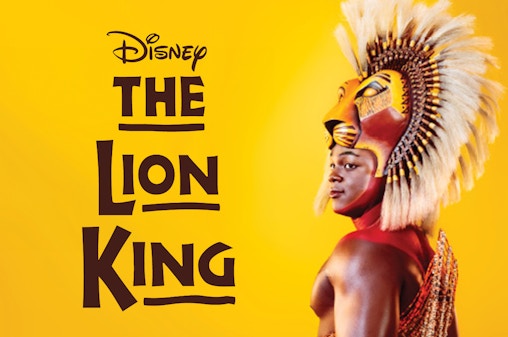
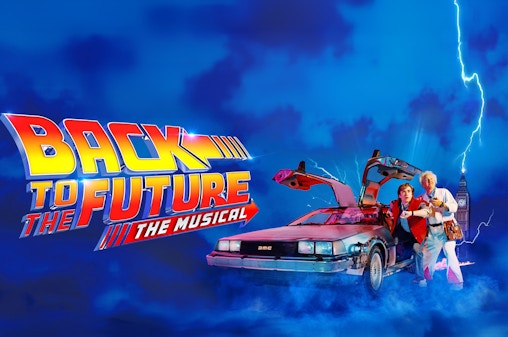
World‑famous musical with spectacular costumes and puppetry, suitable for all ages.
Show type: Musical
Price: From ~£40+
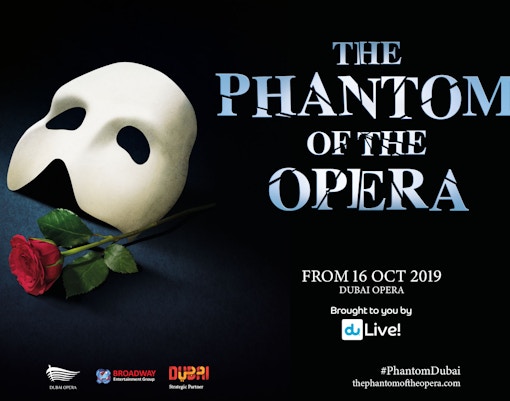
Timeless musical with atmospheric sets and unforgettable score.
Show type: Musical
Price: From ~£30+

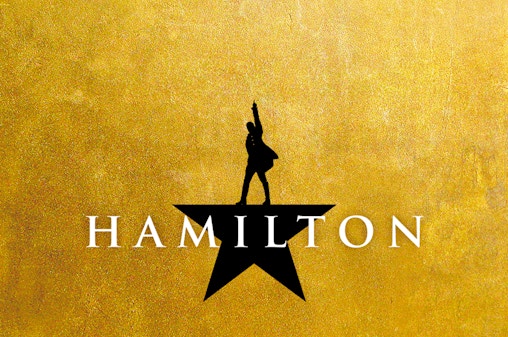
Critically acclaimed hip‑hop musical about Alexander Hamilton and early American history.
Show type: Musical
Price: From ~£25+
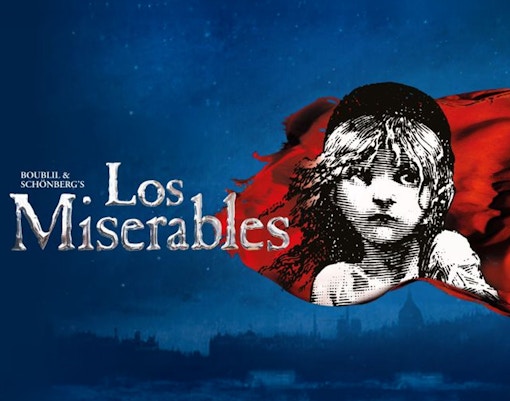
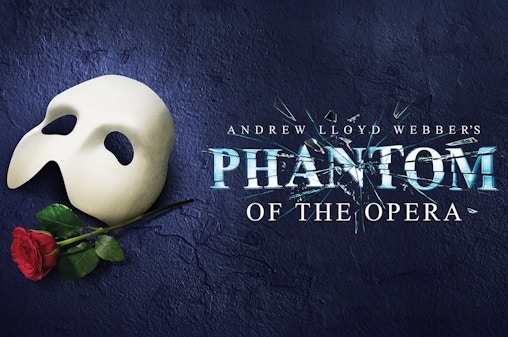
One of the longest‑running and most iconic musicals on the West End stage.
Show type: Musical
Price: From ~£25+
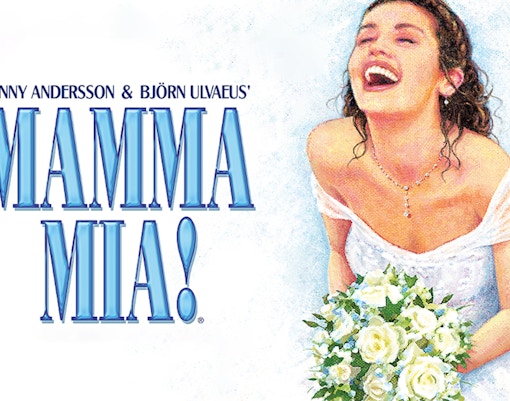
Feel‑good ABBA musical full of catchy songs and vibrant energy.
Show type: Musical
Price: From ~£18+
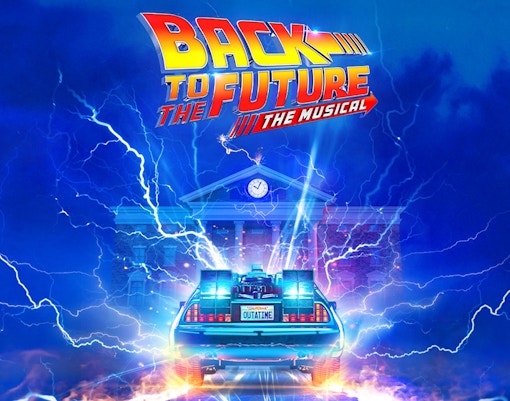
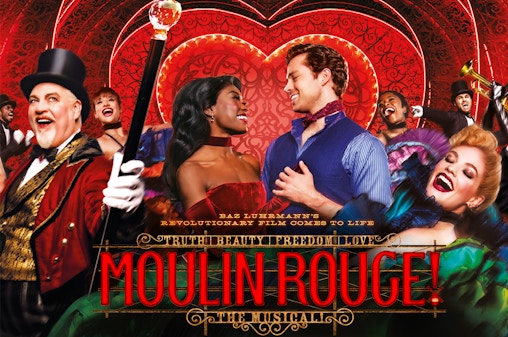
A high‑energy, feel‑good adaptation of the classic film with thrilling staging.
Show type: Musical
Price: From ~£23+
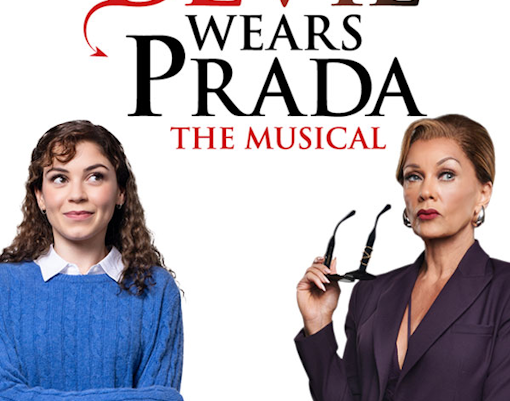
Stage adaptation of the beloved film, blending fashion world humour and musical numbers.
Show type: Musical
Price: From ~£25+
Soho isn’t London’s luxury shopping hub, instead, it’s perfect for indie boutiques, streetwear, vinyl, quirky gifts, and souvenirs. Most streets are walkable, letting you combine shopping with sightseeing, cafés, and markets.
Tips:
Playful and colourful fashion brand known for quirky, bold clothing and accessories, great for people who want something unique and fun rather than mainstream fashion.
Avant‑garde fashion boutique showcasing emerging designers and cutting‑edge pieces, perfect for fashion lovers and trendsetters.
Vintage fashion treasure trove from the ’60s to ’90s. Ideal for finding one‑of‑a‑kind clothes and accessories with unique character, far from the typical high street fare.
A standout independent comic book store with an extensive selection of graphic novels, manga, and collectible comics, a must‑visit for fans and curious travellers alike.
Legendary record stores with huge selections of vinyl — from classic pressings to niche genres. Perfect for music lovers and great quirky souvenir finds.
One of London’s most famous bookstores, with multiple floors of books across every genre — a great stop for bibliophiles or anyone seeking a meaningful souvenir.
Independent art supply store with creative tools, prints, sketchbooks, and more — great for art lovers or anyone looking for unique gifts that spark creativity.
Minimalist Japanese design shop with functional lifestyle items, stationery, clothing, and home goods — perfect for practical yet stylish souvenirs.
Book early, request higher or “quiet” rooms, or stay just outside Soho (Covent Garden/Fitzrovia) for a central but calmer experience.
Soho’s central location makes it one of London’s most convenient areas to stay, especially if you want to walk everywhere, eat late, and have theatres and bars minutes from your door.
Because many hotels sit above active streets, expect evening buzz, nightlife noise, and crowds, unless you stay on the edges near Covent Garden or Mayfair.
👉 Ideal area: North Soho for slightly calmer budget options.
👉 Ideal area: Carnaby Street, Soho Square, Oxford Street edge.
👉 Ideal area: Frith Street, Dean Street, Broadwick Street for immersive nightlife.
👉 Ideal area: Fitzrovia, Mayfair, or Covent Garden borders if you want sleep + proximity.
Soho isn’t just nightlife, by day, it’s a vibrant mix of markets, cafés, boutiques, galleries, and historic corners. The streets are alive with creative energy: colourful shopfronts, street art, and local food stalls make morning and afternoon wandering a joy. Walking is the best way to experience it!
Evening extension:
Full-day option:
Tip: Families may prefer morning to early afternoon to avoid crowds and nightlife areas.
Street performers, market halls, boutiques, and restaurants. A natural daytime extension of Soho with plazas, galleries, and cafés.
London’s postcard skyline. Big Ben, Parliament, Westminster Abbey, and river views. Best for first-time visitors and classic sightseeing.
Riverside walks, the London Eye, street food markets, and cultural venues like the National Theatre and BFI.
Home to Borough Market — London’s most famous food market. Ideal for food lovers and daytime exploration.
Museums, elegant streets, and Hyde Park. Visit the Natural History Museum, V&A, and royal parks.
Colourful houses, Portobello Road Market, antiques, and cafés. Best in the morning or on weekends.
Alternative culture, vintage shops, street food, canal walks, and live music venues.
East London’s creative and nightlife district — street art, rooftop bars, coffee roasters, and markets.
Maritime history, the Prime Meridian, Royal Observatory, and wide park views of London’s skyline.
Yes — popular West End shows often sell out days or weeks ahead. Same-day tickets are possible at TKTS Leicester Square, but choices and seats are limited.
Generally yes. Streets stay busy late into the night. Stick to well-lit areas, avoid empty alleys after closing hours, and watch belongings in crowded bars and pavements.
During the day, yes — cafés, Chinatown, bakeries, and nearby Covent Garden are family-friendly. Late evenings are adult-oriented due to bars, nightlife, and heavy crowds.
Most pubs and casual bars are relaxed. Trendy cocktail bars and late-night clubs may refuse sportswear, flip-flops, or very casual attire, especially on weekends.
Daytime (10am–4pm) is relaxed for cafés and shopping. Evenings (6pm–9pm) are lively dining hours. Late night (after 10pm) is busiest for nightlife and parties.
Partly. Streets are flat but narrow and crowded. Some older venues have steps. Larger theatres and newer restaurants usually provide step-free entrances and accessible seating.
Yes. Covent Garden, Leicester Square, Piccadilly Circus, and the British Museum are all within a 5–15 minute walk, making Soho easy to include in a central London day plan.
Many kitchens close around 10–11pm, but Chinatown eateries, dessert cafés, and a few late-night spots stay open past midnight, especially on weekends.