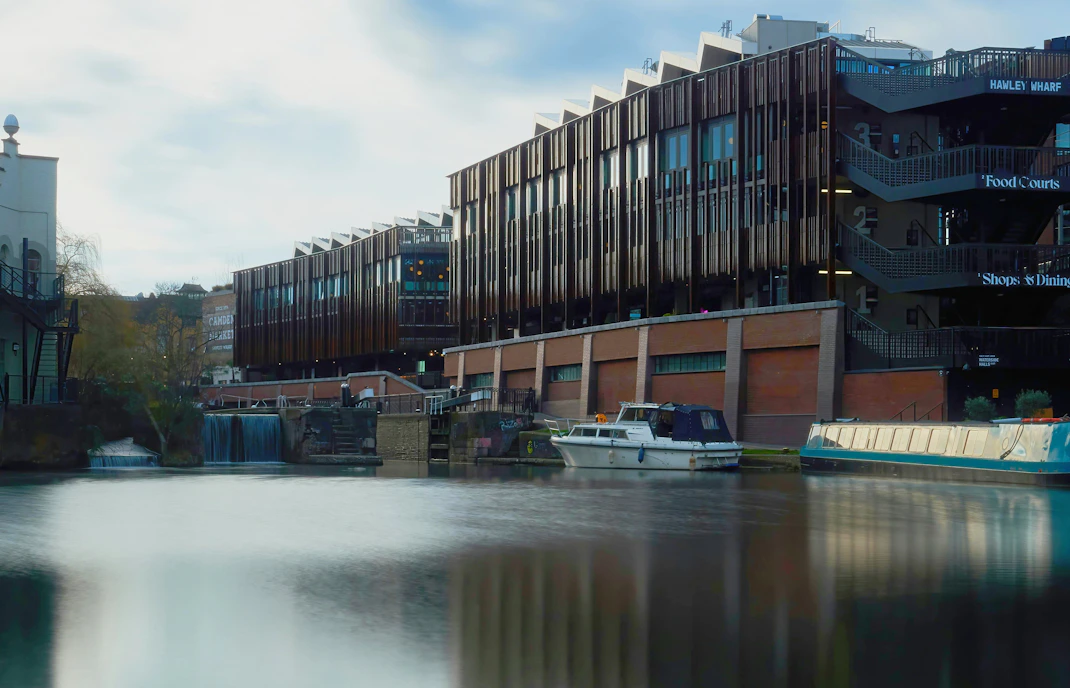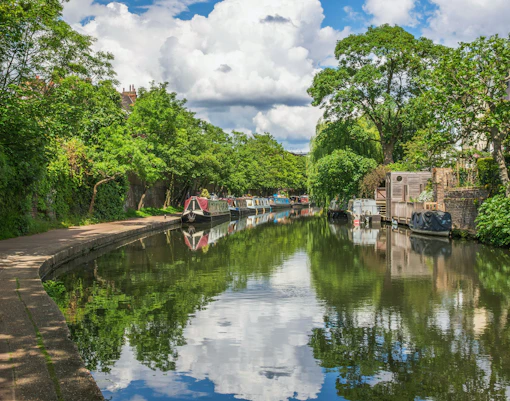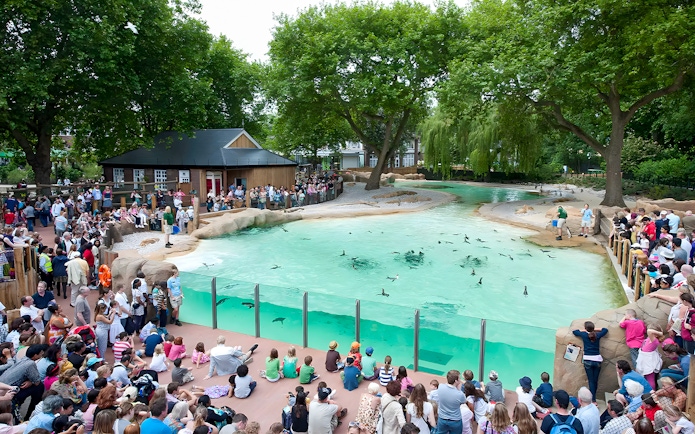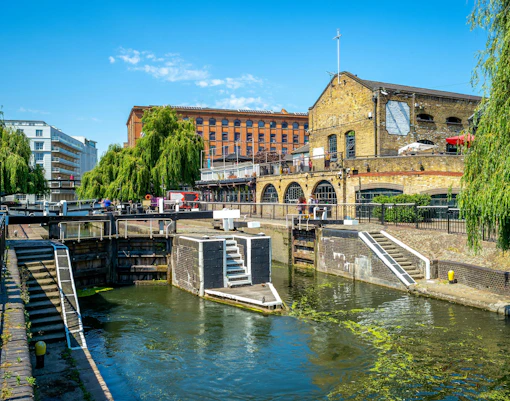
- You can trace the lock, watch boats pass through the narrow channel and follow the waterside path without paying entry anywhere.
- Best for: Walkers, photographers, budget travelers
- Duration: 20–40 minutes
- Combine this with: Stables Market (2 minutes uphill) and Primrose Hill (around 15 minutes away)
Neighborhood at a glance
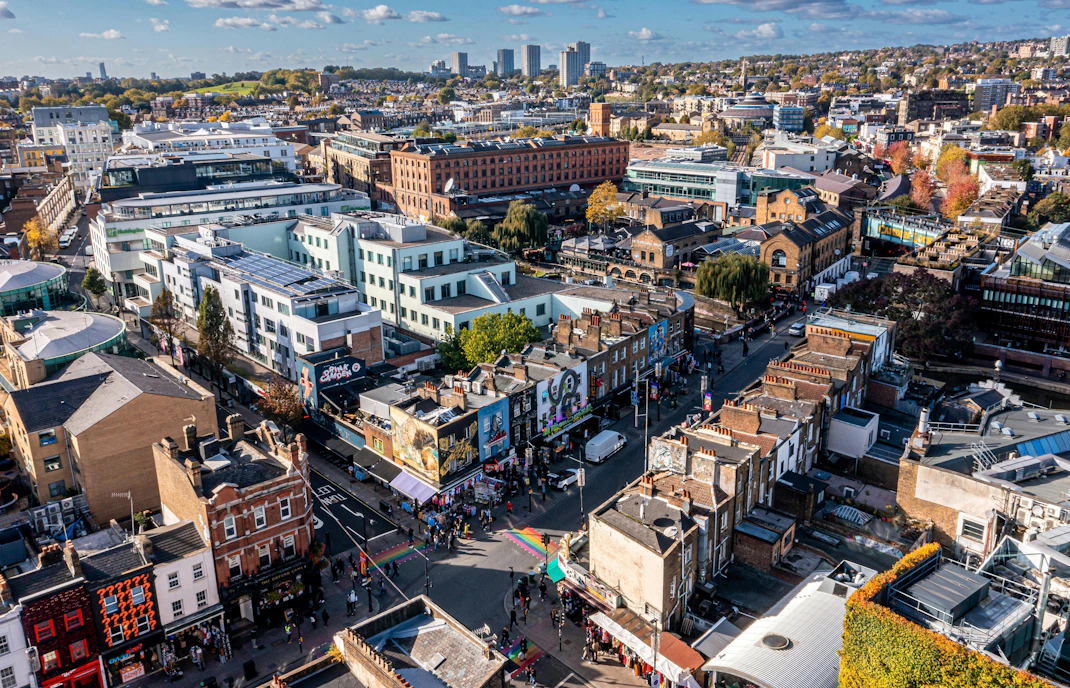
- Why visit: Camden Town packs market halls, live-music venues, canal walks and alternative retail into a compact stretch around Camden Lock and Chalk Farm Road.
- Atmosphere: Loud, crowded, alternative, market-heavy.
- Top things to do: Browse Camden Market, walk the Regent’s Canal towpath, see a gig at Roundhouse, climb Primrose Hill.
- Best for: Live-music fans, teens and young adults, street-food grazers, repeat London visitors.
- Time needed: 3–5 hours.
- Best time to visit: Weekday mornings for easier market browsing; late afternoon if you want live venues and sunset at Primrose Hill.
- Nearby: Roundhouse, Primrose Hill, Regent’s Canal, Regent’s Park, ZSL London Zoo, Mornington Crescent.
Top things to do in Camden Town
Quick navigation
🏛️ Why visit | 🎟️ Best ways to explore |🧭 Plan your visit | 🌟 Free things to do | 📋 Itinerary | 💡 Tips | 🍴 Dining
Why visit Camden Town
1/5
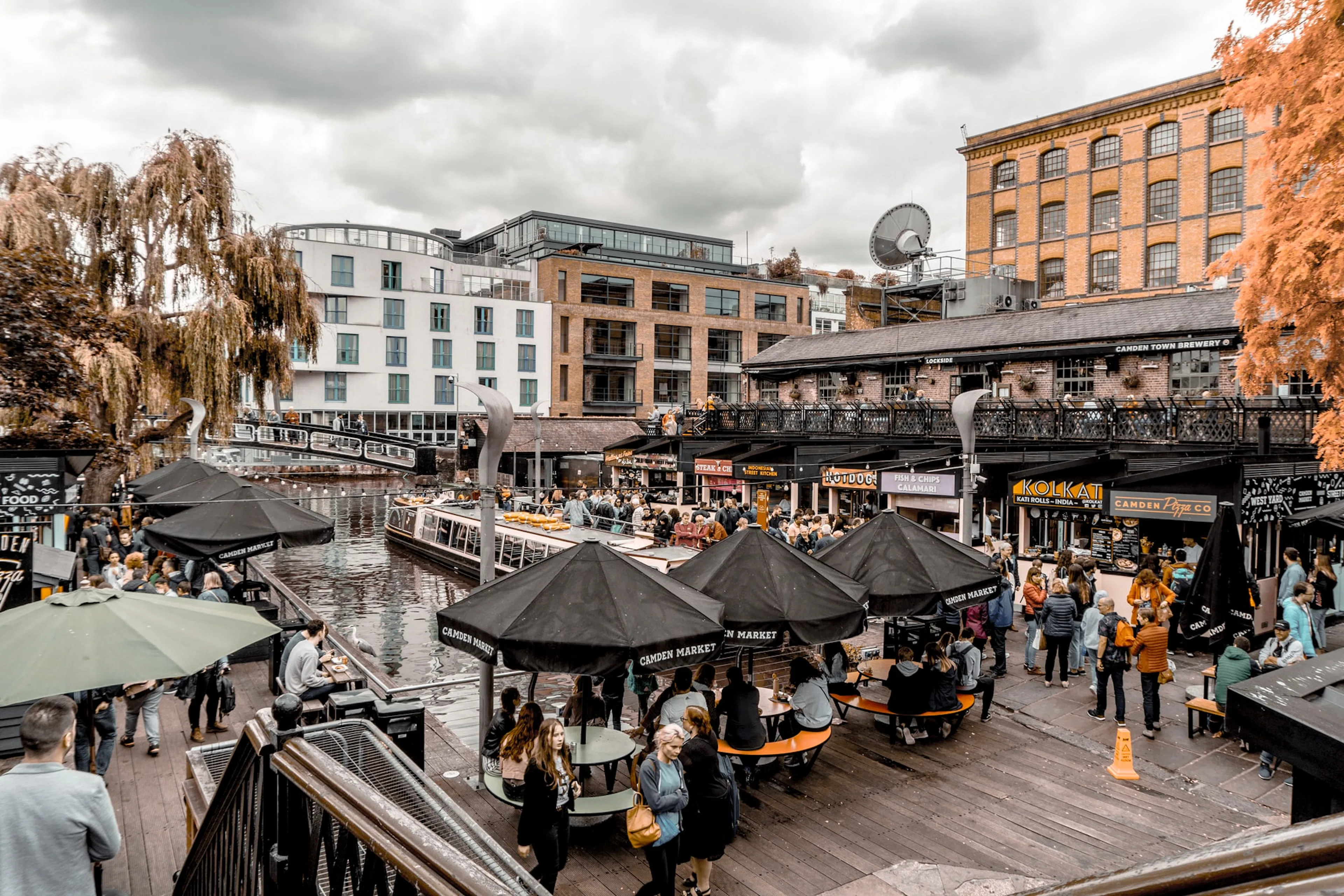
Market halls and food counters sit almost on top of each other
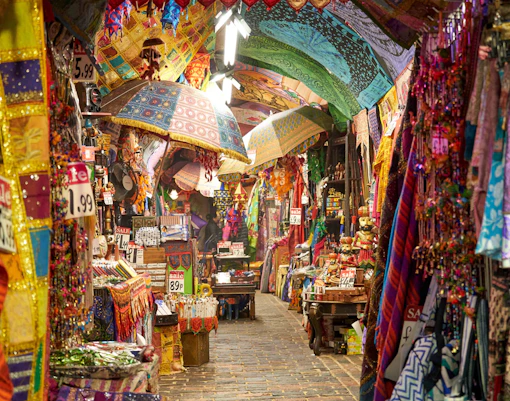
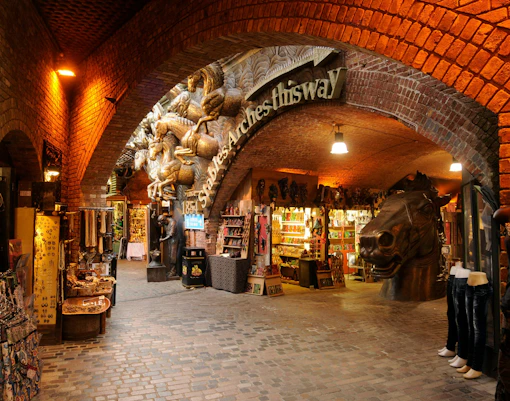
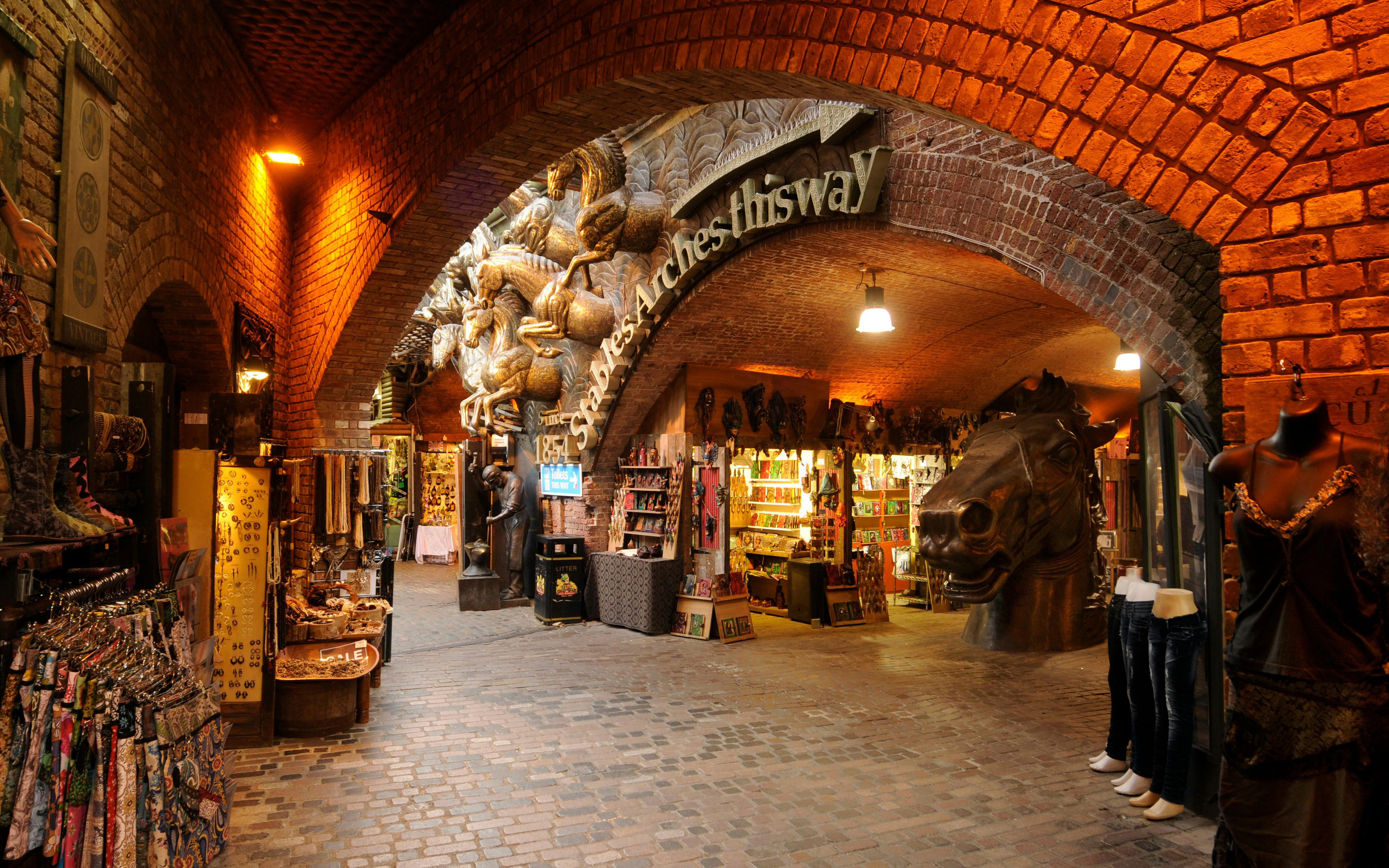
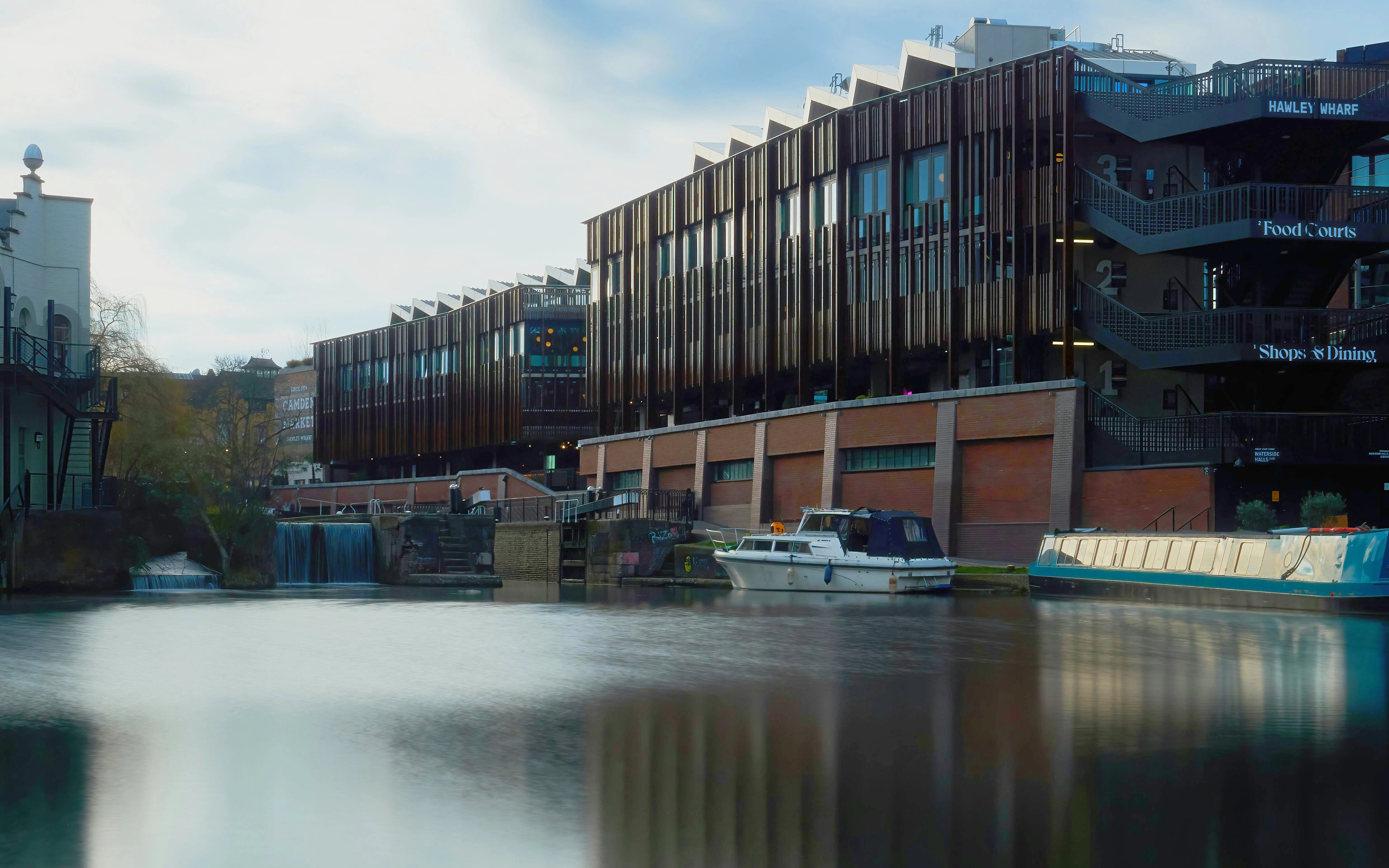
Camden Lock, Hawley Wharf and Stables Market all sit within a short walk, so you can move from vintage stalls to cooked food without planning a route. That density matters more here than the individual shops.
Camden’s music story is still visible on the street
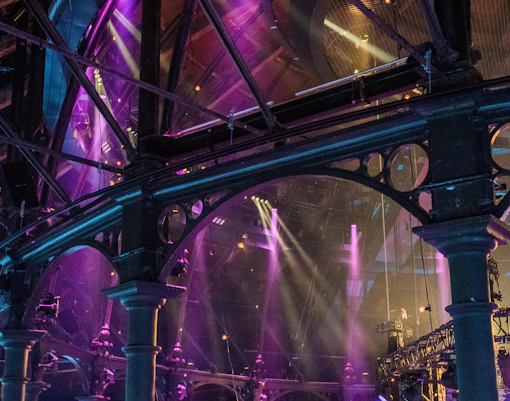
Roundhouse, The Dublin Castle and The Jazz Cafe are not museum pieces; they are still working venues. Even without a ticket, Chalk Farm Road and Parkway make it obvious why the area stayed tied to gigs and nightlife.
The canal gives Camden a second, quieter personality
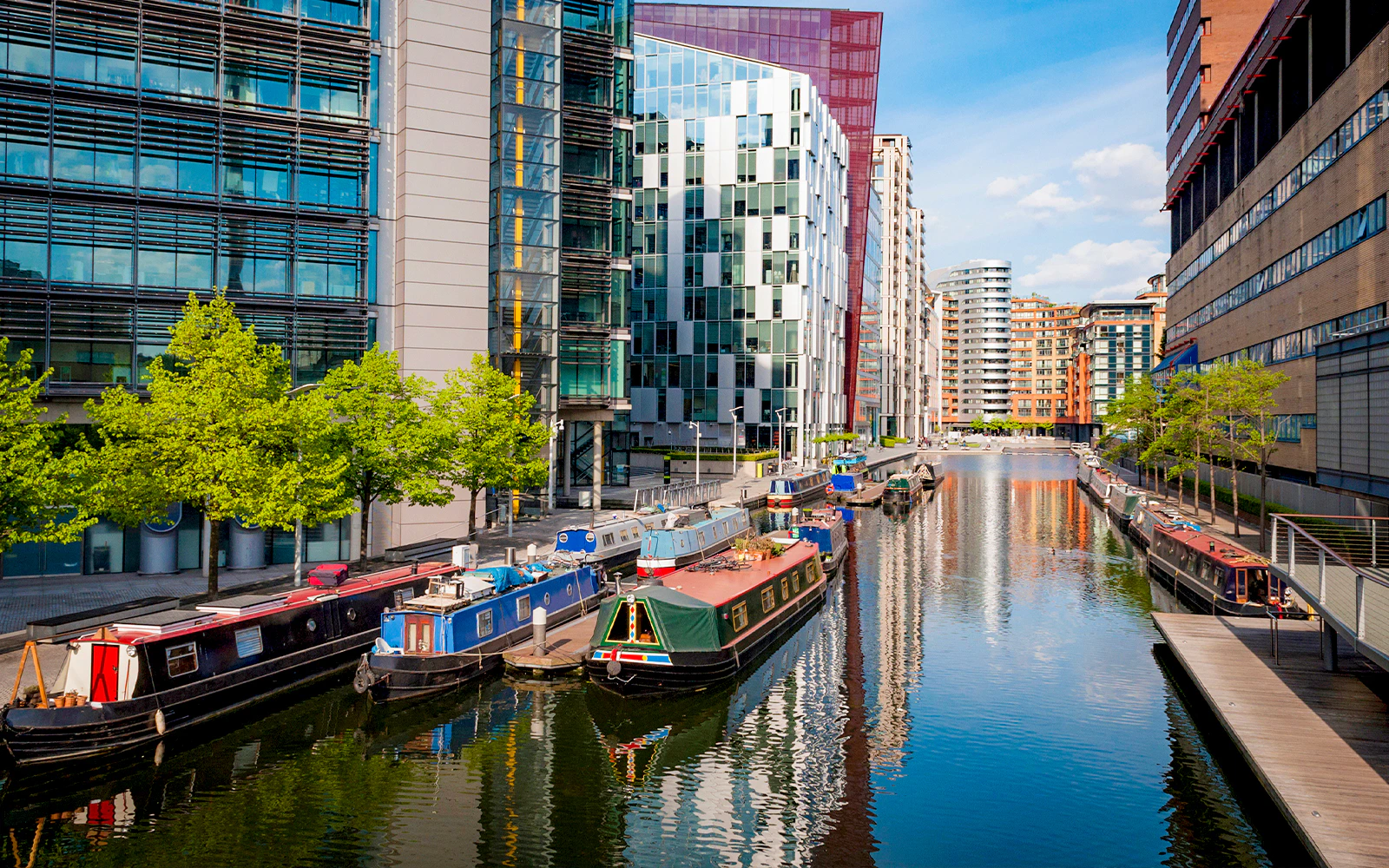
Step off Camden High Street and the Regent’s Canal changes the pace completely. Houseboats, bridge arches and towpath views make the area work even if you are not interested in shopping.
It is easy to slot into a wider London day
Camden Town sits on the Northern line, with Camden Road Overground and several bus routes close by. That makes it simple to do Camden in the morning and still reach the West End, Baker Street or King’s Cross without wasting time.
Punk retail and alternative style shaped Camden in the late 20th century
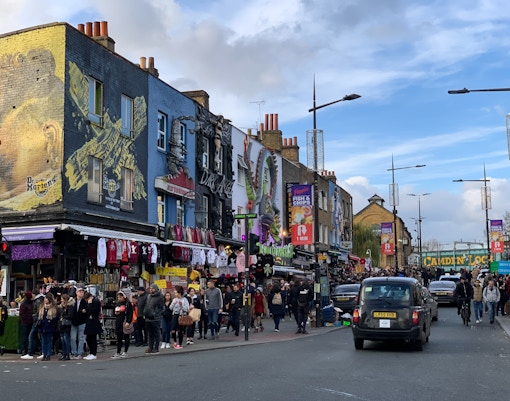
Camden’s reputation was built as much by DIY fashion, gig culture and street retail as by formal landmarks. You still see that legacy in leather shops, band merch, tattoo studios and market units that sell to a younger, subculture-leaning crowd.
Best ways to explore Camden Town
A strong Camden walk should cover Camden High Street, Chalk Farm Road, Camden Lock and the Regent’s Canal towpath, because those four pieces explain the area better than a list of shops. If the tour skips either the canal or the live-music strip, it usually misses half the point.
Food-focused visits work best around Camden Market and Hawley Wharf, where you can taste across multiple counters without committing to one restaurant. Camden suits grazing more than formal dining, so a good route should mix small plates, desserts and a drink stop.
Check London: Camden Market Secret Food Tours
Camden pairs well with Combo: London Zoo + Madame Tussauds London Tickets because Baker Street is a short Tube ride south, and with The View from The Shard Tickets if you want a skyline contrast after a low-rise market day. If you want a North London sports angle, Arsenal FC Stadium Tour is an easy add-on from Camden.
Camden works best when you combine a market wander with either a Roundhouse performance or a canal walk west toward Primrose Hill. That mix of retail, live venues and waterside walking is more representative than treating it as a pure shopping stop.
Plan your visit
- Primary route: Most visitors arrive via Camden Town Underground Station on the Northern line. From the main exit, it’s about a 3-minute walk to Camden Lock and 7–8 minutes to Stables Market.
- Alternative route: On crowded weekends, use Chalk Farm Underground Station instead and walk south for about 8 minutes via Chalk Farm Road. It is a better arrival if you want to start with Roundhouse and enter the markets from the quieter top end.
Walking distances from Camden Lock:
- Stables Market — 4 minutes
- Roundhouse — 8 minutes
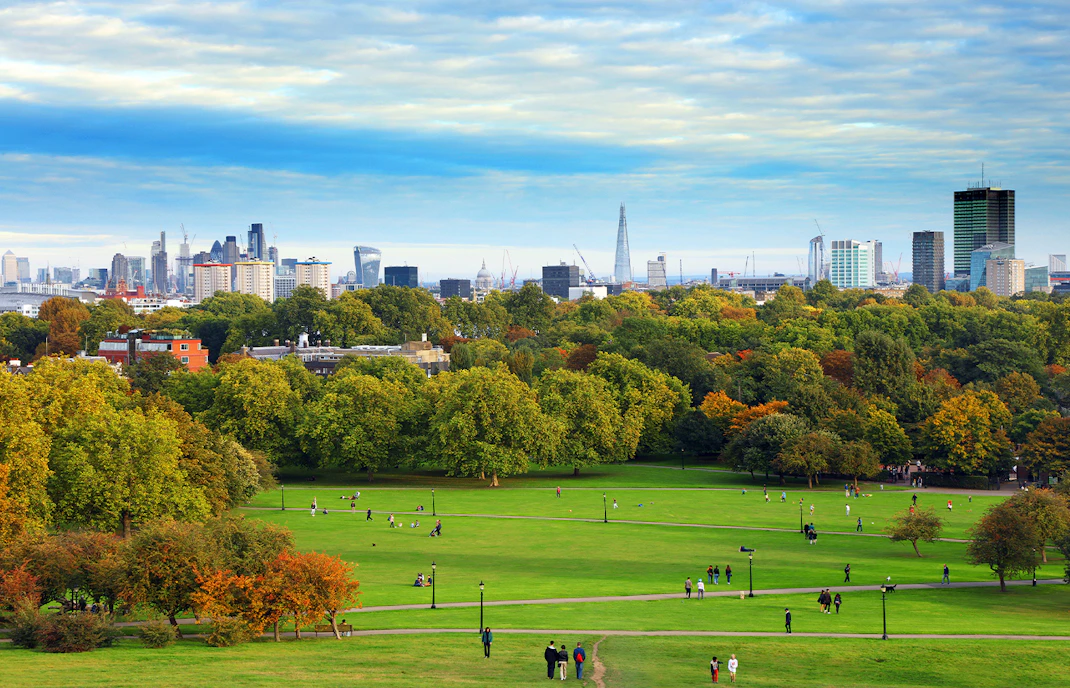
- Primrose Hill — 15 minutes
- Regent’s Park — 15 minutes
- Mornington Crescent — 12 minutes
Weekday mornings are the easiest time to see Camden without shoulder-to-shoulder market traffic. Saturdays and sunny Sunday afternoons around Camden Lock and Camden High Street are the busiest.
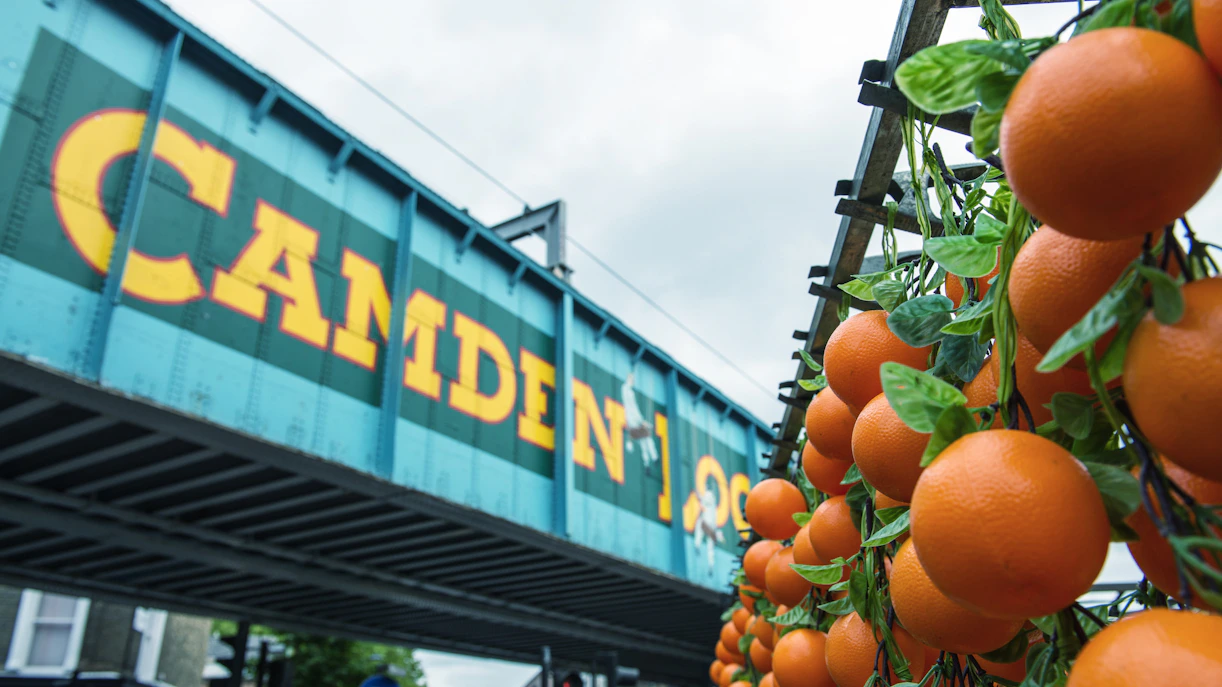
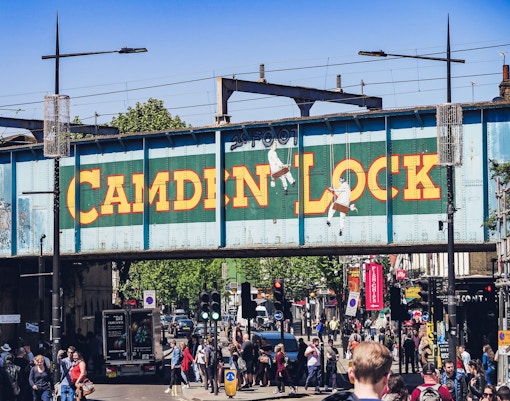
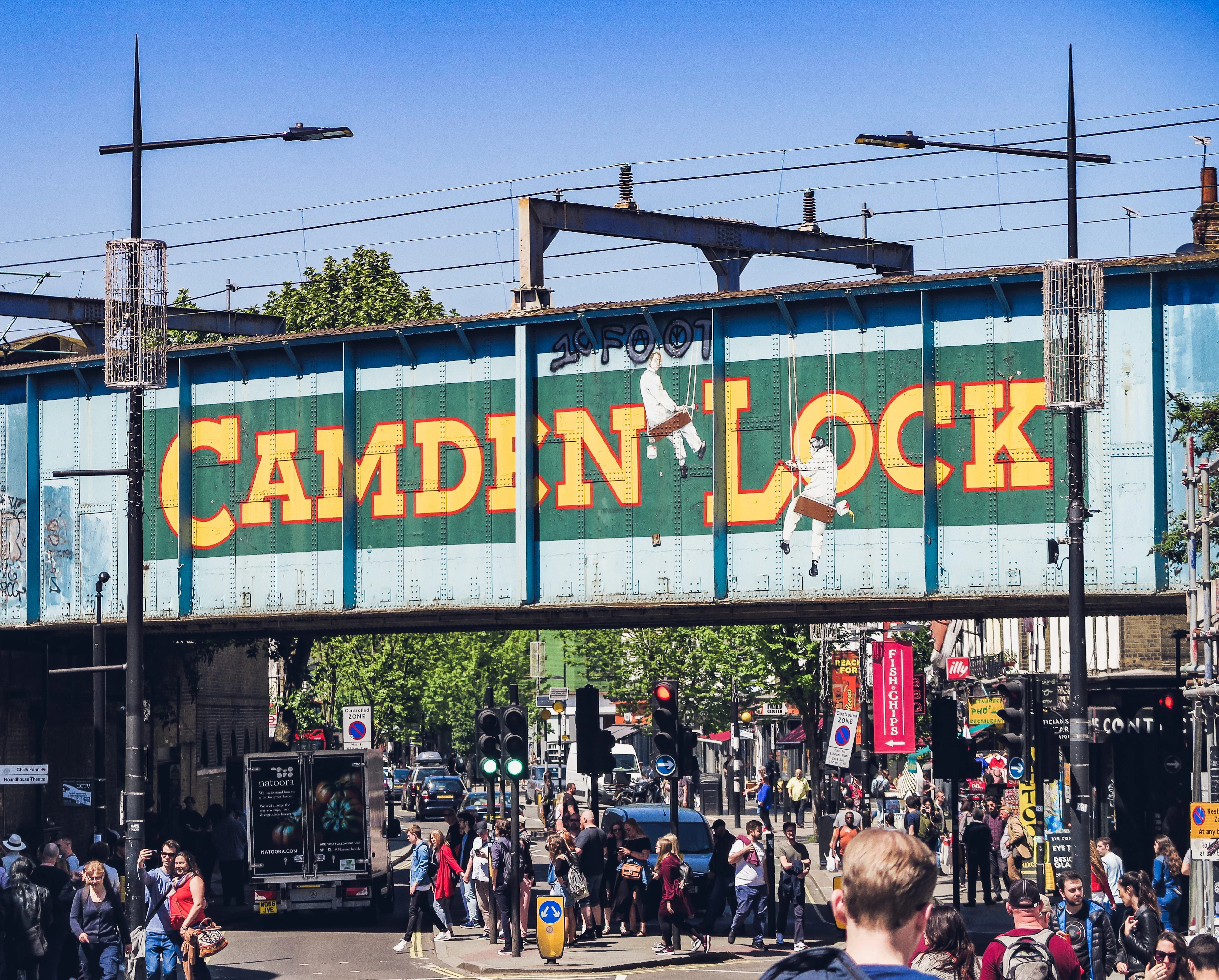
- Early morning (8–10am): Best for walking the canal and photographing Camden Lock bridge before the market fills. If you want coffee first, this is when Parkway and the lock-side cafés feel most manageable.
- Midday (11am–2pm): This is peak market time, especially around Camden Lock and the food counters. If it gets too dense, cut west onto the Regent’s Canal towpath or sit down in Hawley Wharf instead of queueing outdoors.
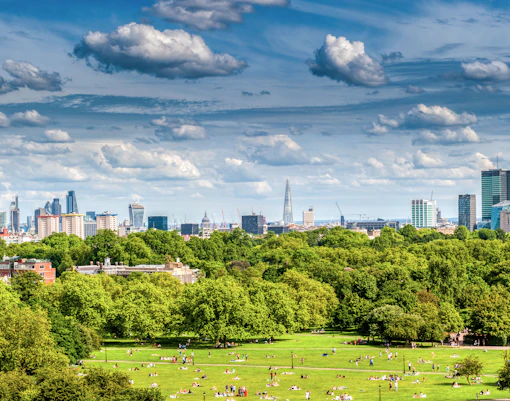
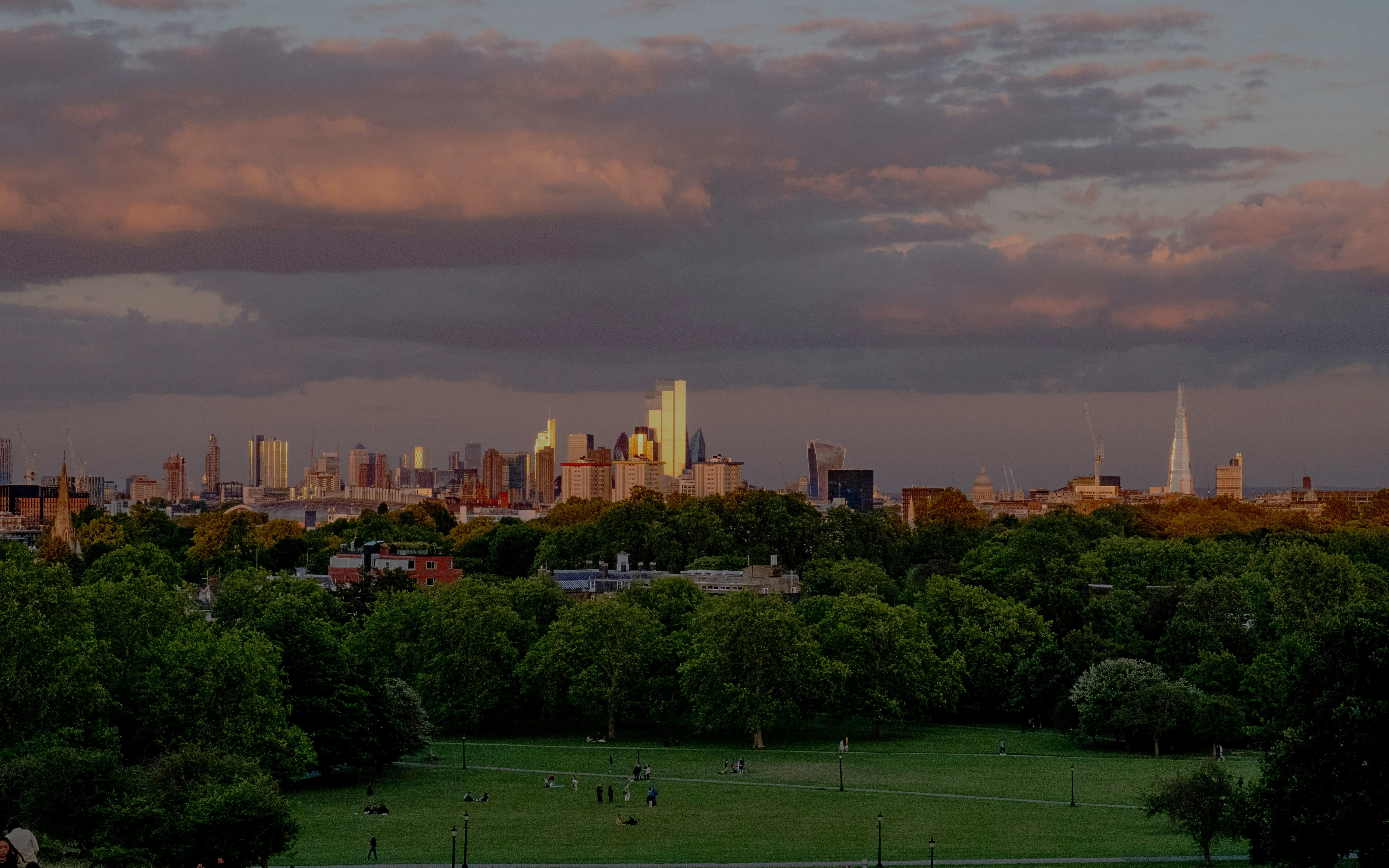
- Late afternoon (4–6pm): The market starts to thin slightly, and this is the best transition window for Primrose Hill if you want skyline light. Shops are still open, but the area feels less frantic than lunchtime.
- Evening (after 6pm): Camden becomes more venue-led than shopping-led. Roundhouse, The Dublin Castle, The Jazz Cafe and bars keep the area active, while parts of the canal feel much quieter once the crowds go.
- The essentials — 1.5–2 hours: Enough for Camden Lock, a quick market loop, Stables Market and a short canal look.
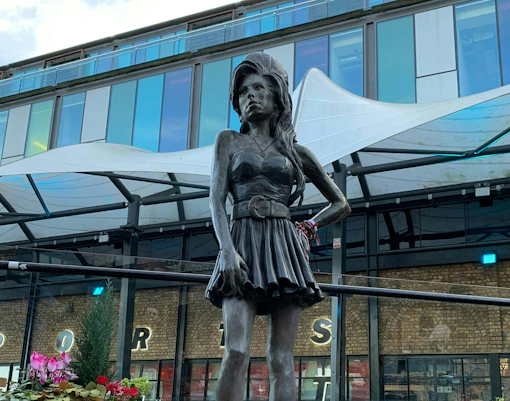
- The ideal day — 4–5 hours: Adds lunch in Hawley Wharf, the Amy Winehouse statue, a longer towpath walk and Primrose Hill.
- With guided tours — 3–4 hours: A solid guided route would usually cover the market history, music venues, canal-side walking and the transition from lock to Chalk Farm.
- Hawley Wharf: The easiest part of Camden for step-free movement, with lifts, wider walkways and indoor food hall access. If you need the simplest market section, start here.
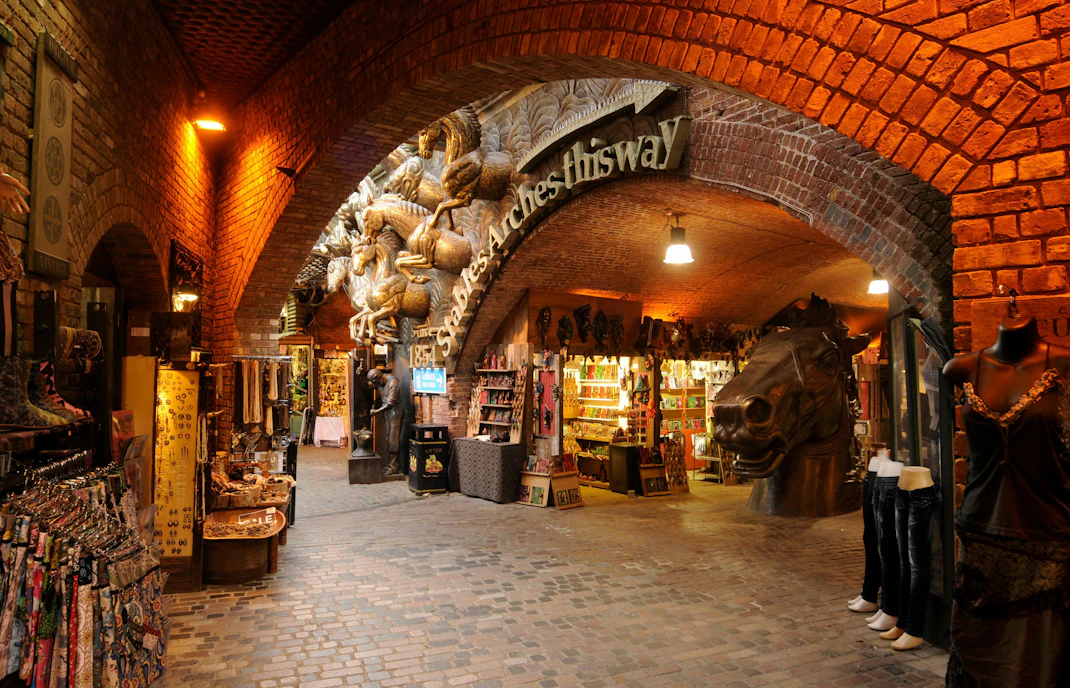
- Stables Market: Expect cobbles, tighter passages and level changes. Some routes are manageable, but this is the trickiest part of Camden for wheels and steady pacing.
- Camden Market around the lock: Entry is straightforward, but the main pinch points near Camden Lock bridge can get extremely crowded. Timing matters as much as physical layout here.
- Roundhouse: Step-free entry, accessible toilets and accessible seating are available for booked events. This is one of the easier performance venues in the area.
- Regent’s Canal towpath at Camden: The path is mostly level, but it narrows near bridges and can feel congested. It works better early in the day than at peak market hours.
- Primrose Hill: The park is accessible at lower levels, but the final climb to the top viewpoint is steep. Go for the lower paths if you want the green space without the summit push.
- Camden Town Underground Station: Not step-free. If you need accessible arrival into the market core, use buses, taxi drop-off or another station and approach from street level.
- Pickpockets (Camden Lock and Stables Market): The busiest choke points are the easiest places to lose a phone or wallet. Keep bags zipped and in front of you, especially when stopping to read menus or browse rails.
- Towpath after dark (west of Camden Lock): The canal is pleasant by day but quieter and less useful as a route late at night. Stick to Camden High Street or Chalk Farm Road if you are leaving after a gig.
- Traffic crossings (Camden High Street and Chalk Farm Road): Road crossings are busy, noisy and easy to misread when you are distracted by shops and crowds. Use the formal crossings instead of cutting between people.
- Station crowding (Camden Town station at weekends): The area outside the station can bottleneck quickly. If your group gets split up, meet at a named point like Camden Lock bridge, not directly outside the station exit.
- Overpriced impulse buys (front-of-lock food counters): The first visible counters near the lock often have the longest queues, not the best value. Walk five minutes deeper into Hawley Wharf or Stables Market before you decide.
Free things to do in Camden Town
Suggested itinerary for visiting Camden Town
Camden is compact enough to do on foot, but it works best if you treat it as a north-to-south or south-to-north walk rather than zigzagging between stalls. The cleanest route is Chalk Farm Road → Stables Market → Camden Lock → canal or Primrose Hill.
Tips for visiting Camden Town
- Use Chalk Farm station on Saturdays and bank-holiday weekends if you can. It puts you at the Roundhouse/Stables end and avoids the worst pavement crowding outside Camden Town station.
- Do the markets in this order if you want the area to improve as you go: Chalk Farm Road → Stables Market → Hawley Wharf → Camden Lock. Going the other way throws you straight into the densest part first.
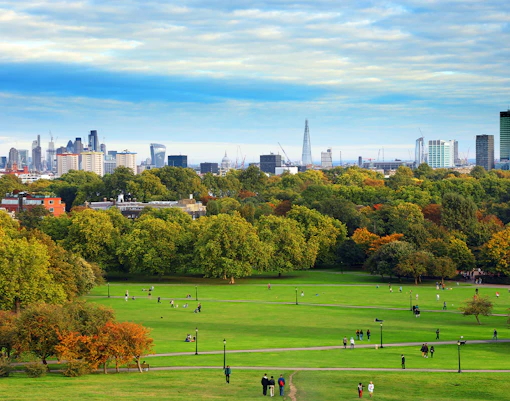
- For the cleanest skyline shot, be on Primrose Hill about 30 minutes before sunset, not after. The skyline reads better before the light fully drops and you will have space to move.
- If you want a calmer food stop, walk into Hawley Wharf before ordering. The first counters you see around Camden Lock bridge usually have longer queues than better value.
- The Amy Winehouse statue is inside Stables Market, not on the high street. If you do not deliberately look for it, you can walk the market and miss it entirely.
- The western Regent’s Canal towpath is better than the lock-side section if you want photos without people constantly crossing the frame. Walk five minutes west and the pace changes.
- Keep a meeting point above ground if you are visiting in a group. Camden Town station exits can be crowded enough that people surface on different sides and lose each other quickly.
- Camden works well with an evening booking elsewhere because the Northern line gets you south fast. If you are heading on after dinner, Leicester Square, Charing Cross and Waterloo are straightforward onward moves.
Best photo spots in Camden Town
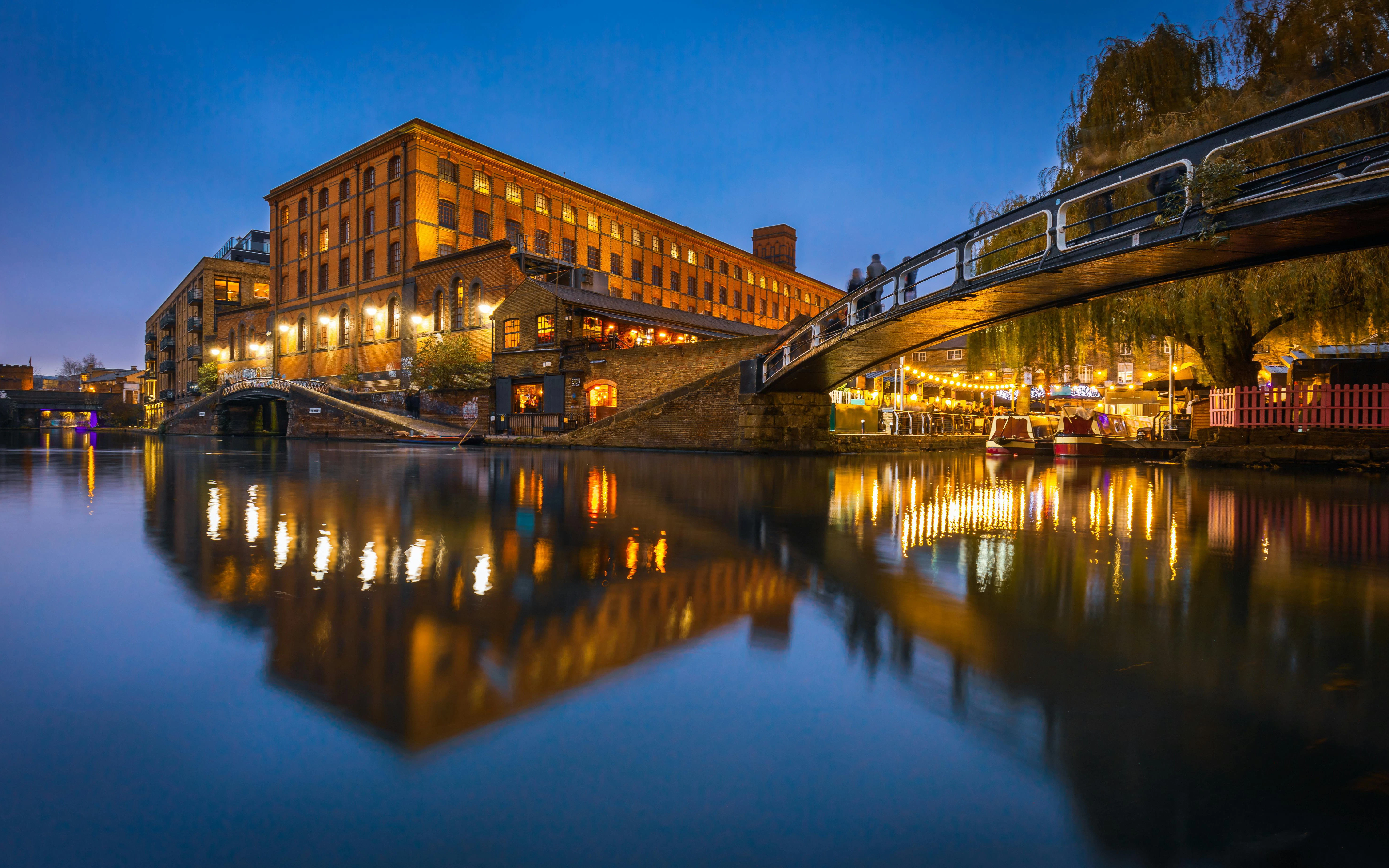
Camden Lock bridge at blue hour
Stand on the eastern side of Camden Lock bridge, facing west over the lock gates and market roofs.
Dining in Camden Town
Should you stay in Camden Town?
Short answer: Yes, if you want late nights, market food and fast Northern line access. No if you want quiet evenings, polished hotel stock or a more conventionally pretty London base.
- The vibe — After the day-trippers thin out, Camden shifts from market traffic to pubs, gig queues and venue crowds around Chalk Farm Road, Parkway and Camden High Street. It stays lively, but not calm.
- The logistics — Camden has fewer classic hotel options than areas like Westminster or South Bank. Expect a mix of smaller hotels, serviced apartments and chain-lite mid-range stays rather than a dense field of major central-London properties.
- Who it’s for — It suits younger travelers, couples who like nightlife, repeat visitors and anyone who wants North London energy over postcard London. It is a weaker fit for families with small children, early sleepers and travelers who want to walk to Westminster landmarks every morning.
- Top recommendation — Book around Parkway or Royal College Street if you can. You stay close enough to walk into Camden Lock, but far enough from the loudest stretch of Camden High Street to sleep better.
Explore other neighborhoods in London
Frequently asked questions about Camden Town
It is several linked market zones rather than one neat hall. The names visitors use most are Camden Lock, Stables Market and Hawley Wharf, and they each feel different in layout and pace.
Yes, the area now works as a daily attraction, not a weekends-only market. That said, the full effect of Camden — especially crowd volume and stall energy — is strongest from late morning into the weekend.
A realistic half-day budget is £25–£50 per person if you are not shopping seriously. That usually covers Tube travel, one proper meal or several smaller food stops, a drink and maybe a small market purchase.
Yes, if you are coming for live music, the Regent’s Canal, or a walk up to Primrose Hill. If none of those matter to you either, Camden can feel like a crowded retail zone rather than a necessary stop.
Usually yes. Teens tend to respond well to the market food, alternative fashion, music-store fronts and fast-moving street atmosphere. It is less suited to very young children once the pavements get crowded.
Not usually. Most Camden restaurants, bars and market traders now take cards, and many are card-first. Carrying a little cash is not harmful, but it is no longer essential.
Yes, but use the market facilities rather than waiting until you need one urgently on the street. Hawley Wharf and the larger market zones are your best practical bet during the day.
They can be, especially around Camden Lock bridge, the main food strips and the station exits on a sunny afternoon. If Sunday is your only option, arrive early or start from Chalk Farm and work south.
For market grazing, Camden can be slightly easier on the budget than central Soho, but sit-down drinking costs are not dramatically cheaper. The main difference is format: Camden is better for casual stall eating, while Soho offers more formal pre-theatre dining.
Yes, but rainy days flatten the canal walk and make the outdoor sections less enjoyable. If the forecast is poor, focus on Stables Market, Hawley Wharf and a venue booking rather than planning a long outdoor roam.