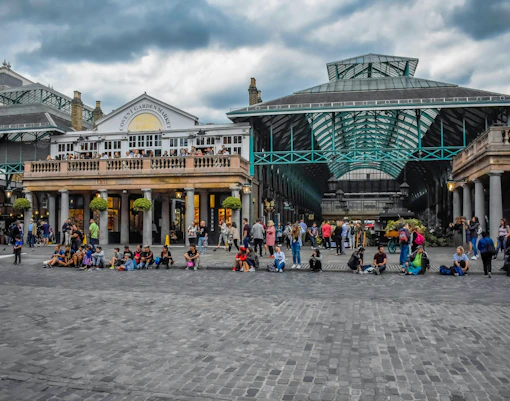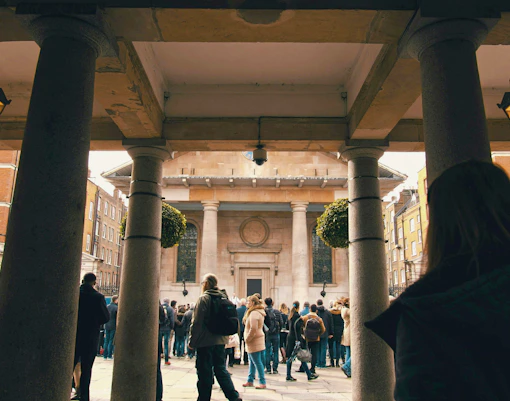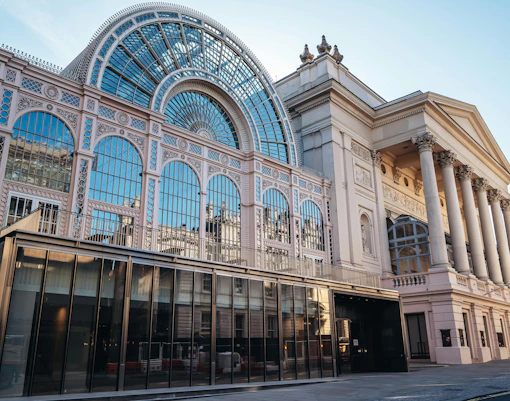
- The open square is one of the few places in central London where performance is built into the daily rhythm, with magicians, musicians and acrobatic acts drawing circles on the cobbles.
- Best for: Families, first-time visitors, budget trips
- Duration: 20–40 minutes
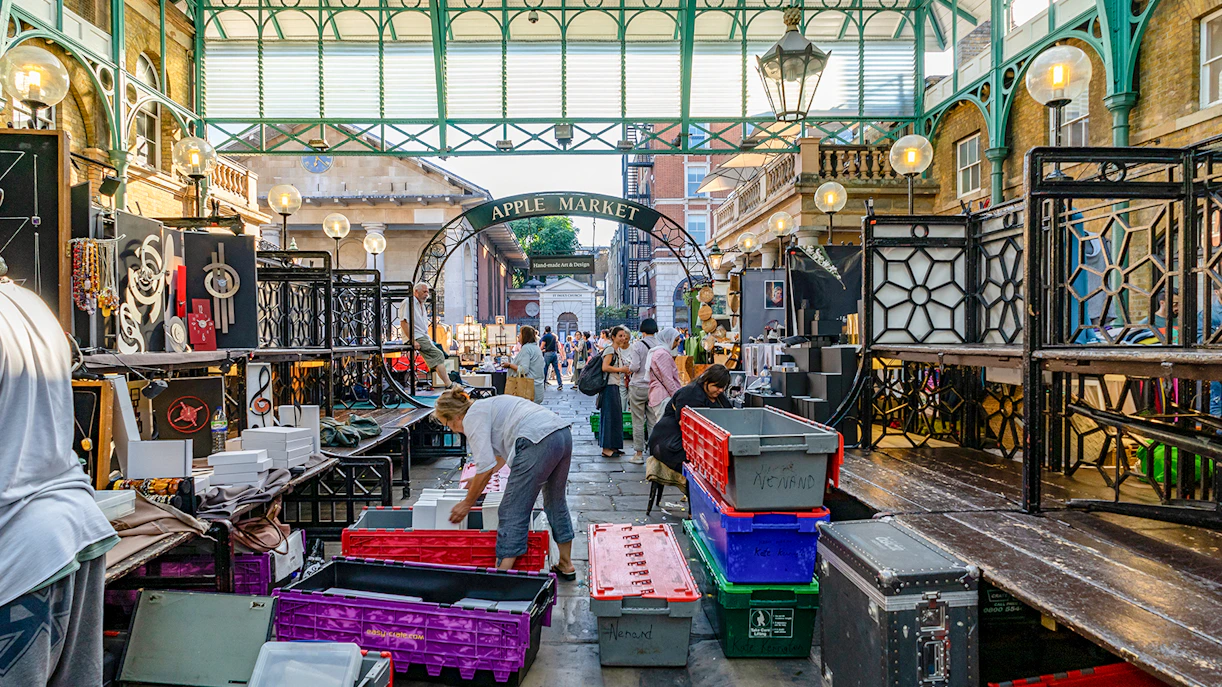
- Combine this with: St Paul’s Church (1 minute on foot) and Apple Market browsing
Neighborhood at a glance
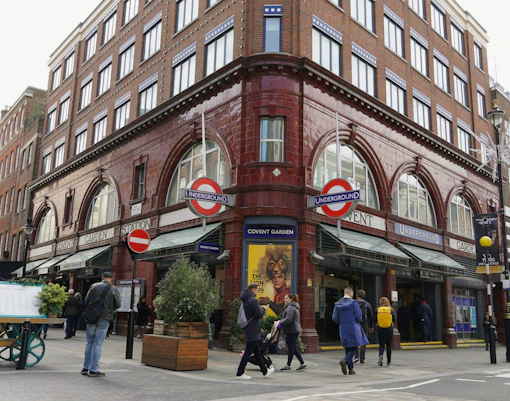
- Why visit: Covent Garden packs the Piazza, Royal Opera House, Seven Dials and a dense run of West End theatres into a compact, walkable slice of central London.
- Atmosphere: Busy, theatrical, polished, pedestrian-heavy.
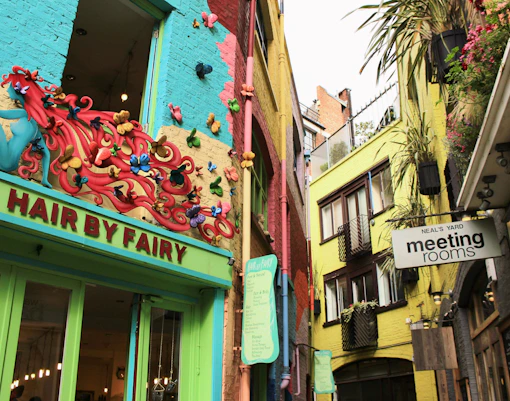
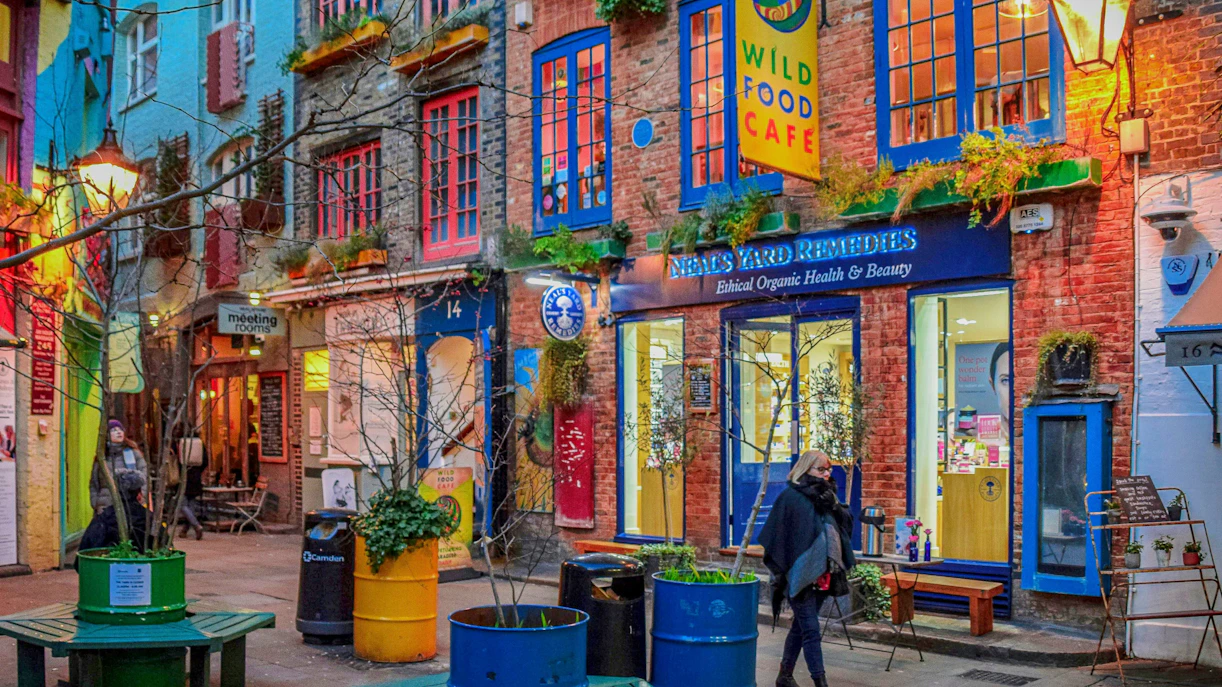
- Top things to do: Watch performers in Covent Garden Piazza, tour the Royal Opera House area, see a show at Theatre Royal Drury Lane, wander Seven Dials and Neal’s Yard.
- Best for: First-time visitors, theatre-goers, families, short central stays.
- Time needed: 2–4 hours, or a full evening if you’re seeing a show.
- Best time to visit: Weekday mornings for quieter lanes and easier photos; early evening if you’re here for dinner and theatre.
- Nearby: Leicester Square, Soho, Trafalgar Square, Strand, Lyceum Theatre, Cambridge Theatre.
Top things to do in Covent Garden
Quick navigation
🏛️ Why visit | 🎟️ Best ways to explore |🧭 Plan your visit | 🌟 Free things to do | 📋 Itinerary | 💡 Tips | 🍴 Dining
Why visit Covent Garden
1/5
Major West End theatres are packed into a few streets
You can walk from Theatre Royal Drury Lane to the Cambridge, Lyceum, Duchess, Novello and Vaudeville theatres without needing transport. That changes how you plan a London evening: dinner, show and drinks can all happen within a few blocks.
The Piazza still works as a real orientation point
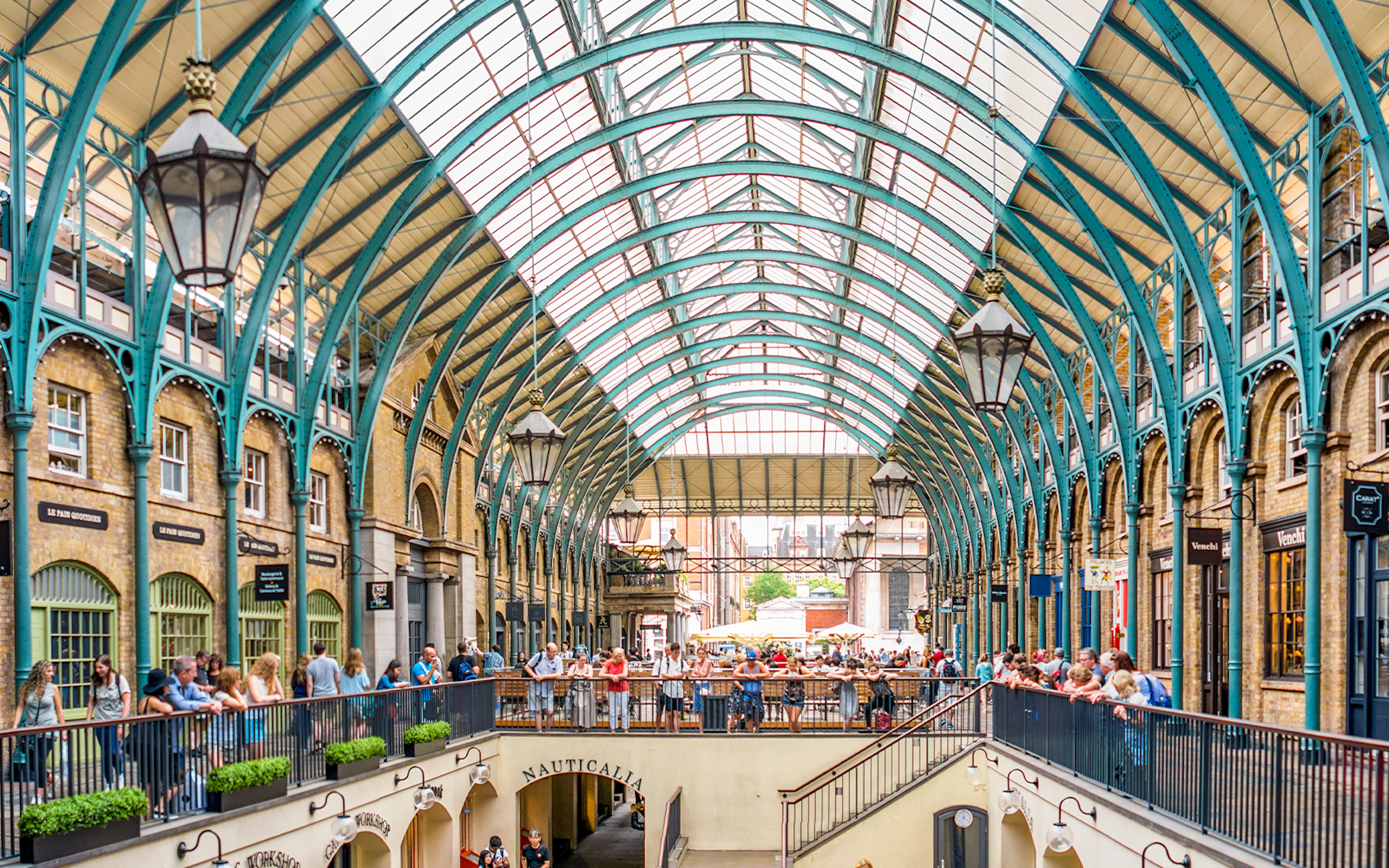
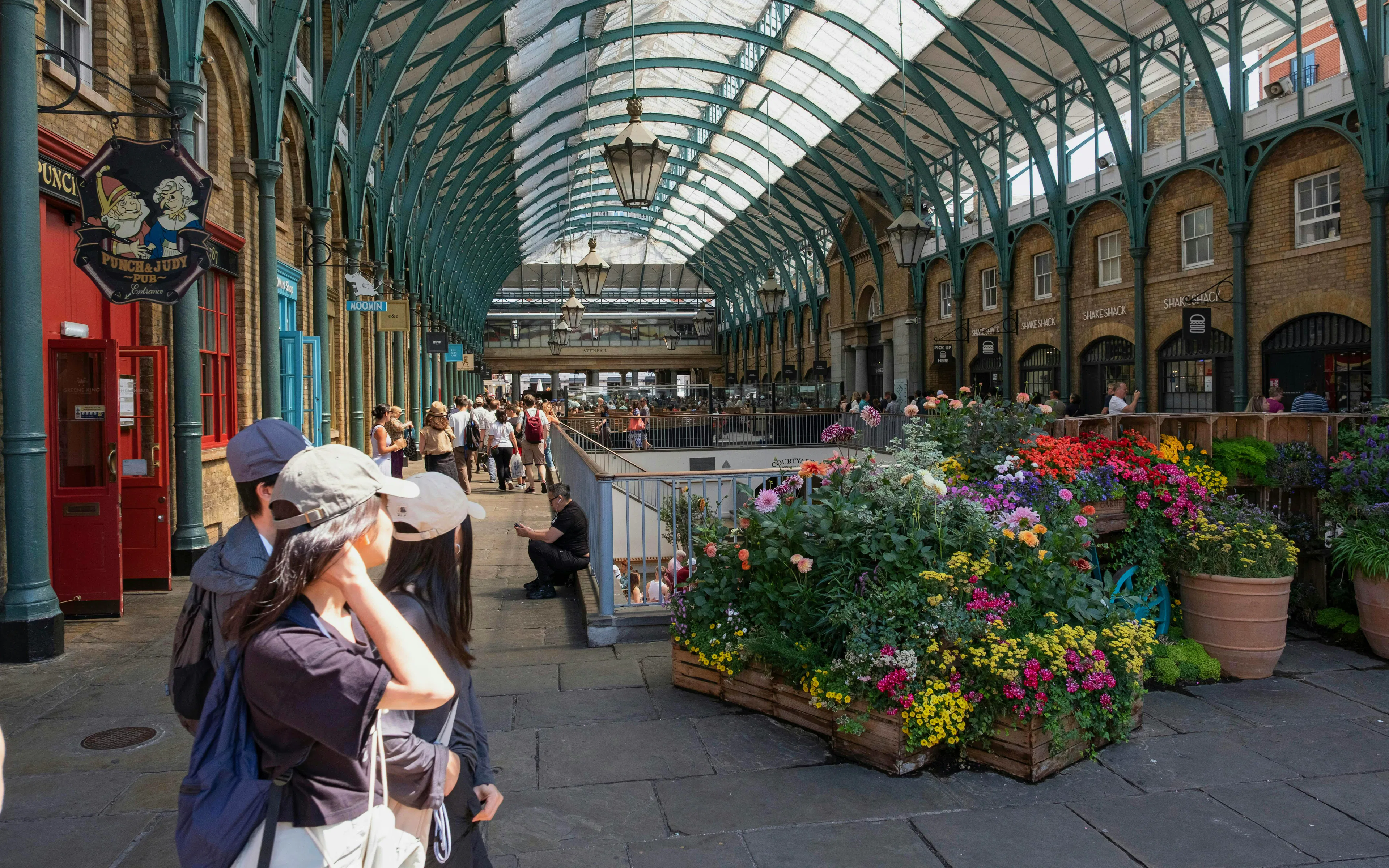
Covent Garden is one of the few central neighborhoods where visitors can immediately understand the layout once they hit the main square. The Market Building, St Paul’s Church and surrounding arcades make navigation simpler than in the tangle of Soho lanes nearby.
Covent Garden grew out of London’s old fruit-and-vegetable market
For centuries this was a working wholesale market, not just a shopping address. That legacy still shapes the covered halls, ironwork, broad central square and the old market plots you now move through as cafés, stalls and retail arcades.
It gives you a practical central-London base on foot
Leicester Square, Soho, Trafalgar Square and the Strand all sit within an easy walk. If you dislike wasting time on repeated Tube hops, Covent Garden makes short city breaks much easier to structure.
It works in bad weather better than many central districts
The covered Market Building, theatre foyers, museum options and dense café network give you plenty of indoor fallback. That matters in London, where a half-day shower can derail neighborhoods that rely more heavily on open streets alone.
Best ways to explore Covent Garden
A good Covent Garden walking route should cover the Piazza, Bow Street, the Royal Opera House frontage, Neal’s Yard, Seven Dials and the theatre cluster toward the Strand. This is a neighborhood where small distance changes matter, so walking is the easiest way to understand how the market quarter blends into the West End.
Food-led exploring works best around Seven Dials, Neal Street, Monmouth Street and Henrietta Street, where cafés, pubs, dumpling houses and market-hall stalls sit close together. If you’re not taking a formal tour, Seven Dials Market is the simplest self-guided tasting stop.
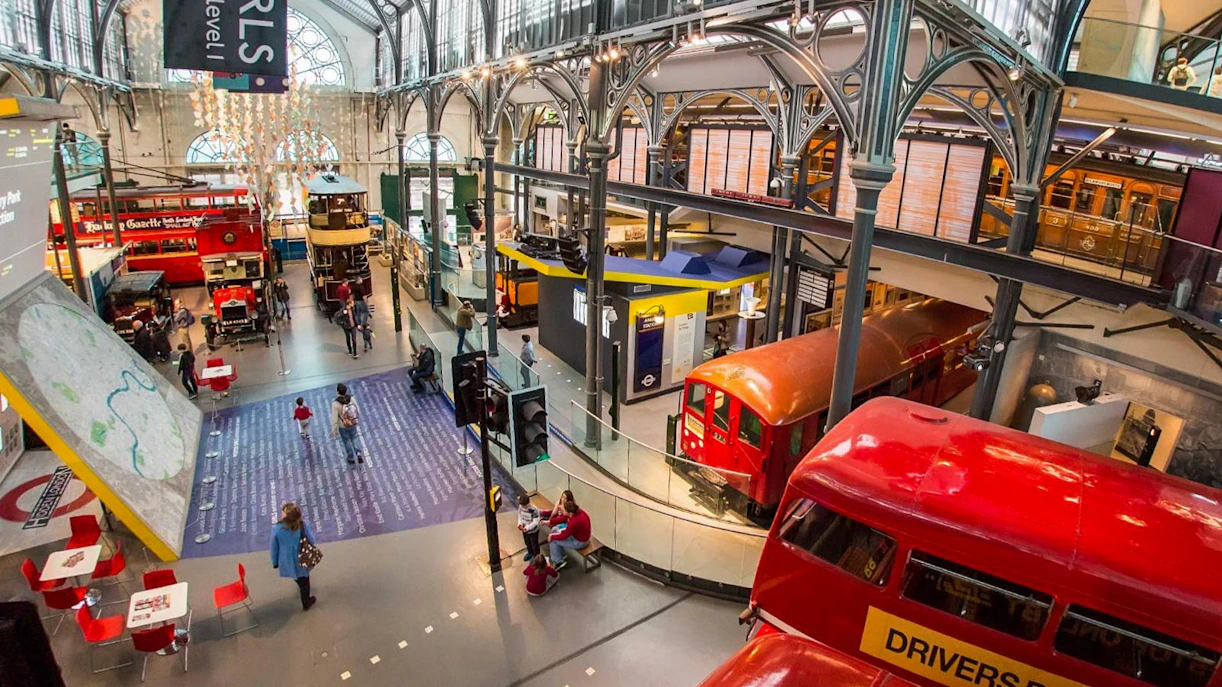
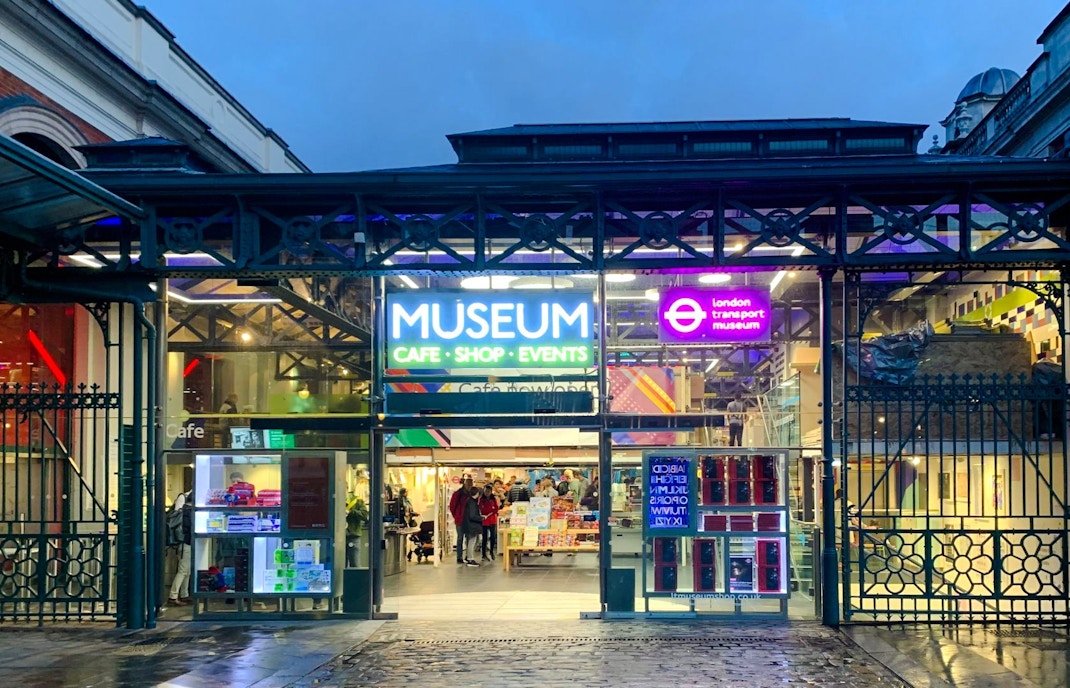
Covent Garden pairs well with a theatre-and-sightseeing split day: market streets and shows here, then the South Bank or Westminster after. If you want one paid add-on that fits naturally after a Covent Garden morning, the Combo: London Transport Museum + London Eye Tickets is an easy second half.
This is one of the few London neighborhoods where the experience is not one monument but the concentration of stages. Disney's Hercules, The Lion King, 3027, Mamma Mia!, Six, and The Play That Goes Wrong all sit within the wider Covent Garden-West End orbit and make the area strongest after dark.
Plan your visit
Free things to do in Covent Garden
Suggested itinerary for visiting Covent Garden
Covent Garden is compact enough that you can cover the core on foot without backtracking if you start on the north or east edge and work toward the Piazza. The easiest mistake is to spend all your time in the square and miss Seven Dials, Neal’s Yard and the theatre streets that actually give the neighborhood depth.
Tips for visiting Covent Garden
- Use Leicester Square or Tottenham Court Road instead of Covent Garden station at peak times. Covent Garden station is close, but the lift queues can waste more time than the walk saves.
- Don’t eat right on the Piazza unless the location matters more than value. For better food-to-price ratios, move to Henrietta Street, Maiden Lane or Seven Dials Market.
- If you want the cleanest photos of the Market Building, get to the upper arcade before 10am. After that, the square fills fast and the view gets visually noisy.
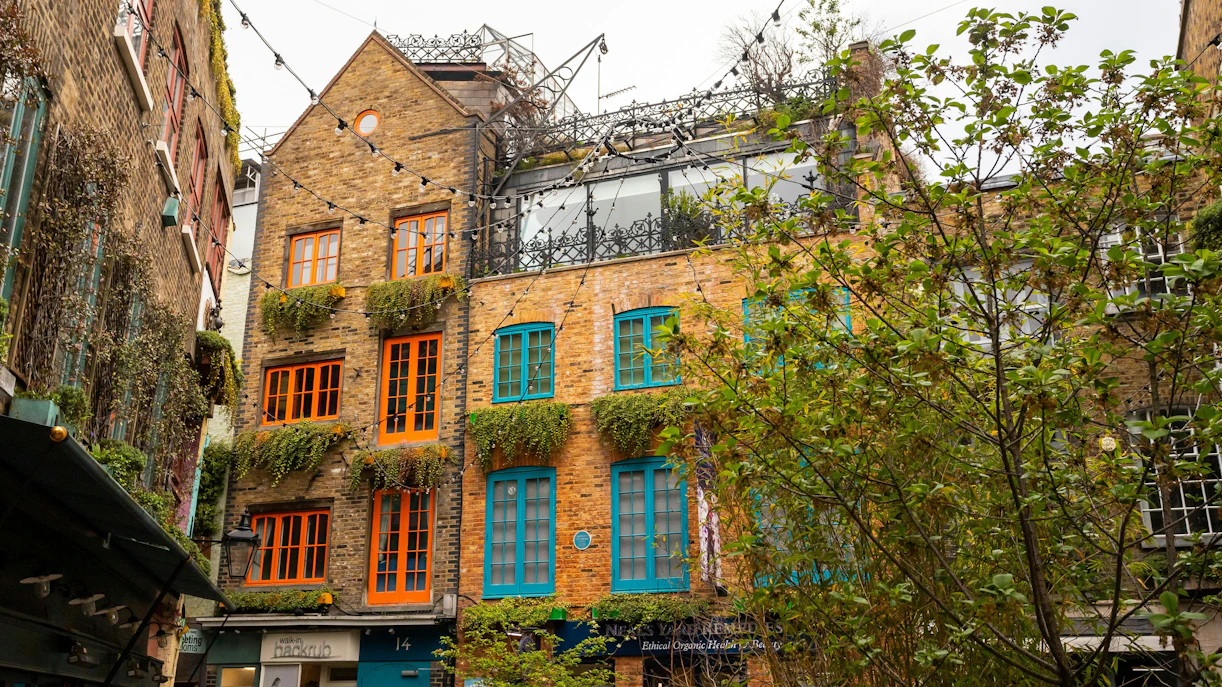
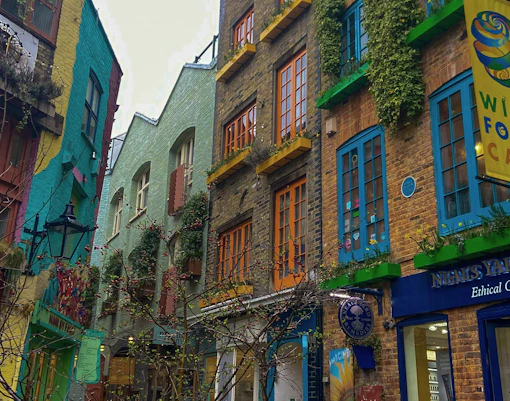
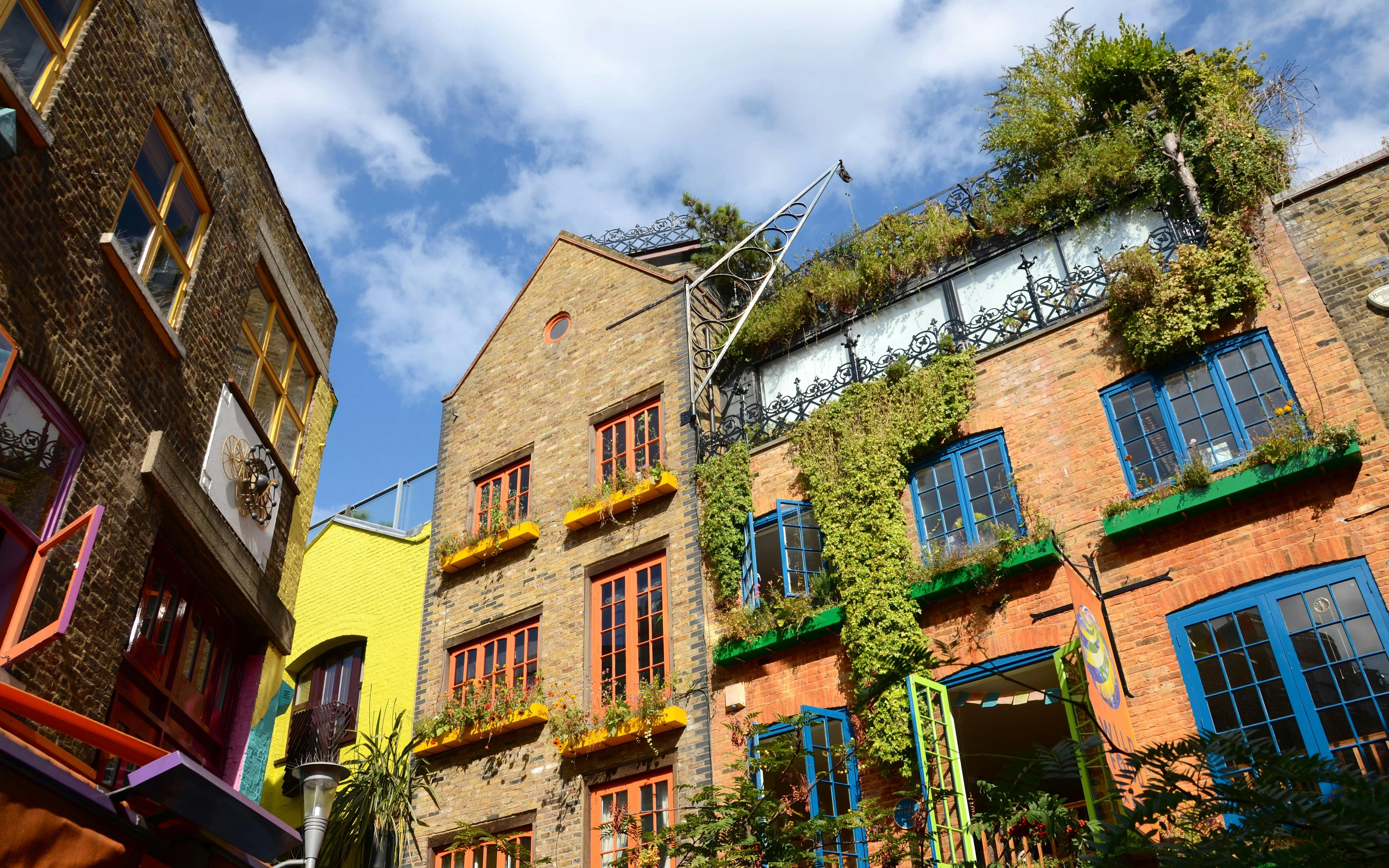
- Neal’s Yard is easy to miss if you’re looking for a big entrance. Approach from Monmouth Street or Short’s Gardens and watch for the narrow passage, not a square opening.
- Leave at least 90 minutes between dinner reservation and curtain time. Pre-theatre service is fast around Covent Garden, but the whole neighborhood surges between roughly 6pm and 7pm.
- On rainy days, cluster your route around covered stops. The Market Building, London Transport Museum and nearby theatre foyers let you keep moving without constantly resetting your plan.
- For a quieter church-side view of the Piazza, stand near the portico of St Paul’s Church rather than in the center of the square. You’ll see the performers, the market arcades and fewer backs of heads.
- If you’re doing Covent Garden and the South Bank in the same day, walk via Waterloo Bridge rather than taking a short Tube hop. The route is direct enough and gives you one of central London’s better skyline walks.
Best photo spots in Covent Garden
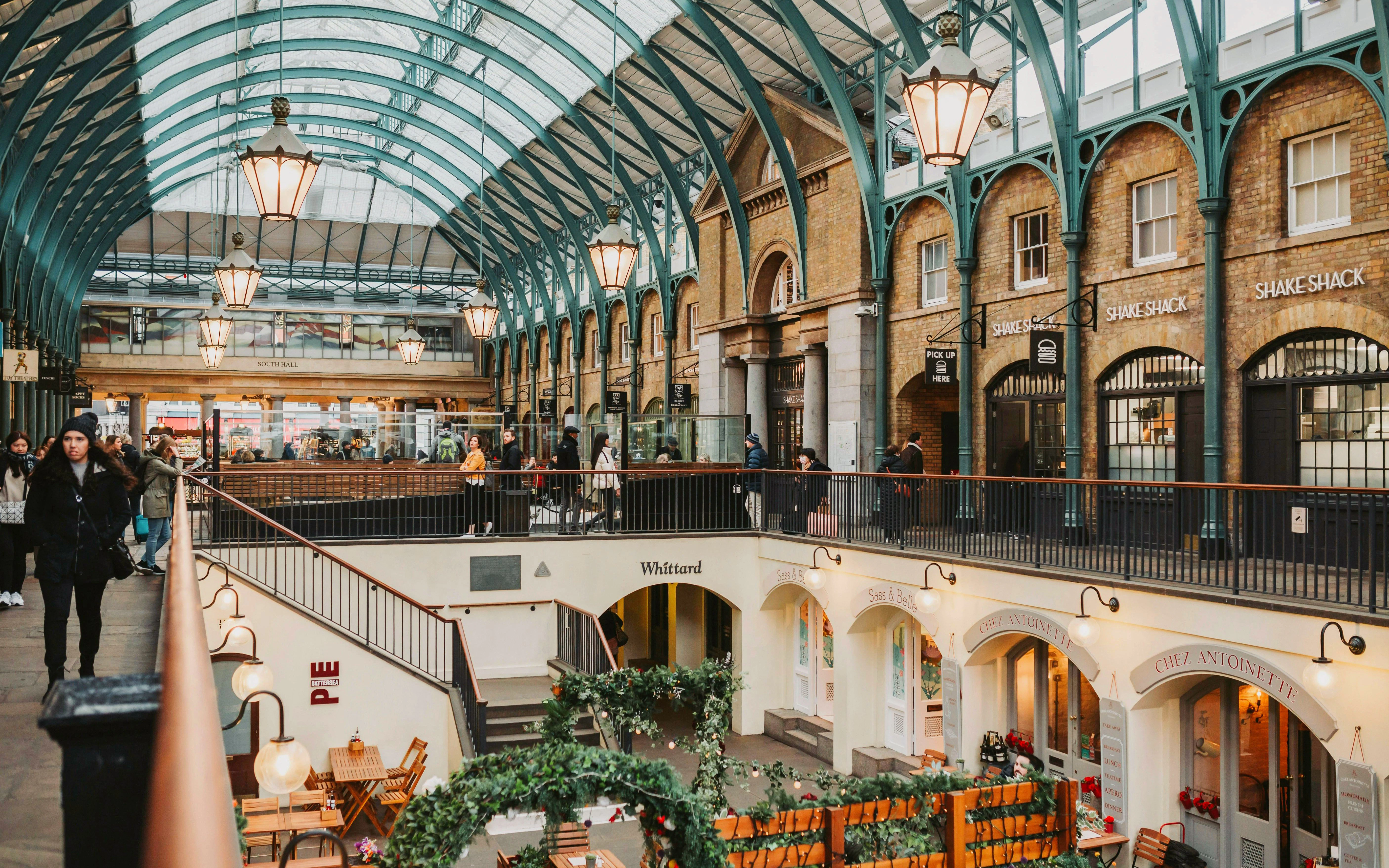
East upper arcade of the Market Building
Stand on the first-floor gallery facing west across the square.


Dining in Covent Garden
Should you stay in Covent Garden?
Short answer: Yes, if you want to stay in the middle of central London and plan to walk a lot. It suits theatre-goers and first-timers best, but you’ll pay more and deal with crowd noise.
- The vibe: Early mornings are quieter than people expect, especially around Seven Dials and the north side streets. Nights stay active because Drury Lane, the Strand and nearby theatres keep the area moving after shops shut.
- The logistics: Hotels here tend to be boutique properties, converted older buildings and a handful of polished chains rather than large, easy-budget stock. Prices are high for the room size, and historic layouts can mean smaller lifts, tighter corridors and noisier street-facing rooms.
- Who it’s for: Best for first-time visitors, theatre-heavy trips, short stays and anyone who wants Soho, Trafalgar Square and the Strand on foot. Less suited to budget travelers, light sleepers, or anyone who wants a quiet local neighborhood with big supermarkets and low evening foot traffic.
- Top recommendation: Book around Seven Dials, Henrietta Street or Floral Court if you want the most usable base. You’ll stay close to the action but usually avoid the noisiest stretch right on the Piazza itself.
Explore other neighborhoods
Frequently asked questions about Covent Garden
No. Seven Dials is a sub-area on Covent Garden’s north-west side, centered on the seven-road junction and monument. Covent Garden is the larger neighborhood that also includes the Piazza, Royal Opera House, Bow Street and the theatre streets toward the Strand.
Yes. Watching is free, though tipping is expected if you stop for a full act or stand inside the crowd circle. If you want the best view without being stuck, stand near the back edge rather than pushing to the center.
For most people, Leicester Square is the smarter choice because it avoids lift queues and is still only about 5 minutes away on foot. Tottenham Court Road is better if you’re starting in Seven Dials or planning to continue into Soho or Bloomsbury.
You can do the neighborhood cheaply if you stick to the free parts: the Piazza, Seven Dials, Neal’s Yard and theatre-district walking. A realistic spend is about £20–£40 for food and transport without paid entries, but dinner plus a West End ticket can easily take the day to £80–£150+ depending on seats and restaurant choice.
Usually yes for popular shows and weekend performances. If The Lion King, Matilda The Musical, Disney's Hercules, Mamma Mia! or Six is central to your trip, book as soon as your dates are fixed; same-day discounts exist, but not for every show or seat type.
Yes, especially if you want easy walking and a built-in mix of free entertainment and family shows. The Piazza performers, London Transport Museum, Matilda The Musical, The Lion King and Disney's Hercules make this one of central London’s easier neighborhoods for kids.
Yes, very easily. A common rhythm is Covent Garden in the morning or early afternoon, then a walk via the Strand and Waterloo Bridge to the South Bank for the London Eye or a Thames sightseeing cruise later on.
Yes. The area works well even if you buy nothing because the real draw is the mix of street performance, theatre traffic, old market architecture and short walking links to other central districts. If you skip the shops, focus on the Piazza, theatre streets, Seven Dials and a show.
Yes, but expect crowds from late morning onward. Sunday works best if you start early, use it as a walking-and-brunch neighborhood, and book any theatre or meal plans in advance rather than deciding on the spot.
Spending the whole visit in the Piazza. The square is only one piece of the neighborhood; if you skip Seven Dials, Neal’s Yard and the theatre streets around Drury Lane and Wellington Street, you miss a lot of what makes Covent Garden useful and distinct.