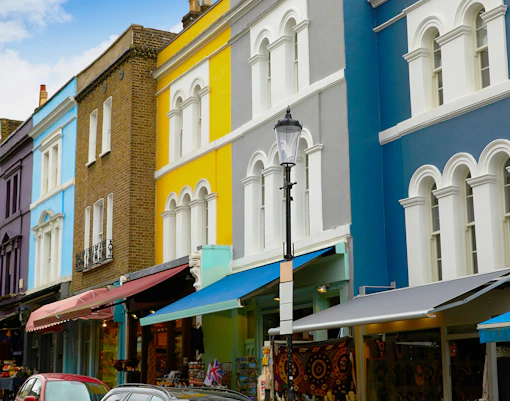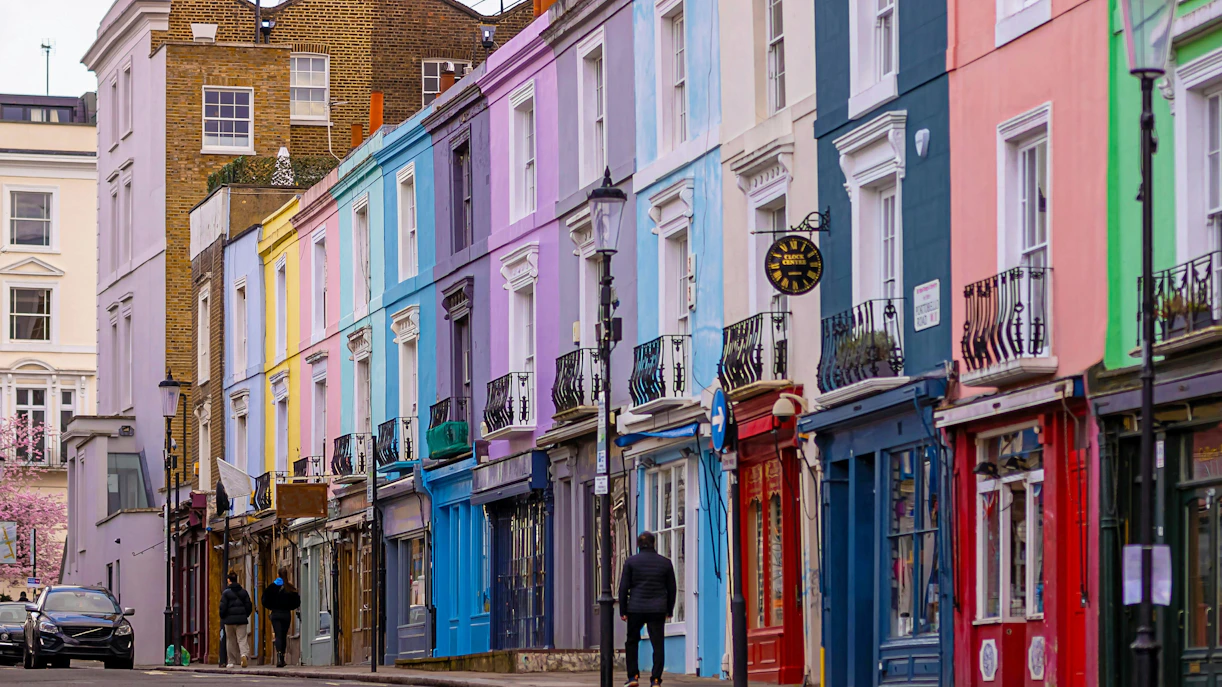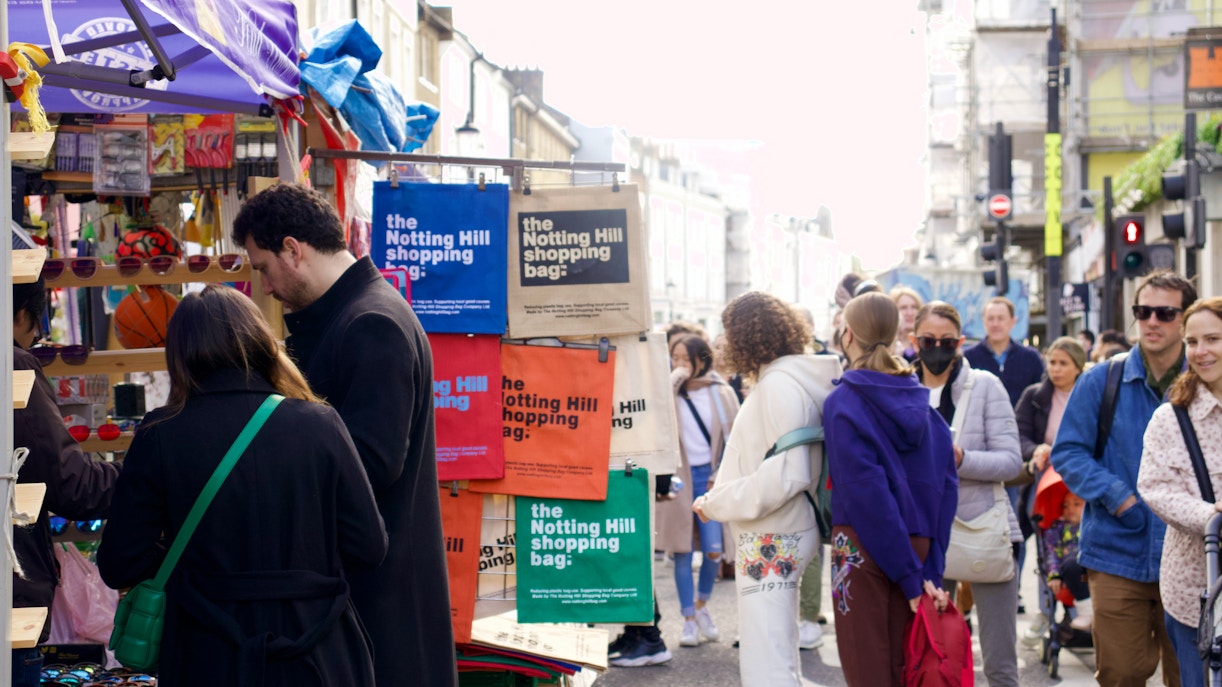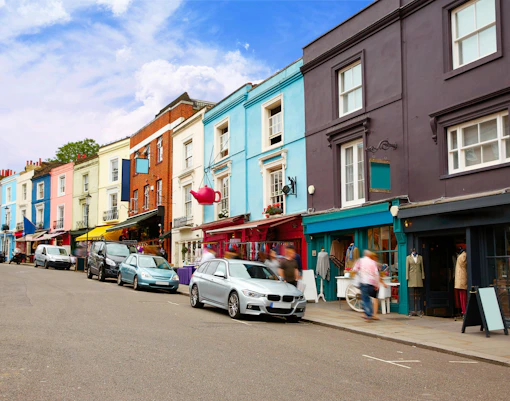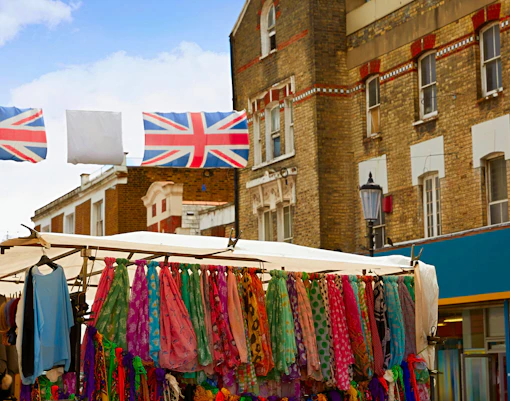
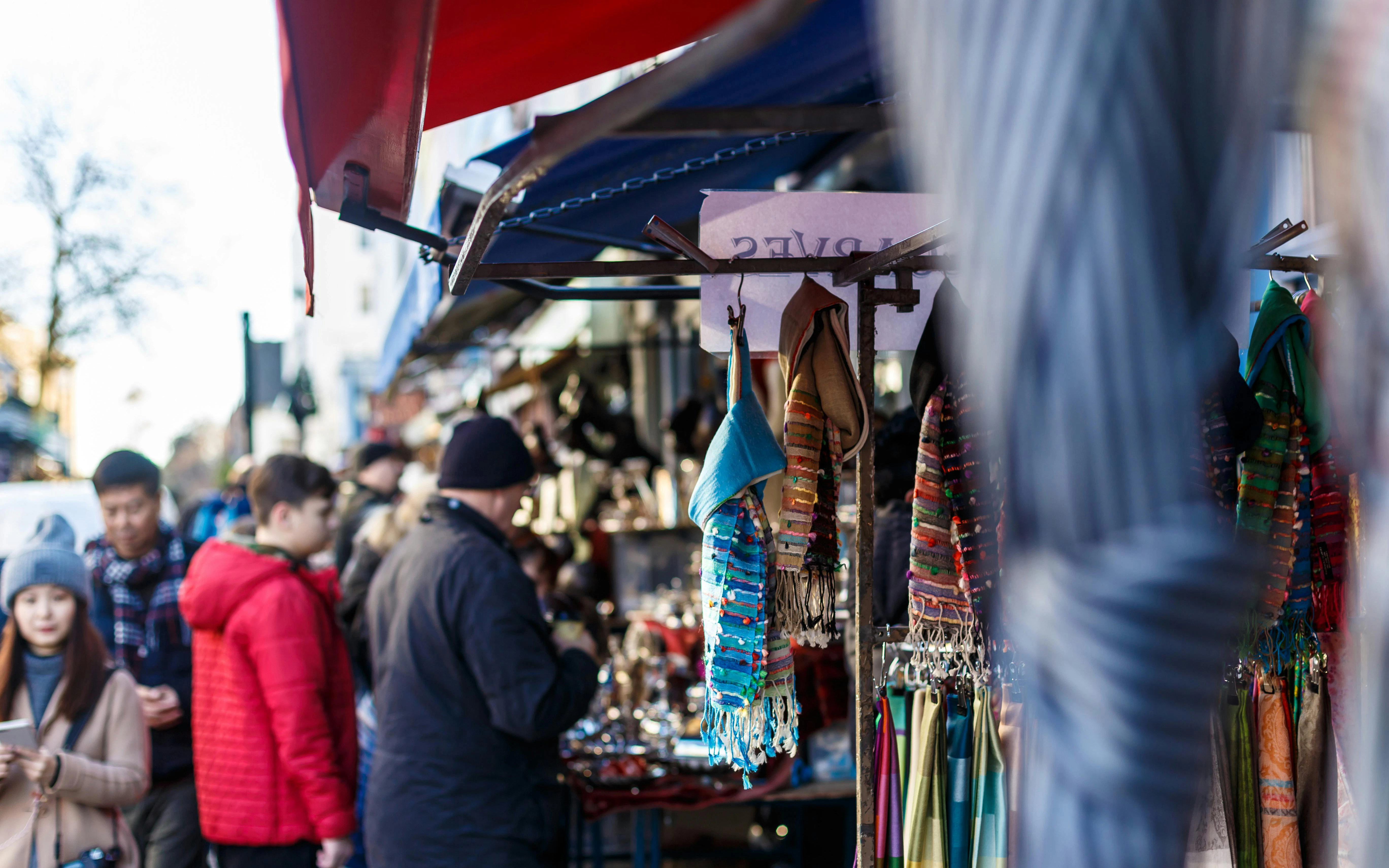
- Even without buying anything, the shopfronts, fruit stalls, old pub signs, and changing street character from south to north make this a strong free walk.
- Best for: Budget travelers, photographers, repeat visitors.
- Duration: 45–90 minutes.
Neighborhood at a glance
- Why visit: Portobello Road Market, pastel terrace houses, independent shops on Westbourne Grove, and the neighborhood’s Caribbean history give west London one of its most recognizable street scenes.
- Atmosphere: Residential, polished, market-led, photogenic.
- Top things to do: Browse Portobello Road Market, photograph Lancaster Road, visit the Museum of Brands, walk Westbourne Grove.
- Best for: Repeat London visitors, shoppers, architecture fans, relaxed half-day wanderers.
- Time needed: 2–4 hours.
- Best time to visit: Weekday mornings for quieter streets and house photos; Saturday before 11am if you want the market at full stretch.
- Nearby: Kensington Gardens, Holland Park, Museum of Brands, Electric Cinema, Westbourne Grove, Ladbroke Grove.
Top things to do in Notting Hill
Quick navigation
🏛️ Why visit | 🎟️ Best ways to explore |🧭 Plan your visit | 🌟 Free things to do | 📋 Itinerary | 💡 Tips | 🍴 Dining
Why visit Notting Hill
1/5
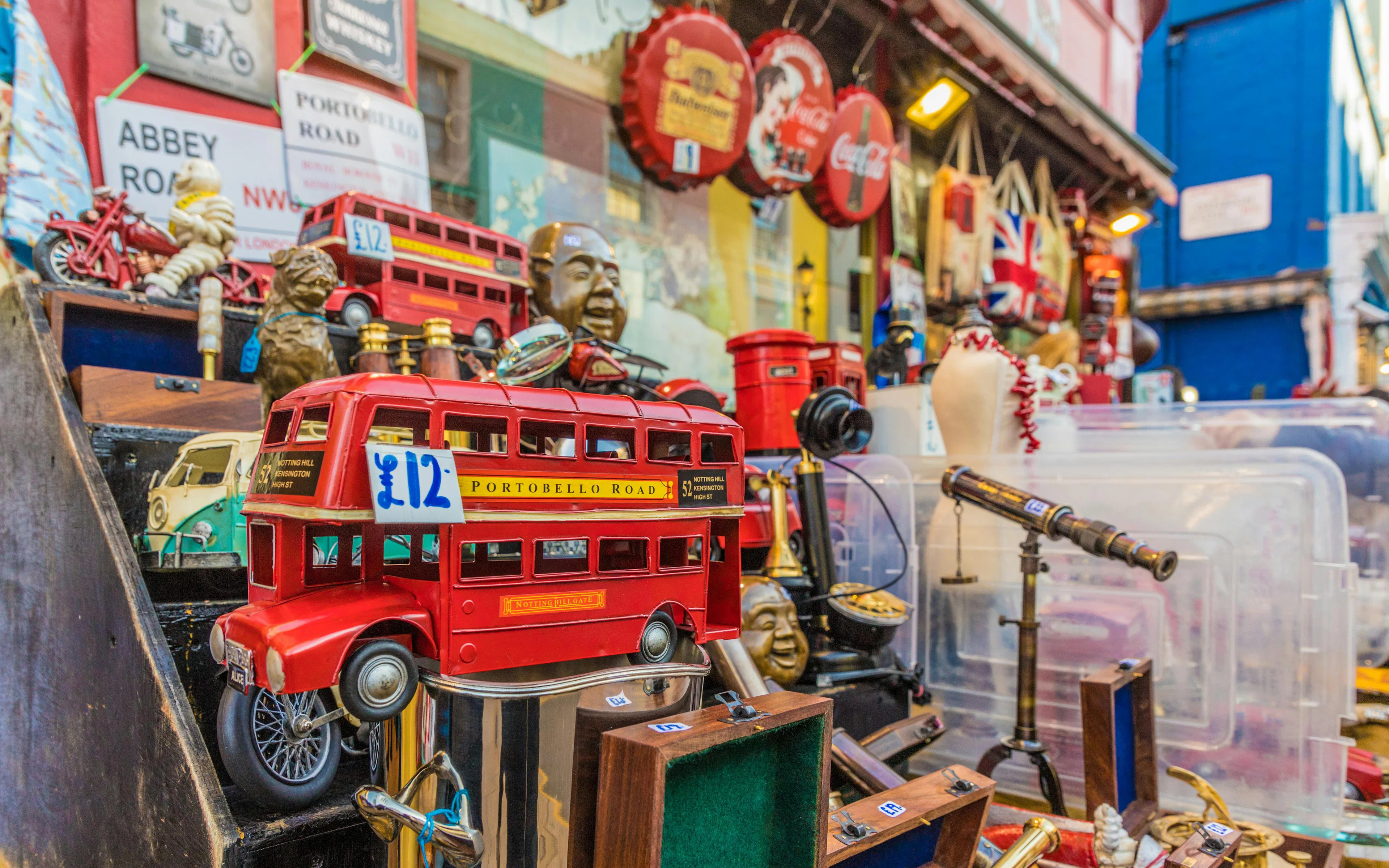
Portobello Road packs most of the area into one walk
From Notting Hill Gate up to Golborne Road, you can cover antiques, vintage shops, fruit stalls, pubs, and bakery stops without ever leaving the main street grid. It works well for travelers who want a neighborhood they can understand quickly on foot.
The housing stock is the attraction
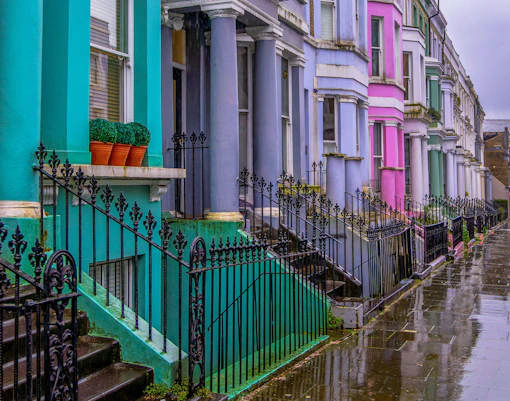
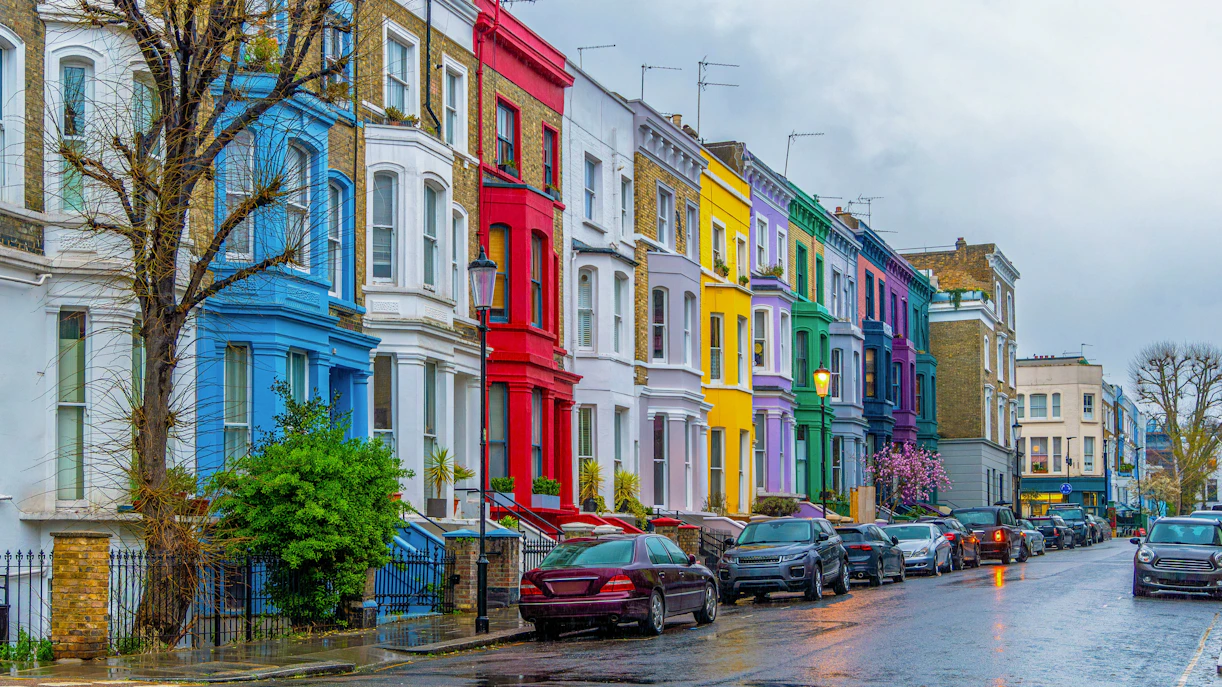
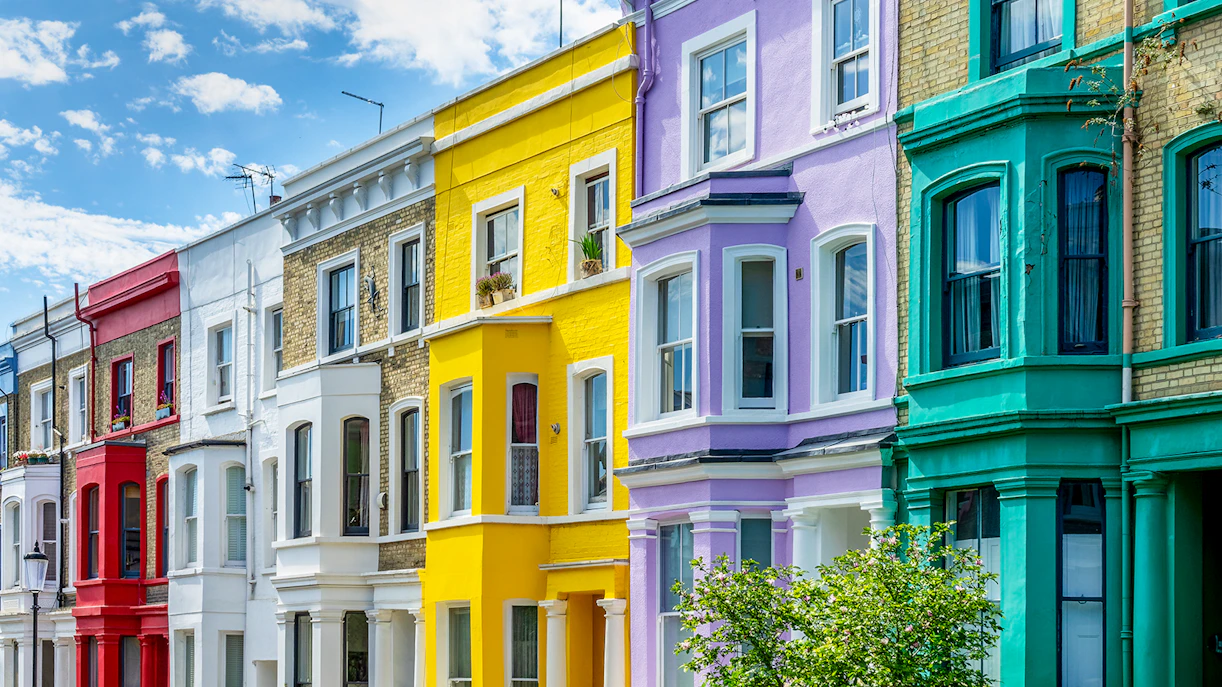
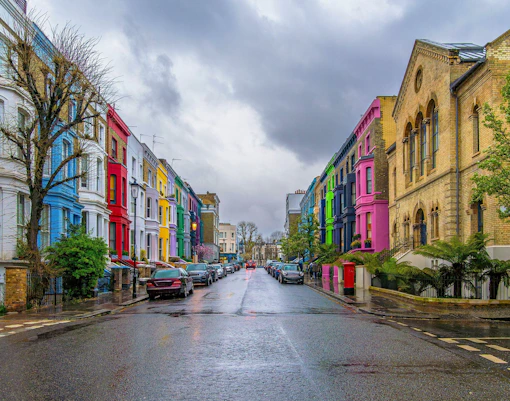
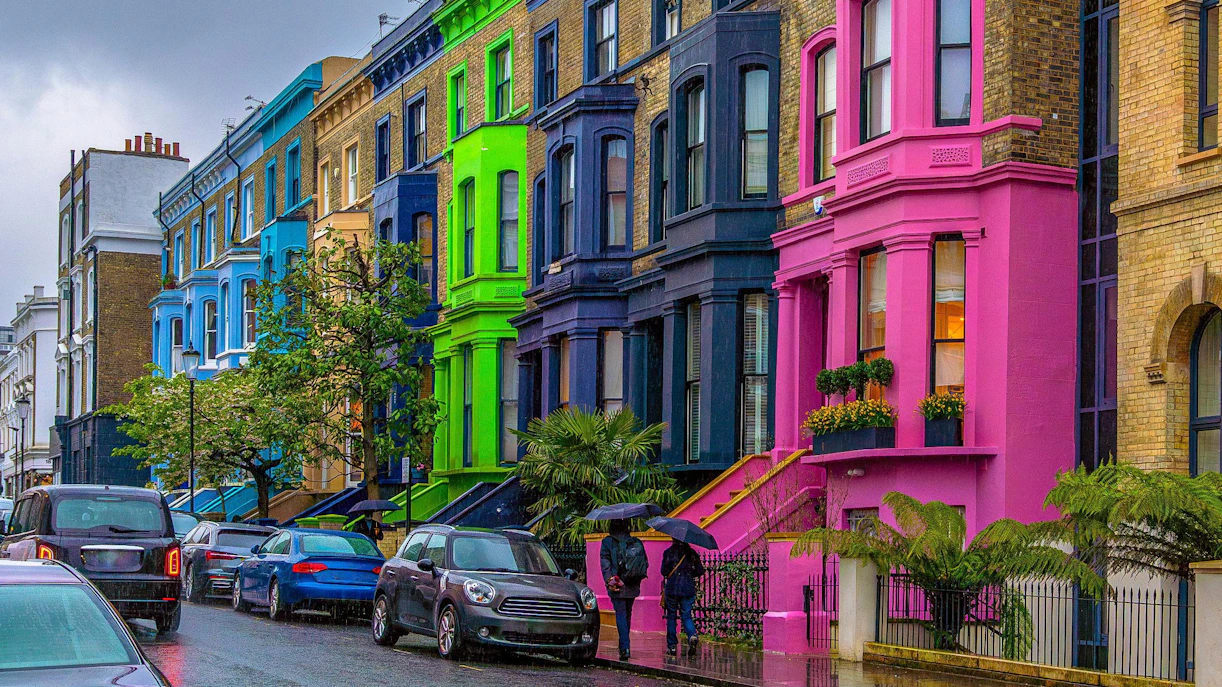
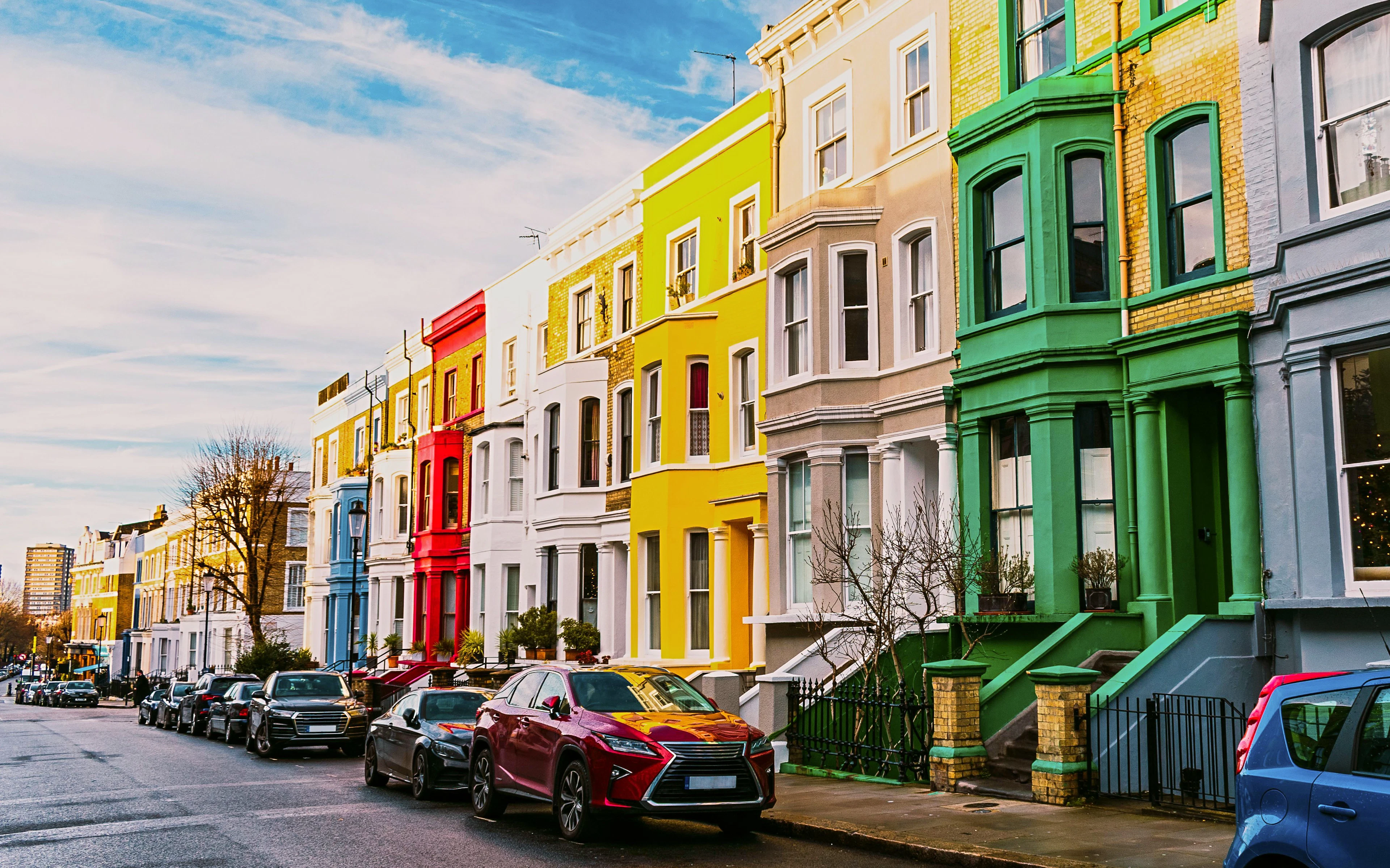
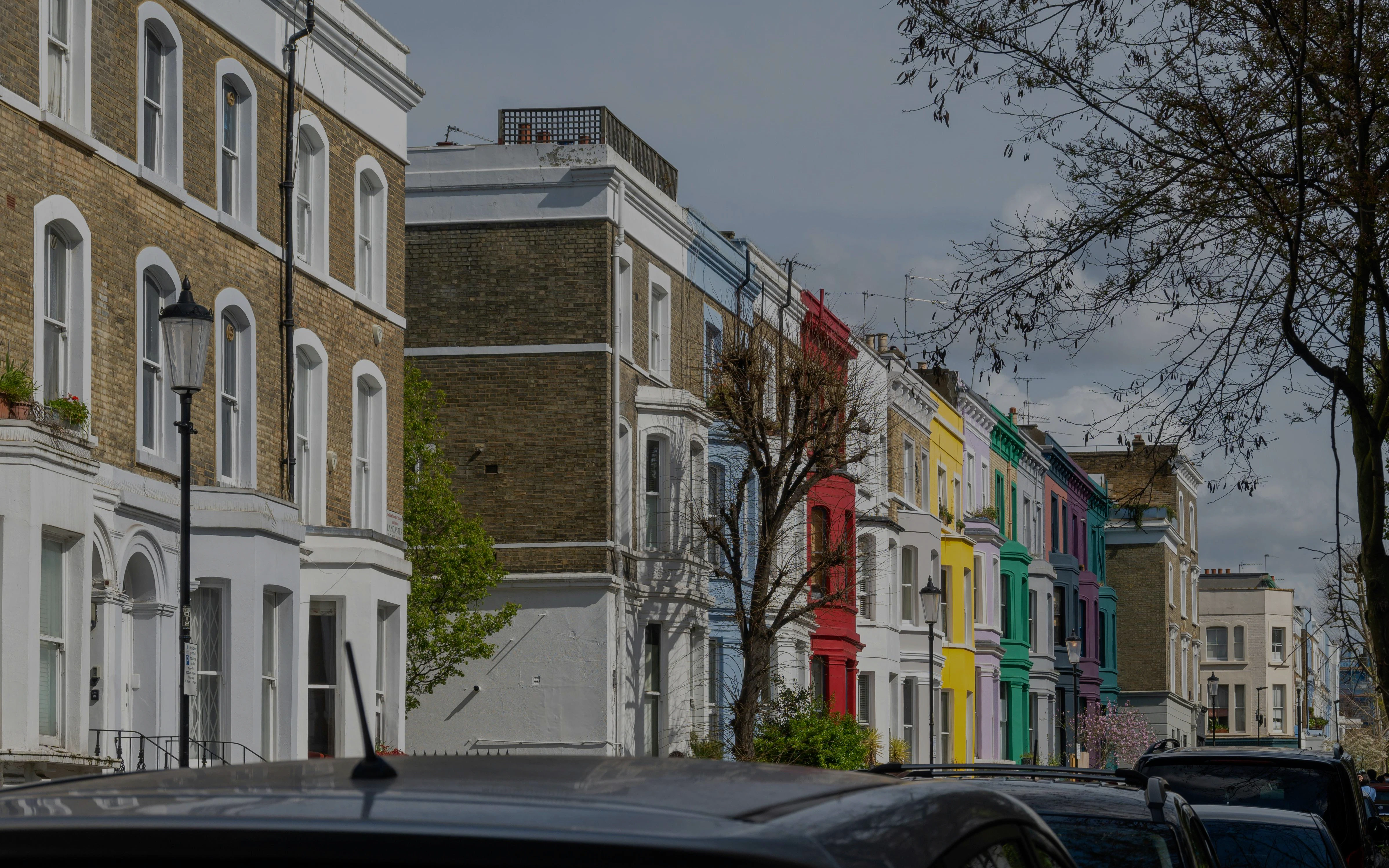
Lancaster Road, Elgin Crescent, and the side streets off Westbourne Grove are full of stucco-fronted Victorian terraces painted in mint, blue, pink, and cream. Even when you’re not shopping, the walk itself gives you enough to stop for.
Notting Hill Carnival changed the area’s public identity
Since the 1960s, Carnival has turned the neighborhood into the center of London’s Caribbean street culture every August Bank Holiday weekend. Even outside festival days, that history still shapes the area’s food, music memory, and street names people associate with it.
It gives you a softer version of central London
You still get Tube access from Notting Hill Gate, Ladbroke Grove, and Westbourne Park, but the day feels less monument-driven than Westminster or the South Bank. That makes it a better fit for a slower half-day between bigger sights.
You can switch from market streets to parkland fast
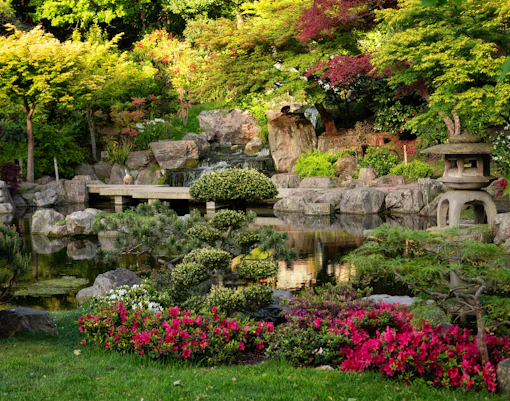
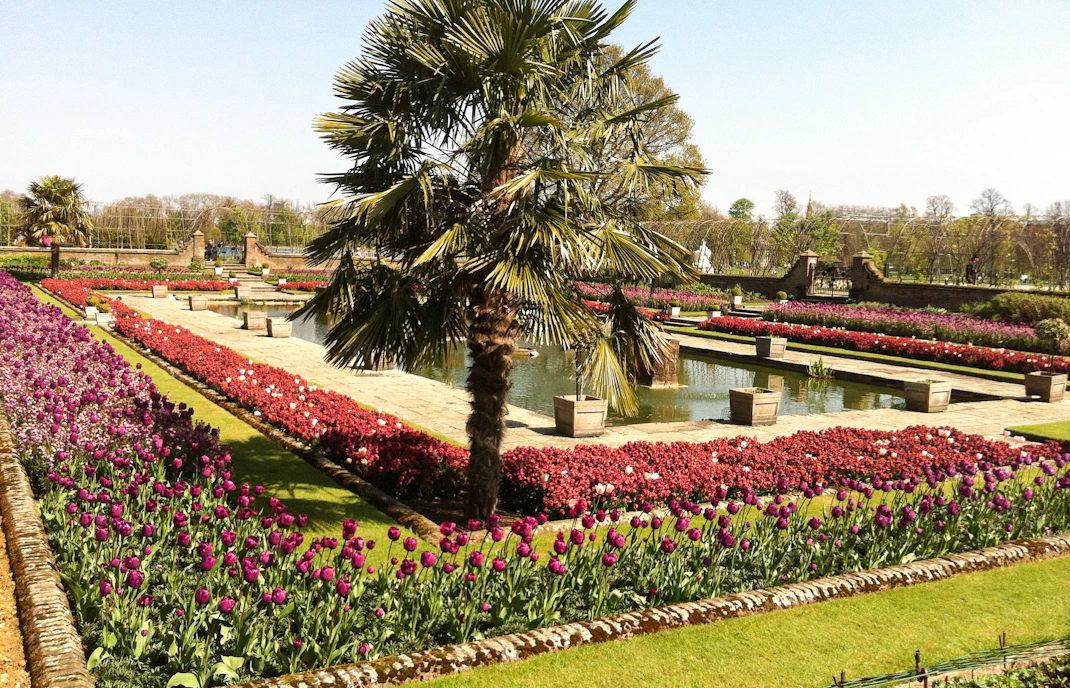
Holland Park and Kensington Gardens sit close enough that you can move from dense market traffic to tree-lined paths in under 15 minutes. That contrast is useful if you want shopping, lunch, and a quiet walk in one visit.
Best ways to explore Notting Hill
The most useful walking route here runs from Westbourne Park or Ladbroke Grove down through Golborne Road, Portobello Road, and the colored side streets around Lancaster Road and Elgin Crescent. A good guide adds context on Carnival, gentrification, and the film locations people usually misidentify.
Food-focused visits work best around Golborne Road and Westbourne Grove, not the busiest middle section of Portobello. Expect a mix of bakeries, modern British brunch spots, Middle Eastern cafés, and long-running local pubs rather than one single market-hall format.
The cleanest neighborhood combo is Portobello Road Market + Museum of Brands because they sit close together and balance outdoor browsing with an indoor stop. If you want a longer west London day, add Holland Park or walk south toward Kensington Gardens.
Book Guided Walking Tour of Royal Kensington
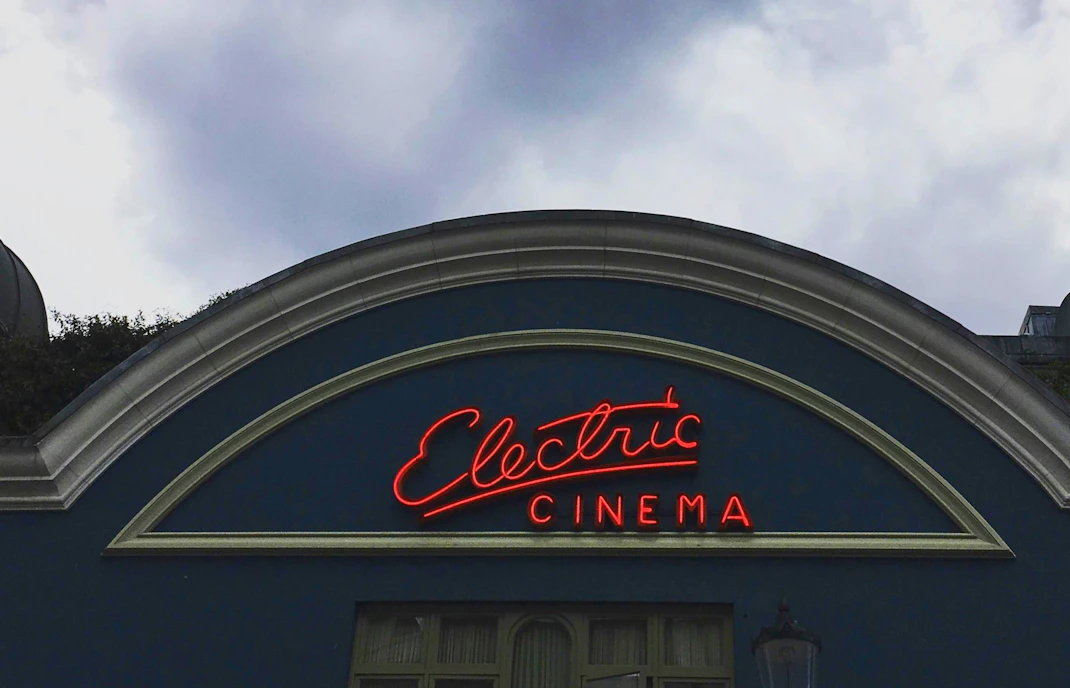
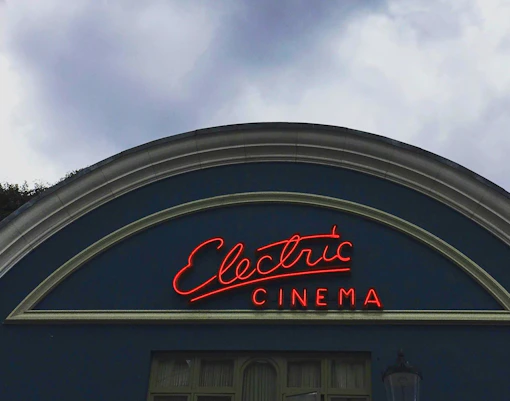
Notting Hill suits film-and-architecture wandering more than formal sightseeing: Electric Cinema, pastel house photography, and antiques hunting are the main draw. If you visit in late August, the neighborhood changes completely during Notting Hill Carnival, when street access and crowd levels become the story.
Plan your visit
Free things to do in Notting Hill
Suggested itinerary for visiting Notting Hill
Notting Hill is easy to cover on foot because the main interest points sit along a north-south spine around Portobello Road. The cleanest visits work by entering at one end, making a few side-street detours, and finishing near Westbourne Grove or Holland Park.
Tips for visiting Notting Hill
- On Saturday, don’t enter Portobello Road from Notting Hill Gate if you hate crowds. Start at Westbourne Park and walk south so you’re moving with the market instead of fighting it.
- If you want antiques rather than general market noise, focus on the middle-to-southern Portobello stretch early in the day. Later on, the browsing slows because the road gets too compressed.
- The best food stops are usually off the main market line. Use Golborne Road for quick, casual eating and Westbourne Grove for sit-down cafés and restaurants.
- Don’t linger too long in front of the colored houses on Lancaster Road. You’ll get better photos by framing quickly and moving on, and residents are less likely to have to step around you.
- If rain starts, switch immediately to the Museum of Brands or Electric Cinema instead of trying to wait it out under shop awnings. Both are close enough to save the visit without a long detour.
- Notting Hill is wider than people think. Walking from Notting Hill Gate up to Golborne Road with side-street detours can easily take 45 minutes before you’ve stopped anywhere.
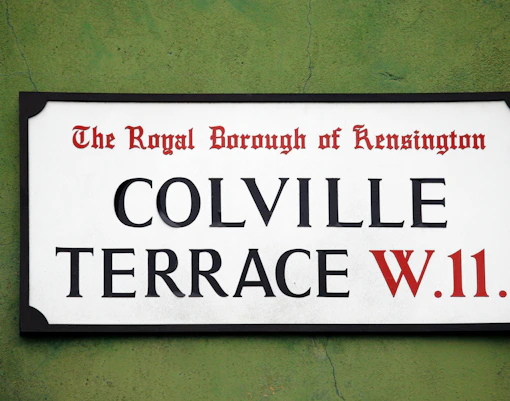
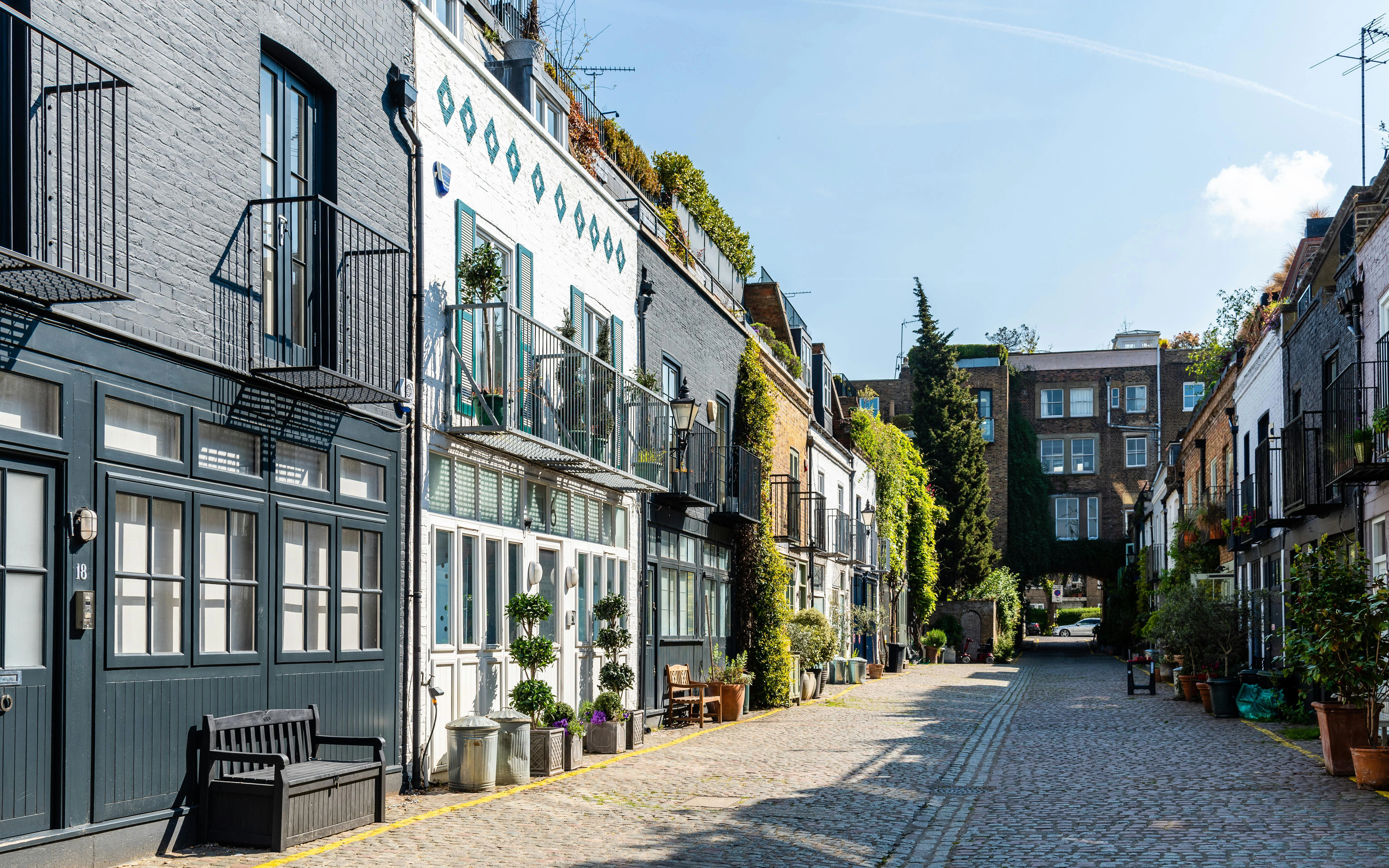
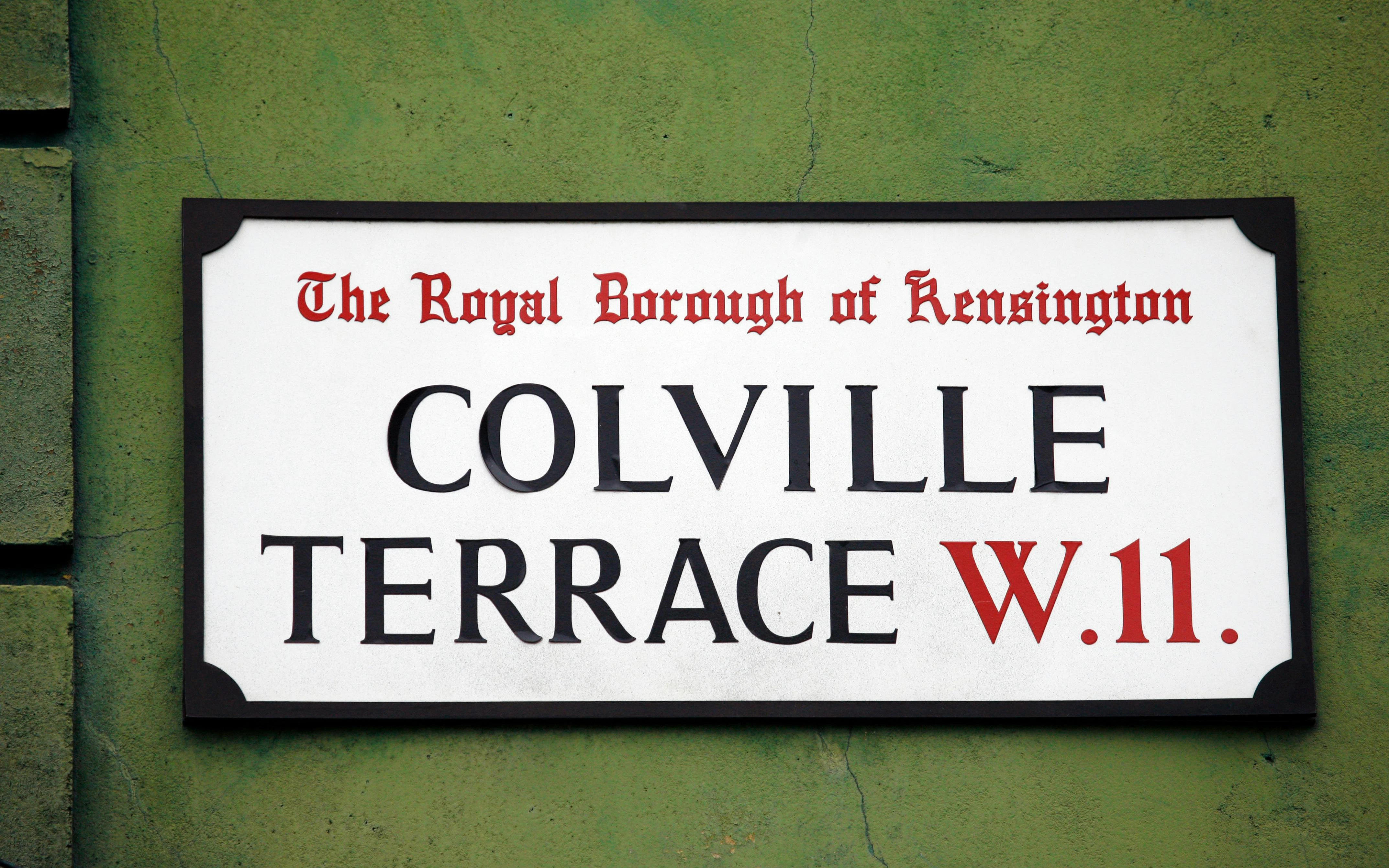
- For a quieter photo route, use Elgin Crescent, Colville Terrace, and St Luke’s Mews after your main market pass. Most visitors stay glued to Portobello and miss the residential streets behind it.
- If you’re pairing Notting Hill with central sightseeing later, leave by Notting Hill Gate rather than Ladbroke Grove. The transport connections are better for moving east across London.
Best photo spots in Notting Hill
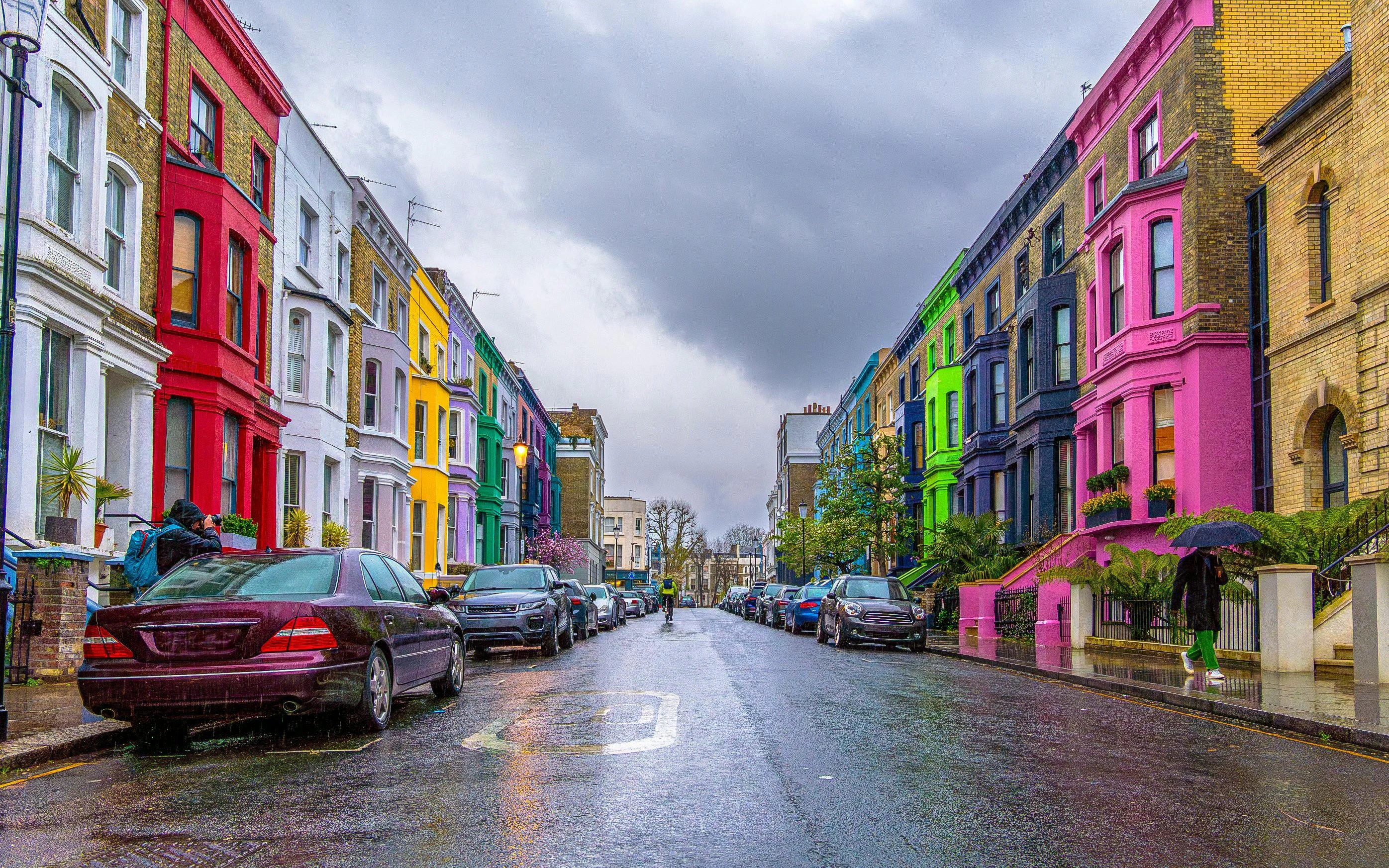
Lancaster Road west of Portobello Road in the morning
Stand on the north pavement and shoot along the row rather than straight into individual façades.
Dining in Notting Hill
Should you stay in Notting Hill?
Short answer: Yes, if you want a west London base with good transport, good food, and a calmer day-to-day feel than the West End. The trade-off is price: you’re paying townhouse-neighborhood rates, not bargain-central London rates.
- The vibe — Early mornings and evenings feel residential, especially off Elgin Crescent, Pembridge Villas, and the side streets behind Westbourne Grove. You’ll hear restaurant traffic and pub spill from a few main roads, but most blocks quiet down fast after dinner.
- The logistics — Accommodation here leans toward boutique hotels, serviced apartments, and converted townhouses rather than big hotel clusters. You’ll find easier Tube access near Notting Hill Gate, but room rates are usually higher than in Paddington or Bayswater.
- Who it’s for — This suits couples, repeat London visitors, shoppers, and families who want parks and restaurants nearby. It’s less useful for tight-budget trips, heavy nightlife schedules, or travelers who want to walk to the big central monuments every day.
- Top recommendation — Book around Westbourne Grove or the streets between Notting Hill Gate and Ledbury Road if you want the best balance of restaurants, transport, and pleasant walking. Look for boutique hotels or apartment-style stays rather than large chains.
Explore other neighborhoods in London
Frequently asked questions about Notting Hill
No. Saturday is best if you specifically want the full Portobello Road Market setup, especially the antiques stretch, but weekdays are better for walking, photography, and actually seeing the neighborhood beyond the crowd. If house fronts, cafés, and quieter streets matter more than stalls, weekdays are the stronger choice.
Notting Hill is the neighborhood; Portobello Road is its best-known market street. Many visitors say they’re “going to Portobello” when they really mean a wider area that also includes Westbourne Grove, Lancaster Road, and the surrounding residential streets.
Not in the form people usually expect. You’ll find shops and some street activity through the week, but the full antiques-market feel is strongest on Saturday. If you come midweek, treat it as a neighborhood street with shops rather than a full event.
You can do it cheaply if you mostly walk. A typical half-day might look like: Tube travel £5.60–£8.50, coffee and pastry £6–£10, casual lunch £12–£20, and Museum of Brands entry extra if you add it. Shopping and antiques are the real budget variable here.
Only if Carnival itself is the reason you’re coming. During August Bank Holiday weekend, this stops being a casual neighborhood walk and turns into a major street event with barriers, route controls, and very large crowds. If you want colored houses and relaxed browsing, pick another weekend.
Yes, but only if you shift the plan. In rain, use Museum of Brands, Electric Cinema, and the cafés on Westbourne Grove instead of trying to make the market work. The neighborhood doesn’t stop functioning in bad weather, but the outdoor appeal drops quickly.
Yes, easily. They sit close enough that you can do Portobello Road in the morning, lunch on Westbourne Grove, then walk or ride east toward Kensington Gardens and the museum district. It’s one of the cleaner west London pairings.
It can be, but weekdays are far easier than Saturdays. The main issue isn’t hills; it’s crowd density on Portobello Road during peak market hours. If you’re visiting with a stroller, pair a short market pass with Holland Park or Kensington Gardens instead of forcing a long Saturday browse.
Head off the main market line to Elgin Crescent, Colville Terrace, and the residential blocks behind Westbourne Grove. You still get the terrace-house architecture people come for, but without the constant stall traffic and stop-start movement.
Not really. People often compress the film version of Notting Hill into one block, but the look most visitors want comes from a mix of Portobello Road, St Luke’s Mews, and the surrounding side streets. It’s better approached as a walking area than a single pinpoint stop.