Plan your visit to Tate Modern

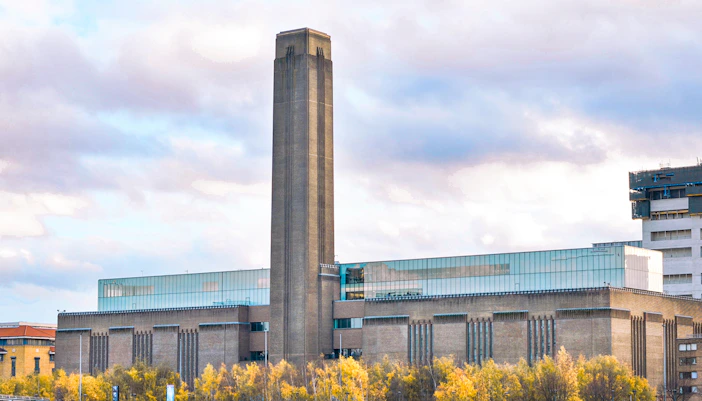
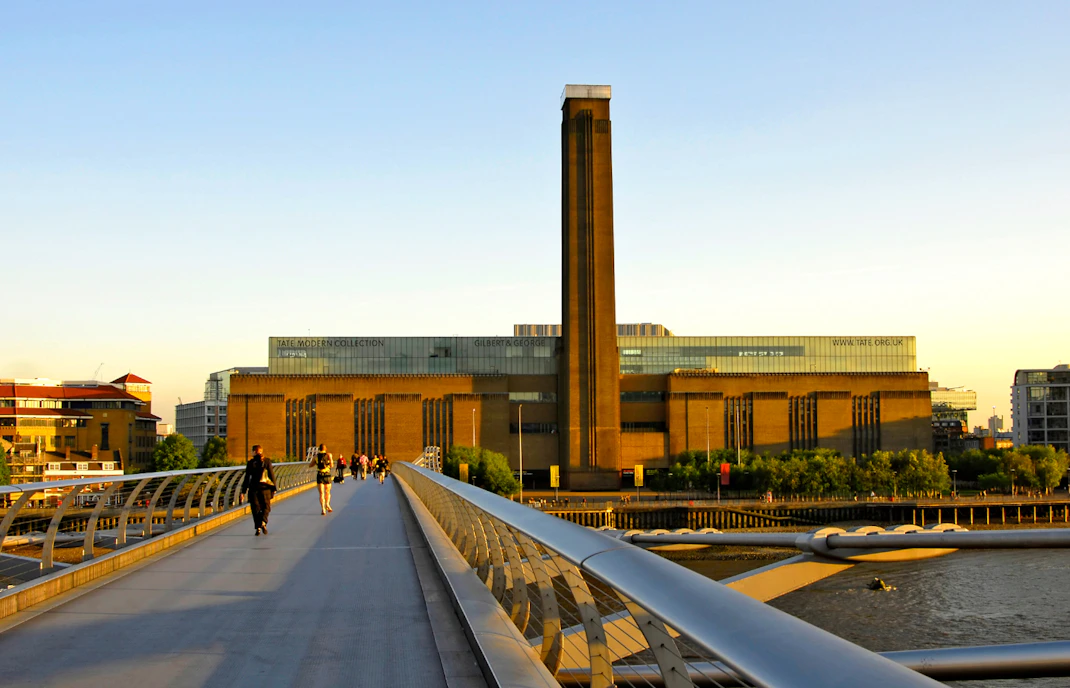
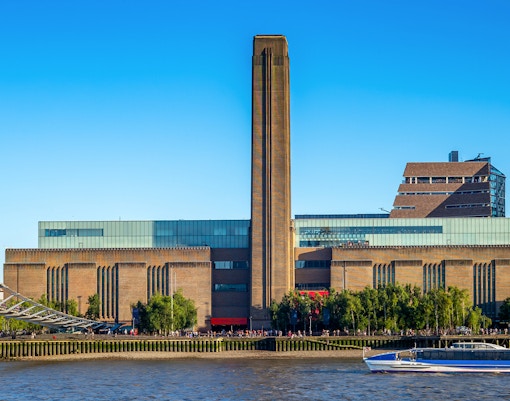
Tate Modern is a free modern art museum across two interconnected buildings on the south bank of the Thames, with paid exhibitions and a guided tour layered on top. The permanent collection spans multiple floors organised by theme rather than chronology, which makes a route worth planning. Weekends see long queues at the riverside Turbine Hall entrance, but the Blavatnik Building on Park Street is almost always quieter. This guide covers timings, entrances, tickets, and what to slow down for.

Tate Modern at a glance

The permanent collection is free, but the scale and layout catch most visitors off-guard. Here is what to know before you arrive.

  • When to visit: Open Sunday to Thursday 10am to 6pm and Friday to Saturday 10am to 9pm; Tuesday to Thursday mornings are the quietest windows.
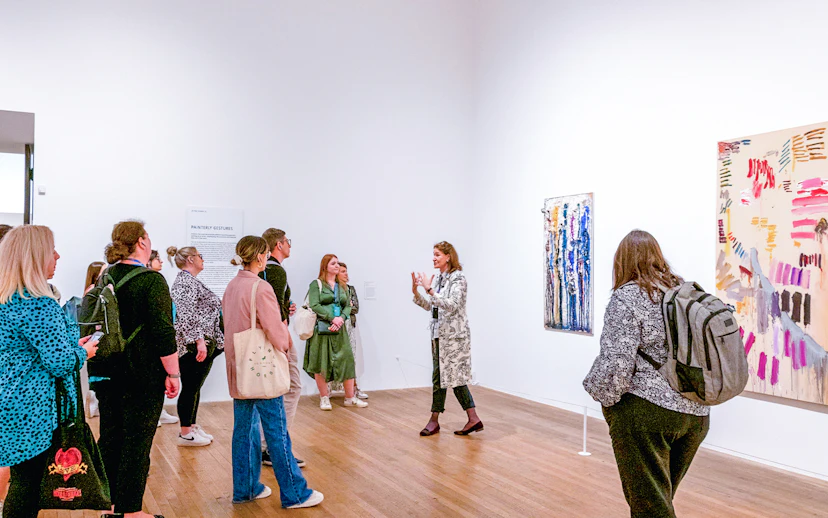
  • Getting in: Free entry to the permanent collection; the Discovery Tour from £25 gives expert-guided access to the highlights.
  • How long to allow: 2 to 3 hours for the permanent collection; 4 to 5 hours for a full visit that includes a paid exhibition.
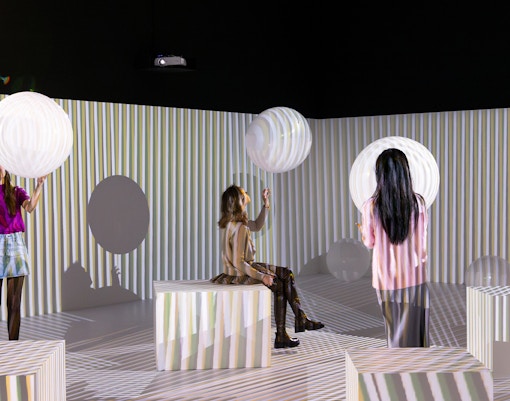
  • What most people miss: The Tanks, the oil-tank basement in the Blavatnik Building, which hosts free live art and immersive installations and is easy to miss without knowing it exists.
  • Is a guide worth it? Yes on a first visit, because the thematic layout makes expert context genuinely useful and changes what you see.

Jump to what you need

Where and when to go

Friday and Saturday late hours are the most underused advantage at Tate Modern

The museum stays open until 9pm on Fridays and Saturdays, and crowd levels in the main galleries drop noticeably after 6pm on those days. If a weekday morning visit is not possible, a Friday or Saturday evening arrival gives you a quality of experience that a weekend afternoon does not.

How much time do you need at Tate Modern?

Visit typeRouteDurationWalking distanceWhat you get

Snapshot visit

Turbine Hall → Level 2 permanent collection galleries → Blavatnik Building viewing terrace

1 to 2 hours

~1.5 km

The main permanent collection highlights and the free Level 10 terrace; skips the Tanks, deeper collection floors, and paid exhibitions

Balanced visit

Turbine Hall → Natalie Bell Building galleries (Levels 2 to 4) → Blavatnik Building contemporary galleries

3 to 4 hours

~2.5 km

The full permanent collection across both buildings with time to linger at individual works; skips the Tanks and paid exhibitions

Full exploration

Turbine Hall → Natalie Bell Building galleries → Blavatnik Building galleries → Tanks → Blavatnik viewing terrace → Paid exhibitions (if applicable)

5 to 6 hours

~4 km

Everything Tate Modern contains in one day, including the Tanks and the Level 10 terrace; the total volume of works is significant and the route requires stamina

Which ticket does your route need?

The snapshot and balanced routes work entirely on free entry, with no booking required. A paid exhibition adds a ticket, and the Discovery Tour covers the highlights route with expert commentary.

The full exploration route covers multiple floors across two buildings, with the collection arranged thematically rather than by artist, which makes context harder to build on your own.

Which Tate Modern experience is best for you

Experience typeWhat's includedBest forPrice range

Permanent collection (self-guided)

Full access to all galleries across both buildings, the Turbine Hall, the Tanks, and the Level 10 terrace

Visiting at your own pace without a fixed schedule, when you are comfortable navigating a thematically arranged collection across multiple floors

Free

Tate Modern Discovery Tour

1-hour small-group guided tour (max 20 guests) of the permanent collection highlights with expert commentary in English

A first visit where the thematic and non-chronological layout makes self-guided orientation slow and where 60 to 90 minutes of expert context changes what you see

From £25

How do you get around Tate Modern?

💡 Pro tip: The Tanks are in the basement of the Blavatnik Building and are not visible from the main gallery floors. They have limited signage from upper levels. Navigate to them via the Blavatnik Building lift or stairs to the underground level specifically, rather than looking for signs from the permanent collection galleries.

Where are the masterpieces inside Tate Modern?

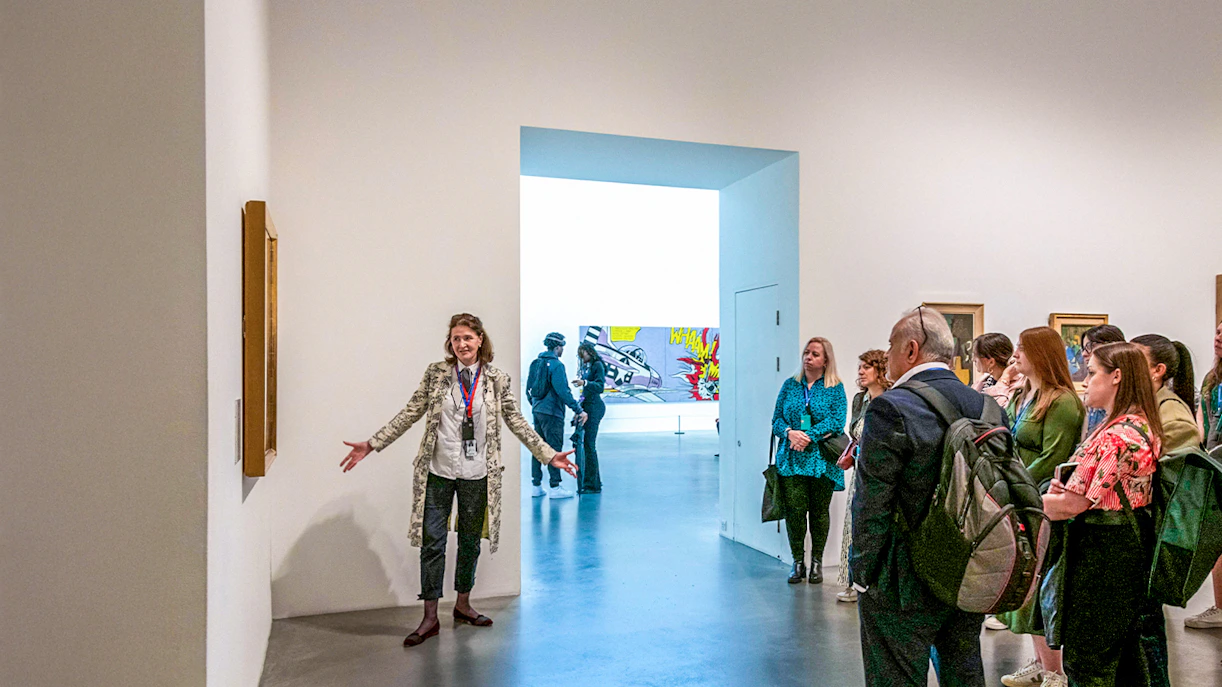
Guide explaining artwork during Tate Modern Discovery Guided Tour.
1/6

Marilyn Diptych

Artist: Andy Warhol Created in 1962, this work shows 50 silk-screened images of Marilyn Monroe across two large panels: colour on the left, fading into black and white repetition on the right. The right panel, where the image progressively dissolves, is the one most visitors spend less time with, and it carries the work's meaning about celebrity and mortality more directly than the vivid left side. Worth standing in front of both panels separately.

Where to find it: Natalie Bell Building, Artist and Society galleries (Level 2)

Seagram Murals

Artist: Mark Rothko A series of large-scale dark paintings Rothko originally made for a New York restaurant, then withdrew after visiting the finished space. The canvases are deep reds and dark browns, and their scale means they occupy peripheral vision entirely when you stand close. Most visitors move past them quickly. The paintings repay ten minutes standing still, and change significantly at different distances.

Where to find it: Natalie Bell Building, Artists Rooms

Whaam!

Artist: Roy Lichtenstein Based on a DC Comics panel, this two-panel painting depicts a rocket-firing aircraft and a painted explosion. At nearly 4 metres wide, the scale is the point. Most visitors photograph it from a distance; the brushwork in the dots and outlines repays closer inspection. The source comic panel is often displayed alongside it, making the transformation from source to painting directly visible.

Where to find it: Natalie Bell Building, Level 2 permanent collection galleries

IKB 79

Artist: Yves Klein One of several monochromes Klein produced using International Klein Blue, the deep ultramarine pigment he patented in 1960. Klein used synthetic resin rather than oil to suspend the pigment, which preserves an intensity that oil would have deadened. The colour is significantly more vivid in person than in any reproduction, and noticeably different from standard ultramarine paints.

Where to find it: Natalie Bell Building, Materials and Objects galleries

Babel Tower

Artist: Cildo Meireles A cylindrical tower built from hundreds of stacked radios, each tuned to a different station. The overlapping voices, music, and sounds in multiple languages are as much the work as the form. The title references the biblical Tower of Babel and the confusion of languages. Often passed quickly by visitors who encounter it from a distance without standing within its radius of sound.

Where to find it: Natalie Bell Building, Media Networks galleries

L'Escargot (The Snail)

Artist: Henri Matisse One of Matisse's last works, made from cut and painted paper when he could no longer paint standing up. The large-scale composition arranges coloured shapes in a spiral that becomes apparent only when you know to look for it. In reproduction it reads as abstract; in person the scale and the spiral arrangement become clear. The title refers to the spiral structure, not a literal depiction of a snail.

Where to find it: Natalie Bell Building

The Tanks are below the Blavatnik Building

💡 The Tanks are accessed from the basement level of the Blavatnik Building and have minimal signage from the upper gallery floors. First-time visitors routinely miss them entirely. They host free live art and immersive installations that are usually uncrowded even when the rest of the museum is busy.

Facilities and accessibility

Rules and restrictions

Practical tips

  • Weekends see the longest queues at the Turbine Hall riverside entrance, with Saturday afternoons often producing 40 to 60 minute waits. The Blavatnik Building entrance on Park Street is almost always clear at any time of day. Entering there places you directly in the contemporary galleries and bypasses the main crowd entirely.
  • The permanent collection contains over 500 works on display at any time, arranged across ten themed galleries rather than by artist or chronology. Grab a free map at the information desk before you start. Knowing in advance that Warhol is in Artist and Society and Rothko is in Artists Rooms saves significant backtracking.
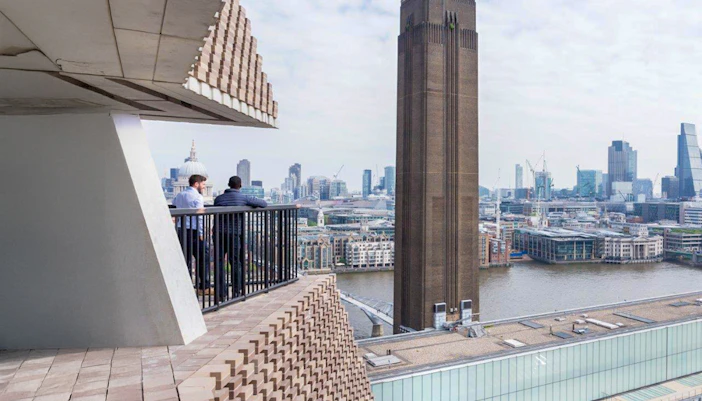
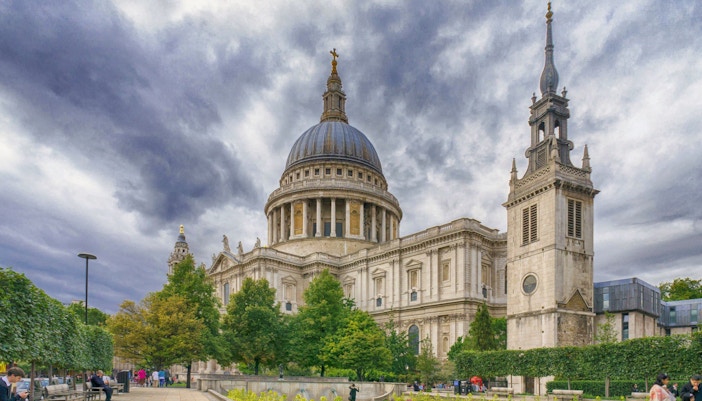
  • The Level 4 quiet room in Materials and Objects and the Level 10 viewing terrace are both consistently less crowded than the main galleries. The Level 10 terrace gives a direct view of St Paul's Cathedral and is better for photographs than ground level on the South Bank, without the crowds near the Turbine Hall entrance.
  • Food and drink are not permitted in the gallery spaces. Eating in the Turbine Hall or on the concourses before entering a gallery removes the need to leave mid-visit. The Espresso Bar on Level 3 of the Natalie Bell Building is the fastest option for a break without losing much time.
  • Some works in the collection include flashing lights, strobe effects, smoke, or loud sounds. The Tate website's visual story lists these; check before arrival if this matters for any member of your group.

What else is worth visiting nearby?

Eat, shop and stay near Tate Modern

Frequently asked questions about visiting Tate Modern

Most visitors spend 2 to 3 hours on the permanent collection at a comfortable pace. Adding a paid temporary exhibition extends that to around 4 hours. A complete visit that includes the Tanks and the Level 10 terrace can fill 5 to 6 hours.

More reads