The collection at Leavesden Studios comprises thousands of authentic items created over a decade of filming. Visitors can expect to see everything from tiny, hand-inked letters to massive mechanical constructs. These artefacts, dating from the production of The Philosopher’s Stone (2001) through The Deathly Hallows – Part 2 (2011), showcase the evolution of design in cinema. The collection highlights the incredible detail required for high-definition film, where even background items like potion jars were individually crafted to ensure a grounded, lived-in feel for the magical world.
Warner Bros. Studio Tour London props | What to see, highlights & more
The Warner Bros. Studio Tour London offers an unparalleled look at the craftsmanship of the Wizarding World. Explore the vast Harry Potter props collection that brought J.K. Rowling’s stories to life.
Discover the Harry Potter props collection
Harry Potter prop collection | What to look out for
Hero props
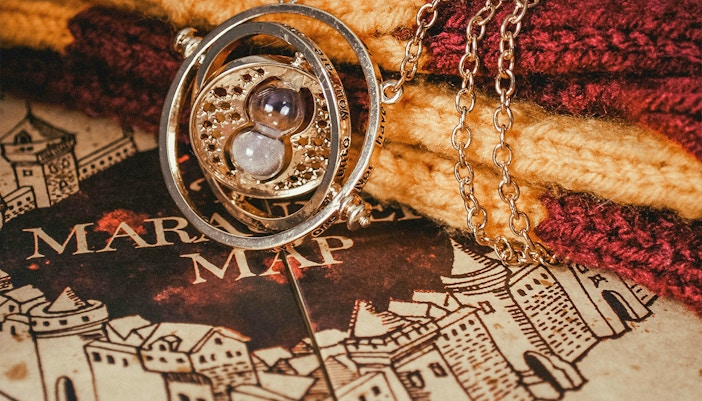
Hero props are the detailed versions of items intended for close-up shots. You will find the most iconic treasures here, such as the Sword of Gryffindor, encrusted with rubies, and the delicate, functional Time-Turner. These pieces often feature real materials like metal and glass to catch the light perfectly on camera.
Graphic art
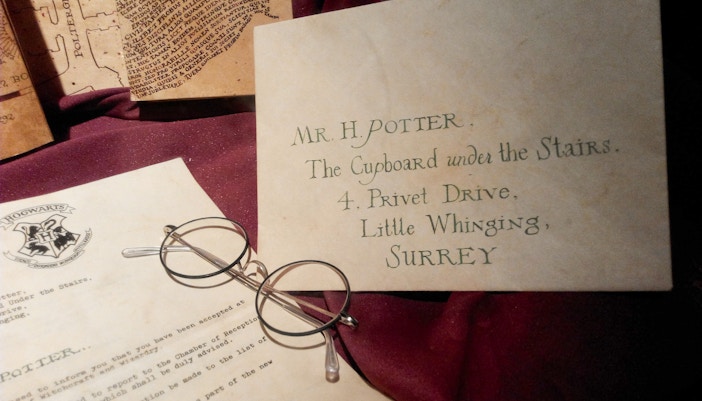
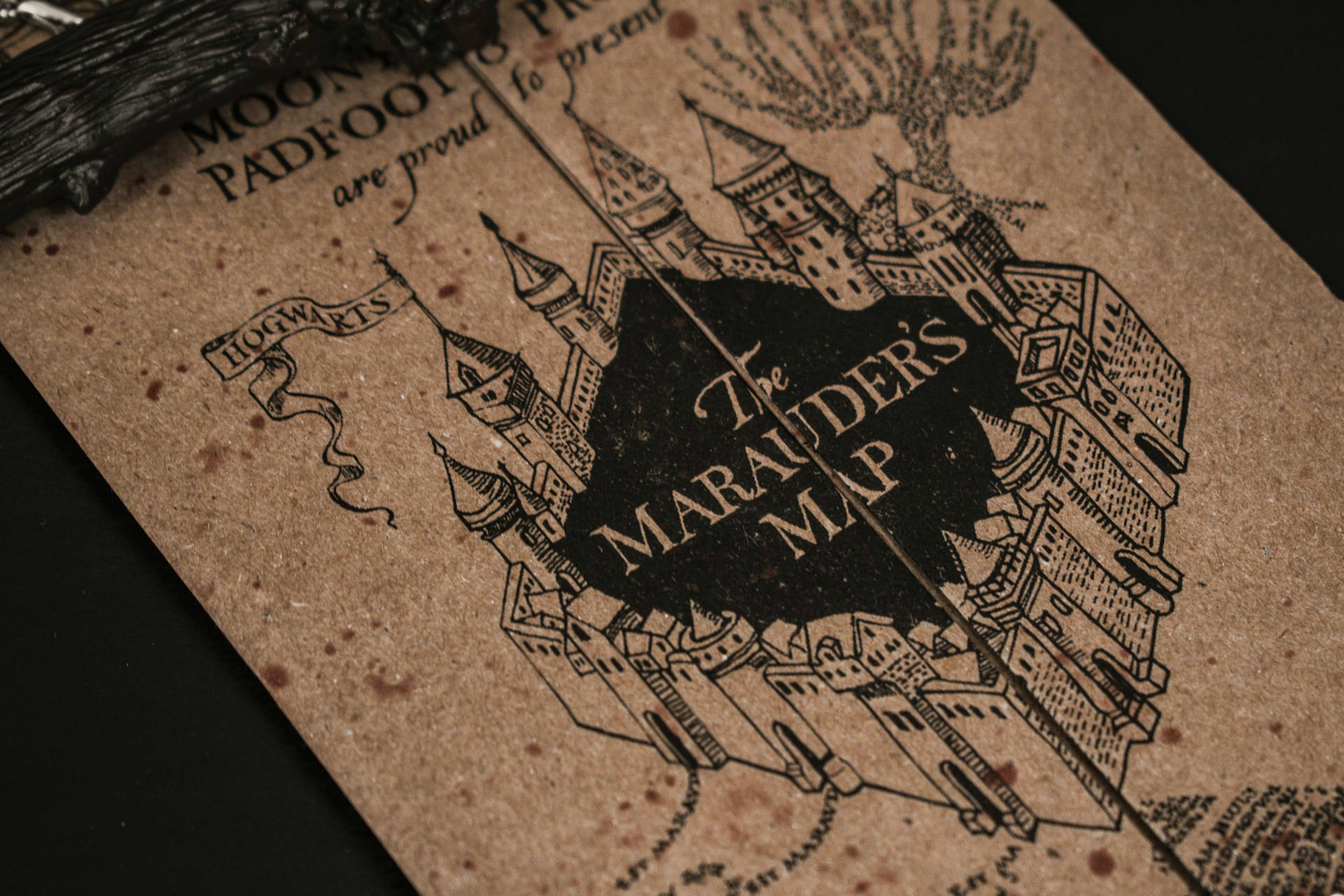
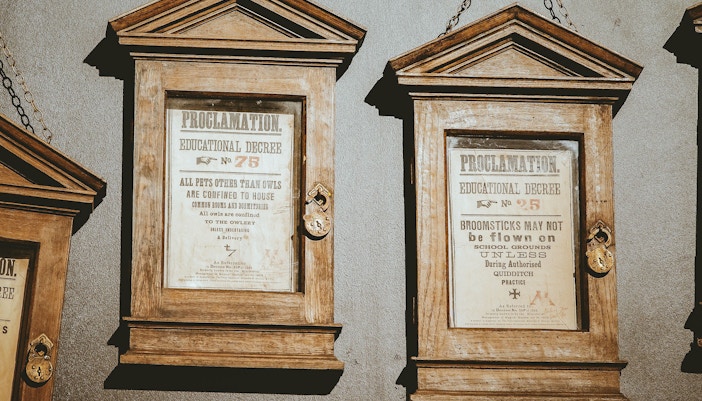
Designed by the duo MinaLima, this section features the printed matter of the wizarding world. Look for the Marauder’s Map, which required weeks of hand-inking, and the various editions of the Daily Prophet. Every headline, advert, and moving photograph was meticulously designed to build a plausible, magical society.
Wand collection
The tour features a dedicated space for the thousands of wands created for the cast. Each hero's wand was unique to the character’s personality; for instance, Horace Slughorn’s wand features a slug-like handle, while Bellatrix Lestrange’s has a curved, bird-like skeletal shape.
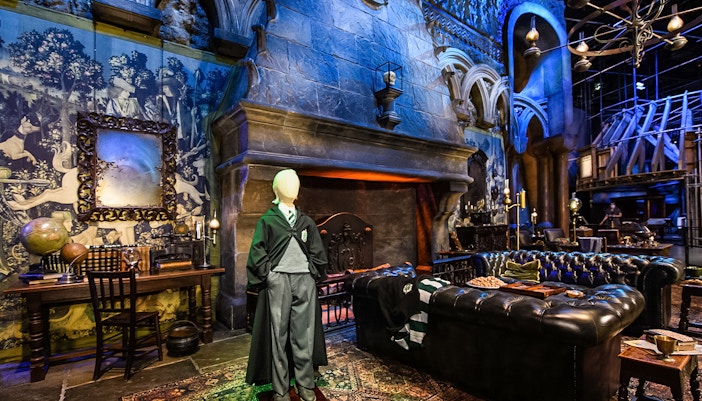
Set dressing & furniture
This category includes the mundane items that fill the sets. In the Potions Classroom, you will see over 17,000 hand-labelled jars containing unique ingredients like dried herbs and plastic lizards. In the Gryffindor Common Room, look for the worn-in furniture and the Howler Ron received from his mother.
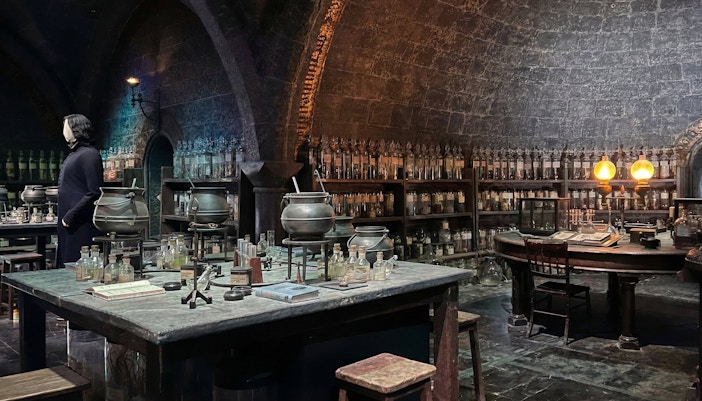
Mechanical & practical effects
Not all magic was CGI. Many props, like the self-stirring cauldrons or Lupin’s trunk, were rigged with hidden motors. These practical effects allowed actors to interact with magic in real-time, providing a seamless sense of realism that defines the film series.
Iconic Harry Potter props
1/9
The Marauder’s Map
Hand-inked by designers Miraphora Mina and Eduardo Lima, this map features intricate folds and hidden details that reveal the entire layout of Hogwarts.
Artist: MinaLima (2004)
Location: The Gryffindor Common Room
The Sword of Gryffindor
A stunning piece of craftsmanship made with real silver and inset rubies, designed to look like a genuine medieval artefact.
Artist: Pierre Bohanna & Props Team (2002)
Location: Dumbledore’s office
Time-Turner
Hermione’s delicate hourglass was fully functional with rotating rings, crafted to be lightweight enough for Emma Watson to wear comfortably.
Advanced Potion-Making (Snape's copy)
Look for the two versions—Snape’s heavily annotated copy filled with scribbles and a "new" version used by other students.
Artist: MinaLima (2009)
Location: The Potions Classroom
Triwizard Cup
Made from resin and faux crystal, this prop featured internal lighting to create its eerie blue glow for the Portkey scenes.
Artist: Prop Department (2005)
Location: The Trophy Room
Daily Prophet newspapers
Each issue features moving image illusions and unique headlines; dozens were printed with real stories and jokes to fill the background.
Spectrespecs
Luna Lovegood’s quirky eyewear was designed with iridescent lenses and colourful detailing using lightweight plastic and metallic foil.
Weasleys' Wizard Wheezes products
From Extendable Ears to Skiving Snackboxes, these vibrant props were hand-painted and branded with eccentric, magical packaging.
Quidditch equipment
Explore Quaffles, Bludgers, and broomsticks with authentic battle marks, built using foam and metal for safe stunt handling.
How the Props Department worked its magic
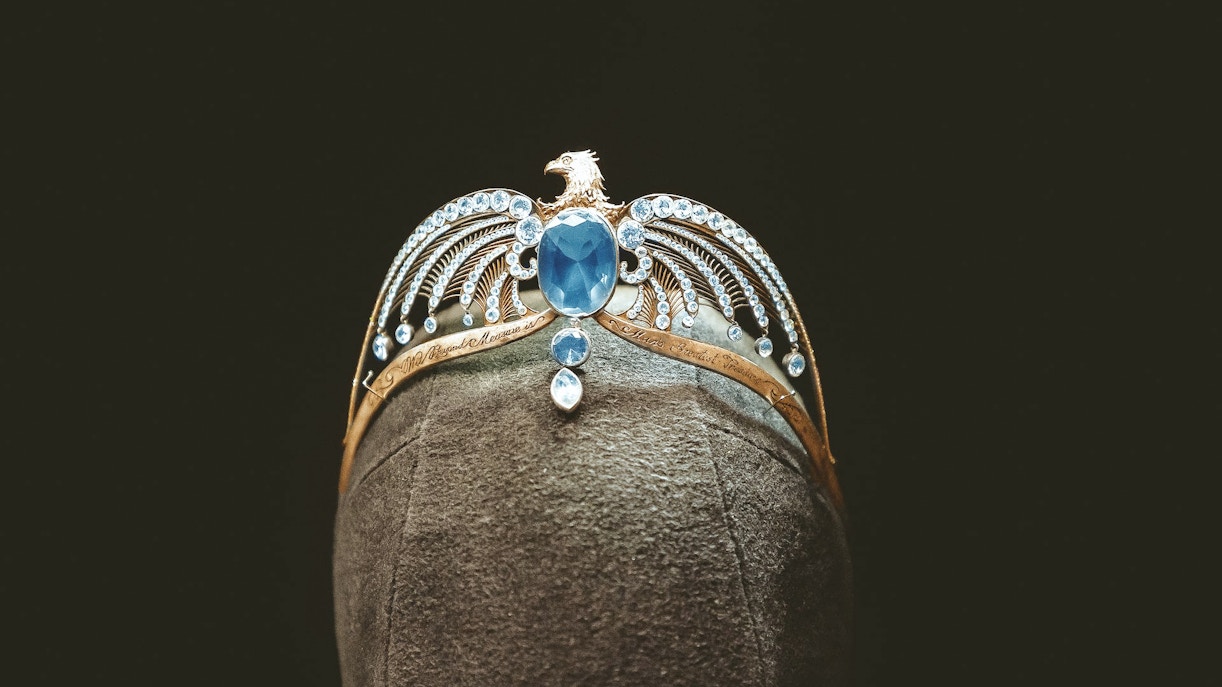
- Handcrafting vs. 3D printing: Props like the Triwizard Cup were handcrafted, while others, such as Spectrespecs, were 3D printed for uniformity across takes. Both methods allowed the team to achieve high detail, durability and repeatable results for scenes involving stunts or multiple copies.
- Real vs. fake materials: While some props used genuine materials, like real metal for goblets or glass for potion jars, others used fakes for practicality purposes. Food was often wax, and heavy-looking books were actually foam-filled to lighten actors’ loads during long shoots.
- Research behind authentic magical objects: Designers researched Victorian gadgets, Celtic symbols and antique weaponry to inspire magical object designs. The goal was to make props feel like plausible artefacts from a centuries-old wizarding world
Special effects & illusions
Behind every magical movement was practical ingenuity. Props were frequently rigged to move, glow or react in-camera, creating more immersive performances for the actors.
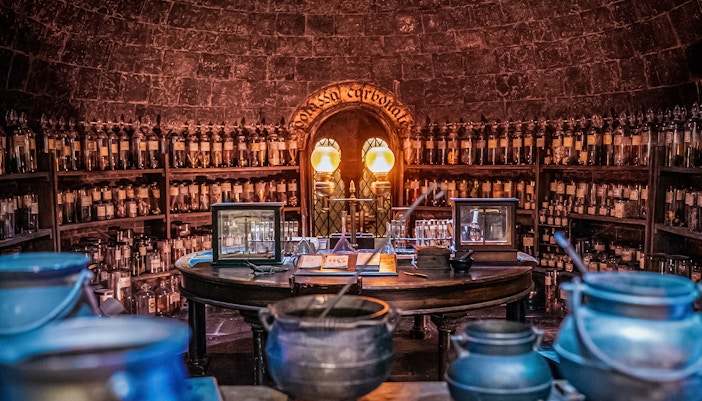
Self-stirring cauldrons
Props in Potions Classroom scenes often included cauldrons rigged with small motors underneath, allowing spoons to stir themselves without CGI. The motion was timed to match the actors' wand movements for seamless realism.
Talking photo frames
Some portraits used hidden screens with pre-recorded footage, while others had mechanisms that moved the eyes. Both techniques gave the illusion of a living artwork watching or interacting with characters.
Fake food for the Great Hall feasts
Feasts used wax and resin replicas for food during long shoots. These had to look appetising on camera and be durable enough to withstand heat from lighting and multiple takes.
Notable figures
Pierre Bohanna
The Head Prop Maker responsible for creating everything from wands to the golden snitch.
MinaLima
The graphic design duo who created the visual language of the Daily Prophet and the Marauder's Map.
Stuart Craig
The Academy Award-winning Production Designer who oversaw the look of every object.
Frequently asked questions about Harry Potter props
The collection includes hero props (close-up items), graphic art like newspapers and maps, textiles, wand craftsmanship, and complex animatronic or mechanical rigs used for practical on-set special effects.
The collection is immense, featuring hundreds of thousands of individual items. During the ten years of filming, the department created over 580 sets and thousands of unique pieces of furniture and hand-held artefacts.
Yes, the vast majority are the actual "hero" props used by the actors during the filming of the eight Harry Potter movies. However, a few are duplicates or made later using the same moulds and materials.
Yes. Many background items were reused with modifications. Books, potion jars and luggage appeared in multiple films with slight design changes.
The collection spans the entire production history of the film franchise, with the earliest props created in 1999 and 2000 for the first film and the final pieces completed for the series finale in 2011.
The Marauder’s Map was among the most complex due to its hand-inked details and the unique folding mechanism required for the screen.
Harry’s wand is one of the most featured props, appearing consistently across all eight films, often in close-up or action-heavy sequences.
While the Studio Tour houses a vast majority of the most famous items, thousands of smaller background props remain in deep storage or are occasionally rotated for special seasonal events like Dark Arts.
Yes. Some props were never shown publicly before the Studio Tour opened. A few were even rescued from storage or rebuilt just for display.
You may be seeing alternate versions, such as hero vs stunt props, or early designs used in initial scenes.
To preserve these delicate pieces of cinema history, touching is not permitted. However, some interactive areas offer replicas for taking photos.
Yes. Some props are rotated seasonally or for special events like Dark Arts or Hogwarts in the Snow.
Most visitors spend about 45 minutes specifically focusing on the smaller prop cases and the graphic art sections.
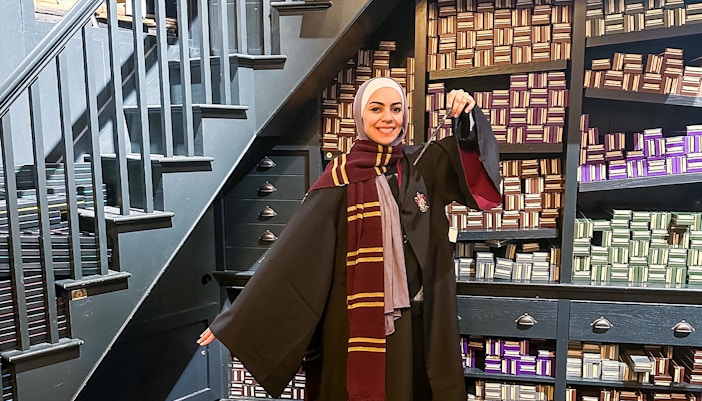
There is no official dress code, though many fans choose to wear their Hogwarts robes for photos next to the iconic props!
Absolutely. You can take photos of almost all props, but flash is discouraged to preserve delicate materials.
Yes, the Studio Shop offers high-quality, licensed replicas of wands, the Time-Turner, and the Marauder’s Map. They are not originals but are crafted to resemble them closely.


