Visiting Carisbrooke Castle: Your practical guide
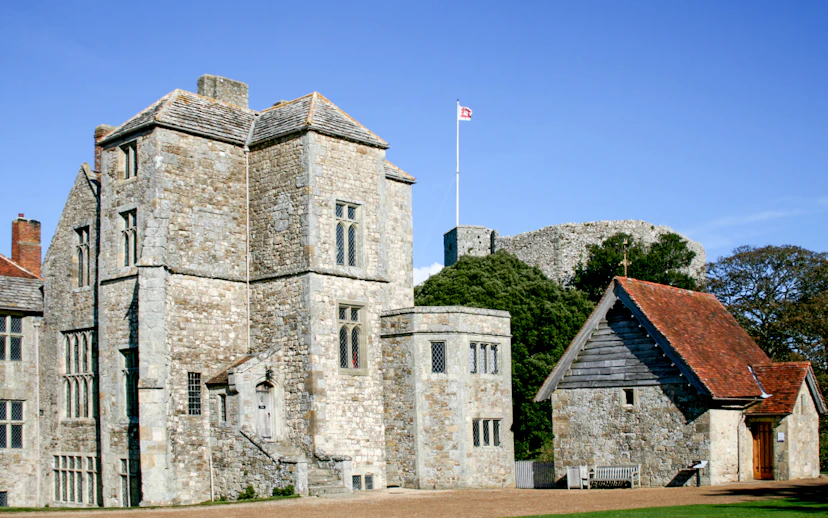
Carisbrooke Castle is a hilltop medieval fortress best known for its motte-top keep, King Charles I connection, and working donkey treadwheel. The visit is more varied than many people expect: steep climbs, exposed ramparts, museum rooms, gardens, and live demonstrations all sit within one compact site. The biggest difference between a rushed visit and a good one is timing the donkey demo and keep climb well. This guide covers arrival, pacing, tickets, and what to prioritise once you’re inside.
Quick overview: Carisbrooke Castle at a glance
- When to visit: Open daily, usually 10am–5pm. The first hour after opening or after 3pm feels noticeably calmer than 12 noon–2pm, because donkey demos, keep climbs, and tea room traffic all peak at once.
- Getting in: Standard entry starts from about £13. Online booking is still worth it because it can save around 15%, especially in summer and school holidays.
- How long to allow: 2–3 hours works for most visitors. It stretches toward the longer end if you climb the keep, wait for the donkeys, and spend proper time in the museum, chapel, and garden.
- What most people miss: St Nicholas Chapel and the Princess Beatrice Garden are easy to skip once the keep and donkeys take over your route, but both add a quieter, more personal side to the visit.
- Is a guide worth it? Usually not essential, because the site is compact enough to self-navigate, but a guide adds real value if you want deeper Civil War context and more from the Charles I story.
Jump to what you need

🕒 Where and when to go
🗺️ Getting around

♿ Facilities and accessibility
Where and when to go

How do you get to Carisbrooke Castle?
Carisbrooke Castle sits just southwest of Newport on the Isle of Wight, on a hilltop setting that feels rural even though it’s close to town.
Carisbrooke Castle Museum, Castle Hill, Newport PO30 1XY, United Kingdom → Open in Google Maps
- Bus: Southern Vectis routes to Newport → uphill approach on foot → allow extra time because the final stretch is steeper than it looks.
- Taxi/rideshare: Newport town centre → about 5 min → the easiest option if you’re arriving without a car or don’t want the uphill walk.
- Walking: Newport town centre → about 15–20 min → doable, but parts of the approach feel exposed and less comfortable if you’re carrying bags.
- Car: On-site parking → free for English Heritage members, paid for non-members → the simplest option for most visitors on the island.
Which entrance should you use?
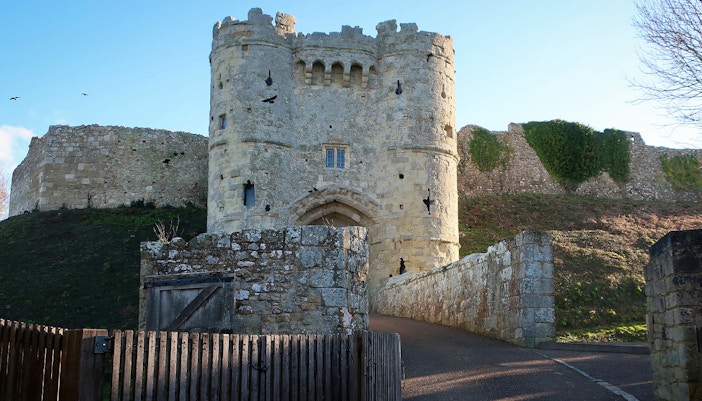
Carisbrooke Castle is straightforward to enter, but most people underestimate how busy the main gate area feels around late morning when families and day-trippers arrive together.
- Main entrance: Located at the gatehouse by the car park. Expect little to moderate waits during 11:30am–1:30pm in summer weekends and school holidays.
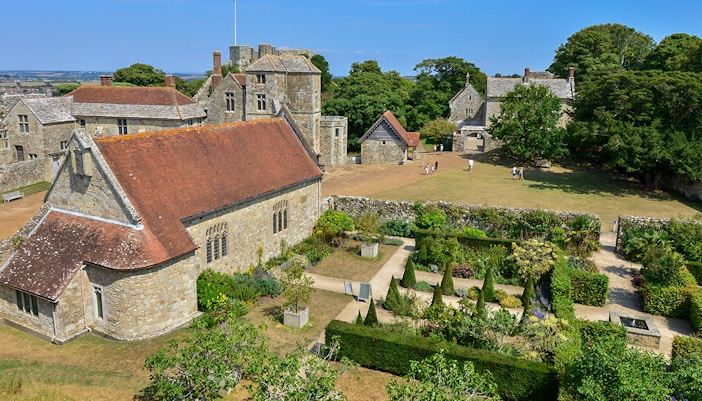
When is Carisbrooke Castle open?
- Monday–Sunday: Usually 10am–5pm
- Last entry: 4pm
When is it busiest? Summer weekends, school holidays, and the late-morning to early-afternoon window are the busiest, when donkey demonstrations, lunch traffic, and keep climbs all overlap.
When should you actually go? Aim for 10am or after 3pm if you want quieter ramparts, easier photos, and a better chance of getting a tea room table without waiting.
How long should you set aside for Carisbrooke Castle? You’ll want around 2–3 hours for a full visit. That gives you time for the keep climb, museum rooms, Princess Beatrice Garden, St Nicholas Chapel, and at least 1 donkey demonstration. If you move quickly and skip the museum, you can do the highlights in closer to 90 minutes. Families, photographers, and anyone stopping for tea usually end up closer to 3 hours.
How do you get around Carisbrooke Castle?
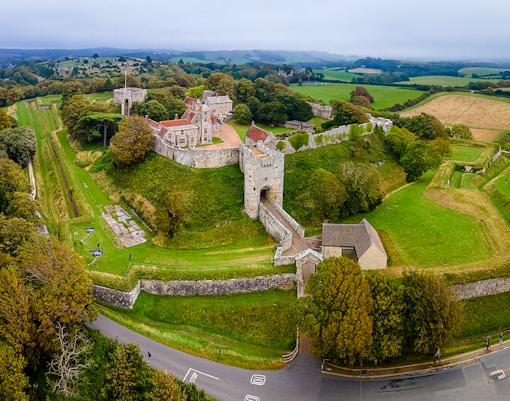
Carisbrooke Castle is best explored on foot, and 2–3 hours is enough for most visitors if you follow a sensible loop instead of doubling back. The keep sits above the rest of the site, so it makes sense to tackle the steepest climb early.
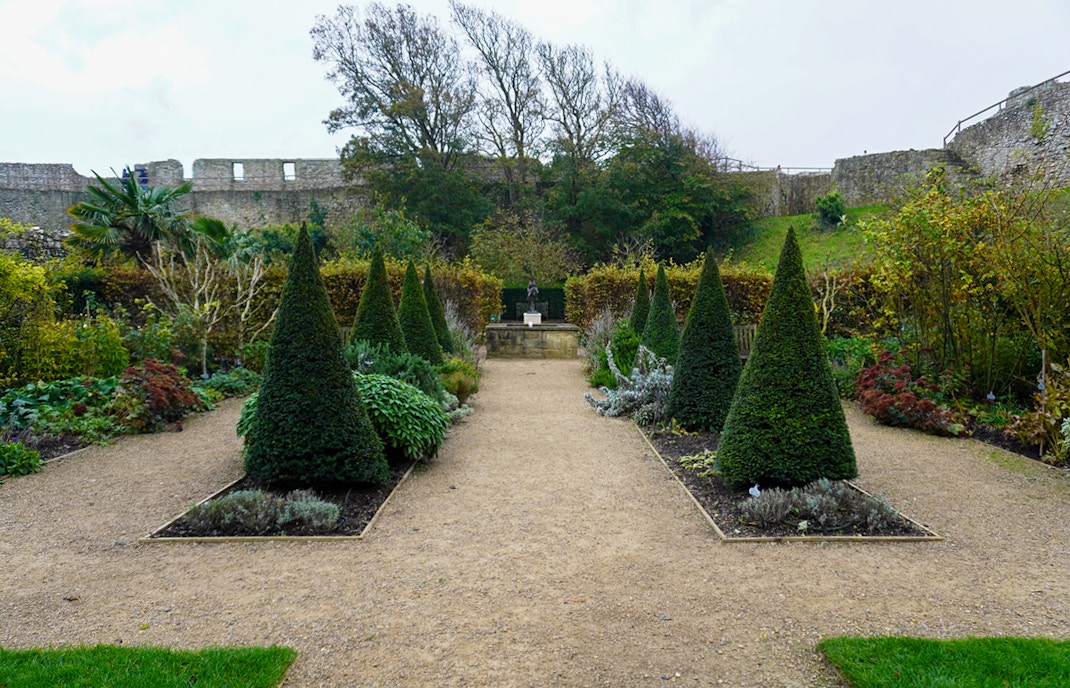
Main route and key areas
- Gatehouse and lower ward: Your orientation point, trail start, and first sense of the castle layout → allow 15–20 mins.
- Well House and donkey area: The most time-sensitive stop because live demonstrations shape your pacing → allow 15–20 mins, longer if you wait for a demo.
- Keep and ramparts: The steepest and most exposed part of the visit, but also the best views → allow 30–45 mins.
- Museum and Charles I displays: Great Hall rooms, artefacts, and interpretation that give the visit its historical depth → allow 40–60 mins.
- Princess Beatrice Garden and St Nicholas Chapel: The quietest section and the easiest one to miss if you leave it too late → allow 20–30 mins.
Suggested route: Start with the keep while your legs are fresh and the walls are quieter, then work back down to the museum, donkeys, garden, and chapel. Most visitors do the famous bits first, run short on time, and never properly reach the calmer corners.

Maps and navigation tools
- Map: Pick up the free site leaflet or family trail sheet at the entrance, because it helps you connect the garden, chapel, and museum without backtracking.
- Signage: Main wayfinding is good enough for the core route, but it’s still easy to miss the quieter spaces if you only follow the crowd.
- Audio guide/app: Audio guides are sometimes available, and they add the most value in the museum rooms and Charles I sections rather than on the walls.
💡 Pro tip: Do the keep before the donkeys if you arrive early — once the demonstration crowd builds, that part of the visit slows down, and the exposed climb feels much busier.
What is Carisbrooke Castle worth visiting for?
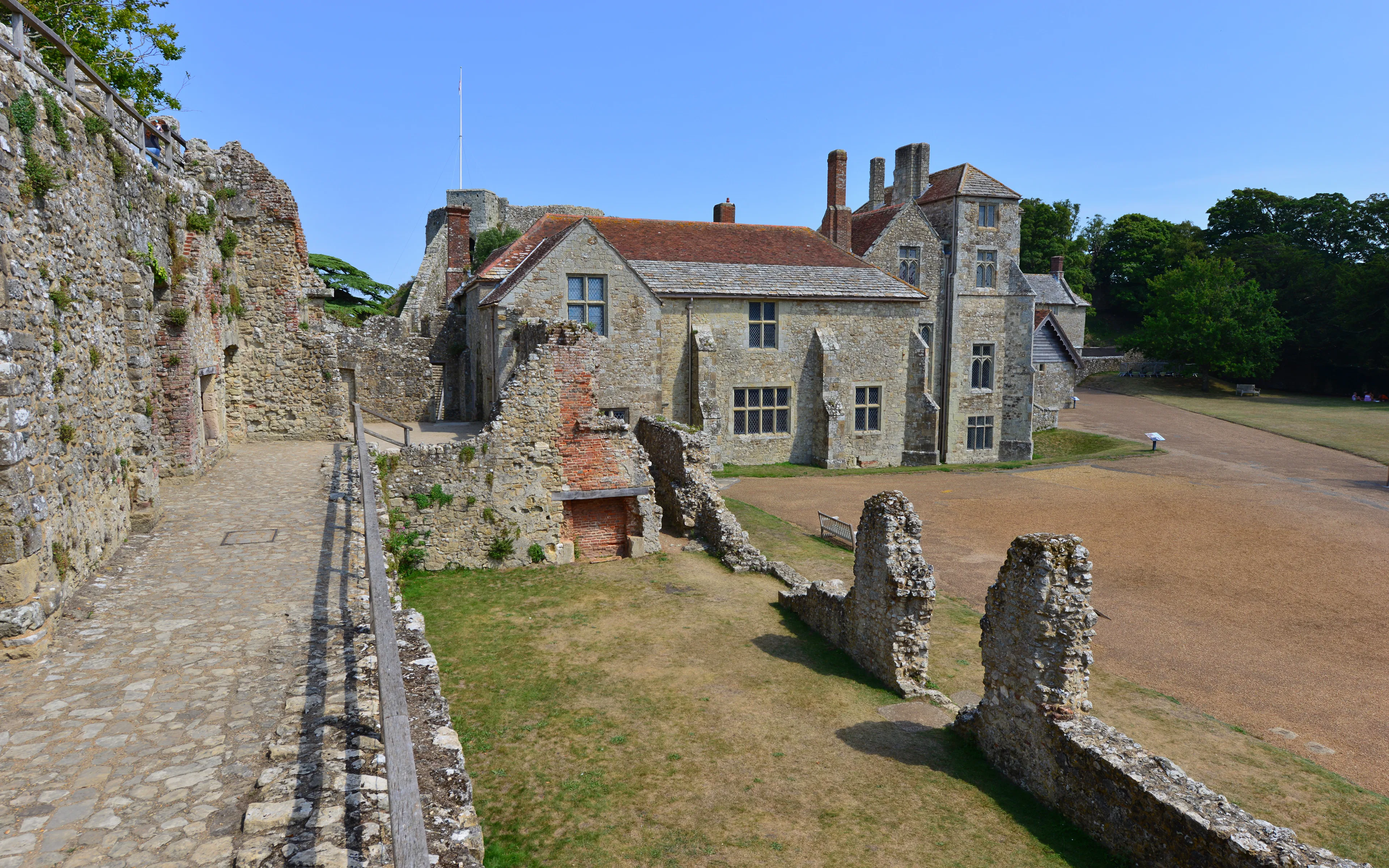
Castle keep and ramparts
Era: Norman foundations with later medieval fortifications
This is the part of the visit that gives Carisbrooke its real sense of scale. The steep climb rewards you with wide views across the Isle of Wight, and on a clear day you can see far beyond the immediate countryside. What many visitors rush past is the experience of the approach itself — the motte climb helps you understand why the site mattered defensively, not just photographically.
Where to find it: At the top of the central motte, reached from the main castle route beyond the lower ward.
Donkey treadwheel
Type: Live heritage demonstration
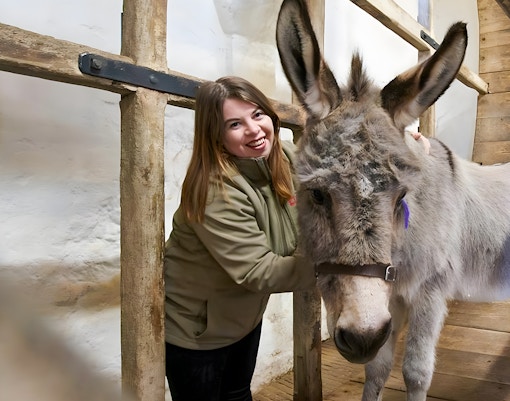
The donkeys turning the giant wooden wheel are Carisbrooke’s most unusual tradition, and it’s far more memorable in person than it sounds on paper. The demonstration is short, but the well-house setting and the scale of the mechanism make it worth building your timing around. What most people miss is the interpretive material and film nearby, which explain how the system worked and why the donkeys matter here.
Where to find it: In the well-house and stables area inside the main castle grounds.
Princess Beatrice Garden
Era: Edwardian-style restored garden
This garden changes the pace of the visit completely. After stone walls, museum rooms, and military history, the flower beds, water features, and orchard feel unexpectedly personal and domestic. Many visitors only glance at it from above and move on, but it’s worth walking through slowly — especially for the view back toward the chapel.
Where to find it: Beside St Nicholas Chapel, away from the busier keep and well-house route.
Castle Museum
Type: Historic interiors and artifact displays
The museum adds substance to the visit, especially if you want more than views and architecture. The Charles I material, arms and armor, and domestic displays make the castle feel lived in rather than just defended. The detail people often skip is the quieter display material in the adjoining rooms, which gives context that the battlements alone don’t.
Where to find it: In the Great Hall, Constable’s Lodging, and adjoining museum spaces.
St Nicholas Chapel
Type: Memorial chapel
This small chapel is easy to miss, but it’s one of the most atmospheric rooms on site. The memorial function, dark wood interior, and connection to Princess Beatrice make it feel more intimate than the military parts of the castle. Many visitors pass through quickly without noticing the memorial plaques and altar details, which are what give the room its emotional weight.
Where to find it: Just beyond the Princess Beatrice Garden.
Folktale creature trail
Type: Family activity trail
If you’re visiting with children, this is more than a small add-on. The hidden carved creatures turn the castle into a scavenger hunt and help younger visitors engage with parts of the site they might otherwise rush through. What adults often miss is that the trail naturally improves your route because it pulls you into corners of the grounds you may not have explored.
Where to find it: Across the castle grounds, with the trail sheet available at the entrance.
Facilities and accessibility
- 🎒 Bags: Small day bags work best here because the keep steps, wall walks, and older interior spaces are awkward with bulky luggage.
- 🍽️ Tea room: The Castle Tea Room serves sandwiches, snacks, cakes, and local produce, with children’s, vegetarian, and vegan options, but it’s small and can fill fast on busy days.
- 🛍️ Gift shop: There’s an on-site shop for souvenirs, books, and family-friendly keepsakes near the end of the visit.
- 🪑 Seating/rest areas: The garden and chapel side of the route are the best places to slow down between the keep climb and the museum.
- 🅿️ Parking: On-site parking is available, and it’s free for English Heritage members but paid for non-members.
- ♿ Mobility: This is only partly accessible in practice, because the motte climb, narrow wall walks, and uneven historic surfaces make the full route difficult for many wheelchair users and some older visitors.
- 🧠 Cognitive and sensory needs: The calmest visit window is the first hour after opening or after 3pm, while late morning and midday are louder and busier because families, demonstrations, and lunch traffic overlap.
- 👨👩👧 Families and strollers: The lower parts of the site are easier with a stroller, but the keep climb and wall walks are not stroller-friendly end to end.
Carisbrooke Castle works well for children because it mixes open-air exploring with very clear, memorable hooks: donkeys, dress-up fun, big views, and a trail to follow.
- 🕐 Time: Around 2 hours is realistic with young children if you focus on the donkeys, lower grounds, and 1 major climb rather than trying to cover everything.
- 🏠 Facilities: The tea room, open outdoor space, and trail-based layout make it easier to break up the visit than at a more formal museum.
- 💡 Engagement: Pick up the Folktale Creature Trail at the entrance, because it turns the whole site into a game instead of asking children to absorb long history panels.
- 🎒 Logistics: Bring layers and keep bags light, because the site is exposed, the hill is steeper than it looks, and tired legs show up fastest on the keep climb.
- 📍 After your visit: Newport is the easiest nearby follow-up, with shops and food options for a lower-effort second stop.
Rules and restrictions
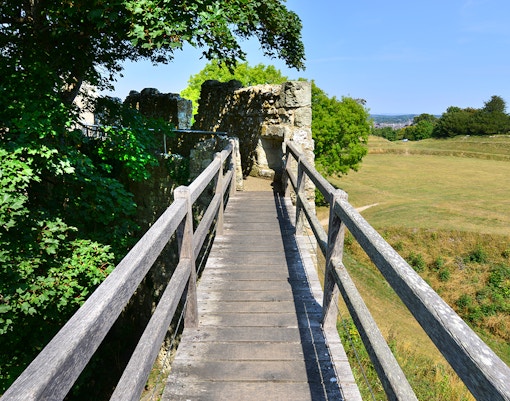
What you need to know before you go
- Entry requirement: Standard day tickets can be bought online or at the gate, and English Heritage members should bring their membership card for free entry.
- Bag policy: Travel light, because narrow stairs and wall walks are much easier with a small backpack than with bulky luggage.
- Timed entry: You usually don’t need a reserved slot here, but the best early visits still start close to opening time if you want the keep and donkeys before the site gets busier.
Not allowed
- 🚫 Food and drink: Save meals for the tea room or outdoor breaks rather than carrying them through the historic interiors.
- 🖐️ Climbing and leaning: Don’t climb on stonework or push over battlement edges, because some of the castle’s best viewpoints are also its most exposed areas.
- 🐾 Animals: If you’re planning to visit with a dog, check the day’s site policy before arrival rather than assuming access across all areas.

Photography
- Photography is part of the appeal here, especially on the ramparts and in the garden.
- Personal photos are easiest outdoors, where the views and donkey area draw most cameras, but be considerate in smaller interior rooms and around live demonstrations.
- If you’re carrying larger gear, remember that the keep stairs and wall walks are steep, narrow, and not a good fit for trip-heavy setups.

Good to know
- Donkey demonstrations: The show itself is brief, so check timings early instead of assuming you’ll just happen to pass by at the right moment.
- Tea room timing: Late morning to early afternoon is the hardest time to find a table, so eat early, eat late, or bring a backup plan.
Practical tips
- Booking and arrival: Book online if you can, because advance tickets usually save about 15%, but you still don’t need to plan around a rigid timed-entry slot here.
- Pacing: Do the keep first while your legs are fresh, because the steep climb feels harder after a full museum circuit and a slower wander through the grounds.
- Crowd management: The best strategy here is not just ‘go early’ — it’s to beat the 12 noon–2pm overlap when donkey demos, lunch, and family arrivals all hit at once.
- What to bring or leave behind: Bring layers and shoes with grip, because the wall walks are exposed, and the stone steps can feel tiring even on a short visit.
- Food and drink: The tea room is a good convenience stop, but it’s small, so a packed lunch or a later meal in Newport is the smarter move on busy summer days.
- Public transport: If you’re not driving, don’t underestimate the final uphill approach from Newport, because several visitors find that stretch harder than expected without a taxi.
- What not to skip: Leave 20–30 minutes for the Princess Beatrice Garden and St Nicholas Chapel, because they’re the first places people cut and the last places they remember.
What else is worth visiting nearby?
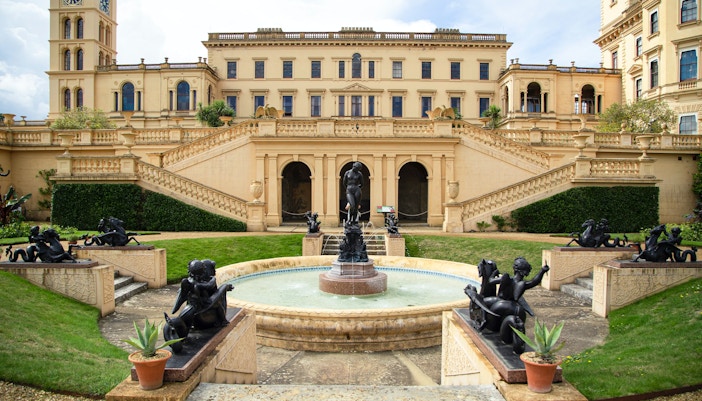
Commonly paired: Osborne House
Distance: 10km — about 20–25 mins by car
Why people combine them: Both sites connect strongly to royal history, but in completely different ways — Carisbrooke feels defensive and medieval, while Osborne House is domestic, grand, and Victorian.
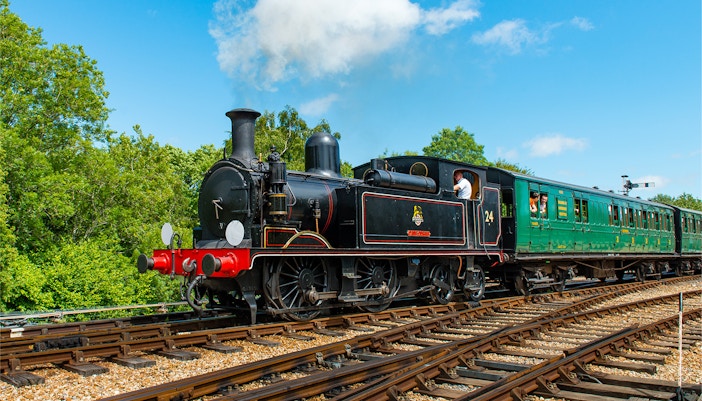
Commonly paired: Isle of Wight Steam Railway
Distance: 15km — about 20 mins by car
Why people combine them: This pairing works especially well for families because Carisbrooke gives you the castle, trail, and donkeys, while the railway adds a second heritage experience that feels lighter and more playful.

Also nearby
Newport
Distance: 2km — about 5 mins by taxi or 15–20 mins on foot
Worth knowing: It’s the easiest practical add-on for lunch, groceries, or a lower-effort stop after the castle.
Brading Roman Villa
Distance: 12km — about 20–25 mins by car
Worth knowing: If you want to keep the day history-heavy, this is the best second stop for archaeological context rather than another royal site.
Eat, shop and stay near Carisbrooke Castle
- On-site: Castle Tea Room, above the old carriage house, serves sandwiches, snacks, cakes, and local produce, and it’s worth using as a convenience stop rather than planning your whole day around it.
- Picnic option (castle grounds area): A smart move on summer weekends, especially if you want to avoid the late-morning tea room queue.
- Newport town centre (15–20 min walk, Newport): Best backup if the tea room is full, with a wider choice of cafés, pubs, and takeaway options after your visit.
💡 Pro tip: Eat before 12 noon or after 2pm if you want the tea room at its easiest — that late-morning crunch is when tables become the hardest part of the visit.
- On-site gift shop: Sells souvenirs, guidebooks, and family-friendly keepsakes, and it makes more sense for small heritage-themed buys than for serious shopping.
- Newport town center shops: Best if you want a practical stop after the castle rather than a souvenir-focused one.
Newport is a practical base for Carisbrooke Castle, not a romantic one. It suits travelers who want short transfer times, easy food options, and a straightforward island base, but it’s less appealing if you want a more scenic stay.
- Price point: Newport is usually more practical and mid-range than the island’s prettiest coastal bases.
- Best for: Short stays where you want to keep castle logistics simple and reach other island sights without long drives.
- Consider instead: Ryde, Cowes, or Yarmouth if you want a more atmospheric base, easier ferry connections, or a stay that feels more like part of the vacation than just a sleeping stop.
Frequently asked questions about visiting Carisbrooke Castle
Most visits take 2–3 hours. You can do the core highlights in about 90 minutes if you move quickly, but the keep climb, museum rooms, chapel, garden, and a donkey demonstration easily stretch the visit closer to 3 hours.
No, you can usually buy tickets at the gate on the day. Booking online is still worth it, because advance tickets often save around 15% and make arrival a little smoother in summer and school-holiday periods.
Arriving at opening time is the best strategy here. The first hour gives you quieter ramparts, easier photos from the keep, and a better chance of seeing the rest of the site before donkey demos and lunch traffic build up.
Yes, on-the-day tickets are usually available at the gate. This is not a site where most people need to worry about sold-out timed slots, though online booking is normally the cheaper option.
Yes, a small backpack is the easiest option. The keep steps, wall walks, and some interior spaces are narrow enough that bulky bags quickly become annoying, so travel light if you want the visit to feel easy.
Yes, photography is one of the main pleasures of the visit, especially on the ramparts and in the garden. The main thing to watch is space: interior rooms, demonstrations, and steep stairways all work better if you keep gear compact.
Yes, the site works well for small groups and families. It’s compact enough to do together, but varied enough that groups should agree on donkey demo timing early so people don’t split up and miss the same short live show.
Yes, it’s a strong family castle because there’s more to do than just read history panels. The donkeys, Folktale Creature Trail, open spaces, and dress-up style moments make it much easier for children to stay engaged for 2 hours or more.
Partly, but not fully in the way many modern attractions are. The steep motte, uneven historic surfaces, and narrow wall walks make the full route difficult, so many visitors with mobility needs will find a partial visit more realistic than a complete circuit.
Yes, there’s an on-site tea room serving snacks, sandwiches, cakes, and drinks. It’s useful, but small, so Newport is the better fallback if you’d rather have more choice or avoid the busiest lunchtime stretch.
Yes, the donkey demonstration is included with standard admission. It’s one of the site’s signature experiences, but the demonstration itself is short, so check the day’s timing early instead of leaving it to chance.
Yes, English Heritage membership covers entry here. It can be especially good value if Carisbrooke is one of several English Heritage stops on your trip, because members also get free parking at English Heritage car parks.