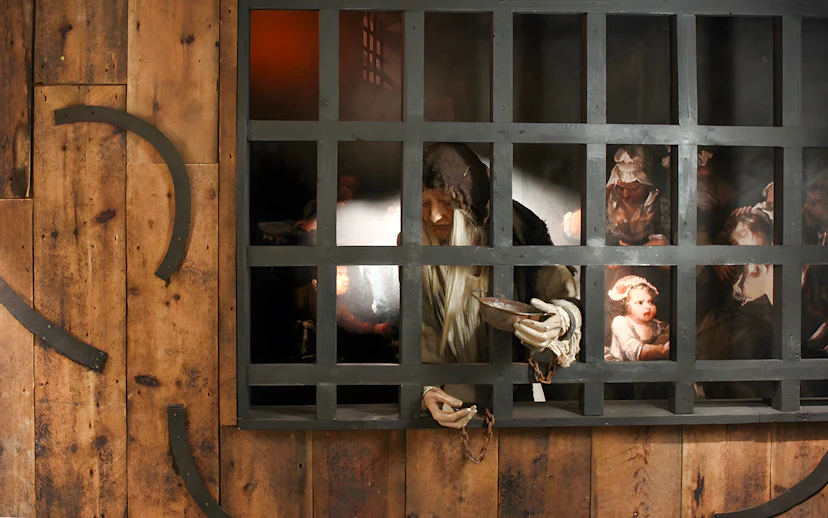
How to visit The Clink Prison Museum
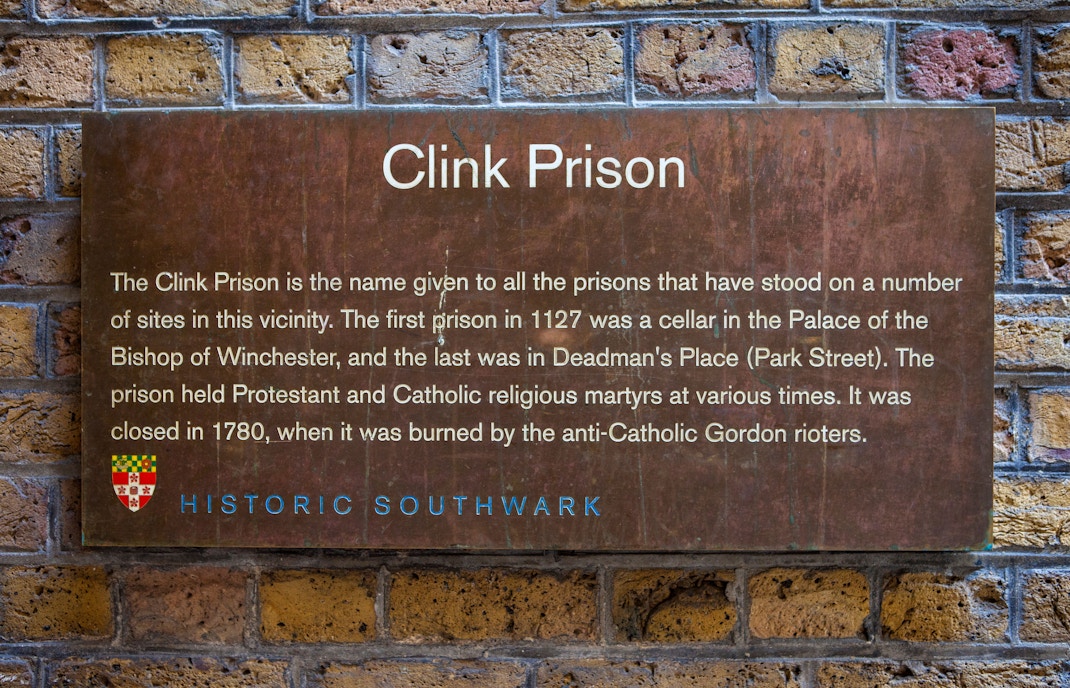
The Clink Prison Museum is a small but atmospheric museum built on the site of one of London’s oldest prisons. Dark corridors, cramped cells, and hands-on exhibits create a gritty, immersive feel, though the space can get crowded surprisingly fast. Visiting at the right time makes a big difference, especially if you want to properly read the stories, explore the exhibits, and absorb the eerie atmosphere.
Quick overview: The Clink Prison Museum at a glance
This is a short visit, but timing and expectations make a bigger difference here than size would suggest.
- When to visit: Daily, 10am–6pm. Weekday mornings from 10am–11:30am are noticeably calmer than weekend afternoons, because the narrow rooms and hands-on displays create bottlenecks quickly.
- Getting in: From £10 for standard entry. Family tickets start at £29. Booking ahead is useful on weekends and school breaks, but most weekday visits can still be planned close to arrival.
- How long to allow: 1–1.5 hours for most visitors. Reading every prisoner story panel and spending time with the interactive props can push it closer to 2 hours.
- What most people miss: The original stonework and the prisoner story panels add more to the visit than the photo props alone, and many people rush past both.
- Is a guide worth it? Not usually for a standard visit, because the museum is compact and self-guided works well, but special themed events add more atmosphere if one is running.
Jump to what you need
🕒 Where and when to go
🗓️ How much time do you need?
🎟️ Which ticket is right for you?
🗺️ Getting around
⛓️ What to see
♿ Facilities and accessibility
Where and when to go

How do you get to The Clink Prison Museum?
The museum is in Bankside, a few minutes from London Bridge and right by Borough Market, so it’s one of the easier central London museums to reach without a car.
Address: Clink Street, Bankside, London, United Kingdom
- Rail and subway: London Bridge Station → 5-min walk → Use the Borough Market side and walk toward Clink Street.
- Bus: Southwark Bridge stop BC on route 344 → 3-min walk → Follow the Bankside signs toward Borough Market.
- On foot: Borough Market → 5-min walk → This is the easiest same-area pairing before or after lunch.
- Taxi / rideshare: Drop-off near Borough Market or Stoney Street → 3–5 min walk → Clink Street itself is narrow and busy with foot traffic.
Which entrance should you use?
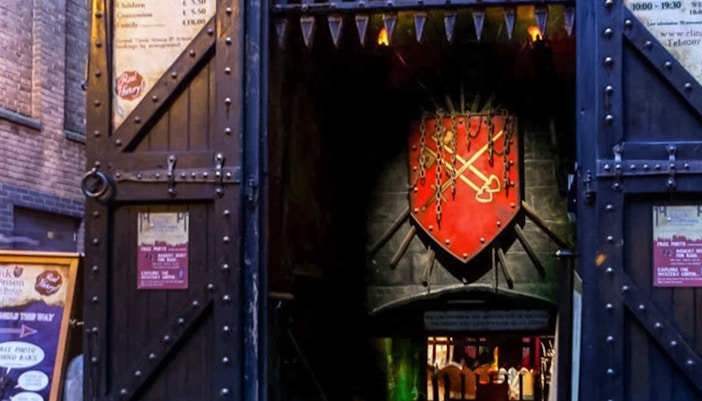
The museum uses a single public entrance, and the one thing visitors most often underestimate is the stair access down into the site.
- Main entrance: Located on Clink Street with stairs down to reception. Expect 0–10 min wait on most weekdays, and 10–15 min on busy weekend afternoons.
When is The Clink Prison Museum open?
- Monday–Sunday: 10am–6pm
- Last entry: 5:30pm
- When is it busiest: Weekend afternoons, school breaks, and rainy summer days feel busiest because the museum is compact and the interactive exhibits slow the flow.
- When should you actually go: Weekday mornings from 10am–11:30am give you quieter rooms, easier photos, and more space to read the prisoner panels without being jostled along.
How much time do you need?
| Visitor type | Recommended time | Activities and highlights included |
|---|---|---|
General visitors | 1 to 1.5 hours | Full tour of exhibits, interactive props, prisoner stories, souvenir photo. |
History enthusiasts | 1.5 to 2 hours | Detailed exploration with reading all historical panels and exhibits. |
Families with older kids | 1 hour | Focus on interactive and hands-on displays, avoid lengthy text panels. |
School and educational groups | 1.5 to 2 hours | Structured educational tour, guided learning activities and materials. |
Which Clink Prison Museum ticket is best for you?
| Ticket type | What's included | Best for | Price range |
|---|---|---|---|
| Standard admission | Entry to all exhibits | If you want the full museum at your own pace and don’t need any extras in a small, self-guided space | From £10 |
| Child admission | Entry to all exhibits | If you’re visiting with a child and want the same full route for less than an adult ticket | From £8 |
| Concession admission | Entry to all exhibits + reduced rate with valid ID | If you qualify for a student, senior, or disability discount and can show ID at entry | From £8 |
| Family ticket | Entry for 2 adults and 2 children | If you want the lowest total cost for a family visit without buying 4 separate tickets | From £29 |
How do you get around The Clink Prison Museum?
The museum is compact and mostly linear, so you won’t get lost, but it’s easy to move through too quickly and miss the sections that give the place real weight.
Museum layout and route
The Clink is compact and mostly linear, so you won’t get lost, but it’s easy to move too quickly and miss the parts that give the site real weight.
- Entrance gallery: Intro panels, crime-and-punishment context, and the first historical setup → 10–15 min.
- Cell and stonework section: Original-feeling walls, darker corridors, and prisoner stories → 20–25 min.
- Punishment displays: Torture devices, shackles, and the most hands-on props → 15–20 min.
- Exit area: Final displays and the free torture-chair photo stop → 5–10 min.
Suggested route: Start with the history panels before touching the props, then move through the cells, leave the interactive punishment displays for the middle, and finish with the photo at the end so you don’t need to backtrack through narrow spaces.

Maps and navigation tools
- Map: You won’t need a full map here, but it helps to scan the room sequence when you enter so you don’t double back in the tight corridors.
- Signage: Wayfinding is simple, though the dim lighting and heavy wall text make it easy to skip a chamber if you’re moving fast.
- Audio guide / app: No regular official Audioguide is provided, so the wall panels and staff answers do most of the interpretive work.
💡 Pro tip: Read the first timeline section before you start trying the props — it gives the later rooms more meaning and saves you from circling back to fill in the story.
Where are the masterpieces inside The Clink Prison Museum?
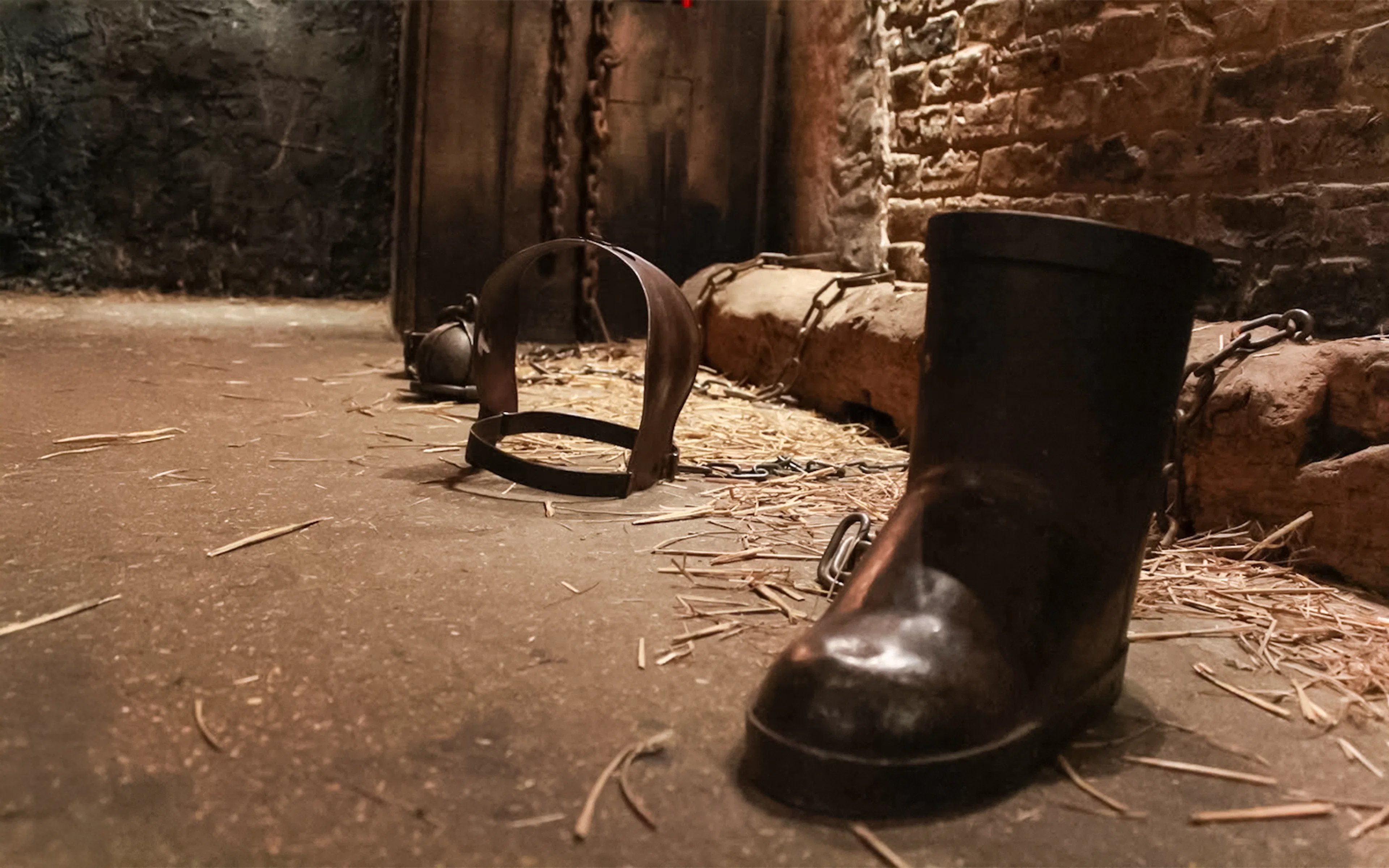
Original prison cells and stonework
Era: 12th–18th centuries
This is the part that makes the museum more than a themed attraction: you’re standing on the real site of one of London’s oldest prisons. The rough stonework, narrow passages, and cell-like rooms give the visit its weight. What many visitors rush past is how much of the atmosphere comes from the architecture itself, not the props.
Where to find it: Early in the route, just after the opening history displays and before the main punishment exhibits.
Torture devices gallery
Object type: Punishment instruments and restraint devices
This is the most talked-about part of the museum, with shackles, manacles, and brutal-looking devices that make the prison’s history feel immediate rather than abstract. It’s worth slowing down here because the labels explain not just what each item is, but who it was used on. Many visitors focus on the shock factor and miss the historical detail beside each object.
Where to find it: In the central exhibition rooms after the first cell and story sections.
The stocks and manacles station
Exhibit type: Hands-on replicas and interactive props
This is where the museum leans into interactivity, and it’s one of the reasons older kids and teens enjoy the visit more than they expect. You can try selected restraints and photo props, which breaks up the reading-heavy parts of the route. What gets missed is that these stations also show how public humiliation was part of punishment, not just pain.
Where to find it: Midway through the museum, beside the punishment displays and handling stations.
Prisoner stories and records
Theme: Religious dissenters, debtors, and criminals
The prisoner stories are what turn the museum from a novelty stop into a proper history visit. You’ll find names, crimes, punishments, and background that show who ended up here over 600 years. Many visitors skim these panels because the visual displays pull them onward, but this is where the museum’s best context sits.
Where to find it: Along the walls through the darker cell sections and beside several of the original-looking rooms.
Wax figures, sound effects, and staged scenes
Exhibit type: Multimedia storytelling
These displays add atmosphere without turning the museum into a full horror attraction. The mannequins, lighting, and chain sounds help you picture how the prison worked, especially if you’re visiting quickly or with children who need something more visual than text. What people often miss is how the sound design changes the feel of the narrow rooms even when nothing is moving.
Where to find it: Spread throughout the route, especially in the central rooms and the later punishment displays.
Facilities and accessibility
- 🎒 Cloakroom / lockers: There is no cloakroom, so bring only a small bag you can comfortably carry through the museum.
- 🍽️ Food and drink: There is no café inside, which is why most visitors pair the museum with Borough Market before or after their visit.
- 📸 Souvenir photo: Every ticket includes 1 free torture-chair photo near the end of the route.
- 👥 Staff help: Staff are known for answering questions and adding context, which matters in a museum with a lot of text and dark visuals.
- 🌧️ Indoor setting: The entire experience is indoors, which makes it a reliable rainy-day stop in central London.
- ♿ Mobility: The museum is not wheelchair accessible because there are multiple steps down at the entrance and tight internal spaces.
- 👁️ Visual impairments: The visit relies heavily on dimly lit text panels and atmospheric rooms, and no regular audio description is included.
- 🧠 Cognitive and sensory needs: Low lighting, chains, execution imagery, and punishment scenes can feel intense, so the first hour after opening is the calmest time to visit.
- 👨👩👧 Families and strollers: Older children usually manage well, but strollers are awkward in the stair-access entry and very young children may find the imagery upsetting.
This museum works best for older kids, tweens, and teens who enjoy hands-on history; preschoolers often find the heads, chains, and punishment scenes too much.
- 🕐 Time: 45–60 minutes is realistic with children, especially if you focus on the interactive displays and don’t read every panel.
- 🏠 Facilities: There is no café, soft-play space, or quiet family room, so treat this as a short stop rather than a half-day base.
- 💡 Engagement: Let children try the approved props first, then loop back to the prisoner stories once they understand what the punishments looked like.
- 🎒 Logistics: Bring a small bag, skip bulky strollers, and aim for weekday mornings when the narrow rooms are easier to move through.
- 📍 After your visit: The Golden Hinde and Borough Market are both easy follow-ups within a few minutes on foot.
Rules and restrictions

What you need to know before you go
- Entry requirement: Buy tickets online or at the desk, and bring valid ID if you’re using a student, senior, or disability concession.
- Bag policy: Travel light because there is no cloakroom and the museum’s narrow rooms are not designed for large luggage.
- Re-entry policy: Plan the museum as a single short visit, since most people finish in 1–1.5 hours and eat or rest afterward rather than breaking the visit.

Not allowed
- 🚫 Food and drink: Eat before or after your visit, since there is no café inside and the enclosed exhibition rooms are not set up for snacking.
- 🚬 Smoking and vaping: Smoking and vaping don’t belong inside the enclosed rooms or stair access.
- 🐾 Pets: Pets are best left outside, and assistance-animal needs are worth checking with the museum before arrival.
- 🖐️ Handling exhibits: Touch only the clearly interactive props and replicas, not the protected displays or original materials.

Photography
- Casual photos are part of the experience, especially at the free torture-chair photo stop near the end.
- The useful distinction here is between interactive zones and protected displays: photograph the props and atmospheric rooms, but avoid blocking the narrow route, and don’t expect bulky tripods or large selfie sticks to work well in the darker chambers.
- Flash is more distracting than useful in such a compact, low-lit space.
Good to know
- Scare factor: The museum is small, but the heads, chains, and execution themes land harder than many parents expect.
- Reading load: If you skip the wall panels, you’ll finish very fast and miss most of the historical value.
Practical tips
- Booking and arrival: Weekday visits can usually be planned close to arrival, but weekends and school breaks are better booked ahead; because last entry is 5:30pm, arriving after 5pm turns a relaxed visit into a rushed one.
- Pacing: Use your first 20 minutes on the cells and prisoner stories before the props, or the hands-on displays can eat most of your visit.
- Crowd management: The sweet spot is weekday 10am–11:30am, when the narrow corridors are still easy to photograph and the torture devices area hasn’t backed up yet.
- What to bring or leave behind: Bring a small bag and leave bulky backpacks or shopping bags elsewhere, since there is no cloakroom and the entrance involves stairs down.
- Food and drink: Don’t plan to eat inside; Borough Market is a 5-minute walk away and makes the easiest pre- or post-visit stop.
- Suitability: If you’re unsure about bringing children, judge it less like a haunted house and more like a graphic history exhibit with interactive props.
What else is worth visiting nearby?
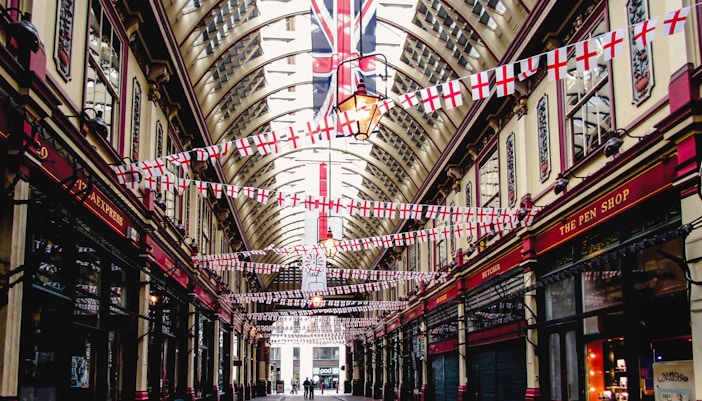
Commonly paired: Borough Market
- Distance: 350m – 5 min walk
- Why people combine them: It’s the simplest same-area pairing because the museum is short, there’s no café inside, and Borough Market solves lunch or coffee without adding more travel.
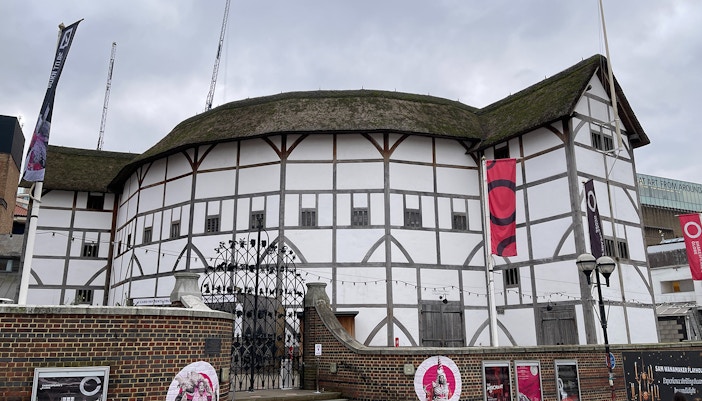
Commonly paired: Shakespeare’s Globe
- Distance: 700m – 10 min walk
- Why people combine them: Both sites sit on Bankside and work well together if you want a history-focused half day with 2 very different moods — one dark and prison-based, the other theatrical and open.

Also nearby
Golden Hinde
- Distance: 150m – 2 min walk
- Worth knowing: This historic ship is a strong follow-up if you want another compact, hands-on history stop without leaving the neighborhood.
The Shard
- Distance: 500m – 7 min walk
- Worth knowing: This is less naturally paired in theme, but it’s an easy add-on if you want to balance the museum’s dark interiors with big city views or dinner afterward.
Eat, shop and stay near The Clink Prison Museum
- On-site: There is no café, so this is a museum to pair with food elsewhere rather than build a meal break around.
- Borough Market (5-min walk, Bankside): Street food, bakeries, coffee, and sit-down options; the best all-around choice because you can make it a quick snack or a full lunch.
- The Swan at Shakespeare’s Globe (10-min walk, Bankside): British classics in a slower sit-down setting; useful if you want a calmer meal after a short museum visit.
- The Shard dining and bars (7–10 min walk, London Bridge): Higher-price restaurants and drinks; best if your museum stop is part of a longer date-night or sightseeing plan.
- 💡 Pro tip: Borough Market is easiest before 12 noon or after 2pm, because the lunch wave usually adds more waiting than The Clink itself.
- Borough Market stalls: Food gifts, pantry items, and easy take-home snacks; the most practical shopping stop nearby.
- Shakespeare’s Globe Shop: Theater books, literary gifts, and area-specific souvenirs; better than generic London gift shops if you want something with context.
- The Shard retail and gift counters: Sleeker but pricier souvenirs; best only if you’re already heading there for views, drinks, or dinner.
Yes — the Bankside and London Bridge area is a very practical base if you want to walk to The Clink Prison Museum, Borough Market, the Thames, and several other major sights. The trade-off is price: it is usually more convenient than cheap. It suits short stays better than longer budget trips.
- Price point: This area skews mid-range to expensive, especially close to the river and London Bridge.
- Best for: Visitors on a short London trip who want to minimize transit and pack several South Bank sights into 1–2 days.
- Consider instead: South Bank or Covent Garden if you want a livelier evening base, more hotel choice, or easier access to the rest of central London for a longer stay.
Frequently asked questions about visiting The Clink Prison Museum
Most visits take 1–1.5 hours. That is enough for the cells, prisoner stories, torture devices, interactive props, and the free photo at the end. If you read every panel carefully, you can stretch it closer to 2 hours, but it is still a short attraction rather than a half-day museum.
No, you do not always need to book tickets in advance, but booking ahead is smarter for weekends, rainy school-break afternoons, and holidays. The museum is small, so busy periods feel full quickly even when the line outside looks short. Weekday visits are usually easier to plan closer to arrival.
You only need to arrive around 5–10 minutes before you want to go in. There is no big-site security process, but the entrance is small and tickets are checked at a compact desk. If you want the quietest experience, aim for the first hour after 10am opening rather than simply arriving early.
Yes, but keep it small. There is no cloakroom, and the museum’s tight rooms, stairs, and narrow passages are awkward with large backpacks or shopping bags. If you’re sightseeing around London Bridge first, store bulky items elsewhere and bring only what you need for a 1–2 hour visit.
Yes, casual photos are part of the experience. The free torture-chair photo at the end is built into the visit, and most visitors also take photos of the props and darker atmospheric rooms. The space is cramped, so avoid bulky tripods or anything that blocks the route for other visitors.
Yes, groups can visit, and the museum also takes school and group bookings. The key thing to remember is size: this is a compact site, so large groups move best with some structure and a slower pace. If you’re organizing a class or private group, pre-booking is the sensible option.
Yes, it can work well for families, especially with older children and teens. The hands-on props, chains, and stocks keep kids engaged, but the subject matter is dark and graphic. If your child is easily frightened by executions, torture scenes, or severed-head imagery, this may be too intense.
No, The Clink Prison Museum is not wheelchair accessible. Visitors need to manage steps down at the entrance, and the historic layout is tight inside. If mobility is a concern, contact the museum before booking, because this is one of the most important practical limitations of the site.
No, there is no café inside the museum, but food is very easy to find nearby. Borough Market is about a 5-minute walk away and is the simplest option before or after your visit. That makes The Clink easy to pair with lunch, coffee, or snacks without adding much travel time.
Yes, you can buy tickets at the museum entrance desk. That said, online booking is still the safer move for weekends and busier holiday periods, especially if you’re fitting the visit between other South Bank plans. Concession tickets also require valid ID, so keep that with you if it applies.
Yes, it can be scary for young children because the museum does not soften its subject matter. Expect dark rooms, chains, execution stories, and graphic punishment displays rather than playful haunted-house effects. Most parents find it works better for older kids who can handle the history and the atmosphere.
The Clink Prison Museum is typically open daily from 10am–6pm, with last entry at 5:30pm. Because the museum is compact, that final half hour is enough only for a quick pass. If you want time to read the prisoner stories and use the hands-on exhibits, go earlier in the day.