Getting to the Cotswolds

The Cotswolds stretch across several counties in southwest England, around 130–160 km west of London, depending on which town you visit. Most travellers reach the region by train to gateways like Moreton-in-Marsh, Kingham, Cheltenham, or Kemble, then continue by bus, taxi, or tour. Guided day trips are popular because villages are spread out and public transport between them can be limited. Driving gives the most flexibility, especially for smaller villages like Bibury or Castle Combe, but narrow roads and summer traffic can slow journeys considerably.

London to the Cotswolds: Time & distance

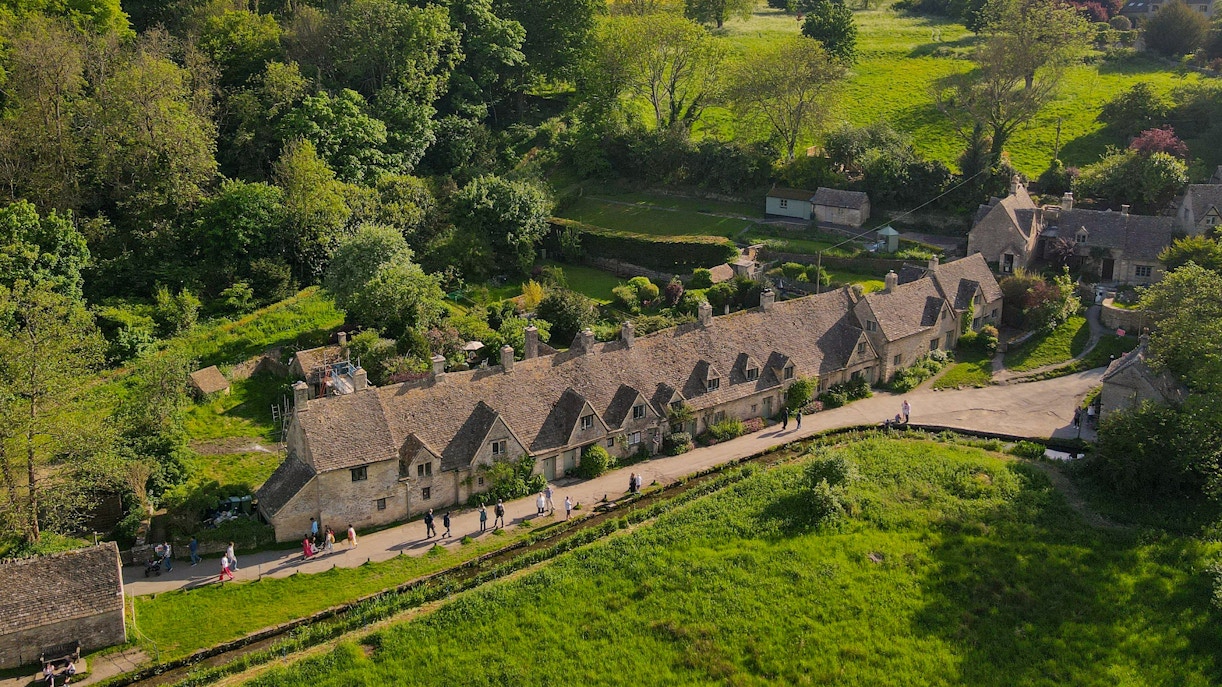
Cotswold stone cottages in a lush green landscape with visitors walking along the path.

From London: ~130–160 km (~80–100 mi), depending on destination village

  • By train: ~1.5–2 hr to Moreton-in-Marsh, Kingham, or Cheltenham
  • By bus: ~2.5–4 hr depending on transfers
  • By car: ~2–3 hr without stops
  • By guided tour: ~10–12 hr round trip, including sightseeing
Exploring the Cotswolds independently is possible, but tours solve several practical issues that first-time visitors often underestimate.

  • Skip complex village transfers: Many iconic villages don’t have train stations, and buses between villages can be infrequent.
  • See multiple villages in one day: Tours combine places like Bourton-on-the-Water, Bibury, Stow-on-the-Wold, and Burford efficiently.
  • Avoid parking stress: Popular villages get congested, especially between April and October.
  • Better for short visits: Day tours maximise sightseeing time instead of coordinating rural transport.
  • Local insights: Guides explain the region’s wool-trade history, architecture, and hidden viewpoints you’d likely miss alone.
  • More comfortable in winter: Rural bus schedules reduce during colder months, while tours run consistently year-round.

Recommended for: First-time visitors, families, photographers, and travellers without a car

By train

Trains are the fastest and most popular way to get to the Cotswolds from London. Most services depart from London Paddington and reach gateway towns like Moreton-in-Marsh, Kingham, Cheltenham Spa, or Kemble in around 90 minutes. Moreton-in-Marsh is usually the easiest arrival point for classic northern Cotswolds villages. From these stations, you’ll typically continue by local bus, taxi, or guided tour since many villages do not have rail access.

  • Duration: ~1 hr 25 min to Moreton-in-Marsh
  • Cost: ~£20–£60 return depending on booking time
  • Frequency: Roughly hourly from London Paddington
  • Best for: Independent travellers and day trips
  • Cons: Limited village connections without taxis or buses

Practical tips

  • Book advance tickets for cheaper fares.
  • Moreton-in-Marsh is the most practical arrival station for classic village routes.
  • Pre-book taxis if visiting smaller villages; rideshare availability is unreliable in rural areas.
  • Morning trains after 9am can become crowded during summer weekends.

Best train stations in the Cotswolds

  • Moreton-in-Marsh: Best for Bourton-on-the-Water, Stow-on-the-Wold, Chipping Campden
  • Kingham: Best for Chipping Norton, Daylesford area
  • Kemble: Best for Cirencester and the southern Cotswolds
  • Cheltenham Spa: Best for the larger town base with broader transport links

By bus

Long-distance buses to the Cotswolds are cheaper than trains but significantly slower and usually require transfers. National Express and local services connect London with towns like Cheltenham, Gloucester, or Cirencester, from where you continue by regional buses. Some villages, including Bourton-on-the-Water and Stow-on-the-Wold, have bus connections, but schedules can be limited outside summer.

  • Duration: ~3–4 hr depending on route
  • Cost: ~£10–£30 one way
  • Frequency: Several daily departures to larger towns
  • Best for: Budget travellers
  • Cons: Slower journeys and infrequent rural services

Practical tips

  • Check return schedules carefully; evening rural buses can be limited.
  • Sundays and winter timetables often have reduced frequency.
  • Download local bus schedules before travelling, as mobile signal can be patchy in some villages.

By car/Self-drive

Driving is the easiest way to explore the Cotswolds thoroughly, especially if you want to visit multiple villages in one trip. Roads connect major hubs like Oxford, Bath, Cheltenham, and Stratford-upon-Avon with scenic routes through the countryside. A car makes it easier to reach smaller villages like Bibury, Snowshill, Castle Combe, and Upper Slaughter, where public transport is limited.

  • Duration: ~2–3 hr from London
  • Cost: Rental + fuel + parking
  • Best for: Multi-stop itineraries, photographers, couples, and groups
  • Cons: Narrow roads, expensive parking, summer congestion

Driving notes

  • The M40 and A429 are common routes from London.
  • Village roads can be extremely narrow and busy during weekends.
  • Parking in Bourton-on-the-Water and Bibury fills quickly by late morning in peak season.
  • Driving is easiest outside school holidays and summer weekends.

Compare your options

ModeDurationCostBest forKey notes

Guided tour

10–12 hr

£70–£150

First-timers, families

The easiest way to visit multiple villages

Train

1.5–2 hr

£20–£60

Independent day trips

Fastest public transport option

Bus

3–4 hr

£10–£30

Budget travelers

Slower with limited rural routes

Car

2–3 hr

Variable

Flexible itineraries

Best for village hopping

How to get around the Cotswolds

  • Walking: Most villages are compact and walkable once you arrive. Bourton-on-the-Water, Bibury, Stow-on-the-Wold, and Burford are all best explored on foot.
  • Local buses: Regional buses connect several towns and villages, especially in summer, but services are not frequent enough for fast-paced itineraries. They work best if you stay overnight rather than attempt multiple stops in one day.
  • Taxis: Taxis are useful for station transfers but should usually be pre-booked. Availability in rural villages is limited, especially evenings and Sundays.
  • Car rental: A rental car gives the most flexibility and is the easiest way to reach hidden villages and viewpoints. Many travellers pick up cars in Oxford, Cheltenham, or Moreton-in-Marsh.
  • Guided day tours: Tours remain the simplest option for travellers staying in London or Bath who want to see several villages without navigating transport logistics.

Things to do in the Cotswolds

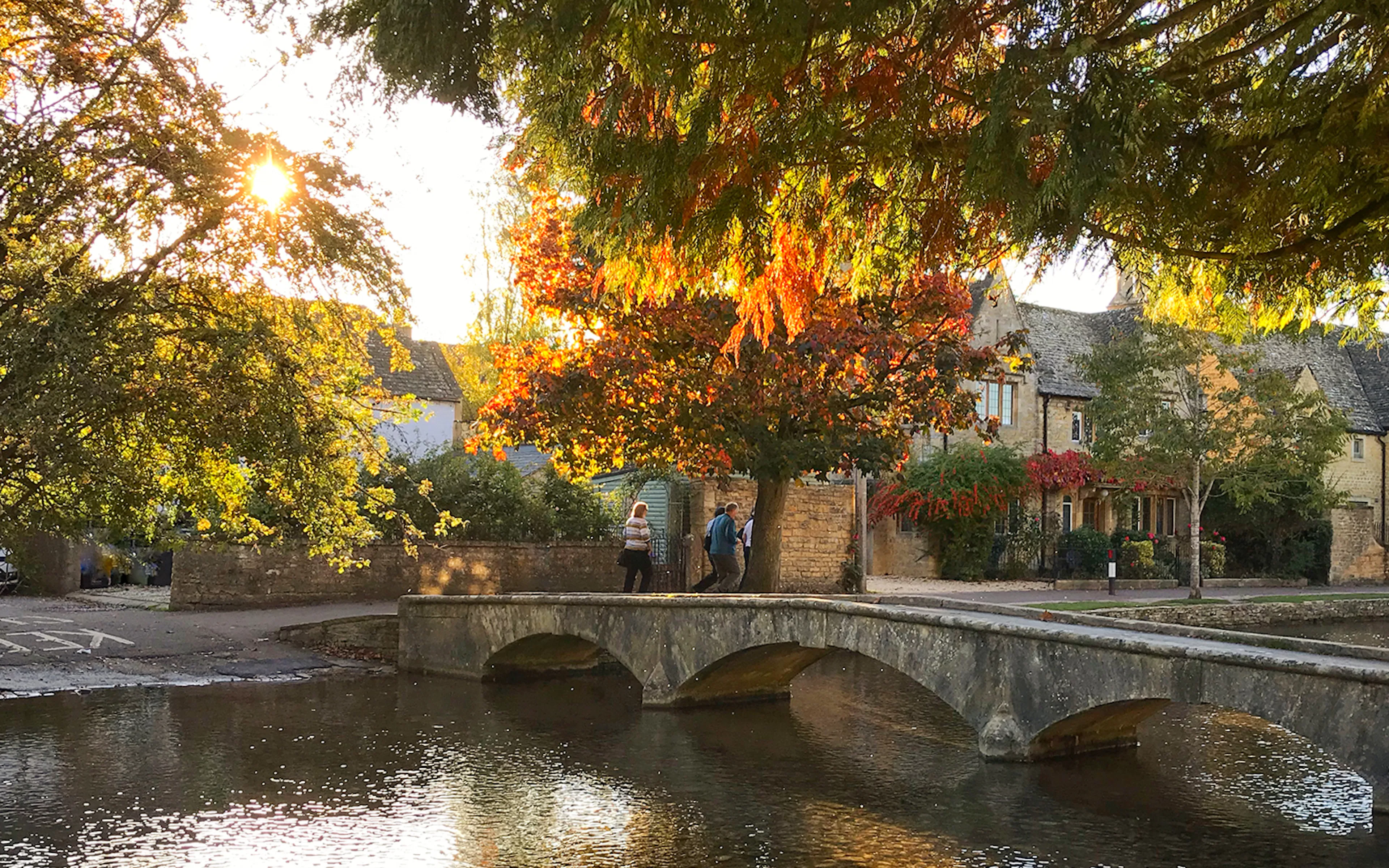
Stone bridge over river in Bourton-on-the-Water, Cotswolds, with autumn trees and historic buildings.
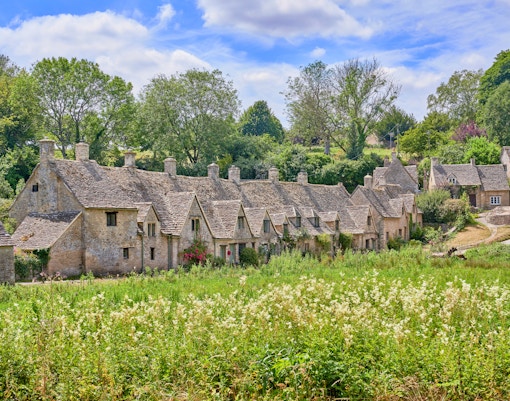
Arlington Row cottages in Bibury, England, with a river and lush greenery.
Market Square with historic buildings and a stone cross in Stow-on-the-Wold, England.
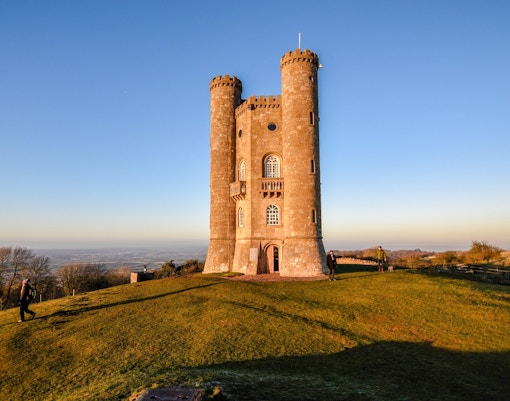
Broadway Tower in Cotswolds, UK, surrounded by green fields and misty landscape.
Quaint street in Castle Combe village, Cotswold, with historic stone cottages and visitors exploring.
St. James' Church in Chipping Campden, The Cotswolds, with its historic architecture.
1/6

Bourton-on-the-Water

Known as the ‘Venice of the Cotswolds’, this village is famous for its low stone bridges, riverside walks, and traditional tearooms.

Bibury

One of the region’s most photographed villages, especially Arlington Row and the River Coln.

Stow-on-the-Wold

Historic market town known for antique shops, cosy pubs, and honey-colored stone streets.

Broadway

Elegant village with galleries, cafés, and easy access to Broadway Tower viewpoints.

Castle Combe

Small Wiltshire village often used as a filming location thanks to its remarkably preserved streetscape.

Chipping Campden

Historic wool town with beautiful limestone buildings and access to countryside walks.

Suggested itinerary for the Cotswolds

Morning

Take an early train or guided tour from London. Begin in Bourton-on-the-Water before crowds build, then continue to Stow-on-the-Wold for cafés and market-square views.

Midday

Have lunch in Broadway or Chipping Campden. Traditional pubs and countryside inns are ideal for a relaxed stop.

Afternoon

Visit Bibury and Arlington Row, then continue to quieter villages like Lower Slaughter or Snowshill if time allows.

Optional add-on

If driving, extend your trip toward Bath, Blenheim Palace, or Stratford-upon-Avon.

Handy tips

  • Best time: Leave London before 8:30am for quieter trains and easier parking.
  • Booking hack: Advance train tickets are significantly cheaper than same-day fares.
  • Transport tip: Moreton-in-Marsh is usually the easiest train station for northern Cotswolds villages.
  • Seasonal note: Summer weekends bring heavy traffic and crowded villages; weekdays are noticeably calmer.
  • Local insight: Public transport works for 1–2 villages, but seeing multiple villages in one day is much easier by car or guided tour.
  • Taxi tip: Pre-book rural taxis in advance; rideshare apps are unreliable in many areas.

Frequently asked questions about getting to the Cotswolds

Buses are usually the cheapest option, though they take much longer than trains and often require transfers through larger towns like Cheltenham or Gloucester.