London Tickets

Your guide to visiting the Cotswolds

Getting the most out of your Cotswolds visit

Overview

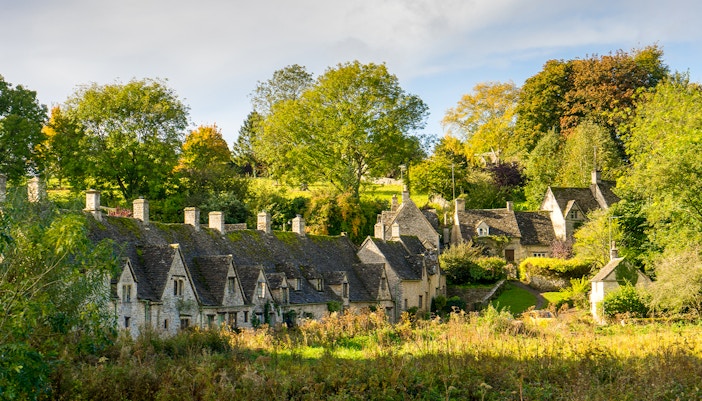
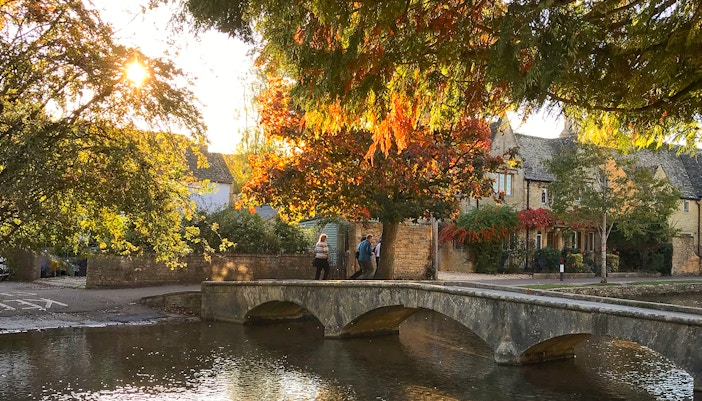
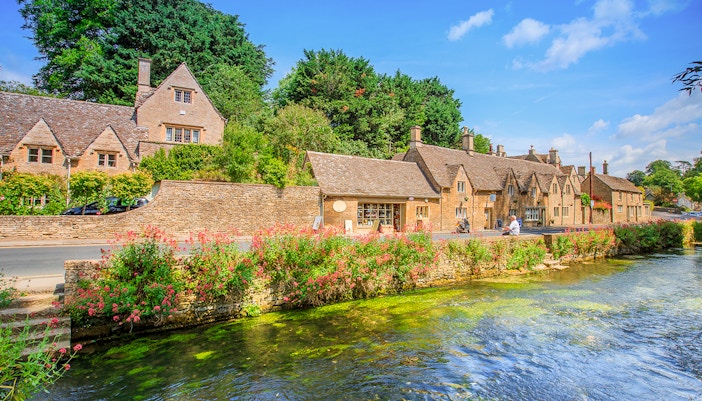
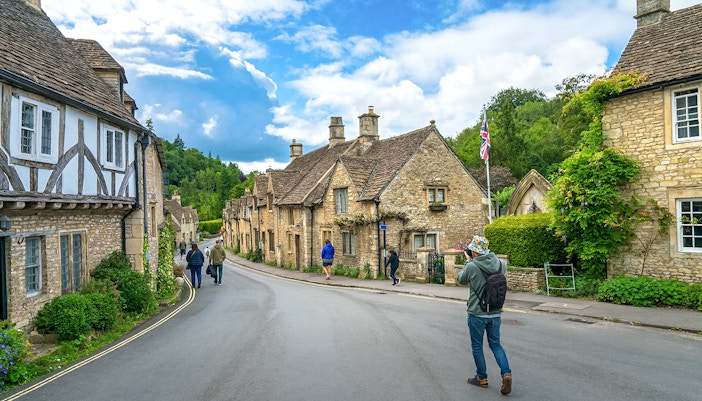
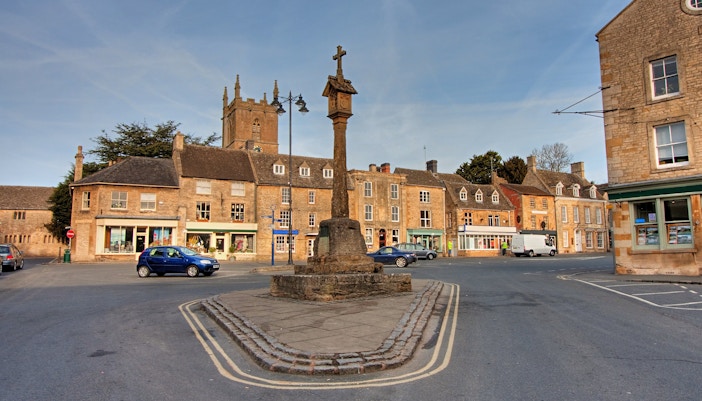
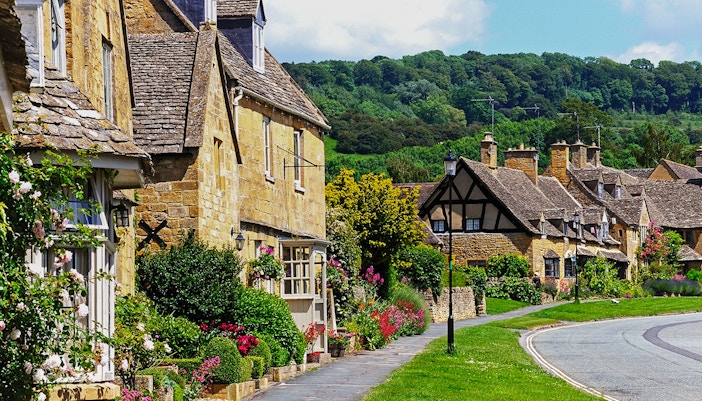
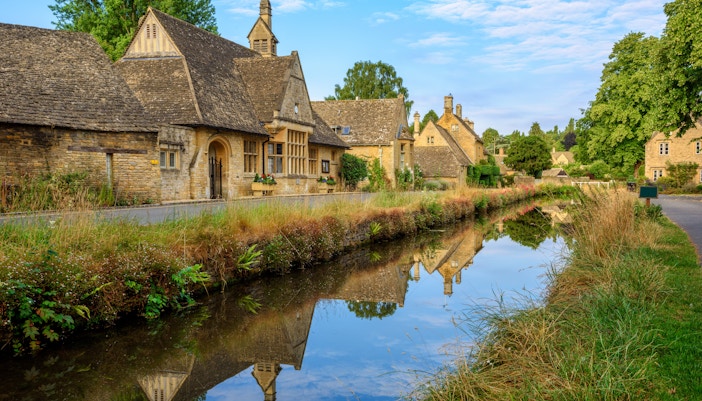
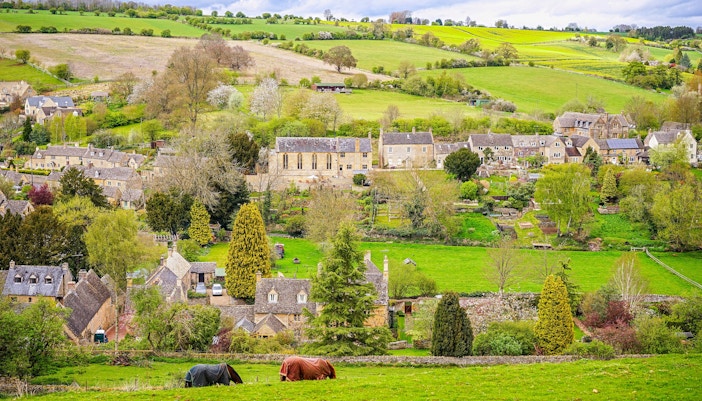
The Cotswolds is less a single destination and more a patchwork of historic villages, market towns, countryside trails, and manor estates spread across central southern England. Expect honey-colored stone cottages, riverside walks, village greens, cosy pubs, and scenic drives through rolling hills. Since distances between villages can be longer than they appear on a map, the key to a successful visit is slowing down and focusing on one area rather than trying to see everything in a day.

Travel logistics

Most visitors enter the Cotswolds via London, Oxford, Bath, or Birmingham. Train stations at Moreton-in-Marsh, Cheltenham, Kingham, and Stroud act as useful gateways, with buses or taxis connecting smaller villages like Bibury and Bourton-on-the-Water. Guided tours are the easiest option if you want to cover several villages efficiently without navigating rural transport. Driving offers the most flexibility, but parking fills early in popular villages during weekends and summer afternoons. For smoother planning, focus either on the North Cotswolds (Bourton, Stow, Broadway) or the South Cotswolds (Bibury, Castle Combe, Tetbury) instead of zigzagging across the region in one day.

Handy tips

  • Tickets: Book guided village tours, manor house entries, and afternoon tea experiences in advance during spring and summer.
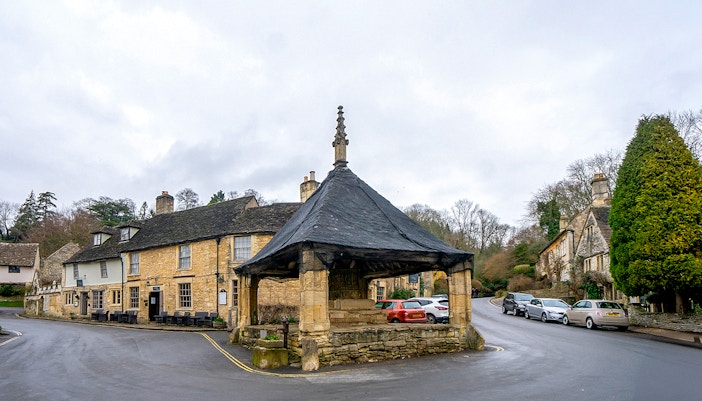
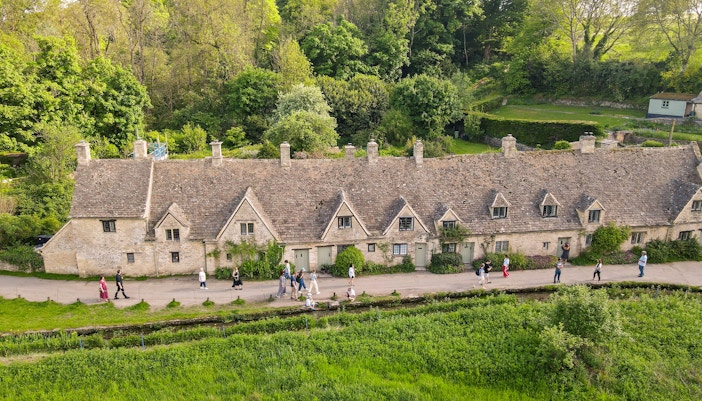
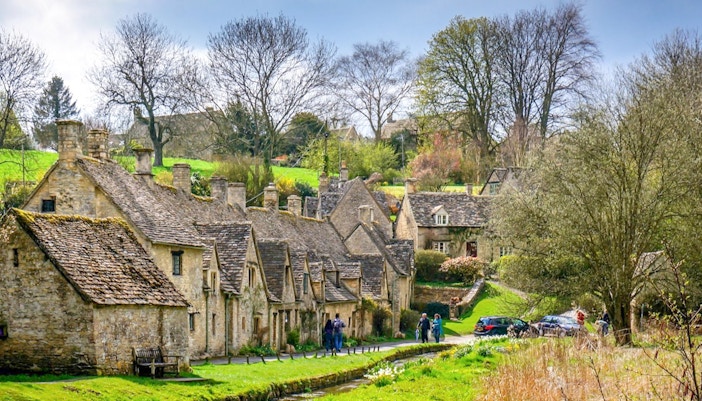
  • Best times: Arrive before 9am for quieter village streets; sunset is ideal for photography in Bibury and Castle Combe.
  • Rules: Many villages are residential communities, not open-air museums—avoid blocking roads, private doorways, and narrow lanes.
  • Pro tip: Base yourself near Moreton-in-Marsh or Stow-on-the-Wold if you’re relying on trains and buses.
  • Respect: Stay on marked countryside footpaths and avoid flying drones near village homes or churches.

Plan your day

Top sights and attractions to cover on your Cotswolds visit

Quick guide to booking your day trip

Day trip typeWhat’s includedTransportDurationGroup sizeBest forFrom
Small-group Cotswolds & Oxford tour

Round-trip London transfers + Oxford walking time + multiple Cotswolds villages

Minibus

10–11 hrs

Max. 16

Faster pacing with smaller groups

£114.55

Cotswolds + Warwick Castle + Oxford + Stratford

Guided village stops + Warwick Castle entry + Stratford + Oxford

AC coach

11–12 hrs

25–50

Covering multiple English highlights in one day

£79

Cotswolds & Blenheim Palace tour

Transfers + Blenheim Palace visit + scenic Cotswolds stops

AC coach

10–11 hrs

20–40

Combining the countryside with historic estates

£105

Cotswolds & Stonehenge tour

Stonehenge access + Cotswolds villages + optional lunch

AC coach

11–12 hrs

25–45

Mixing countryside scenery with iconic landmarks

£103.11

England in one day tour

Stonehenge + Bath + Stratford-upon-Avon + Cotswolds panoramic drive

AC coach

12–13 hrs

30–50

Travellers wanting maximum coverage in one day

£107.69

Cotswolds tour with optional lunch

Guided countryside route + free time in villages + optional pub lunch

AC coach

9–10 hrs

20–40

Relaxed sightseeing with classic pub dining

£90

Cotswolds small-group tour

Scenic village hopping + local guide commentary

Minibus

10 hrs

Max. 16

Visiting quieter villages beyond major tour routes

£129

Cotswolds guided day tour

Round-trip transfers + multiple village stops + countryside views

AC coach

9–10 hrs

25–45

First-time visitors wanting a classic overview

£90

Oxford & Cotswolds small-group tour with pub lunch

Oxford stop + village visits + traditional country pub lunch

Minibus

10–11 hrs

Max. 16

Slower-paced sightseeing with food included

£182

Best time to visit the Cotswolds

Getting to the Cotswolds

How to get around in the Cotswolds

Most villages are compact and ideal for short walks, but distances between villages are often much longer than expected.

  • Time: 15–30 mins within villages
  • Cost: Free
  • Best for: Slow travel and photography
  • Cons: Limited for long-distance sightseeing

Useful for connections between larger villages and railway towns.

  • Cost: £2–£8
  • Pros: Budget-friendly
  • Cons: Limited schedules and weekend frequency

Convenient for station transfers and village-to-village travel where buses are limited.

  • Cost: £10–£30 per ride
  • Best for: Small groups and flexible trips
  • Cons: Pre-booking is often needed

Best for reaching quieter villages and countryside viewpoints beyond public transport routes.

  • Cost: Rental + fuel + parking
  • Pros: Maximum flexibility
  • Cons: Rural driving and seasonal congestion

More things to do in the Cotswolds (if you have the time)

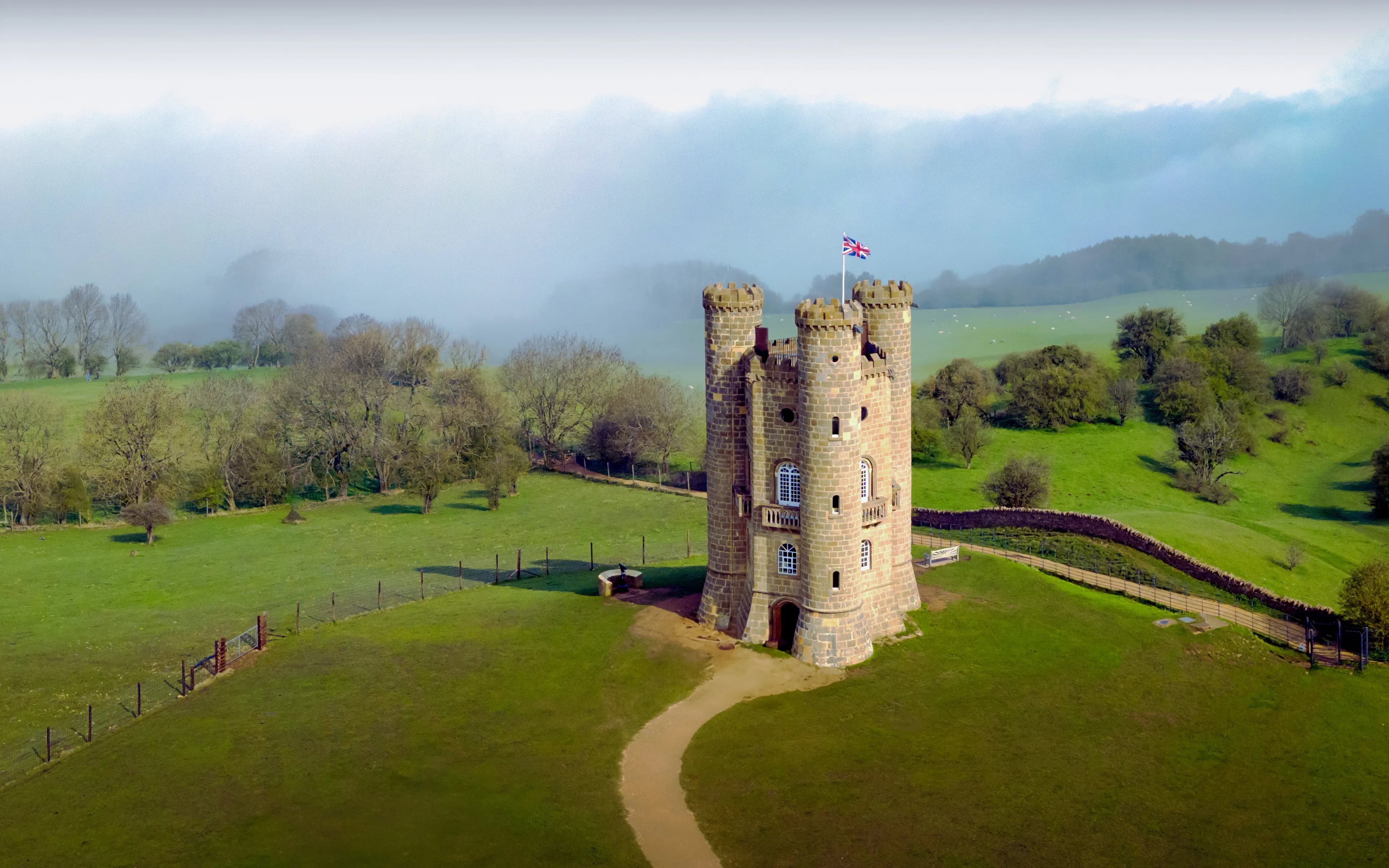
Broadway Tower in Cotswolds, UK, surrounded by green fields and misty landscape.
Hidcote Manor Garden in Cotswolds with historic stone building and lush floral landscape.
Lavender fields in summer, Cotswolds, Worcestershire, England with cottages in the background.
Sheep grazing near historic church in Cotswold village, England.
Street view of historic stone buildings in Painswick village, Cotswolds.
Rhino grazing at Cotswold Wildlife Park with manor house in background, Burford, UK.
1/6

Broadway Tower

Hilltop folly with panoramic countryside views, walking trails, and one of the region’s best sunset viewpoints.

Hidcote Manor Garden

Famous Arts and Crafts garden with carefully designed outdoor ‘rooms’ and seasonal flower displays.

Cotswold Lavender

Summer lavender farm near Snowshill, popular for photography and countryside walks in bloom season.

Chipping Campden

Historic wool town with elegant stone buildings, independent shops, and access to the Cotswold Way.

Painswick

Known as the ‘Queen of the Cotswolds’, with hillside views, churchyard yew trees, and quieter streets.

Cotswold Wildlife Park

Family-friendly wildlife park combining safari-style animals with landscaped gardens and picnic areas.

Where to eat in the Cotswolds

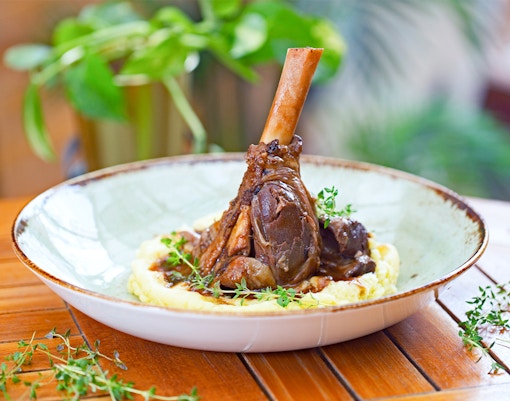
Good food is part of the Cotswolds experience. Here are a few recommended spots where you can enjoy traditional countryside meals, cosy tearooms, and local produce.

Where to shop in the Cotswolds

Local tips

  • Arrive before the crowds: Bibury and Bourton-on-the-Water become extremely busy after 10am, especially on weekends and summer afternoons. Early mornings are quieter for photos and parking.
  • Don’t overpack your itinerary: The Cotswolds look compact on a map, but village-to-village drives take longer than expected on narrow country roads. Focus on one cluster of villages per day.
  • Stay near a transport hub: If you’re not driving, base yourself in Moreton-in-Marsh or Cheltenham for easier train and bus connections across the region.
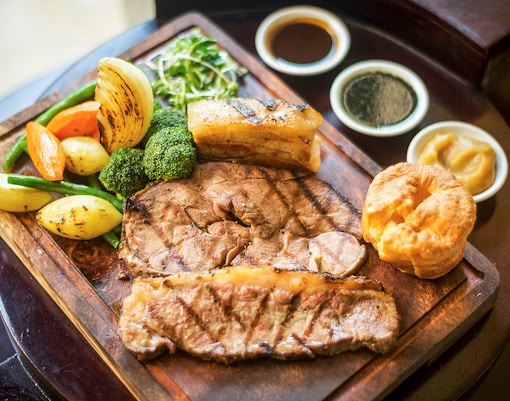
  • Plan lunch timings carefully: Many countryside pubs stop serving lunch around 2:30pm to 3pm. Reserve ahead on weekends if you want a traditional Sunday roast.
  • Visit during the shoulder season: April–May and September–October offer the best mix of green landscapes, manageable crowds, and pleasant walking weather.
  • Expect slow rural driving: Weekend traffic through popular villages can significantly increase travel times. Add buffer time between stops instead of relying fully on GPS estimates.
  • Walk between nearby villages: The riverside trail from Bourton-on-the-Water to Lower Slaughter is more enjoyable than driving and avoids parking stress.
  • Wear proper countryside footwear: Even in summer, grassy paths and countryside trails can get muddy after rain. Waterproof shoes are useful year-round.
  • Use guided tours for multi-stop days: Public transport between smaller villages is limited. Guided tours are often the most efficient way to cover multiple locations without logistics headaches.
  • Save sunset for quieter villages: Castle Combe, Broadway, and Lower Slaughter become noticeably calmer in the evening after day-trippers leave, making them ideal for relaxed walks and photography.

Frequently asked questions about visiting the Cotswolds

Yes, but it’s best to focus on one cluster of villages rather than trying to cover the entire region.