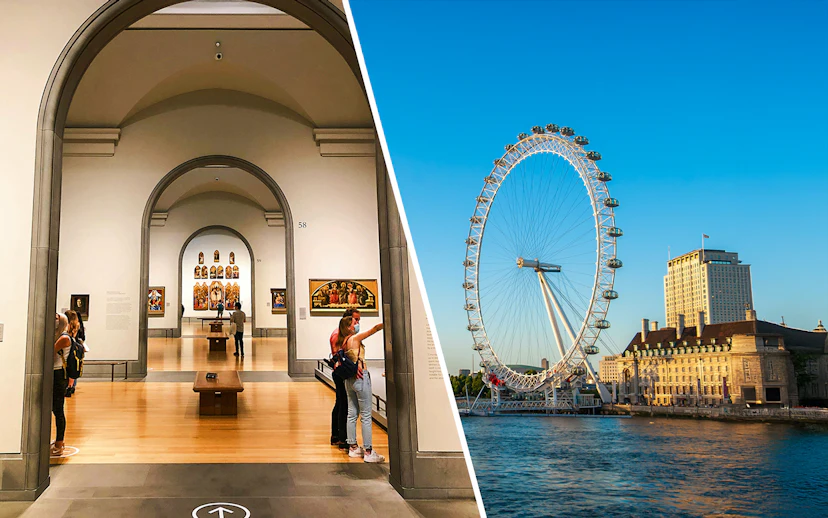
Plan your visit to The National Gallery
The National Gallery is London’s flagship painting museum, best known for putting Van Gogh, Leonardo, Turner, Monet, and hundreds more under one free roof. The experience is rewarding, but it’s bigger and busier than many first-timers expect, especially around the blockbuster rooms. The difference between a rushed visit and a great one usually comes down to route, not stamina: if you don’t decide what to prioritize early, the collection can blur together fast. This guide helps you time your visit, enter smoothly, and focus on the rooms that matter most.
Quick overview: The National Gallery at a glance
- When to visit: Open daily 10am–6pm, with Friday late opening until 9pm. Weekday mornings and Friday after 6pm are noticeably calmer than weekend afternoons, because tour groups and Trafalgar Square foot traffic peak from late morning onward.
- Getting in: Entry to the permanent collection is free. Special exhibitions usually start around £20, and the audio guide is about £5; timed entry is worth reserving in summer and school holidays because free walk-in entry can pause when the building reaches capacity.
- How long to allow: 2–3 hours works for most visitors. It stretches toward 4 hours if you want both the headline paintings and a slower chronological walk through the collection.
- What most people miss: Turner’s The Fighting Temeraire, Caravaggio’s Supper at Emmaus, and the tiny convex mirror in The Arnolfini Portrait are the detail-rich stops many people rush past after Sunflowers.
- Is a guide worth it? Yes, on a first visit, because the collection is large enough to feel shapeless without context; if you’re comfortable exploring solo, the audio guide is the better-value middle ground.
🎟️ Exhibition tickets for The National Gallery sell out several days in advance during major seasonal shows. Lock in your visit before the time you want is gone. See ticket options
Jump to what you need
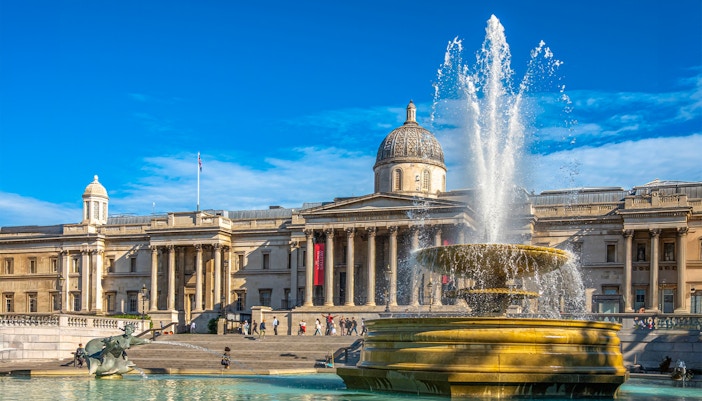
🕒 Where and when to go
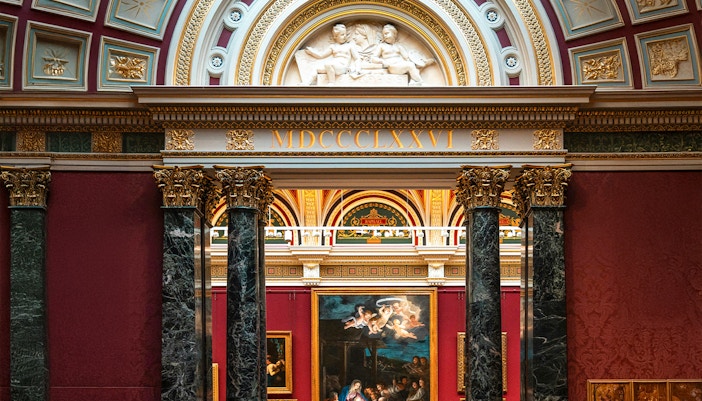
🗓️ How much time do you need?
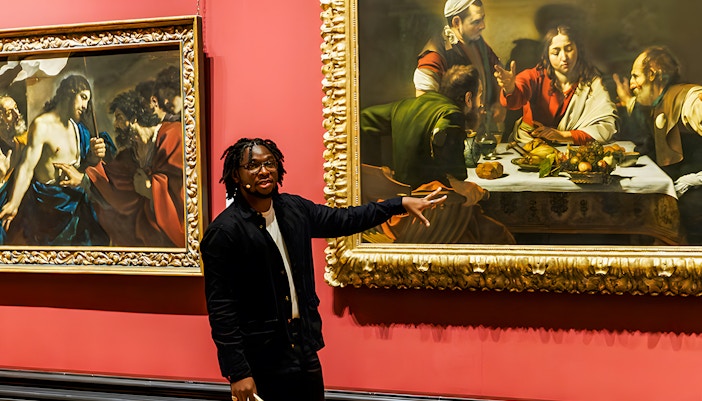
🎟️ Which ticket is right for you?
🗺️ Getting around
♿ Facilities and accessibility
Where and when to go

How do you get to The National Gallery?
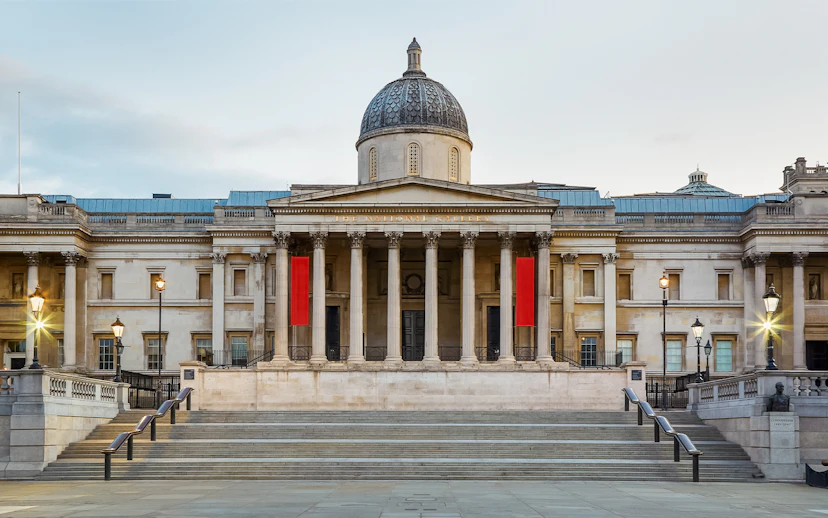
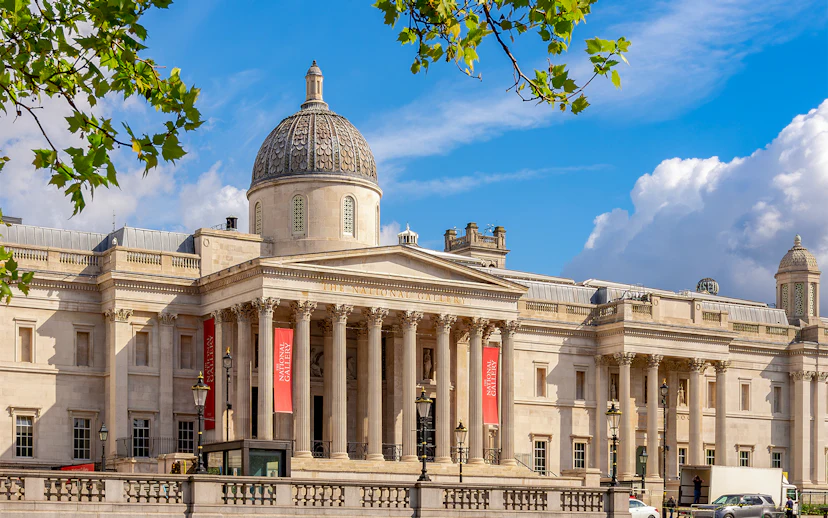
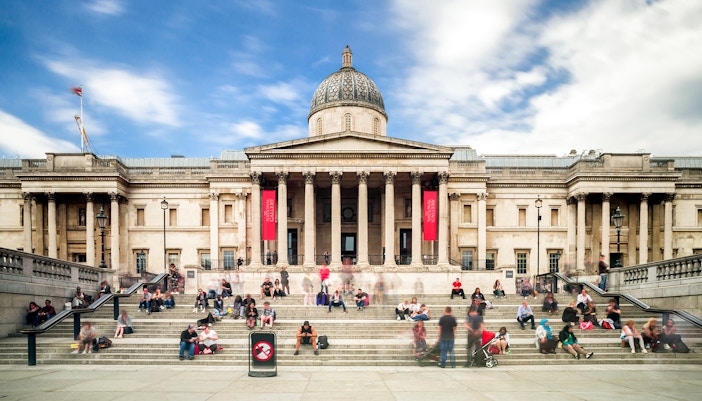
The National Gallery sits on Trafalgar Square in central London, a short walk from Charing Cross and within easy reach of Covent Garden, Soho, and Westminster.
Trafalgar Square, London WC2N 5DN → Open in Google Maps
- Subway/metro: Charing Cross Station (Bakerloo and Northern lines) → 3-min walk → exit toward Trafalgar Square for the shortest approach.
- Subway/metro: Leicester Square Station (Piccadilly and Northern lines) → 5-min walk → useful if you’re arriving from Heathrow on the Piccadilly line.
- Train: Charing Cross National Rail Station → 3-min walk → the easiest option if you’re coming in by regional rail.
- Bus: Trafalgar Square and Charing Cross Road stops → 1–2 min walk → several central routes stop directly by the square.
- Taxi/rideshare: Drop-off on Trafalgar Square or St Martin’s Place → short walk → easier than driving in central London.
Which entrance should you use?
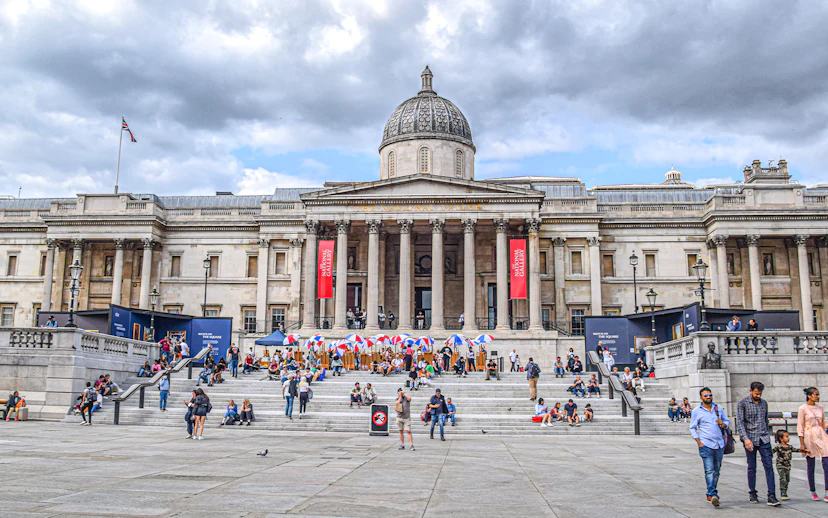
The main thing visitors get wrong here is assuming free entry means instant entry. The Gallery is free, but bag checks and capacity controls still create waits at busy times.
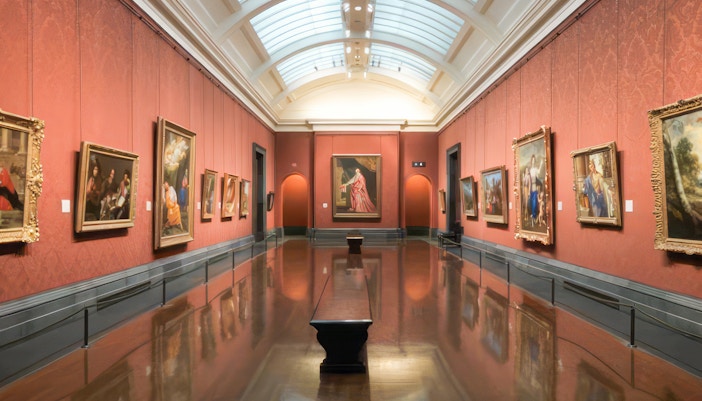
- Main entrance: Located on Trafalgar Square at the Sainsbury Wing entrance. Best for all visitors, including timed-entry holders and walk-ins. Expect 0–15 min waits on weekday mornings and 20–40 min waits on busy weekend or summer afternoons.
When is The National Gallery open?
- Monday–Thursday: 10am–6pm
- Friday: 10am–9pm
- Saturday–Sunday: 10am–6pm
- December 24–26, January 1: Closed
- Last entry: The Gallery stays open until closing time, but arriving within the final hour turns the visit into a highlights-only lap.
When is it busiest? Weekend afternoons, Friday from late morning to early evening, and summer weekdays are the most crowded, especially around Sunflowers and the Impressionist rooms.
When should you actually go? Tuesday to Thursday at opening, or Friday after 6pm, gives you more room around the major paintings and a less stop-start route through the collection.
How much time do you need?
| Visit type | Route | Duration | Walking distance | What you get |
|---|---|---|---|---|
Highlights only | Sainsbury Wing highlights → 'The Arnolfini Portrait'/'The Ambassadors' → Turner room → Impressionist rooms → exit | 1.5–2 hours | ~1km | You’ll see the paintings most people came for, but you’ll skip the slower build between periods and many strong Baroque rooms. |
Balanced visit | Early Italian and Northern Renaissance rooms → Baroque rooms → British painting → Turner → Impressionists | 2.5–3.5 hours | ~1.8km | This adds the historical thread that makes the headline works land better, without turning the visit into an all-day museum march. |
Full exploration | Full chronological sweep of the permanent collection + return stops at favorites + café break | 4+ hours | ~2.5km | You get a much fuller sense of how the collection hangs together, but museum fatigue is real by the final rooms. Add a separate paid exhibition ticket if you also want the temporary show. |
Which National Gallery ticket is best for you
| Ticket type | What's included | Best for | Price range |
|---|---|---|---|
| Official guided tour | 1-hour tour with a Blue Badge guide + entry ticket | Context without the fatigue. A structured look at 700 years of art history in a manageable timeframe, leaving you free to explore alone afterward | From £20 |
| Private walking tour | Half-day (3-hour) private expert guide + customized itinerary | Deep dives and personal interests. A tailored route that skips the crowds to focus on the specific artists or movements you care about most | From £97.49 |
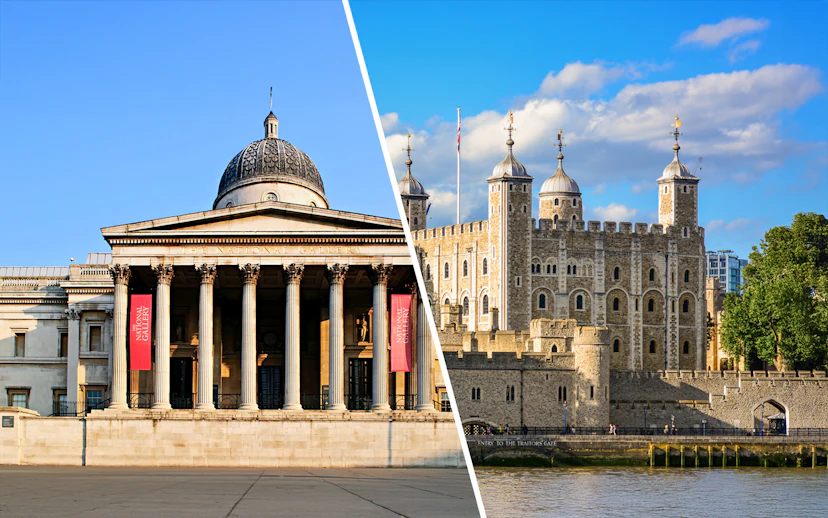
| Combo tickets | National Gallery tour + choice of London Eye, Tower of London, or Thames cruise | Efficient sightseeing. Checking off two major London landmarks in one day while securing a discount (up to 17%) and a pre-planned schedule | From £30.15 |
How do you get around The National Gallery?
Gallery layout
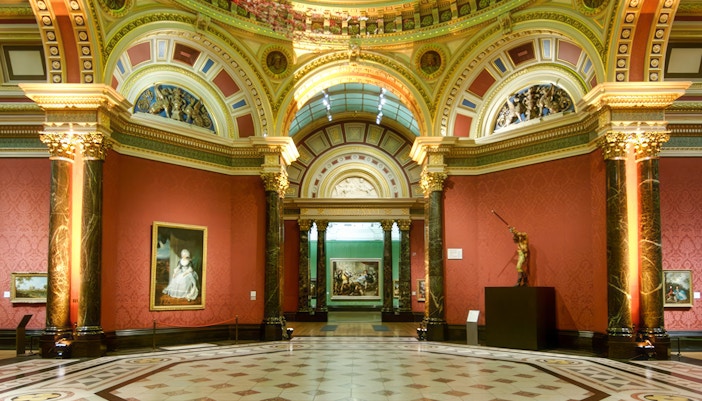
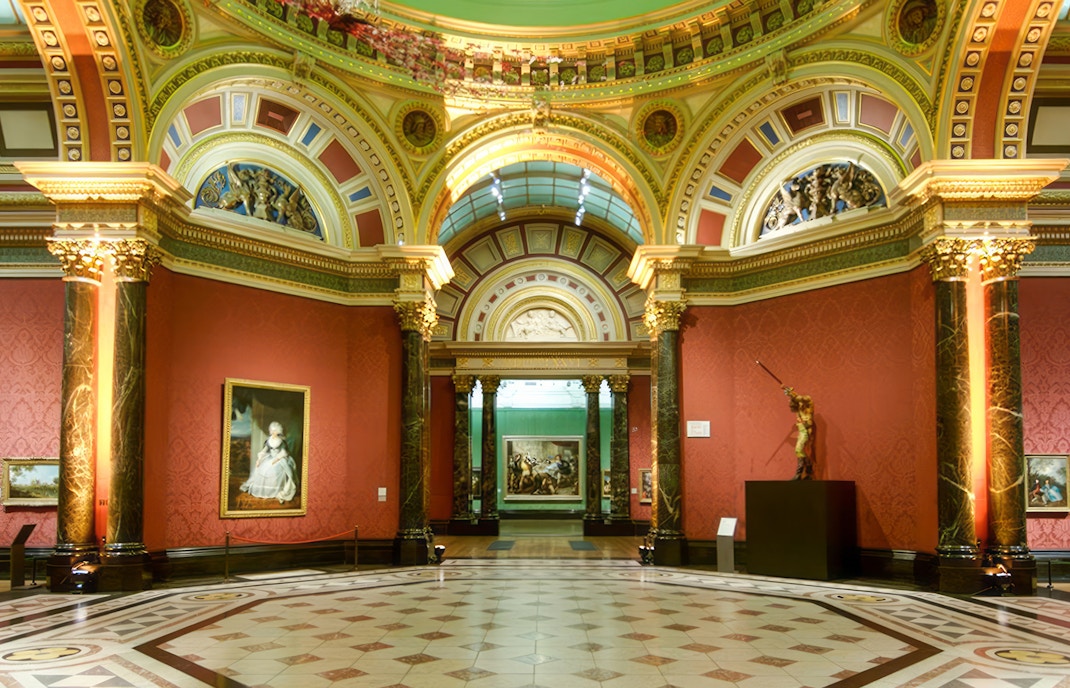
The National Gallery is large but readable once you treat it as a chronological museum rather than a random series of rooms. If you jump straight to the famous paintings without a plan, it’s easy to miss whole sections that give the later rooms their meaning.
- Sainsbury Wing: Early Italian, Northern Renaissance, and Tudor masterpieces, including Van Eyck, Holbein, and Leonardo → budget 45–60 mins.
- Central and adjoining rooms: 17th- and 18th-century European painting, including major Baroque works → budget 30–45 mins.
- British painting rooms: Turner and other British highlights that many casual visitors underrate → budget 20–30 mins.
- Impressionist rooms: Monet, Renoir, and Van Gogh, including Sunflowers and The Water-Lily Pond → budget 30–45 mins.
Suggested route: Start in the Sainsbury Wing, then move forward through the collection toward Turner and the Impressionists; this works because the story builds naturally, and it prevents the common mistake of rushing to Sunflowers first and losing steam before the rest of the museum.

Maps and navigation tools
- Map: Printed gallery map or digital map → covers wings, rooms, and major visitor services → pick one up at the entrance before you start.
- Signage: Good enough for a highlights visit, but a map helps if you want specific paintings without backtracking.
- Audio guide/app: The official Audioguide covers 80+ works in multiple languages, and the Smartify app is a useful self-guided backup if you prefer your own phone.
💡 Pro tip: If you care about more than the blockbuster rooms, mark 5–6 paintings before you enter — otherwise the Sainsbury Wing and Impressionist rooms can swallow most of your visit.
Where are the masterpieces inside The National Gallery?
Sunflowers
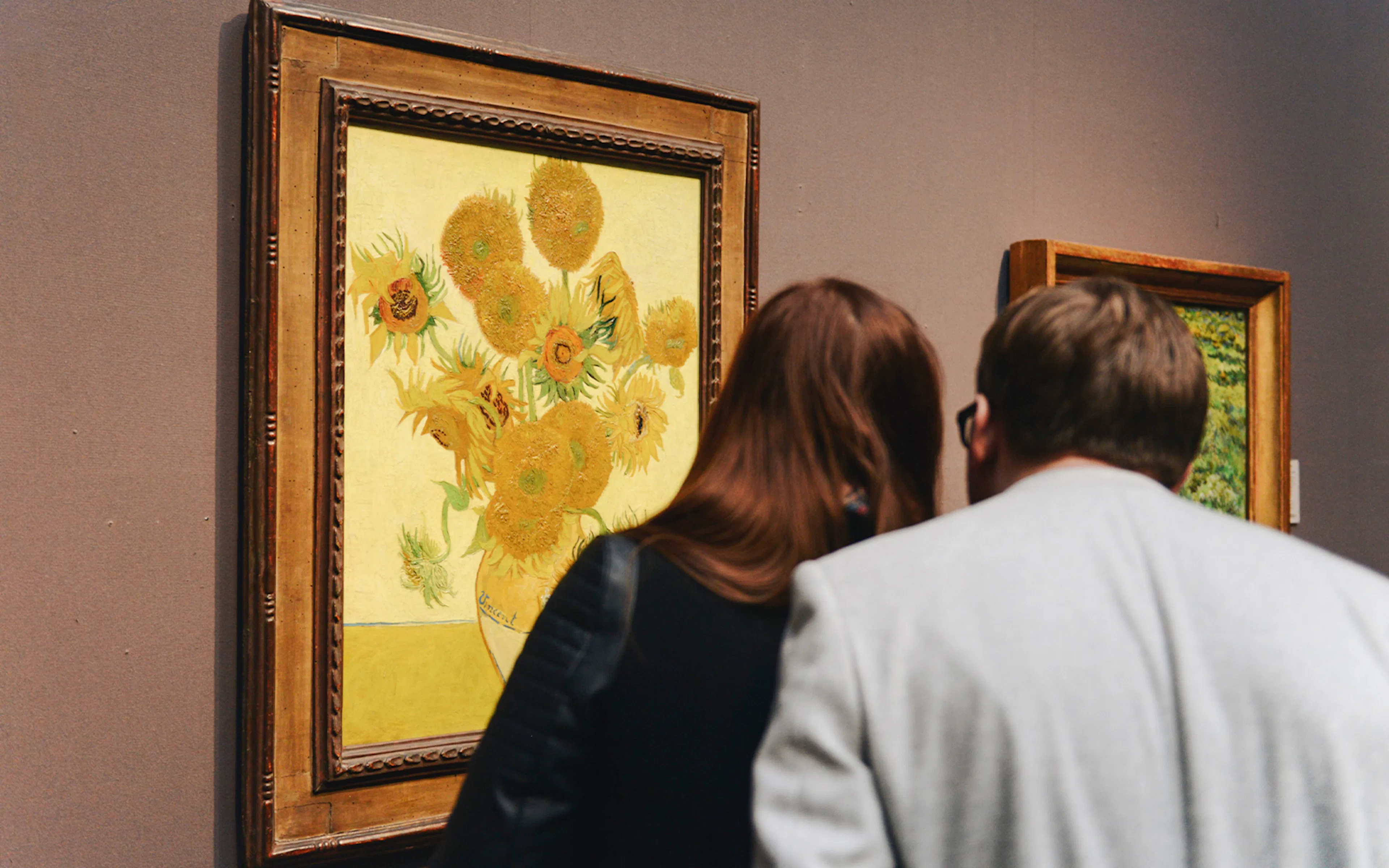
Artist: Vincent van Gogh
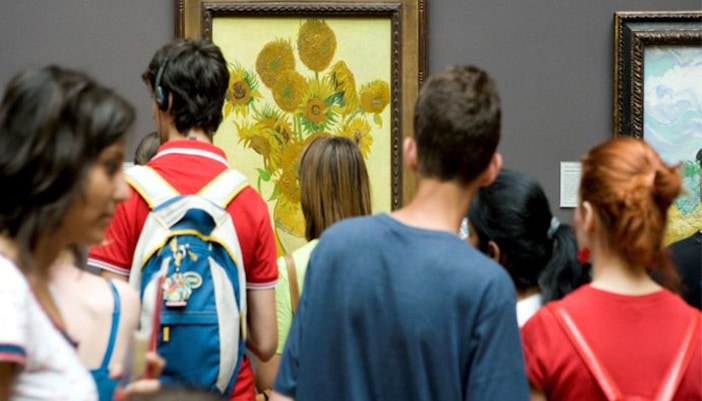
Van Gogh’s Sunflowers is the painting most visitors make a beeline for, and in person the paint surface is the real revelation. The yellows aren’t flat at all — they’re layered, ridged, and almost sculptural. What people rush past is the life cycle within the bouquet: some flowers are in full bloom, others are already collapsing, which gives the painting more melancholy than its cheerful reputation suggests.
Where to find it: Room 43, in the Impressionist galleries.
The Arnolfini Portrait
Artist: Jan van Eyck
This is one of the most detail-packed paintings in the building, and it rewards slow looking more than almost anything else here. The clothing textures, polished surfaces, and tiny domestic objects are extraordinary, but the detail most people miss is the convex mirror in the background, where the room opens out and two extra figures appear. It’s one of the smartest pieces of visual trickery in the collection.
Where to find it: In the Sainsbury Wing, among the early Netherlandish paintings.
The Ambassadors
Artist: Hans Holbein the Younger
At first glance this looks like a stately Tudor double portrait loaded with books, globes, and instruments. The real hook is the stretched diagonal shape at the bottom: from the right angle, it resolves into a skull. Most visitors photograph the front view and move on, but this painting is built to make you move, which is part of why it still feels so clever.
Where to find it: In the Sainsbury Wing, in the Northern Renaissance and Tudor rooms.
The Virgin of the Rocks
Artist: Leonardo da Vinci
Leonardo’s The Virgin of the Rocks feels quieter than the museum’s louder crowd-pullers, which is exactly why it’s worth slowing down for. The grotto setting, the smoky transitions between light and shadow, and the tenderness of the hand gestures create a painting that works more like atmosphere than spectacle. Many visitors glance at the faces and leave too quickly without noticing the plants, rocks, and watery detail in the foreground.
Where to find it: In the Sainsbury Wing, in the Leonardo and early Italian rooms.
The Fighting Temeraire
Artist: J. M. W. Turner
Turner’s famous image of the old warship being towed to its end lands even harder once you stand back and let the sky do the work. The contrast between the pale ship and the dark steam tug carries the whole elegy. What people often miss is how controlled the composition is beneath the emotion — the reflections and color balance are doing as much as the subject matter.
Where to find it: Room 34.
Facilities and accessibility
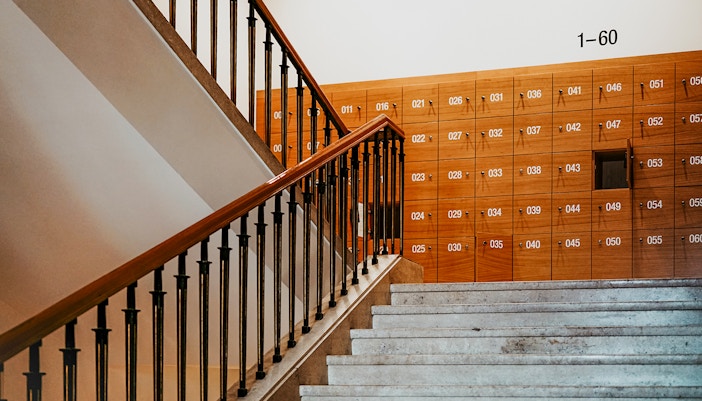
- 🎒 Cloakroom/lockers: A cloakroom is available, and it costs £3 per item; large bags, oversized backpacks, and suitcases are not allowed into the galleries.
- 🚻 Restrooms: Clean restrooms are available on-site, including accessible restrooms.
- 🍽️ Café/restaurant /espresso bar: Food and drink are available inside, but prices are higher than nearby street options, and lunchtime gets busy.
- 🛍️ Gift shop/merchandise: The shop is worth a look for exhibition catalogues, art books, postcards, and solid small souvenirs.
- 💧 Water fountains/bottle refill stations: Water refill points are available inside, which matters because large liquids are restricted at security.
- 🪑 Seating/rest areas: Benches and seating are spread through the galleries, making it easier to slow down without leaving the collection.
- 📶 Wi-Fi: Free Wi-Fi is available and useful for gallery maps, the Smartify app, and quick label lookups.
- ♿ Mobility: The Gallery is fully wheelchair accessible, with step-free entry, elevators to all levels, accessible restrooms, and wheelchairs available to borrow on site.
- 👁️ Visual impairments: Tactile maps and large-print guides are available, and staff can help direct you to the right support at the information desk.
- 🧠 Cognitive and sensory needs: The calmest windows are weekday mornings and Friday evenings; quieter, less crowded visits are much easier outside school holidays and weekend afternoons.
- 👨👩👧 Families and strollers: Elevators make it manageable with strollers, but the most popular rooms can feel tight once groups gather around the blockbuster paintings.
The National Gallery works well with children if you keep the visit short and focus on a few paintings with strong stories or visual surprises rather than trying to cover the whole museum.
- 🕐 Time: 60–90 minutes is realistic with younger children, and works best if you choose 5–6 paintings instead of trying to 'do' the whole museum.
- 🏠 Facilities: Restrooms, seating, and on-site food make breaks easy, which matters more here than extra entertainment features.
- 💡 Engagement: Build the visit around details children can hunt for — the mirror in The Arnolfini Portrait, the skull in The Ambassadors, and the flowers in Sunflowers work especially well.
- 🎒 Logistics: Bring a small bag, skip big bottles and bulky extras, and aim for opening time before the most crowded rooms turn into bottlenecks.
- 📍 After your visit: Trafalgar Square is the easiest next stop, with space to move around and enough action outside to reset after the galleries.
Rules and restrictions
What you need to know before you go
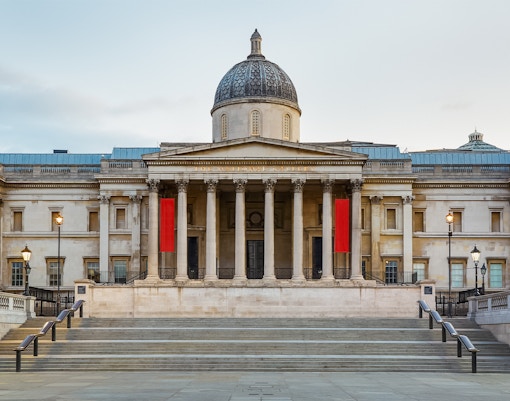
- Entry requirement: The permanent collection is free, but a timed entry reservation is smart during busy periods and special exhibitions always require a timed ticket.
- Bag policy: Bags larger than the Gallery’s limit are not allowed in the galleries and may need to go into the paid cloakroom.
- Re-entry policy: If you step out, expect another security check on your way back in, so it’s easier to plan food and breaks around one continuous visit.

Not allowed
- 🚫 Food and drink: Outside food and drink are best finished before entry, and liquids over 100ml can be stopped at security.
- 🚬 Smoking/vaping: Smoking and vaping are not allowed inside the building.
- 🐾 Pets: Pets are not allowed, but service animals are accepted.
- 🖐️ Touching exhibits: Do not touch frames, walls, or paintings, because even light contact can damage historic works.
Photography
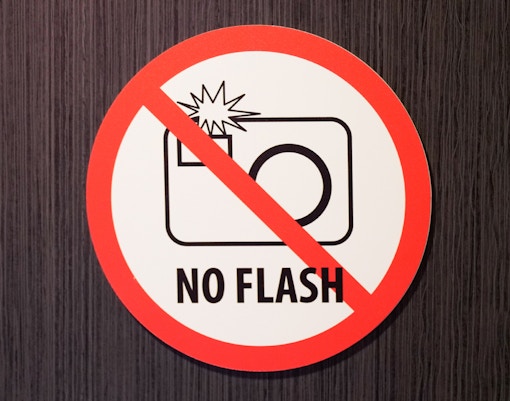
- Photography is allowed in the permanent collection galleries, but flash, tripods, and selfie sticks are not permitted.
- Rules are stricter in temporary exhibitions, where photography is often limited or fully banned, so don’t assume the permanent-collection policy applies everywhere.
Good to know
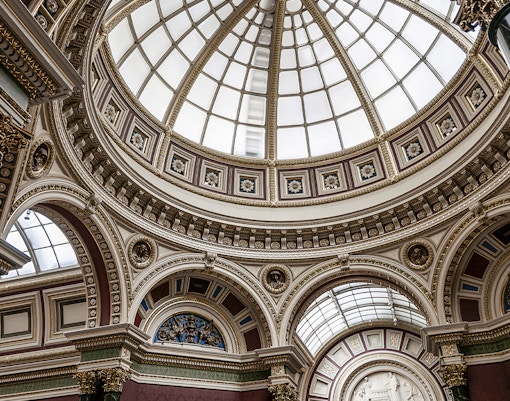
- Security: The free-entry model catches people out — you still go through bag checks, and queues can build when the Gallery reaches capacity.
- Crowds: The loudest pinch points are usually around the Impressionist rooms, so don’t judge the whole museum by the atmosphere around Sunflowers.
Practical tips
- Booking and arrival: Reserve a free timed slot for summer afternoons, Fridays, and school-holiday weekends; walk-ins still happen, but capacity holds are real and can eat into a short London itinerary.
- Pacing: Start with either the Sainsbury Wing or a shortlist of 5–6 paintings, because the visitors who enjoy this museum most are the ones who choose a route instead of drifting until fatigue sets in.
- Crowd management: If Sunflowers matters to you, go there right at opening or on Friday evening; midday is when phones, tour groups, and bottlenecks are most likely to blunt the experience.
- What to bring or leave behind: Bring a small bag and finish large drinks before security — bulky bags may need the £3 cloakroom, and liquids over 100ml can slow entry.
- Food and drink: Eat before noon or after 2pm if you plan to use the on-site café, because the lunch window is the busiest and least relaxing time to take a break.
- Free tours: If you want expert context without paying, shape your visit around the free guided tour schedule and arrive 10–15 minutes early for a better chance at a place.
- Photos: Save your photos for the end of a stop, not the first 10 seconds; the rooms are much more rewarding when you look before you lift your phone.
What else is worth visiting nearby?
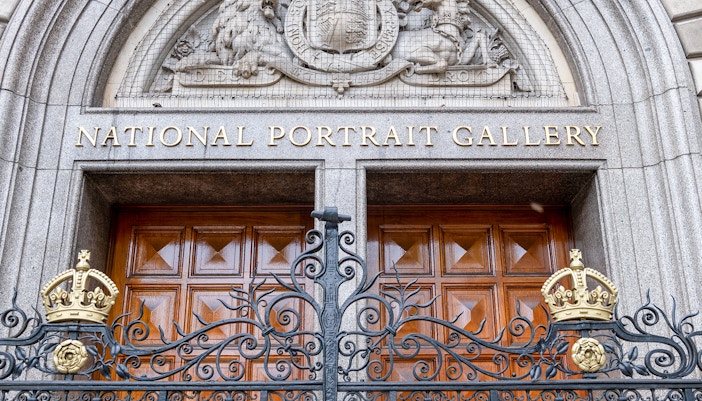
Commonly paired: National Portrait Gallery
Distance: 120m — 2 min walk
Why people combine them: The pairing makes sense because you can move from great paintings to the faces of Britain’s political, literary, and royal history without changing neighbourhoods.
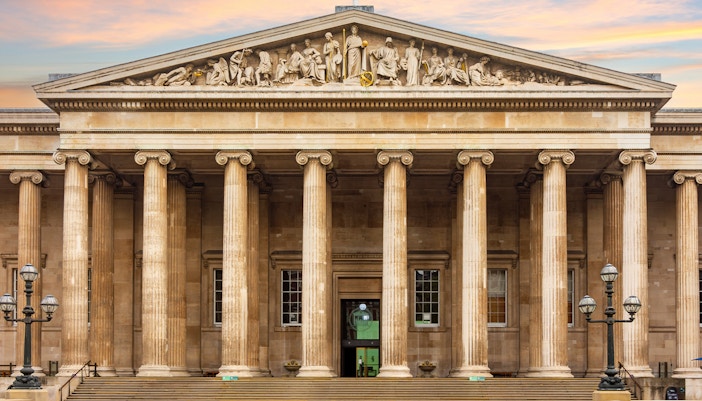
Commonly paired: British Museum
Distance: 1.6km — 20–25 min walk or about 15 min by bus
Why people combine them: Travellers short on time often pair them for a concentrated London culture day — paintings at one, global antiquities at the other — especially when they want one museum afternoon and one museum morning.
Also nearby
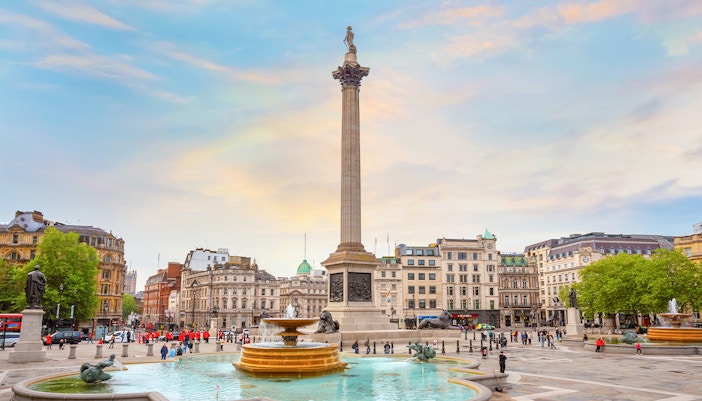
Trafalgar Square
Distance: 0m — right outside
Worth knowing: It’s the easiest decompression stop after the galleries, and the fountains and open space work especially well if you’re visiting with children.
St Martin-in-the-Fields
Distance: 100m — 1 min walk
Worth knowing: The church is worth a quick stop for its concerts, architecture, and easy café break without losing your place in central London.
Eat, shop and stay near The National Gallery
- On-site: The Gallery has a café, espresso bar, and restaurant; they’re convenient, but the main trade-off is price and a crowded lunch window.
Better options nearby: Trafalgar Square and Covent Garden give you more choice and usually better value if you can spare a 10-minute walk after your visit.
- St Martin-in-the-Fields Café in the Crypt: (1-min walk, Trafalgar Square): A reliable nearby option if you want a more memorable setting than a standard museum café.
💡 Pro tip: If you want to stay inside the museum rhythm, grab coffee early and save lunch for after 2pm, when both the Gallery café and nearby spots calm down.
- National Gallery shop: Best for postcards, art books, catalogs, and small gifts tied directly to the collection.
- Charing Cross Road bookshops: Worth the 5–10 minute detour if you’d rather buy books than standard museum merchandise.
Yes for a short London trip, especially if you want to walk to major sights and keep transport simple. Trafalgar Square puts you close to Covent Garden, Soho, Westminster, and multiple Tube lines, but the trade-off is price, noise, and heavy foot traffic. It’s a practical base, not the quietest one.
- Price point: This area skews mid-range to expensive, with the usual premium for being in the West End.
- Best for: Visitors on a short trip who want to walk to museums, theaters, and headline London sights without spending time on the subway.
- Consider instead: Covent Garden gives you a similar central location with more food choice, while South Bank suits longer stays better if you want a slightly calmer evenings-and-riverwalk feel.
Frequently asked questions about visiting The National Gallery
Most visits take 2–3 hours. If you only want the headline paintings, you can do a strong 90-minute visit, but art lovers often stay 4 hours or longer, especially if they move chronologically through the collection or add a temporary exhibition.
You do not need to pay or book ahead for the permanent collection, but reserving a free timed entry slot is smart at busy times. Summer afternoons, Friday peaks, weekends, and school holidays are when walk-in entry is most likely to slow down because of capacity controls.
Arrive about 10–15 minutes early. That gives you enough time for security checks without turning up so early that you’re just standing outside, and it matters more if you’re joining a free guided tour or a timed exhibition.
Yes, but keep it small. Large bags, oversized backpacks, and suitcases are not allowed in the galleries, and you may need to use the cloakroom, which costs £3 per item.
Yes, photography is allowed in the permanent collection galleries. Flash, tripods, and selfie sticks are not permitted, and temporary exhibitions often have stricter rules, so always check the signs before assuming photos are allowed everywhere.
Yes, but larger groups should plan ahead. Groups of 7 or more are generally expected to arrange their visit in advance, and this matters because popular rooms can clog quickly when multiple tours overlap.
Yes, as long as you plan a short, focused route. Children tend to engage better with a handful of paintings that have obvious details or visual tricks, such as the skull in The Ambassadors or the mirror in The Arnolfini Portrait, than with a full-room marathon.
Yes, The National Gallery is wheelchair accessible. There is step-free entry, elevators to all levels, accessible restrooms, and wheelchairs available to borrow, which makes it one of the easier major London museums to navigate with mobility needs.
Yes, both on-site and nearby. The Gallery has its own café, espresso bar, and restaurant, but many visitors prefer to eat just outside in Trafalgar Square or nearby Covent Garden when they want better value or a quieter break.
Yes, the permanent collection is free to visit. The only regular paid extras are things like temporary exhibitions, Audio guides, private tours, and some special events, so you can still have a full museum experience without buying a standard admission ticket.
Yes, both are available. The Gallery runs free guided highlight tours on selected days, and the official audio guide costs about £5 and covers dozens of key works, which is a strong option if you want context without joining a group.