Plan your visit to the Natural History Museum in London

The Natural History Museum is a vast space filled with over 80 million specimens, from the towering blue whale to world-famous dinosaur skeletons. Its galleries span multiple floors and themes, and queues can build quickly during busy hours. With a little planning, you can navigate the museum smoothly, avoid the most crowded zones, and spend your time on the displays that truly interest you.

Navigating your way

Enter via Hintze Hall
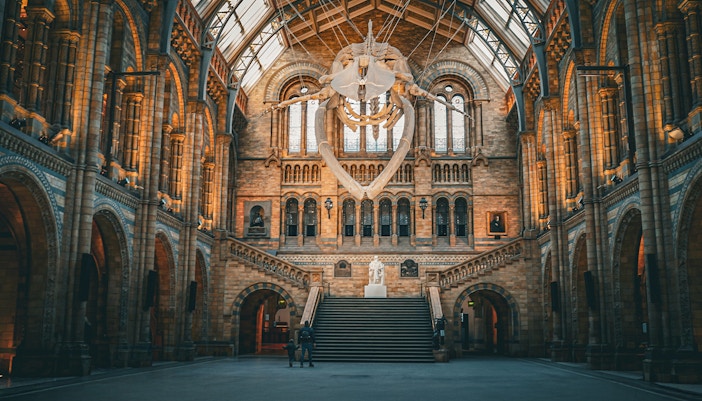
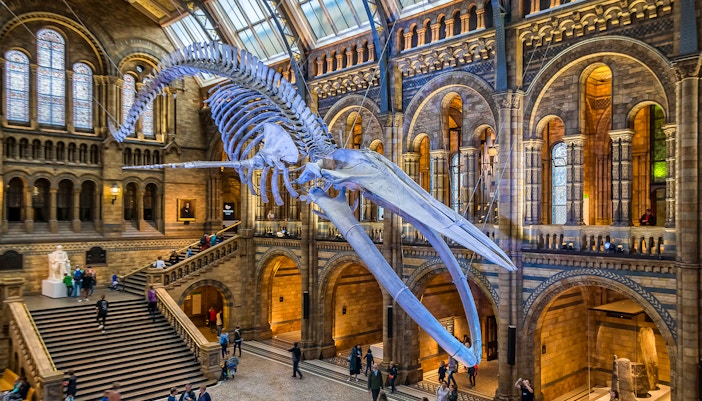
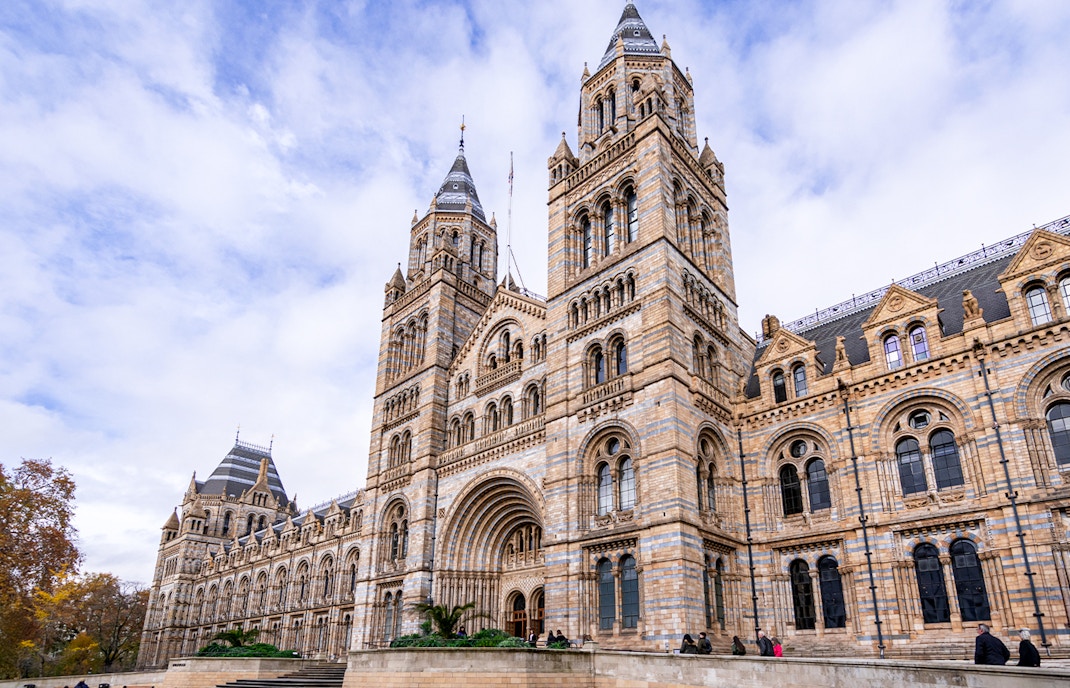
👉 The main Cromwell Road entrance takes you straight into Hintze Hall, the museum’s central space with the blue whale skeleton. This is also where you can pick up a free floor map to plan your visit.

Blue Zone

👉 Start to the left of Hintze Hall, where you’ll find dinosaurs, marine invertebrates, and mammals. Interactive displays make this zone a highlight, especially for families and first-time visitors.

Green Zone

👉 This zone explores birds, minerals, fossils, and other key collections that tell the story of life over millions of years. It’s perfect if you want to dive deeper into how the natural world has developed.

Red Zone

👉 Move on to the red zone, where you’ll find volcanoes, earthquakes, rocks and minerals, and galleries on human evolution. This area is usually less crowded and great for a more focused visit.

Orange Zone

👉 Around Queen’s Gate, you can explore the Darwin Centre, the Wildlife Garden, and the Zoology Spirit Building. These areas give a quieter, behind-the-scenes look at how the museum works.

Optional add-ons

👉 Once you’re done exploring, or if you want a break in between, stop by the on-site cafés and gift shops conveniently located on every floor.

How to make the most of your visit

Visit typeDurationRouteWhat you get

Quick visit

2 hours

Hintze Hall → Dinosaur Gallery → Earth Hall → Mammals Gallery

A quick look at the museum’s must-see highlights from the blue whale to towering dinosaurs, in a single smooth loop.

Half-day exploration

3–4 hours

Hintze Hall → Dinosaur Gallery → Earth Hall → Human Evolution → Minerals & Fossils

A balanced experience combining the museum’s star attractions with quieter galleries. Enjoy key specimens and interactive displays while moving at a relaxed pace.

Full-day deep dive

5–6 hours

Hintze Hall → Dinosaur Gallery → Earth Hall → Human Evolution → Minerals & Fossils → Darwin Centre → Wildlife Garden

The ultimate museum experience covering both iconic and hidden gems. Perfect for enthusiasts who want to explore in depth and discover interactive zones at leisure.

Handy tips

Beat the crowds

  • Reserve ahead: Book a reserved entry ticket online to reduce queues. Without it, you may end up waiting 30–60 minutes during busy months.
  • Pick calmer windows: Arrive at opening around 10 am or in the last 90 minutes before closing. The busiest times are usually 11 am to 3 pm. Holidays and weekends attract extra families, while visiting on weekdays in term time is noticeably calmer.

Navigate smarter

  • Plan your zones: Start with less busy zones like Green or Red first, then visit the Blue Zone later when the crowds thin.
  • Visit the Hidden Treasures Gallery: Start through the West Entrance on Queen’s Gate and follow the independent trail. You’ll pass the spirit collection with preserved giraffe heads, the Images of Nature gallery with botanical art, and Darwin’s On the Origin of Species.

Explore the Natural History Museum

Hintze Hall
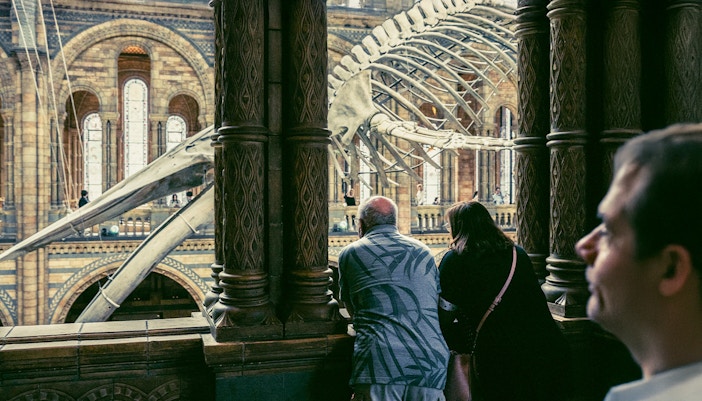
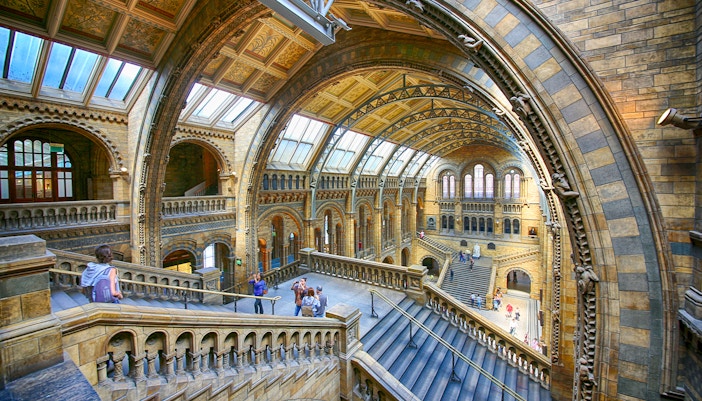
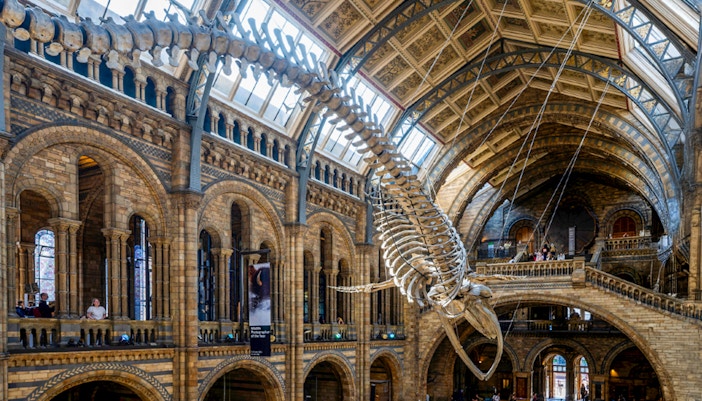
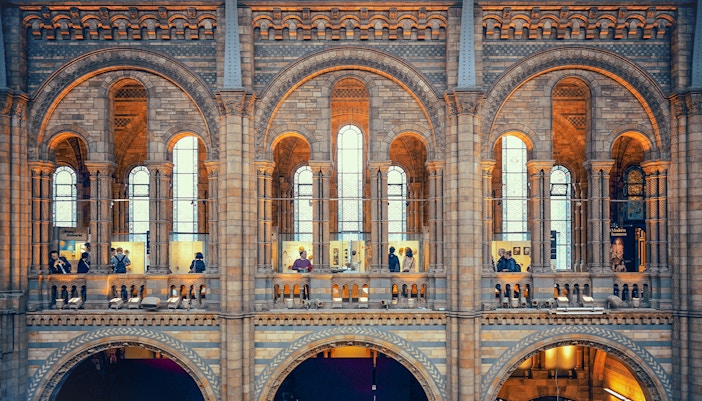
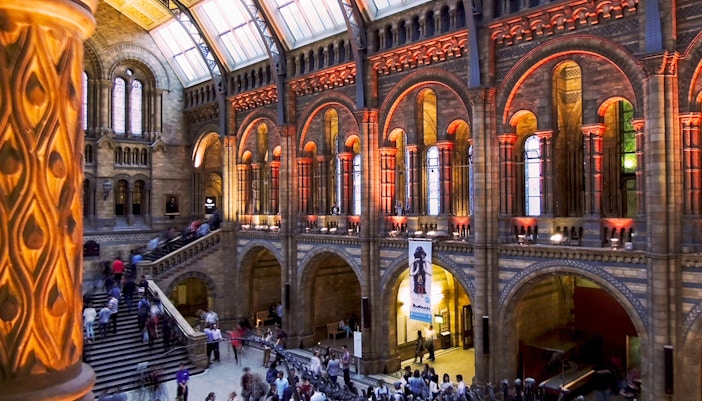
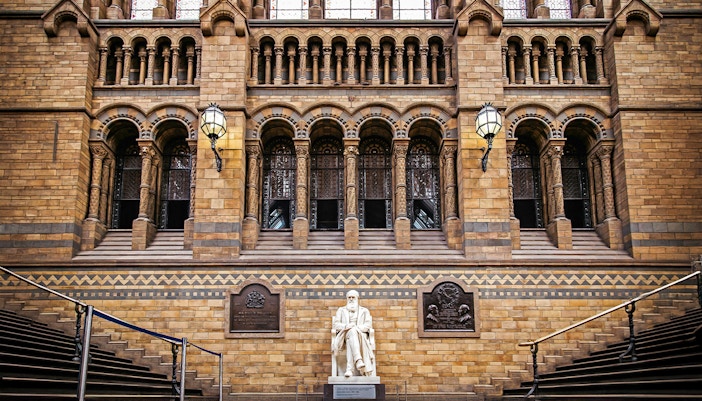
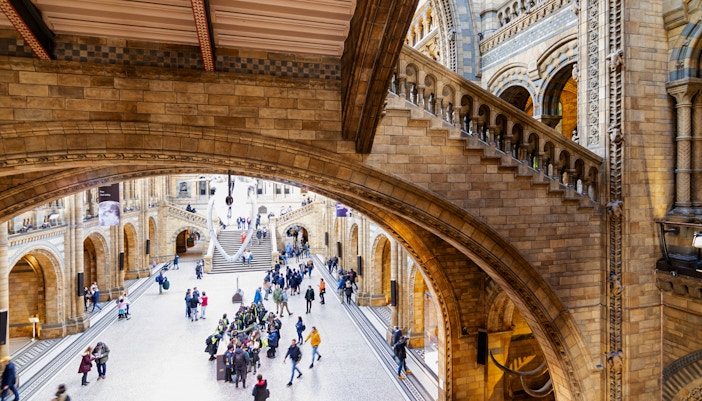
Step into the museum and you’ll immediately notice Hintze Hall’s ceilings, Victorian architecture, and displays. Look up to see “Hope,” the blue whale skeleton suspended above, and take a moment to admire the giant sequoia tree trunk nearby.

Blue Zone

If you’ve ever dreamed of walking with dinosaurs, pause at the Blue Zone. This section is packed with skeletons of dinosaurs and marine creatures. You’ll also find the Images of Nature gallery, which engagingly mixes science and art.

Red Zone

Walk through the Red Zone to explore the forces that shape the Earth. Explore the From the Beginning gallery that traces how our planet was formed and the Volcanoes and Earthquakes gallery, where you can feel the floor shake in the earthquake simulator.

Green Zone

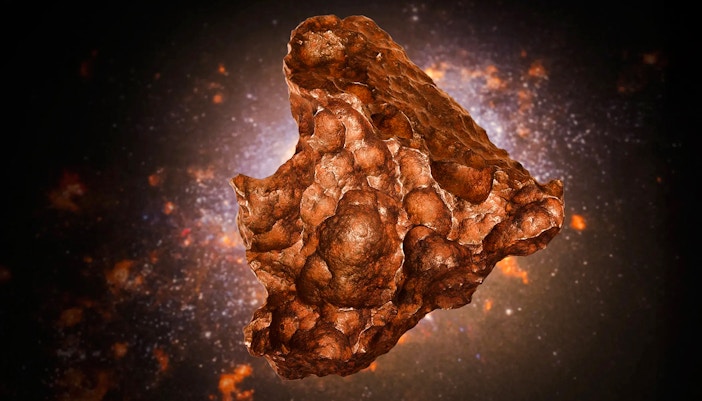
The Green Zone follows the story of life through fossils from Britain, marine reptiles, and the Birds gallery. Step into The Vault to see minerals and gems, including the Ostro Blue Topaz.

Orange Zone

This is where you see how science actually happens. The Darwin Centre and Wildlife Garden offer a behind-the-scenes look at research and conservation with interactive displays, live specimens, and the spirit collection.

Nature gardens

Step outside into the Urban Nature Gardens, a quiet green space in the middle of London. Opened in 2024, the gardens feature meadows, ponds, and woodland areas designed to support wildlife.

Know before booking your Natural History Museum tickets

  • Standard free entry: Entry to the Natural History Museum is free and gives you access to all permanent galleries. This option works well if you are happy to explore casually and do not need added context. 
  • Reserved entry ticket: If you want a deeper and more structured experience, a reserved entry ticket with audio guide offers a more immersive and well-rounded visit. These tickets offer you a timed slot and include a multilingual audio guide with expert commentary.
  • Temporary exhibitions: The museum runs rotating temporary exhibitions focused on science, nature, and photography. These exhibitions require separate tickets and are not included with either free entry or reserved entry audio guide tickets. 
  • Accessibility considerations: The Natural History Museum is partially accessible, with step-free access available in many public areas but not all galleries. If full accessibility is essential for you, this is something you should consider before booking.

Natural History Museum timings

DayTimingsLast entryClosed on

Monday – Sunday

10 am to 5:50 pm

Around 5:30 pm

24, 25, 26 December

Best time to visit

The Natural History Museum is busiest on weekends and late mornings, especially between 11 am and 2 pm.

Weekday vs Weekend

  • Weekdays: Tuesday to Thursday are calmer, and arriving right at opening at 10 am or later in the afternoon after 3 pm gives you a more relaxed experience.
  • Weekends: Fridays, Saturdays, and Sundays are generally busier, particularly in the Blue Zone and Hintze Hall. However, weekend afternoons allow for slightly thinner crowds once early visitors have left.

Peak Season vs Low Season

  • Peak season: June to August, school half-terms, and UK holidays see the highest visitor numbers, with longer queues at main entrances.
  • Low season: January to March and November to mid-December (excluding Christmas week) are quieter, ideal for exploring the galleries at your own pace.

Where is the Natural History Museum located?

Address: Cromwell Road, South Kensington, London SW7 5BD, United Kingdom

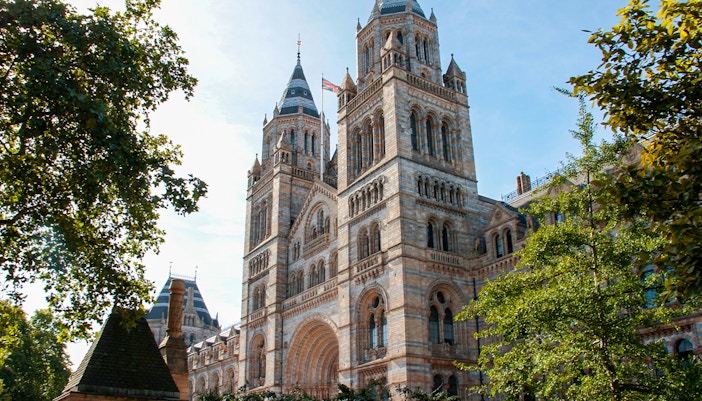
The Natural History Museum is located in South Kensington, London, right next to the Victoria and Albert Museum and close to the Science Museum. This area is a cultural hub with plenty of cafes, green spaces, and iconic London architecture.

Closest landmark: Victoria and Albert Museum, approximately 150 meters away.

Getting there

Getting there

  • Best for: Fastest and most convenient city travel
  • Closest station: South Kensington

Take the District, Circle, or Piccadilly lines to South Kensington station. From there, it’s about a 5-minute walk to the museum entrance.

  • Best for: Budget travel and a scenic city route
  • Closest stops: Cromwell Road / Natural History Museum bus stops

Routes 14, 49, 70, 74, 345, 360, 414, 430, C1, and night services N74 and N97 stop nearby.

  • Best for: Visitors arriving from outside central London
  • Closest stop: South Kensington (via Tube transfer)

Arrive at London Victoria or Paddington, then take the District or Circle line to South Kensington station, followed by a 5-minute walk to the museum.

Entrances

NameLocationWho it's forCrowds & wait times

Central Entrance

Front of Cromwell Road, South Kensington

General visitors, all ticket types. Main, step-free entrance with ramp, often busiest.

Often the main entry point, busiest during peak times. Queues vary by crowd levels.

East Entrance

Exhibition Road side

General visitors, independent exploration. It’s not step-free, but there’s a lift from the entrance lobby to the galleries.

Usually slightly quieter than central, may be closed temporarily when managing crowds.

West Entrance

Queen’s Gate side

General visitors, drop‑off access.

Open daily until late afternoon. Typically less crowded than Cromwell Road.

Facilities

  • Cafes: The museum has several on-site cafes, including T. rex Restaurant, Central Café, Earth Hall Café, Shake Bar, and The Garden Kitchen, allowing you to pause and take a break.
  • Picnic area: The indoor lower-ground space allows you to enjoy the food between galleries.
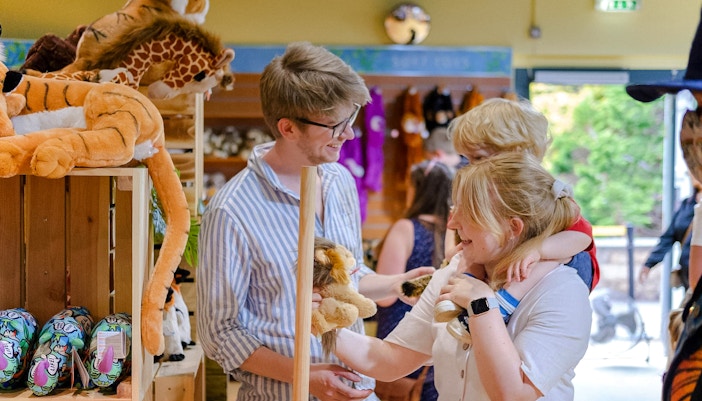
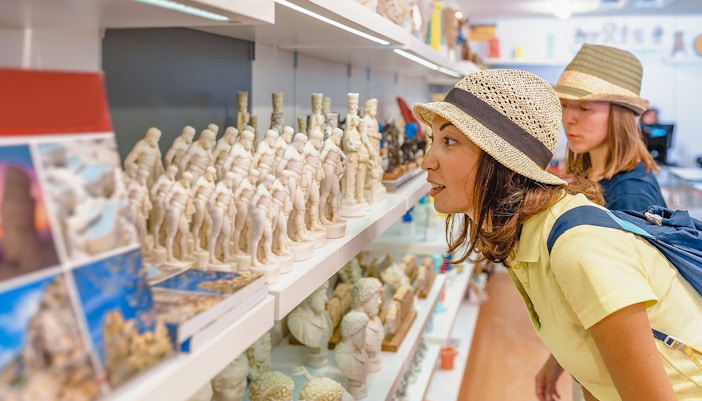
  • Museum shop: The main shop near Hintze Hall sells nature-inspired gifts, books, and souvenirs.
  • Cranbourne boutique: This boutique offers fashion, homeware, and themed prints for museum fans.
  • Dino store: A dedicated dinosaur-themed store with toys, books, and gifts is available on-site.
  • Free Wi-Fi: Wireless internet is available throughout the museum for visitor use.
  • Water bottle refill points: Refill stations are placed in café areas to help you stay hydrated.
  • Baby care: Baby care rooms and high chairs are available for families with young children.
  • Toilets: Restrooms are located near dining areas and throughout public spaces for convenience
  • Audio guides: The museum has audio guides available for rent at the entrance.
  • Wheelchairs and lifts: There are accessible ramps for wheelchairs, lifts and step-free access throughout the museum.
  • Luggage and cloakroom: There are luggage storage areas (available for a specific amount) for use at the entrance.

Accessibility at the Natural History Museum
General facilities

  • Step‑free access, lifts, and ramps are available in most areas.
  • Visitors with specific access requirements and their accompanying family members and personal carers can skip the queues to enter the museum.

For visitors with physical disabilities

  • Guide dogs and other types of assistance dogs are welcome at the museum.
  • Manual wheelchairs or transit chairs are available for free from the cloakrooms at the Cromwell Road and Exhibition Road entrances, on a first‑come, first‑served basis.
  • Accessible restrooms are clearly marked throughout public spaces.

For visitors with hearing impairments
  • Hearing loops are installed at the information desks and at various points throughout the museum.
  • British Sign Language deaf-led tours are available around the fascinating Spirit Collection.

For visitors with visual impairments

  • Some galleries offer tactile signage and large‑print information resources.
  • Audio descriptions and high-contrast materials are available for select displays.
  • Large-print gallery guides are available for some temporary exhibitions and can be collected in-gallery.

For neurodivergent visitors

  • Quiet spaces are available in some areas of the museum. These spaces usually have lower noise levels and fewer people than the rest of the museum.

Visiting with family

  • Baby changing stations are available near restrooms on all floors for convenience.
  • Stroller rental and parking is offered at the Cromwell Road and Exhibition Road entrances.
  • Family-friendly cafés, including T. rex Restaurant, Central Café, and Shake Bar, offer kids’ menus and high chairs.
  • The museum provides dedicated quiet areas and picnic spaces where families can take breaks between galleries.
  • Shops such as the Dino Store feature child-focused books, toys, and educational gifts.

Rules and restrictions

  • Large bags, suitcases, and umbrellas must be left at the free cloakroom.
  • Photography is allowed in galleries, but flash, tripods, and selfie sticks are prohibited.
  • Eating and drinking are restricted to cafés, picnic areas, and designated zones.
  • Smoking, including e-cigarettes, is not permitted anywhere on site.
  • Animals are not allowed, except for certified assistance or guide dogs.
  • Re-entry is only allowed with a valid timed or reserved ticket.
  • Mobile phones must be on silent in galleries and exhibitions.
  • Access to some temporary exhibitions may be restricted due to age, health, or safety requirements.

Where to eat

T. rex Restaurant

This family-friendly restaurant serves pizzas, salads, toasted sandwiches, desserts, and kids’ meals, and it is located next to the Creepy Crawlies Gallery.

  • Highlights: Themed dinosaur décor, hot meals, kids’ menus, casual family dining.

Central Café

The café offers sandwiches, salads, cakes, and pastries behind Hintze Hall, making it ideal for a quick break between galleries.

  • Highlights: Light lunches, sweet treats, coffee and tea, convenient location near major exhibits.

Earth Hall Café

The Earth Hall Café serves hot meals, wraps, seasonal salads, cakes, pastries, and kids’ lunch packs near the East Entrance.

  • Highlights: Healthy options, hot meals, accessible seating, kid-friendly dishes

Where to shop

Museum Shop

The main museum shop offers a wide selection of nature-inspired gifts, books, toys, and homewares for all ages.

  • Highlights: Nature-themed puzzles, science books, educational toys, home décor, and museum souvenirs.

Cranbourne Boutique

This boutique specialises in fashion, homeware, prints, and stylish natural world–themed gifts for adults and collectors.

  • Highlights: Art prints, stationery, home accessories, and unique collector items.

Dino Store

This is a dedicated store for dinosaur enthusiasts, offering toys, games, clothing, and themed gifts.

  • Highlights: Dinosaur models, children’s books, apparel, and fun educational toys.

Where to stay

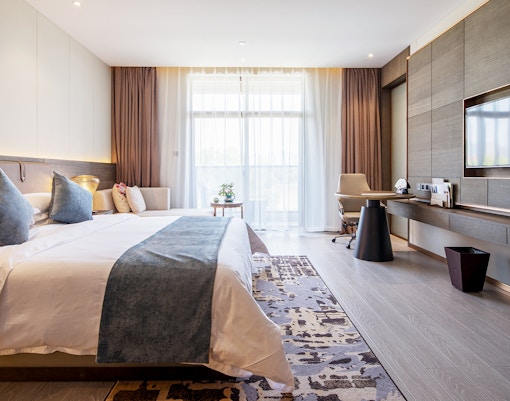
The Ampersand Hotel

This is a luxury hotel with family-friendly amenities located near the museum and Kensington Gardens.

  • Highlights: Stylish rooms, convenient location, family accommodations, on-site dining.

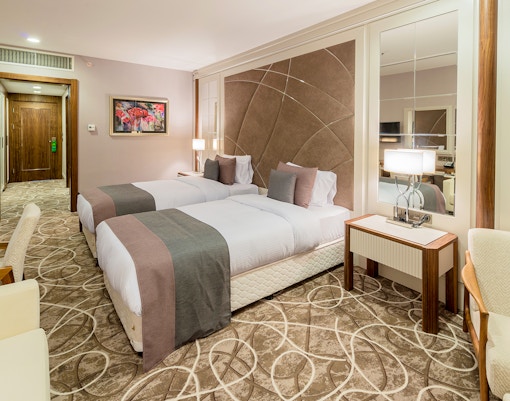
The Kensington Hotel – Town House

This modern hotel offers European dining on-site and comfortable rooms close to cafés and shops.

  • Highlights: Quiet side streets, family rooms, easy access to museums, boutique feel.

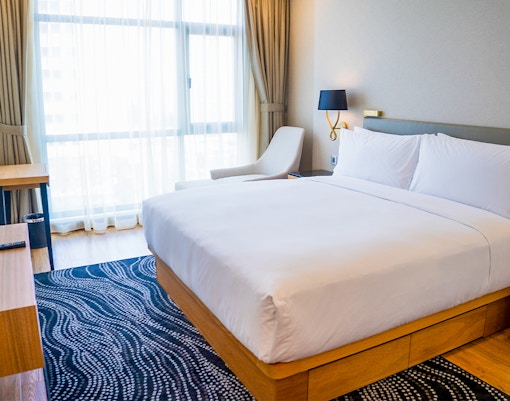
Citadines South Kensington London

This is an apartment-style accommodation with kitchenettes, perfect for longer stays or families.

  • Highlights: Self-catering, spacious apartments, central location, near public transport.

Fraser Suites Kensington

This mid-range accommodation offers serviced apartments with extra space, ideal for families and extended visits.

  • Highlights: Family-friendly, kitchen facilities, quiet location, close to South Kensington Tube and museums.

Insider tips

  • Weekends and school holidays can get very busy at the Cromwell Road entrance, with lines sometimes taking 30 to 60 minutes. Try using the Exhibition Road or Queen’s Gate entrances for a faster start.
  • The museum is busiest between 11 am and 3 pm. Arriving right at 10 am or in the last couple of hours before closing often lets you enjoy popular galleries like the Dinosaurs without the crowds.
  • Grab a map first and plan your route. Start with the big-ticket exhibits like Dinosaurs or Earth Hall, then explore the quieter galleries later.
  • Take short breaks in quieter spots such as the Wildlife Garden or some of the lesser-known galleries. It’s a nice way to recharge before heading back to the action.

Frequently asked questions about visiting the Natural History Museum

Most visitors spend around 2 to 4 hours exploring the main galleries. If you want to include special exhibitions or family activities, give yourself a little extra time.