Visit Royal Observatory Greenwich: Plan your visit
The Royal Observatory Greenwich is a historic astronomy site known for the Prime Meridian Line, Greenwich Mean Time and instruments that changed maritime navigation. Set on a hill above Greenwich Park, it combines historic rooms, scientific displays and sweeping views over London. This guide covers tickets, transport, accessibility, facilities and what to prioritise before your visit.
Quick overview: Royal Observatory Greenwich at a glance
- When to visit: Until 1 November 2026, the Observatory is listed as open daily from 10am to 5pm, with last admission at 4:15pm. Weekday mornings outside school holidays are a sensible choice for a calmer visit, although the Prime Meridian Line can attract groups throughout the day.
- Getting in: Official standard admission is listed from £24 for adults and £12 for children aged 4–15. Children under 4 enter free but must be registered. Headout ticket and combo prices vary by product and date. Book online to secure your preferred date and check the selected ticket’s inclusions.
- How long to allow: Budget 1.5–2 hours for the main highlights. Allow longer if you enjoy reading the historical displays, are visiting with children or plan to explore Greenwich Park and nearby attractions afterwards.
- When to go: Arriving earlier in the day gives you more time to explore before the 4:15pm last-admission cutoff. Check the Time Ball’s operating arrangements if you hope to see its traditional 1pm drop.
- What most people miss: Look beyond the Meridian Line to the Octagon Room and John Harrison’s H1–H4 marine timekeepers. These reveal how the Observatory’s work influenced navigation and global timekeeping.
- Important closure update: The Royal Observatory Greenwich is scheduled to close to the public from 2 November 2026 for long-term renovation. Check official updates before travelling, as access to the site and its highlights will change during the works.
→ See Royal Observatory Greenwich ticket options
Where and when to go
How do you get to the Royal Observatory Greenwich?
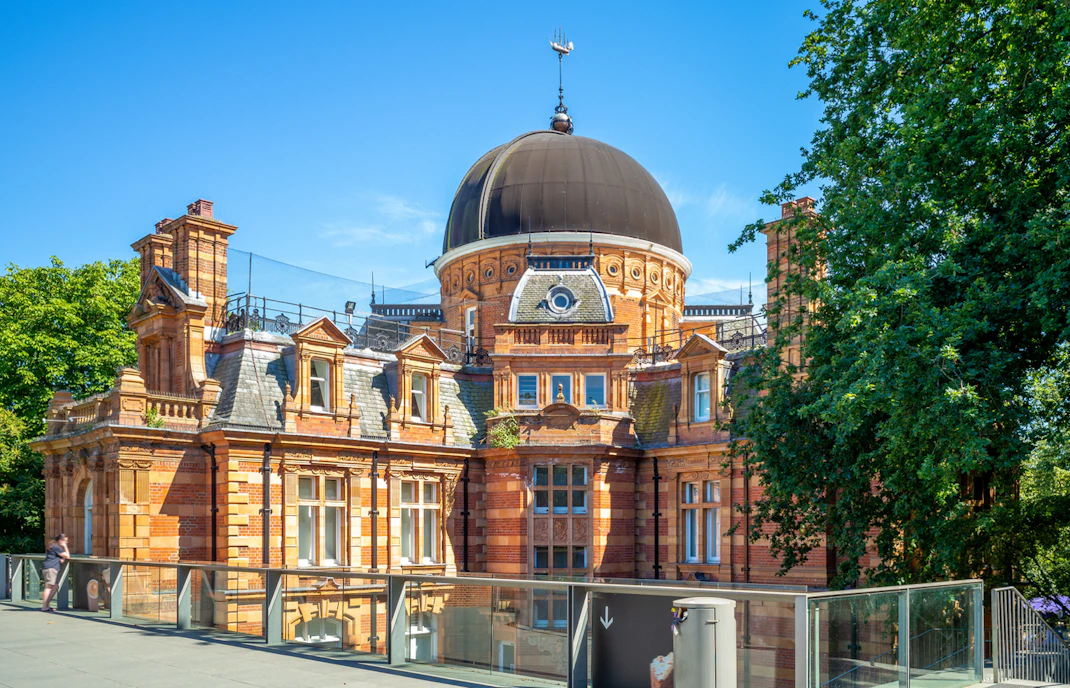
The Observatory stands on a hill in Greenwich Park, southeast London. Greenwich town centre, the Cutty Sark and the National Maritime Museum are all nearby, but the final approach involves walking uphill. Allow extra time if you have mobility needs or are travelling with young children.
Address: Royal Observatory Greenwich, Blackheath Avenue, Greenwich, London SE10 8XJ.
- By train: Greenwich Station is served by National Rail services. From London Bridge, the journey is short, followed by a walk of roughly 15–20 minutes uphill to the Observatory. Maze Hill is another option, but the walk is also substantial.
- By DLR: Travel to Cutty Sark for Maritime Greenwich or Greenwich DLR Station. From either station, continue on foot towards Greenwich Park and the Observatory. The route from the town centre climbs uphill, so allow around 15–20 minutes from Cutty Sark.
- By bus: Routes 53, 54, 202 and 380 serve the wider Greenwich area. Check current routes and stop locations before travelling, as services and stopping patterns can change.
- By car: Use the A2 and follow signs towards Greenwich Park. Greenwich Park Car Park has limited capacity and operating hours; it may close at dusk. Check current parking information before setting off and consider public transport on busy days.

When is the Royal Observatory Greenwich open?
- Opening days: Daily until 1 November 2026, subject to temporary closures.
- Opening hours: 10am–5pm.
- Last admission: Listed as 4:15pm in current ticketing information. Check your ticket confirmation for the applicable entry cutoff.
- From 2 November 2026: Scheduled to close to the public for long-term renovation.
- When is it busiest: Weekends, school holidays and the middle of the day tend to attract more visitors. The Prime Meridian Line is the main photo stop, so groups can gather around it even when other areas feel quieter.
- When should you actually go: Choose a weekday morning before school groups and larger sightseeing parties build up, if your schedule allows. Arriving early also leaves time to explore the historic rooms without rushing towards the last admission.
Pro tip: If seeing the Time Ball is important to you, check its current operating status before planning around the traditional 1pm drop. Don’t assume it will operate during temporary closures or special events.
How much time do you need?
| Visit type | Suggested route | Duration | What you get |
|---|---|---|---|
Highlights only | Prime Meridian Line → Flamsteed House → Harrison’s timekeepers | 60–90 minutes | The best-known features and the essentials of the Observatory’s story, with less time for detailed displays. |
Balanced visit | Meridian Line → Flamsteed House → Octagon Room → timekeepers → telescope displays | 1.5–2 hours | A fuller understanding of the Observatory’s role in astronomy, longitude and timekeeping. |
Extended exploration | Main highlights → detailed exhibit reading → additional time in Greenwich Park | 2.5–3 hours or more | More time for scientific context, photographs and the surrounding park. The extra time is mostly for slower exploration and outdoor walking. |
Which ticket does your route need?
A standard admission ticket is suitable for a self-guided visit to the Observatory and Prime Meridian Line. Guided tours and special access options depend on the ticket selected, and a planetarium show is not included in standard Observatory admission.
If you’re combining the visit with another attraction, check whether a Day Pass or combo ticket suits your itinerary. A guided option is most useful if you want the history of navigation and timekeeping explained in context, rather than simply seeing the instruments.
Which ticket is right for you?
| Ticket type | What’s included | Best for | Price |
|---|---|---|---|
| Royal Observatory Greenwich & Prime Meridian Entry Tickets | Observatory admission and downloadable multilingual audio guide, including British Sign Language support. Guided tours or early access are only included with eligible options. | A flexible, self-paced visit focused on the Observatory’s main highlights. | from £24 |
| Royal Museums Greenwich Day Pass | Access to the Royal Observatory, Cutty Sark, National Maritime Museum and Queen’s House, subject to the pass terms. | Visitors planning a full day around Greenwich’s maritime history, architecture and astronomy. | from £38 |
| Cutty Sark & Royal Observatory Greenwich | Entry to the Observatory and historic sailing ship, with downloadable audio guides. | Visitors who want to connect the Observatory’s navigation history with the ship that carried cargo around the world. | from £44.62 |
| Royal Observatory Greenwich & Thames River Cruise | Observatory admission and audio guide, plus a one-way sightseeing cruise with flexible boarding at selected piers. | Visitors combining Greenwich with sightseeing along the Thames. | from £35.62 |
| Royal Observatory Greenwich & Tower of London | Observatory admission and audio guide, plus entry to the Tower of London and its included areas. | Visitors planning a day around astronomy, royal history and the Crown Jewels. | from £60.14 |
| Royal Observatory Greenwich & London Eye | Observatory admission and audio guide, plus a 30-minute London Eye rotation. | Visitors who want historic timekeeping and a contemporary London skyline experience in one booking. | from £50.35 |
A few booking details matter: The planetarium is not included with standard Observatory admission, and the Peter Harrison Planetarium is currently closed for renovation. Some guided tours require a separate Observatory admission ticket for the same date. Combo cancellation and rescheduling policies vary, so read the conditions before checkout.
How do you get around the Royal Observatory Greenwich?
The Observatory is best explored on foot, moving between the outdoor Meridian Line, historic rooms and telescope displays. It is not a large, multi-wing museum, but some spaces involve stairs and the surrounding park is hilly.
Key areas
- Prime Meridian Line: Start here to see the 0° longitude reference and take the familiar photograph across the Eastern and Western Hemispheres. Allow time for other visitors to take photos, particularly on weekends.
- Flamsteed House: Continue into the original Observatory building, commissioned in 1675. Its historic rooms introduce the astronomers and observations that established Greenwich’s scientific importance.
- Harrison’s marine timekeepers: Spend time with the H1–H4 instruments and the story of longitude at sea. These objects explain why accurate timekeeping was so important to maritime navigation.
Suggested route
Begin with the Meridian Line, then move through Flamsteed House and the Octagon Room before focusing on the timekeepers and telescopes. This order starts with the most recognisable feature and then explains the scientific work behind it. Ask staff about access arrangements if stairs are a concern.
Maps and audio guides
A downloadable multilingual audio guide is available with relevant admission options, including British Sign Language support. Check the ticket details to confirm what is included and how to access it. On-site signage helps identify the main highlights, while the audio guide adds context about the people and instruments behind them.
Pro tip: Don’t spend your entire visit at the Meridian Line. The historic interiors and marine timekeepers explain why Greenwich became a global reference point for time and longitude.
What should you prioritise at the Royal Observatory Greenwich?
The Prime Meridian Line
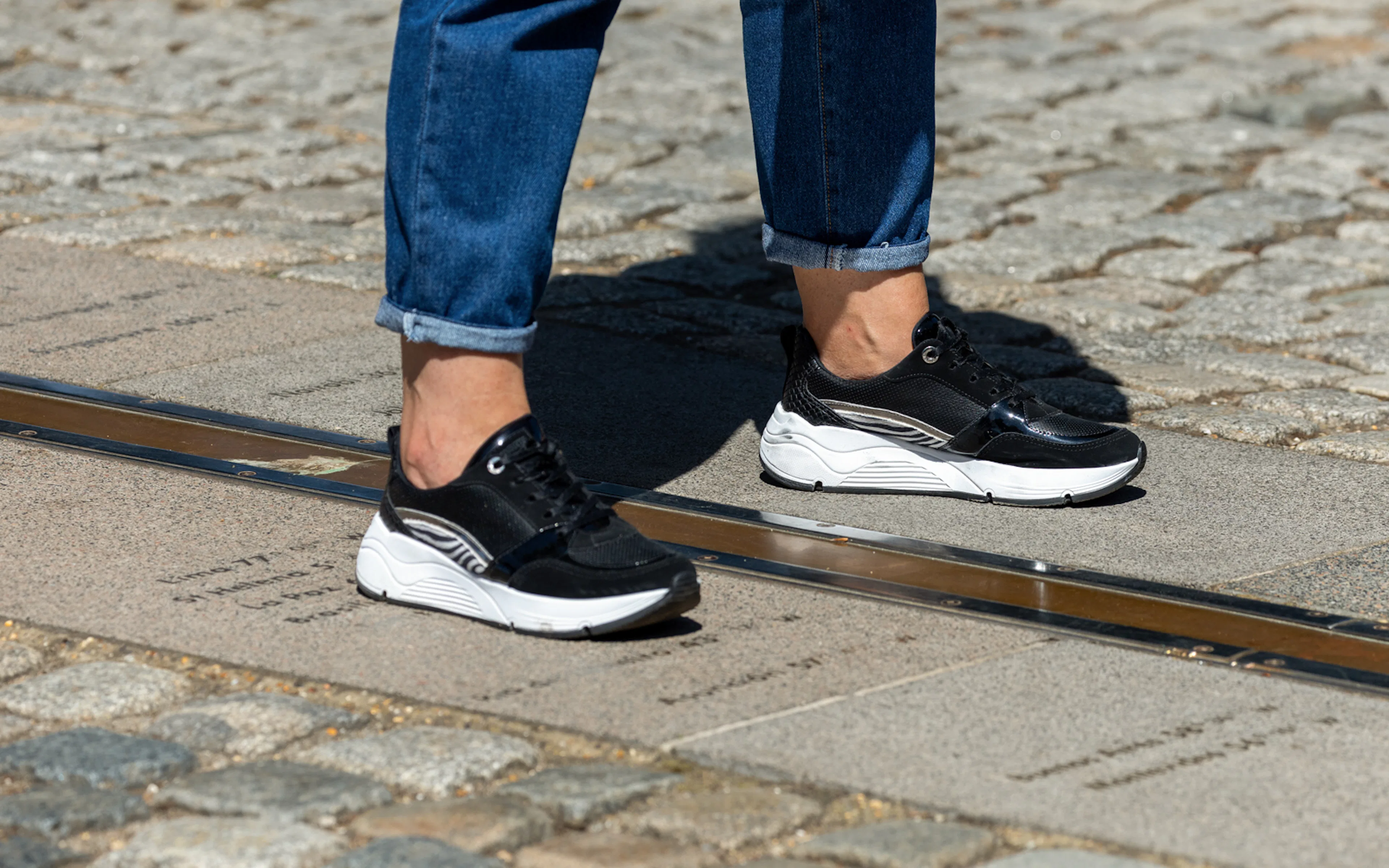
What it is: The reference line marking 0° longitude.
The Meridian Line is the Observatory’s signature feature, connecting a physical location with the global system used to measure longitude. Pause to read the information around it rather than treating it as only a photo stop. It’s the clearest introduction to why Greenwich matters in the history of navigation and timekeeping.
Where to find it: In the Meridian Courtyard.
John Harrison’s H1–H4 marine timekeepers
What they are: A series of precision timekeeping instruments developed to solve the longitude problem.
Harrison’s clocks show how an engineering challenge changed maritime travel. Accurate time at sea helped sailors work out their longitude, making long-distance navigation more reliable. Look at the instruments as a sequence of evolving designs rather than isolated objects; the progression is what makes them so revealing.
Where to find them: In the Observatory’s timekeeping displays.
The Octagon Room
What it is: A historic room designed by Sir Christopher Wren.
The Octagon Room reflects the Observatory’s early purpose: making careful observations of the sky. Its tall windows and distinctive layout give it a different atmosphere from a modern gallery. Take a moment to consider how astronomers worked before digital instruments and contemporary observatories.
Where to find it: Inside Flamsteed House.
The Great Equatorial Telescope
What it is: A major historic telescope housed beneath a distinctive dome.
The telescope offers a sense of the scale and mechanics involved in astronomical observation. It also shows how the Observatory continued to develop after its founding in the 17th century. Access to this area involves stairs, so check accessibility details if you have mobility requirements.
Where to find it: In the telescope dome at the Observatory.
The Shepherd Gate Clock
What it is: A distinctive 24-hour clock associated with Greenwich Mean Time.
The Shepherd Gate Clock makes the Observatory’s influence on everyday timekeeping visible. Its 24-hour dial is a useful detail to look for as you move around the site, particularly after learning about the science behind the Prime Meridian and the standardisation of time.
Where to find it: Near the Observatory entrance.
Facilities and accessibility
What facilities are available?
- Toilets and baby-changing: Accessible toilets and baby-changing facilities are available near the Admissions area. Additional toilets are located by the external staircases in front of Flamsteed House. A Changing Places facility is available at the National Maritime Museum.
- Astronomy Café & Terrace: Located in the Astronomy Centre, the café serves light meals, snacks and drinks. It’s a convenient option for a quick break before or after exploring the Observatory.
- Observatory shop: The Royal Observatory Shop is beside Meridian Courtyard inside the Astronomy Centre. Look for clocks, watches, telescopes, educational toys and souvenirs connected to astronomy and timekeeping.
- Free Wi-Fi: Free Wi-Fi is available at the Observatory. Visitors can also use the Smartify app for additional information about exhibits.
- Lost property: Speak to a visitor assistant if you have misplaced something or found an item during your visit.
- Seating and rest breaks: The surrounding Greenwich Park offers outdoor spaces to pause, although the hill and paths can make moving between the Observatory and nearby attractions more demanding.

Is the Royal Observatory Greenwich accessible?
- Mobility: Some routes and areas are wheelchair accessible, including the Meridian Line and parts of the outdoor site. However, the Octagon Room and Great Equatorial Telescope involve stairs, and not every historic space is accessible. Contact the venue before visiting to discuss your needs and check current arrangements.
- Visual and hearing access: Audio-guide options include British Sign Language support on relevant tickets. The venue also lists accessibility resources and assistance for visitors with sensory or communication needs; ask staff about what is available on your date.
- Assistance animals: Registered assistance dogs are welcome. Other pets are not permitted.
- Families and strollers: Baby-changing facilities are available, but the hill and stair-only areas can make a full visit less straightforward with a pushchair. Consider prioritising the accessible areas if you are travelling with very young children.
Visiting with children
The Observatory can work well for school-age children interested in space, clocks or science. The Prime Meridian Line gives them a hands-on way to understand longitude, while the marine timekeepers demonstrate how engineering solved a real-world problem. For younger children, a focused 60–90-minute visit may be more realistic than reading every display.
Rules and restrictions

What you need to know before you go
- Tickets and entry: Book the correct ticket for your date and check whether it includes only Observatory admission or an additional experience. Keep your confirmation available on your phone or in print. The Observatory is scheduled to close from 2 November 2026, so do not assume tickets will be available for later dates.
- Bags: Large bags may be restricted, and storage options can vary. Travel with a manageable bag and confirm the current bag policy with the venue before arrival if you need to bring bulky items.
- Food and drink: Food and drinks are not permitted inside exhibition areas. Use the café or designated areas for refreshments and follow staff instructions.

Not allowed
- Smoking and vaping: Smoking is not permitted inside the Observatory buildings.
- Pets: You cannot bring your pets inside the venue, except registered assistance animals.
- Touching exhibits: Avoid handling instruments or display objects unless explicitly invited to do so. Many are historic and require careful preservation.
- Unsupervised children: Children should remain with their accompanying adult throughout the visit.
Photography
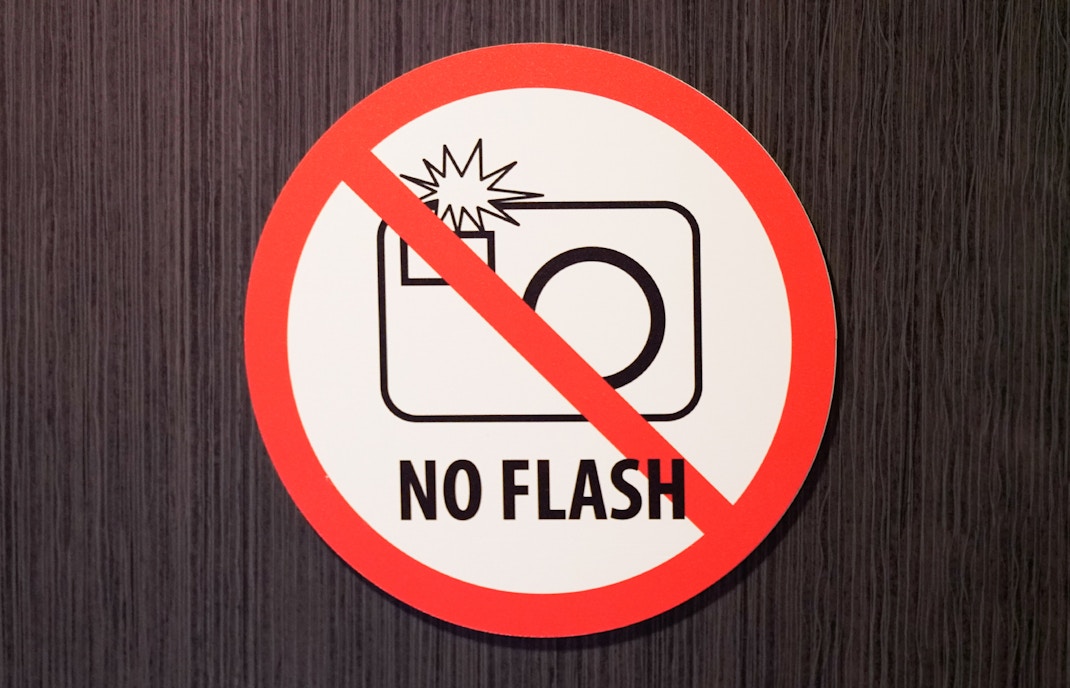
- Personal photography is generally permitted, but flash, tripods and professional photography equipment may be restricted.
- Follow any signs in individual spaces and ask staff if you are unsure. Avoid obstructing the Meridian Line or narrow areas while taking photos.

Good to know
- The Peter Harrison Planetarium and Astronomy Centre are closed for renovation, and standard Observatory tickets do not include a planetarium show.
- If a planetarium experience is important to your plans, check the current programme at the National Maritime Museum instead.
Practical tips
- Book for the date you can actually visit. The Observatory is scheduled to close to the public from 2 November 2026. If you want to see the historic interiors before renovation, check availability for your intended date and read the ticket conditions carefully.
- Allow for the hill. The Observatory sits above Greenwich town centre, and the walk from Cutty Sark or Greenwich Station involves an uphill section. Leave extra time if you’re walking with children, using a mobility aid or connecting from another attraction.
- Check the Time Ball before you go. Its traditional 1pm drop is a distinctive Greenwich feature, but don’t plan your entire day around it without checking current operation. The Observatory’s schedule and site arrangements may change around renovation work.
- Spend time beyond the Meridian Line. The line is the main photo stop, but the Octagon Room and Harrison’s marine timekeepers explain the Observatory’s historical importance. Keep enough time for the indoor displays rather than rushing straight to the exit.
- Plan food around the rest of Greenwich. The Astronomy Café & Terrace is convenient for a snack or drink. For a larger meal, central Greenwich has cafés, market stalls and restaurants near Cutty Sark and the riverside. Consider eating after the Observatory if you want to continue towards the town centre.
- Check access before choosing a route. The historic nature of the site means some rooms, including the Octagon Room and Great Equatorial Telescope, require stairs. If step-free access is essential, contact the venue in advance and prioritise areas confirmed as accessible.
What else is worth visiting nearby?
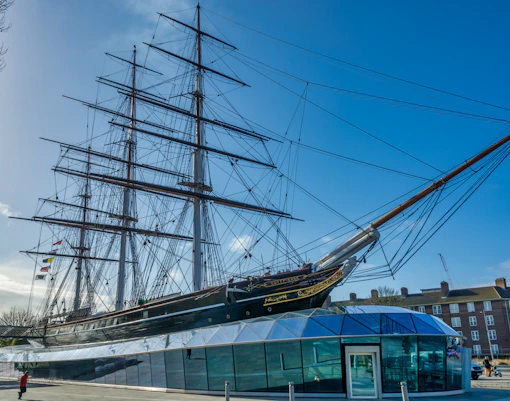
Cutty Sark
Distance: Around 15–20 minutes on foot downhill, depending on your route.
The Cutty Sark is a historic sailing ship associated with Britain’s maritime trading history. Combining it with the Observatory connects the science of navigation with the vessels that relied on accurate timekeeping. A combo ticket may be convenient if both attractions are open on your chosen date.

National Maritime Museum
Distance: Around 10–15 minutes on foot, depending on the route.
The National Maritime Museum provides broader context for Britain’s naval and seafaring history, with galleries and activities covering exploration, trade and navigation. It’s a useful addition if you want to extend the themes introduced at the Observatory. The museum is separate from the Observatory and has its own opening arrangements.

Queen’s House
Distance: Around 10–15 minutes on foot.
Queen’s House offers a contrasting visit through its architecture and art collection. Its historic interiors and works of art make it a good addition for visitors who want more than science and maritime history in their Greenwich itinerary.

Greenwich Park
Distance: Adjacent to the Observatory.
Greenwich Park is an easy extension for a walk, a break outdoors or views across London. The park’s paths and slopes can take longer than expected, so factor in walking time if you have a train or another timed booking afterwards.
Eat, shop and stay near the Royal Observatory Greenwich

Where to eat
- Astronomy Café & Terrace (on-site): The Observatory’s café serves light meals, snacks and drinks in the Astronomy Centre. It is convenient for a quick stop, but visitors wanting a full meal or more choice should consider the restaurants in central Greenwich.
- Goddards at Greenwich (22 King William Walk, SE10 9HU): A traditional pie-and-mash restaurant that offers a classic London meal. It is a useful option for a casual lunch after walking back down from the Observatory.
- Greenwich Grind (17 Nelson Road, SE10 9JB): An all-day café, restaurant and bar serving coffee, brunch and meals. It works well for a relaxed stop near the market and Cutty Sark.
- Rosa’s Thai Greenwich (16 Nelson Road, SE10 9JB): A casual restaurant serving Thai dishes, suitable for a sit-down lunch or dinner in central Greenwich.
Pro tip: If you plan to visit the Observatory and Cutty Sark on the same day, eat in central Greenwich between attractions or after both visits. That way, you won’t need to walk uphill to the Observatory again just for refreshments.

Where to shop
- Royal Observatory Shop: The on-site shop stocks clocks, watches, telescopes, educational toys and astronomy-themed souvenirs. It’s the most direct place to find a memento connected to the Observatory.
- Greenwich Market: A short walk downhill, Greenwich Market has stalls selling crafts, gifts, art and food. It offers more variety than the Observatory shop and is easy to combine with a walk through the town centre.

Is it worth staying in the area?
Greenwich is a good base if you want a slower London stay centred on parks, riverside walks, maritime history and local markets. It is further from many central London attractions than areas such as Covent Garden or South Bank, so consider your wider itinerary before booking accommodation.
- Price point: Accommodation options vary, from smaller guesthouses to hotels and serviced stays. Prices depend on season, local events and how close you want to be to the river or transport.
- Best for: Families, visitors who prefer neighbourhood walks to a packed central itinerary, and travellers planning to explore Greenwich’s attractions over a day or two.
- Consider instead: If you expect to spend most of your trip around central London, staying closer to a major Underground or rail connection may reduce daily travel time. Greenwich remains easy to visit as a day trip.
Frequently asked questions about visiting the Royal Observatory Greenwich
Most visitors need around 1.5–2 hours for the Prime Meridian Line, Flamsteed House, the Octagon Room, historic timekeepers and telescope displays. A shorter visit can take 60–90 minutes; adding Greenwich Park or nearby attractions requires more time.
Booking online is useful if you want to secure a specific date and entry time, especially on weekends and school holidays. Check availability before travelling, and remember that the Observatory is scheduled to close to the public from 2 November 2026.
The Observatory is not generally known for the very long queues found at London’s busiest attractions, and waiting times vary. Choose a ticket for its confirmed entry arrangements or included guided experience rather than assuming it guarantees a particular wait time.
Aim to reach the Observatory entrance around 10–15 minutes before the time shown on your ticket, allowing extra time for the uphill walk from Greenwich town centre. Follow the instructions on your confirmation, as specific experiences may have their own meeting points.
Bring a manageable bag and check the venue’s current bag policy before travelling, particularly if you plan to carry bulky items. Restrictions and storage arrangements can change, so contact the Observatory directly if you need to bring a large backpack or specialist equipment.
Personal photography is generally allowed, but flash, tripods and professional equipment may be restricted. Follow signs in individual areas and avoid blocking the Meridian Line while taking pictures. Ask staff if you’re unsure whether a specific item of equipment is permitted.
Group visits may be possible, and guided options can provide additional context about astronomy and navigation. Check group booking requirements, available dates and tour details with the venue before arranging a visit, particularly during the period leading up to the November 2026 closure.
Yes, especially for school-age children interested in space, science, clocks and navigation. The Meridian Line and historic instruments are useful starting points. Younger children may prefer a shorter visit, and parents should account for the uphill approach and stairs in some historic areas.
Some routes and areas, including the Meridian Line, have wheelchair-accessible access, but the historic site is not fully step-free. The Octagon Room and Great Equatorial Telescope involve stairs. Contact the venue before visiting to confirm the access arrangements for your needs.
The Astronomy Café & Terrace serves light meals, snacks and drinks on-site. Central Greenwich has more cafés and restaurants, including options near Greenwich Market and Cutty Sark. If you plan to visit multiple attractions, consider eating between stops rather than walking uphill again.
The Observatory is scheduled to close to the public from 2 November 2026 for long-term renovation. Check Royal Museums Greenwich’s official updates for the latest plans, including the expected staged reopening and which experiences may be available during the works.
The full Observatory site is scheduled to close from 2 November 2026. Current plans indicate that Meridian Courtyard is expected to reopen in summer 2027, ahead of the Observatory’s full reopening, but confirm dates and ticket availability with Royal Museums Greenwich before planning a visit.
No. The Peter Harrison Planetarium and Astronomy Centre are closed for renovation. Standard Observatory admission does not include a planetarium show. Royal Museums Greenwich lists alternative astronomy programming at the National Maritime Museum; check its current programme for dates and ticket requirements.


