Budget a minimum of 2 hours for a standard visit; allow 3 hours if you want to browse the official stadium megastore and capture panoramic photos from the external concourses.
Is Wembley Stadium worth visiting?
Nothing prepares you for the sheer scale of rounding Wembley Way and seeing the massive steel arch slice through the London skyline. Stepping inside the empty 90,000-seat bowl, the atmosphere feels charged with the lingering echoes of historic goals and legendary rock anthems.
The stadium was built to be the undisputed 'Home of Football' and a premier global entertainment cathedral, a purpose felt in its vast geometry. Walking down the player tunnel or standing by the pitch gives you a genuine rush of adrenaline—the ultimate payoff for anyone who grew up watching iconic moments on television.
Most visitors leave with a profound appreciation for the intersection of modern engineering and cultural legacy. It is an emotional destination where sporting dreams and musical triumphs feel tangible.
Skip it if: You have under 90 minutes to spare, strongly dislike modern commercial architecture, or have absolutely no interest in football, rock history, or mega-scale events.
What to see at Wembley Stadium
1/6
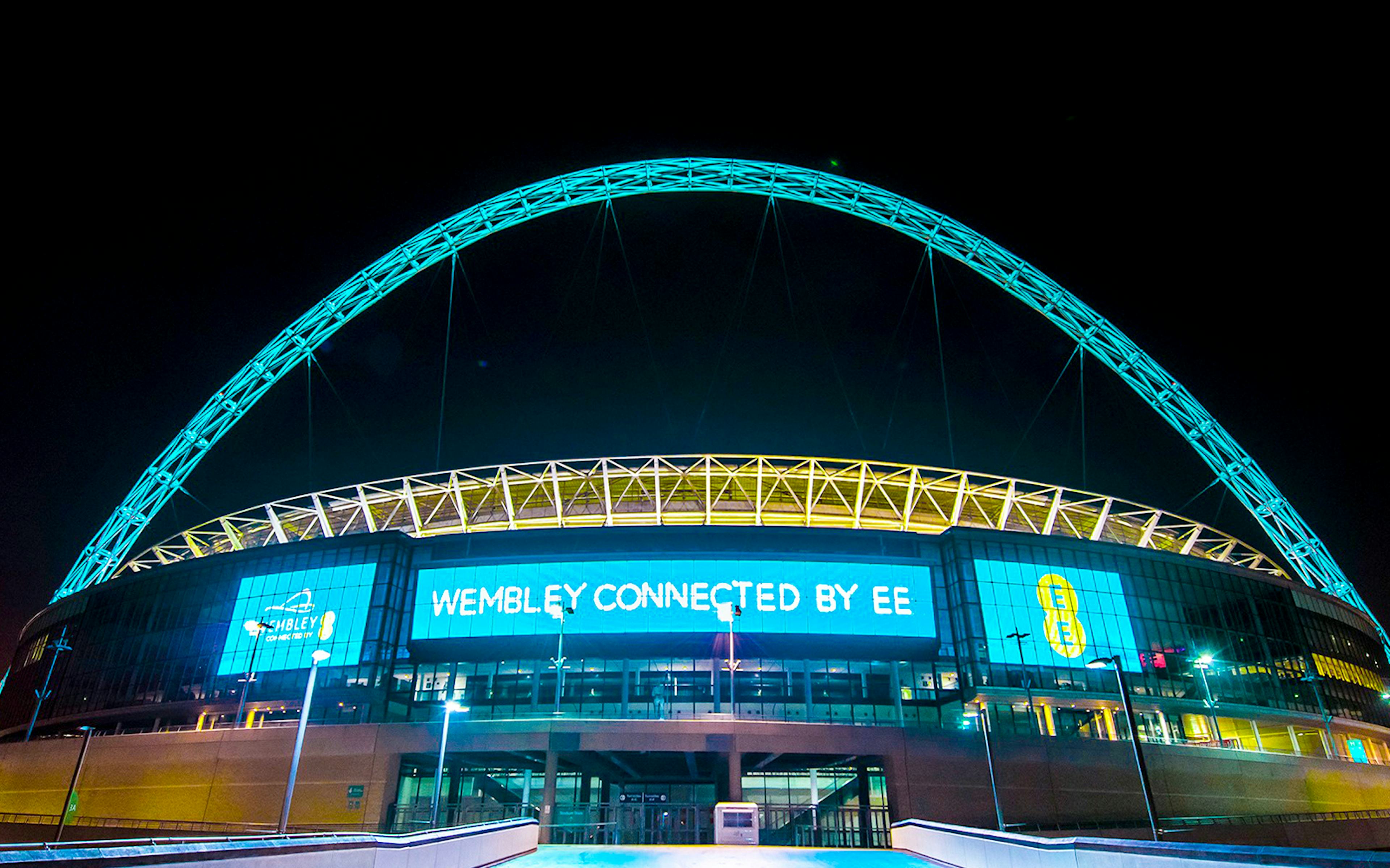
The iconic Wembley arch
Spanning 315 meters, the iconic steel arch is the longest single-span roof support structure in the world. It serves as a visual beacon across London and structurally eliminates the need for internal pillars, giving every spectator an unobstructed view.
The England dressing room
Walk through the inner sanctum where the national squad prepares for international fixtures. See the hanging jerseys of modern football icons and experience the tactical environment where managers deliver their crucial pre-match speeches.
The Player Tunnel
Line up and walk down the high-intensity corridor leading directly out to the pitch level. This sensory experience simulates exactly what the world's elite players feel as they step out toward the roar of 90,000 fans.
The Royal Box & trophy lift
Climb the traditional 107 sacred steps from the pitch to the Royal Box. This zone draws more visitors than any other on the tour, with guests spending up to 20 minutes posing with a replica FA Cup.
The Press Room
Sit in the official hot seat where managers face intense post-match media grilling. The interactive room allows visitors to experience the media side of global sports entertainment firsthand.
The historical exhibition & crossbar
Marvel at the surviving crossbar from the legendary 1966 World Cup Final, where England triumphed over West Germany, alongside a rich collection of artifacts tracing the stadium's evolution since 1923.
How to explore Wembley Stadium
Suggested route: Start by walking up Wembley Way from the underground station to admire the architecture. Enter the stadium via the tour entrance to browse the early 1923 museum artifacts. Move quickly into the press rooms and player dressing areas before building up to the dramatic walk through the player tunnel. Finish your route by climbing the steps to the Royal Box, concluding your tour at the stadium megastore.
- Must-see: The Royal Box, the England dressing room, the player tunnel, and the historic 1966 World Cup crossbar exhibition.
- Optional: The pitchside benches and external perimeter tours are fantastic for architecture enthusiasts but add significant walking time.
Guided vs. self-paced: A guided experience adds immense value here. The rich subtext of the venue, from political historical contexts to concert backstage secrets, is best unpacked by an expert storyteller who can explain the layout's hidden nuances.
Brief history of Wembley Stadium
- 1923: The original stadium opens as the British Empire Exhibition Stadium, quickly becoming famous for its iconic white Twin Towers.
- 1966: Wembley hosts the FIFA World Cup Final, witnessing England's historic victory over West Germany on home soil.
- 1985: The legendary Live Aid concert takes place inside the stadium, raising millions for famine relief and defining rock history.
- 2000: The historic old stadium closes its gates permanently, paving the way for a complete architectural rebirth.
- 2007: The spectacular new Wembley Stadium opens with its defining steel arch, reclaiming its crown as Britain's premier arena.
- Today: The venue continues to host historic events, including the UEFA Champions League Finals, NFL London games, and massive multi-night concert tours.
Architecture of Wembley Stadium
Style
Contemporary structural expressionism. The arena showcases clean lines, high-capacity circulation systems, and monumental engineering flourishes.
Materials
Built using heavy structural steel, reinforced concrete cores, glass panel facades, and premium stadium turf.
Engineering
Designed by Foster + Partners and Populous, the architecture relies on its 1,700-tonne steel arch to suspend the entire northern roof structure, removing all internal pillars.
Experiential detail
The bowl's steep raked seating geometry closes around the pitch, focusing sound and sightlines sharply down toward the action, maintaining a roaring cauldron environment.
Who built it?
The current iteration of Wembley Stadium was designed as a joint venture between world-renowned architects Foster + Partners and sports specialists Populous. Built by construction firm Multiplex, the design was controversial at the time due to its massive cost and the demolition of the historic Twin Towers, but it has since been embraced as a triumphant modern silhouette for London.
Additional information
The venue is a dual-purpose masterwork, shifting seamlessly from a pristine UEFA Category 4 football pitch to an optimized pop concert layout within days. This is achieved through a specialized protective pitch covering system and removable lower-tier seating banks. Whether hosting the traditional FA Cup Final, high-impact NFL regular season matches, or breaking records during multi-night musical residencies, the stadium's operational logistics represent the absolute pinnacle of global event management.
Frequently asked questions about Wembley Stadium
Yes, absolutely. For sports fans and music lovers, it is an essential pilgrimage site. The behind-the-scenes tours offer an incredible look at areas normally restricted to elite athletes and global pop stars.
A standard guided tour takes approximately 75 to 90 minutes. However, you should budget around 2 to 3 hours in total to include security checks, retail shopping, and exploring the external concourses.
The absolute highlights include walking down the player tunnel, sitting in the manager's chair in the press room, standing in the Royal Box, and viewing the historic 1966 World Cup crossbar.
Yes, the tour is highly engaging for families and children. The interactive guides, photo opportunities with trophies, and dressing room exploration keep younger visitors entertained throughout the walk.
The best time to visit is on non-match weekdays during mid-morning. Tour groups are much smaller, giving you more time to take photos in the dressing rooms and the iconic player tunnel without rushing.
Yes, advanced booking is highly recommended. Tours do not run on major match or concert days, and available slots during holiday seasons fill up rapidly, making pre-booking the only way to guarantee entry.


