Plan your visit to Wembley Stadium, London

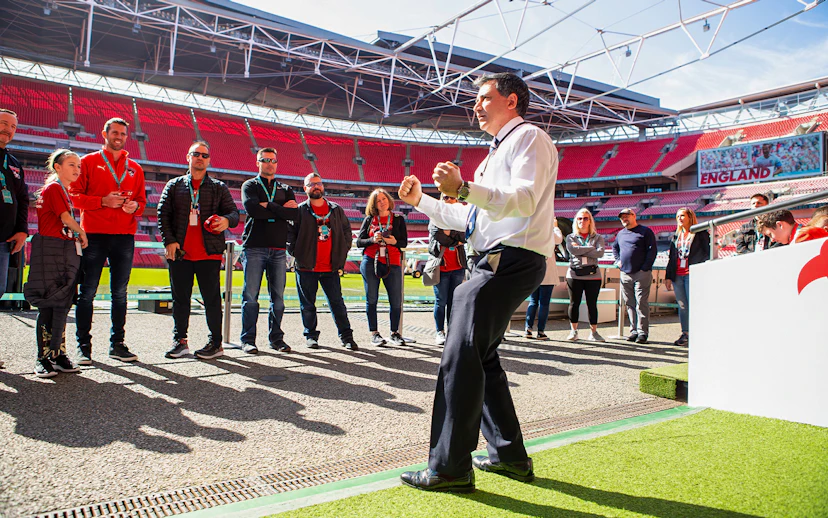
Wembley Stadium is England’s national stadium, best known for major finals, concerts, and its behind-the-scenes guided tour. The visit feels more structured than sprawling: you follow a set route through exhibits, backstage spaces, and the stadium bowl, usually with a group of about 20–30 people. What catches most visitors out is not the walking but the logistics around the right entrance, bag checks, and Wembley Park transport. This guide covers timing, entry, route, and the details that make the visit smoother.

Quick overview: Wembley Stadium at a glance

If you want the short version before you book, this is what actually changes the day.

  • When to visit: Tours usually run daily from 9:30am–5pm, with last entry around 4:30pm; Tuesday–Thursday from 9:30am–11am is noticeably calmer than Saturday late morning because fewer families and day-trippers arrive through Wembley Park at the same time.
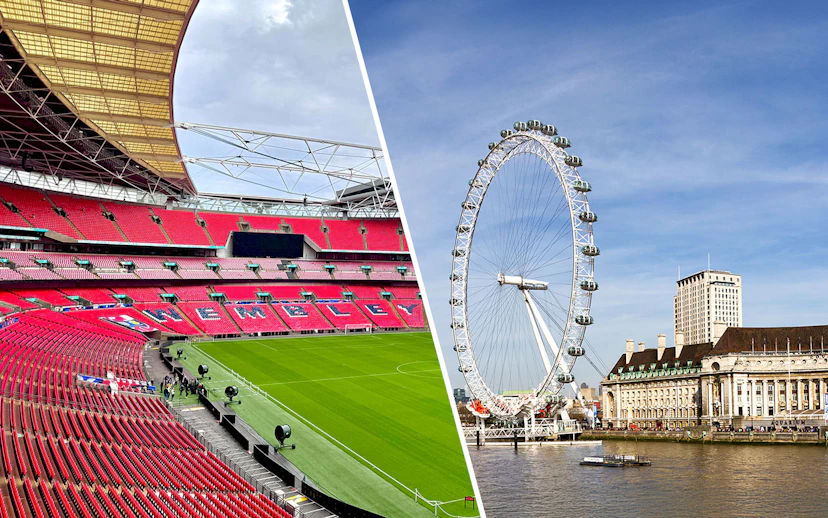
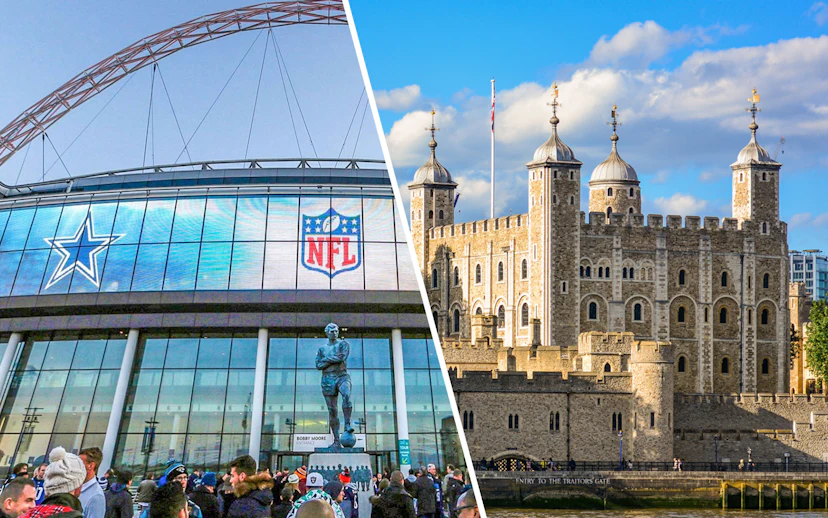
  • Getting in: Tickets start from £28 for the Wembley Stadium Guided Tour. You can also opt for combo tickets—£58.50 with the Tower of London , £57.18 with the London Eye, or the The London Pass from £99. It’s best to book in advance for weekends, school holidays, and dates around major events, as the most popular time slots tend to sell out quickly.
  • How long to allow: 1.5–2 hours works for most visitors, stretching closer to 2 hours if you slow down in the exhibition area or spend extra time taking photos in the tunnel, Royal Box, and stadium bowl.
  • What most people miss: The pre-tour exhibition space and historic objects like the 1966 crossbar are easy to rush past because everyone is eager to reach the tunnel and dressing rooms.
  • Is a guide worth it? Yes — here, the guide matters because the best parts are backstage spaces with stories and context, not just rooms you could wander through on your own.

🎟️ Slots for Wembley Stadium sell out several days in advance during weekends, school holidays, and major event periods. Lock in your visit before the time you want is gone.

→ See ticket options

Jump to what you need

Where and when to go

💡 Pro tip:

Avoid booking a tour on a day with a major evening event unless the timing is much cheaper or more convenient for you — Wembley Park starts feeling busier hours before gates open, even if your tour is separate.

How much time do you need?

Visit typeRouteDurationWalking distanceWhat you get

Highlights only

Exhibition hall → tunnel → dressing room → Royal Box → bowl

1–1.5 hrs

~1 km

You get the emotional backstage highlights and stadium views, but you will move quickly and give less time to the heritage displays.

Balanced visit

Exhibition hall → tunnel → pitchside → changing room → press room → Royal Box → bowl

1.5–2 hrs

~1.5 km

This is the best fit for most visitors, adding time for the exhibition and photos without making the visit feel dragged out.

Full exploration

Full guided route + slower exhibition stop + all major photo points + store

2+ hrs

~1.5–2 km

This suits visitors who want to read displays, take photos, and explore at a leisurely pace, though it may feel repetitive for those less interested in football history.

Which ticket does your route need?

✨The Wembley Stadium Guided Tour is the perfect choice for a full behind-the-scenes experience. Led by an expert guide, you’ll explore iconic areas like the dressing rooms, player tunnel, pitch side, and Royal Box, while hearing the stories that bring the stadium to life. It’s the best way to experience Wembley beyond just walking through it.

→ See your ticket options

Which Wembley Stadium ticket is best for you?

Ticket typeWhat's includedBest forPrice range
Wembley Stadium Guided Tour

Entry to Wembley Stadium, 90-min guided tour with guide, access to dressing rooms, press room, player tunnel, pitchside areas, Royal Box viewpoints, green screen photo experience

A structured behind-the-scenes visit where the experience is shaped by storytelling, iconic viewpoints, and expert context throughout the stadium

From £28

With Tower of London

Wembley Stadium entry + guided 90-min tour, Tower of London entry with Crown Jewels, White Tower, Medieval Palace, Bloody Tower, Torture exhibition and more

A full-day mix of modern sporting history and royal heritage across two of London’s most iconic landmarks

From £58.50

With London Eye

Wembley Stadium entry + guided 90-min tour, London Eye entry with 30-min rotation offering views of London

A combined city experience blending stadium storytelling with skyline views, ideal for flexible sightseeing across two major attractions

From £57.18

London Pass® by Go City

Access to 100+ attractions for 1–10 days including Wembley Stadium Tour, London Eye, Tower of London, museums, cruises, hop-on hop-off buses and more

A flexible sightseeing pass for building your own itinerary across multiple London experiences at your own pace

From £99

⚠️ Be careful with unofficial sellers

Wembley Stadium has many official sellers, but be cautious of unofficial vendors around the area, as some street kiosks or street sellers may offer tickets at inflated prices or even invalid entry passes. To avoid any issues, it’s best to book only through the official website or a trusted partner. Otherwise, you may still end up in the regular queues without guaranteed entry or support if something goes wrong.

How do you get around Wembley Stadium?

Wembley is best explored on foot over about 90 minutes, and the route is structured enough that most visitors won’t get lost once the tour begins. The main focal point is the stadium bowl, but you reach it only after moving through the indoor exhibition spaces and backstage rooms.

What happens inside Wembley Stadium?

Walk of Legends at Wembley Stadium
Players tunnel at Wembley Stadium
Home changing room at Wembley Stadium
Press conference room at Wembley Stadium
Royal Box at Wembley Stadium
Stadium bowl view at Wembley Stadium
1/6

Walk of Legends and heritage exhibits

Type: Historic exhibit

This is where the tour quietly does some of its best work. You’ll see memorabilia, major-match references, and pieces linked to old and new Wembley, including details many visitors only notice if they slow down before the group moves backstage. Most people rush through because they’re excited for the tunnel.

Where to find it: In the indoor exhibition area at the start of the tour, before the group heads into the secure stadium spaces.

Players’ tunnel

Type: Backstage access area

This is the moment that tends to land emotionally even for people who aren’t lifelong England fans. Walking the same route players take onto the pitch makes the stadium feel much bigger and louder than it does from the outside, and many visitors miss the details built into the tunnel itself.

Where to find it: Mid-tour, after the exhibition section and before pitchside and the changing rooms.

Home changing room

Type: Team area

The changing room is one of the most memorable backstage spaces because it turns the visit from a big stadium into a working venue. Look for how the room is staged to reflect England’s identity rather than generic football décor — many visitors snap a quick photo and move on too fast.

Where to find it: On the guided route after the tunnel and before the press areas.

Press conference room

Type: Media space

This room matters more than it looks at first glance because it’s where some of Wembley’s most recognizable post-match moments happen. Visitors often treat it as a short comedy photo stop, but it’s worth noticing how closely it matches the televised backdrop and seating seen after finals and internationals.

Where to find it: After the dressing room section, before the Royal Box.

Royal Box

Type: VIP and trophy presentation area

The Royal Box is where the stadium’s football mythology becomes very concrete — this is where medals are handed out and trophies are lifted. Most people go straight for the seat photos, but the better detail to notice is the presentation angle back toward the bowl.

Where to find it: On an upper hospitality level late in the tour, after the media rooms.

Stadium bowl

Type: Panoramic arena view

The bowl gives you the scale of Wembley in one sweep: 90,000 seats, the pitch below, and the arch dominating the skyline above. It’s the easiest place to understand why the venue feels ceremonial rather than just functional, and many visitors miss the best photos by clustering at the first railing.

Where to find it: Toward the end of the tour, after the backstage rooms and Royal Box access.

💡 Don't leave without seeing

Don't miss: the exhibition area at the start, especially the historic objects tied to old Wembley, because crowd energy pulls almost everyone straight toward the tunnel; also get your Bobby Moore statue photos before check-in, since it’s easy to skip once the tour exits through the store.

Facilities and accessibility

  • 🚻 Restrooms: Restrooms are available on each level, including accessible stalls, so you won’t need to leave the route to find one.
  • 🍽️ Food outlets: Concourse kiosks and bars are available, but prices are stadium-level rather than neighborhood-level, so many visitors prefer eating before or after in Wembley Park.
  • 🛍️ Gift shop / merchandise: The Stadium Store sits at the end of the tour and is the easiest place to buy official jerseys, scarves, and Wembley-branded souvenirs.
  • 💧 Water fountains / bottle refill stations: Water is available during the visit, and carrying a refillable bottle is a better move than relying on on-site drinks.
  • 🪑 Seating / rest areas: There are seated stops built into parts of the route, especially in exhibition and hospitality areas, though the tour is mostly standing and walking.
  • 📶 Wi‑Fi: Wi‑Fi is available in some areas, but you shouldn’t rely on it for arrival planning or loading your ticket at the last minute.
  • 🅿️ Parking: Paid parking exists in the wider Wembley area, but it fills fast and exits are slow on busy days, so public transit is usually the easier option.
  • 🩺 First aid / medical station: First-aid support is available within the stadium complex if you need staff assistance during the visit.
  • Mobility: Wembley Stadium is wheelchair-accessible, with lifts and an alternative route for step-free access through the main tour spaces, though some viewpoints may use a modified path rather than the standard stairs.
  • 👁️ Visual impairments: Service dogs are allowed, and staff can help orient you at check-in, but a fully tactile self-navigation experience is less relevant here because the tour is guided.
  • 🧠 Cognitive and sensory needs: Weekday morning tours are usually the calmest option, and the open bowl plus tunnel areas can feel echoey when groups are moving through together.
  • 👨‍👩‍👧 Families and strollers: Families can use lifts and the step-free route, so the main visit is workable with strollers, though tighter backstage areas are easier if you pack light.

Wembley works well for school-age kids and sports-loving teens because the appeal is physical and immediate — tunnel, changing room, and trophy moments land quickly even if they’re not there for deep football history.

  • 🕐 Time: 1.5 hours is realistic with children, and the tunnel, dressing room, and Royal Box are the parts most worth prioritizing if attention starts to dip.
  • 🏠 Facilities: Restrooms are easy to access, and the end-of-tour store is useful if you need a quick reset with a snack or souvenir break.
  • 💡 Engagement: Tell children to spot the place where captains lift trophies before you enter the Royal Box, because giving them that mini-mission keeps the route focused.
  • 🎒 Logistics: Bring only a small bag, keep phones charged for photos, and choose one of the first weekday slots if you want the least crowded experience with kids.
  • 📍 After your visit: London Designer Outlet is the easiest follow-on stop nearby if you want food, bathrooms, and a low-effort decompression break after the tour.

Rules and restrictions

⚠️Re-entry warning

Re-entry is not permitted once you exit Wembley Stadium. Plan restroom stops, snacks, and any slow photo moments before leaving—the better-value food options are outside in Wembley Park, and coming back means starting the arrival process again from outside the Level 1 entrance.

Practical tips

  • Book at least a few days ahead for weekends and school breaks, and 1–2 weeks ahead if you’re visiting in summer or around major finals and concert periods, because the best mid-morning slots disappear first.
  • If you’re running late, don’t assume the next tour will automatically take you — Wembley works on timed entry, and late arrivals are usually only accommodated if there’s space in a later group.
  • Don’t treat the exhibition hall as filler before the ‘real’ tour; it’s where a lot of the old Wembley context lives, and once the group reaches the tunnel the pace becomes more photo-driven.
  • A Tuesday or Wednesday 9:30am–10am slot usually gives the smoothest experience because stations are quieter, check-in is faster, and you’re not sharing the backstage spaces with as many families or larger groups.
  • Bring a small bag, not a backpack you barely need, because every bag is searched and there’s no cloakroom for bulky items.
  • Eat before or after, not during, unless convenience matters more than value; stadium drinks and snacks are fine in a pinch, but Wembley Park and the London Designer Outlet are usually the better-value move within a short walk.

What else is worth visiting nearby?

Eat, shop and stay near Wembley Stadium

  • On-site: Stadium kiosks and bars cover the basics, but they’re best treated as convenience stops rather than good-value meals.
  • Better options nearby: The area around Wembley Park is a better bet if you want more choice before or after the tour.
  • London Designer Outlet (5-min walk, Wembley Park Boulevard): A practical cluster of casual chains and quick bites that works well if your group wants flexibility more than atmosphere.
  • BOXPARK Wembley (6-min walk, 18 Olympic Way): A strong post-tour option for mixed groups because everyone can order something different without needing a reservation.
  • The White Horse (8-min walk, 1–3 Wembley Park Boulevard): A useful sit-down pub stop if you want a fuller meal before an evening event or a slower wind-down after the tour.
  • Pro tip: Eat before a late-morning or noon tour if you can, because nearby places get noticeably busier once event-day foot traffic starts building through Wembley Park.
  • Stadium Store: Official Wembley merchandise, jerseys, scarves, and souvenir items, right at the end of the tour route.
  • London Designer Outlet: Broader shopping beyond stadium merch, useful if not everyone in your group wants football-only souvenirs.

Wembley is a practical base for one night if you’re visiting for a match, concert, or an early stadium tour the next day. It’s easy to reach, modern around Wembley Park, and simpler than crossing London late at night after an event. For a first London trip, though, it’s usually less satisfying than staying somewhere more central and sightseeing-friendly.

  • Price point: Mid-range most of the time, but hotel prices can jump sharply on major event nights.
  • Best for: Visitors who want a low-stress event day or next-morning tour without worrying about late Tube journeys back across London.
  • Consider instead: Marylebone works better if you want faster access to central London and an easy rail connection toward Wembley, while South Bank or King’s Cross suits longer stays with more sightseeing built in.

Frequently asked questions about visiting Wembley Stadium

Most visits take 1.5–2 hours. The guided route itself is around 90 minutes, but it’s worth allowing extra time for the exhibition area at the start, photos in the tunnel and Royal Box, and a quick stop in the store at the end.