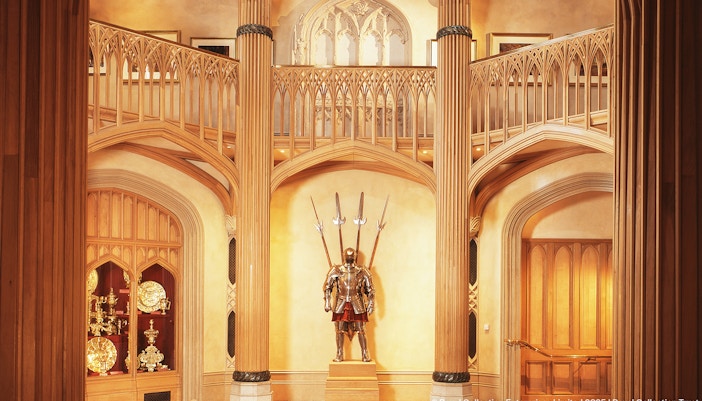
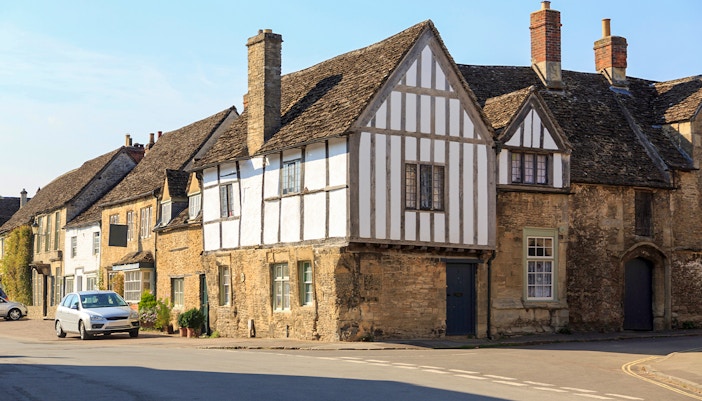
For nearly 1,000 years, Windsor Castle has remained tied to the British crown, and 40 monarchs have used it across that span. It is widely described as the world’s oldest and largest occupied castle, which means visitors are not entering a frozen monument. They are stepping into a residence that still belongs to the royal story.
14 interesting facts about Windsor Castle beyond the State Apartments
Perched above the Thames in royal Windsor, Windsor Castle has been a working palace for nearly 1,000 years. For anyone planning a London to Windsor Castle day trip, its history holds far more than grand rooms and guard ceremonies.
Interesting facts about Windsor Castle
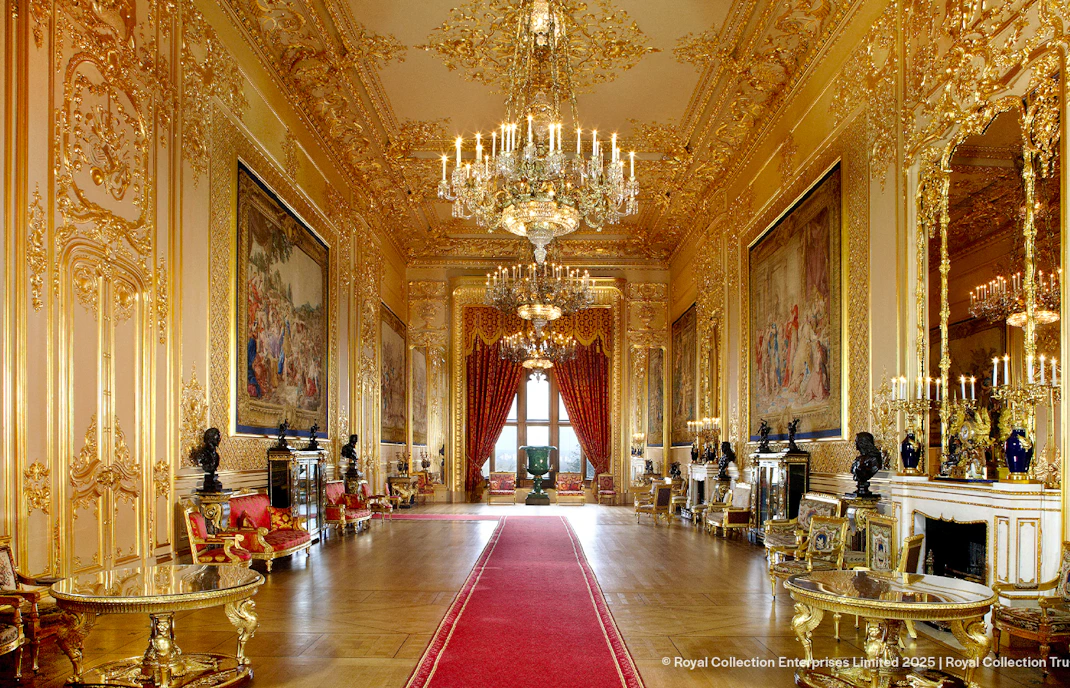
Home to 40 monarchs
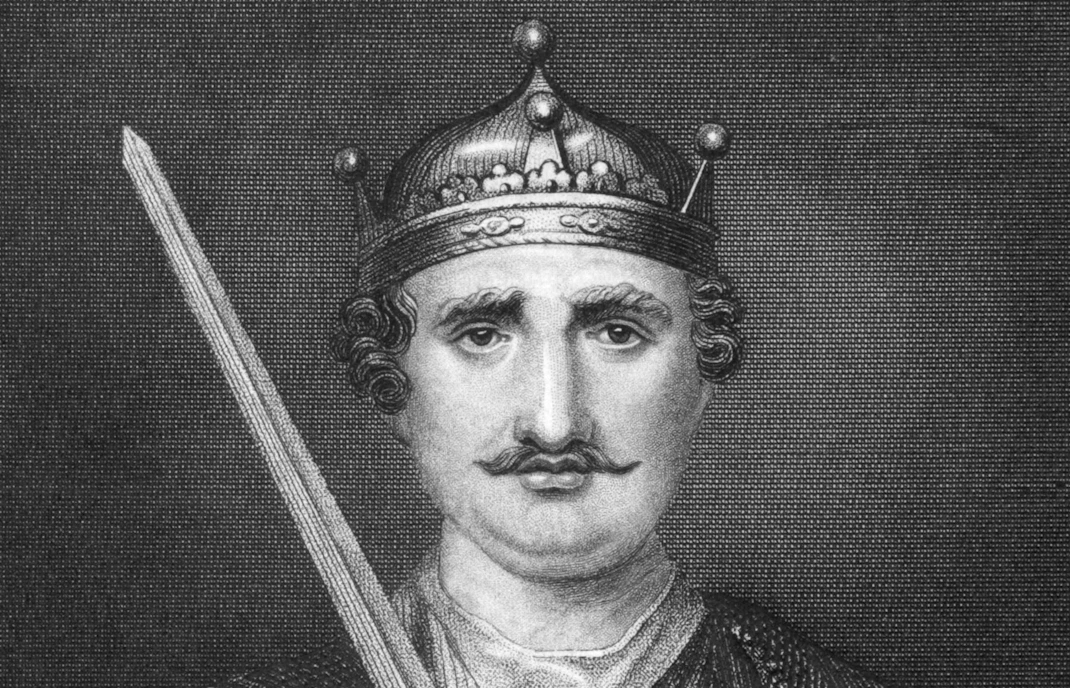
William the Conqueror built it
Windsor Castle began as a Norman motte-and-bailey fortress ordered by William the Conqueror in the 11th century. Its hilltop position was strategic, helping guard the western approach to London and oversee the Thames. Centuries of rebuilding followed, but the castle’s military logic still explains why it dominates the town so completely.
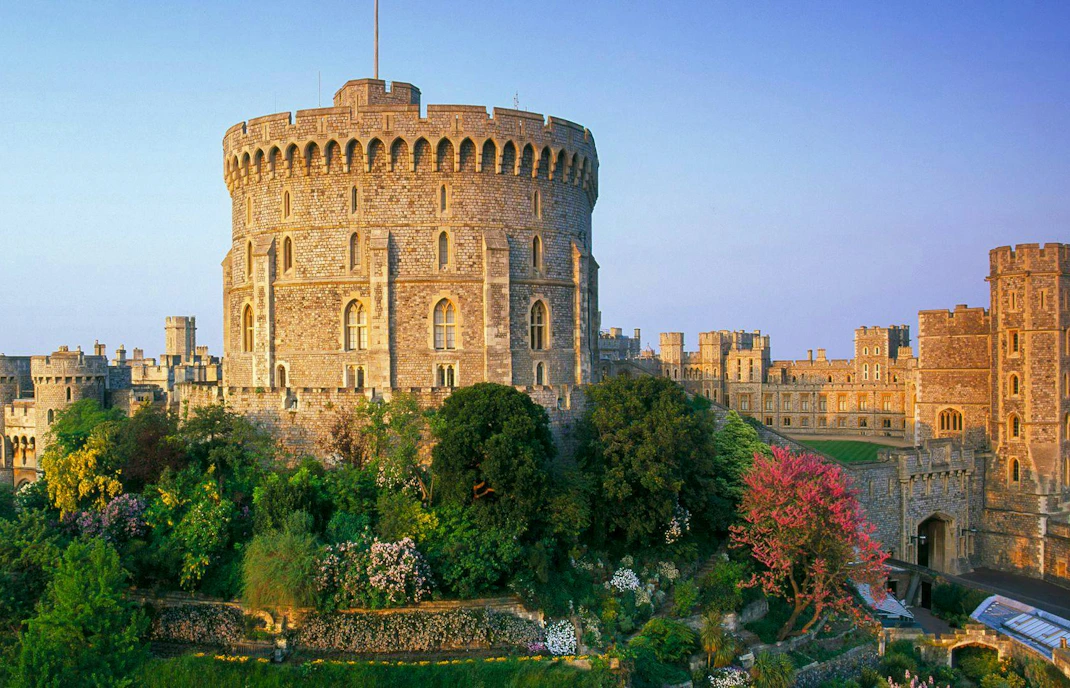
Round Tower on a mound
That famous Round Tower stands on an artificial mound, or motte, created for the castle’s original Norman defenses. In other words, the skyline-defining centerpiece rises from earthworks older than much of the stone structure around it. The result is dramatic even today, especially when you see how the tower commands views across Windsor and the Thames Valley.
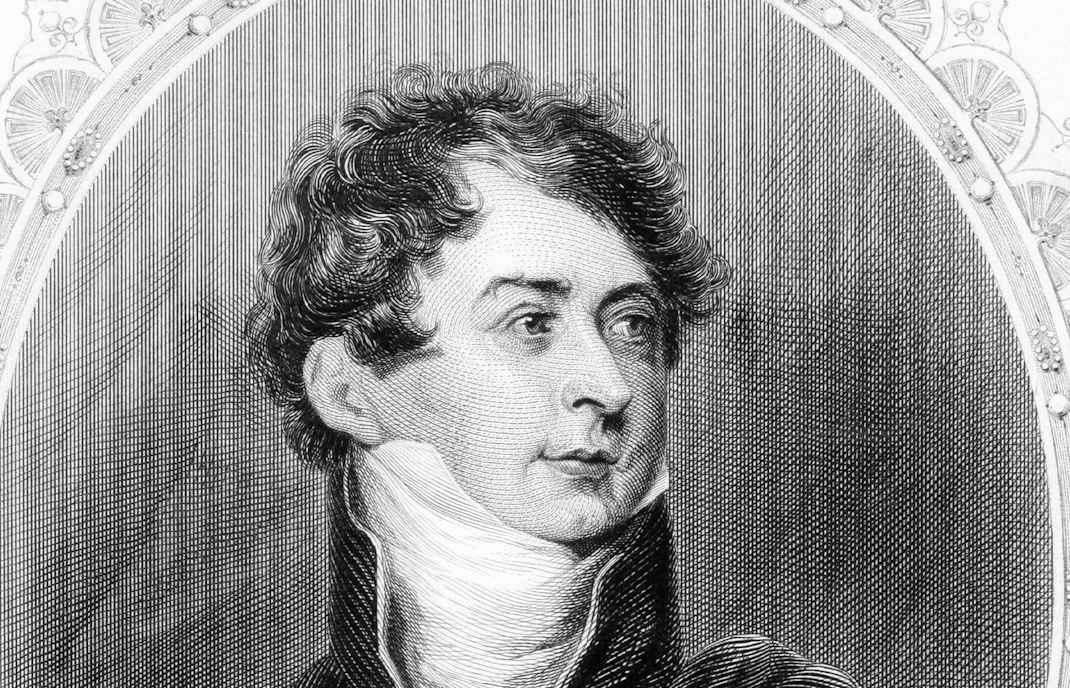
George IV shaped its look
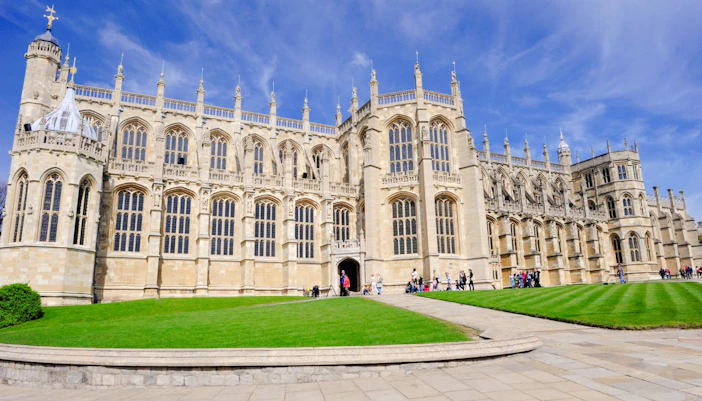
Much of the castle’s romantic silhouette owes more to the 19th century than the Middle Ages. Under George IV, architect Jeffry Wyatville redesigned major sections, raising towers and reshaping exteriors to create the grand Gothic profile visitors recognize now. So while Windsor is medieval at heart, its appearance was carefully staged for royal spectacle.
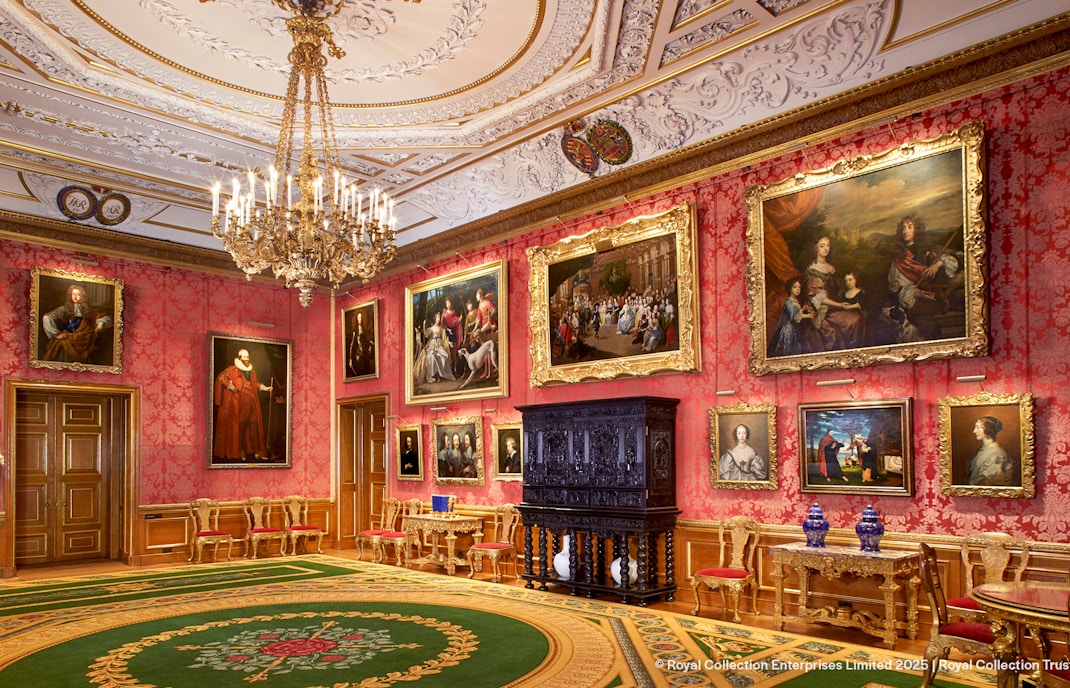
A palace still in use
Unlike many historic castles, Windsor is still a working royal residence and venue for official ceremonies. State Apartments used by visitors also host investitures, receptions, and state occasions when required by the monarch. That dual identity gives the interiors unusual energy: the gilded rooms are museum-worthy, yet they remain part of living constitutional life.
Fire remade the castle
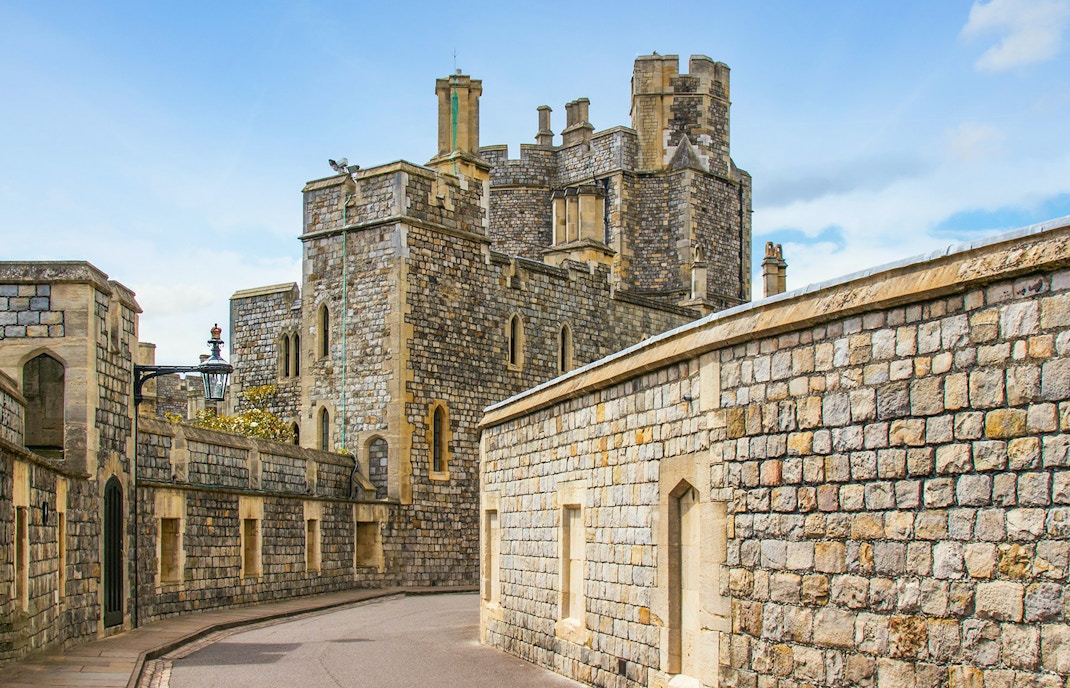
A devastating fire swept through Windsor Castle in 1992, damaging or destroying a large number of historic rooms. Rather than freezing the building in its damaged state, a 5-year restoration returned major spaces to use and revived lost craftsmanship. Today’s visit includes rooms that feel centuries old, even though some were painstakingly rebuilt in the 1990s.
Queen Mary’s tiny mansion
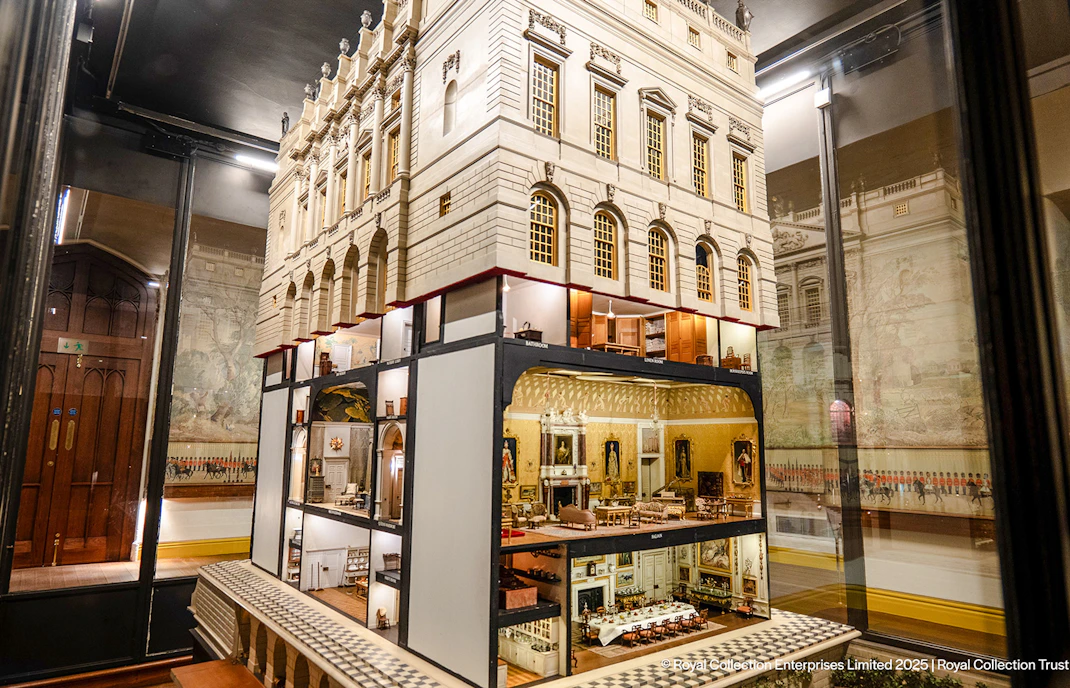
Queen Mary’s Dolls’ House is not a toy in the ordinary sense — it is a fully imagined aristocratic house in 1:12 scale. Built in the 1920s, it includes electricity, running water, tiny books, and even miniature wine bottles. The craftsmanship is so exact that many visitors remember it as vividly as the full-size palace rooms.
Chapel of royal milestones
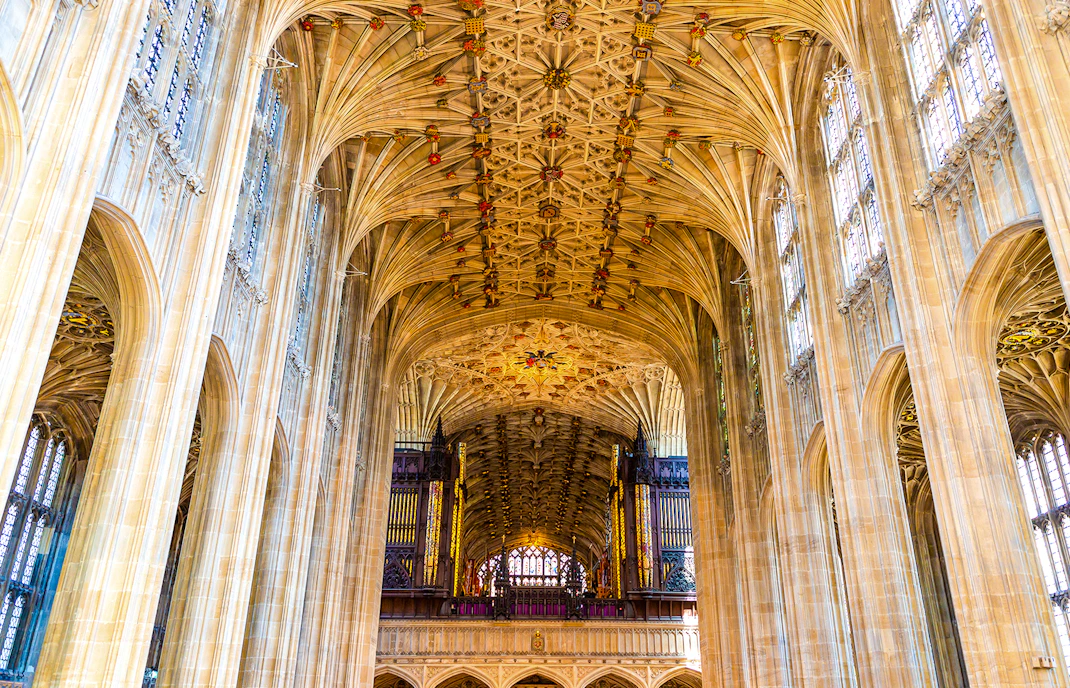
St George’s Chapel carries a remarkable concentration of royal history within one Gothic interior. It is the spiritual home of the Order of the Garter, the burial place of monarchs including Henry VIII and Queen Elizabeth II, and the venue for high-profile royal weddings. Few castle chapels in Europe combine architecture, ceremony, and dynasty this densely.
Waterloo has its own room
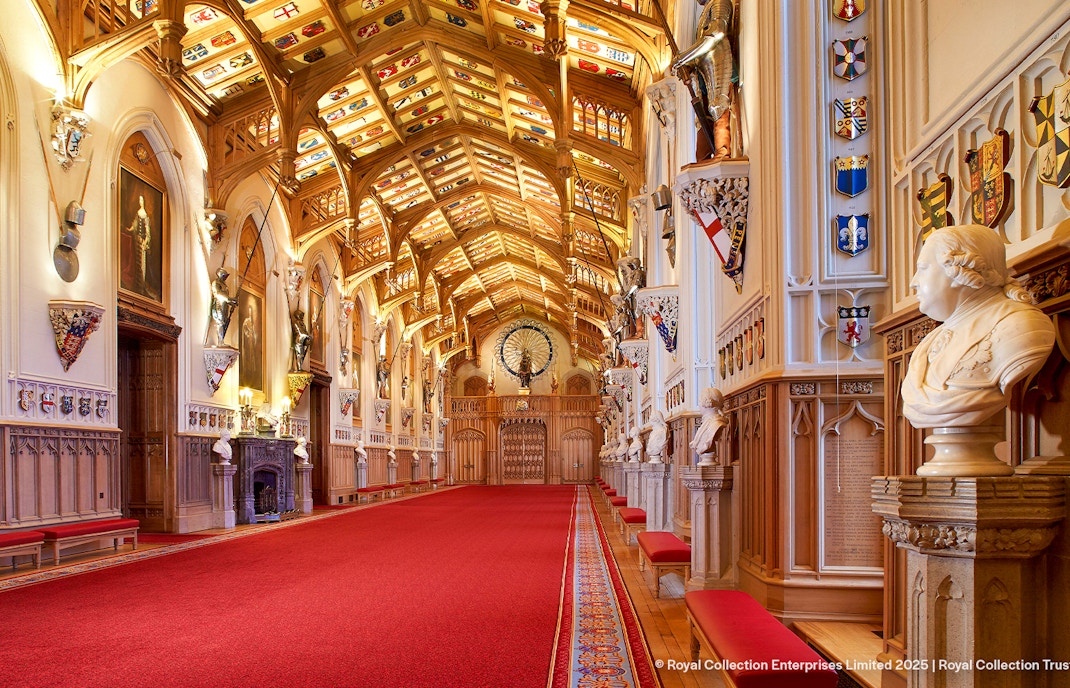
One of Windsor’s grandest interiors, the Waterloo Chamber, commemorates the allied victory over Napoleon. The room was created for George IV and filled with portraits of rulers, generals, and diplomats connected to that political moment. Instead of treating war as abstract history, Windsor turns an international turning point into a richly staged royal setting.
Wartime home for princesses
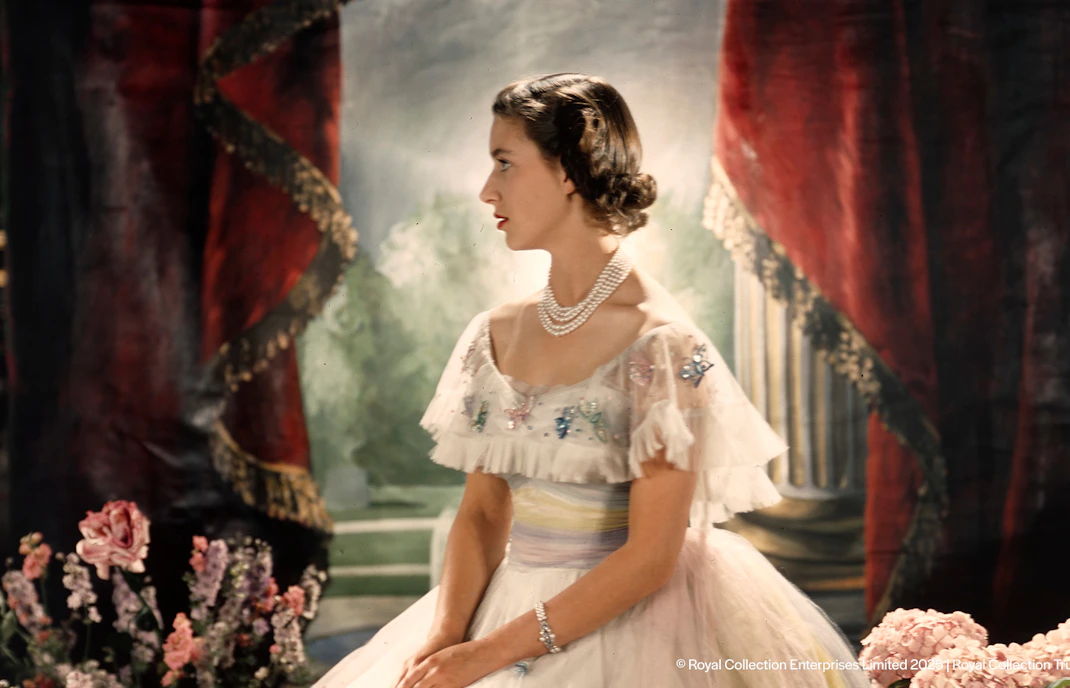
During the Second World War, Windsor Castle became a place of relative safety for Princess Elizabeth and Princess Margaret. Their time there is a reminder that the castle’s story did not end with crowns and banquets centuries ago. Even in the 20th century, it continued to adapt as both fortress-like refuge and royal home.
The castle gave the royal family its name
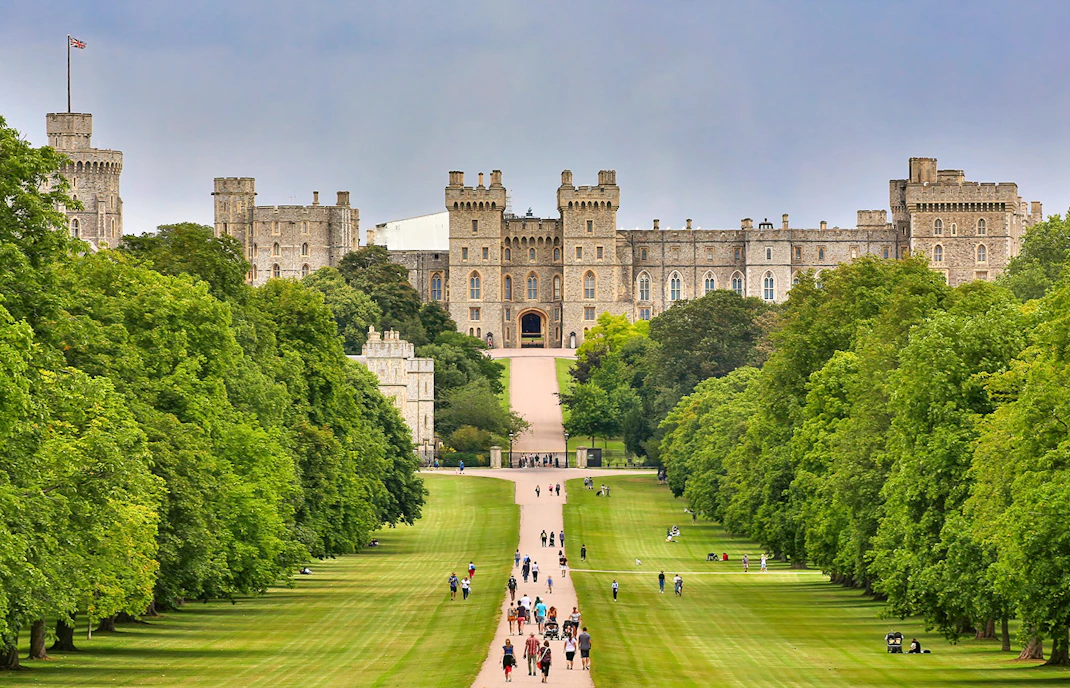
Before 1917, the royal family had a long, complicated German name: Saxe-Coburg-Gotha. During World War I, that didn’t sit well with the public. This led King George V to choose a new name inspired by Windsor Castle, giving birth to the House of Windsor. The name comes from the Old English “Windlesoren,” meaning “winch by the riverbank,” tying the family forever to this historic home.
A blind traveler called Windsor home
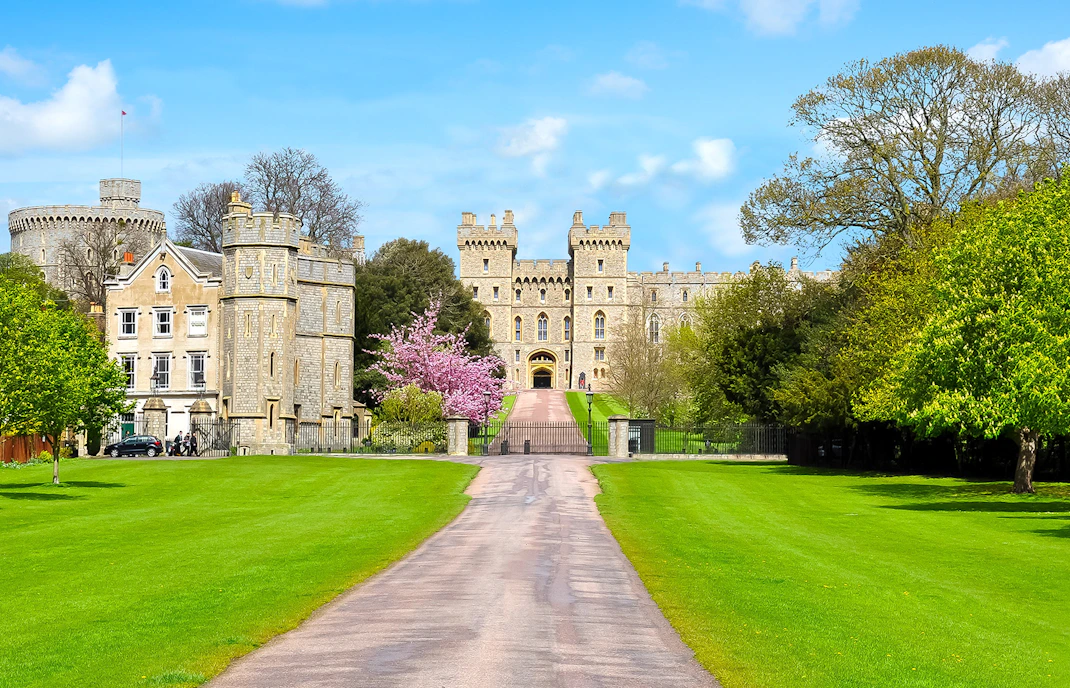
Not all who lived in Windsor were royalty. Windsor Castle has had its own share of fascinating residents over the years. James Holman, an English Royal Navy lieutenant and 19th-century explorer known as “the blind traveler,” was one such person. Having lost his sight early in life, Holman journeyed across continents alone, armed only with a walking stick and determination. When not exploring, he lived at Windsor as a Knight of Windsor.
Britain’s oldest working kitchen
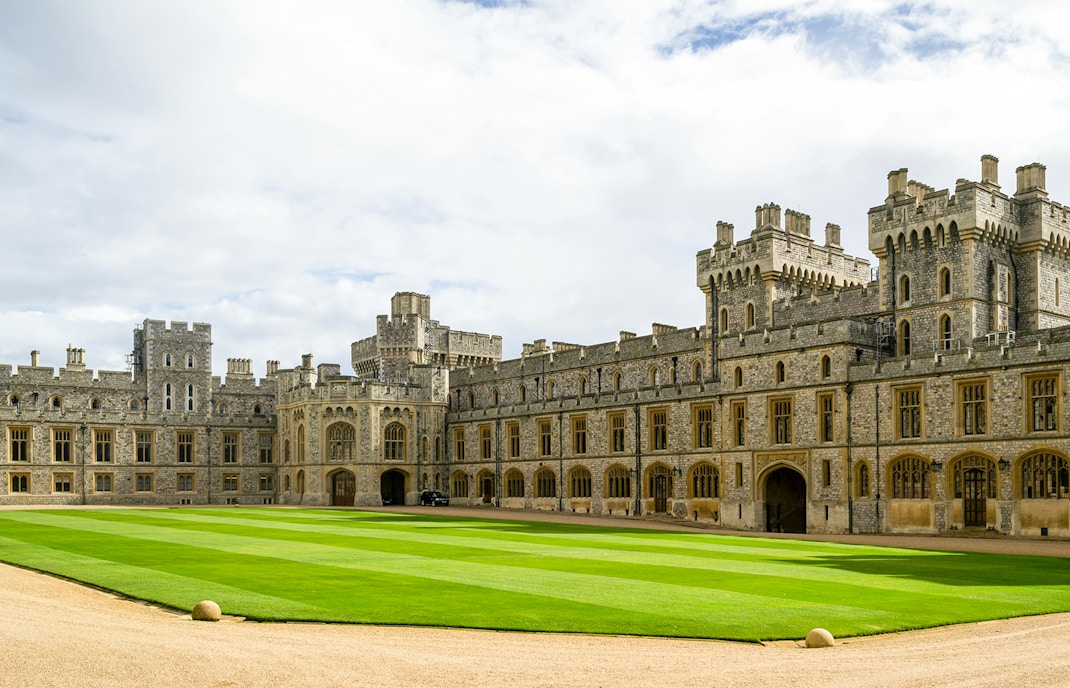
Windsor Castle’s uniqueness extends to its castle kitchen as well. Busy cooking royal feasts since the 1360s, the kitchen is the oldest working royal kitchen in the UK. Prince Albert installed the first gas range in 1890, and clocks were set five minutes fast so Queen Elizabeth II would never wait. From medieval banquets to modern state dinners, this kitchen has kept generations of royals well fed.
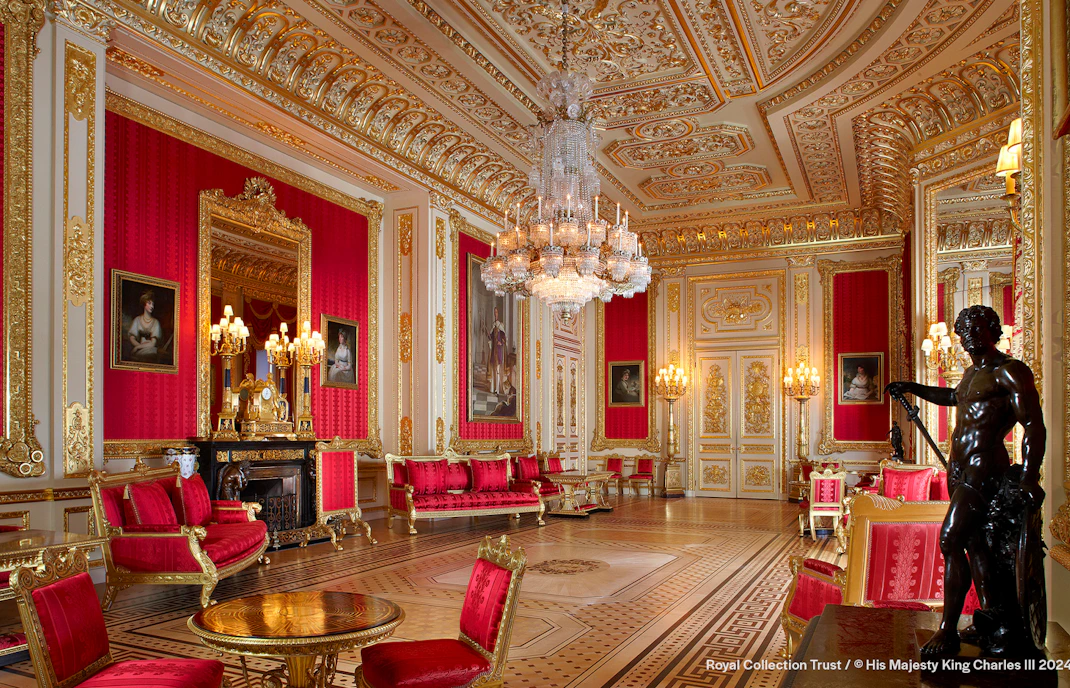
A treasure trove of masterpieces
Windsor Castle is also an art lover’s dream. The walls feature Rembrandt, Rubens, Van Dyck, and Canaletto, from powerful royal portraits to breathtaking cityscapes. It’s a palace that doubles as a gallery, where history and art meet in every hall.
Frequently asked questions about Windsor Castle facts
Windsor Castle spans 484,000 square feet across 13 acres of land. It has over 1,000 rooms, including 52 royal and guest bedrooms, 92 offices, and 78 bathrooms, making it the largest occupied castle in the world.
Construction of the original wooden castle began around 1070 and took about 16 years to complete. Over the centuries, successive monarchs expanded and renovated the castle, with significant work carried out by Henry II in the late 12th century and Edward III in the 14th century.
Yes. Buckingham Palace was built in 1703, making it just over 300 years old. Windsor Castle dates back to 1070, making it more than 900 years old.
Although William the Conqueror commissioned the castle, the first king to reside there was Henry I. He celebrated Whitsuntide in 1110 and married Adela, daughter of Godfrey of Louvain, in the castle in 1121.
Windsor Castle has been home to 39 monarchs since it was built. It is the oldest and largest occupied castle in the world. Queen Elizabeth II favoured it as her weekend retreat and lived there as her primary residence from 2011 until her passing.
After Queen Elizabeth II’s passing, King Charles inherited Windsor Castle. However, he and Queen Camilla reside at Clarence House in London, and the castle is currently only occupied by staff.
Yes! Windsor Castle has a network of hidden staircases and secret doors used historically for safety and privacy. Some passages connected private royal apartments to the chapel, allowing monarchs to move unseen during ceremonies or emergencies.
Many claim Windsor Castle is haunted. The ghost of Henry VIII and his daughter Elizabeth I are said to roam the halls, and some visitors report hearing footsteps and voices in the quiet chambers of St George’s Chapel.