Most visitors spend 1.5 to 2 hours inside Churchill War Rooms, though detailed audio guides and museum galleries often stretch visits longer. Tickets including Westminster walking tours usually turn the experience into a half-day itinerary lasting roughly 3 to 4 hours.
Did you know?
Churchill’s “private toilet” was apparently much more than a bathroom. It secretly doubled as a secure telephone booth where he could chat with President Roosevelt away from curious ears.
Those small alcoves in the corridors were not awkward design choices. They were emergency hiding spots where guards could duck for cover and defend the bunker if intruders appeared.
The clocks inside the Cabinet Room are permanently stuck at 4:58pm, the exact time Britain’s wartime cabinet gathered there for its very first underground meeting in 1940.
Is the Churchill War Rooms worth visiting?
Churchill War Rooms feel unusually still for central London. One moment you are surrounded by Westminster traffic and government buildings; minutes later, you are underground in narrow corridors where telephones, maps, and typewriters remain almost exactly where they were left in 1945. The low ceilings, dim lighting, and sealed rooms create a tense atmosphere that never feels staged.
The bunker was built to protect Britain’s wartime government during the Blitz and became the hidden command centre where Churchill and his inner circle coordinated military strategy throughout World War Two. Unlike many recreated historical attractions, this space survives because staff simply locked the doors after the war ended.
The emotional payoff comes from seeing how ordinary the rooms actually feel. Small desks, worn furniture, and handwritten notes make enormous wartime decisions feel unexpectedly human.
Skip it if you strongly prefer open-air attractions or have very limited time in London. The experience is immersive, enclosed, and detail-heavy rather than visually grand.
What to see at Churchill War Rooms
1/6
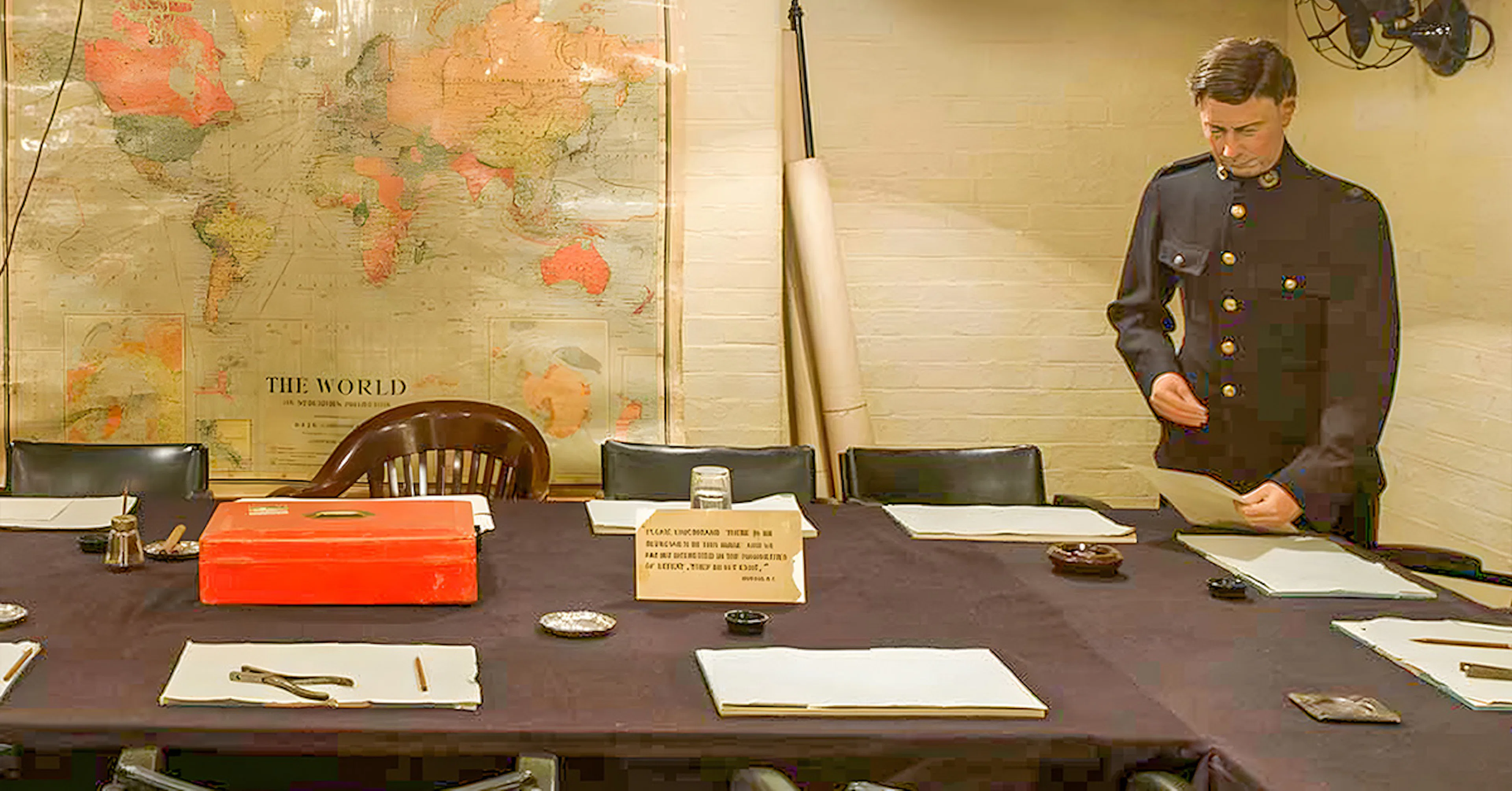
Cabinet room
This preserved meeting room hosted wartime discussions between Churchill and senior ministers during air raids and military crises. Maps, documents, and chairs remain arranged almost exactly as they were left in 1945.
Map room
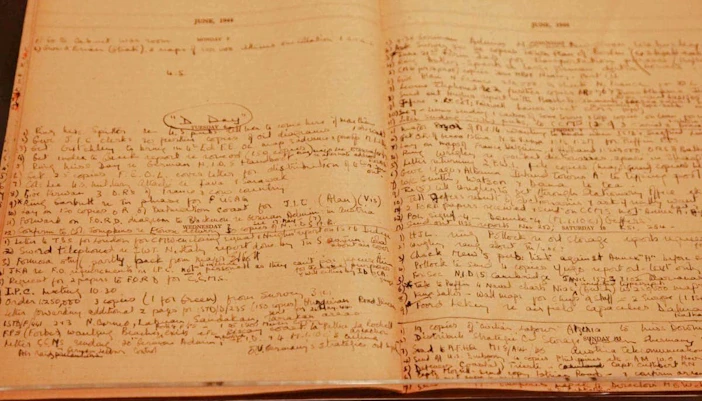
The Map Room is the emotional centre of Churchill War Rooms. Huge wall maps, ringing telephones, and handwritten military updates remain untouched because the room was simply sealed after the war ended.
Churchill's office-bedroom
Churchill’s underground bedroom feels surprisingly modest compared to his public image. Personal items, simple furniture, and private workspaces reveal how much time he spent beneath Westminster during the Blitz.
Most visitors linger longest at this and the Map Room next door.
Transatlantic telephone room
This small secure communication room once handled highly confidential wartime calls between Churchill and President Roosevelt. The heavy equipment and isolated setting still feel remarkably tense and secretive.
Underground Corridors & Staff Rooms
The narrow passageways connecting sleeping quarters, kitchens, and communication offices reveal how hundreds of staff lived and worked underground during wartime bombings above Westminster.
Churchill museum
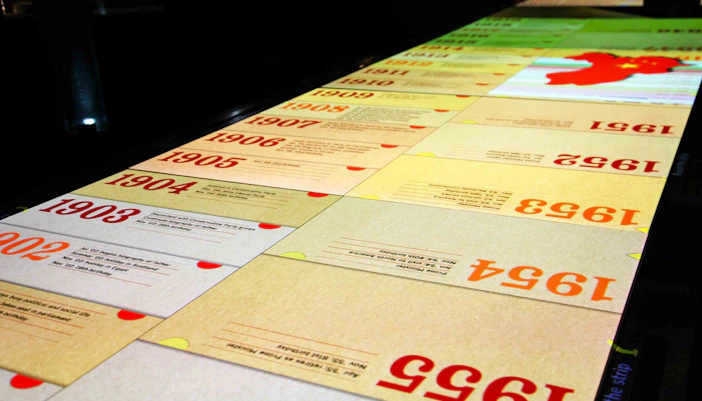
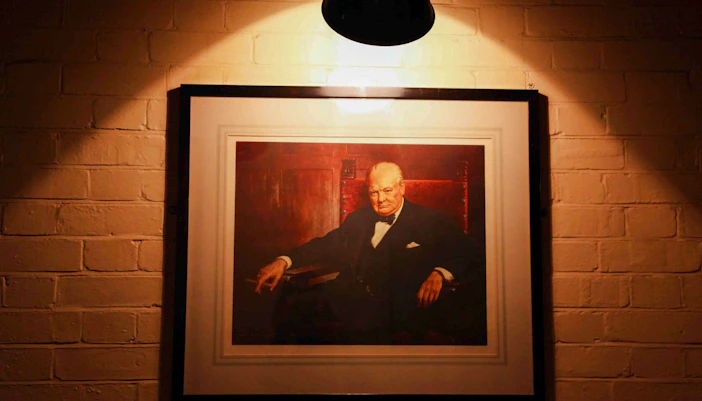
Interactive galleries trace Churchill’s political career, speeches, leadership decisions, and personal life through letters, photographs, recordings, and wartime artefacts. Most visitors spend longer here than they initially expect.
How to explore Churchill War Rooms
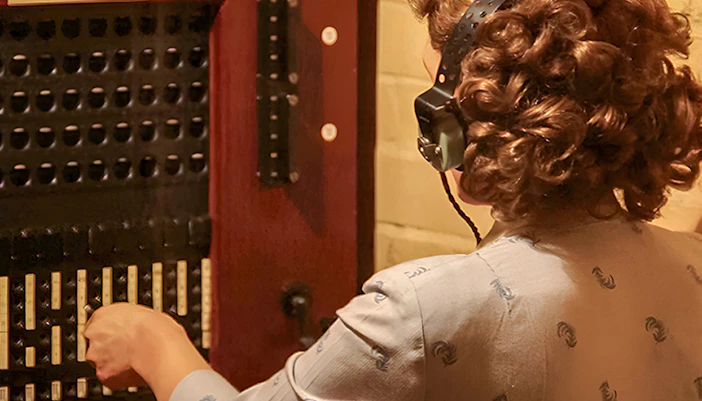
How much time to plan
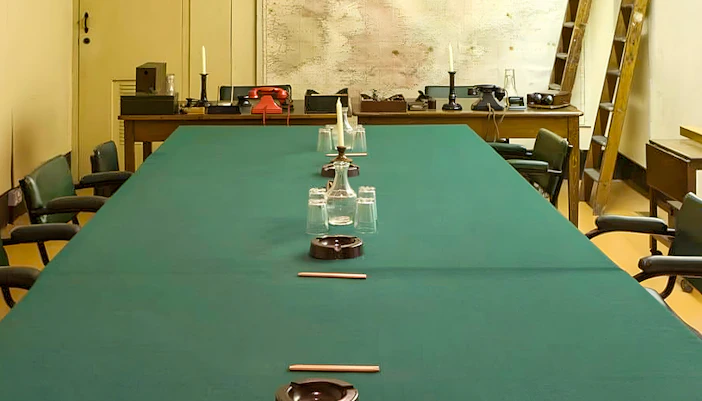
Suggested route through the bunker
Start with the Cabinet War Rooms before larger crowds gather around the Map Room later in the morning. Continue through Churchill’s private quarters, underground staff corridors, and communication rooms before ending inside the interactive Churchill Museum galleries.
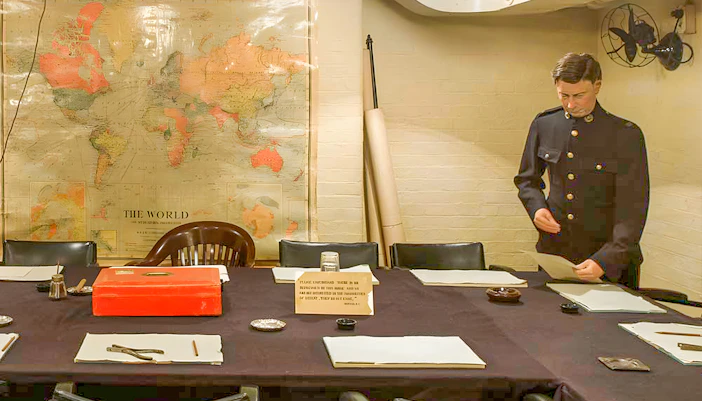
Areas worth prioritising
The Map Room remains the emotional centre of the experience, preserved almost exactly as staff left it after 1945. The Cabinet Room, underground communication corridors, and Churchill Museum galleries also reveal how Britain’s wartime government functioned beneath Westminster.

Why Westminster walking tours help
Guided Westminster walks connect the underground bunker to the political streets operating above it during World War Two. Passing Whitehall, Parliament Square, Downing Street, and wartime memorials adds far more context to Churchill’s wartime leadership and decision-making.
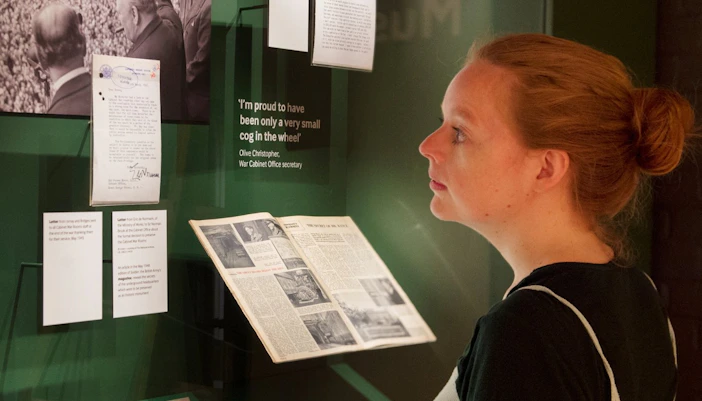
Guided tours vs self-guided visits
Self-guided visits work comfortably because multilingual audio commentary explains the bunker in strong detail at your own pace. Guided tours add richer storytelling about wartime London, political tensions, and the hidden systems operating beneath Westminster throughout the Blitz.
Brief history of the Churchill War Rooms
- 1938: Construction begins on a protected underground bunker beneath Westminster as fears of another major European war increase.
- 1939: Britain enters WWII, and the underground headquarters officially begins operating as the Cabinet War Rooms from August 27, for Churchill’s wartime government.
- 1940–1945: Churchill and senior ministers coordinate military strategy, intelligence, communications, and emergency government operations from the bunker throughout the Blitz and wider war effort.
- August 1945: After Japan’s surrender ends World War Two, the underground headquarters closes. Many rooms are left almost completely untouched.
- 1984: The preserved bunker opens to the public on April 4 as part of the Imperial War Museum network, allowing visitors to enter Britain’s original wartime command centre.
- 2005: The Churchill Museum opens within the complex, on January 30, expanding the site beyond preserved war rooms into a broader exploration of Churchill’s life and leadership.
- Today: Churchill War Rooms remains one of London’s most immersive World War Two sites, preserving both the operational bunker and Churchill’s political legacy beneath Westminster.
Architecture of the Churchill War Rooms
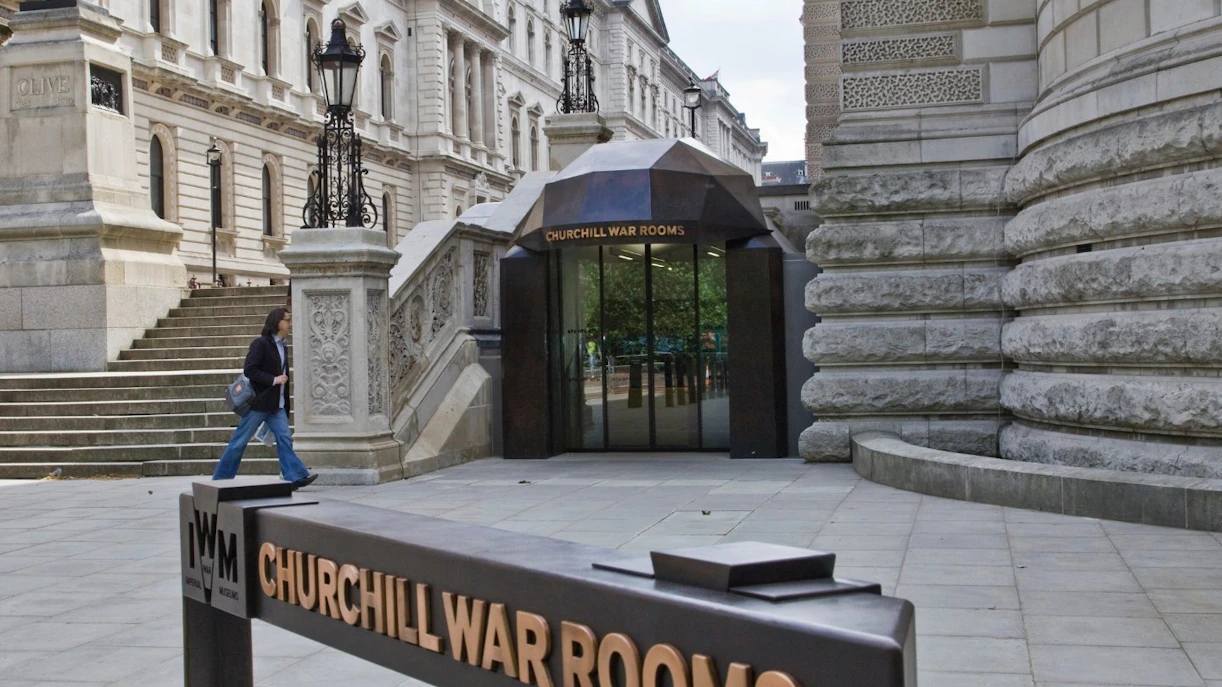
- Built for survival: Thick concrete walls, reinforced ceilings, and underground positioning beneath Westminster protected Britain’s wartime leadership during bombing raids and sustained Luftwaffe air attacks.
- Functional underground design: Low ceilings, narrow corridors, exposed pipes, and compact offices prioritised secrecy, communication efficiency, and uninterrupted wartime operations rather than architectural grandeur or ceremony.
- A working wartime headquarters: Steel doors, cramped communication rooms, and tightly connected passageways constantly remind visitors this bunker operated continuously during Britain’s most dangerous wartime years.
- Small rooms, enormous decisions: The surprisingly modest scale of meeting rooms and offices contrasts sharply with the global military strategies and political decisions planned underground during WWII.
- Map Room engineering: Large wall-mounted military maps, communication equipment, and reporting desks were carefully arranged for constant monitoring of wartime operations across Europe and beyond.
Who built Churchill War Rooms?
Churchill War Rooms was developed by British government engineers and military planners under the authority of the War Office before World War Two. Rather than creating a grand architectural landmark, the goal was purely defensive: a protected underground headquarters capable of maintaining government operations during sustained bombing campaigns over London.
The design prioritised security, communication efficiency, and rapid wartime decision-making. Its plain concrete construction and tightly connected rooms reflect that practical military purpose more than any architectural movement or visual ambition.
Frequently asked questions about the Churchill War Rooms
Yes, especially if you're interested in the Second World War or British history. The preserved underground bunker offers an experience unlike a traditional museum, allowing you to walk through the actual rooms where Britain's wartime strategy was planned. It's one of London's most authentic historic attractions.
Most people spend 2–3 hours exploring the Cabinet War Rooms and the Churchill Museum. If your ticket includes a guided walking tour of Westminster, allow an additional 1.5–2 hours for the full experience.
The untouched Map Room is the highlight of the bunker, preserved almost exactly as it was left in 1945. Also make time for the historic Cabinet Room and the interactive Churchill Museum, where speeches, letters, and personal belongings bring Churchill's story to life.
Usually yes. The bunker itself contains excellent audio commentary, but guided Westminster tours explain how nearby landmarks like Downing Street, Whitehall, and Parliament connected directly to wartime operations underground.
Yes, although it's best suited to older children and teenagers with an interest in history. Interactive exhibits and multimedia displays help bring the stories to life, but younger children may find the museum quieter and more text-heavy than other London attractions.
Early morning slots are generally the quietest, especially before large tour groups arrive. Late afternoons can also feel calmer underground. Midday periods tend to be the busiest throughout the year.
Yes. Elevators, accessible toilets, large-print guides, induction loops, British Sign Language tours, and wheelchairs available onsite make the main museum areas accessible for many visitors. Some Westminster walking tours are less suitable because of extended outdoor routes.
Yes, especially during weekends, holidays, and summer months. Timed entry slots regularly sell out in advance, particularly for small-group tours and combo experiences including Westminster Abbey.