‌‌‌‌
‌

Quick overview

  • Separate ticket: Not required
  • When you'll see it: During the Cabinet War Rooms route
  • Visit duration: 15-20 min self-guided / 20-25 min with guide
  • Best time: Around the first available entry slot
  • Restrictions: Standard museum rules apply
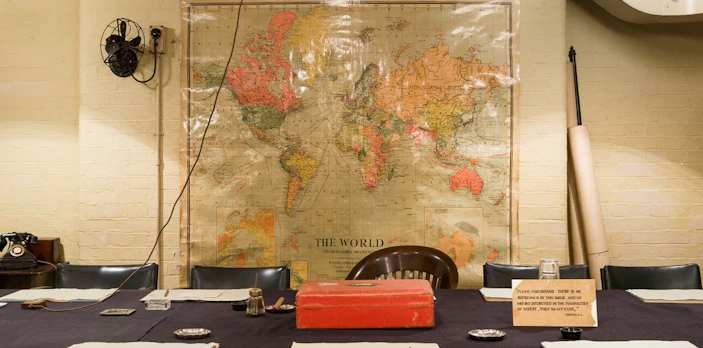
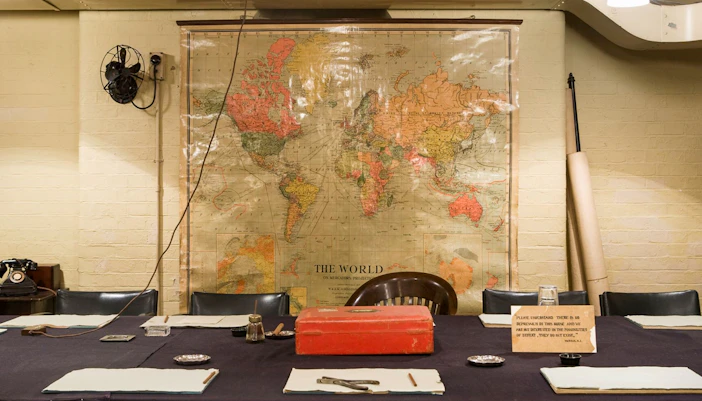
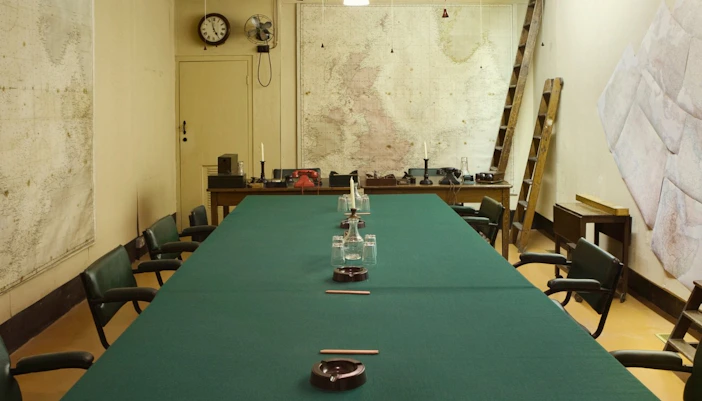
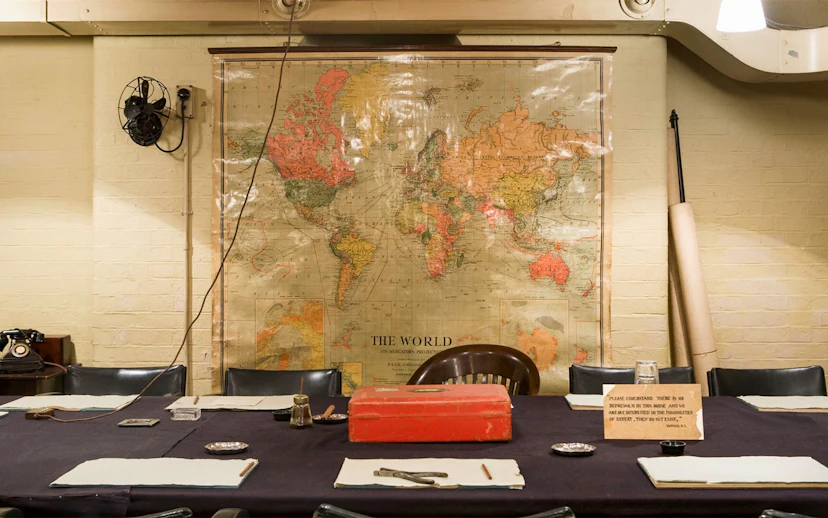
Meeting room with world map in Churchill War Rooms, London.

How to access the Map Room?

The Churchill War Rooms Map Room is included with all Churchill War Rooms admission tickets, so no separate ticket is required. It forms part of the underground Cabinet War Rooms route, alongside the operational rooms used during the Second World War. A standard admission ticket is enough to enter, while a guided tour can add useful context to the maps, records, and wartime operations represented here.

How to best experience the Churchill War Rooms Map Room
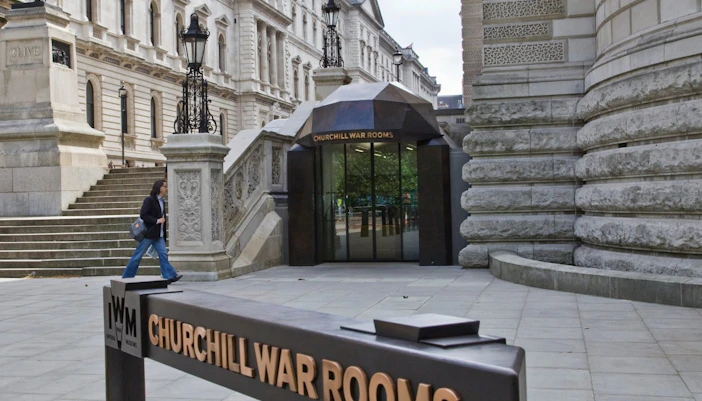
Best time to visit
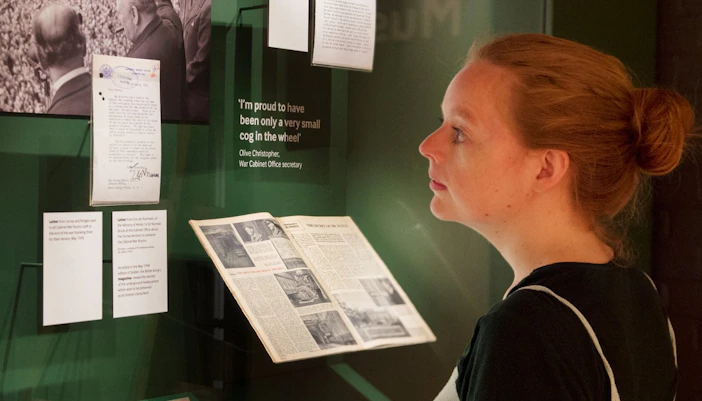
The first available entry slots tend to offer a calmer start to the underground visit, making it easier to read displays and take in the room's details. Visit early if you want more breathing room around the maps and displays.

How long to spend

Allow around 15-20 minutes when visiting independently. With a guide, 20-25 minutes gives you enough time to understand how the room functioned without letting one section dominate your wider Cabinet War Rooms visit.

Where it fits in your itinerary

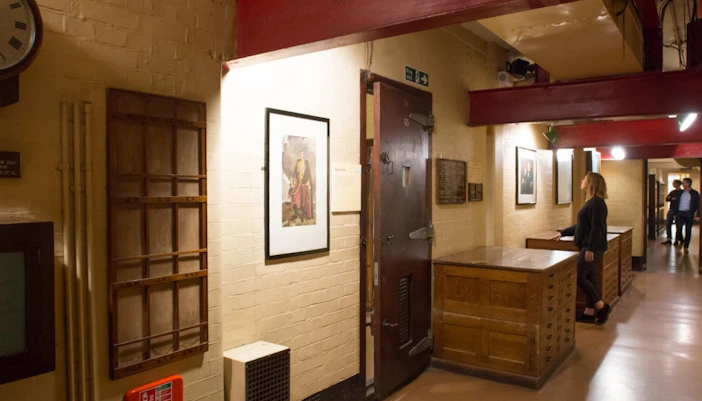
The Map Room sits within the Cabinet War Rooms, so it works best as part of your wider underground tour rather than as an isolated stop. Keep some time afterwards for the Churchill Museum.

Crowd patterns

The underground rooms become busier as the day progresses, particularly around popular entry periods. More visitors can make it harder to pause beside displays and maps, while quieter periods allow a slower look at the details.

What to prioritise if time is short

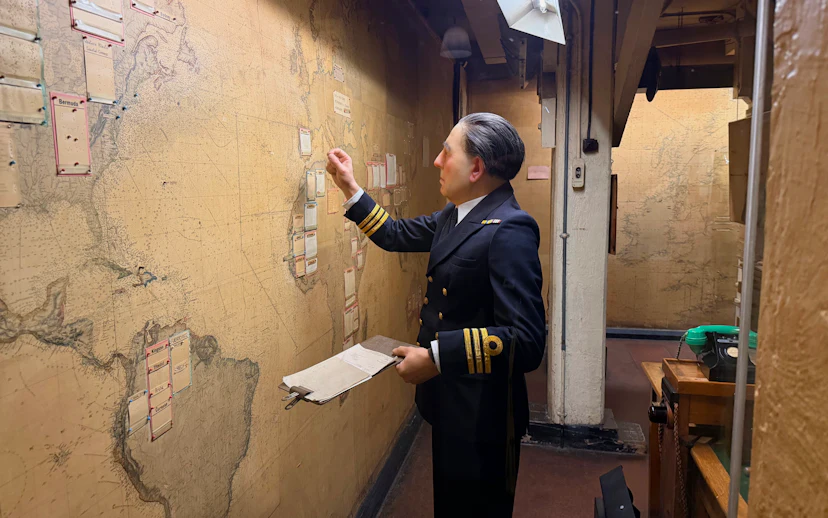
Focus on the Map Room's wall maps, operational information, and the way the displays show the scale of wartime coordination. Look closely rather than simply walking through.

Common mistakes to avoid

Don't treat the Map Room as just another passage between rooms. Its displays make more sense when you pause to understand what information was being tracked and why it mattered.

Best tickets to experience the Map Room

ExperienceWhy choose it
Churchill's Wartime London Walking Tour

Best all-round option if you want to connect the Map Room and War Rooms with Westminster landmarks through guided storytelling. Upgrade for War Rooms entry with an audio guide.

Churchill War Rooms Entry Ticket with Audio Guide

Best for flexible, self-guided visits. Explore the Map Room at your own pace, with a multilingual audio guide and optional Westminster tour or pocket guidebook.

Churchill War Rooms Entry Ticket & Political London Audio Tour

Pick this if you want to combine independent War Rooms access with a self-guided Westminster audio tour, digital map, and flexible sightseeing stops.

Combo: Westminster Abbey + Churchill War Rooms Tickets

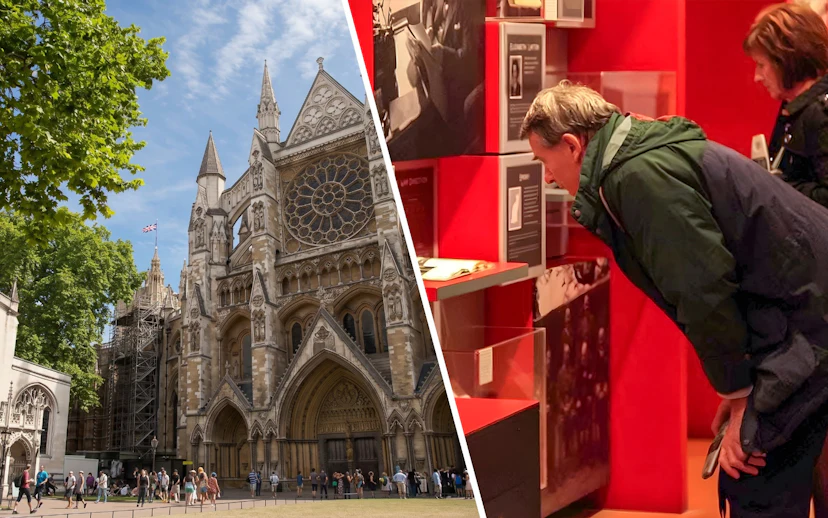
A strong choice for combining two major Westminster attractions, with multimedia guidance at the Abbey and a multilingual audio guide inside the War Rooms.

Why it's worth seeing

The Churchill War Rooms Map Room is one of the most revealing spaces in the complex because it shows how information from across the war was gathered and coordinated underground. The room wasn't simply a display area created for visitors; it was a working centre where constantly updated information helped senior officials understand the changing military situation.

Read the maps as working documents

The maps and operational information give a sense of how quickly the wartime picture could change. Look at the markings and annotations rather than viewing the displays as static decoration; they help convey the pressure of following military developments in real time.

Look beyond Churchill

Although Churchill is central to the story of the Cabinet War Rooms, the Map Room also represents the work of the wider teams who gathered, organised, and updated information. The room makes the scale of that behind-the-scenes operation easier to understand.

Give the room more than a passing glance

The Map Room rewards visitors who slow down. Even a few extra minutes can reveal details that are easy to miss while moving between the underground offices and corridors.

Historical & cultural significance

The Map Room was a working part of the Cabinet War Rooms during the Second World War, helping track military developments and coordinate information for Britain's wartime leadership. Staff maintained constantly updated maps and records so decision-makers could follow events across multiple fronts. Today, the preserved room forms part of the Churchill War Rooms and gives visitors a direct look at the information infrastructure behind wartime decision-making.

👉 Explore the full history of the Churchill War Rooms

Notable figures

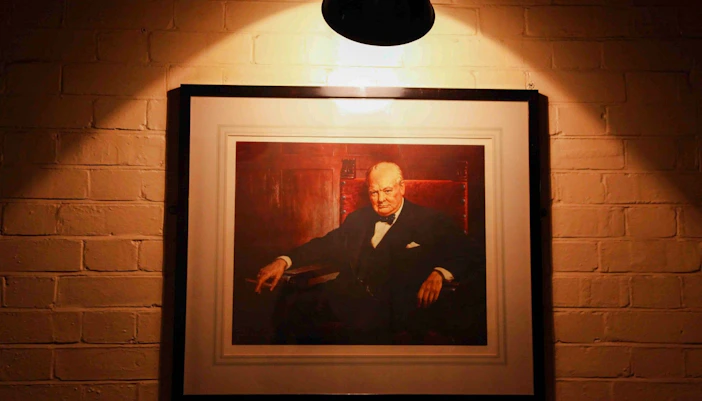
Winston Churchill

British prime minister whose wartime leadership is central to the story of the Cabinet War Rooms.

General Sir Hastings Ismay

Churchill's chief military assistant, involved in coordinating military advice and wartime strategy.

General Sir Alan Brooke

Chief of the Imperial General Staff and a key military adviser during Churchill's wartime premiership.

Know before you go

  • Standard opening hours: Churchill War Rooms generally open from 9:30am to 6pm, with last entry at 5pm.
  • Early opening: Fridays, Saturdays, and summer months from June to August usually begin with an earlier 9am opening.
  • Last entry: Admission closes one hour before the museum, giving you less time to see the exhibits.
  • Quieter periods: Early mornings and late afternoons generally have fewer visitors throughout the underground rooms and corridors.
  • Busiest periods: Mid-morning and early afternoon usually see the highest visitor numbers, particularly during guided tours.

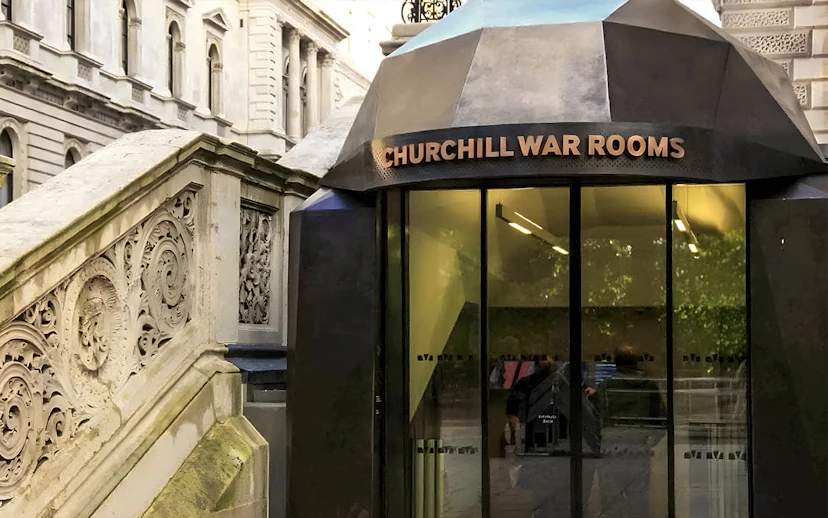
Address: Clive Steps, King Charles Street, London SW1A 2AQ

Churchill War Rooms are located beneath Westminster, close to Whitehall and several major central London landmarks.

  • By Tube: Westminster and St James’s Park stations are nearby, while Charing Cross is around 15 minutes away.
  • By bus: Several buses serving Whitehall and Trafalgar Square stop within a short walk of Clive Steps.
  • By car: Central London routes provide access to Westminster, but nearby parking is limited and congestion can affect journey times.
  • On foot: The War Rooms are around 25 minutes from Oxford Circus through Regent Street, The Mall, and Whitehall.
  • Accessible toilets: Accessible toilet facilities are available within the Churchill War Rooms for visitors during their museum visit.
  • Seating areas: Seating is available at selected points throughout the museum for visitors who need occasional rest.
  • Multilingual audio guides: Multilingual audio guides help visitors follow the exhibits independently during their underground museum visit.
  • Museum shop: The on-site shop sells Churchill books, souvenirs, memorabilia, and educational gifts related to wartime history.
  • Wheelchair access: The Churchill War Rooms have step-free accessible routes, with an elevator providing access to underground areas.
  • Accessibility tools: Large-print guides, subtitles, British Sign Language tours, induction loops, and audio-described guides are available.
  • Mobility assistance: Wheelchairs and folding stools can be borrowed free of charge, subject to availability at the entrance.
  • Accessible arrival: Accessible parking and public transport options are available near the Churchill War Rooms in Westminster.
  • Guide dogs: Registered guide dogs are welcome throughout the Churchill War Rooms, including the underground exhibition areas.

Frequently asked questions about Churchill War Rooms Map Room

Yes. The Map Room is part of the Cabinet War Rooms and is included with standard Churchill War Rooms admission. No separate ticket is required.