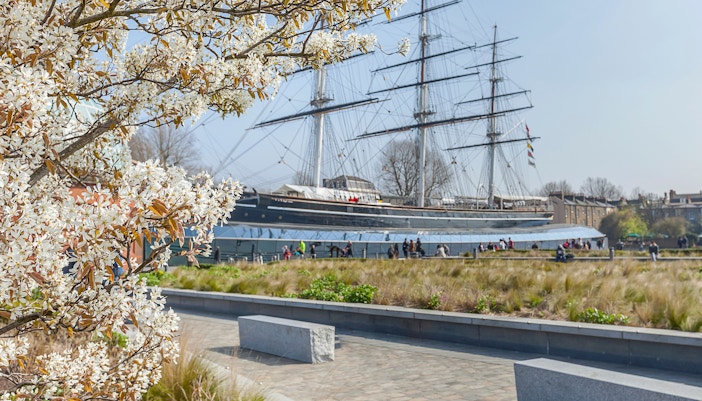
Why is the Cutty Sark a must-visit attraction?

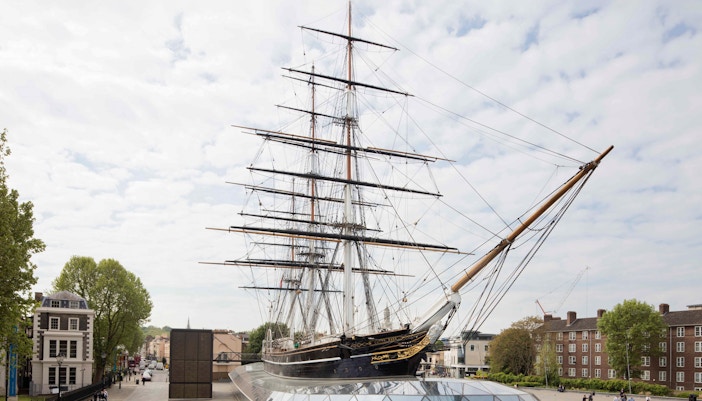
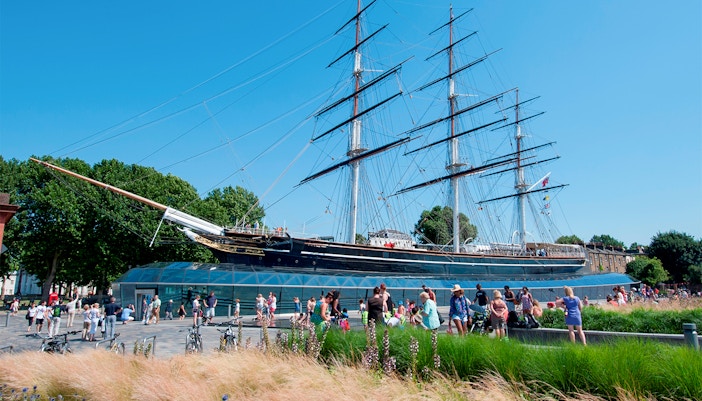
Visiting the Cutty Sark is like stepping back into the golden age of sail. One of the fastest tea clippers ever built, the ship played a crucial role in Britain’s maritime history. Today, that legacy comes to life through its glass-sided dry dock, towering masts, and multimedia displays that trace its legendary voyages across the globe.

What makes a visit to Cutty Sark essential when in London is the number of discoveries waiting on board. The ship is home to an impressive collection of historic figureheads, and its restored cabins and cargo spaces tell the powerful story of the crew who lived and worked here, transporting you back to the era when Cutty Sark earned its reputation as one of the most celebrated clippers of the 19th century.

What to see at Cutty Sark?

Main Deck & Rigging
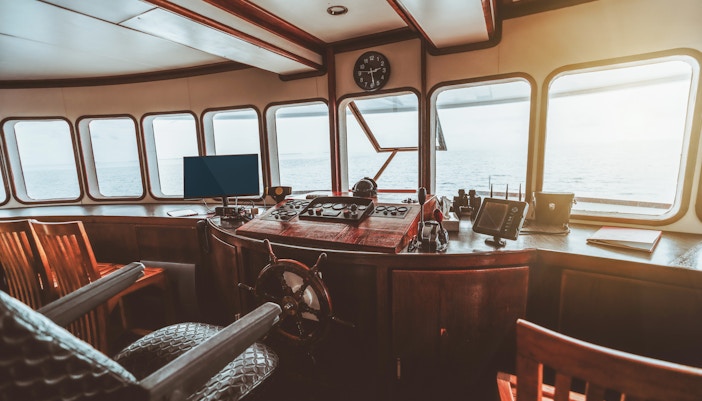
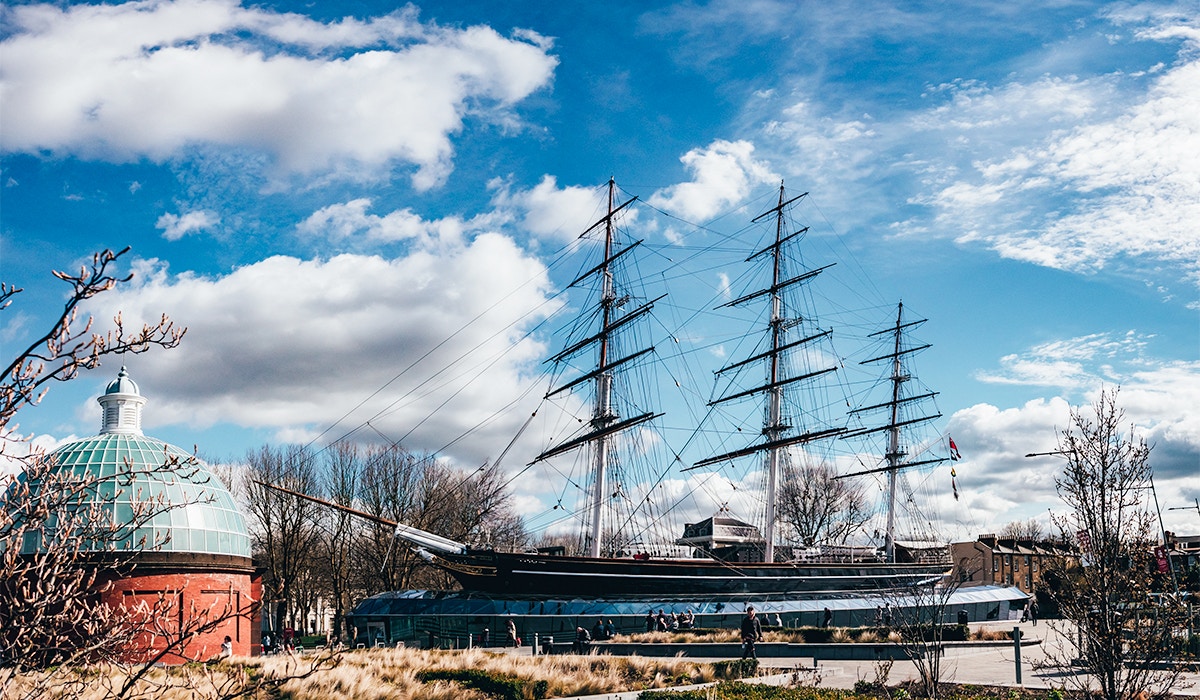
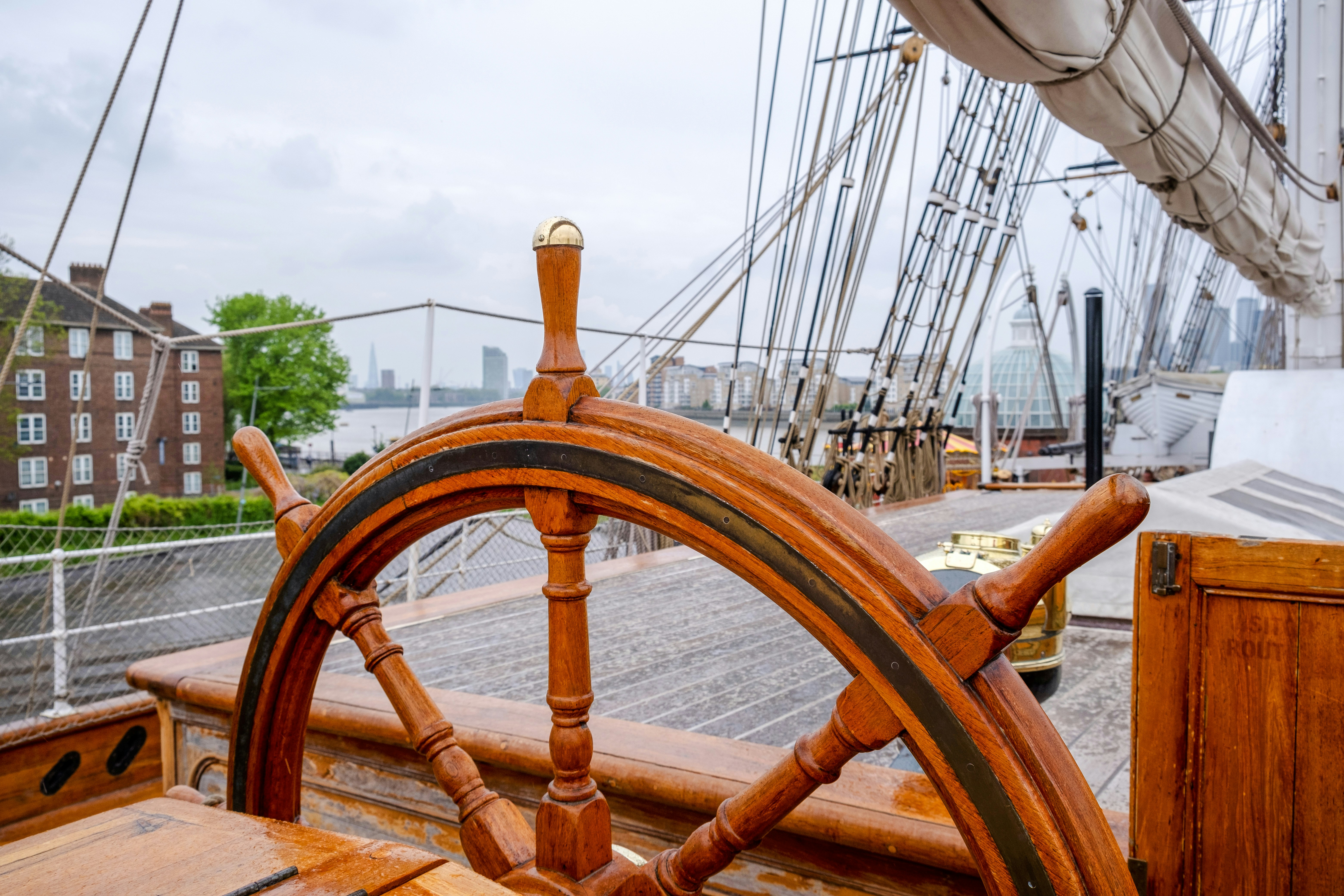
Take a stroll along the ship’s main deck and soak in the masts, rigging, and views of the River Thames. Here, interactive displays allow you to imagine life at sea, demonstrate how sails were designed for speed, and illustrate how the crew worked together to steer the clipper on its record-breaking voyages.

Captain’s Cabin

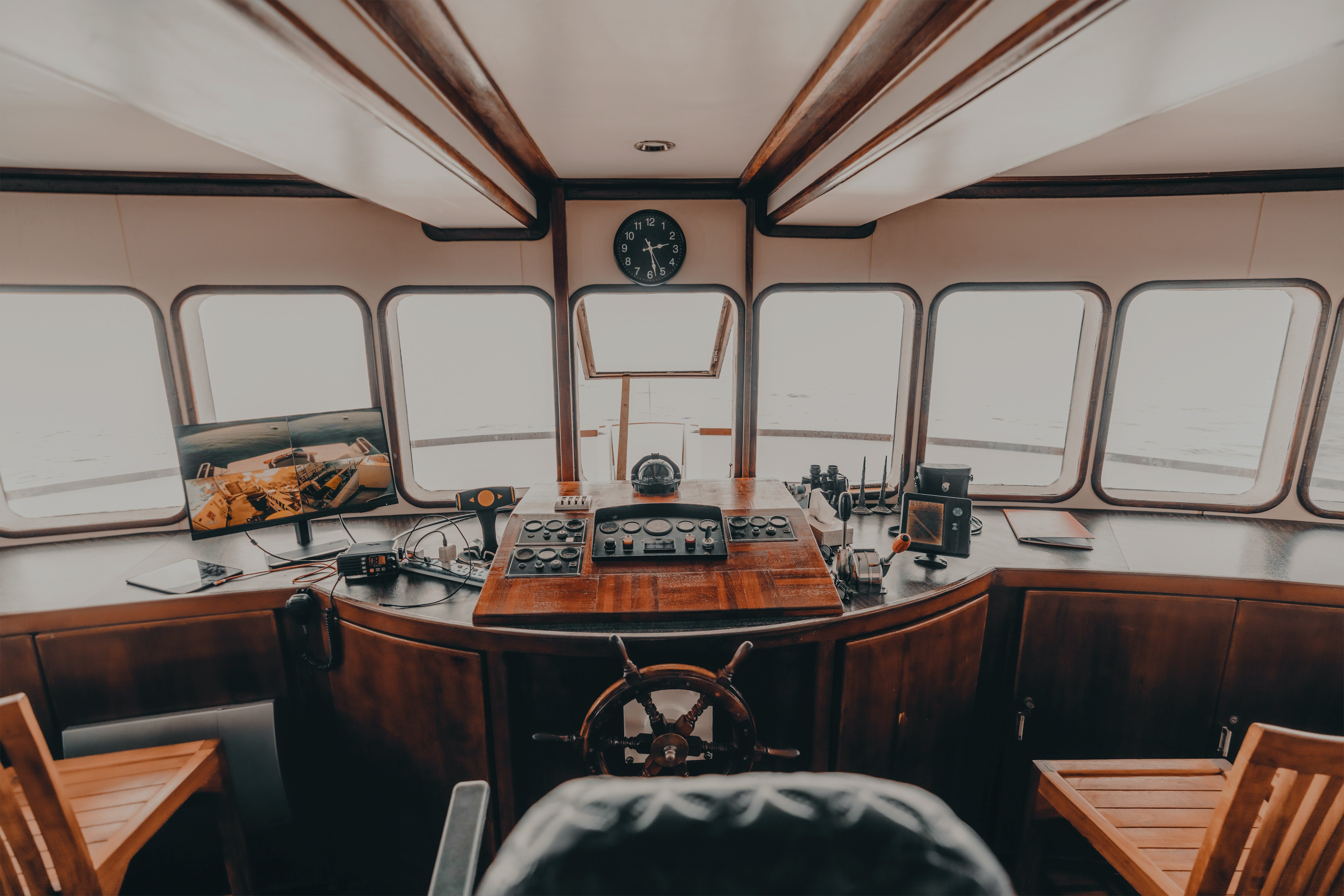
Step inside the beautifully restored Captain’s Cabin to get a feel for the officer’s world. Explore the recreated quarters and nautical instruments that guided navigation, and get a glimpse of the responsibilities and day-to-day life of the ship’s leadership during long tea-trade journeys.
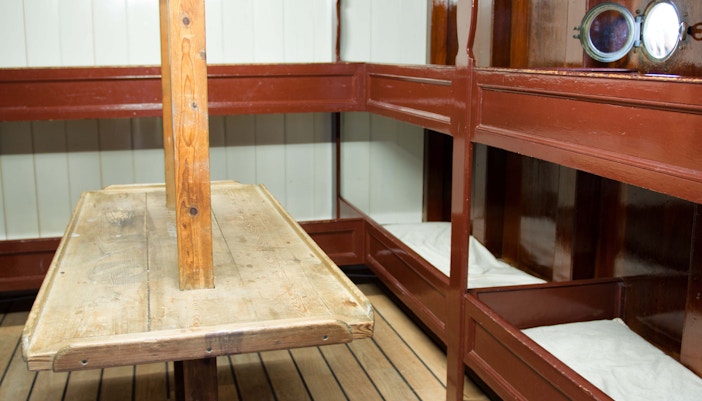
Crew Quarters

Peek into the crew’s living spaces, from sleeping and eating areas to cargo sections. These compact quarters reveal the realities of life at sea, providing a clear sense of how sailors lived, worked, and maintained the ship during long voyages.
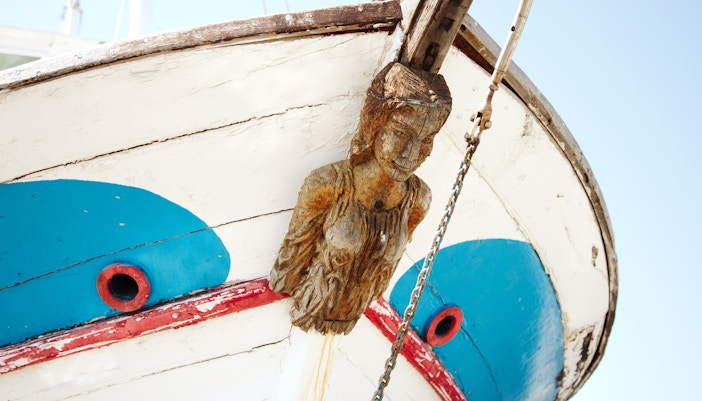
Figurehead Collection

Cutty Sark is home to one of the largest collections of merchant navy figureheads in the world, known as the Long John Silver Figurehead Collection, displayed in the dry berth beneath the ship. These figureheads feature kings, queens, and mythical creatures, with each carving telling its own story.
The Hull & Dry Dock

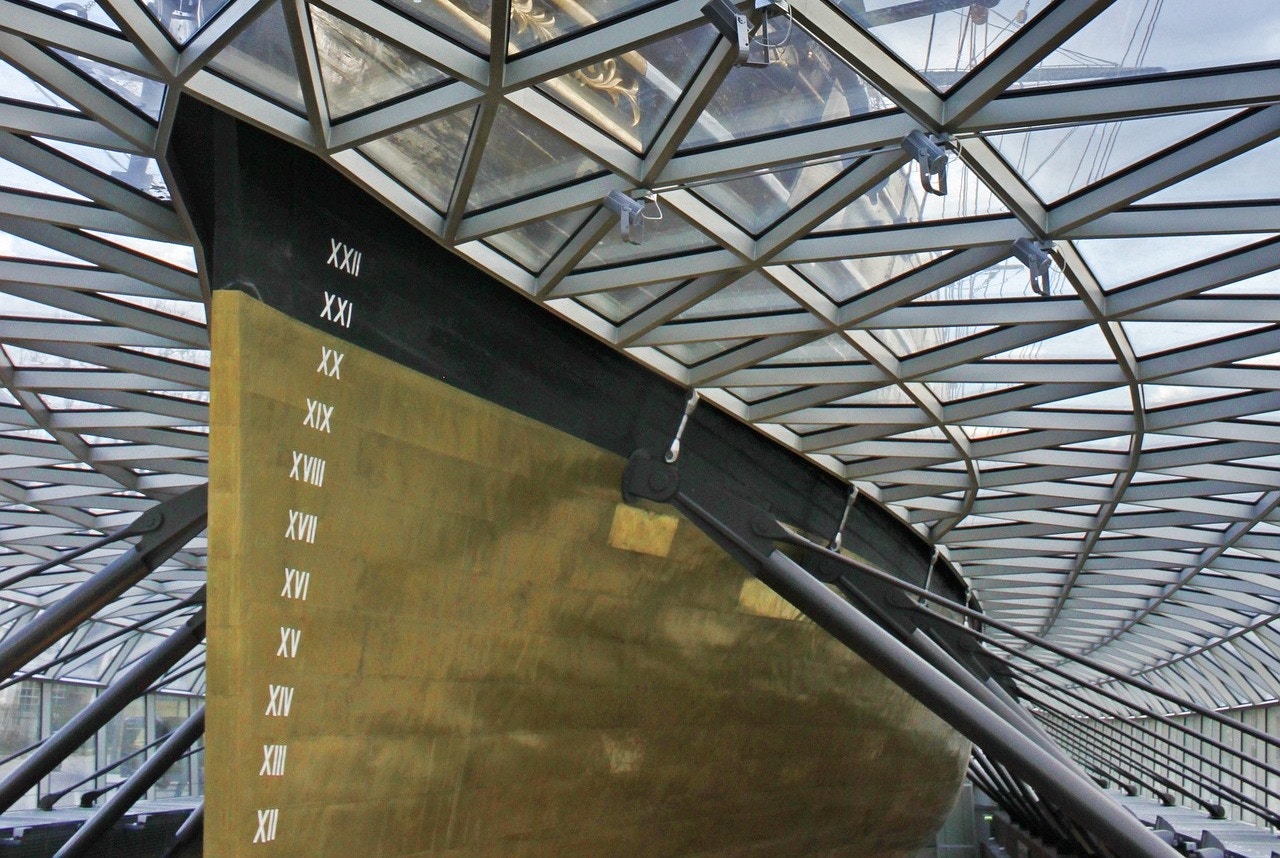
Walk under the ship’s raised hull in the glass-covered dry dock and get a close-up look at the copper-plated structure. This angle highlights the ship’s clever engineering and design, showing how Cutty Sark became one of the fastest clippers ever built.

Interactive Exhibits & Multimedia

Get hands-on with interactive displays and multimedia shows that bring the ship’s voyages and the global tea trade to life. Learn about navigation, cargo and try steering the ship’s wheel, while also discovering the incredible restoration that keeps Cutty Sark sailing through history.
Highlights of Cutty Sark in London

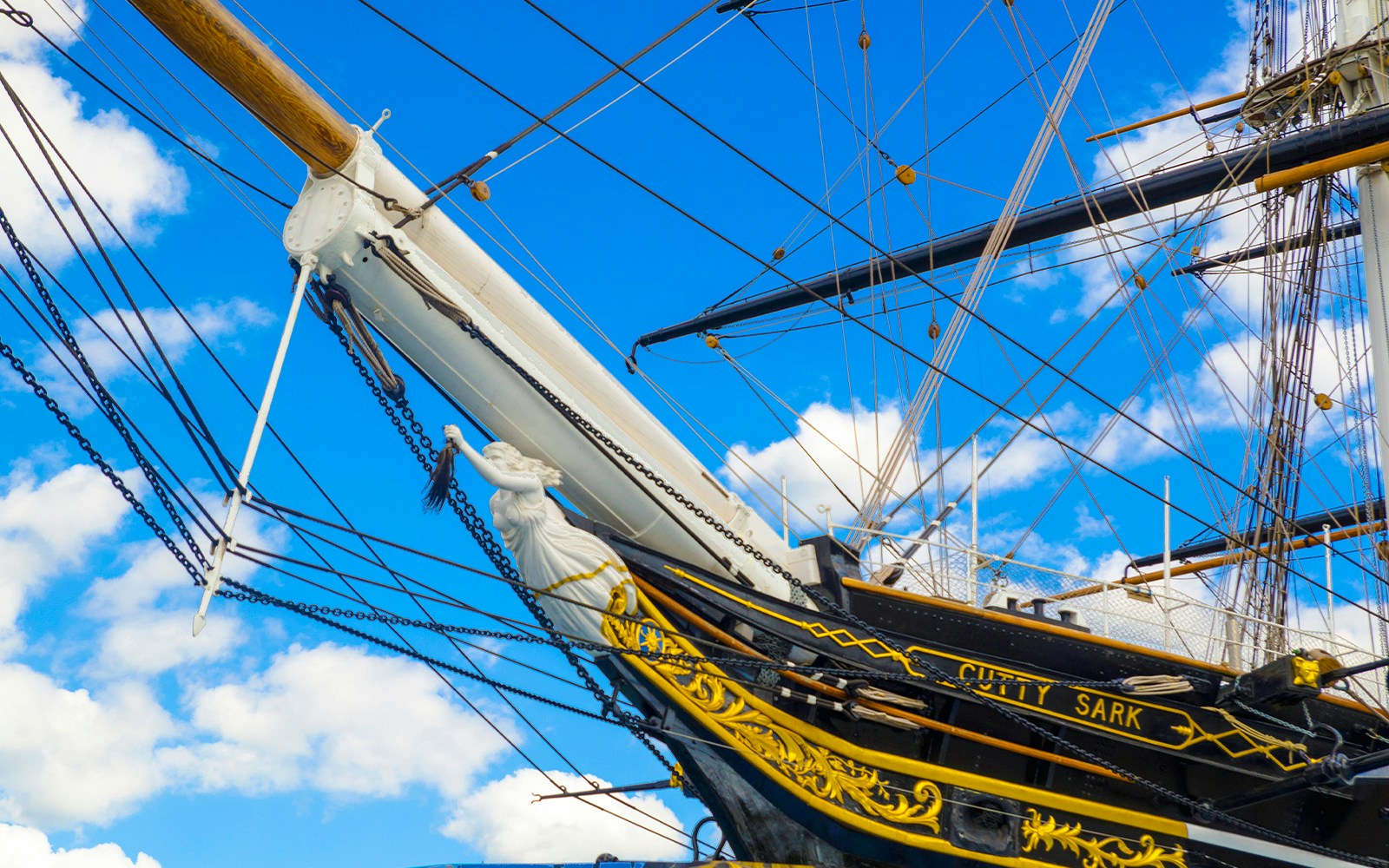
Cutty Sark ship's bow and figurehead against a blue sky in Greenwich.

Nannie the Figurehead

See Nannie, the iconic figurehead inspired by Tam O’Shanter, recreated in 2021 and symbolising luck, spirit, and maritime folklore.

Cutty Sark hull under glass canopy in Greenwich, London.
Cutty Sark ship near Royal Observatory Greenwich, London, with blue sky and clouds.
Ship wheel on a historic sailing vessel docked in a city harbor.
Captain's cabin with navigation equipment and steering wheel on a ship.

Brief history of Cutty Sark

Cutty Sark was built in Dumbarton, Scotland, in 1869 and first sailed to Shanghai the following year as part of the competitive tea trade, quickly earning a reputation for speed. After later switching to the Australian wool trade, she set impressive passage records before being retired from active service.

In 1954, the Cutty Sark Preservation Society secured the ship and brought her to Greenwich, placing her in a purpose-built dry dock. She opened to the public in 1957 as a museum ship, marking a new chapter in her history. However, by the early 2000s, signs of structural decay led to a major conservation project, and during restoration work in 2007, a serious fire caused significant damage and delayed the ship’s reopening.

Following extensive conservation and innovative engineering, including raising the ship above the dock within a protective glass enclosure, Cutty Sark reopened in 2012. Today, she stands proudly in Greenwich as a celebrated symbol of Britain’s maritime heritage and one of the world’s most famous historic ships.

Who built the Cutty Sark?

Cutty Sark was built in 1869 by shipbuilder Scott & Linton in Dumbarton, Scotland, for shipowner John “Jock” Willis. Naval architect Hercules Linton designed the vessel with innovative composite construction to maximise speed and performance. Linton’s work combined strength and lightness, helping Cutty Sark become one of the fastest tea clippers of her era.

Architecture of Cutty Sark

Cutty Sark was commissioned in 1869 by ship owner John “Jock” Willis and designed by naval architect Hercules Linton to achieve maximum speed and performance. The ship features innovative composite construction, combining a wrought iron frame with wooden planking of rock elm below the waterline and teak above. This structure made the vessel both strong and lightweight, allowing it to carry an exceptionally large sail area.

What’s interesting is the intelligence behind Cutty Sark’s sharp bow and streamlined hull. The design helped reduce drag through the water, while the tall masts and complex rigging supported more than 32,000 square feet of canvas, enabling the ship to reach speeds of up to 17.5 knots.

Frequently asked questions about Cutty Sark

Yes! Cutty Sark is a fun experience for all ages. You can explore interactive exhibits, try hands-on activities, and even meet costumed characters during special events, bringing the ship’s history to life for you and your family.

More reads

Plan your visit

Timings

Directions