Plan your visit to Osborne House

Osborne House is Queen Victoria’s former seaside retreat, best known for its richly preserved royal interiors and unusually relaxed estate of gardens, woodland, and private beach. It doesn’t visit like a single house museum: the rooms can feel tight and warm at peak times, while the wider grounds reward a slower pace. The biggest difference between a rushed visit and a great one is whether you sequence it well — house first, then Swiss Cottage and the beach. This guide covers timings, tickets, route-planning, and practical day-of tips.

Quick overview: Osborne House at a glance

If you want to make the right call on timing, tickets, and how long to stay, start here.

  • When to visit: Daily in the main season, usually from 10am, with shorter winter openings and guided-tour access to upper floors in the off-season. Weekday opening-hour visits are noticeably calmer than late-morning summer arrivals, because ferry passengers and coach groups tend to bunch up inside the house.
  • Getting in: From £20.06 for standard entry. Booking online is recommended year-round, as prices are usually lower than on-site. During peak months like July and August, it also helps you skip the ticket desk queues and head straight inside.
  • How long to allow: 3–4 hours for most visitors. It stretches toward 5 hours if you want the beach, Swiss Cottage, café time, and a proper wander through the grounds.
  • What most people miss: The family apartments upstairs, the Swiss Cottage museum, and the bathing machine down on the beach explain daily royal life better than the formal rooms alone.
  • Is a guide worth it? A guide adds the most value if you’re visiting in winter or coming on a London day trip, but in the main season a good audio guide is usually enough if you want to move at your own pace.

🎟️ Tickets for the London Dungeon often sell out 1–2 weeks in advance during peak periods like weekends, school holidays, and summer months. Secure your slot early to avoid missing your preferred time and last-minute availability issues. → See ticket options

Jump to what you need

Where and when to go

How do you get to Osborne House?

Osborne House sits in East Cowes on the Isle of Wight, just inland from the Red Funnel ferry terminal and around a 15-minute drive from Newport.

Osborne House, York Avenue, East Cowes PO32 6JX, United Kingdom | → Open in Google Maps

  • Ferry + taxi: Red Funnel to East Cowes → 5–10 min taxi → the easiest mainland route if you’re coming via Southampton.
  • Bus: Southern Vectis routes via East Cowes / Osborne House stop → short final walk → best for foot passengers already on the island.
  • Car: Via Red Funnel car ferry to East Cowes → on-site parking → £3 all day for non-members, free for English Heritage members.
  • Bike: Bike racks are available on-site → useful for local riders → easiest in dry weather because the estate is too spread out to improvise once inside.

Getting here from nearby cities

Osborne works as a genuine day trip from several south-coast bases, but the ferry crossing means your starting point makes a big difference to how relaxed the day feels.

From London

  • Distance: About 130km to the south coast, plus the Solent crossing
  • Travel time: 2.5–3 hours via train to Southampton and ferry to East Cowes
  • Time to budget: Start early if you want 3–4 hours on-site without rushing the beach or Swiss Cottage

From Southampton

  • Distance: About 32 km, including the crossing
  • Travel time: Around 1 hour via Red Funnel to East Cowes
  • Time to budget: This is the smoothest mainland base if you want a low-friction day trip

From Portsmouth

  • Distance: About 20km as the crow flies, but longer in practice via Ryde
  • Travel time: Around 1.5 hours via catamaran or hovercraft to Ryde, then bus onward
  • Time to budget: Better for light-traveling foot passengers than families carrying beach gear or picnic bags

Which entrance should you use?

Osborne House has one main visitor entrance, but the wait changes depending on whether you’ve already booked. Most people lose time at the ticket desk rather than at the house door itself.

  • Pre-booked tickets: For online reservations and English Heritage members. Expect 5–10 min waits outside the main summer midday rush.
  • On-the-day tickets: For walk-up purchases at the visitor entrance. Expect 15–30 min waits on weekends, school holidays, and warm summer afternoons.

When is Osborne House open?

  • Main season: Monday–Sunday: 10am–5pm
  • Winter period: November–mid-March: shorter opening days and hours, with upper floors by guided tour only
  • Last entry: 1 hour before closing

When is it busiest? Late morning to early afternoon in July and August is the pinch point, when ferry arrivals and coach groups hit the house at once.

When should you actually go? Be there at opening on a weekday if you want the family apartments and Durbar Room before the upstairs route feels warm, slow, and crowded.

💡 Pro tip

The crowds at Osborne don’t build evenly; they bunch up in late morning, when ferry passengers and coach groups land at the same time. Do the interiors first at opening, then save the gardens, Swiss Cottage, and beach for later.

How much time do you need?

Visit typeRouteDurationWalking distanceWhat you get

Highlights only

Entrance → State Rooms → Durbar Room → upper family rooms → terrace gardens → exit

2–2.5 hours

~2km

You cover the essential interiors and the best Solent views, but you skip the beach and usually rush past Swiss Cottage.

Balanced visit

Entrance → house interiors → terrace gardens → Swiss Cottage → shuttle or walk to beach → exit

3–4 hours

~3.5km

This is the sweet spot for most visitors because it adds the royal children’s world and the beach, which make Osborne feel personal rather than purely ceremonial.

Full exploration

Entrance → full house route → gardens and grounds → Swiss Cottage and museum → Queen Victoria’s Beach → café or picnic stop → gift shop → exit

4.5–5.5 hours

~5km

You get the full estate as it was meant to be experienced, but it’s a longer day with more walking and more temptation to linger than most first-time visitors plan for.

Which ticket matches your route best?

The Osborne House admission ticket covers entry to the main house, grounds, Swiss Cottage, and beach access, with suggested routes provided on arrival to help you plan your visit.

✨ The estate is easy to explore but spread out, so it helps to plan your route in advance. The main house, Swiss Cottage, and beach sit at different points across the grounds, and without a clear path you may end up doubling back or missing parts of the site.

⚠️ Be careful with unofficial sellers!

Keep an eye out for unofficial ticket sellers around Osborne House. Tickets from street vendors or unverified kiosks may be overpriced or invalid for entry. Always book through the official website or a trusted partner to ensure your ticket is valid at the gate—otherwise, you may need to rejoin the main queue and purchase a new ticket on-site.

How do you get around Osborne House?

Osborne works more like a zone-based estate than a single house museum: the interiors are compact, but the Swiss Cottage and beach sit far enough away that route choice matters. It’s easy to self-navigate if you separate the indoor visit from the outdoor estate, but easy to waste time if you keep zigzagging.

Estate layout and suggested route

  • Ground floor state rooms: Council Room, drawing rooms, dining room, and Durbar Room → budget 35–45 min.
  • Upper floor family rooms: Nursery, Victoria’s bedroom, and Albert’s private rooms → budget 25–35 min.
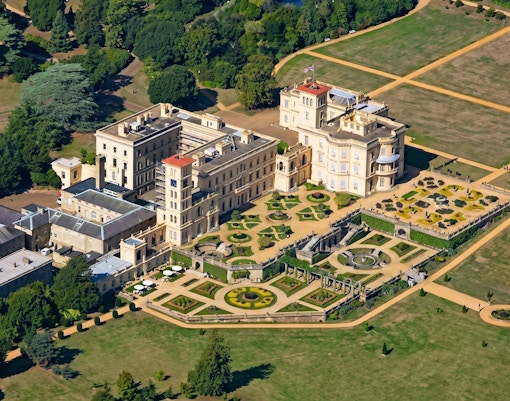
  • Terraces and formal gardens: Solent viewpoints, flowerbeds, and lawns → budget 30–45 min.
  • Swiss Cottage and museum: Royal children’s playhouse and collections → budget 25–30 min.
  • Queen Victoria’s Beach: Bathing machine, waterfront views, and summer downtime → budget 30–45 min.

Suggested route: Start with the house at opening, go upstairs before the route clogs up, then do the terraces, continue to Swiss Cottage, and finish at the beach so you don’t keep climbing back uphill.

Maps and navigation tools

  • Map: Printed site map and downloadable estate map → covers the house, grounds, shuttle stops, Swiss Cottage, and beach → pick it up before entering.
  • Signage: Fine around the house and terraces, but less intuitive once you branch toward Swiss Cottage and the beach, so a map genuinely helps.
  • Audio guide / app: English audio guide via smartphone or device → adds context that room labels don’t fully provide → worth it for a self-guided house visit.

💡 Pro tip: Walk down to the beach, then take the shuttle back up — it saves the longest uphill return and keeps you from backtracking across the estate.

Where are the masterpieces inside Osborne House?
Durbar Room at Osborne House
Family apartments at Osborne House
State dining room at Osborne House
Terrace gardens at Osborne House
Swiss Cottage at Osborne House
Queen Victoria’s Beach at Osborne House
1/6

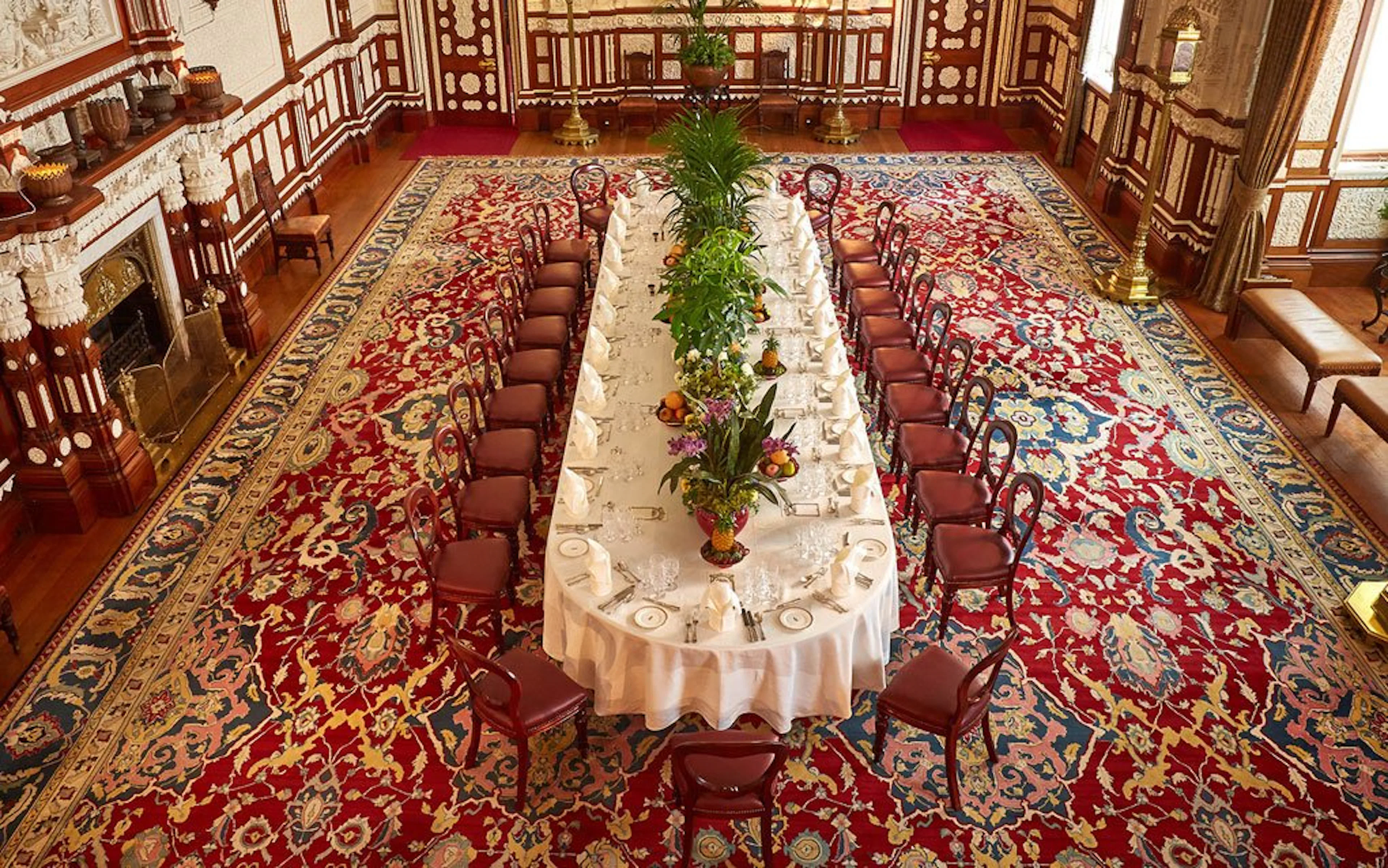
Durbar Room

Artist / Creator: Bhai Ram Singh and Lockwood Kipling

This is Osborne’s showstopper — a richly carved Indian-style hall created to reflect Queen Victoria’s role as Empress of India. Most people take in the scale, then move on too quickly; the real payoff is looking up at the ceiling and across the carved overmantel, where the finest details sit above eye level.

Where to find it: At the end of the main ground-floor State Rooms route inside the house.

Family apartments

Era: Victorian royal private rooms, 1840s–1901

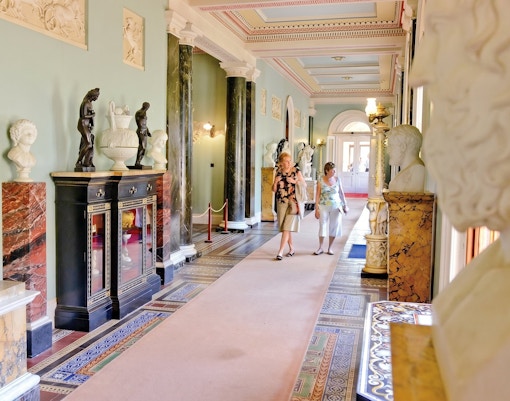
These upstairs rooms are where Osborne shifts from palace to home: the nursery, private sitting rooms, Albert’s study, and the bedroom where Victoria died. Most visitors remember the bedroom, but the small domestic details — toys, photographs, and Albert’s untouched rooms — are what make the visit feel human rather than ceremonial.

Where to find it: On the upper floor, reached after the State Rooms route.

State dining room and formal rooms

Era: Mid-19th-century royal ceremonial interiors

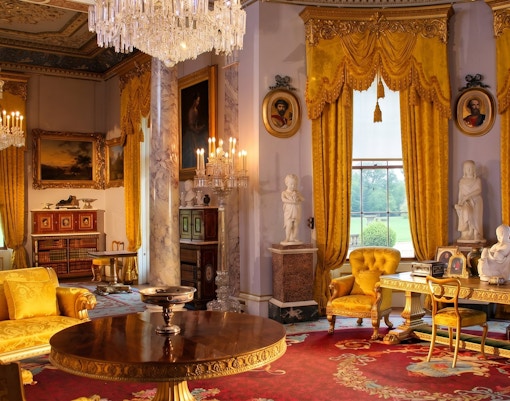
The formal rooms explain what Osborne looked like when it had to impress. The dining table settings, portraits, and decorative gifts show the public face of Victoria’s reign, but what many visitors rush past is how much Albert shaped the design language here — these aren’t just royal rooms, but a joint project.

Where to find it: Along the main one-way interior route on the ground floor.

Terrace gardens

Artist / Creator: Prince Albert’s Italianate estate design

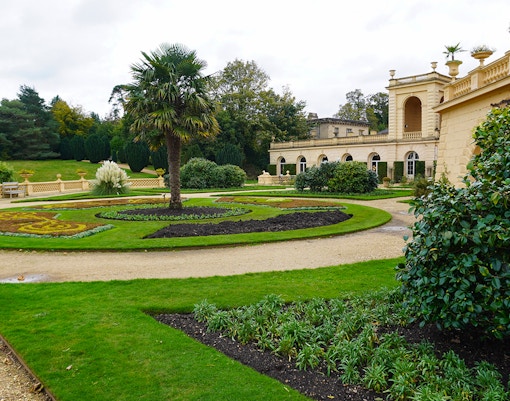
The terraces are where the house finally makes sense in its seaside setting, with broad views over the Solent and a layout designed for strolling, not just admiring. Many visitors take a quick photo and head off, but the best part is slowing down along the balustrades and formal planting to see how deliberately the house opens to the water.

Where to find it: Immediately outside the rear of the house, descending from the main terrace.

Swiss Cottage

Attribute — Royal children’s playhouse: Educational retreat for Victoria and Albert’s children

Swiss Cottage feels charming at first glance, but it’s more than a cute outbuilding — it’s where the royal children learned cooking, gardening, and household management. What people miss is the museum next door, where their collections and curiosities show how seriously the space was used as part classroom, part miniature world.

Where to find it: About a 15–20 minute walk from the house through the grounds, or a short shuttle ride.

Queen Victoria’s Beach and bathing machine

Attribute — Victorian seaside life: Private royal beach experience

This is the part of Osborne that makes it unlike most palace visits. The beach itself is peaceful, but the bathing machine is the key detail: it turns an abstract story about royal privacy into something concrete, odd, and very Victorian.

Where to find it: Downhill from the main estate, about 15 minutes on foot from the house, with shuttle access back up.

💡 Don’t leave without seeing!

Don’t miss Queen Victoria’s private beach and the Swiss Cottage in the grounds. Both are part of the official Osborne House estate but sit further from the main house, so visitors with limited time may not always reach them. The beach reflects royal seaside life, while the Swiss Cottage offers a glimpse into how the royal children lived and learned away from the main residence.

Facilities and accessibility

  • 🎒 Cloakroom / lockers: Large backpacks should be left in the free cloakroom or worn front-facing before you enter the house.
  • 🚻 Restrooms: Restrooms are available at the visitor center and near the café, and accessible toilets are available on-site.
  • 🍽️ Café / restaurant: The Terrace Restaurant is the convenient on-site stop for drinks, light meals, and cream-tea-style breaks, but it slows down once coach groups arrive.
  • 🛍️ Gift shop / merchandise: The shop near the visitor exit is the best place for English Heritage guidebooks, Victoria-themed gifts, and easy take-home souvenirs.
  • 🪑 Seating / rest areas: Benches are spread through the terraces, lawns, and beach area, so you can break the visit into shorter walking sections.
  • 🅿️ Parking: On-site parking is available; it costs £3 for non-members and is free for English Heritage members.
  • Mobility: The ground floor is accessible, and a lift can provide first-floor access when operational; the estate also has accessible restrooms and a limited number of mobility scooters.
  • 👁️ Visual impairments: Audio-described options and staff assistance help most inside-the-house visits, and the larger ground-floor rooms are easier to navigate than the tighter upstairs route.
  • 🧠 Cognitive and sensory needs: There are no dedicated quiet sessions, so the calmest visit is a weekday morning; the house feels loudest and most compressed once late-morning groups arrive.
  • 👨‍👩‍👧 Families and strollers: The grounds, terraces, Swiss Cottage, and beach route are stroller-friendly, but strollers are not allowed inside the house and should be parked before entry.

Osborne House works well for children because the day naturally breaks into rooms, gardens, a playhouse, and a beach rather than staying indoors the whole time.

  • 🕐 Time: 3–4 hours is realistic with children if you prioritize the family rooms, Swiss Cottage, and beach instead of trying to read every room panel.
  • 🏠 Facilities: Wide outdoor space, nearby restrooms, a café, and stroller-friendly estate areas make it easier than most historic houses for family pacing.
  • 💡 Engagement: Frame the visit around the royal children early — once kids know there was a nursery, a playhouse, and a beach, the visit feels much more immediate.
  • 🎒 Logistics: Bring a light layer and practical shoes, because the beachfront can feel cooler than the terraces even on a good-weather day.
  • 📍 After your visit: Cowes is an easy next stop for ice cream and a short waterfront walk if the family still has energy.

Rules and restrictions

What you need to know before you go

  • Entry requirement: Bring a dated Osborne House ticket or English Heritage membership, and remember that children under 14 need an adult with them.
  • Bag policy: Large bags and bulky backpacks should go in the cloakroom or be worn front-facing before entering the house.
  • Re-entry policy: Treat Osborne as a single-session visit and plan to eat or rest on-site, because leaving the estate mid-visit adds a lot of avoidable walking and transport time.

Not allowed

  • 🚫 Food and drink: Picnics work well in the grounds, but food and drinks should stay out of the historic interiors.
  • 🚬 Smoking and vaping: Keep smoking and vaping to outdoor areas only and away from building entrances, terraces, and crowded family spaces.
  • 🐾 Pets: Dogs on leash are welcome in the grounds and outdoor café areas, but only assistance dogs may enter the house.
  • 🖐️ Touching exhibits: Don’t touch furniture, textiles, or room barriers, because many interiors are original and far more fragile than they look.

Photography

Hand-held photography is generally allowed through most of Osborne House, the gardens, and the beach area, but flash is not allowed inside the historic rooms. Treat the house as a room-by-room site rather than assuming the rules are identical everywhere, and keep camera gear compact so you don’t slow the one-way flow through the narrower interior spaces.

Good to know

  • Winter access: From mid-November to mid-March, the upper floors close and house access shifts to guided tours, so the visit feels different from the main season.
  • Beach timing: If you go down to the beach late in the day, build in extra time for the shuttle queue back up near closing.
⚠️ Re-entry restrictions

Re-entry is not practical to treat casually at Osborne House. Plan restroom stops, meals, and rest breaks before you head deep into the estate—the beach, Swiss Cottage, and the house are spread far enough apart that stepping out mid-visit can cost you more time and uphill walking than you expect.

Practical tips

  • Book online even if your plans are still flexible: Advance rates are usually about 15% cheaper than on-the-day tickets, and pre-booking also saves the ticket-desk wait.
  • Do the upstairs rooms before the gardens: The family apartments feel the tightest once late-morning groups arrive, while the outdoor parts of the estate absorb crowds much better after lunch.
  • Save at least 45 minutes for what sits beyond the house: Visitors who rush out after the interiors miss the beach and Swiss Cottage, which are the parts that make Osborne feel like a family retreat instead of just another palace.
  • Pack lighter than you think: A small day bag is much easier through the house, while bigger backpacks usually end up in the cloakroom anyway.
  • Eat early or late, not at the obvious noon slot: The Terrace Restaurant gets slow when the house empties for lunch, so a coffee before the interiors or a later meal after the grounds is usually the smarter play.
  • Use the shuttle strategically: Walking down to the beach is easy; using the shuttle back up saves your legs for the terraces and avoids ending the day with the steepest return.

What else is worth visiting nearby?

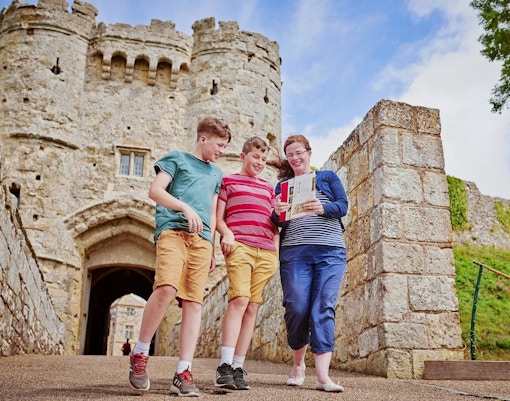
Commonly paired: Carisbrooke Castle
  • Distance: 10km — 25 min drive
  • Why people combine them: It gives you a completely different slice of Isle of Wight history — medieval fortress after Victorian royal retreat — and fits naturally as an afternoon stop after Osborne.

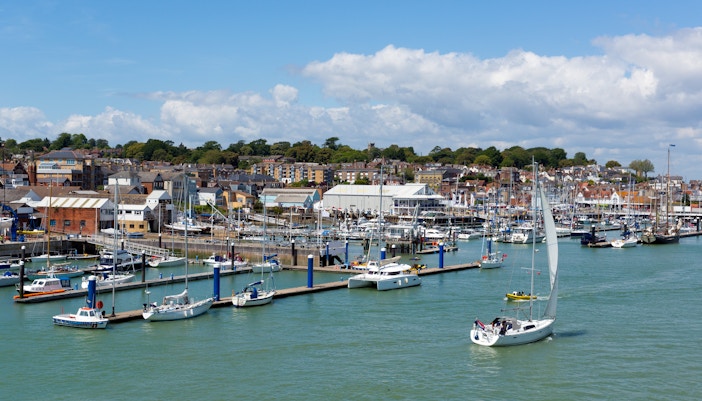
Commonly paired: Cowes

  • Distance: 4km — 10 min drive
  • Why people combine them: It’s the easiest post-visit stop for lunch, waterfront views, and a bit of town atmosphere without committing to another full attraction.

Also nearby

Isle of Wight Steam Railway

  • Distance: 9 km — 15 min drive
  • Worth knowing: This is one of the best family add-ons if you want something interactive after the quieter museum-style parts of Osborne.

The Needles and Alum Bay

  • Distance: 29km — 40–50 min drive
  • Worth knowing: It’s not the closest pairing, but it works well if you want to turn Osborne into part of a full island day with big coastal scenery.

Eat, shop and stay near Osborne House

  • On-site: Terrace Restaurant on the estate serves light lunches, cakes, hot drinks, and cream-tea-style breaks; it’s worth using for convenience, but it can drag badly at peak lunch.
  • West Cowes waterfront cafés: 10–15 min drive, Cowes Esplanade and High Street; better if you want more choice than the estate café and plan to eat after your visit.
  • East Cowes town-center pubs and takeaways: 5–10 min drive, East Cowes; best for a quicker, lower-cost stop before or after the ferry.
  • Newport town-center restaurants: 15–20 min drive, Newport; more practical than Osborne itself if you’re continuing across the island and want a proper sit-down meal.
  • 💡 Pro tip: Eat before 12 noon or after 2pm if you’re staying on-site — the Terrace Restaurant feels the strain most when the late-morning house crowd breaks for lunch.
  • Osborne House gift shop: English Heritage guidebooks, Victoria-themed gifts, postcards, and easy souvenirs near the visitor exit.
  • Cowes High Street: Independent shops, sailing-themed merchandise, and local food gifts, best visited after Osborne rather than before.
  • East Cowes ferry-side shops: Useful for snacks or last-minute basics if you’re arriving as a foot passenger and want to stock up before the estate.

Osborne’s immediate surroundings are quiet and practical, but they’re not the best base for most visitors unless seeing East Cowes first thing is your priority. You’ll get more atmosphere, more restaurants, and better evening options by staying in Cowes or another larger island base. If you’re only visiting Osborne as part of a day trip, staying nearby usually isn’t necessary.

  • Price point: East Cowes usually skews more practical-value than luxury, while waterside stays in Cowes can climb quickly in sailing season.
  • Best for: Visitors catching an early ferry, families who want short transfer time, or travelers focusing on the north side of the island.
  • Consider instead: Cowes for walkability and evening atmosphere, or Newport if you want a better-connected base for exploring the rest of the Isle of Wight.

Frequently asked questions about visiting Osborne House

Most visits take 3–4 hours. That gives you enough time for the house, terraces, Swiss Cottage, and the beach without feeling rushed. If you like slow garden walks, stop for lunch, or spend extra time at the beach, you can easily stretch the day to 5 hours.