Quick Information

RECOMMENDED DURATION

3 hours

VISITORS PER YEAR

1200000

NUMBER OF ENTRANCES

2

EXPECTED WAIT TIME - STANDARD

0-30 mins (Peak), 0-30 mins (Off Peak)

Plan your visit

Did you know?

Tate Britain was originally opened in 1897 as the National Gallery of British Art and was renamed Tate Britain in 2000.

The Clore Gallery within Tate Britain houses the world’s largest collection of works by J.M.W. Turner.

The museum’s permanent collection is free to enter, with special exhibitions requiring a ticket.

Why is Tate Britain a must-visit attraction?
British art through the centuries

Tate Britain gives you the chance to explore more than 500 years of British art in one place. The galleries are arranged chronologically, allowing you to follow the evolution of art from the 1500s to the present day.

The world’s largest J.M.W. Turner collection
Tate Britain also boasts an extraordinary collection of works by J.M.W. Turner, the renowned ‘painter of light.’ His dramatic landscapes and bold use of colour revolutionized British art and influenced artists around the world.

Other masterpieces and modern voices
Beyond Turner, Tate Britain lets you encounter some of the most important artworks in British history. From Pre-Raphaelite paintings to contemporary works, you can admire the works of Henry Moore, Francis Bacon, and David Hockney.

Art connected to British history and culture

Tate Britain goes beyond simply displaying artworks. Each gallery connects art with the social and cultural context of its time, helping you see how historical events and shifting values shaped creativity.

What to see at Tate Britain?

Historic British art

Start your journey by admiring the definitive home for British art, covering 1500 to 1930. This section showcases early British paintings and works from the Tudor and Stuart periods, revealing how British art developed its own identity through symbolism.

Art by J.M.W. Turner

Step into the Clore Gallery, an extension of the museum designed to house the world’s largest collection of works by J.M.W. Turner. Explore his landscapes and sketches, tracing how his use of light, and colour influenced generations of artists.

Duveen Galleries

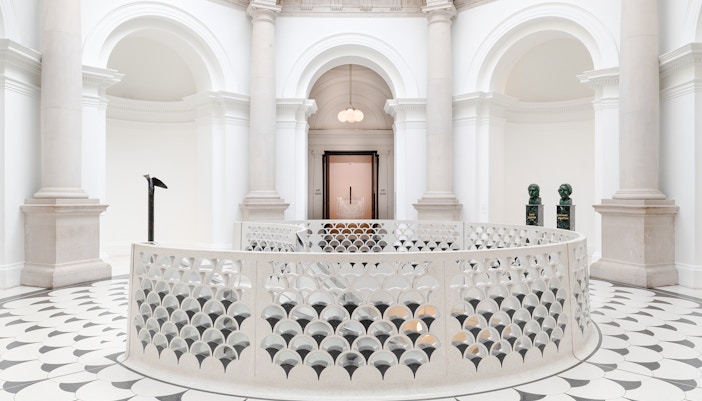
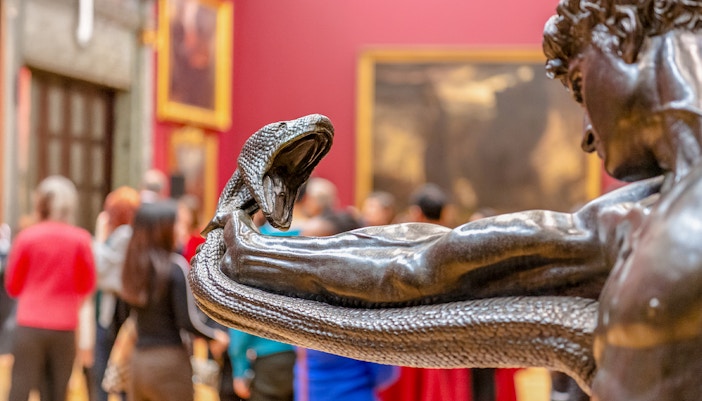
The Duveen Galleries are neo-classical halls where large-scale sculpture and contemporary installations take centre stage. Designed as England’s first public galleries for sculpture, their rooms let you appreciate three-dimensional art in an open setting.

Pre-Raphaelite masterpieces

The museum also boasts a wide range of Pre‑Raphaelite works, showcasing pieces by Millais, Hunt, and Rossetti from the mid‑19th century. Featuring paintings inspired by literature, nature, and medieval themes, these works stand out for their colour, symbolism, and storytelling.

Modern British art

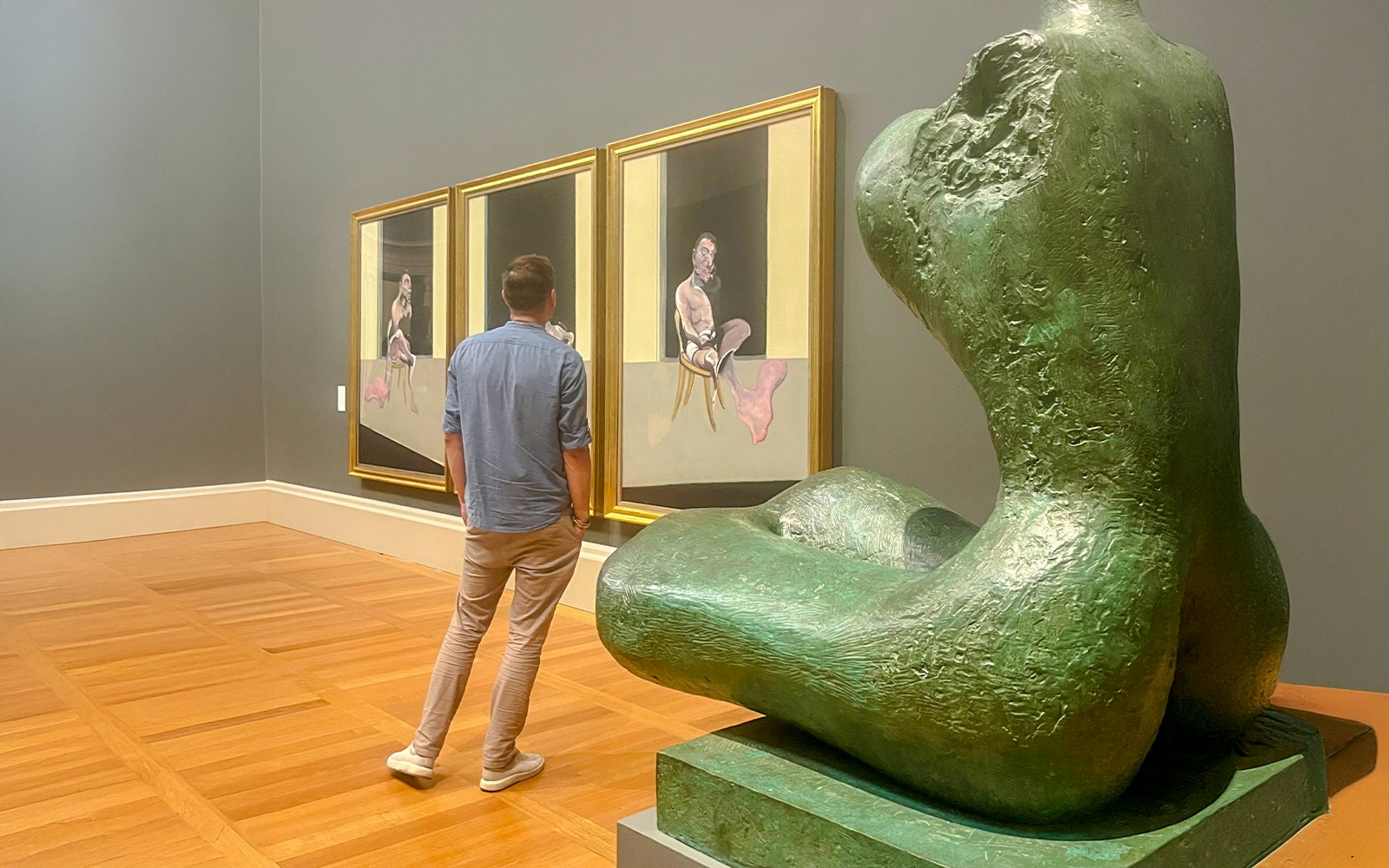
Move into the 20th century with galleries dedicated to modern British artists. Here, sculptures and paintings by Henry Moore and Francis Bacon reflect changing ideas about identity and society during periods of cultural and political change.

Contemporary and temporary exhibitions

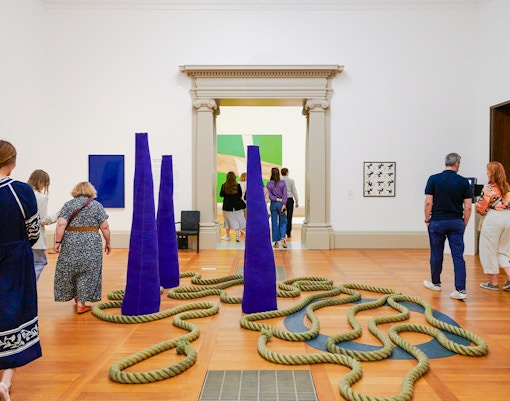
Tate Britain also hosts contemporary exhibitions by British artists, including Lee Miller and David Hockney. These spaces highlight new perspectives, experimental media, and current themes, ensuring there is always something fresh to discover.

Highlights of Tate Britain in London

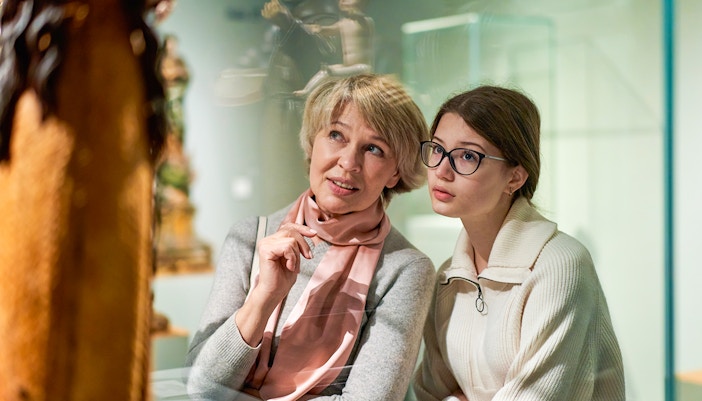
Guest viewing paintings and sculpture on the Tate Britain Discovery Tour.

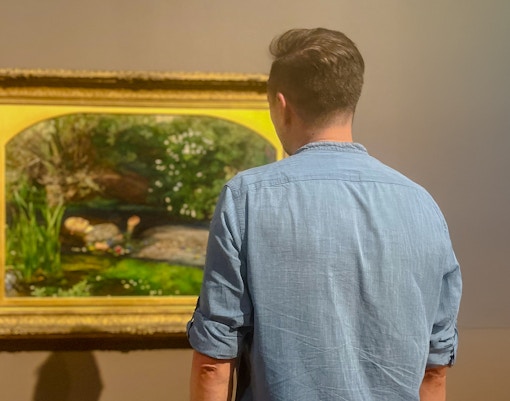
Ophelia (John Everett Millais)

See tragedy and beauty intertwined as Ophelia drifts among flowers. In this evergreen artwork, Millais captures fragile emotion with rich colour and astonishing botanical detail.

Visitors exploring contemporary art in Naples underground gallery.
Visitors exploring art in a Montmartre museum gallery.
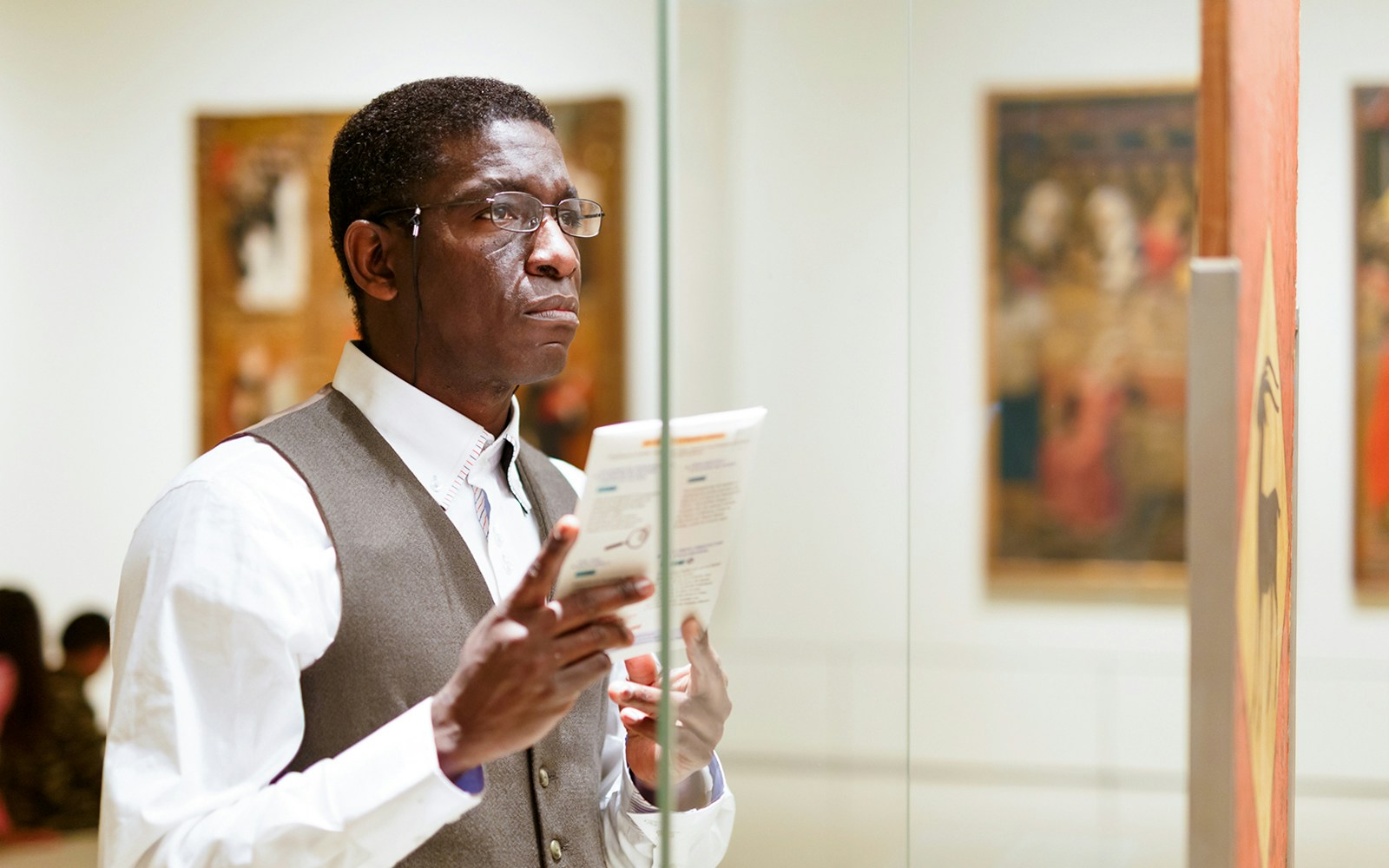
Man reading brochure at Hannibal Square Heritage Center museum exhibit.
Visitor exploring Picasso Museum exhibition with skip-the-line tickets.

Brief history of Tate Britain

Tate Britain opened on 21 July 1897 as the National Gallery of British Art, founded to showcase British painting and sculpture from the nation’s past and present. Its creation was made possible by the philanthropy of sugar merchant Sir Henry Tate, who funded the building and donated much of the early collection.

The gallery became commonly known as the Tate Gallery, a name officially adopted in 1932. Over the 20th century, the collection expanded, including the addition of the Clore Gallery in 1987 to house the Turner Bequest of works by J.M.W. Turner.

In March 2000, the Millbank site was renamed Tate Britain when modern art works were moved to the newly opened Tate Modern, allowing the gallery to focus solely on British art from the 1500s to today. Today, Tate Britain remains one of the UK’s foremost art institutions, guiding visitors through centuries of British artistic achievement.

Who built Tate Britain?

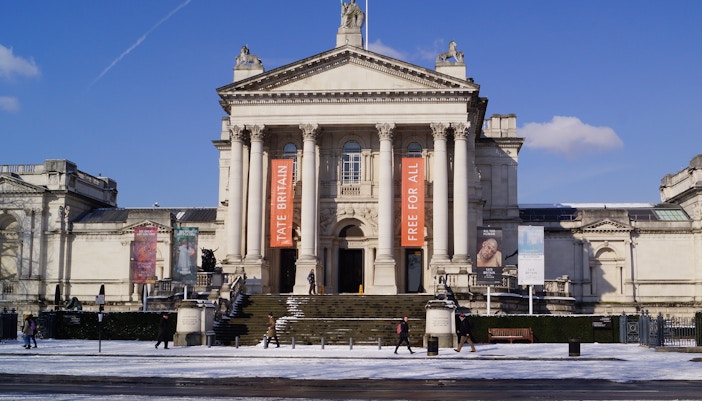
Tate Britain’s original building was designed by architect Sidney R. J. Smith, chosen by Sir Henry Tate to create a neoclassical gallery featuring a large portico and dome. Construction began in 1893 by builders Higgs and Hill, and the gallery opened in 1897. Smith was known for his classical designs and had previously worked on several libraries funded by Tate.

Over time, the building was expanded and adapted, most notably with the addition of the Clore Gallery in 1987, designed by architect Sir James Stirling to house the Turner Bequest of works by J.M.W. Turner. Later renovations and refurbishments were undertaken by architects including Caruso St John, who helped modernise the visitor experience while preserving the historic character of the building.

Architecture of Tate Britain

Tate Britain is a striking example of Victorian architecture, described by architect Sidney R. J. Smith as “Free Classic,” blending Greek-inspired decorative elements with neoclassical principles. Built in 1897 using Portland stone, the gallery features a grand portico, Corinthian columns, and a central dome, carefully designed to house a growing collection of British art, with spacious galleries and high ceilings.

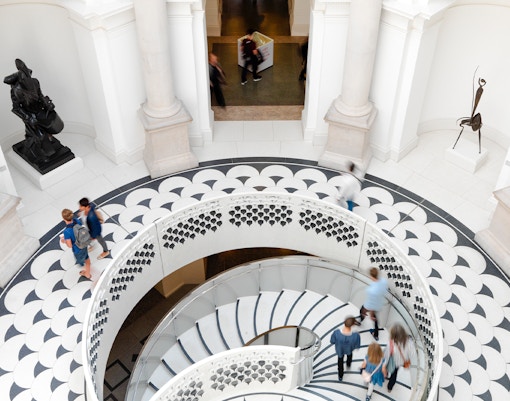
Over the years, Tate Britain has been expanded and modernised while retaining its historic character. The addition of the Clore Gallery and renovations by architects such as John Miller and Caruso St John enhanced visitor experience, accessibility, and gallery spaces, creating a harmonious balance between historical elegance and modern functionality.

Frequently asked questions about Tate Britain in London

Yes, while entry to the permanent collection is free, booking tickets online for special exhibitions like the Lee Miller Exhibition or specific guided tours is recommended to guarantee entry and avoid long waits, especially on weekends or during the peak summer season.

More reads

Plan your visit

Timings

Directions