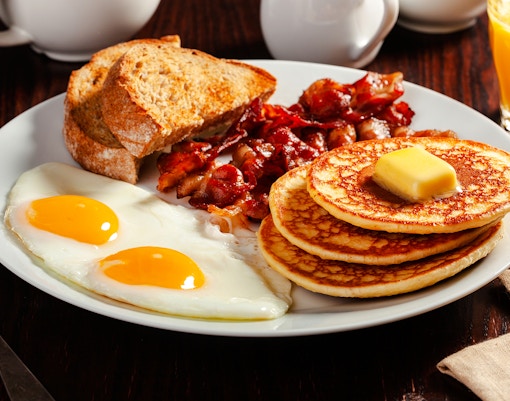
An on-site café serving sandwiches, pastries, cakes, soups, and hot and cold drinks within the gallery.
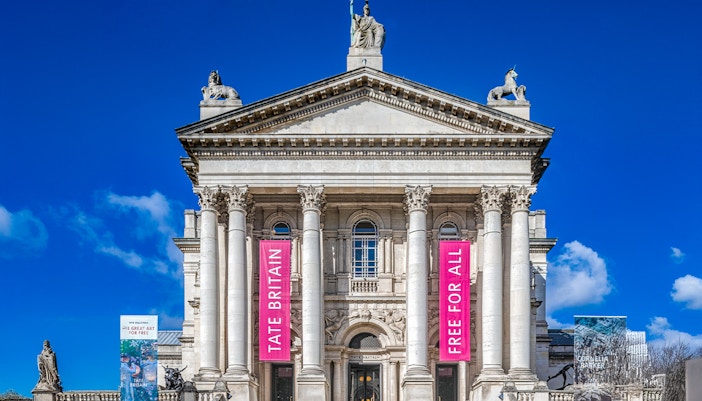
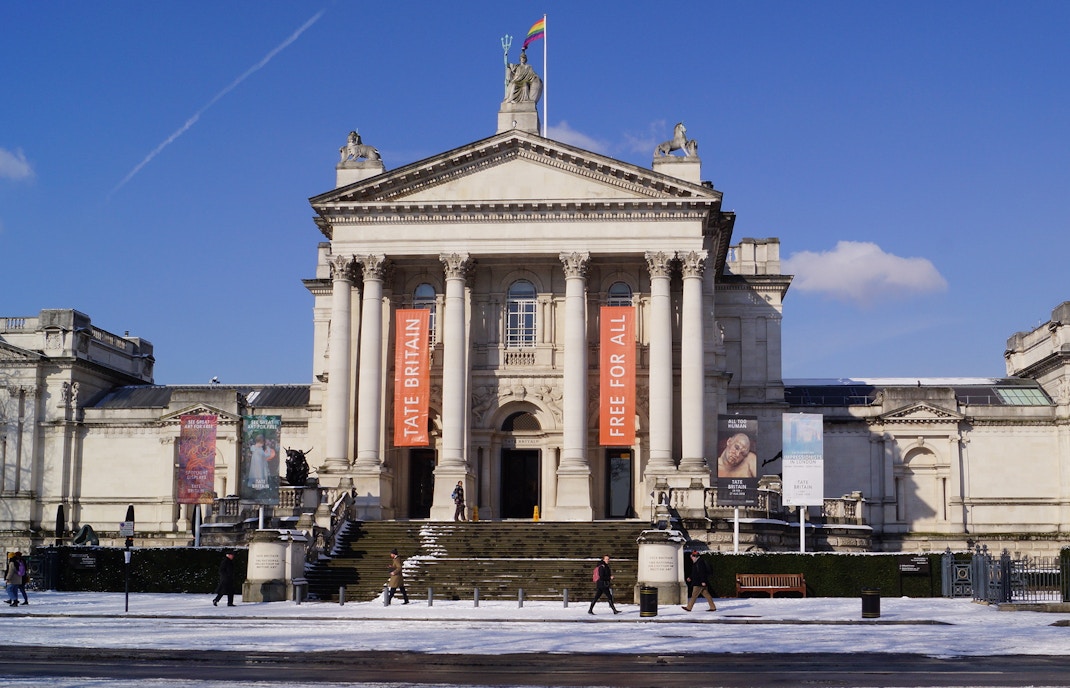
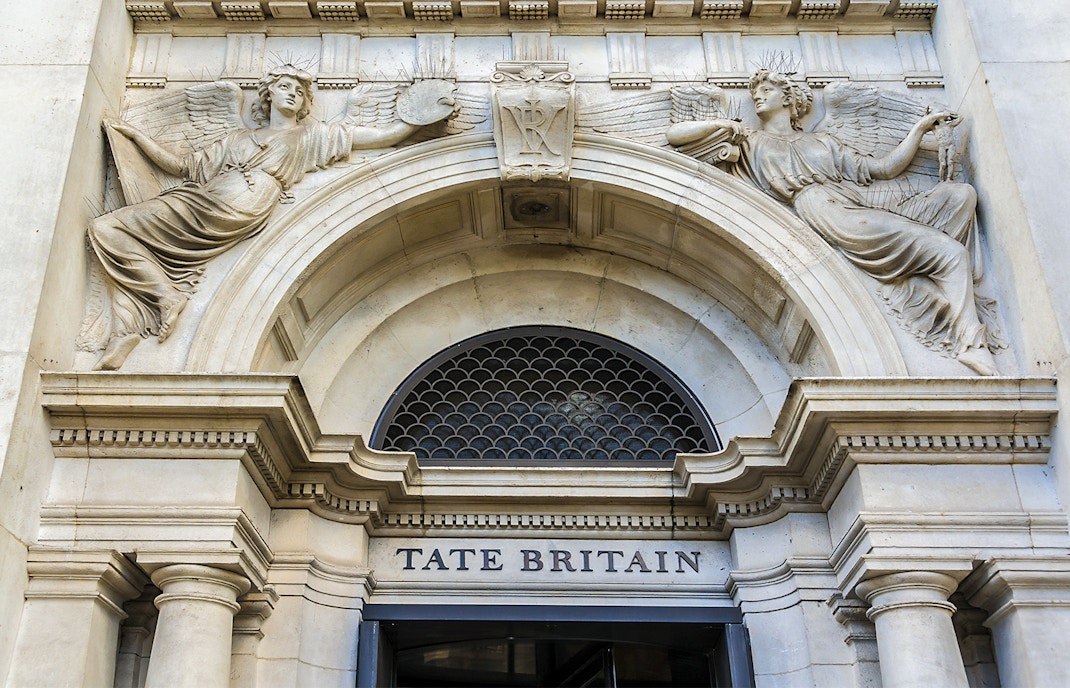
Visiting Tate Britain is like stepping into the story of British art. From delicate Pre-Raphaelite masterpieces to Turner’s seascapes and the grand sculptures in the Duveen Galleries, there is so much to see that it can feel a little overwhelming at first. The key is to have a plan so you can catch all the important highlights while still leaving time to wander, soak in the atmosphere, and enjoy the building.
The collection spans from Tudor and Stuart portraits to Turner’s masterpieces, the Pre-Raphaelites, and modern British sculpture, so knowing the layout helps you prioritise highlights and explore without feeling rushed.
With so much to see, Tate Britain can feel overwhelming. A 1-hour guided tour cuts through the noise, spotlighting must-see masterpieces with expert insight. It’s an easy, hassle-free way to experience the highlights!
| Visit type | Duration | Route | What you get |
|---|---|---|---|
Snapshot visit | 1–2 hours | Duveen Galleries → Pre-Raphaelite rooms → Clore Gallery | A sharp, time-efficient overview that lets you experience Tate Britain’s most famous works without committing to a long museum visit. |
Balanced visit | 2–4 hours | Historic British galleries → Pre-Raphaelite and Victorian art → Clore Gallery → Modern British rooms | A flowing, easy-to-follow visit that gives you context, variety, and breathing room without feeling rushed or exhaustive. |
In-depth exploration | 4–6 hours (half day) | Chronological galleries → Duveen Galleries → Clore Gallery → Modern and contemporary British art → Café and shop | A relaxed, immersive visit that leaves space to linger in the galleries, reflect over a break, and end with art-inspired souvenirs before you leave. |
| Ticket type | What's included | Best for | Price range |
|---|---|---|---|
Exhibition ticket (Lee Miller) | Entry to Tate Britain + access to the Lee Miller exhibition (2 Oct 2025 – 15 Feb 2026) | Focused access to Lee Miller exhibition | £20 |
Guided tour | Entry to Tate Britain + 1-hour guided tour + Tate expert guide | Detailed and curated highlights with expert context | £20 |
| Day | Timings | Last entry | Closed on |
|---|---|---|---|
Mon–Sun | 10am – 6pm | 5:30 pm (galleries and exhibitions | 24–26 Dec |
| Entrance name | Location | Who it's for | Crowds & wait times |
|---|---|---|---|
Manton Entrance | Atterbury Street (step‑free) | General visitors, wheelchair/stroller access | Usually quickest with level access, quieter than main entrance |
Millbank Entrance | Millbank (facing Thames) | General visitors | Main access point, can be busier during peak hours |
Most people spend around 2–3 hours exploring the galleries. If you want to include temporary exhibitions like Lee Miller, plan for 3–4 hours to really take it all in.
Tate Britain is open Tuesday to Sunday from 10 am to 6 pm and closed on Mondays. Some exhibitions may stay open later until 8 pm on certain days.
The Manton Entrance ramp is usually the fastest and quietest. It’s also the most convenient if you’re heading straight to temporary exhibitions.
Yes, the museum is fully accessible with ramps, lifts, and accessible toilets. Wheelchairs and mobility scooters are free to borrow—just ask at the Help Desk.
Small backpacks up to 55 x 40 x 20 cm are fine. Bigger bags need to be stored in the free cloakroom while you explore.
Yes, you can, but we recommend booking online if you want to skip the security lines—especially for popular temporary exhibitions.
An on-site café serving sandwiches, pastries, cakes, soups, and hot and cold drinks within the gallery.
A nearby café offering coffee, light meals, and brunch-style dishes in a relaxed setting.
A traditional British café known for cooked breakfasts, classic comfort food, and fast service.
An Italian restaurant close to the gallery serving pasta, pizza, and Mediterranean dishes.
👉 Start at the main Millbank entrance. You’ll find ticket desks, cloakrooms, and information points here. Grab a map to navigate efficiently, and follow signage to move between galleries without backtracking.
👉 Begin on the ground floor with historic British art from the 1500s to the 18th century, and stop by the Duveen Galleries to admire sculptures before heading to the Clore Gallery for Turner’s masterpieces.
👉 Once you’re done exploring, take a break in the museum café or browse the gift shop for art-inspired souvenirs. These spaces are perfect for relaxing between galleries and soaking in the atmosphere of the building.
Dedicated to J.M.W. Turner, this gallery houses his major works in controlled lighting designed to protect and showcase his paintings. Here, you can study his seascapes, skies, and use of color and movement.
What to look out for:
These rooms display Pre-Raphaelite art, emphasizing vivid colors, intricate detail, and literary or mythological themes, highlighting the Victorian approach to storytelling in painting.
What to look out for:
The Duveen Galleries are a large neoclassical hall primarily created for housing sculpture. The space emphasizes scale, perspective, and the relationship between sculptures and the architecture.
What to look out for:
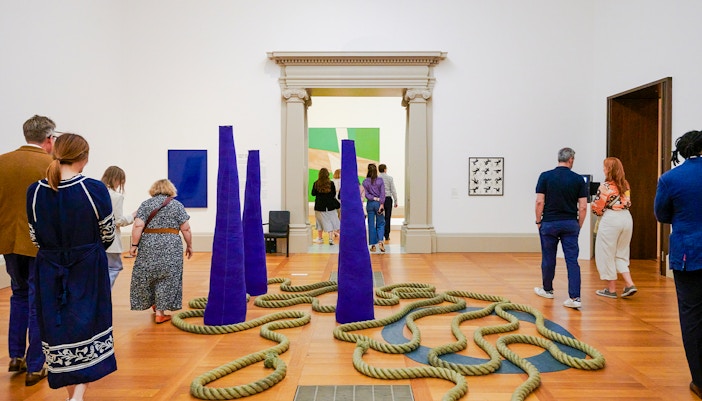
These sections display British art from the 20th and 21st centuries, specifically works from 1940 to the present day, alongside the historic British art collection from 1500 to WWII.
What to look out for:
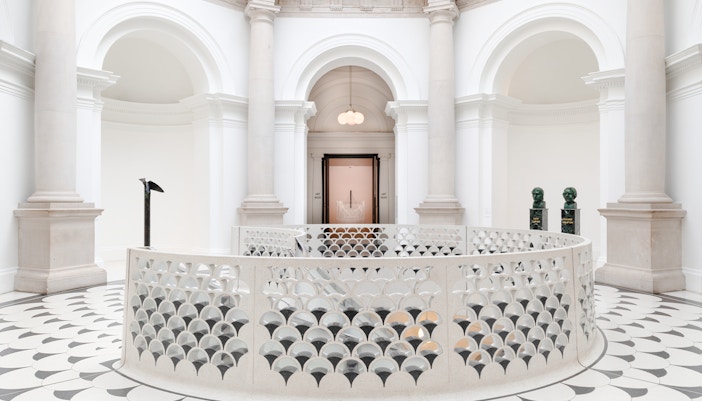
These areas act as a central hub linking galleries, showcasing Tate Britain’s architecture while offering views of the Thames and circulation between floors.
What to look out for:
Tate Britain also has café and retail spaces reflecting art themes, offering a place to rest and browse books, prints, and gifts inspired by the museum.
What to look out for:
Address: Millbank, London SW1P 4RG, United Kingdom
Tate Britain is situated in central London along the north bank of the River Thames in the Millbank district. It’s just outside the busiest tourist areas, providing a quieter environment while staying easily accessible.
Closest landmark: Houses of Parliament (approximately 1 km away)
Tate Britain provides level access via the Manton Entrance ramp, lifts to all gallery floors, and accessible toilets, including a Changing Places facility.
Wheelchairs and walkers are available to borrow free of charge, and mobility scooters can be booked 24 hours in advance. Accessible parking spaces and drop-off points are provided near the gallery, with level access routes from these points into the building.
Hearing loops are installed in key areas such as the Auditorium and Manton Studio. Staff are trained to support communication needs, and tours can accommodate hearing-impaired needs.
Large-print gallery plans, raised-image plans with Braille, and printed large-print guides for special exhibitions are available on request from information desks.
Tate Britain offers staff support, communication cards, and quiet rooms to provide a calm space for sensory breaks or focus. You can request assistance navigating galleries and using these spaces to ensure a comfortable experience.
Lee Miller exhibition: A UK‑wide retrospective of surrealist photographer Lee Miller’s work, tracing her art from French surrealism and fashion photography to incisive World War II photojournalism. The show features around 230–250 vintage and modern prints, including rare and previously unseen material, revealing her fearless vision and multifaceted career.
Highlights:
Dates: 2 October 2025–15 February 2026
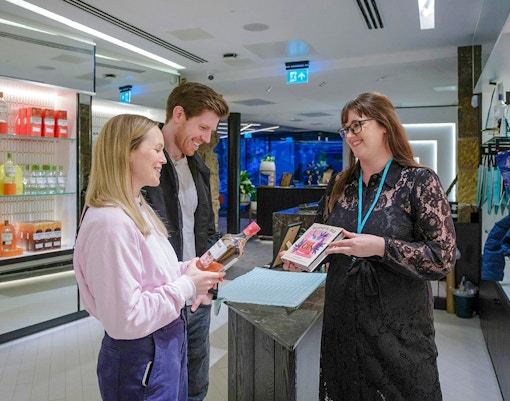
This is the main retail space at Tate Britain, offering books on British art, exhibition catalogues, prints, postcards, jewelry, homeware, and Tate-exclusive gifts.
A compact shop near the main accessible entrance selling current exhibition merchandise, art books, children’s gifts, stationery, and postcards.
An indoor shopping centre close to Tate Britain with a mix of fashion, lifestyle, beauty, and gift stores.
A specialist shop offering heritage gifts, books, prints, and souvenirs inspired by British history and culture.
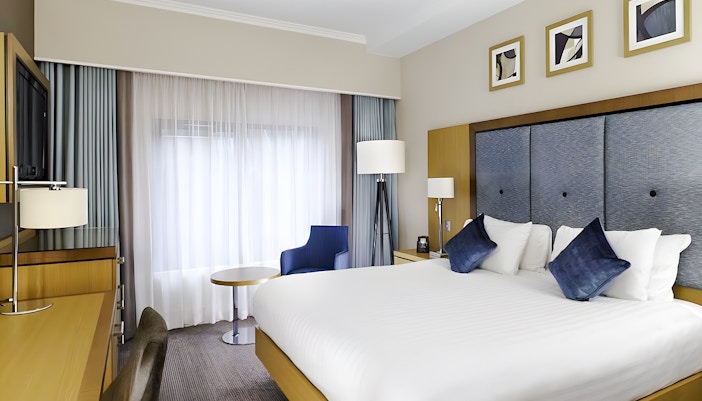
A large aparthotel offering studio and apartment-style accommodation near the river and transport links.
A modern hotel located along the Thames, very close to Tate Britain and Westminster landmarks.
An all-suite hotel offering spacious accommodation with kitchen facilities near major transport connections.
Tate Britain is well connected to multiple lines, making it easy to combine your visit with other central London attractions.
Taking the bus offers a scenic route along the Thames, allowing you to enjoy views of nearby landmarks before arriving at the museum.
Trains make Tate Britain accessible for visitors coming from outer London or regional locations, providing a convenient option for day trips.
Travelling by river offers a unique perspective of central London and a relaxed alternative to roads and crowded public transport.
For flexible and comfortable travel, you can take a cab or drive to Tate Britain. Driving allows you to plan a multi-stop itinerary around Westminster and the South Bank, especially if visiting multiple attractions in one trip.
Parking facilities:


Inclusions #
Entry tickets to Tate Britain
Access to the Lee Miller exhibition (from 2 October 2025 to 15 February 2026)
Exclusions #


Inclusions #
Exclusions #