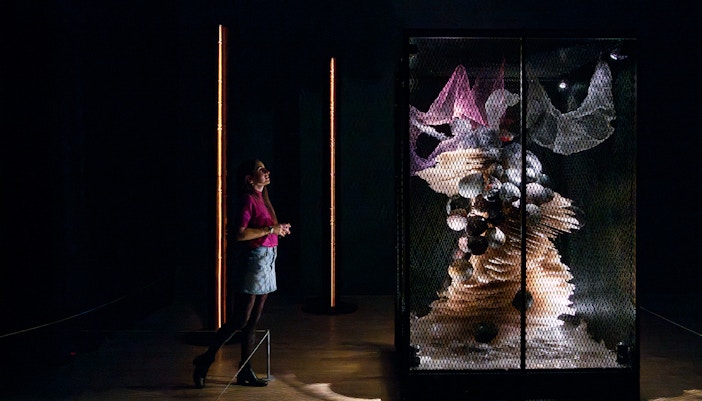
Quick Information

RECOMMENDED DURATION

3 hours

NUMBER OF ENTRANCES

2

EXPECTED WAIT TIME - STANDARD

0-30 mins (Peak), 0-30 mins (Off Peak)

Plan your visit

Did you know?

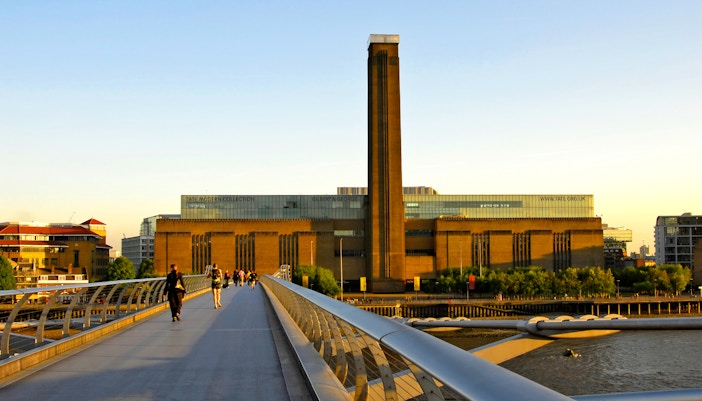
Tate Modern is housed in the former Bankside Power Station, originally designed by Sir Giles Gilbert Scott and later transformed by Herzog & de Meuron.

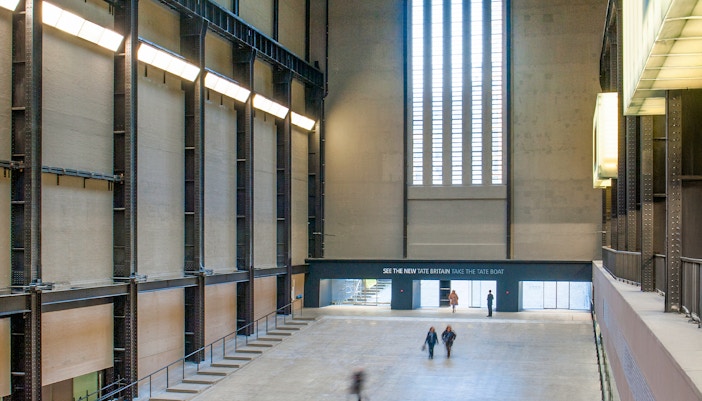
The museum’s Turbine Hall is 35 meters tall and has hosted some of the world’s most famous site-specific installations, including Olafur Eliasson’s 'Weather Project.'

The Blavatnik Building’s 10th-floor terrace offers one of London’s best free panoramic viewpoints, with 360° city vistas.

Why is Tate Modern a must-visit attraction?

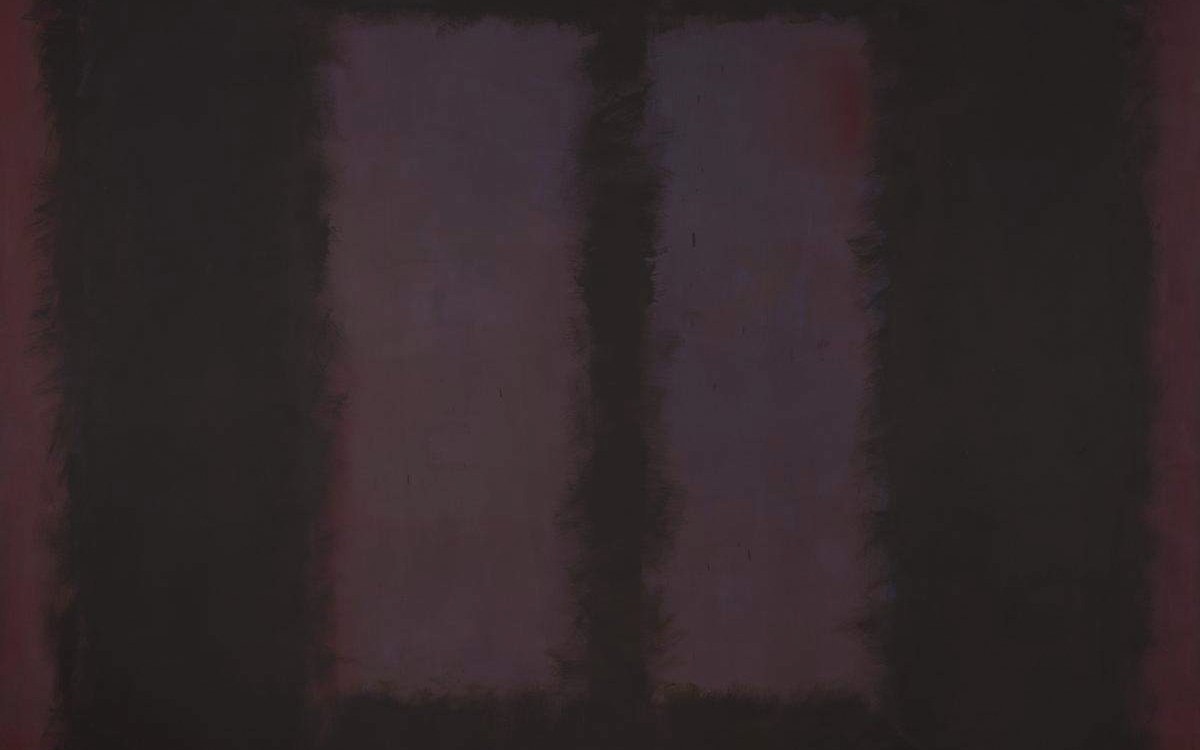
Tate Modern is far more than just another art museum in London. It is a cultural landmark that houses one of the largest permanent collections of 20th-century art from around the world. Step inside, and you’ll find works spanning Cubism, Abstract Expressionism, Pop Art, and Minimalism, featuring masterpieces by Picasso, Rothko, and Hockney.

What makes Tate Modern truly special is its diversity. The permanent collection is free to explore, while temporary exhibitions, interactive installations, and live performances further enhance its modern and contemporary art offerings. With its riverside location in the heart of London, there's something for seasoned art lovers and first-time visitors to explore and enjoy at the museum.

What to see at Tate Modern?

Turbine Hall
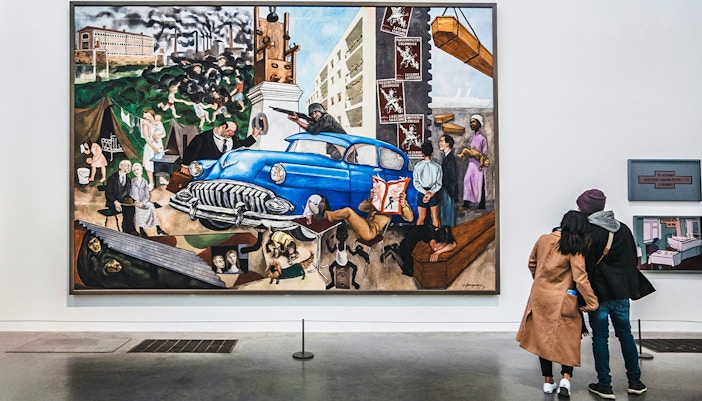
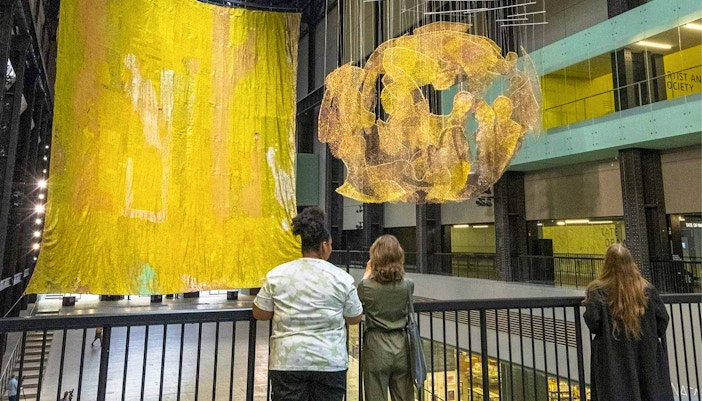
Located at the heart of the museum, the Turbine Hall is an open area hosting large-scale art installations. Exhibitions here transform the hall completely, from light and sound experiences to sculptures that challenge perception and invite interaction.

Permanent collection displays

Spread across the Natalie Bell and Blavatnik buildings, Tate Modern’s permanent collection spans modern art from 1900 to today. Here, you can explore masterpieces by Picasso, Rothko, and Hockney.
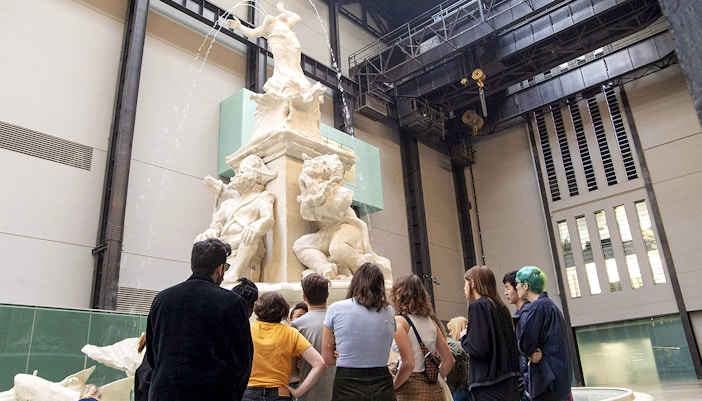
Boiler House galleries

Found within the Boiler House section, these galleries highlight pivotal movements of 20th-century art. From minimalism to conceptual art, you’ll encounter installations that break traditional rules and showcase the diversity of modern art.

The Switch House (Blavatnik Building)

This taller extension of Tate Modern features contemporary art from the 1960s onwards. Here, multi-floor galleries display large-scale installations, bold sculptures, and experimental pieces with windows that create a dynamic setting.
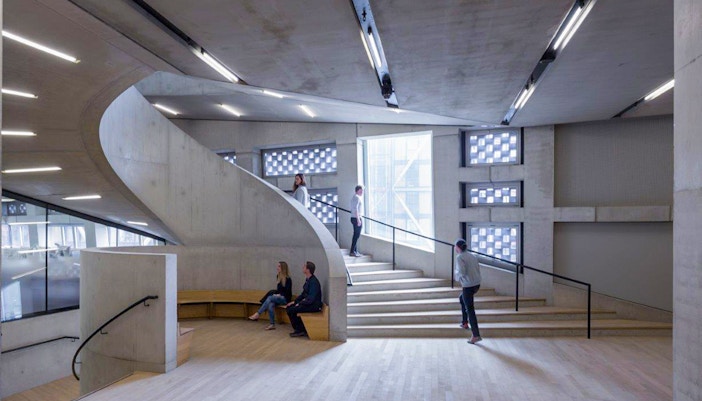
The Tanks

Located underground in the museum’s former oil chambers, the Tanks are dedicated to live performance and immersive installations. These circular spaces host experimental works that can’t be shown elsewhere, reinforcing the museum's role at the forefront of contemporary live art.

Start Display

Part of the museum’s collection displays, the Start Display introduces key artists and movements in modern art. It provides helpful context for the rest of the museum, making it easier to understand the ideas, themes, and evolution of modern creativity.
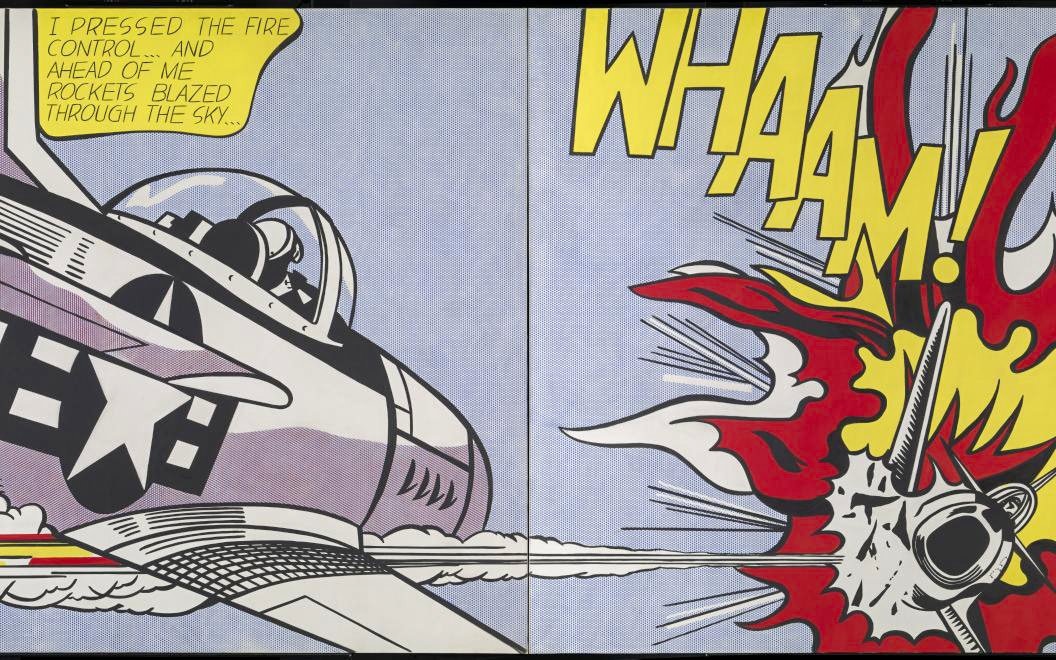
Highlights of Tate Modern

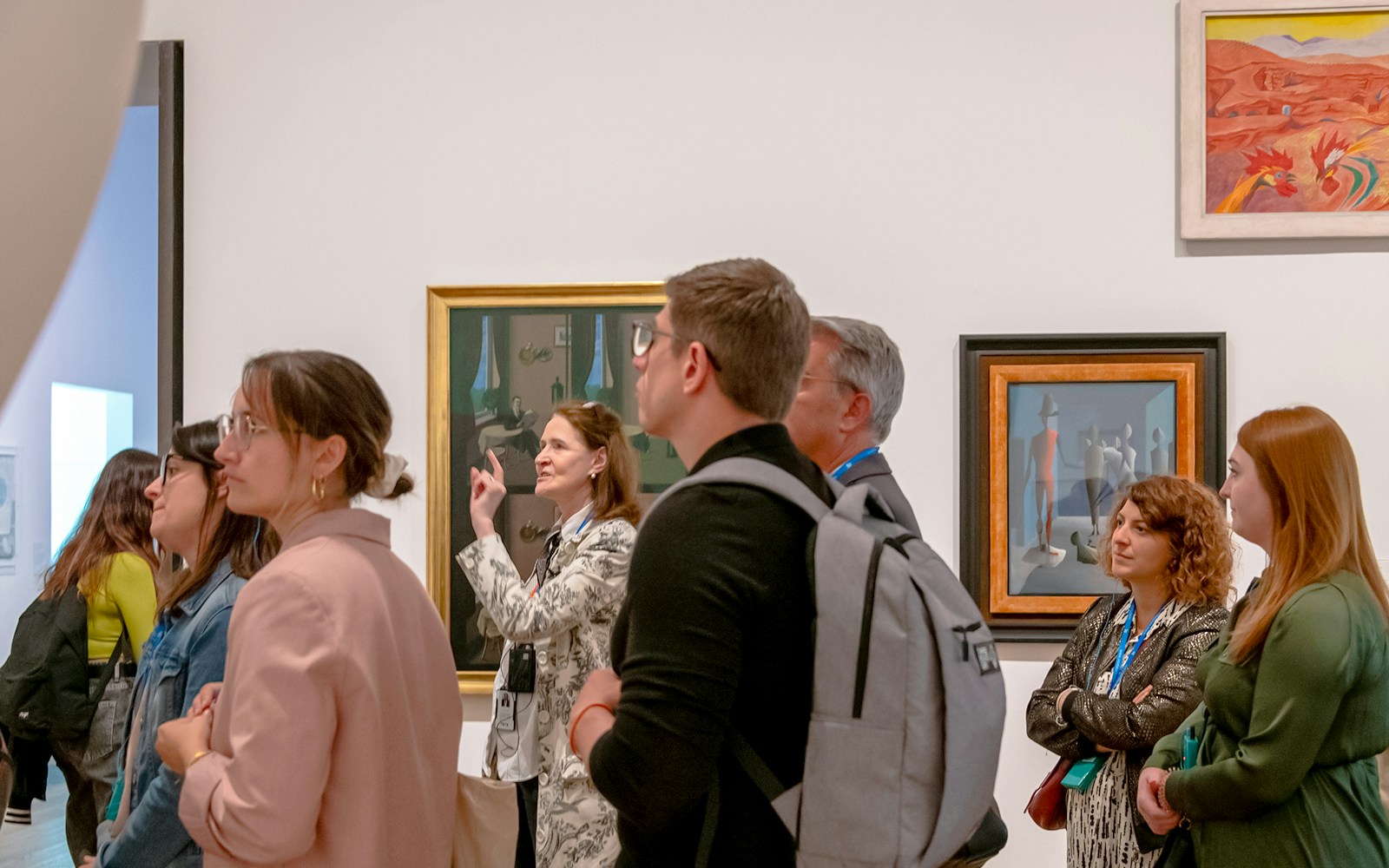
Guide explaining Picasso exhibition at Tate Modern to a group of visitors.

Ai Weiwei’s Sunflower Seeds

Millions of hand-painted porcelain sunflower seeds once filled the Turbine Hall floor, turning the space into a powerful reflection on individuality, collective labour, and mass production.

Placeholder Image Headout Blimp

Brief history of Tate Modern

Tate Modern’s story begins with the Bankside Power Station, a vast brick-clad industrial building designed by Sir Giles Gilbert Scott and constructed between 1947 and 1963 to supply electricity to London. The power station closed in 1981, leaving the site unused for more than a decade.

In 1994, the Tate Gallery announced plans to transform the building into a new home for international modern and contemporary art. Swiss architects Herzog and de Meuron were selected to lead the conversion, preserving the industrial character while reimagining the interior for public use. Renovation began in 1995, and Tate Modern officially opened on 11 May 2000.

Later, in 2016, the museum was expanded with the opening of the Blavatnik Building, significantly increasing gallery space and reinforcing Tate Modern’s status as a global cultural landmark.

Who built Tate Modern?

Tate Modern was created by Swiss architects Jacques Herzog and Pierre de Meuron, who won an international competition in 1994 to redesign the former Bankside Power Station. They transformed the industrial structure into one of the world’s most visited modern art museums while respecting much of its original character. The conversion was completed in 2000.

Architecture of Tate Modern

Tate Modern is housed in the former Bankside Power Station, originally designed by British architect Sir Giles Gilbert Scott and built between 1947 and 1963. The brick structure featured a long horizontal form and a 99-metre chimney, deliberately designed to sit slightly lower than St Paul’s Cathedral across the River Thames. In the 1990s, Swiss architects Herzog & de Meuron transformed the station into a modern art gallery, retaining its industrial character, preserving the vast Turbine Hall, and introducing new gallery spaces with a two-storey glass light beam along the roof.

Recently, in 2016, the Blavatnik Building was added, expanding exhibition space with a striking perforated brick exterior and new public areas, blending historic architecture with contemporary design to create the building seen today.

Frequently asked questions about Tate Modern

Absolutely. Tate Modern is designed to be approachable, even if you are new to modern art. Clear explanations, themed displays, and immersive installations make it engaging without needing any background knowledge.

More reads

Plan your visit

Timings

Directions