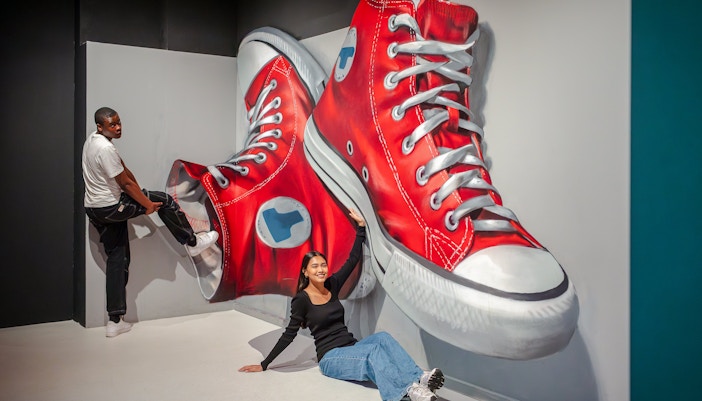
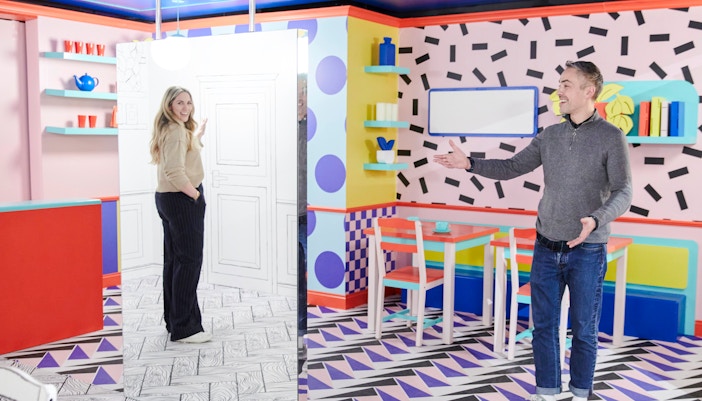
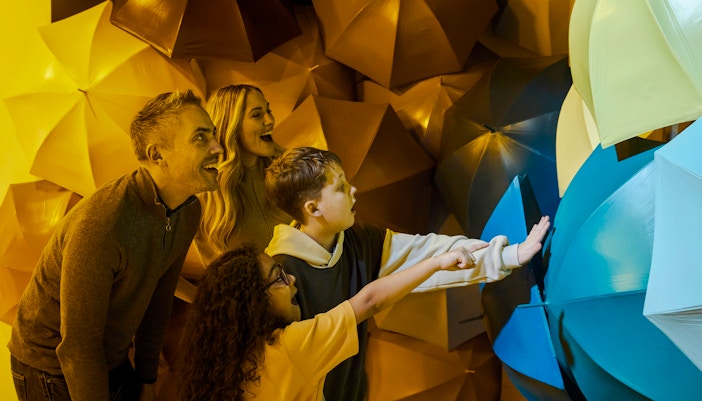
Start with the signature illusion rooms like the Ames Room and Vortex Tunnel, as these tend to get busier later in the day. Continue into the mirror, light, and perception-based installations, and finally finish with the 4D booth experience, where you can create your personalised 3D hologram image before exiting.
Quick Information
RECOMMENDED DURATION
2 hours
VISITORS PER YEAR
250000
TICKETS
From $34.43
EXPECTED WAIT TIME - STANDARD
30-60 mins (Peak), 0-30 mins (Off Peak)
Did you know?
Twist Museum opened in 2022 as part of a new wave of interactive illusion-based museums focused on perception and sensory science.
It is located directly on Oxford Street near Oxford Circus, one of London’s busiest retail and tourism corridors.
The museum features a one-way flow system that guides visitors through curated illusion zones in a structured sequence.
Is the Twist Museum worth visiting?
Walking into Twist Museum feels like stepping into a space where your senses stop being reliable in the best possible way. Lights bend, rooms shift perception, and familiar physics suddenly feel negotiable. The atmosphere is playful and slightly disorienting — designed to make you question what you’re seeing at every turn rather than passively observe it.
The museum was created around a simple ambition: to explore “The Way I See Things,” showing how perception is personal and shaped by science, art, and illusion. Every installation is built to turn that idea into something you can physically experience, not just read about.
The emotional payoff is a sense of childlike curiosity — the feeling of being surprised again by how easily your brain can be tricked, and how different reality can look from another person’s point of view. Most visitors leave smiling, slightly disoriented, and more aware of how subjective vision really is.
Skip it if you prefer traditional museums with historical artefacts or need quiet, reflective spaces — this is a hands-on, high-sensory experience meant for interaction, movement, and play.
What to see at Twist Museum
1/6
Ames Room
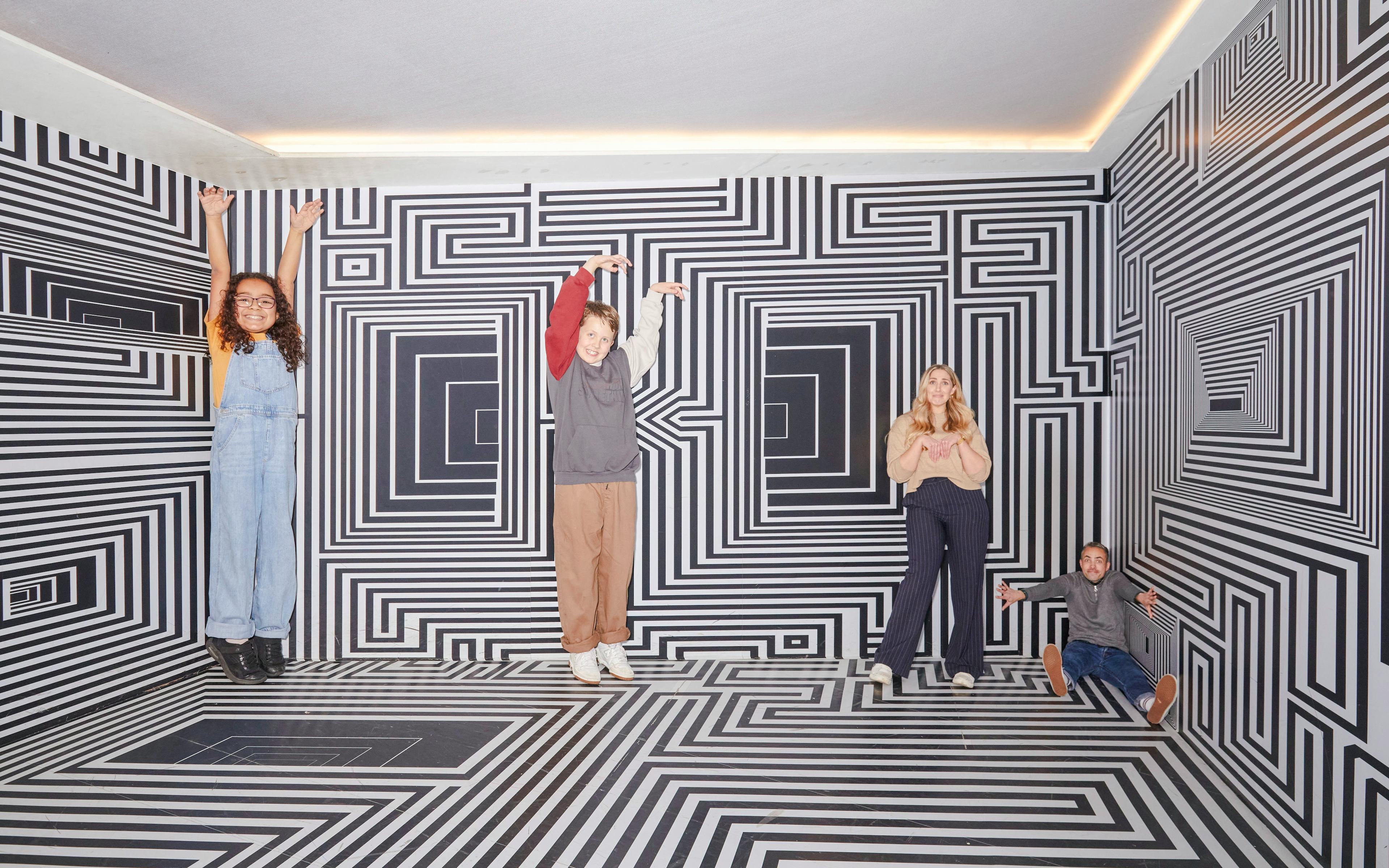
One of the most famous illusion spaces at the Twist Museum, the Ames Room, manipulates scale so people appear to change size within the same frame. It’s a high-demand photo spot where visitors often spend extra time experimenting with perspective shots.
Vortex Tunnel
A walk-through rotating tunnel that disrupts balance and perception, making a stable walkway feel like it is spinning around you. It’s one of the most physically immersive illusion experiences and consistently a highlight for first-time visitors.
Kaleidoscope / Mirror Rooms
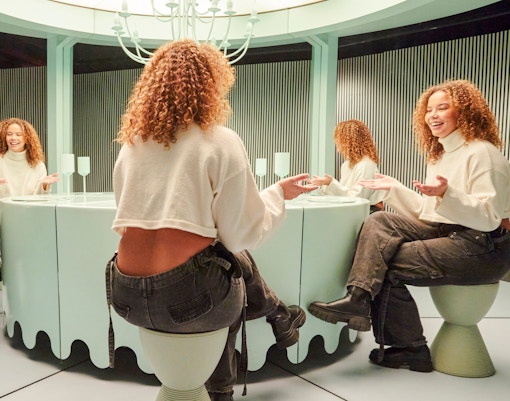
A mirrored, light-filled environment that multiplies colour, shape, and movement into infinite reflections. The Kaleidoscope-style installations are designed for both sensory immersion and photography, creating constantly shifting visual patterns.
Slanted (Topsy-Turvy) Room
A tilted environment that plays with gravity and orientation, making straight lines appear angled and balance feel unreliable. Visitors often describe it as one of the most disorienting but playful installations in the museum.
Upside-Down / Perspective Rooms
A series of illusion environments where floors, walls, and objects are designed to reverse normal spatial expectations. These rooms are built to challenge how the brain interprets “up” and “down,” creating strong visual paradoxes.
4D Booth (3D Hologram Experience)
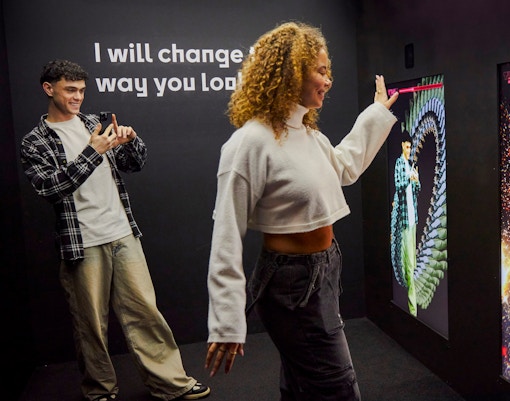
A capture station where visitors create a 3D hologram-style image of themselves. The result is displayed as a rotating digital figure, turning the visitor into part of the exhibit and serving as a takeaway digital keepsake.
How to explore the Twist Museum?
Allow around 60–90 minutes for a full visit, or up to 2 hours if you want to take photos, repeat installations, and explore at a slower pace. The experience is entirely self-paced, with no fixed route, so you can move freely between illusion zones.
Suggested route
Must-see
- Ames Room
- Vortex Tunnel
- Kaleidoscope-style mirror rooms
- 4D hologram booth
Optional
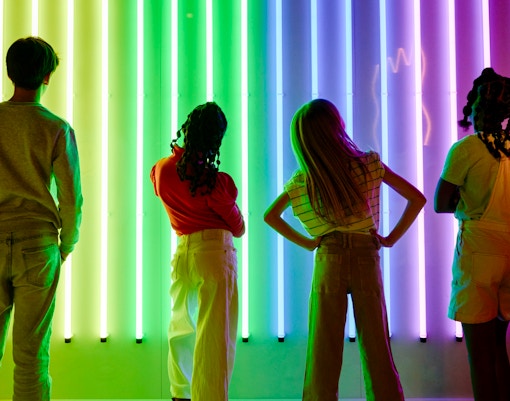
Smaller sensory and light-based installations scattered throughout the space — great if you have extra time or want to revisit your favourite illusions.
Guided vs self-paced
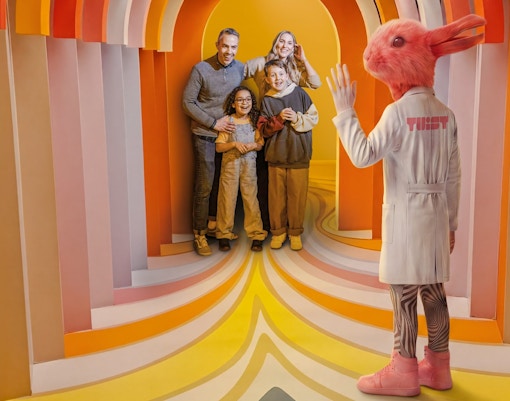
Twist Museum is designed as a fully self-guided experience, and there are no guided tours. Clear signage and intuitive room flow make it easy to explore independently at your own pace without missing key installations.
Brief history of Twist Museum
The Twist Museum opened in 2022 on Oxford Street, London as an interactive museum focused on perception and optical illusions. It was developed as a modern visitor attraction combining science, art, and interactive experiences to explore how people perceive reality differently.
The museum is based on the concept of “The Way I See Things” (TWIST), which reflects its central theme of individual perception. Since opening, it has featured a series of rotating and permanent immersive installations designed for hands-on engagement rather than passive viewing.
Unlike traditional museums with historical collections, Twist Museum was created as an experiential space from the outset, focusing on interactive exhibits rather than artefacts or chronological history.
Who built the Twist Museum?
The Twist Museum was developed as a collaborative project by a team focused on immersive exhibition design and interactive visitor experiences. The development involved multidisciplinary input from exhibition designers and creative teams working on the installation spaces. No single architect is publicly credited as the sole designer of the museum.
The concept was created to translate ideas around human perception and sensory interpretation into physical, interactive installations. The museum’s design approach prioritises experience-led storytelling rather than traditional architectural authorship, with emphasis on how visitors interact with each installation rather than the building itself.
Architecture of Twist Museum
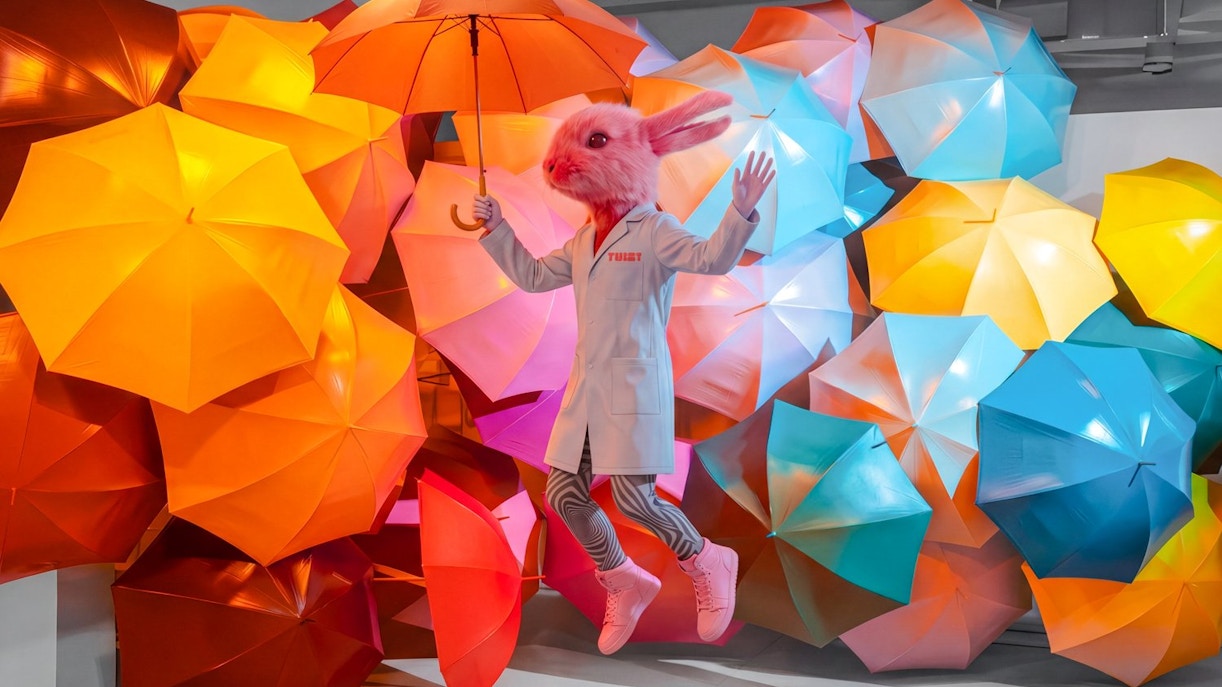
The Twist Museum is located in a converted indoor space on Oxford Street, designed to host a series of immersive, room-based installations. The interior layout is structured to support multiple themed environments that visitors move through at their own pace.
The museum uses exhibition design elements such as mirrors, lighting effects, and spatial installations to create illusion-based experiences. The space is arranged to allow each installation to operate independently within a connected walkthrough format.
Rather than following a traditional architectural style, the museum uses functional exhibition design centered on perceptual effects and immersive spatial experiences, with the focus placed on the installations rather than any singular architectural landmark.
Frequently asked questions about Twist Museum
Yes, especially if you enjoy interactive, hands-on experiences. Twist Museum focuses on optical illusions and perception-based installations that are designed to be explored rather than viewed passively. It’s ideal for visitors looking for something playful, immersive, and different in central London.
Most visitors spend around 60–90 minutes exploring the Twist Museum. If you plan to take photos, revisit installations, or experience each illusion zone at a slower pace, you may want to allow up to 2 hours for your visit.
The Ames Room and Vortex Tunnel are among the most popular installations due to their strong visual effects and interactive nature. The Kaleidoscope-style mirror rooms and the 4D hologram booth are also key highlights that best represent the museum’s focus on perception and illusion.
Yes, Twist Museum is suitable for families and children, as it is designed as a safe and interactive environment focused on play, learning, and perception. Younger visitors enjoy the hands-on illusion rooms, while adults tend to appreciate the visual and sensory experiences.
Yes, advance booking is recommended for the Twist Museum as entry is managed through timed entry slots. Booking ahead helps secure your preferred time and ensures a smoother entry, particularly during weekends, school holidays, and peak visiting hours.