Plan your visit to the iconic Twist Museum in London
Twist Museum is an interactive illusion museum on Oxford Street best known for hands-on rooms that play with color, sound, balance, scale, and perspective. The visit is compact rather than sprawling, but it can feel rushed if you arrive at a busy weekend slot because the most photogenic rooms work best when you have a minute to set up properly. The biggest difference between an okay visit and a great one is timing. This guide covers when to go, what to book, and how to move through it well.
Quick overview: Twist Museum at a glance
This is the short version if you want to make the right call fast.
- When to visit: Monday–Thursday: 10am–7:30pm, Friday–Saturday: 10am–9pm, Sunday: 10am–7pm. Tuesday to Thursday right after opening is noticeably calmer than Saturday afternoons, because the photo-heavy illusion rooms work best before weekend queues start building behind you.
- Getting in: From £26 for standard entry with combos including Frameless London and Madame Tussauds starting from £51.91. Booking in advance is strongly recommended, especially for weekends, school holidays, and rainy periods when timed entry slots sell out quickly.
- How long to allow: 1–1.5 hours for most visitors. It stretches closer to 2 hours if you stop for lots of photos, repeat favorite rooms, or visit with kids who want to try each illusion twice.
- What most people miss: The Sound Lab and the ‘Life Without Colour’ room are easier to rush past than the big photo spots, but they’re the exhibits that best explain what the museum is actually about.
- Is a guide worth it? Most visitors don’t need one because the museum is short, self-paced, and built around trying the illusions yourself, but extra context helps more if you’re especially interested in perception science than if you’re there mainly for the visuals.
🎟️ Tickets to Twist Museum can sell out a few days in advance during school holidays, summer weekends, and rainy peak-season dates. Lock in your visit before the time you want is gone. → See ticket options
Jump to what you need
Where and when to go
How much time do you need?
| Visit type | Route | Duration | Walking distance | What you get |
|---|---|---|---|---|
Highlights only | Start → 6–8 key rooms → exit | 45–60 mins | ~0.3 km | Focus on signature illusion rooms, minimal queue time, quick photo stops, best for tight schedules |
Balanced visit | Start → most rooms → interactive zones → exit | 1.5–2 hrs | ~0.5 km | Core illusions + interactive installations, time for photos, smoother flow through crowds, fuller experience without rushing |
Full exploration | All rooms → revisit favourite illusions → interactive challenges → exit | 2–3 hrs | ~0.7 km | Complete set of installations, slower immersive pacing, repeat photo opportunities, best for those who want full engagement |
Which Twist Museum ticket is best for you
| Ticket type | What's included | Best for | Price from |
|---|---|---|---|
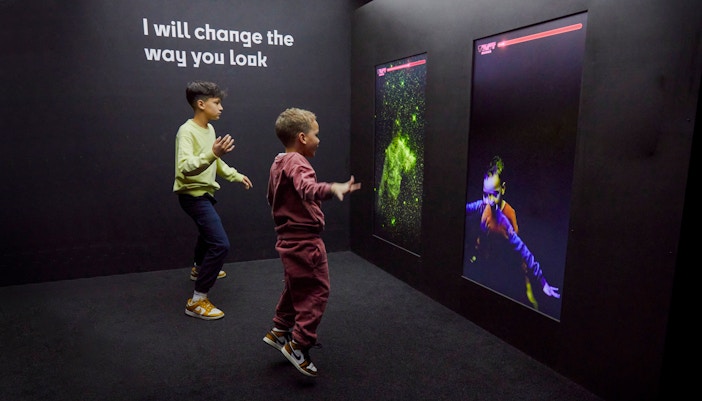
Twist Museum Entry Ticket | Entry to the Twist Museum + access to all interactive exhibits and illusion rooms + personalized 3D hologram image | A short central London attraction where you want a fixed-time visit that’s easy to fit around shopping, theater, or other West End plans | £26 |
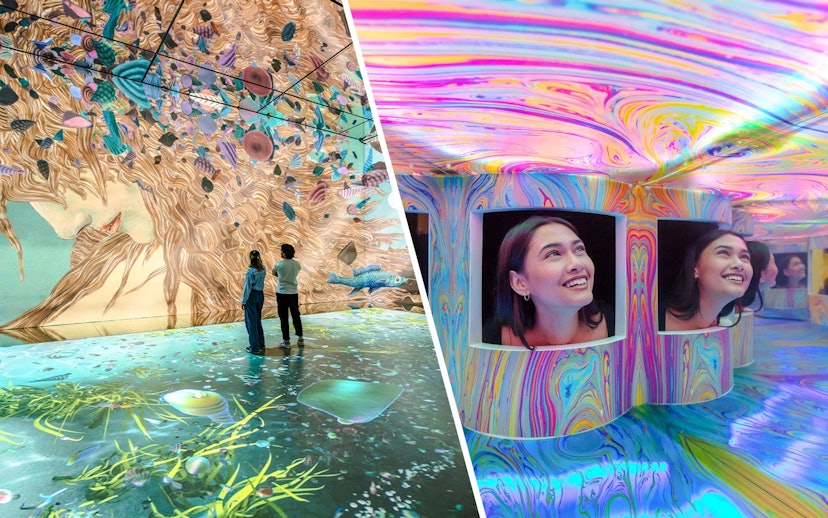
With Frameless London | Entry to Frameless London + access to 4 galleries + entry to café, shop, and Art of You photo experience + entry to Twist Museum + access to all exhibits and rooms + personalized 3D hologram image | A same-day art-and-illusion plan where you want two very different immersive experiences without booking them separately | £51.91 |
With Madame Tussauds | Entry to all Twist Museum exhibits, including illusion rooms, installations, and hologram experiences, plus access to Madame Tussauds London featuring themed zones, rides, and 150+ wax figures. | Combining two iconic London experiences in one booking—interactive illusion art at Twist Museum and celebrity encounters at Madame Tussauds London without the hassle of separate tickets |
How do you get around Twist Museum?
What to prioritise inside Twist Museum?
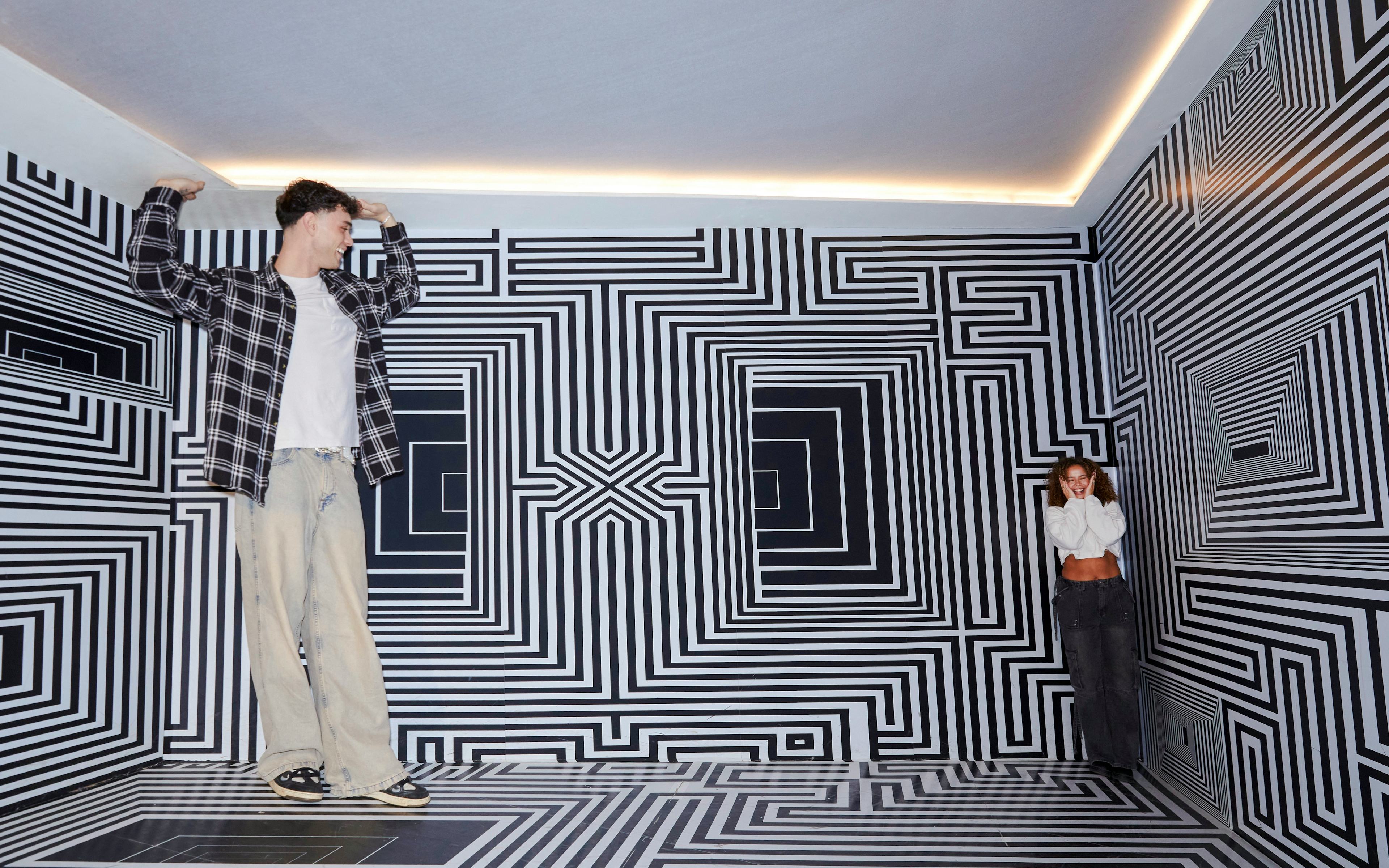
Ames Room
Illusion type: Perspective room
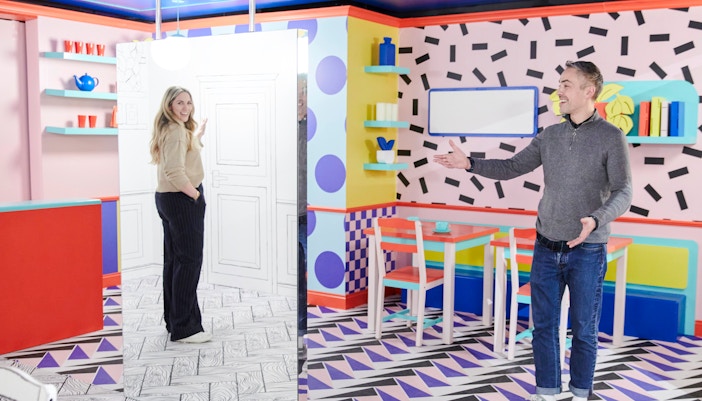
This is the classic size-shift illusion where one person looks giant and another looks tiny, even though both are standing in the same room. It’s one of the most satisfying exhibits because the effect reads instantly in photos and still feels strange when you watch someone move from one corner to the other. What most people rush past is the walk across the room itself, which makes the distortion easier to understand than the final photo alone.
Where to find it: In the main run of signature illusion rooms, early enough in the route that it’s worth doing before crowds build.
Upside-down room
Illusion type: Gravity-flip installation
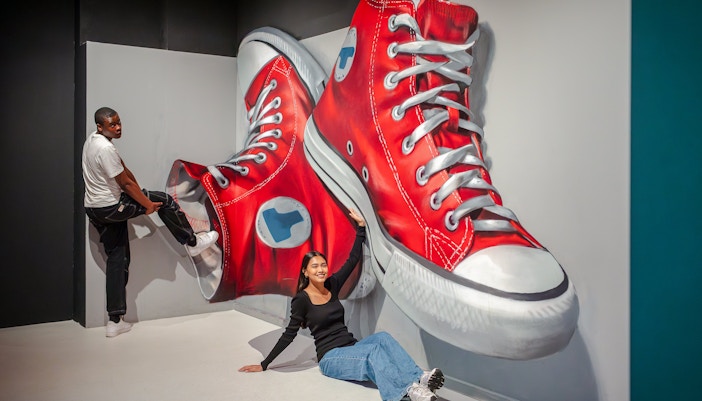
This room turns the whole scene upside down, letting you pose as if furniture and people have swapped places with the ceiling. It’s playful rather than technical, and that’s exactly why it works so well with families and groups. Most visitors snap one quick photo and move on, but the better result comes from taking a second to match your pose to the room’s angles before rotating the image later.
Where to find it: In the central sequence of photo-heavy rooms, close to the museum’s best-known visual installations.
Kaleidoscope Room
Illusion type: Mirror and reflection chamber
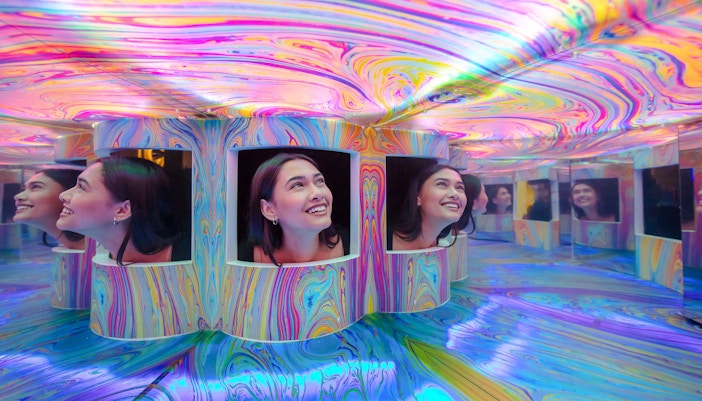
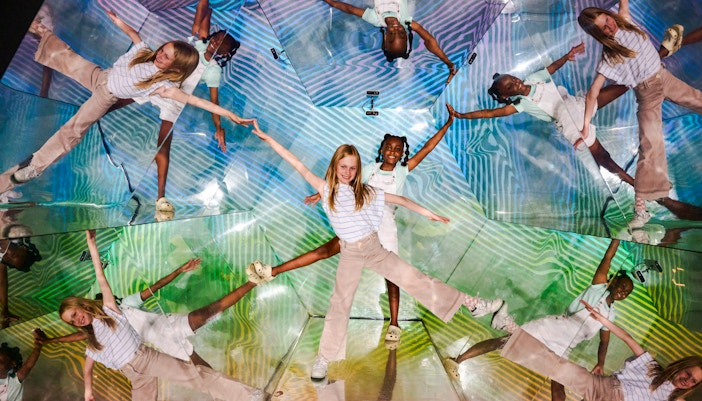
This is one of the most visually striking spaces in the museum, with repeated reflections and shifting patterns that feel bigger than the footprint of the actual room. It’s less about one perfect photo and more about standing still long enough to let the repeating geometry settle in. What people miss is how different the effect looks from the center versus the edges, so it’s worth changing position before you leave.
Where to find it: Mid-route, in the cluster of immersive visual rooms where capacity slows things down at busy times.
Vortex Tunnel
Illusion type: Motion and balance illusion
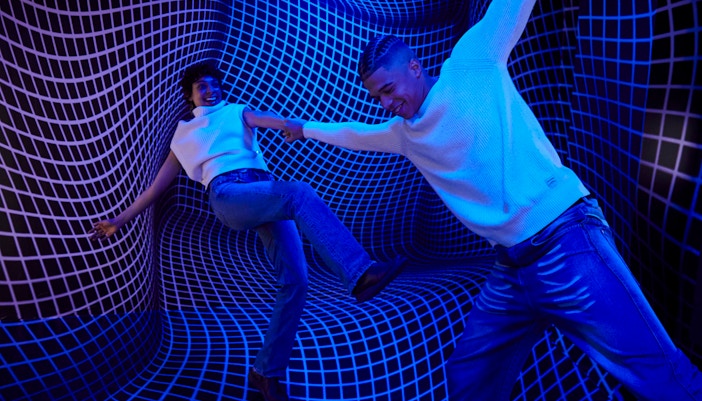
You walk through a stable path while the tunnel around you rotates, which makes your body feel like the floor is moving even when it isn’t. It’s one of the few exhibits here that feels physical rather than purely visual, and that’s what makes it memorable. The detail many visitors underestimate is how strong the effect becomes once you stop focusing on the handrail and let your peripheral vision take over.
Where to find it: In the main illusion sequence, usually reached after the museum has already warmed you up with less physical tricks.
Life Without Colour
Illusion type: Color perception room
This space strips away the usual color cues and makes familiar objects look oddly flat, muted, or uncertain. It’s quieter than the big camera moments, but it gets closer than most exhibits to the museum’s real idea: perception isn’t fixed. Most people pass through quickly because it isn’t as immediately shareable, but it’s one of the rooms that stays with you longer afterwards.
Where to find it: In the later sensory section of the route, after the more obviously photogenic rooms.
Sound Lab
Illusion type: Auditory illusion zone
The Sound Lab shifts the experience away from sight and into how easily your hearing can be manipulated. It makes the museum feel more rounded, because you’re no longer just looking at tricks — you’re noticing how your brain fills in patterns across different senses. Many visitors give it less time than the mirror rooms, but it’s where the science behind the whole concept becomes clearest.
Where to find it: Toward the quieter end of the route, near the sensory exhibits that are easiest to skip if you’re only chasing photos.
Facilities and accessibility
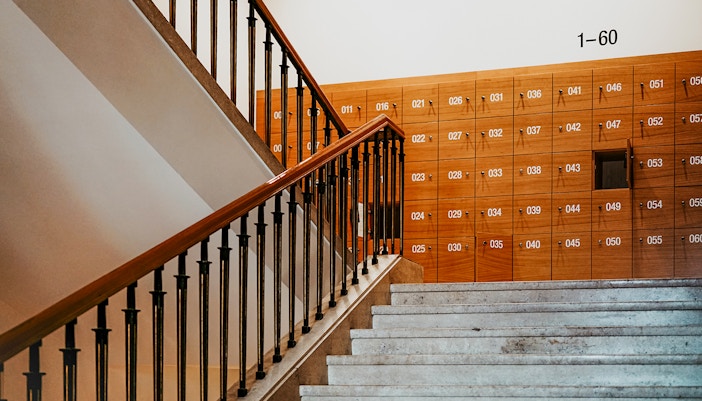
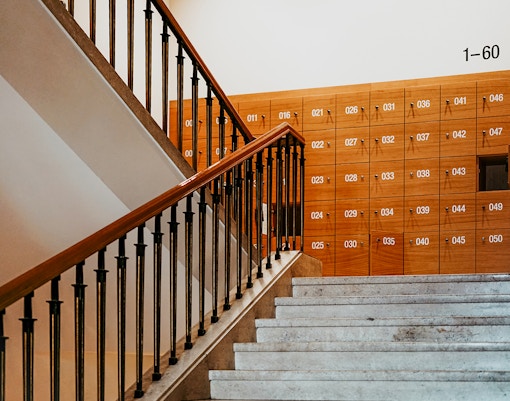
- 🎒 Lockers: Free lockers are available near the entrance, which is helpful if you’re coming in with coats, backpacks, or shopping bags from Oxford Street.
- 🚻 Restrooms: Restrooms are available on-site, and accessible restrooms are part of the venue setup.
- 🥤 Snacks and drinks: There isn’t a full café inside, so treat the vending machine as a backup rather than your meal plan.
- 🛍️ Gift shop: There’s a small gift shop near the exit with illusion-themed souvenirs and novelty items, but it’s better for a quick memento than a long browse.
- 🪑 Seating / rest areas: This is a short standing visit rather than a sit-down museum experience, so plan breaks before or after rather than expecting lots of indoor seating.
- 👶 Buggy parking: Strollers aren’t allowed inside the exhibition spaces and must be left in the designated buggy parking area during your visit.
- ♿ Mobility: The venue is wheelchair accessible and mostly works well because the experience is laid out on one level with step-free access.
- 👁️ Visual impairments: Service dogs are welcome, but this is a strongly visual attraction, so the value of the visit depends heavily on how much of the illusion-based content you can experience visually.
- 🧠 Cognitive and sensory needs: Visit on a weekday morning if you want a lower-stimulation window, because mirrored rooms, moving visuals, and the Vortex Tunnel feel much more intense once the museum gets crowded.
- 👨👩👧 Families and strollers: The route is family-friendly, but strollers must stay in buggy parking, so younger children need to be carried or able to walk the full visit.
- 🎟️ Carer support: Carers can get a complimentary ticket, which makes planning easier if someone in your group needs support during the visit.
Twist Museum works well for children who like interactive spaces, movement, and taking part rather than just looking at displays.
- 🕐 Time: Around 1 hour is realistic with younger children, and the best plan is to prioritize the big visual rooms first while their attention is highest.
- 🏠 Facilities: The most useful family feature is the buggy parking area, since strollers can’t enter the exhibition spaces.
- 💡 Engagement: Let kids try to predict each illusion before you explain it, because the museum lands best when they feel the trick first and understand it second.
- 🎒 Logistics: Bring a fully charged phone for photos, keep bags small, and aim for the first few slots of the day if you want less waiting at the popular rooms.
- 📍 After your visit: Hamleys on Regent Street is an easy follow-up and only about a 10-minute walk away if you want to keep the day child-focused.
Rules and restrictions
Practical tips
- Booking and arrival: Book 2–3 days ahead for weekends and school breaks, and aim to arrive about 10–15 minutes before your slot so you can scan in, use the lockers, and start on time.
- Pacing: Don’t blow through the quieter sensory exhibits just because the first rooms are more photogenic — the Sound Lab and color-based spaces are where the museum feels more thoughtful and less like a photo stop.
- Crowd management: Tuesday to Thursday mornings work best here because the bottleneck isn’t the entrance — it’s the time each group spends setting up photos in the biggest illusion rooms.
- What to bring or leave behind: Bring a fully charged phone and keep bags light; lockers help, but the visit feels easier when you’re not juggling coats, shopping bags, and camera gear inside compact rooms.
- What to wear: Avoid making the whole visit about fashion over function — certain visual effects read better when you’re comfortable moving, posing, crouching, and retrying shots quickly.
- Food and drink: Eat before or after your visit rather than during it, because there’s no real café on-site and the vending machine is better for a last resort than lunch.
- With kids: If children are under 15, keep the visit moving and do the big visual rooms early, because once they’ve had the best photo moments, the quieter perception exhibits are easier to hold their attention in.
What else is worth visiting nearby?
Eat, shop and stay near Twist Museum
- On-site: There’s no proper café inside Twist Museum, so the vending machine is a fallback for drinks and snacks rather than somewhere you’ll want to build around.
- Selfridges Foodhall (5-min walk, 400 Oxford Street): Good for fast choice-heavy food before or after your slot, especially if your group can’t agree on one cuisine.
- Dishoom Carnaby (12-min walk, 22 Kingly Street): A reliable sit-down option after the museum if you want a more substantial meal than Oxford Street chains.
- Pret A Manger (3-min walk, Oxford Street): Best for a quick coffee or light bite if you’ve booked a morning slot and don’t want lunch to eat into the day.
- 💡 Pro tip: Eat before your timed entry if you’re visiting at lunchtime, because the museum itself is short and central enough that it’s easier to fold food into the plan before or after rather than break the middle of your day around it.
- Twist Museum gift shop: Small illusion-themed souvenirs and novelty items near the exit, best for a quick keepsake rather than serious shopping.
- Hamleys: Iconic toy store on Regent Street, worth it if you’re visiting with children or want to extend the playful mood of the museum.
- Selfridges: Department store shopping a short walk away, useful if Twist is one stop in a bigger Oxford Street day.
The area is very walkable, central, and convenient for a short London trip, especially if you want theaters, shopping, restaurants, and several Tube lines all within easy reach. The trade-off is price: staying around Oxford Street usually costs more than equally practical neighborhoods slightly farther out.
- Price point: This area skews expensive, with the biggest premium going to hotels right on Oxford Street or close to Oxford Circus.
- Best for: Short stays where you want minimal transit time and plan to move between the West End, Soho, Marylebone, and central sightseeing on foot.
- Consider instead: Covent Garden or Bloomsbury usually make more sense for longer stays, because both stay central while feeling less frantic and often slightly better value.
Frequently asked questions about visiting Twist Museum
Most visits take 1–1.5 hours. If you’re visiting with children, waiting for quieter moments in the big photo rooms, or repeating favorite exhibits, it can stretch closer to 2 hours, but it’s still designed as a compact attraction rather than a half-day museum.
Yes, booking ahead is the safer move, especially for weekends, school holidays, and rainy peak-season days. Twist Museum uses timed entry, and while last-minute slots do exist, the most convenient times usually go first and walk-up pricing can be worse than booking online in advance.
No, not in the way it is at major landmarks with long entrance queues. Twist Museum already works on timed entry, so the bigger issue is choosing a quieter slot, not paying extra to bypass a line that usually isn’t the main bottleneck.
Arrive around 10–15 minutes early. That gives you enough time to scan your ticket, use the lockers if needed, and start your visit on schedule without eating into your slot.
Yes, but keep it small if possible. Free lockers are available for coats, backpacks, and shopping bags, and that makes the visit much easier because several rooms work best when you’re moving, posing, and turning quickly without extra stuff in your hands.
Yes, personal photography is part of the experience and one of the main reasons people visit. A phone or small camera is the easiest setup, while bulkier equipment is less practical in the tighter rooms where people rotate through timed slots.
Yes, and it works well for families, friends, school groups, and other small groups because many exhibits are more fun when you try them together. Larger groups should book ahead so they can be timed properly and avoid getting split awkwardly at the busiest rooms.
Yes, it’s one of the reasons the museum works so well. The exhibits are interactive, visually immediate, and short enough to hold attention, though children under 15 must be accompanied by an adult and strollers stay in the buggy parking area.
Yes, the venue is wheelchair accessible. The experience is laid out on one level, service dogs are welcome, and carers can get a complimentary ticket, though the most visual and movement-based rooms still vary in how comfortable they feel from person to person.
Yes, but mostly near the museum rather than in it. There’s no proper on-site café, so it’s better to eat before or after your slot, and you’ll have plenty of choices within a 5–15 minute walk on and around Oxford Street.
Yes, but it’s usually better to book online first. Door sales depend on slot availability, and buying ahead gives you more control over timing while reducing the risk of showing up for a busy period and settling for a later entry.
Yes, adults enjoy it too, especially if you like interactive art, visual tricks, and taking photos together rather than standing back from exhibits. It’s family-friendly, but it doesn’t feel like a children-only attraction, and quieter weekday slots suit adults particularly well.