How to dress for Up at The O2

Up at The O2 does not have a formal dress code, but there are safety requirements that affect what you can wear. You’ll be fitted with a climb suit and harness, which are worn over your clothes, so the most important choice is arriving in an outfit that allows easy movement. The climb takes place on a sloped, bouncy surface with exposure to wind and changing weather, making flexible layers, trousers or shorts, and secure footwear essential. Skirts, dresses, heels, and unsuitable shoes can restrict your movement or mean you’ll need to switch to the footwear provided. Your harness and climb suit will keep you secure, but restrictive clothing can make movement harder and take away from the experience once you’re on the route.

Up at The O2 dress code: Quick facts

  • Dress code: There’s no formal dress code, but practical clothing suitable for a rooftop climb is required. You’ll be provided with a climb suit and harness, which are worn over your clothes, so choose an outfit that allows easy movement and works comfortably under the safety gear.
  • Footwear: You can wear your own shoes if they meet the climb requirements, or borrow climbing shoes provided on arrival. Suitable footwear must have a Velcro or laced fastening, a deep tread (walking or hiking shoes are ideal), and a clean sole free from mud or debris.
  • Socks: Socks must be worn if you borrow climbing shoes. If you arrive without socks, they can be purchased at reception before your climb.
  • Clothing: Wear comfortable, non-restrictive clothing suitable for a full-body safety harness. Trousers, leggings, or shorts are recommended over skirts or dresses, as they allow better freedom of movement during the climb.
  • Hair & accessories: Long hair must be tied back before the climb. Bags, cameras, and GoPros are not allowed on the climb itself. Phones must remain zipped inside a pocket and can only be used on the viewing platform.
  • Weather & layers: The climb takes place outdoors in all weather conditions, so dress for the forecast. Lightweight layers work well year-round, while jackets, gloves, and hats are recommended in colder months. Jackets and gilets may also be available if you need additional protection.
  • If your gear isn’t suitable: The climb team makes the final decision on the day to ensure safety requirements are met. If your footwear is unsuitable, they will provide climbing shoes at no extra cost so you can complete the experience safely.

Mandatory rules vs comfort tips

ItemMandatory to climb?Why it mattersIf you skip it

Safety harness

Yes

Every climber must wear the supplied full-body safety harness throughout the experience.

You won’t be permitted to take part in the climb, as the harness is essential for your safety and keeps you securely attached throughout the experience.

Secure, enclosed footwear

Yes

Shoes must provide good grip for walking across the roof. If your footwear isn't suitable, climbing shoes will be provided.

Suitable climbing footwear is mandatory for safety. If your shoes do not meet the requirements, you’ll need to change into the provided climbing shoes before starting the climb.

Socks

Yes (if using provided shoes)

Socks are required for hygiene and comfort when wearing the supplied climbing shoes.

You'll need to purchase a pair at Basecamp before the climb.

Long hair tied back

Yes

Loose hair can interfere with the harness or obstruct your vision during the climb.

Guides will ask you to tie it back before you begin.

Loose items (bags, GoPros, etc.)

Yes

Large bags and unsecured items aren't allowed on the roof for safety reasons. Phones and compact cameras are only permitted in zipped or buttoned pockets.

You'll need to store restricted items in the lockers before the climb.

Comfortable clothing & weather-ready layers

Recommended

Wear clothing that allows the harness to fit comfortably and add layers for changing weather conditions.

You can still climb, but you may feel uncomfortable in the harness or exposed to the weather.

Fashion‑forward or climb‑ready?

Up at The O2 is more like a guided outdoor activity than a city viewpoint, so your base outfit needs to work under a harness and climb jacket. Everyday jeans or leggings with a T‑shirt are fine as long as they’re flexible, paired with closed shoes that grip. Dresses, loose boots, and statement accessories are better saved for before or after the climb. The pragmatic move: treat this as “light adventure wear” and build the rest of your London look around that.

What to wear for a comfortable climb

For Up at The O2, dress as if you’re doing a light outdoor activity rather than a city photo-op.

  • A breathable top that you can comfortably wear under a climb jacket, paired with flexible trousers or leggings that work with a harness, will feel better than stiff denim or dresses.
  • Closed, flat shoes with secure fastening are essential for grip and confidence on the inclined roof surface.
  • Since you’ll be exposed to wind, sun, or rain, a simple layer system — a base layer plus a light jacket or climb shell — will keep you comfortable without adding bulk.
  • Aim for a compact, zipped-pocket setup instead of carrying bags, so you’re not juggling loose items during the climb.

Seasonal & weather tips

Summer (June–August)

  • How it feels: Warm days with direct sun exposure on the roof, although wind at the top can make it feel cooler than at ground level.
  • What to wear: Lightweight, breathable clothing, secure enclosed shoes, sunglasses, and sunscreen. Carry a light outer layer if the forecast is windy.
  • Tradeoff: Breathable fabrics help you stay cool, but very loose clothing can flap in the wind and feel distracting when you’re clipped into the safety system.

Spring & autumn (March–May, September–November)
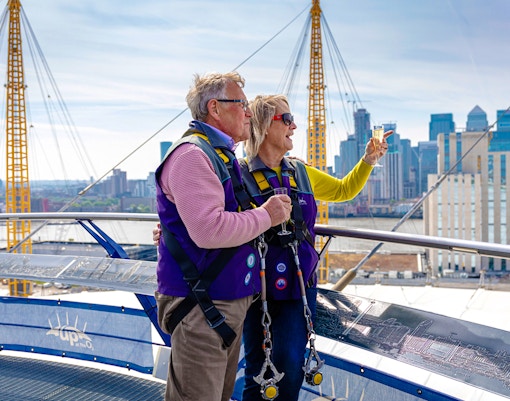
  • How it feels: Mild but unpredictable weather, with cooler winds on the roof compared with street level.
  • What to wear: Comfortable layers, secure footwear, and a lightweight jacket that can be adjusted as temperatures change.
  • Tradeoff: Multiple light layers are easier to manage under the harness than one heavy jacket that can feel restrictive as you move.

Winter (December–February)

  • How it feels: Cold and windy conditions can feel more intense on the exposed rooftop than at ground level.
  • What to wear: Warm layers, gloves, a hat, a weatherproof outer layer, and enclosed shoes with good grip.
  • Tradeoff: Thick coats keep you warm but can feel bulky under the harness, making your movements feel more restricted during the climb.

Rainy days (typically October–November)

  • How it feels: The climb can feel colder and more exposed in wet conditions, with wind and rain adding to the challenge on the open walkway.
  • What to wear: Quick-drying layers, a lightweight waterproof outer layer, and secure enclosed shoes with good grip. Avoid bulky rain gear that limits movement.
  • Tradeoff: Waterproof layers help keep you dry, but heavy or oversized rainwear can make you feel stiff inside the harness and less comfortable on the climb.

Is it worth dressing up?

Not really. Up at The O2 is an active outdoor climb, so practical clothing is far more important than a stylish outfit. Comfortable trousers or shorts, a breathable top, and secure enclosed shoes are ideal for the climb. If you're heading to a concert, restaurant, or event at The O2 afterwards, pack a smarter jacket or change of clothes rather than climbing in formal wear. Comfort, safety, and freedom of movement should always come first.

Frequently asked questions about Up at The O2 dress code

There's no formal dress code, but you must wear practical clothing suitable for an outdoor rooftop climb. Staff check that your clothing and footwear meet the safety requirements before the climb begins, and unsuitable items may need to be changed or replaced.

More reads