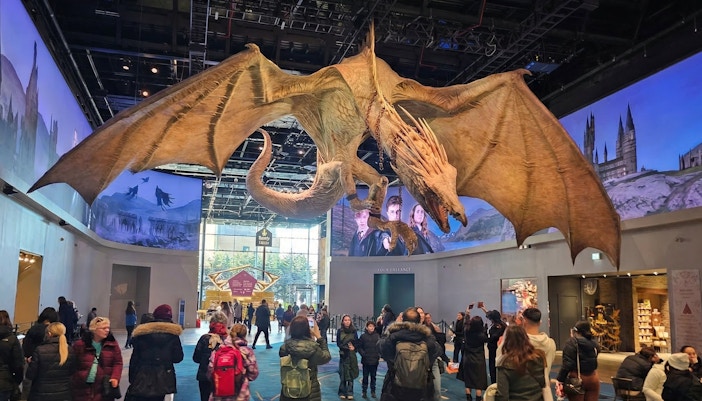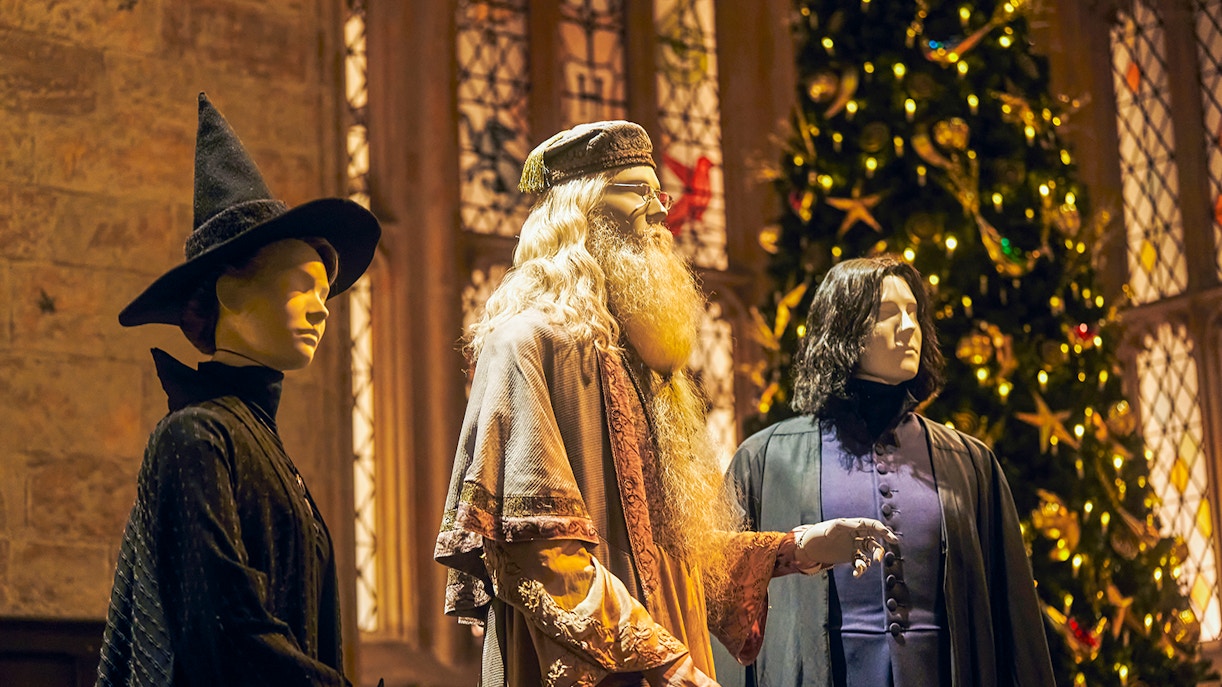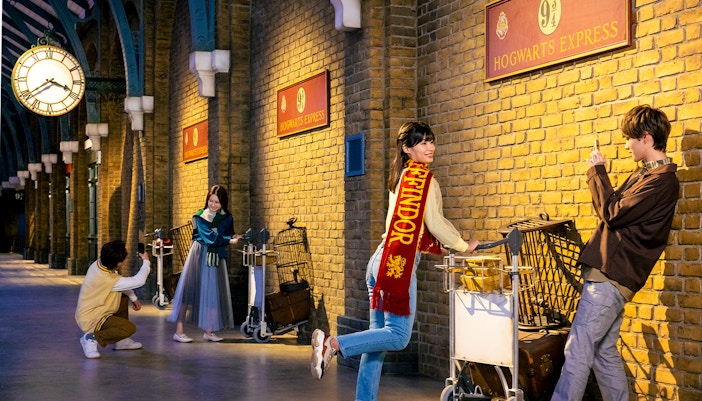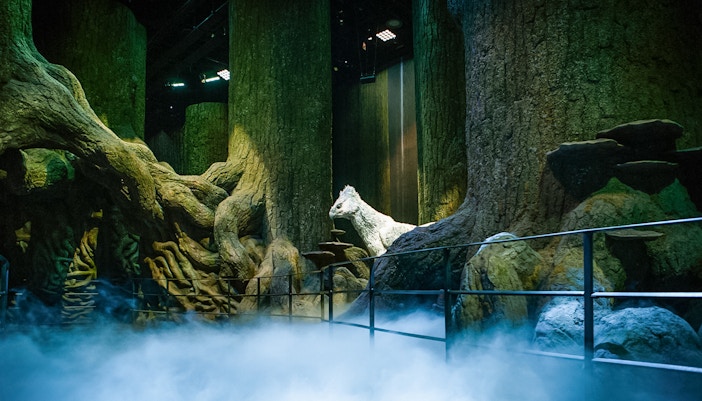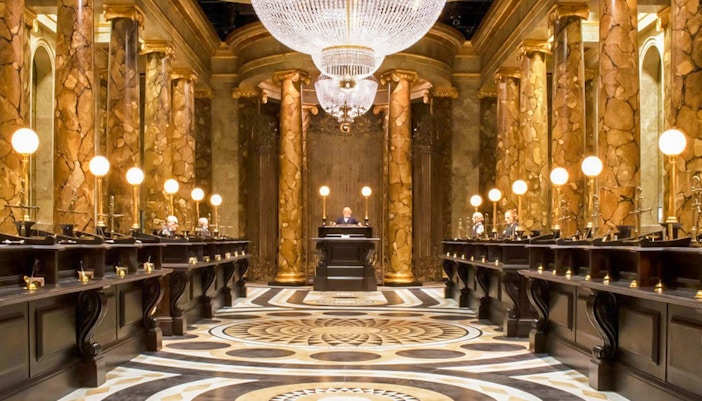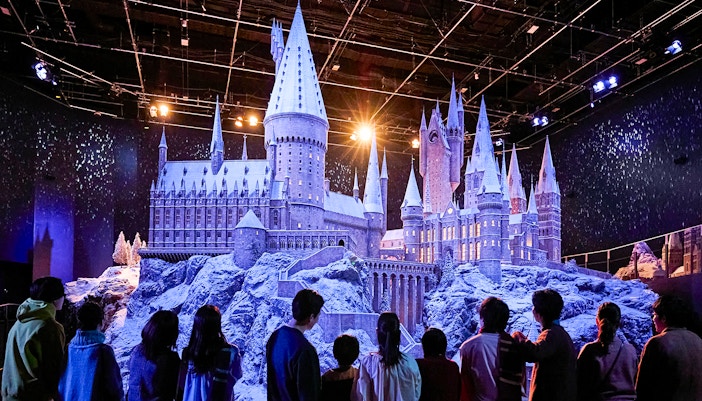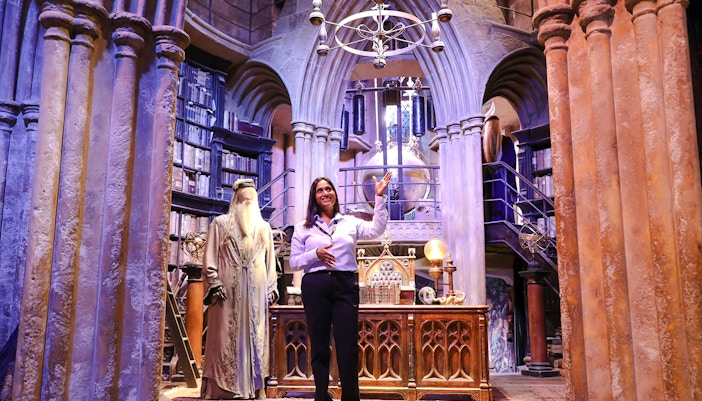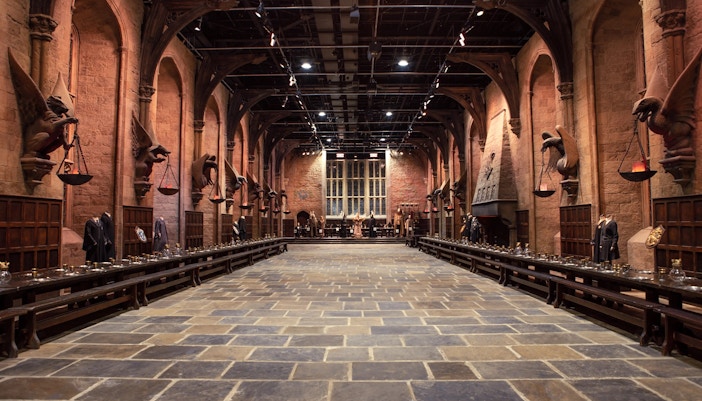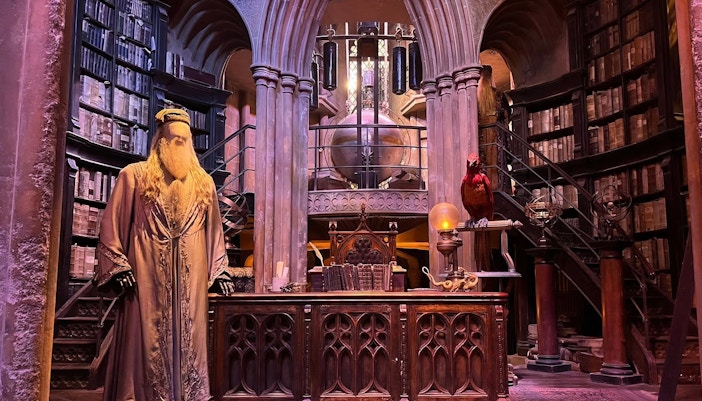
Leavesden wasn't just a set; it was a home. For over a decade, the cast and crew lived and worked here. Because Warner Bros. owned the space, they didn't have to strike (tear down) sets between films. This allowed the Gryffindor Common Room and Dumbledore’s office to remain standing for ten years, gathering a "lived-in" detail that CGI simply couldn't replicate.
Warner Bros. Studio Tour London history | From aircraft hangar to Hogwarts
Spanning 80 acres in Leavesden, Warner Bros. Studio Tour London transformed from a WWII aircraft factory and airfield into the iconic birthplace of all eight Harry Potter films. Today, it stands as the ultimate destination for fans to walk the stone floors of the Great Hall, step into Diagon Alley, and explore original film sets.
Planning your visit to Leavesden? Experience the history in person with official tour tickets, including optional return transport from central London.
Warner Bros. Studio history timeline
- 1940: Leavesden Aerodrome opens
The site serves as a factory for Mosquito and Halifax bombers during WWII. - 1994: From runway to reels
The abandoned hangars are converted into film stages, hosting GoldenEye. - 2000: Harry Potter arrives
Production begins on The Philosopher’s Stone, making Leavesden its permanent home. - 2010: A permanent legacy
Warner Bros. officially purchases the site, becoming the first Hollywood studio with a permanent UK base. - March 31, 2012: The magic begins
The Studio Tour officially opens to the public, featuring original sets and props. - 2015: The Hogwarts Express pulls in
A massive expansion adds Platform 9¾ and the original steam engine. - 2017: Entering the Forbidden Forest
A new permanent expansion opens, featuring Aragog and 19 towering, handcrafted trees. - 2019: Gringotts Wizarding Bank
The tour’s largest expansion to date opens, featuring the lavish bank and the Lestrange Vault. - 2022: Professor Sprout’s Greenhouse
A new section of the backlot opens, allowing fans to interact with Mandrakes. - Today: A living production hub
While fans tour the magic, blockbuster hits like Barbie and House of the Dragon film next door.
Warner Bros. Studio history explained
Between 2000 and 2010, Leavesden housed the production for all eight Harry Potter movies. If you want to see the authentic costumes, prop workshops, and sets preserved exactly as they were during filming, you can secure Harry Potter studio tour tickets with return transport in advance to guarantee your timed entry.
Construction and architecture of Warner Bros. Studio Tour London
Major expansions: Beyond the ‘boy who lived’
Warner Bros. Studio Tour London today – Why it matters
Today, the studio is far more than a museum; it is a UNESCO-level celebration of British film industry talent. While the Studio Tour preserves the legacy of the Harry Potter franchise, the surrounding Warner Bros. Studios Leavesden remains one of the most advanced filming facilities in the world.
- Global significance: It is one of the few places where fans can see the bones of a production. It serves as an educational hub for aspiring filmmakers to study costume design, creature effects, and set engineering.
- What to see: Visitors can now explore the Backlot, which features the exterior of 4 Privet Drive and the towering triple-decker Knight Bus.
- The legacy: The studio's success paved the way for the UK to become a global leader in high-end television and film production, proving that movie sets are historic artefacts worth saving.
Frequently asked questions about the Warner Bros. Studio history
A guided tour is highly recommended. Expert guides share behind-the-lens stories about the actors and the technical challenges faced by the crew during the decade of filming.
The Studio Tour opened its doors on March 31, 2012. However, the site has been a filming hub since 1994 and an airfield since 1940.
The tour was designed by the Thinkwell Group in close collaboration with the original film crew, including Oscar-winning production designer Stuart Craig, to ensure every detail remained authentic to the movies.
No. The working studio is a separate, secure facility. However, the tour is located right next to the active soundstages where films like The Batman and Wonka were recently shot.
Yes. After the 2010 purchase, the studio hosted productions like Fantastic Beasts, Justice League, Edge of Tomorrow, The Legend of Tarzan, parts of The Batman, and many more.
Yes. These are the actual sets, not replicas. They were meticulously preserved and, in some cases, moved a few hundred feet from their original filming positions to create a better flow for visitors.
Yes. While the original core sets remain, major expansions like Platform 9¾ and Gringotts Bank have significantly extended the route and experience.
Some were archived, some scrapped, but many were restored or rebuilt for the tour using original blueprints and input from the crew.
The studios are located at Leavesden in Watford, Hertfordshire, built on the historic site of the former Leavesden Aerodrome aircraft factory.
Yes, Leavesden served as the primary filming location and base for all eight Harry Potter films over a 10-year production span.
You can visit the studio stages by booking official Harry Potter London tour tickets in advance, as tickets are strictly not sold at the door.