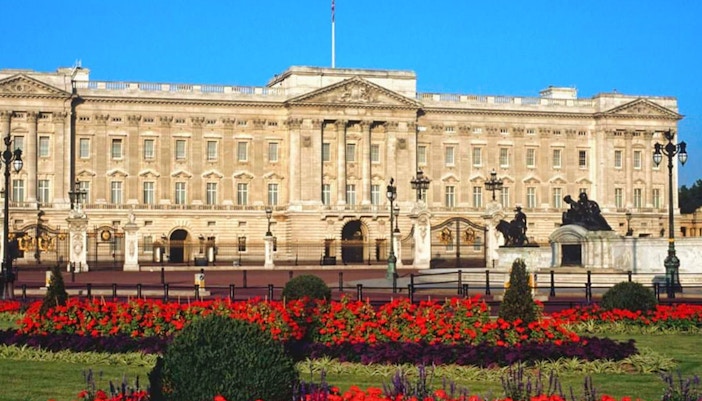
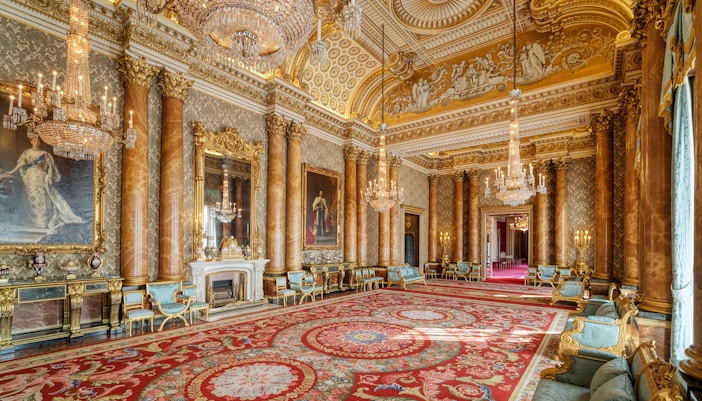
In 1703, work began on Buckingham House by William Winde for the Duke of Buckingham. With its large central block and smaller wings, it was the perfect 18th-century city retreat. Little did they know, this was the first step toward what would become Buckingham Palace!
Buckingham Palace history | The story behind London’s royal residence
Buckingham Palace wasn’t always a palace. Built as Buckingham House in the early 18th century, it began as a private townhouse before George III bought it in 1761 as a family residence. Under George IV, the house was extensively rebuilt and expanded into a palace, with work beginning in 1826. It became the official London residence of the British monarch in 1837, when Queen Victoria came to the throne. Today, Buckingham Palace remains a working royal residence and one of London’s most recognisable landmarks.
Buckingham Palace timeline
Buckingham Palace has a rich history dating back to the early 1700s. Here's a comprehensive timeline that covers all the pivotal moments in Buckingham Palace's history:
- 1703: Buckingham House is designed by architect William Winde for John Sheffield, the Duke of Buckingham.
- 1761: King George III buys Buckingham House for £21,000 and transforms it into a royal residence for Queen Charlotte.
- 1820–1830: When George IV ascends to the throne, he renovates Buckingham House into a grand palace.
- 1837: Queen Victoria makes Buckingham Palace her home, officially establishing it as the royal residence.
- 1847: Architect Edward Blore completes the palace's new East Front, giving Buckingham Palace its iconic, recognizable look.
- 1911: The forecourt, where the Changing of the Guard takes place, is added to the palace as part of the Victoria Memorial scheme.
- 1940: During WWII, Buckingham Palace is bombed multiple times, with significant damage on September 13, 1940, when German raids destroy the chapel and damage other areas.
- 1948: Prince Charles, the future King of the United Kingdom, is born at Buckingham Palace.
- 1952: Queen Elizabeth takes the oath as The Queen and moves into the palace with Prince Philip.
- 2022: Queen Elizabeth II's Platinum Jubilee is celebrated with grand festivities at Buckingham Palace, further cementing its role as a key royal venue. The same year, the Queen's coffin is moved from the palace to Westminster Abbey, and millions of people gather in mourning.
- 2023: After King Charles III's coronation at Westminster Abbey, Buckingham Palace sees balcony appearances and other celebrations.
Buckingham Palace's history explained
William Winde's design for Buckingham House (1703)
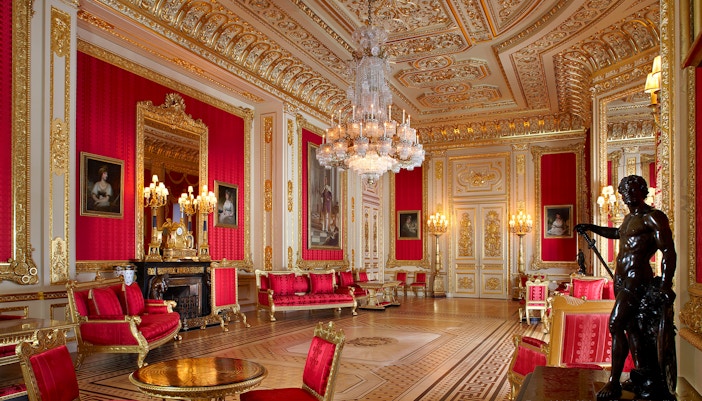
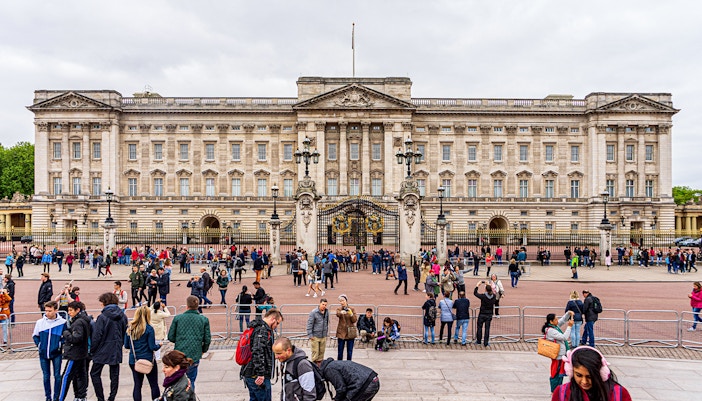
George III converts Buckingham House (1761)
In 1761, King George III bought Buckingham House for Queen Charlotte, giving it a royal makeover. Originally a private townhouse near St James's Palace, it became a family home for the royal couple and their kids, soon dubbed "The Queen's House."
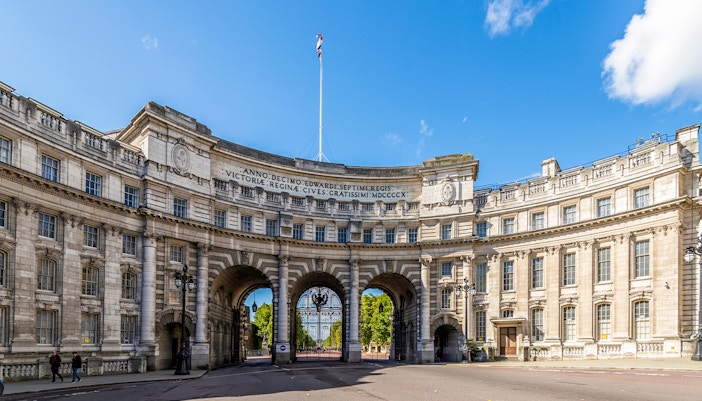
Transformation of Buckingham Palace (1820-1830)
Between 1820 and 1830, King George IV turned it into a palace with architect John Nash at the helm. He expanded the building, creating a U-shape with two wings and a grand forecourt with a triumphal arch, exceeding the budget and sparking tensions with Parliament.
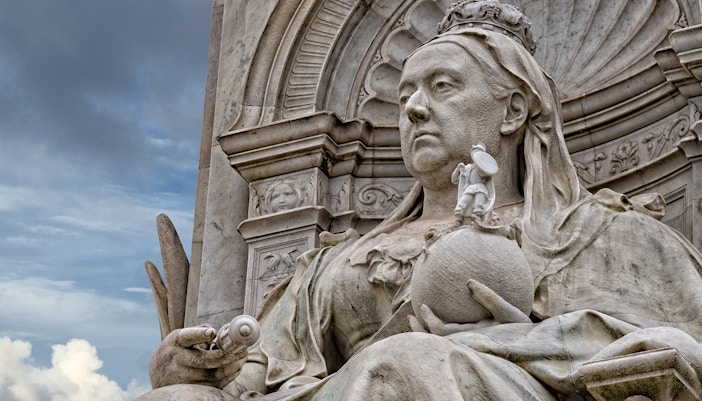
The official residence of Queen Victoria (1837)
In 1837, Queen Victoria became the first monarch to officially live at Buckingham Palace. Before her, kings and queens had used St James's Palace as the official royal residence. Victoria and Prince Albert soon ran into a few issues with the Palace's design, including a lack of space for their growing family.
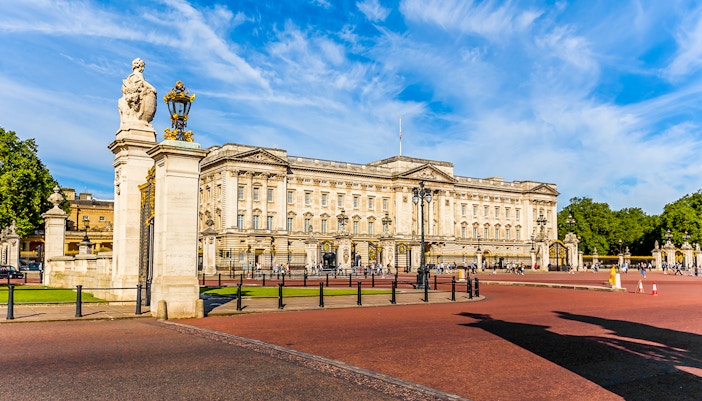
East Front construction by Edward Blore (1847)
In 1847, architect Edward Blore worked on the East Front, sealing the open courtyard and creating the grand façade. Prince Albert's idea for the central balcony allowed the royal family to connect with the public, making the palace both grand and accessible to all.
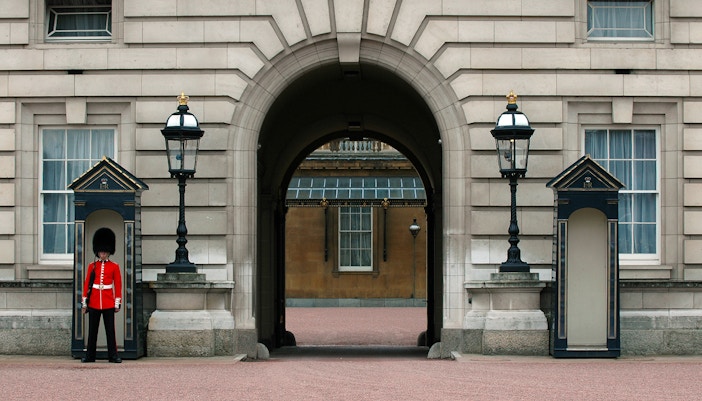
Addition of the Forecourt (1911)
In 1911, the forecourt was created as part of the grand Victoria Memorial scheme. New gates and railings gave it a ceremonial flair, and it became the home of the Changing the Guard ceremony. The transformation made the palace a symbol of royal heritage and tradition.
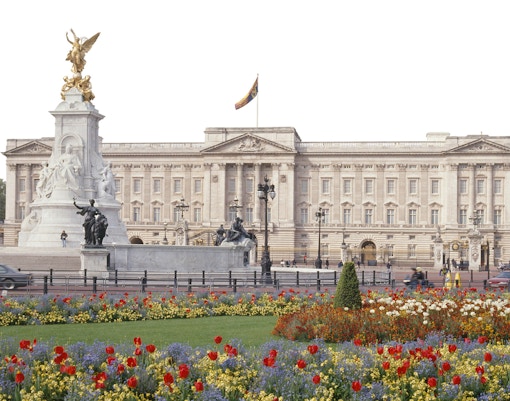
Bombing on Buckingham Palace (1940)
On September 13, 1940, during WWII, Buckingham Palace was bombed multiple times, including hits to the Royal Chapel and inner quadrangle. King George VI and Queen Elizabeth (the Queen Mother) were home but unharmed, deepening their bond with the British people.
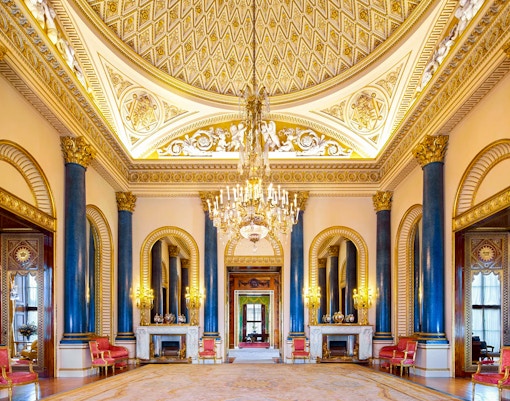
Birth of Prince Charles of Wales (1948)
Prince Charles was born on November 14 at the palace during the reign of his grandfather, King George VI. He was the first child of Princess Elizabeth and Prince Philip. A month later, he was christened in the Music Room, becoming the longest-serving heir apparent.
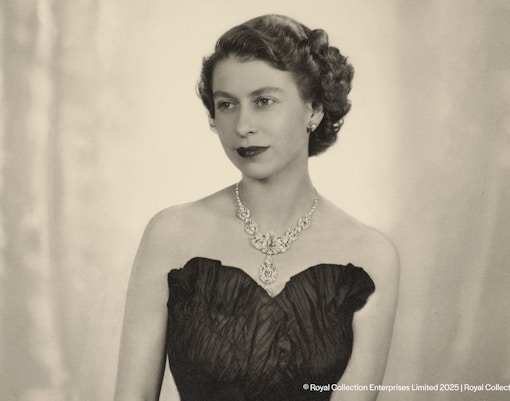
Queen Elizabeth in the Palace (1952)
After her father passed away in 1952, Elizabeth became Queen at just 25 and moved into Buckingham Palace with Prince Philip. Though her coronation was in 1953, her time at Buckingham Palace was the start of a new royal era.
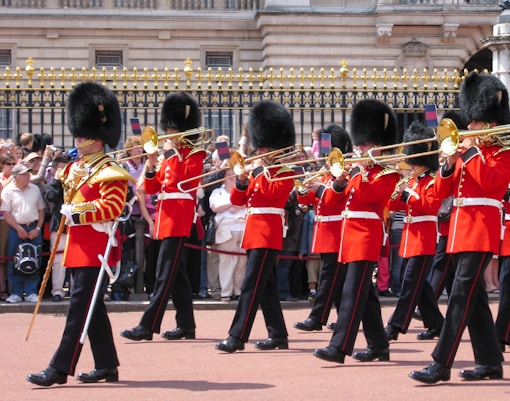
Platinum Jubilee of Queen Elizabeth (2022)
In 2022, Queen Elizabeth II's Platinum Jubilee saw Buckingham Palace shine during her 70-year reign celebration. From June 2 to 5, there were parades, a concert, and the Queen's balcony appearance, where she thanked the public.
Construction and architecture of Buckingham Palace
Buckingham Palace is a patchwork of styles built up over three distinct phases, each with a different architect's stamp on it.
- Materials: The original house was built from honey-coloured Bath stone. The East Front, added later, first used a soft French limestone that wore down fast in London's soot, so it was reclad in Portland stone, a pale, weather-resistant limestone quarried on England's south coast, giving the palace its crisp white look today.
- Style: The palace is mainly neoclassical, a style inspired by ancient Greek and Roman buildings known for columns and symmetry, layered over the original 1703 house, which was Baroque, a more ornate design typical of that era.
- Key contributors: John Nash shaped the palace's grand neoclassical core in the 1820s, Edward Blore designed the East Front and its now-famous balcony, and Sir Aston Webb gave it the Portland stone façade you see from The Mall.
- Recent restoration: A decade-long renovation begun in 2017 is replacing wiring, plumbing, and heating untouched since the 1950s while keeping the historic exterior intact.
Buckingham Palace today
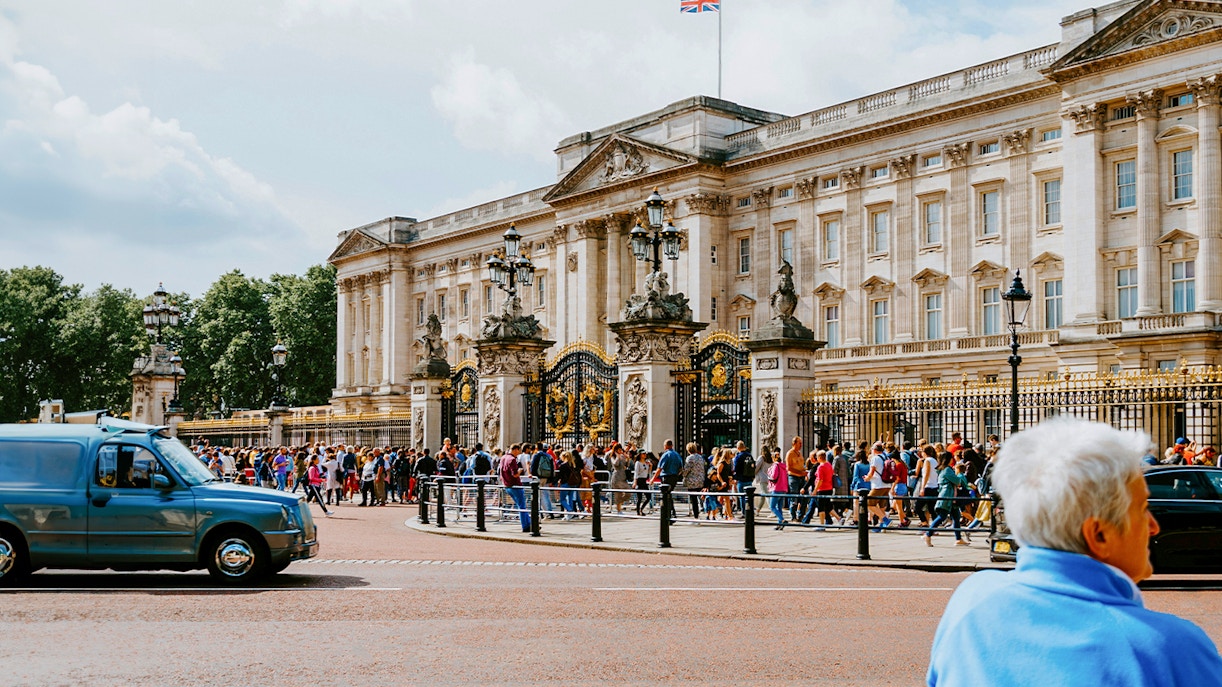
Buckingham Palace remains the monarchy's official London residence and headquarters, run by the Royal Household. King Charles III doesn't actually live here — he and Queen Camilla have stayed at Clarence House since before he took the throne, and will continue to even after the renovation finishes. Its importance hasn't dimmed, though: state visits, investitures, and balcony moments still happen here.
Here's what makes it worth seeing today:
- The State Rooms: Open to the public each summer, giving you a rare look inside a working royal palace.
- The Royal Collection: Centuries of royal art, furniture, and treasures on display as you move through the rooms.
- The Changing the Guard: The ceremony most visitors come for: the King's Guard handover, usually Monday, Wednesday, and Friday at 11am, free to watch from the railings or Victoria Memorial steps.
Frequently asked questions about Buckingham Palace's history
Buckingham Palace is not the personal property of the monarch. It's an Occupied Royal Palace, held in trust for the nation by the Crown and maintained by the Royal Household.
King James I attempted to cultivate silkworms on the palace grounds by planting mulberry trees to break France's silk monopoly. According to popular history, the project failed because he used the wrong type of mulberry tree.
The balcony of Buckingham Palace is iconic for royal appearances during crucial events like VE Day (Victory in Europe Day, May 8, 1945, marking the end of World War II in Europe) and royal weddings. Queen Victoria made the first recorded appearance there in 1851.
Queen Victoria was the first monarch to take up official residence at Buckingham Palace in 1837, just a month after her accession to the throne.
Though Buckingham Palace became the official royal residence under Queen Victoria in 1837, it was her son, Edward VII, who was the first royal born there in 1841.
Yes, King Edward VII is the only monarch to have been both born and died at Buckingham Palace. He died there in 1910.
King George III, Queen Victoria, and subsequent monarchs, including the late Queen Elizabeth II, have all contributed to its legacy.
Unlike the Tower of London, which was built as a military fortress, Buckingham Palace was originally a private house. It was designed to be a grand and elegant home rather than a defensive stronghold, a function it maintains today as a working Palace and a symbol of the state.