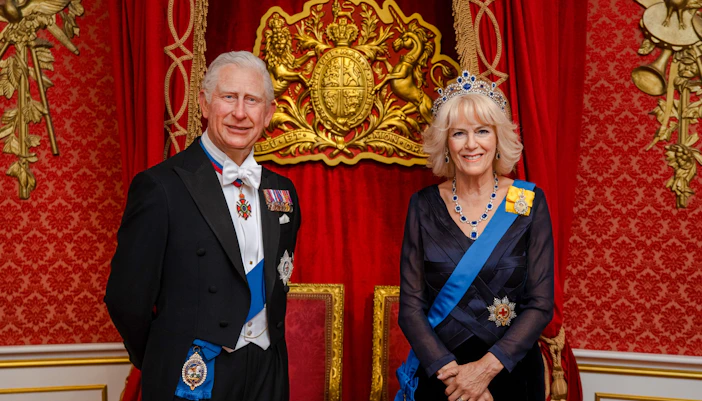
Born November 14, 1948, at Buckingham Palace, Charles became King on September 8, 2022, following Queen Elizabeth II's death. He became heir apparent at age three in 1952. He married Lady Diana Spencer in 1981 — they had two sons, William and Harry — before the marriage ended in 1996. He married Camilla Parker Bowles in 2005.
The Royal Family at Buckingham Palace
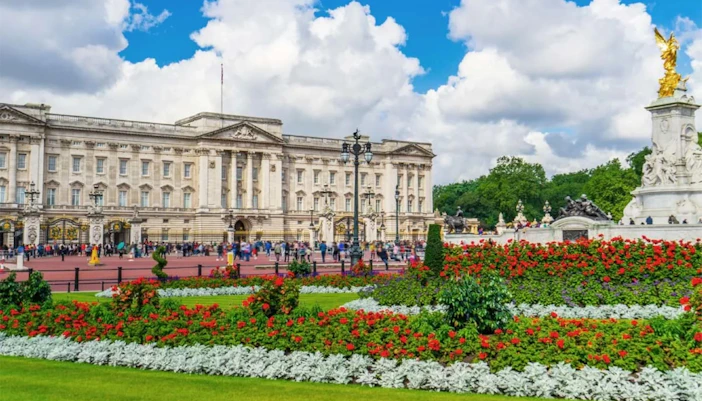
The Royal Family has shaped the story of Buckingham Palace for centuries — hosting monarchs, state occasions, ceremonies, and important moments in the nation's history. From Queen Victoria, the first monarch to live there, to King Charles III today, the palace has remained at the centre of royal life. Discover the monarchs and royal family members connected to Buckingham Palace, their roles, and how the palace became one of the most recognisable symbols of the British monarchy.
The current Royal Family
- The King, Charles III: Following the long and historic reign of his mother, Queen Elizabeth II, King Charles III ascended to the throne in 2022. He is the Head of the Commonwealth and the Supreme Governor of the Church of England.
- The Queen, Camilla: Queen Camilla is the consort of King Charles III. She supports The King in his duties and undertakes her own public engagements and charitable work.
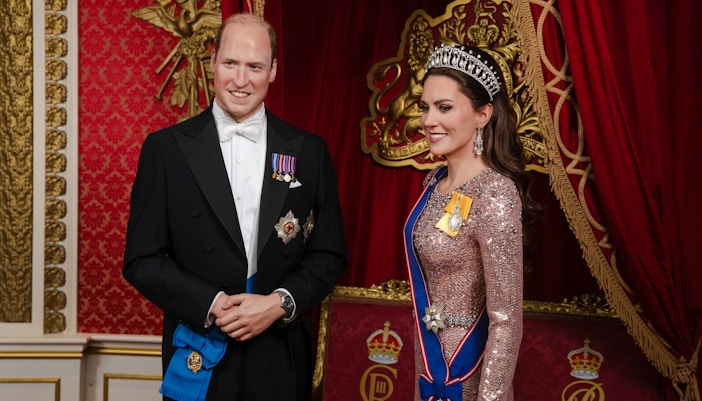
- The Prince and Princess of Wales: Prince William, as the heir to the throne, and his wife, Catherine, play a central role in the monarchy. They are parents to Prince George, Princess Charlotte, and Prince Louis, who are next in the line of succession but are not working royals themselves.
- Other working royals: Other members of the family carry out official duties and support The King. These include The Princess Royal (Princess Anne); the Duke and Duchess of Edinburgh (Prince Edward and Sophie); the Duke and Duchess of Gloucester; the Duke of Kent; and Princess Alexandra.
More about the Royals
King Charles III
Queen Camilla
Born July 17, 1947, to Major Bruce Shand and Rosalind Cubitt, Camilla married the then-Prince of Wales on April 9, 2005. She was previously married to Brigadier Andrew Parker Bowles, with whom she has two children. She became Queen Consort in 2022 and supports The King in his duties while undertaking her own public engagements.
The Prince of Wales
William, heir to the British throne, is the eldest son of King Charles III and Diana, Princess of Wales. He is married to Catherine, The Princess of Wales, and they have three children: George, Charlotte, and Louis. He served over seven years in the British Armed Forces, including as an RAF search-and-rescue pilot, and continues to focus on the welfare of armed forces personnel alongside his public duties.
The Princess of Wales
Born Catherine Elizabeth Middleton, she married Prince William at Westminster Abbey in 2011. Alongside her royal duties, she launched The Royal Foundation Centre for Early Childhood in 2021 and co-founded the "Heads Together" mental health campaign with William and Harry in 2016.
The Princess Royal
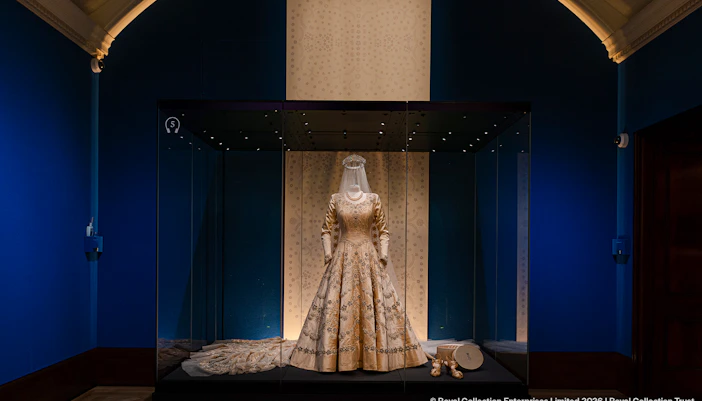
Princess Anne, widely seen as the hardest-working royal, began public duties at 18 and is now involved with over 300 charities and organizations. She was the first royal to compete in the Olympics, in equestrian eventing at the 1976 Montreal Games.
The Duke and Duchess of Sussex
Prince Harry, younger son of King Charles III and Diana, Princess of Wales, served 10 years in the British Armed Forces, before founding the Invictus Games. He married Meghan Markle, then an actress known for Suits, in 2018. The couple stepped back as working royals in 2020 and have two children.
The Duke of Edinburgh
Prince Edward supports the monarchy through official duties alongside his wife, The Duchess of Edinburgh. He has a long-standing involvement with The Duke of Edinburgh's Award, founded by his father, Prince Philip, in 1956, and focuses on the arts, youth development, and sport.
The Duchess of Edinburgh
Sophie is a full-time working royal and Patron of over 70 charities and organizations, with a focus on gender equality, women's rights, avoidable blindness, and disability support. She also holds several honorary military appointments.
The Duke of Gloucester
Prince Richard, first cousin of the late Queen Elizabeth II, is a full-time working royal supporting King Charles III's official duties. He is associated with over 150 charities and organizations, with a particular interest in architecture and conservation.
The Duchess of Gloucester
Birgitte, married to Prince Richard, is a full-time working royal connected with over 60 organizations spanning the arts, sport, health, education, and the military. She travels extensively across the UK and overseas for engagements.
The Duke of Kent
Prince Edward, first cousin of the late Queen Elizabeth II, has been a working royal since 1976, supporting more than 140 charities and organisations, particularly those commemorating the war dead. He served as President of the All England Lawn Tennis and Croquet Club for over 50 years and held senior British trade roles until 2001.
Princess Alexandra
First cousin of the late Queen Elizabeth II, Princess Alexandra supports charities as Patron or President, with a focus on cancer research, mental health, and palliative care. She represented Queen Elizabeth II at Nigeria's independence celebrations in 1960.
Previous royal residents of Buckingham Palace
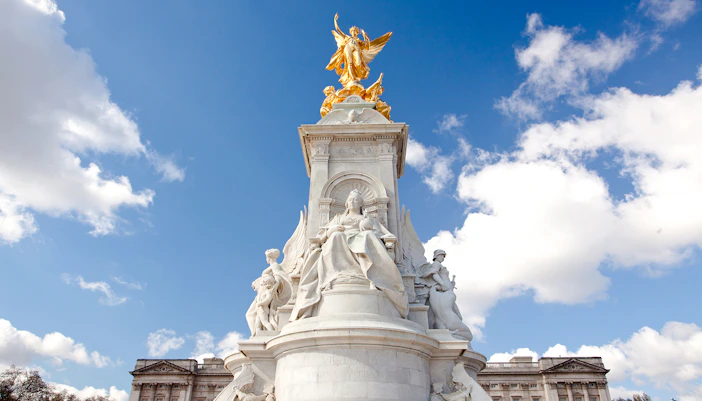
- Queen Victoria: The first sovereign to rule from the palace in 1837. With her husband, Prince Albert, she transformed the Palace into a lively hub for family, entertainment, and official business. After Albert's death in 1861, she was often absent from the Palace, which began to look neglected by the end of her reign.
- King Edward VII: Determined to revive the Palace's social life, King Edward VII and his consort, Queen Alexandra, made the Palace the focus of fashionable London society during his short reign (1901–1910).
- King George V: His wife, Queen Mary, was instrumental in restoring the Palace's interiors, returning its Regency character. The Palace was the centre of national celebrations for his Silver Jubilee in 1935.
- King George VI: He and his family remained at Buckingham Palace during World War II, even after parts of the Palace were damaged by bombing raids. Their presence was a powerful symbol of resistance and solidarity for the British people.
- Queen Elizabeth II: As the longest-reigning monarch, Queen Elizabeth II made the Palace the working headquarters of the monarchy. She and Prince Philip lived in the private apartments, while other Royal Family members had apartments on the upper floors. Much of the ground floor and the south wing was used by the staff of the Royal Household.
What goes on at Buckingham Palace?
Royal events and ceremonies
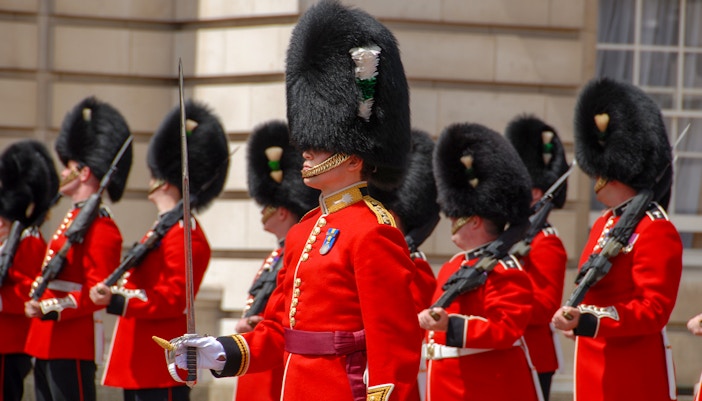
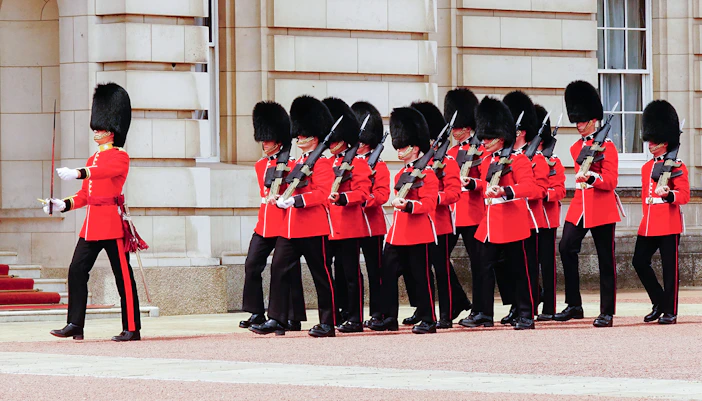
Buckingham Palace hosts some of the UK's most important royal occasions. Watch the Changing the Guard on select days, or see State Banquets welcoming visiting heads of state. The palace is also the starting and finishing point for the monarch's procession during Trooping the Colour, held each year to mark the monarch's birthday.
Administrative hub
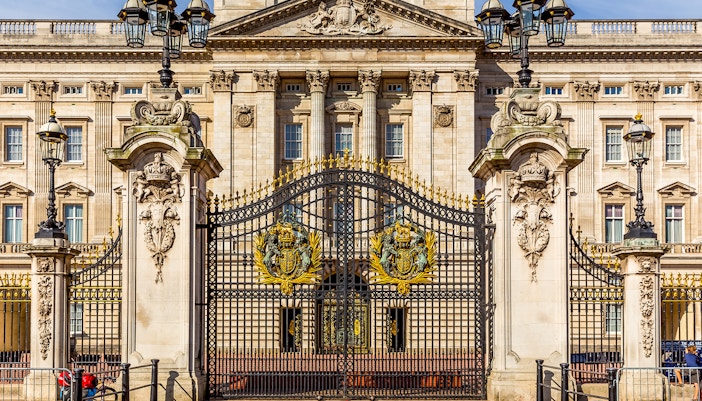
Beyond ceremony, Buckingham Palace is the administrative headquarters of the monarchy. It hosts State Banquets, receptions, lunches, dinners, and garden parties throughout the year, welcoming tens of thousands of guests annually.
Audiences with the Prime Minister
The King meets the Prime Minister privately each week at Buckingham Palace to discuss matters of government. Following a general election or a Prime Minister's resignation, a potential new Prime Minister is called to the palace, where the monarch asks whether they will form a government.
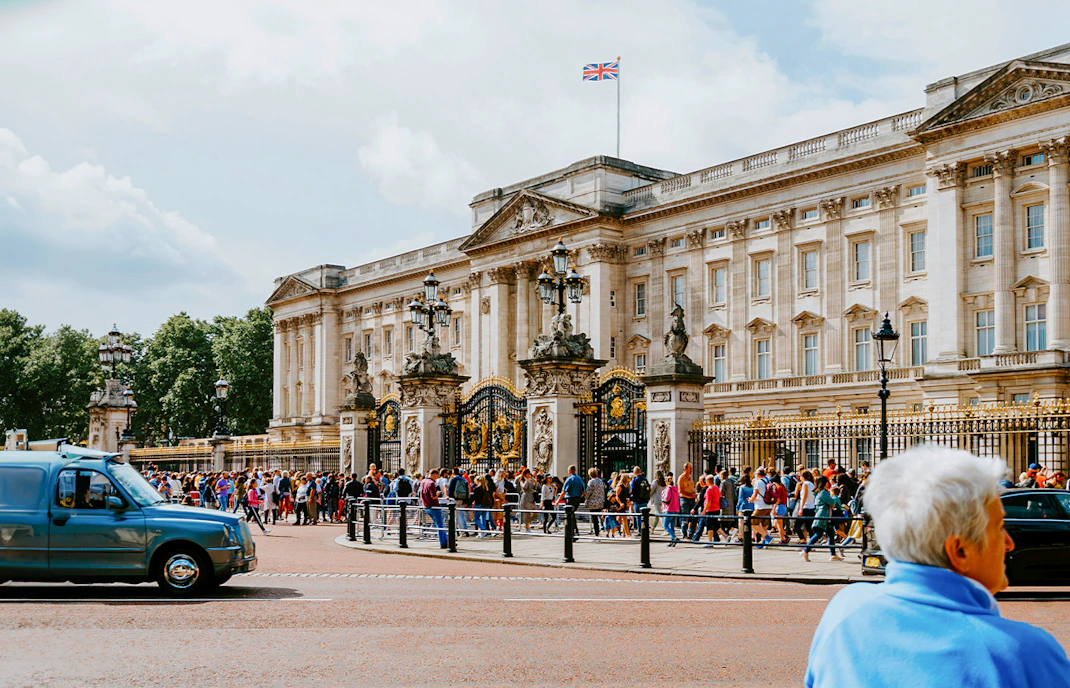
Sending off the State Opening of Parliament
Buckingham Palace is the starting point for the King's procession to the State Opening of Parliament at Westminster. The Vice-Chamberlain of the Household traditionally remains behind as a symbolic hostage while the monarch attends.
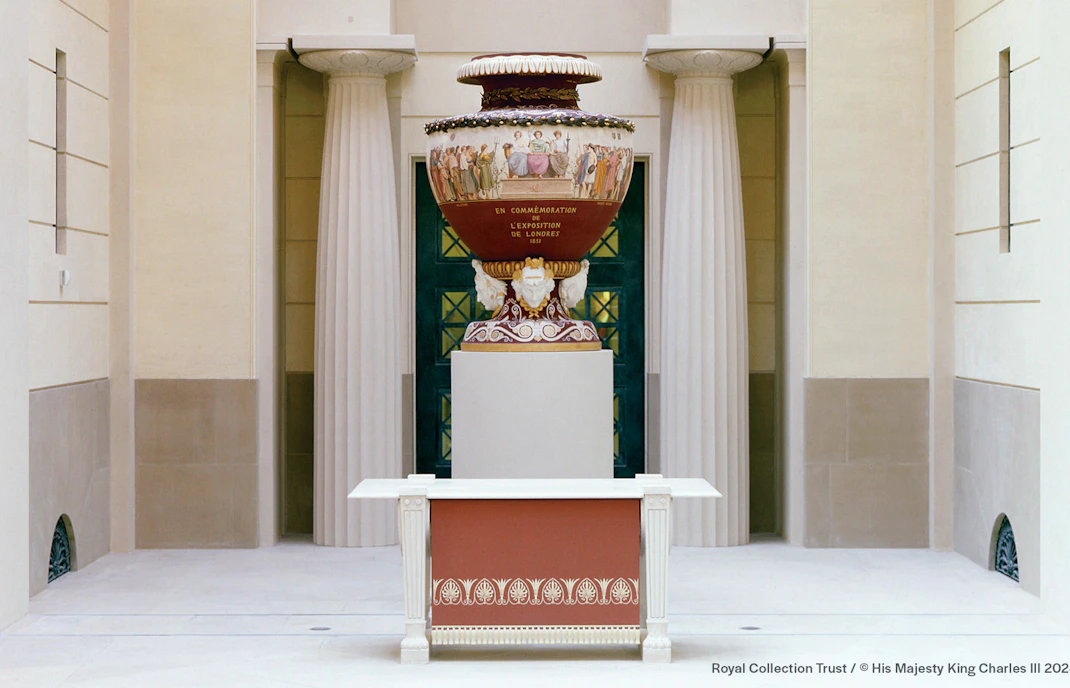
Privy Council meetings
Buckingham Palace hosts some meetings of the Privy Council, where the King formally approves Orders in Council and other business. The Council meets roughly once a month, at locations including Buckingham Palace, St James's Palace, and Windsor Castle.
From townhouse to throne room
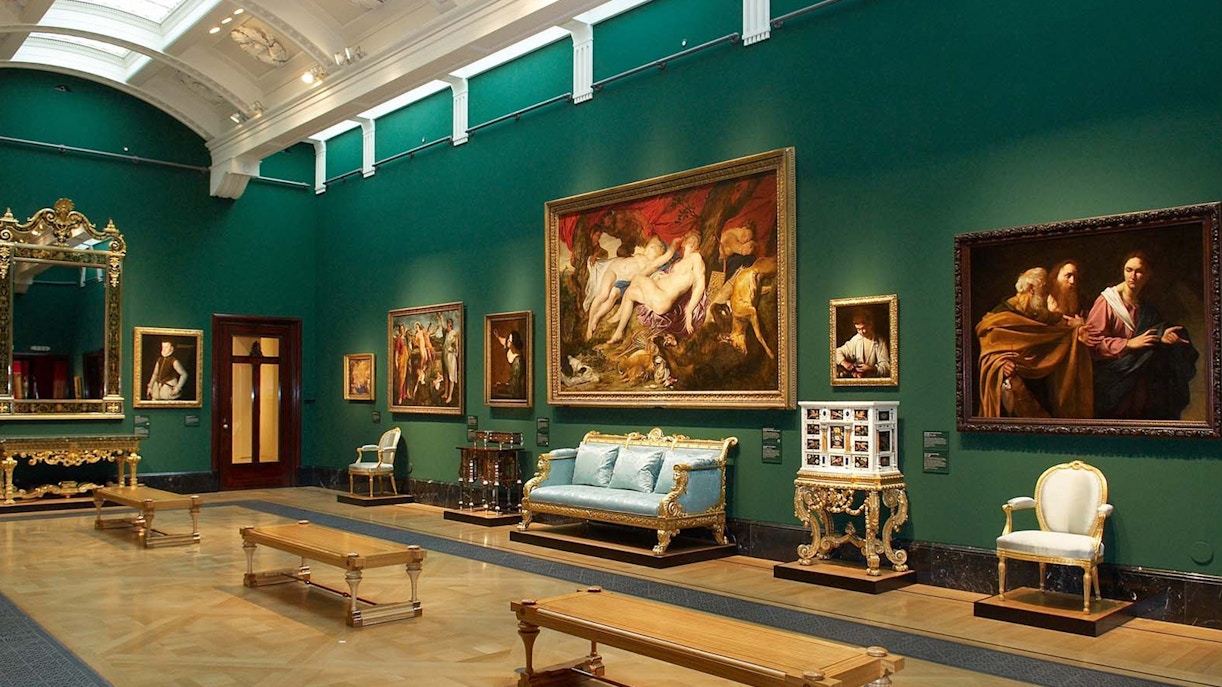
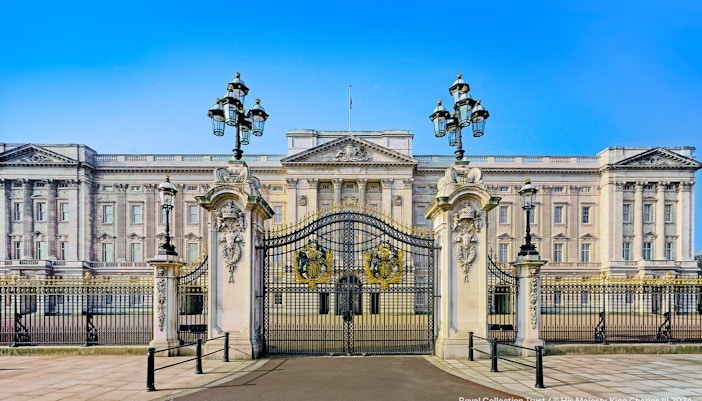
The building you see today began its life in 1703 as a large townhouse for the Duke of Buckingham: John Sheffield. It was purchased by King George III in 1761 for his wife, Queen Charlotte, and was known as "The Queen's House."
It wasn't until the 1820s, under the direction of King George IV, that the building was transformed into a grand palace. Architect John Nash oversaw the major reconstruction, adding three new wings around a central courtyard.
In 1837, Queen Victoria became the first sovereign to make Buckingham Palace her official London residence. The Palace has since been the setting for historical events, including celebrations and ceremonies, as well as being bombed during World War II.
Buckingham Palace today
Buckingham Palace remains a working palace and the centrepiece of the UK's constitutional monarchy. It hosts royal events and ceremonies, from State Banquets and receptions to investitures and Garden Parties. More than 50,000 people visit each year as guests, while King Charles III holds weekly audiences with the Prime Minister and receives newly appointed foreign Ambassadors at the Palace.
The Palace is not open to the public year-round. The State Rooms typically welcome visitors during the summer opening from July to September, with guided tours offered on selected dates at other times. The King's Gallery and Royal Mews have separate seasonal schedules and tickets. The Changing the Guard ceremony takes place in the Palace forecourt several days a week, although schedules can change due to weather or state events.
Inside the Palace
1/7
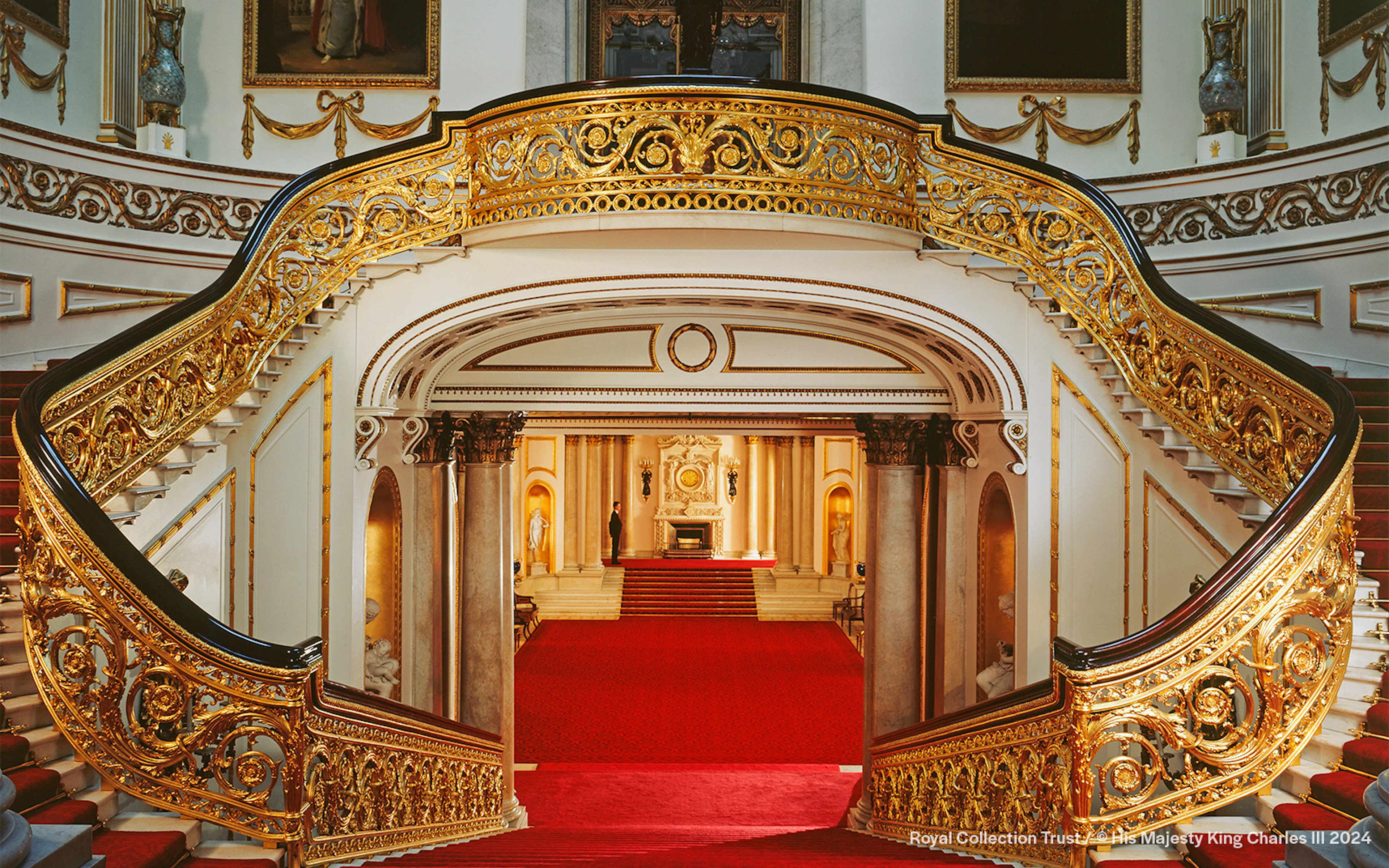
The Grand Staircase
The dramatic entrance to the State Rooms, designed by John Nash. The double-branched staircase is lined with crimson carpet and gilded balustrades, with full-length portraits of Queen Victoria's relatives lining the walls.
The Throne Room
One of the Palace's most iconic rooms, used for investitures, balls, and official ceremonial photographs — including the Coronation portraits of King Charles III and Queen Camilla, and Prince William and Catherine's wedding photographs in 2011.
The Music Room
Known for its striking domed ceiling and blue columns, the Music Room has hosted several royal christenings, including those of King Charles III, Princess Anne, Prince Andrew, Prince William, and more recently Prince George, Princess Charlotte, and Prince Louis.
The White Drawing Room
Widely considered one of the most beautiful State Rooms, with a gold-and-white ceiling and crystal chandeliers. It features a secret door disguised as a mirror, used by the Royal Family to enter for State occasions.
The Ballroom
The largest room in the Palace, completed in 1855. It hosts State Banquets during official visits, alongside Investiture ceremonies where the King presents honours to recipients.
The Royal Collection
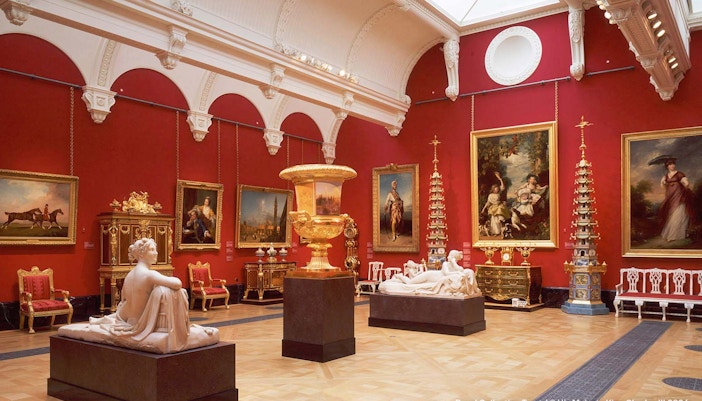
The Palace holds part of a vast and priceless art collection, including works by masters such as Rembrandt, Vermeer, Rubens, and Canaletto, alongside historic sculptures and fine furniture. Rotating exhibitions from the collection are also displayed at The King's Gallery, open to the public year-round.
The Garden and Royal Mews
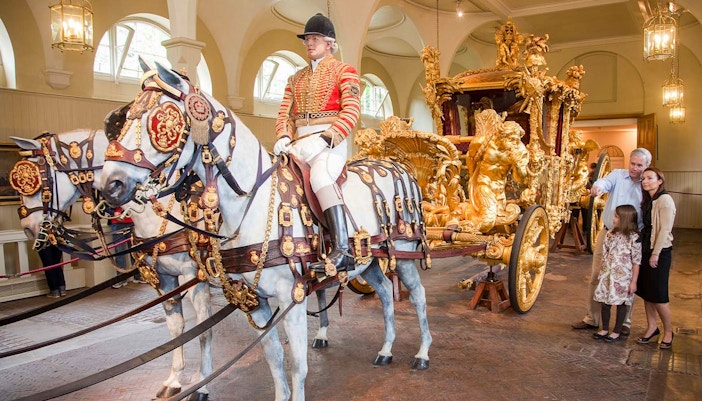
Behind the Palace, the 39-acre private garden is London’s largest, with a lake, tennis court, and helipad, and hosts the monarch’s annual Garden Parties. Nearby, the Royal Mews houses the Gold State Coach, built in 1762 and used at every coronation since William IV, alongside other historic State Coaches and royal vehicles.
Frequently asked questions about Buckingham Palace and the Royal Family
King Charles III and Queen Camilla do not live at the Palace. They continue to reside at Clarence House, their London home since 2003, and have confirmed they will remain there permanently, even once the Palace's ongoing renovation is complete. Buckingham Palace remains the ceremonial and administrative headquarters of the monarchy, and other members of the Royal Family hold private apartments there.
No. The Palace is owned by the Crown Estate and held in trust for the nation. The King cannot sell it or claim its revenues personally — its upkeep is instead funded through the Sovereign Grant, a percentage of Crown Estate profits allocated by Parliament.
The King uses the Palace as a working office during the week, holding audiences, receptions, and official meetings there, including his weekly audience with the Prime Minister. Private rooms within the Palace remain available to him during the working day, even though it is no longer his residence.
The Palace has long served as a symbol of continuity and stability for the monarchy, most notably when King George VI and his family remained there through the Blitz. Balcony appearances following coronations, weddings, and national celebrations have made it one of the most recognisable focal points of British public life.
Buckingham Palace became a royal family home under George III, then a grand ceremonial palace under George IV. Since Queen Victoria made it her official residence in 1837, generations of the Royal Family have used it for state occasions, royal weddings, christenings, and national celebrations, while it has also served as the working administrative headquarters of the monarchy.
Notices of royal births and deaths are still posted on the Palace's front railings for the public to read. Several generations of the Royal Family, including King Charles III and his children, were christened in the Palace's Music Room. The Palace also hosts three Garden Parties each summer, welcoming tens of thousands of guests.
These include State Banquets for visiting Heads of State, Investiture ceremonies, the Diplomatic Reception, and the annual Garden Parties. The Palace also serves as the starting point for the King's procession to the State Opening of Parliament and the finishing point for Trooping the Colour.