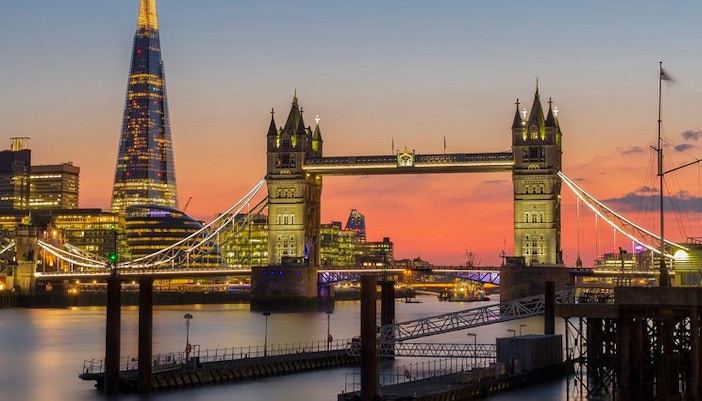
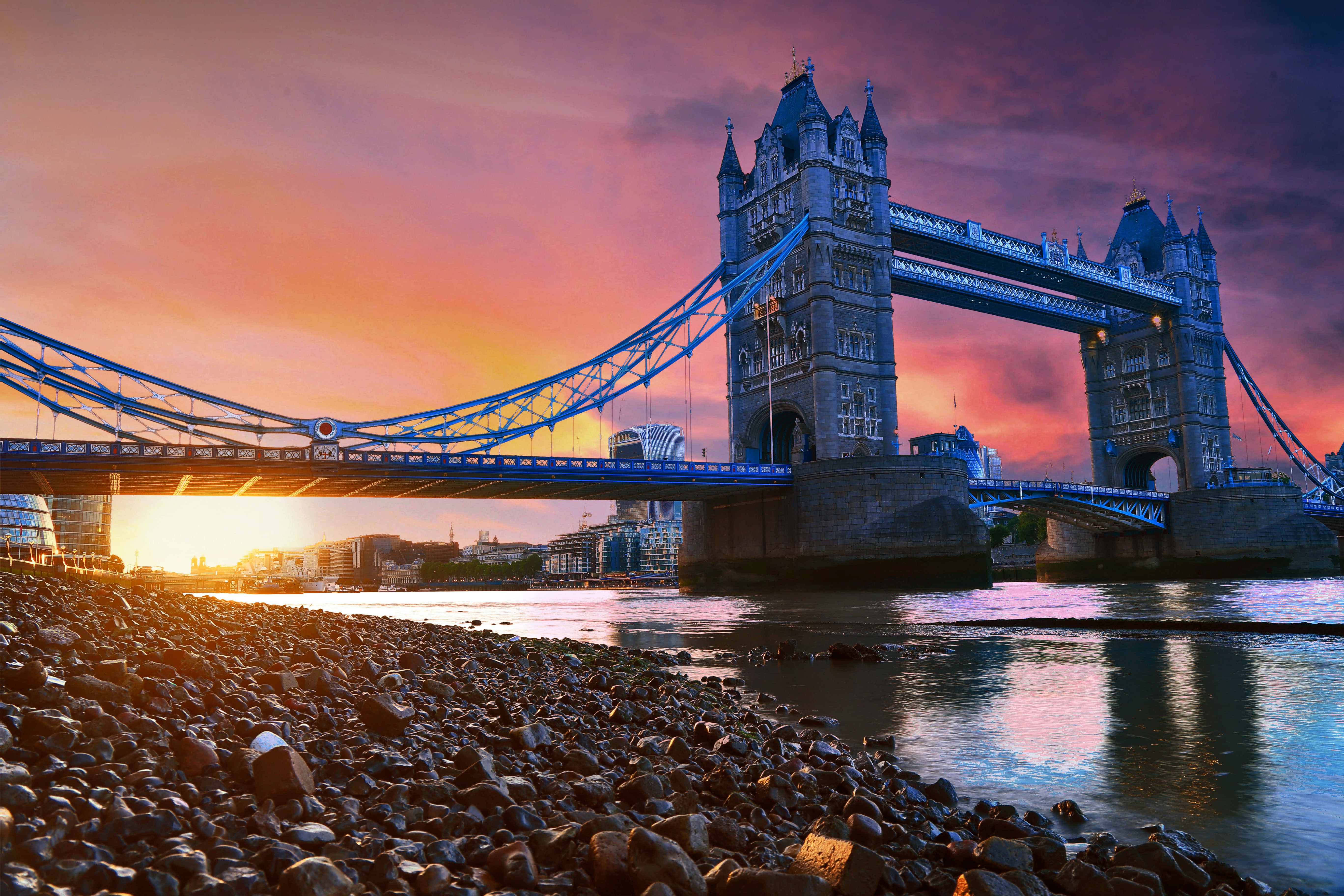
Your Tower Bridge London visit begins inside a stone tower lined with iron staircases, riveted beams, and displays that recreate the chaos of Victorian construction sites. Old photographs, worker stories, and engineering sketches make the bridge feel less like a monument and more like an impossibly ambitious idea brought to life.
Quick Information
RECOMMENDED DURATION
2 hours
Timings
09:30–18:00
VISITORS PER YEAR
800000
TICKETS
From $23.79
NUMBER OF ENTRANCES
2
EXPECTED WAIT TIME - STANDARD
30-60 mins (Peak), 0-30 mins (Off Peak)
Did you know?
Despite its medieval appearance, Tower Bridge is relatively young, opening in 1894, contrasting with the Tower of London's 11th-century origins. Tower Bridge has a castle-like appearance, its Neo-Gothic style was intentionally chosen to complement the nearby White Tower.
Following a public competition where over 50 designs were submitted, architect Sir Horace Jones and civil engineer Sir John Wolfe Barry collaborated on Tower Bridge's design. Initially rejected, their adapted proposal was approved by Parliament in November 1884. Tragically, Jones passed away a year into construction, never witnessing the bridge's completion.
Tower Bridge took eight years to build and over £1 million to complete, showcasing immense skill and dedication. Divers worked in the River Thames bed, while riveter squads inserted over 13 million rivets into the steel, contributing to the bridge's construction.
Is Tower Bridge worth visiting?
The first thing that hits you about the Tower Bridge is how theatrical it feels. Red buses rumble across the bascules, boats slide beneath the towers, and the Thames flashes below the glass walkway while London unfolds in every direction. Unlike many landmarks that are best admired from outside, Tower Bridge lets you move through the structure itself, from the lofty walkways to the humming Victorian Engine Rooms below.
Built in 1894 to solve London’s growing traffic problem without blocking river trade, the Tower Bridge of London was designed as both infrastructure and spectacle. That balance still works today. You leave with a sharper sense of how ambitious Victorian engineering really was and with views that feel unmistakably London.
Skip it if you have under an hour, dislike enclosed towers and glass floors, or prefer museums with large collections over architectural experiences.
What to see at Tower Bridge London
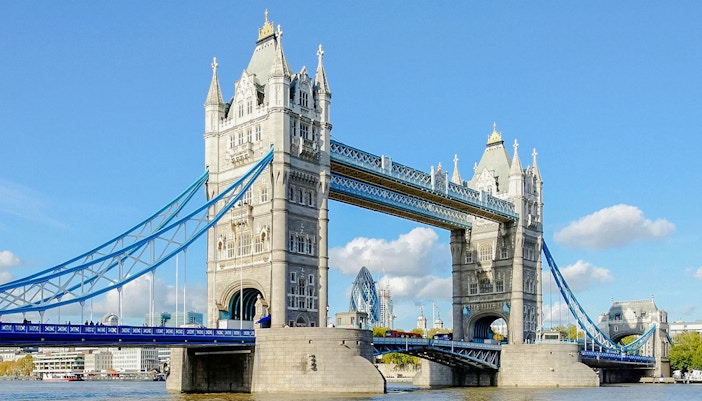
North Tower
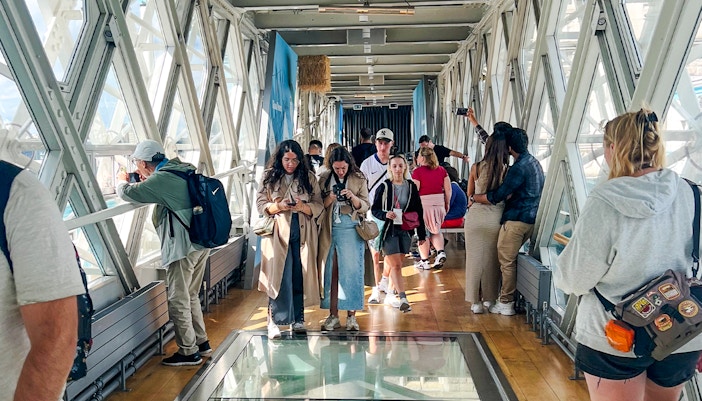
The Glass Floor Walkway
Forty-two metres above the Thames, the city suddenly feels very far away. Red double-decker buses crawl beneath your shoes, riverboats leave white trails across the water, and tiny pedestrians shuffle along the pavements below. Even confident visitors instinctively slow down before stepping onto the glass for the first time.
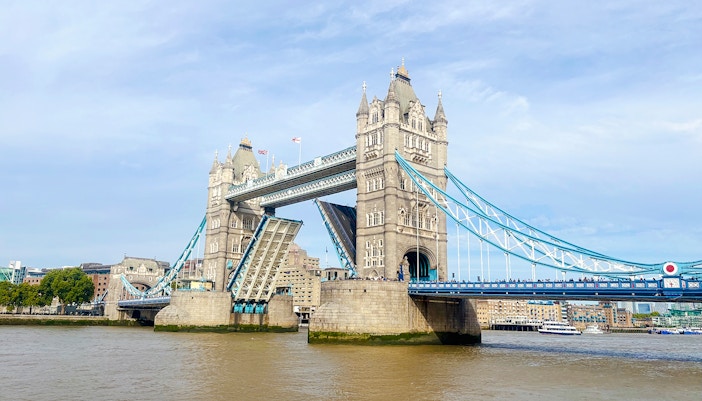
The South Tower
The atmosphere shifts as you descend through the South Tower. Brass details, faded photographs, and short films tell the stories of bridge operators who worked long hours keeping Tower Bridge running smoothly through fog, rain, wartime blackouts, and the nonstop movement of London life.
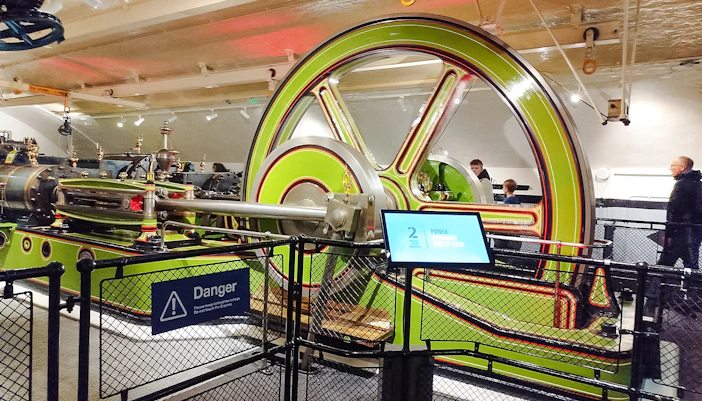
The Victorian Engine Rooms
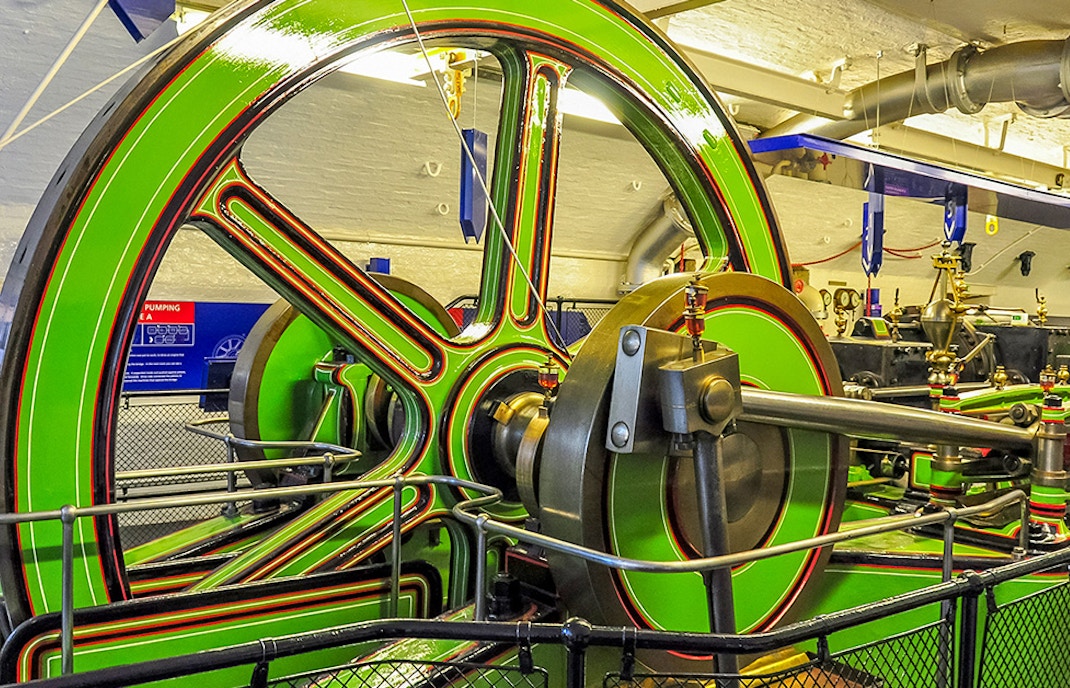
The Engine Rooms feel like stepping inside the belly of a giant machine. Massive green steam engines, polished brass gauges, and thick pipes fill the space from floor to ceiling. Even standing still, the machinery looks powerful enough to start rumbling back into motion at any second.
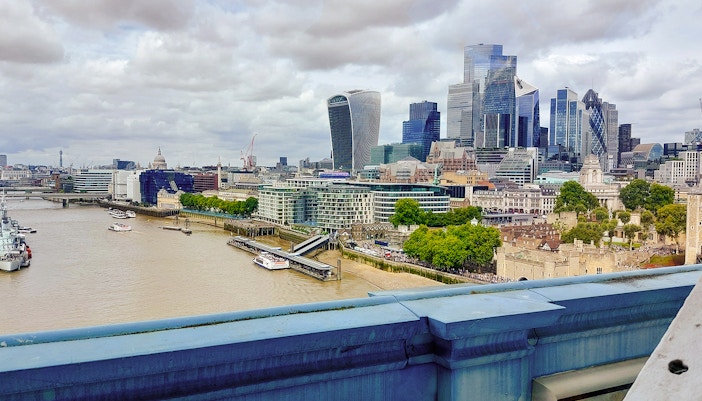
Panoramic Thames views
The elevated walkways frame London like a moving postcard. To one side rises The Shard, sharp and silver against the skyline; on the other side stands Tower of London, heavy with nearly a thousand years of history. Down on the river, boats slide quietly beneath the bridge.
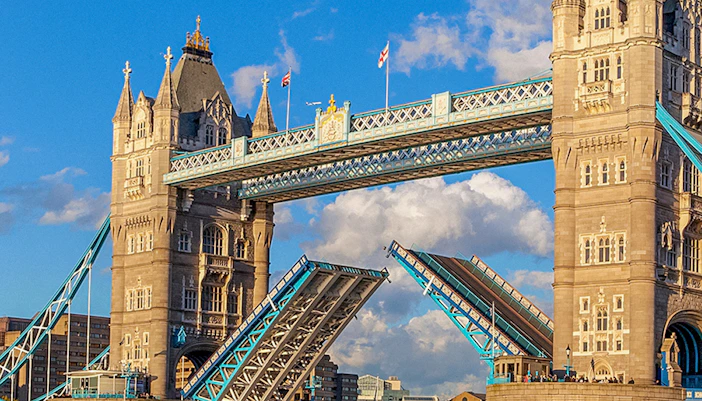
Tower Bridge lift views
If your visit lines up with the Tower Bridge lift times, the entire bridge slowly comes alive. Traffic halts, warning bells sound, and the road splits neatly in two as the enormous bascules rise above the Thames to let tall vessels pass underneath.
How to explore Tower Bridge
How much time do you need?
- Most visitors spend around 2 hours inside Tower Bridge, including the walkways, Glass Floor, and the Victorian Engine Rooms below.
- Add another 30 to 45 minutes if you want exterior photographs or plan your visit around the Tower Bridge lift times.
- Sunset visits often stretch longer because the skyline views over the Thames become especially dramatic once the city lights switch on.
Suggested route through Tower Bridge
- Begin at the North Tower exhibits, where old construction photographs and engineering displays explain how the bridge transformed Victorian London traffic.
- Head straight to the high-level walkways before they grow crowded, then cross the Glass Floor slowly for the best river views below.
- Descend through the South Tower afterward and follow the Blue Line trail toward the Victorian Engine Rooms at the bridge’s southern end.
What should not be missed?
- The Glass Floor walkway is the emotional high point for most visitors, especially when buses and boats move directly beneath your feet.
- The Victorian Engine Rooms reveal the scale of the original steam-powered machinery that once lifted the enormous bascules above the Thames.
- If timings align, watching a live bridge lift from the elevated walkways is one of the most memorable moments inside Tower Bridge London.
What can you skip if short on time?
- Prioritise the walkways and Engine Rooms first, as they deliver the core Tower Bridge experience within a relatively compact visit.
- The riverside photography walk outside the bridge is beautiful but works better as an add-on if you have extra time afterward.
Guided tour vs self-paced visit
- Self-guided visits work smoothly because the exhibitions are interactive, easy to follow, and designed for visitors moving at their own pace.
- Guided tours are especially rewarding for architecture and history lovers because they explain hidden engineering details most visitors completely overlook.
Brief history of Tower Bridge
- 1876: Growing congestion in East London leads to discussions about a new river crossing that would not block busy commercial shipping routes along the Thames.
- 1884: Architect Sir Horace Jones and engineer Sir John Wolfe Barry finalise the design for what would become Tower Bridge London: a combined bascule and suspension bridge.
- 1886: Construction officially begins. More than 400 workers and around 11,000 tonnes of steel are eventually used in the project.
- 1894: The bridge opens on 30 June, inaugurated by the Prince and Princess of Wales. The Tower Bridge age now exceeds 130 years, making it one of London’s most enduring Victorian landmarks.
- 1910: The high-level pedestrian walkways close due to low public use and concerns about crime.
- 1976: The original steam-powered hydraulic system is replaced with an electro-hydraulic mechanism, though the Victorian engines remain preserved.
- 1982: The walkways and Engine Rooms reopen as a public exhibition, transforming the bridge into one of London’s most visited attractions.
Read more on the full history of Tower Bridge.
Architecture of Tower Bridge
- Neo-Gothic design: Tower Bridge blends pointed arches, stone towers, and ornate Victorian detailing designed to visually complement the nearby Tower of London.
- Hidden steel skeleton: Beneath the granite and stone exterior lies over 11,000 tonnes of steel supporting the bridge’s enormous weight and movement.
- Hybrid bridge engineering: Tower Bridge combines suspension spans with two central bascules that lift upward, allowing large vessels to continue along the Thames.
- From steam to electricity: The original steam-powered hydraulic system operated until 1976, before being replaced with today’s modern electro-hydraulic lifting mechanism.
- Built to feel monumental: Architect Sir Horace Jones designed the bridge to feel grand, dramatic, and unmistakably London rather than purely industrial.
- An experience, not just infrastructure: Walking the elevated glass walkways, with traffic and riverboats below, feels like standing inside a living piece of engineering history.
Who built Tower Bridge?
Sir Horace Jones designed the bridge’s Neo-Gothic appearance, while Sir John Wolfe Barry engineered its revolutionary bascule system. Their vision balanced practicality with grandeur, creating a bridge that could support modern traffic while still respecting London’s historic skyline. At the time, the ambitious design was considered one of Britain’s boldest engineering projects.
Tower Bridge lifts
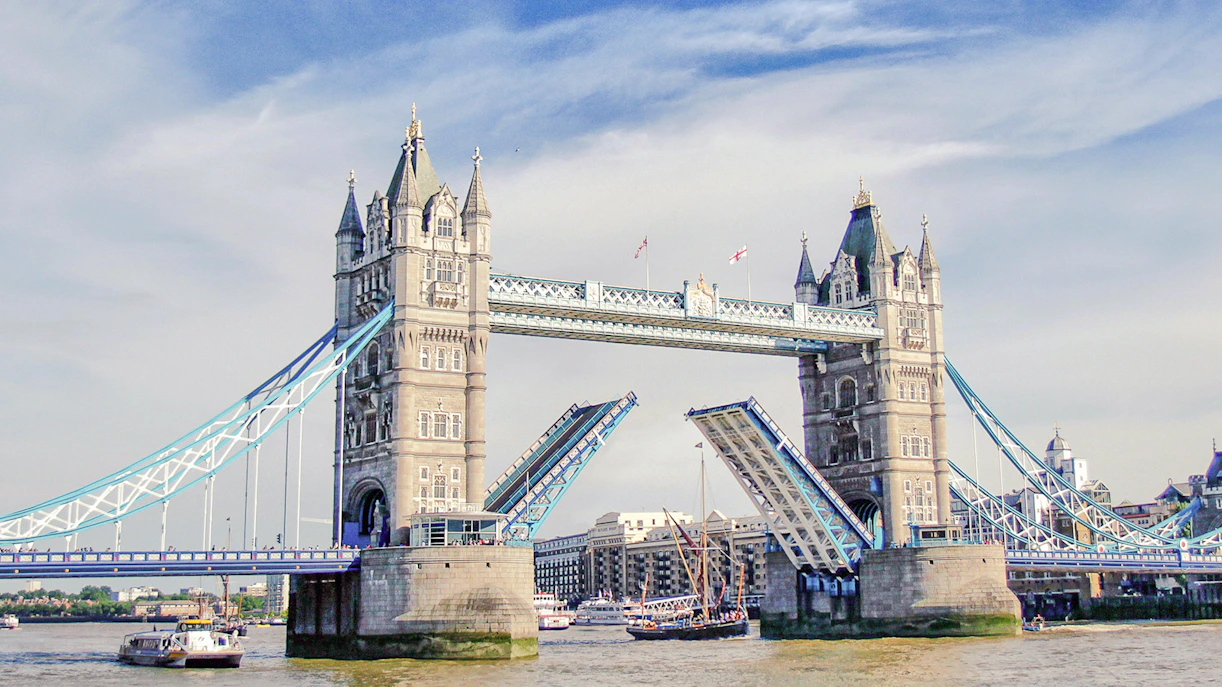
The Tower Bridge was designed to balance the needs of road traffic with river commerce. That original function continues today!
The bridge is raised approximately 850 times each year for registered vessels requiring 30 feet or more clearance. This service is managed under the Corporation of London Act 1885 and is provided entirely free of charge. Witnessing the massive bascules rise is a spectacular, live demonstration of Victorian ingenuity, showcasing how the structure still prioritises river traffic, maintaining a tradition over a century old.
Tower Bridge onscreen
- Movies: The bridge has been a key set piece in major films, notably appearing in the climactic final act of Spider-Man: Far From Home, featuring in high-octane sequences in The Mummy Returns, and acting as an essential romantic backdrop in Bridget Jones’s Diary.
- Television & music videos: On the small screen, it’s been featured in popular TV shows like Doctor Who ("Aliens in London") and Killing Eve. It also regularly appears in music videos and commercials.
- Video games: The bridge’s unique structure makes it a favourite for virtual worlds, featured prominently in games like Assassin’s Creed Syndicate and The Getaway: Black Monday.
Tower Bridge vs London Bridge
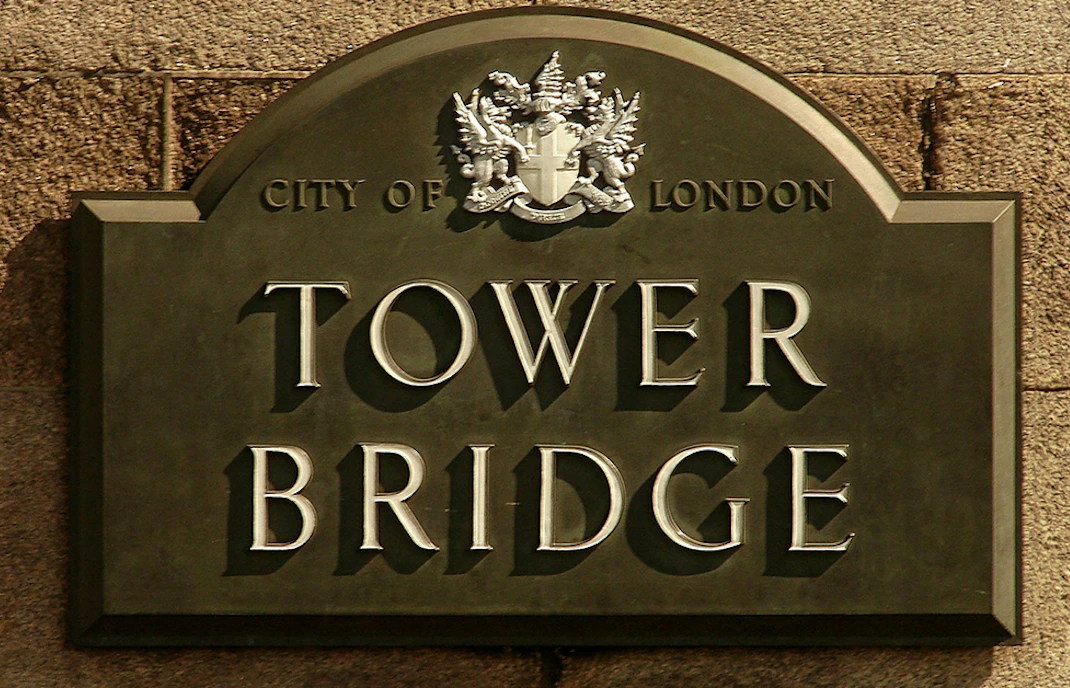
What is the difference between Tower Bridge and London Bridge?
The confusion around Tower Bridge vs London Bridge happens constantly. Tower Bridge is the dramatic Victorian landmark with twin Gothic towers and rising bascules beside the Tower of London. London Bridge, located further upstream, has a far simpler modern appearance.
Which bridge should you visit?
London Bridge mainly functions as a busy commuter crossing today, with little to stop and explore. Tower Bridge, on the other hand, doubles as a visitor attraction, with glass walkways, panoramic Thames views, Victorian Engine Rooms, and live bridge lifts still operating regularly.
Frequently asked questions about Tower Bridge
Yes. Tower Bridge offers a rare combination of panoramic views, Victorian engineering, and interactive exhibits inside one of London’s most recognisable landmarks. The Glass Floor and Engine Rooms make it far more immersive than simply photographing the bridge from outside.
Most visitors spend 1.5 to 2 hours exploring the walkways, exhibitions, and Engine Rooms. If you plan your visit around the Tower Bridge lift times or stop frequently for photography, budget closer to 3 hours.
The Glass Floor walkway and the Victorian Engine Rooms are essential. If possible, time your visit to watch the bascules rise, which remains the most memorable part of the Tower Bridge London experience for many visitors.
Yes. Families usually enjoy the interactive displays, elevated walkways, and live bridge lifts. The lifts and accessible routes also make much of the attraction manageable with children and pushchairs.
Early mornings and late afternoons are generally quieter. Sunset visits are especially popular because the skyline views over the Thames become dramatically lit as London transitions into evening.
Advance booking is strongly recommended, especially during weekends, school holidays, and summer months. Timed entry helps avoid long waits and gives you a better chance of coordinating your visit with the Tower Bridge lift times.
The Tower Bridge age dates back to 1894, meaning the bridge is now more than 130 years old. Despite its age, the bascule system still operates regularly for river traffic.
No. The Tower Bridge vs London Bridge confusion happens often, but they are entirely separate structures. Tower Bridge is the iconic Victorian bridge with towers, while London Bridge is much simpler in appearance and located further upstream.