Tower Bridge secrets: 15 facts behind London’s iconic bridge


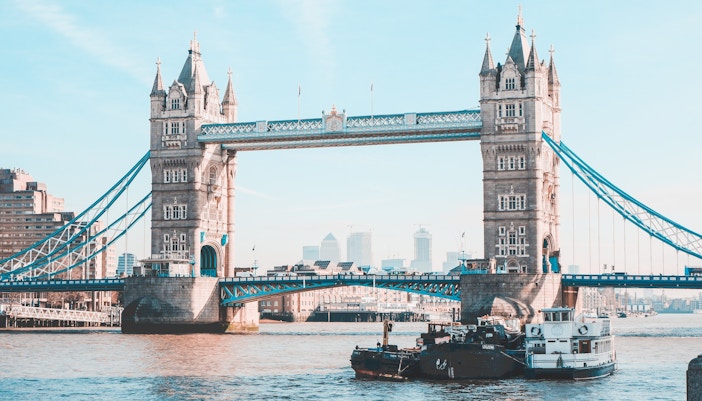
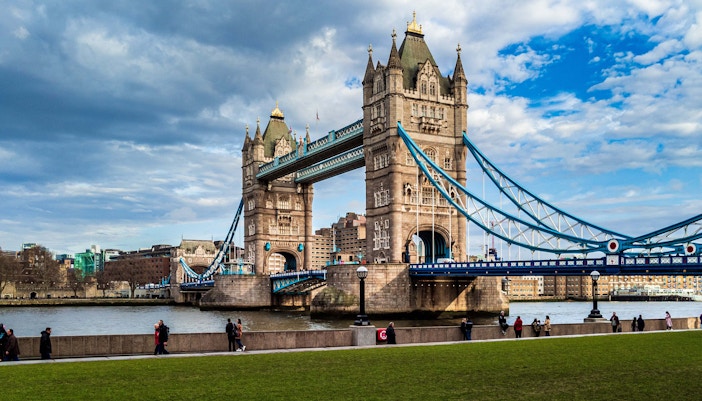
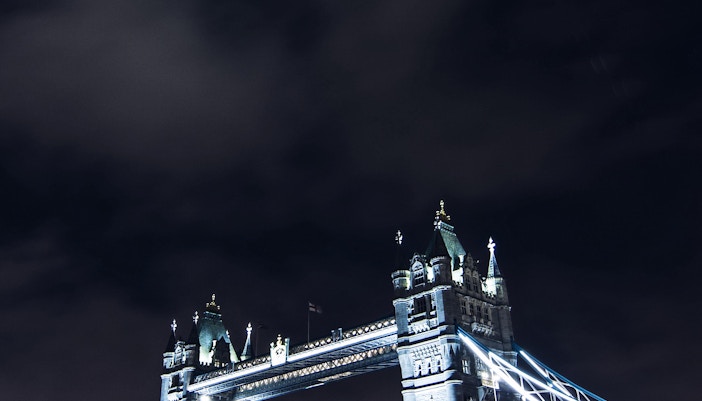
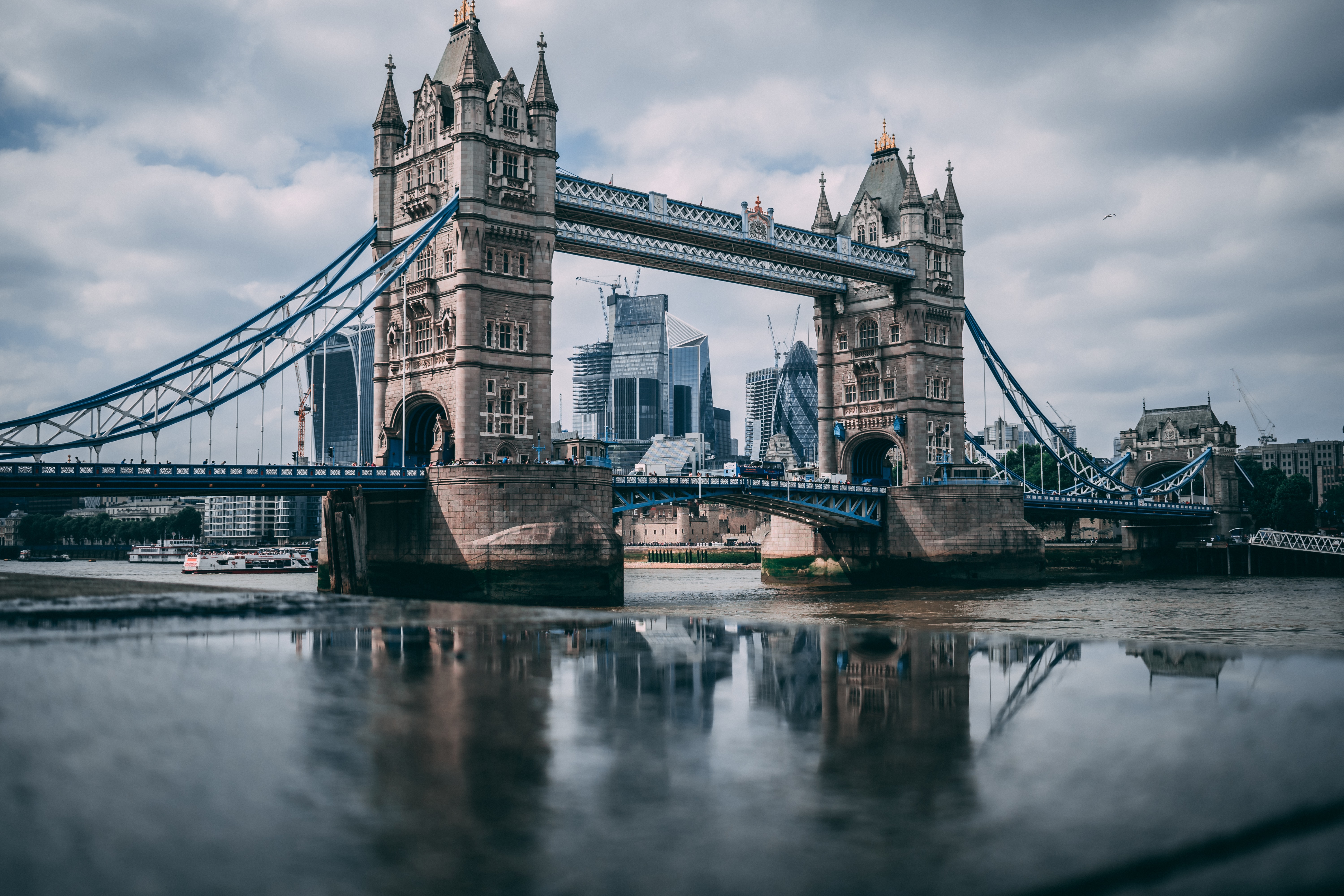
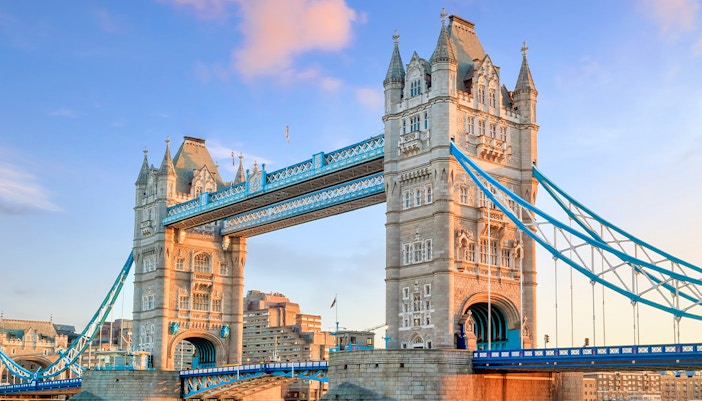
One of London's most iconic landmarks and architectural marvels, the Tower Bridge is a bascule and suspension bridge located above and across the River Thames. It is noted for its unmatched Victorian or Neo-Gothic style of architecture and has two towers connected by two walkways.

About the Tower Bridge

See the Victorian Engine Rooms – Tickets include this!

Tickets sell out quickly during peak season – secure your timed slot now and skip the ticket queue.

15 secrets of Tower Bridge’s design and operation

The final design was submitted anonymously

More than 50 designs were submitted to the City of London Corporation when the idea was first proposed. It took 8 years for the Special Bridge or Subway Committee to approve a design. City Architect Sir Horace Jones initially submitted his bascule and suspension design under the pseudonym "An Amateur" to ensure it was judged purely on its merits.

Eight years, 432 men, and 11,000 tons of steel

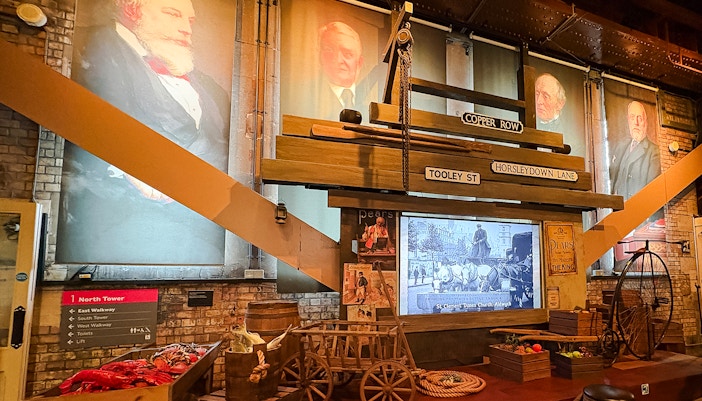
Building the bridge was an epic Victorian challenge. Construction spanned eight years (1886–1894), requiring the dedication of 432 construction workers and five major companies. The final framework used an astounding 11,000 tons of steel, all clad in decorative Cornish granite and Portland stone.

Tower Bridge Exhibition

Royal launch: Tower Bridge’s grand opening

The bridge was officially inaugurated on June 30, 1894, by the Prince of Wales (later King Edward VII) and his wife. This event marked a crucial moment for London, as it finally provided a reliable crossing, replacing the old, often congested Tower Subway.

Plan your visit

The original powerhouse: Steam engines and coal

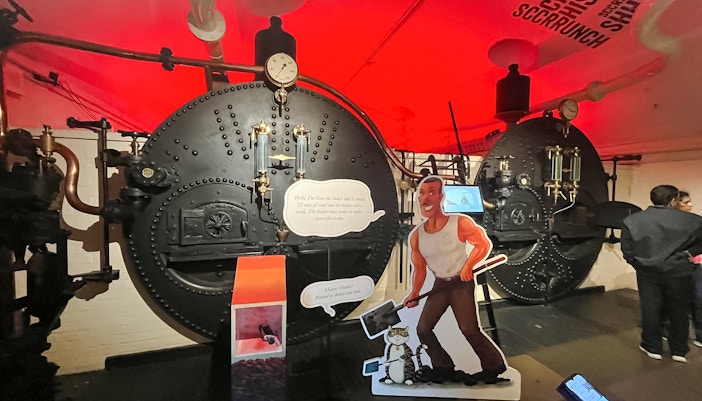
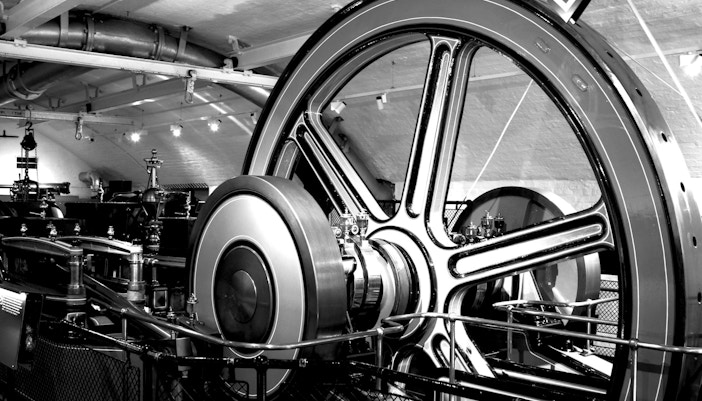
Until 1974, the massive bridge bascules were operated by huge hydraulic pumps powered by coal-burning steam engines. Today, some of these original machines are preserved and on display inside the Victorian Engine Rooms—a must-see on your visit!

The bridge lift was delayed by two minutes on opening day

The very first official bridge lift in 1894 had a dramatic start: a two-minute delay! Once resolved, the Harbour Master’s vessel, Daisy, had the honour of being the first ship to sail beneath the newly raised bascules.

About Tower Bridge lifts

A bus jumped the gap in 1952

In a near-tragedy turned heroic feat, bus driver Albert Gunter accelerated his number 78 bus across a suddenly opening bascule on December 30, 1952. A watchman had failed to ring the warning bell. Gunter's quick thinking saved all the passengers, and he was later awarded for his bravery.

The Glass Walkway is a modern addition

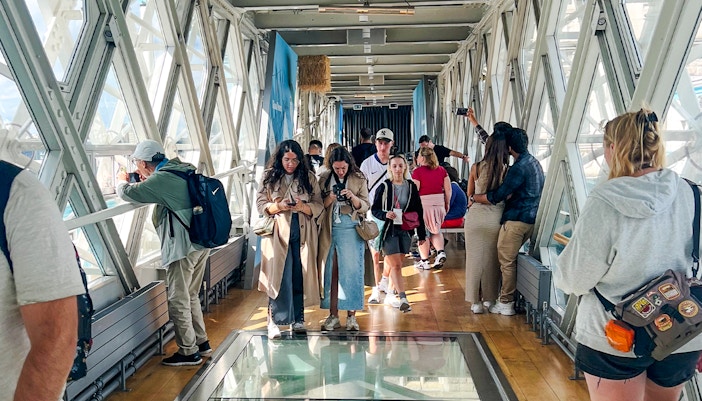
The Glass Walkway, located 42 meters (138 feet) above the Thames, is surprisingly new. It was only unveiled in 2014, significantly transforming the visitor experience and views from the historic high-level walkways.

The bridge lifts 800 times a year

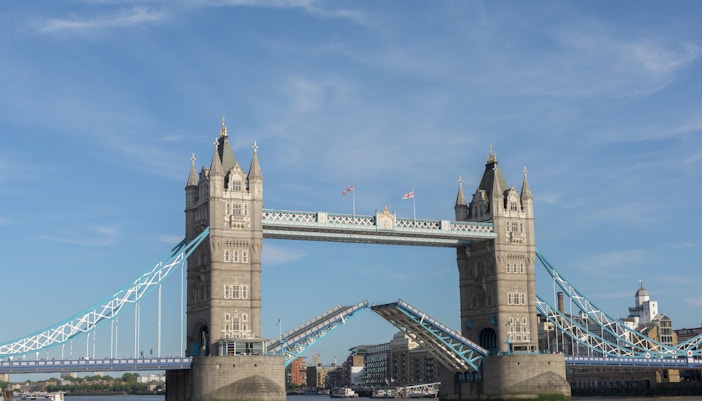
Today, the bascules lift approximately 800 times a year (roughly twice a day) for river traffic. While that sounds like a lot, it pales in comparison to its debut year in 1894, when the bridge lifted an astounding 6,194 times!

It was flown through twice!

Tower Bridge has seen unauthorised aerial traffic. The most famous incident was in 1951 when Frank Miller flew a plane through the gap for a dare. A heavier fine was imposed on him than the 35 shillings he won! Another pilot had flown through in 1912 for a less amusing reason: mechanical failure.

Mistaken identity: It’s not London Bridge

Tower Bridge is London's most famous bridge, but it is constantly mistaken for London Bridge, which is located further upriver and is much simpler and plainer in comparison.

A 2012 Olympic opening ceremony highlight

Tower Bridge was central to the 2012 London Olympics. The Olympic rings were suspended from the walkways, and it was the setting for the memorable James Bond movie sequence featuring 007 and "The Queen" flying through the bridge by helicopter.

The bridge’s colour secret: It was originally chocolate brown

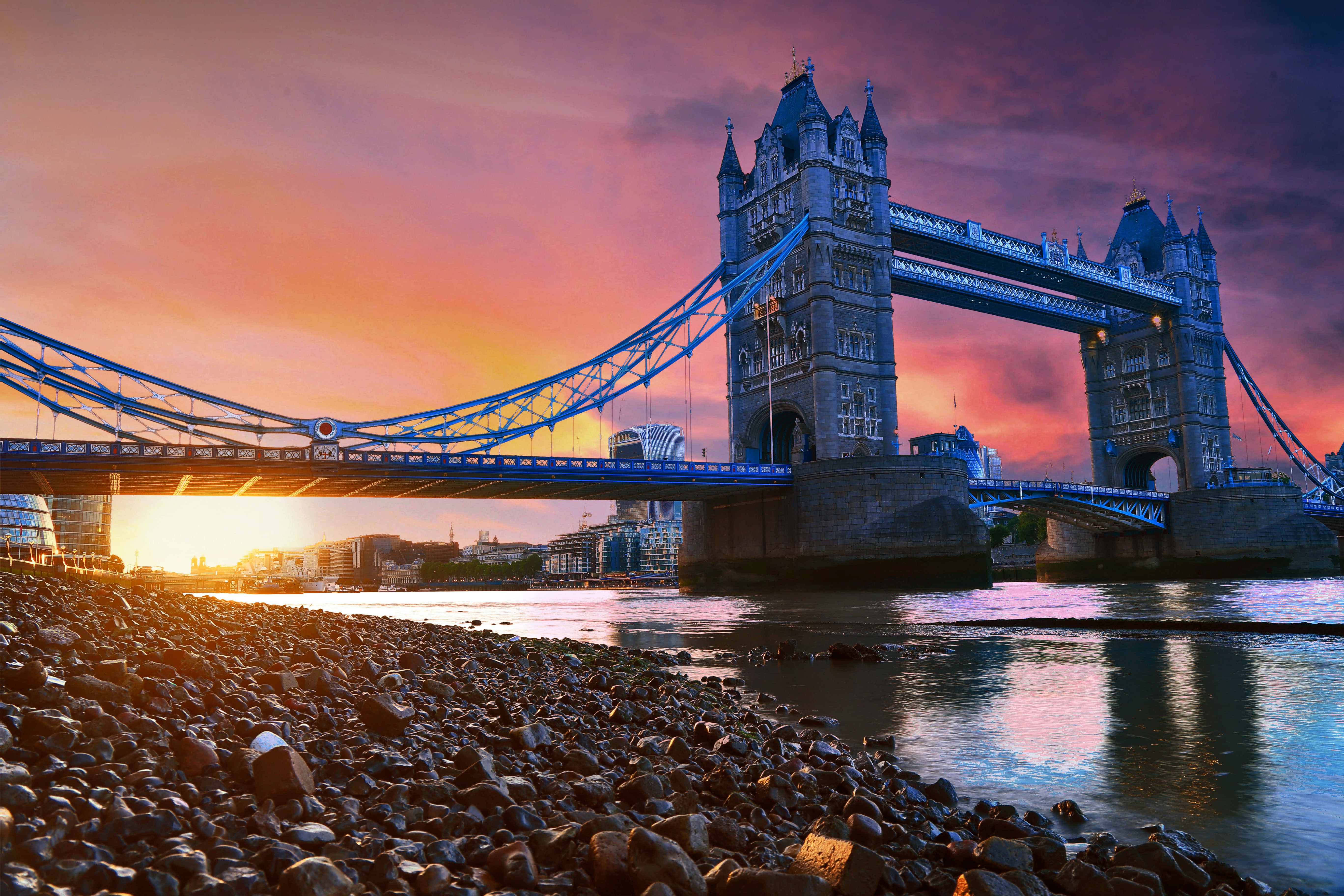
Tower Bridge wasn't always its iconic red, white, and blue. Its original colour was a shade of chocolate brown. The current patriotic colours were applied in 1977 to celebrate Queen Elizabeth II's Silver Jubilee.

Tower Bridge history

Over 40,000 people cross daily

Despite being over 130 years old, Tower Bridge remains a vital artery, used by over 40,000 people and nearly 21,000 vehicles every day. To protect the structure, strict limits on speed (32 km/h) and weight (18 tons) are enforced.

Record-breaking LEGO model

The largest LEGO structure ever built was a 13-meter-high model of Tower Bridge, created by Land Rover for a new car launch. It used an astonishing 5,805,846 individual bricks, setting a Guinness World Record.

The switch to electric power took five minutes

The massive transition from coal-burning steam hydraulics to a more efficient electro-hydraulic system occurred in 1974. Today, the modern electric system takes just five minutes to raise the entire bascule structure.

Inside Tower Bridge

Final questions: Planning your Tower Bridge visit

Yes, but it is highly discouraged. To avoid long queues and potential sell-outs, you must book a timed ticket online before you arrive.

More Reads

Tower Bridge History

About Tower Bridge

Plan Your Visit