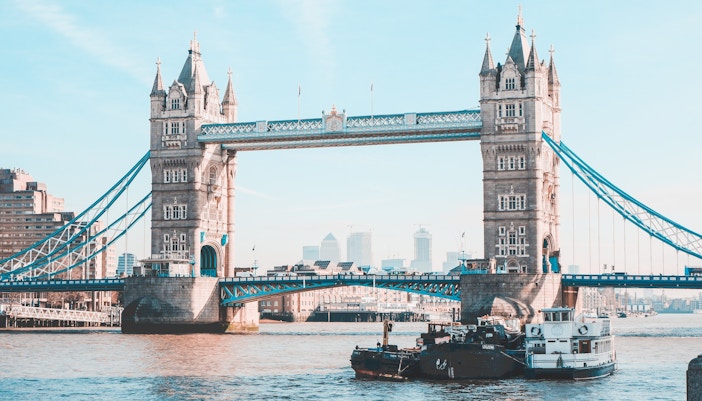
- The high-level walkways are the emotional high point of the visit. Suspended 42 meters above the river, they frame London through huge arched windows while the glass floor turns the bridge itself into the attraction.
- Look down and you’ll see traffic streaming beneath you, boats cutting through the Thames, and occasionally the bridge opening directly below.
Inside Tower Bridge: Walk the glass floor & see Victorian engineering in action
Quick overview
Going inside Tower Bridge feels completely different from seeing it from the riverbank. Beyond the Gothic towers lies a world of glass floors, steam-powered machinery, and elevated walkways suspended high above the Thames.
- Must-sees: The Glass Walkway with traffic moving beneath your feet, and the Victorian Engine Rooms where the original steam engines still stand.
- Hidden gem: The Blue Line memorial path, where bronze plaques quietly honor the workers who built and operated the bridge.
- Pro-tip: Book an early morning slot for quieter walkways and clearer skyline views. Guided tours help make sense of the bridge’s surprisingly complex engineering story.
Know more about: The Glass Walkway | The Victorian Engine Rooms | Tower Bridge Lifts
What to expect inside Tower Bridge
Step inside Tower Bridge and see how the landmark suddenly changes from a postcard icon into a living piece of Victorian engineering! Behind the stone towers and blue suspension chains, you move through elevated walkways, hidden machinery spaces, and exhibitions that reveal how London’s most famous bridge actually worked.

Glass walkways above the Thames
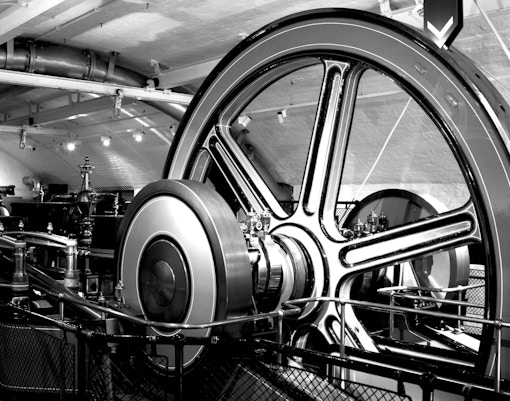
Victorian machinery & engineering secrets
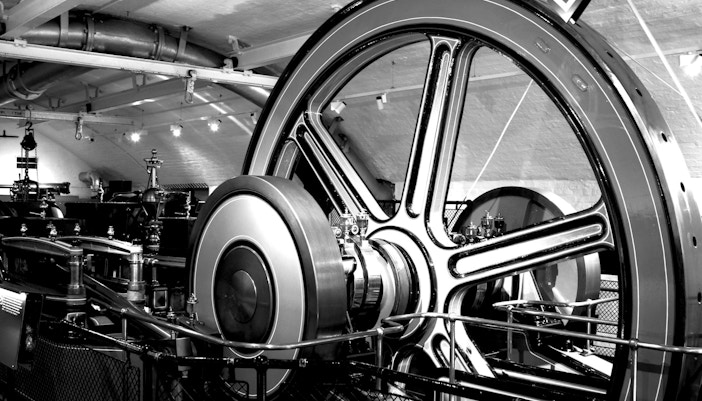
- Deep below the towers, the Engine Rooms reveal the mechanical heart that powered the bridge for decades. Massive pistons, coal-fired boilers, and hydraulic systems still fill the space with an almost cinematic sense of scale.
- The machinery feels surprisingly beautiful up close, with polished metal, giant wheels, and carefully preserved Victorian details.
Panoramic London views
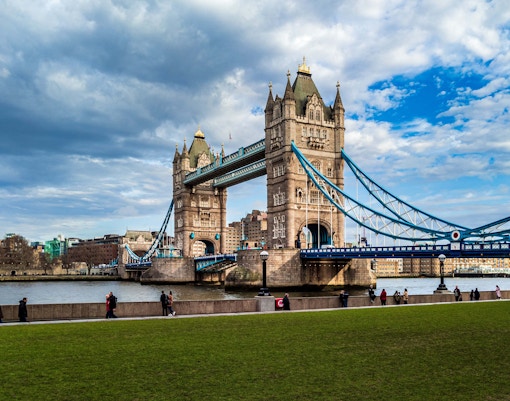
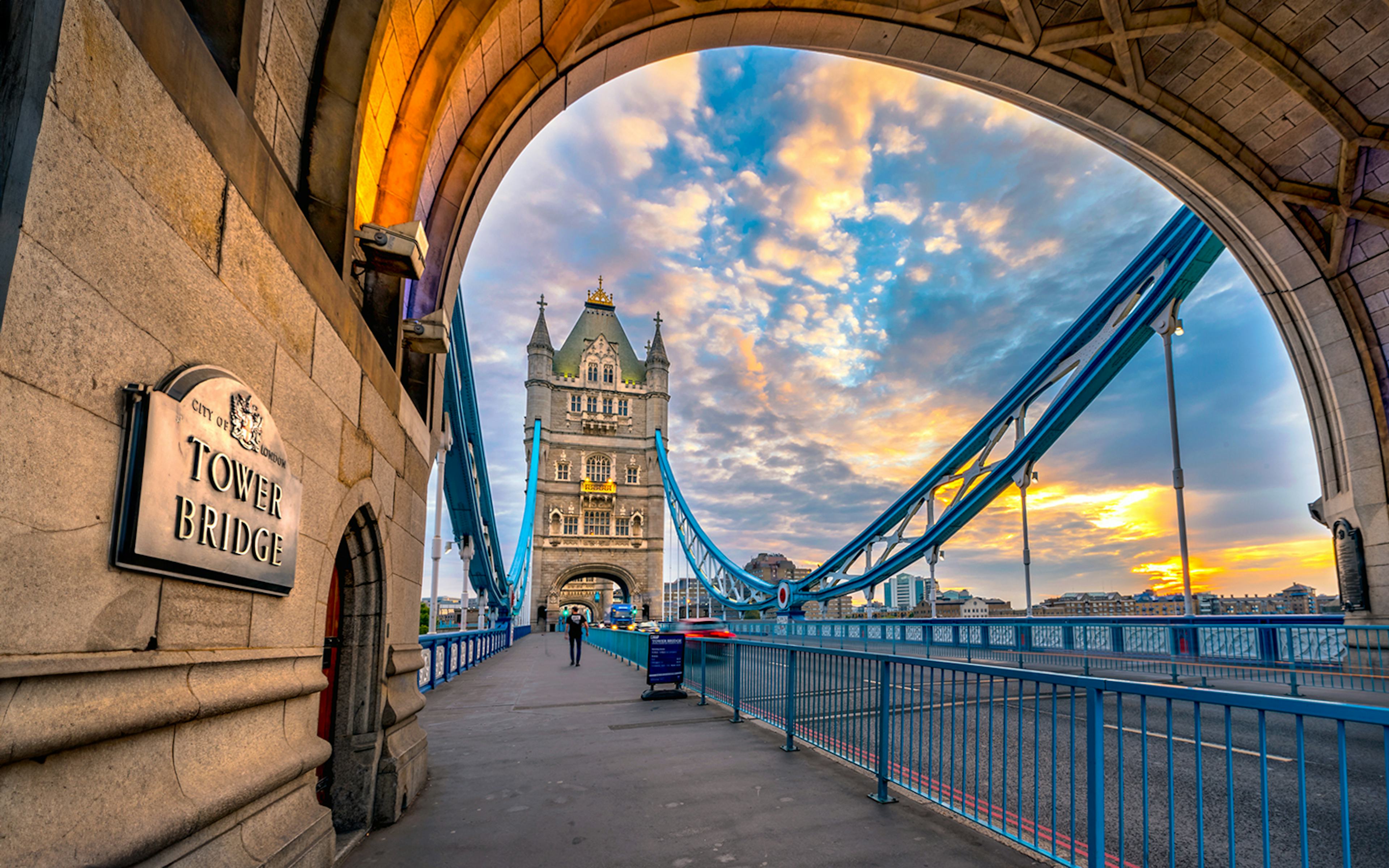
- The walkways offer some of the most interesting city views in London because they combine skyline and river activity in one frame. The Tower of London sits almost beside you, while landmarks like St Paul’s Cathedral and The Shard rise across the skyline.
- Unlike crowded observation decks, the views here feel woven into the bridge itself.
Stories of the people behind the bridge
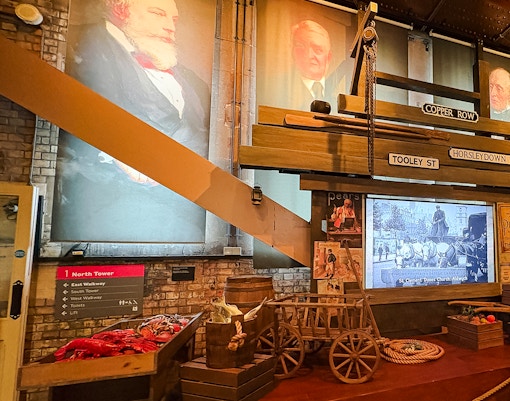
- Beyond the engineering, the exhibitions focus on the workers who kept Tower Bridge functioning every day. Old photographs, uniforms, tools, and maintenance records bring the human side of the bridge to life.
- The Blue Line memorial path is especially moving, linking the towers to the Engine Rooms through plaques dedicated to riveters, stokers, engineers, and cooks.
First-timer tip: Start with the exhibitions in the North Tower before rushing to the glass floor. Understanding how the bascules work makes the elevated walkways far more impressive once you step onto them. Additionally, a guided experience adds valuable context here, especially inside the Engine Rooms where much of the machinery becomes far more fascinating once explained.
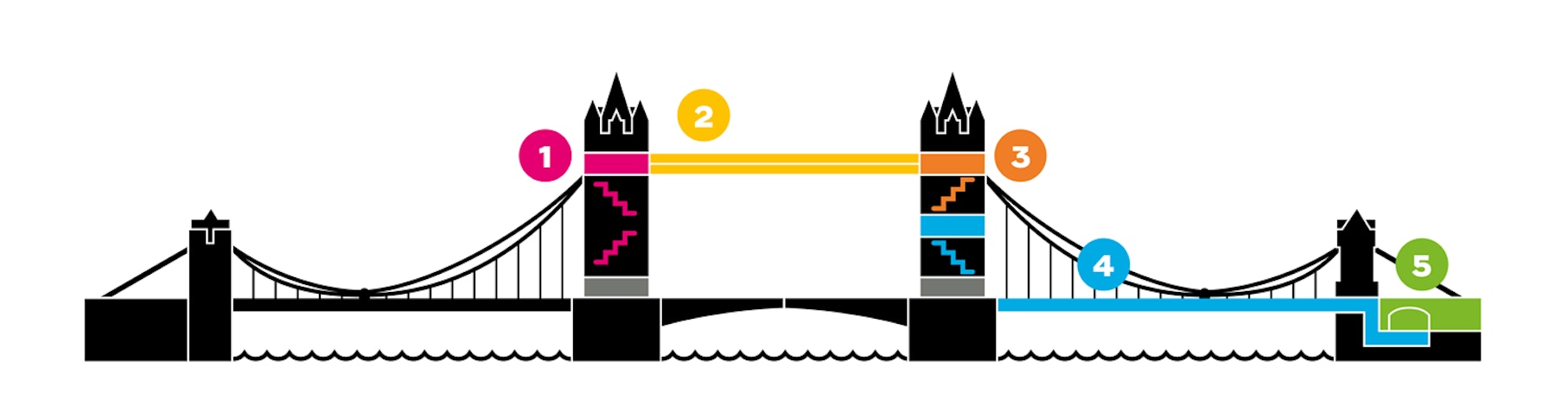
Tower Bridge layout
Top highlights inside Tower Bridge
1/6
The North Tower
Your visit begins here with exhibitions explaining why Tower Bridge was built and how Victorian engineers solved the challenge of river traffic in busy London.
Pro-tip: Spend a few extra minutes with the original bridge design drawings before heading upward. They make the scale of the project much easier to appreciate.
The Glass Walkway
The bridge’s most famous interior feature lets you walk across transparent floor panels suspended high above the Thames. Looking straight down at moving traffic and river boats creates an instant rush.
Pro-tip: Check the official bridge lift schedule before booking. Watching the bascules open beneath the glass floor is the best moment inside Tower Bridge.
The High-Level Walkways
Originally created to help pedestrians cross while the bridge opened below, these elevated corridors now offer some of London’s most dramatic river views.
Pro-tip: Pause near the center windows for the clearest photos toward the Tower of London and The Shard.
The South Tower
The South Tower focuses more on the people who operated and maintained the bridge across generations, with displays of uniforms, tools, and maintenance equipment.
Pro-tip: Many visitors rush through this section. It’s actually one of the best places to understand how demanding daily bridge operations once were.
The Blue Line Memorial
This understated outdoor path connects the towers to the Engine Rooms through bronze plaques honoring workers connected to the bridge’s history.
Pro-tip: Look closely at the plaques instead of walking straight through. Some include surprisingly personal details about workers rarely mentioned elsewhere.
The Victorian Engine Rooms
The final section of the experience houses the original steam engines that powered the bridge lifts until the 1970s. The enormous pistons and hydraulic systems feel more like a ship engine room than a museum display.
Pro-tip: The quieter corners near the accumulators are ideal for noticing the smaller engineering details most visitors miss.
How to explore Tower Bridge
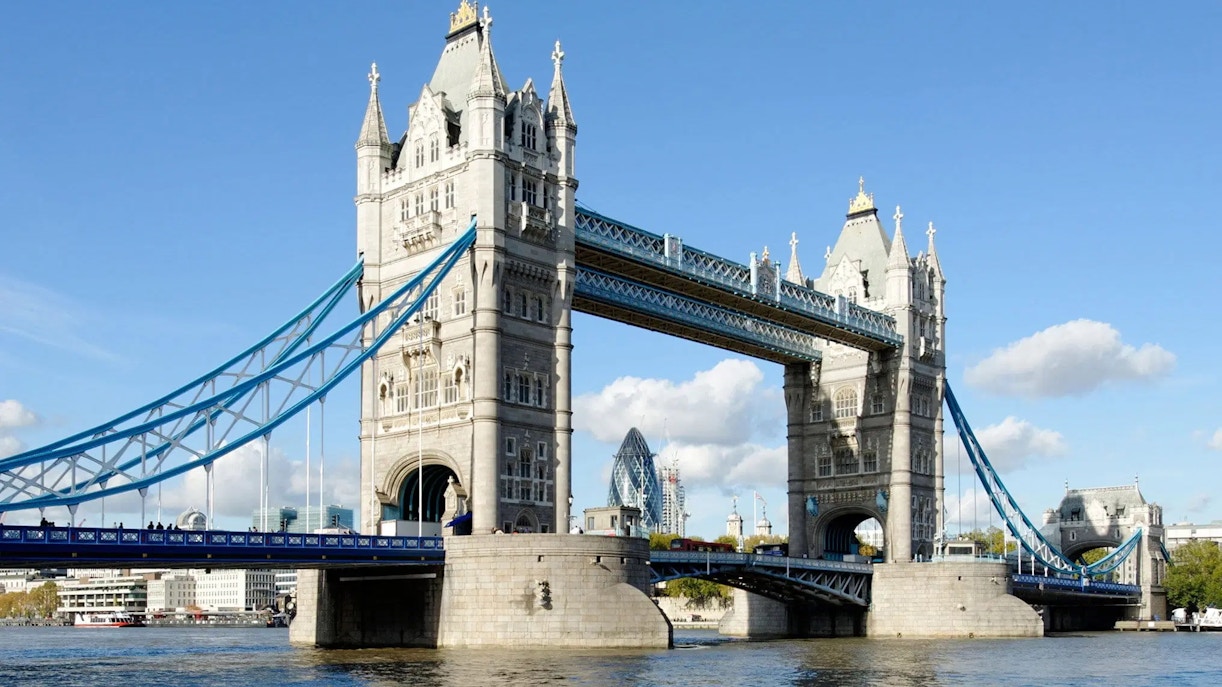
- Book ahead: Reserve your timed-entry ticket online before visiting, especially during weekends and school holidays when exhibition slots fill up surprisingly quickly.
- North Tower entry: Your visit begins inside the North Tower, where security checks happen before elevators carry visitors toward the exhibition walkways above.
- Arrive early: Reaching 15 minutes before your slot gives enough time for security, ticket scanning, and a relaxed start to the exhibits.
- Guided advantage: Guided tours help first-time visitors understand the bridge’s engineering story without rushing through exhibitions or missing lesser-known historical details.
- Morning calm: Early morning slots usually mean quieter walkways, softer daylight over the Thames, and fewer people crowding the glass floor photographs.
- Late afternoon: Post-lunch crowds gradually thin out later in the day, making sunset hours feel calmer and far less rushed inside.
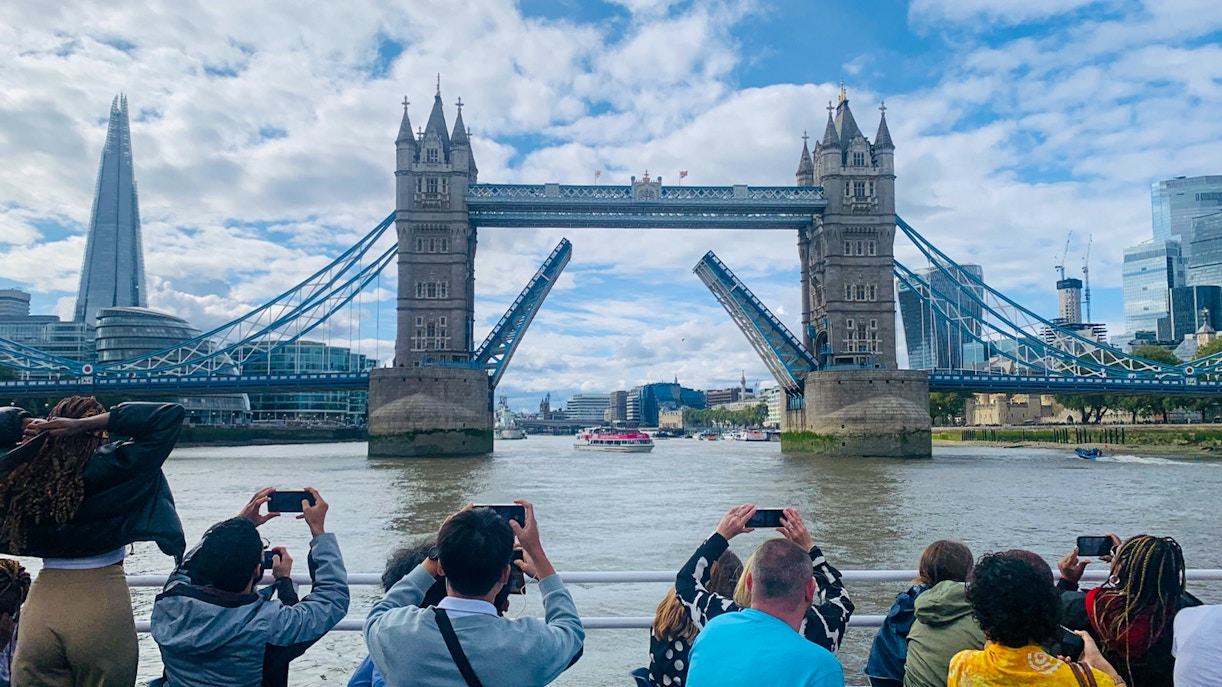
- Bridge lifts: Plan your visit around a scheduled bridge lift to watch the massive bascules rise dramatically beneath the Glass Walkway panels.
- Golden-hour views: Late afternoon light creates especially beautiful skyline views, with London landmarks glowing warmly beyond the bridge’s blue suspension frames.
- Standard visit: Most visitors comfortably spend around 90 minutes exploring the towers, glass walkways, exhibitions, and Victorian Engine Rooms at an easy pace.
- Quick route: Short on time? Prioritize the North Tower exhibits, Glass Walkway views, and final Engine Rooms displays within a focused one-hour visit.
- Relaxed route: A slower two-hour visit gives time for films, Blue Line plaques, skyline photography, and interactive engineering displays inside the Engine Rooms.
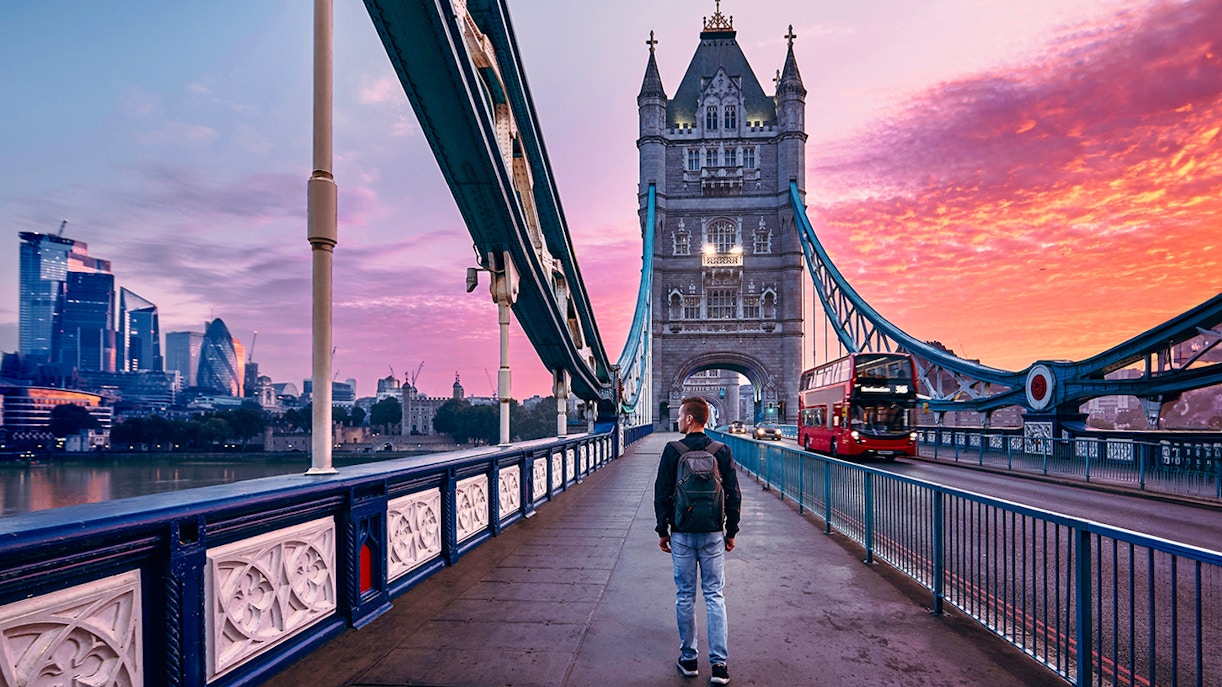
- Photo pauses: Leave extra time for walkway photographs, especially if you’re waiting to capture boats or buses passing beneath the glass floor.
- Step-free access: Lifts connect every major section of the experience, including the towers, elevated walkways, and historic Victorian Engine Rooms below.
- Relaxed openings: Selected morning sessions offer quieter environments with reduced noise and lower visitor numbers for guests preferring calmer sensory experiences.
- Wheelchair friendly: The exhibition route is fully wheelchair accessible, with spacious pathways and elevators replacing stair-heavy sections throughout the experience.
- Comfortable pace: Seating areas placed along the route allow visitors to pause occasionally while still enjoying uninterrupted views and exhibitions comfortably.
- Travel light: Large suitcases and oversized backpacks are not allowed inside, so carry only essentials to move comfortably through narrower exhibition spaces.
- Glass floor trick: Nervous about stepping onto the transparent panels? Start near the edges first before gradually moving toward the center walkway.
- Photography spots: The central walkway windows offer the clearest skyline photographs, especially toward The Shard, Tower of London, and riverside landmarks nearby.
- Nearby landmarks: Pair your visit with nearby attractions like the Tower of London or The Shard since both are easily walkable from Tower Bridge.
Frequently asked questions about inside Tower Bridge
Yes, you can absolutely go inside Tower Bridge! Your ticket grants access to the Tower Bridge Exhibition, which includes the visit to the towers, glass walkways, exhibitions, and Victorian Engine Rooms.
Inside, you’ll find elevated walkways, glass floor panels, historical exhibitions, panoramic viewing areas, and the original steam-powered machinery that once lifted the bridge.
Yes. The Glass Walkway, which connects the two towers and offers unparalleled bird's-eye views of the river and road below, is a key component and is included with every standard admission ticket to the exhibition.
Absolutely. The Engine Rooms are one of the most distinctive parts of the experience and reveal the enormous machinery that powered the bridge lifts for decades.
No, access to the Victorian Engine Rooms is included in your standard ticket to the Tower Bridge Exhibition. The Engine Rooms are the final part of the self-guided tour after you descend from the high-level walkways.
No. The Blue Line is a short, commemorative path marked with bronze plaques that leads from the South Tower exit to the Engine Rooms. It is an open-air feature, but you must have completed the ticketed exhibition route to access it sequentially.
Most visitors spend between 60 and 90 minutes exploring the full route.
Yes. If your visit overlaps with a scheduled bridge lift, you can watch the bascules rise directly beneath the Glass Walkway.
Yes. Lifts provide access throughout the exhibition route, including the towers, walkways, and Engine Rooms.
Yes, photography is permitted throughout the attraction, including on the Glass Walkway.
Partly. Tower Bridge combines suspension bridge elements with a bascule bridge system, which allows the central roadway sections to lift for passing ships.