The site predates the castle itself. In 914 AD, Æthelflæd, daughter of Alfred the Great, built a defensive fort here to repel Viking raiders along the River Avon. Long before the Normans arrived, this spot guarding the river crossing and the Fosse Way was already considered strategically vital, pushing the site's history back over 1,100 years.
12 interesting facts about Warwick Castle
Warwick Castle is one of England’s most iconic medieval fortresses, with origins dating back to 1068 when it was first built as a motte-and-bailey fort after the Norman Conquest. Over the centuries, it evolved from a military stronghold into a grand residence shaped by powerful noble families and royal influence. Today, it stands as a striking blend of medieval defence, political history, and architectural transformation. Keep reading to discover fascinating facts about its legacy, legends, and hidden stories.
Lesser-known secrets behind Warwick Castle
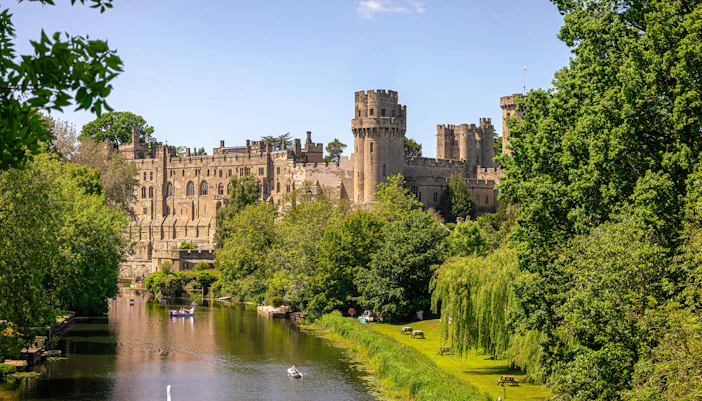
A Saxon fort stood here first
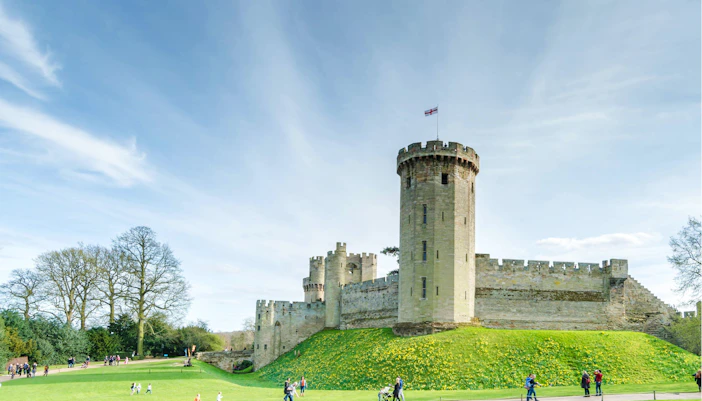
Older than several modern nations
Construction began on Warwick Castle in 1068, more than seven centuries before the United States declared independence in 1776, and even longer before Italy (1861), Canada (1867), and Australia (1901) became unified nations. It's a simple reminder of just how much history these stone walls have witnessed compared with the relatively young borders of today's world map.
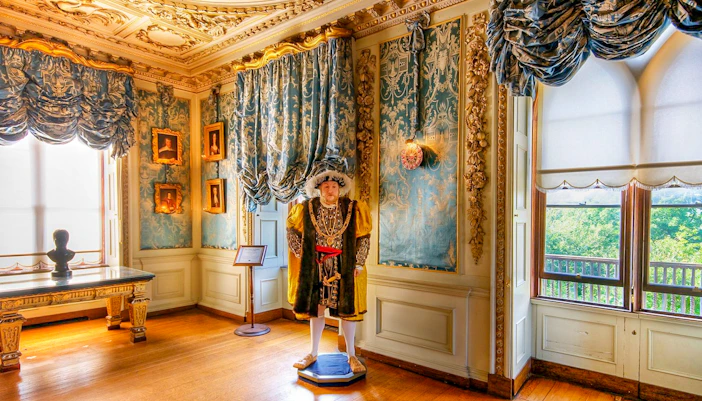
Home of "The Kingmaker"
Richard Neville, 16th Earl of Warwick, earned the nickname "the Kingmaker" for switching allegiances during the Wars of the Roses, helping topple and install rival monarchs as it suited him. He even held King Edward IV prisoner inside Caesar's Tower in 1469, an episode now brought to life in the castle's Kingmaker exhibition.
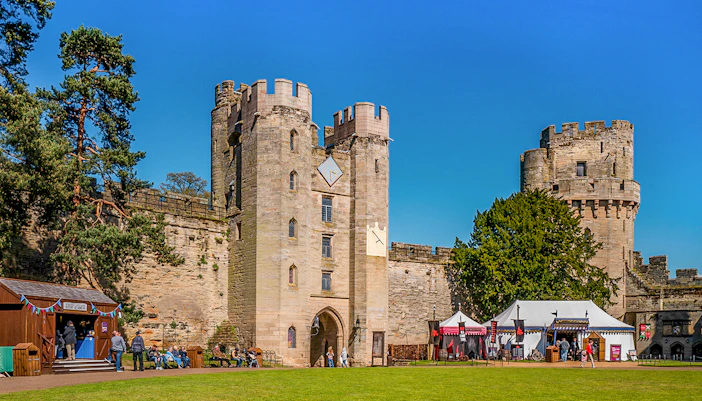
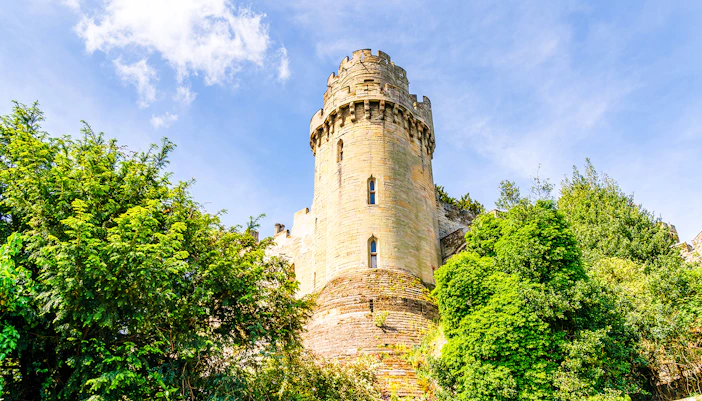
Caesar's Tower doubled as a gaol
Caesar's Tower is the castle's tallest structure, standing around 40 metres (roughly 130 feet) high — easy to underestimate, since it's measured from a lower point than Guy's Tower. It's also one of only two quatrefoil-shaped towers in England, with a basement gaol where prisoners once scratched their names into the stone walls.
Ruled by a two-year-old countess
When Henry de Beauchamp, 1st Duke of Warwick, died in 1446, the castle and earldom passed to his young daughter, Anne de Beauchamp, who became Countess of Warwick at just two years old. She held the title for only a few years before her own death, after which the estate passed to her aunt.
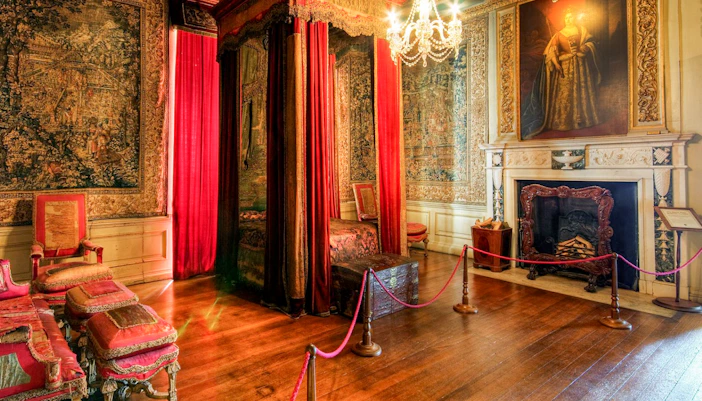
Canaletto's favourite British subject
Italian master Antonio Canaletto painted Warwick Castle more often than any other building in Britain, producing five paintings and three drawings of it around 1747-48. His views of the castle and grounds remain some of the most celebrated depictions of an English country estate by a major continental artist.
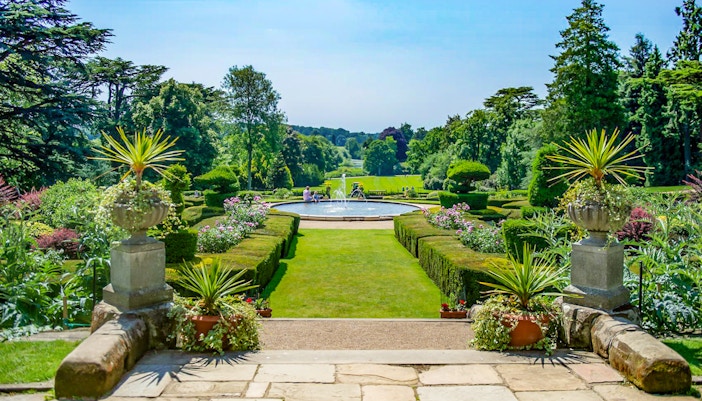
Capability Brown reimagined the castle parkland
In 1749, Francis Greville commissioned landscape architect Lancelot 'Capability' Brown to redesign the grounds surrounding Warwick Castle. Over the following years, Brown reshaped the estate into a landscape park, placed tree plantings, and framed views of the River Avon and the castle itself. Much of his overall vision remains visible today in the castle's parkland setting.
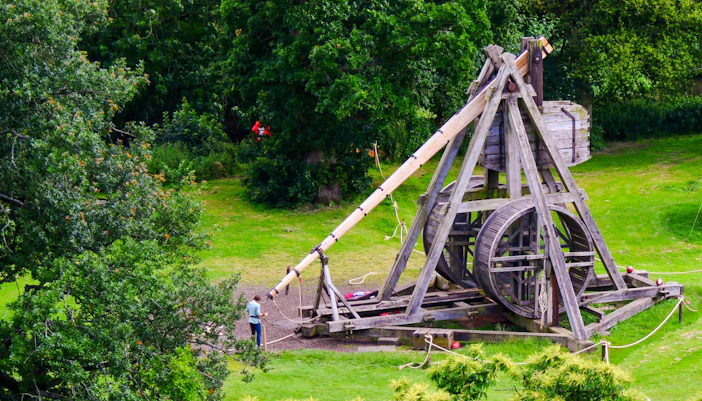
Britain's largest working trebuchet
Standing 18 metres tall and weighing 22 tonnes, the trebuchet on the castle's riverbank is the largest working siege engine of its kind in the world. Built from over 300 pieces of oak using mediaeval designs, it's capable of launching an 18-kilogram projectile roughly 200 metres, recreating one of history's most fearsome weapons.
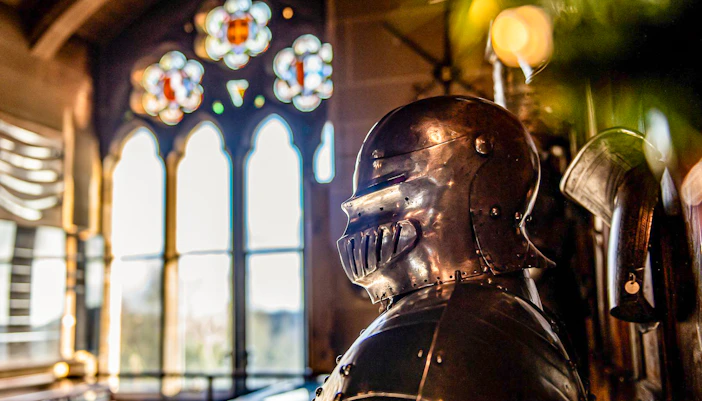
An armoury second only to the Tower of London
The castle's collection of mediaeval arms and armour is widely regarded as Britain's finest outside the Tower of London. Displayed throughout the Great Hall, it includes full suits crafted for both knights and horses, alongside one of only a handful of surviving suits of armour made for a child.
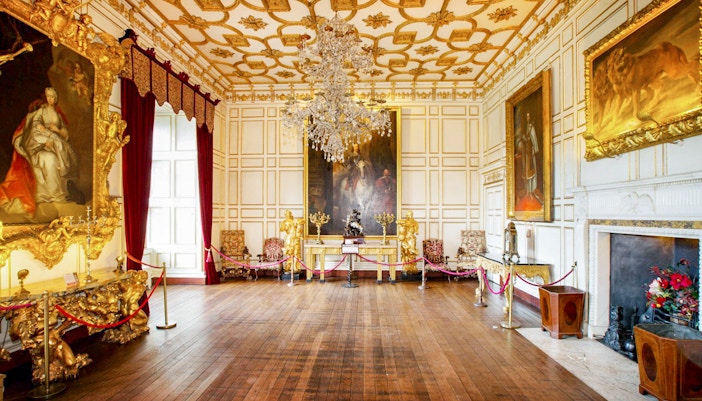
Haunted by a murdered Earl
Sir Fulke Greville, who restored the castle in the early 1600s, was fatally stabbed by his own servant in 1628 after the man discovered he'd been left out of Greville's will. His ghost is said to still wander the tower that now bears his name, the Ghost Tower, complete with reported cold spots and unexplained noises.
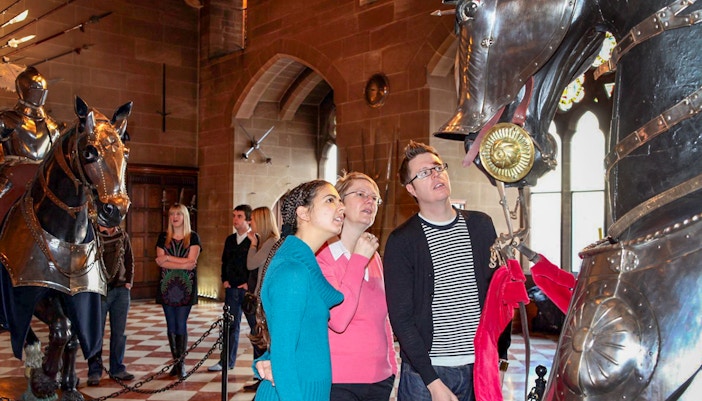
Sheltered evacuees in World War II
During the Blitz, the Earl of Warwick opened the castle's grounds to evacuees fleeing bombing raids on nearby Coventry. Local legend also claims that captured Nazi official Rudolf Hess was secretly held overnight at the castle while being transported from Scotland to London, though this has never been officially confirmed.
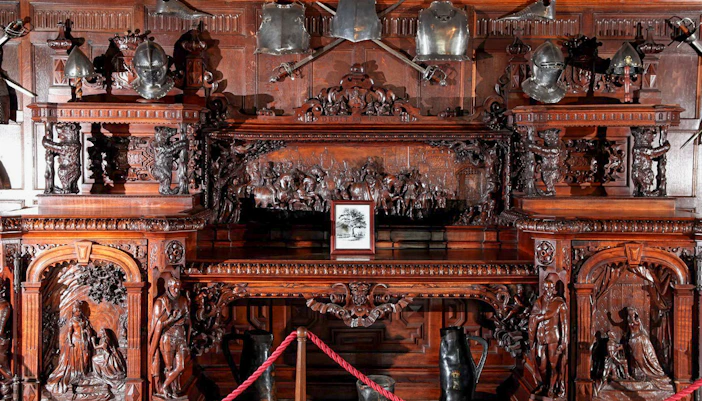
A Royal favourite was held and executed here
In 1312, Piers Gaveston, the controversial favourite of King Edward II, was seized by Guy de Beauchamp, 10th Earl of Warwick, and imprisoned at the castle. A group of rebellious barons accused him of stealing royal treasure, and he was taken from Warwick Castle to nearby Blacklow Hill, where he was executed without a formal trial.
Frequently asked questions about Warwick Castle facts
Warwick Castle dates back to 1068, when it was first built as a wooden motte-and-bailey fort shortly after the Norman Conquest of England. Over time, it was rebuilt in stone and expanded into a major medieval fortress that reflects nearly a thousand years of continuous development.
The castle is a major landmark in English medieval history, representing both military power and noble prestige. It was controlled by influential families such as the Beauchamps and Grevilles and played a role in shaping regional power struggles and royal politics over several centuries.
It is located in Warwick, Warwickshire, England, on a bend of the River Avon. This position was strategically chosen because the river acted as a natural defence barrier, reducing access points and strengthening the castle’s defensive advantage.
The castle was originally built in 1068 by William the Conqueror’s forces. Its main purpose was military defence, helping to secure Norman control over England after the conquest of 1066 and acting as a regional stronghold.
Warwick Castle evolved from a wooden fort into a stone fortress during the mediaeval period. By the 17th century, it transitioned from a military structure into a country residence under Fulke Greville, reflecting changing political and social conditions in England.
The castle played an important strategic role during conflicts such as the Wars of the Roses. Its strong defensive position made it a valuable prize, and control of the castle frequently changed between opposing factions due to its military importance.
Key structures include Guy’s Tower, completed in 1395 and standing around 39 metres tall, and Caesar’s Tower, which dates back to the 14th century. Both were originally built for defence and later adapted for residential and administrative purposes.
Yes, the castle has undergone multiple phases of rebuilding and restoration. It was strengthened in stone during the mediaeval period, expanded by noble families, and significantly restored after a major fire in 1871, which led to Victorian-era interior redesigns.
Today, Warwick Castle is operated by Merlin Entertainments. It now functions as a major heritage attraction combining historical preservation with live shows and visitor experiences.


