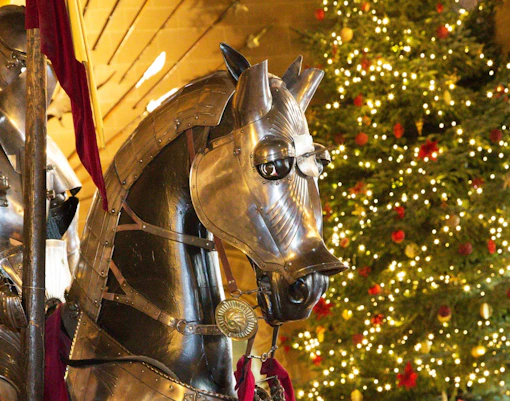
- Great Hall: A vast ceremonial space filled with armour, weapons, and displays reflecting royal banquets and authority.
- State Rooms: Lavishly decorated interiors showing how the fortress evolved into an aristocratic residence.
- Core feel: A shift from military strength to royal grandeur within the same stone walls.
Inside Warwick Castle | Towers, state rooms & history
Warwick Castle is a fully functioning medieval fortress where grand interiors, defensive towers, and open-air performances come together in one historic setting. Inside, you'll find the Great Hall, State Rooms, walkable ramparts, historic towers, gardens, and live shows that bring the castle's medieval atmosphere to life.
- Must-sees: The Great Hall with armour displays, richly furnished state rooms, and the ramparts with views over the River Avon.
- Standout experiences: Tower climbs at Guy’s and Caesar’s Towers, the immersive Dungeon add-on, and scheduled Birds of Prey shows on the grounds.
- Pro-tip: Time your visit around live shows and tower access early in the day, as queues build quickly; upgrade tickets help secure smoother entry to interior areas.
Know more about: History | Things to do nearby | Facts | Guided Tours
What to expect inside Warwick Castle?
More than just a medieval fortress, Warwick Castle is a layered journey through nearly a thousand years of history. Step inside and you move from Norman stronghold to royal residence to live-action medieval world in a single walk—where stone walls, grand halls, and open courtyards bring together stories of power, defence, and spectacle.

Medieval fortress & royal interiors
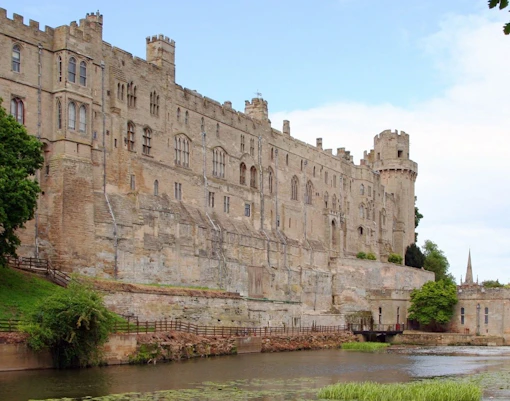
Towers, ramparts & river views
- Guy’s Tower: One of the castle’s highest defensive structures with steep stone climbs.
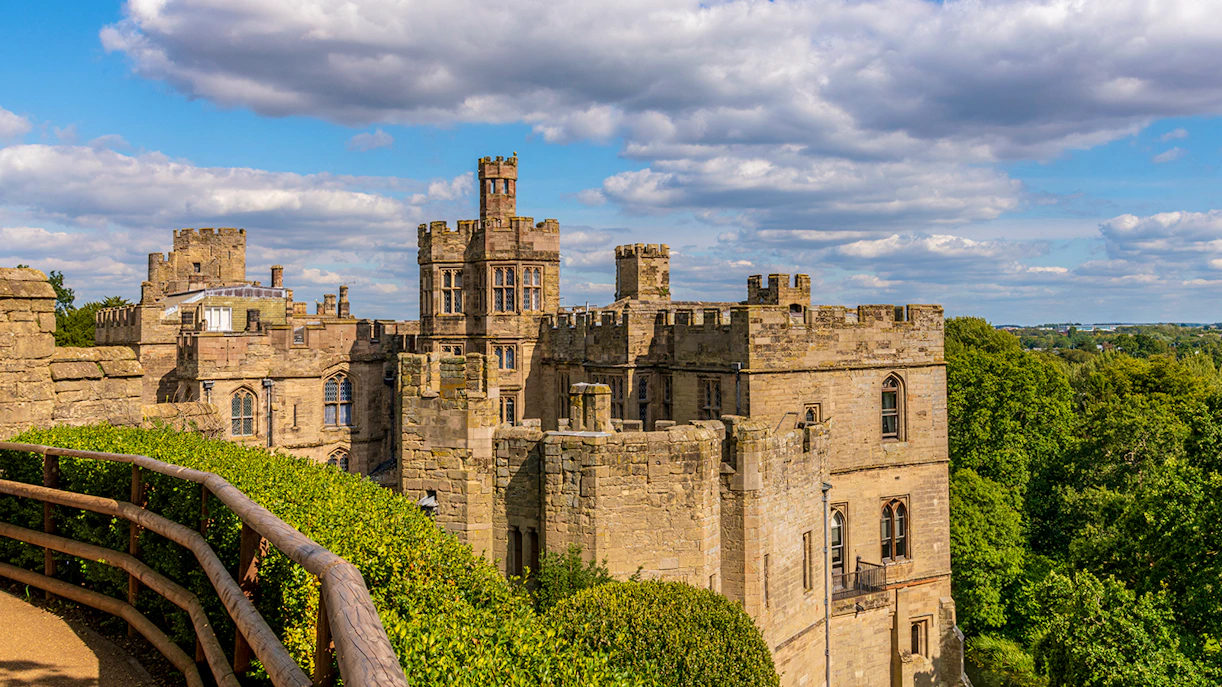
- Ramparts: Walkable battlements that reveal how the castle was designed for defence.
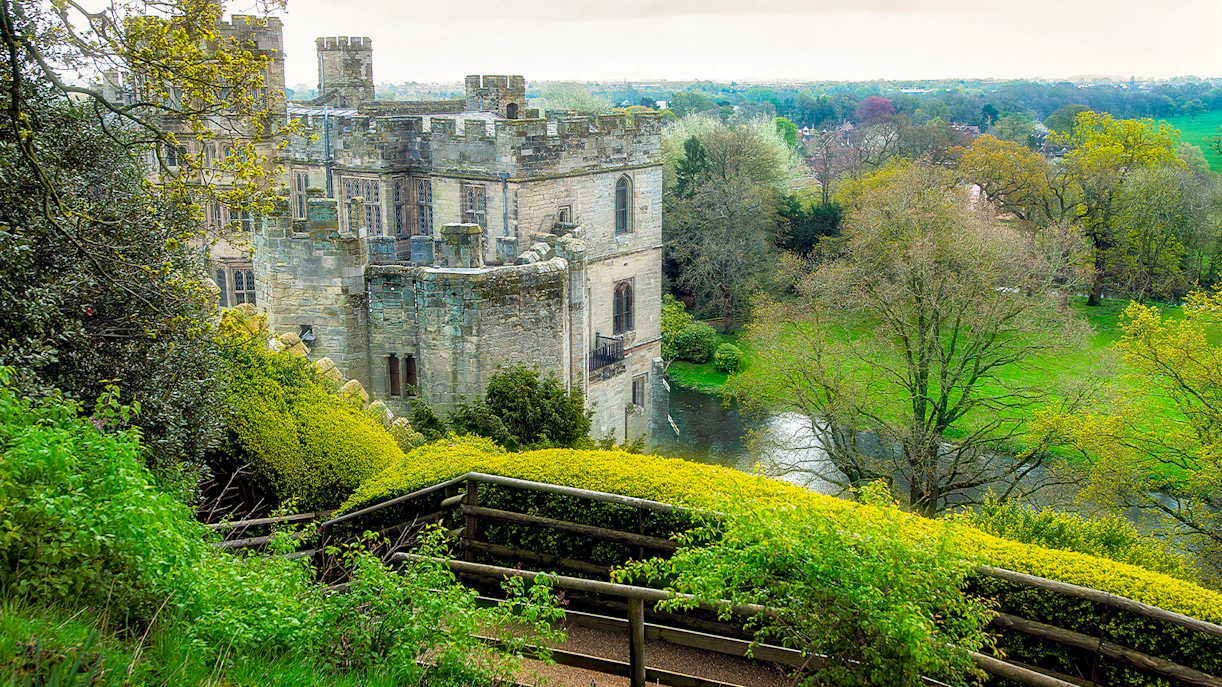
- River Avon views: Elevated perspectives showing the strategic importance of the fortress location.
Victorian reinvention & staged grandeur
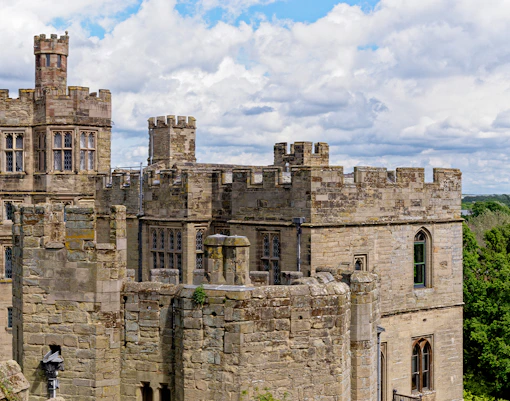
- East Front: A dramatic façade redesigned in the Victorian era to reflect romantic medieval ideals.
- Interior styling: Rooms curated to present an idealised version of castle life.
- Experience shift: The castle transforms from working fortress into curated historic showcase.

Live shows & immersive storytelling
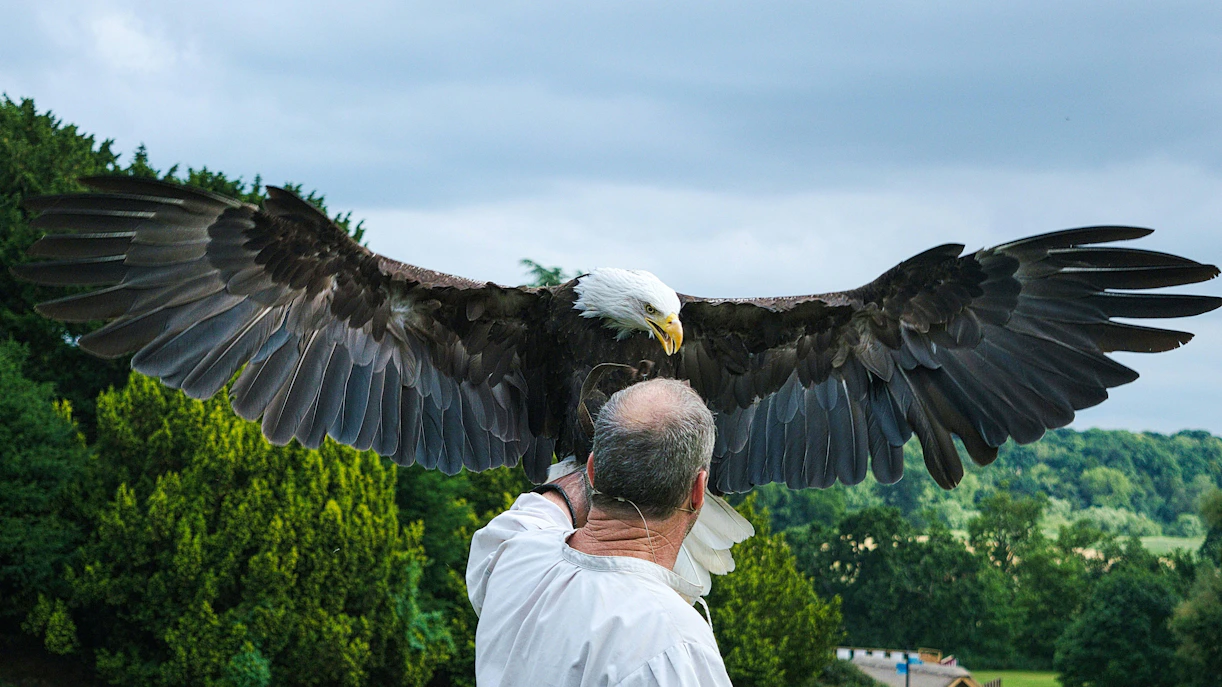
- Birds of Prey: Scheduled outdoor displays featuring eagles, vultures, and falcons in flight.
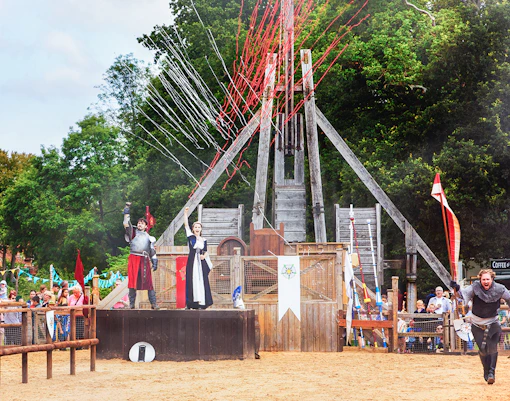
- Trebuchet area: Siege-themed demonstrations bringing medieval warfare to life.
- Grounds experience: Open-air spaces used throughout the day for live performances and storytelling.
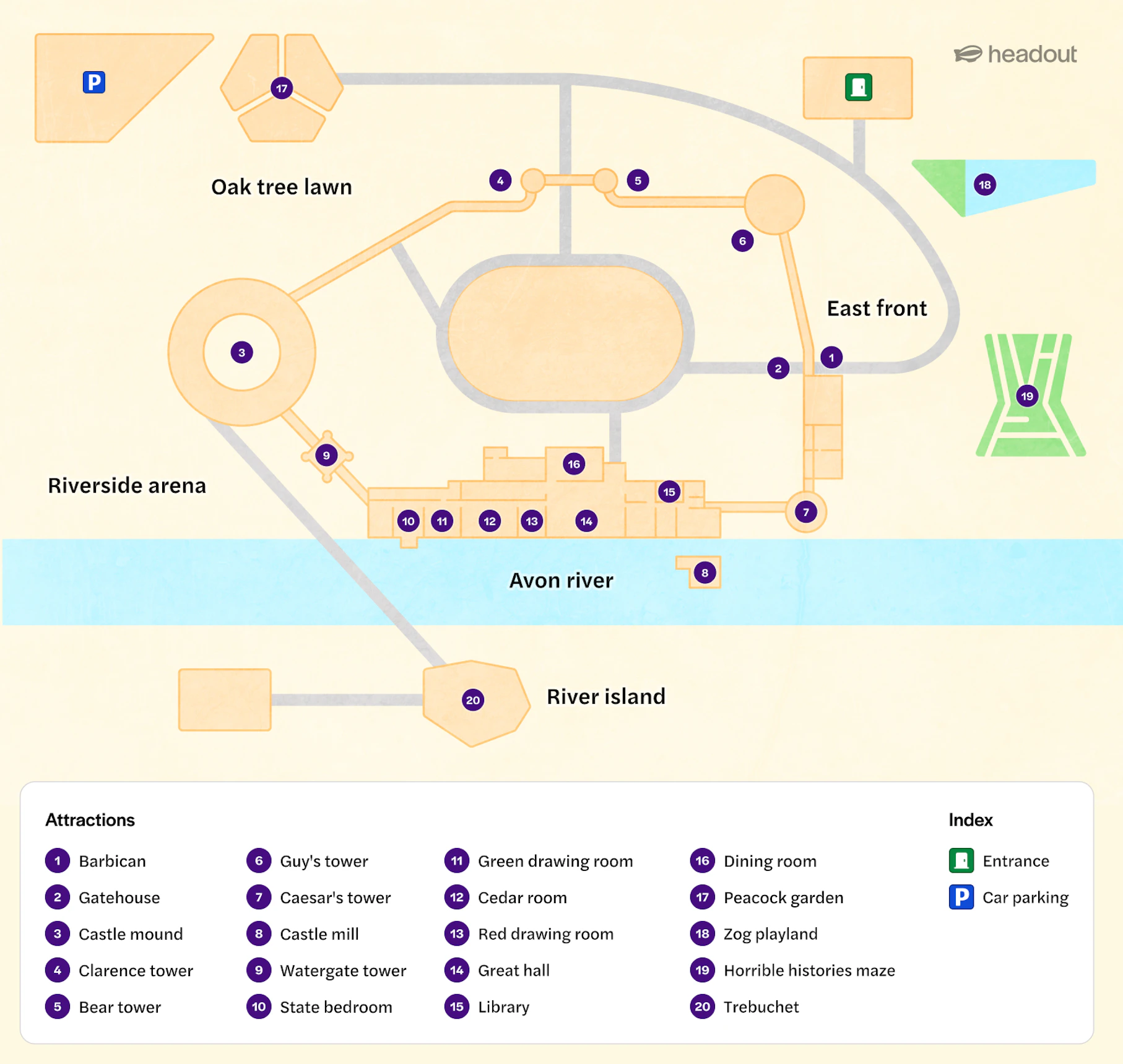
Find your way around Warwick Castle
Warwick Castle Interiors
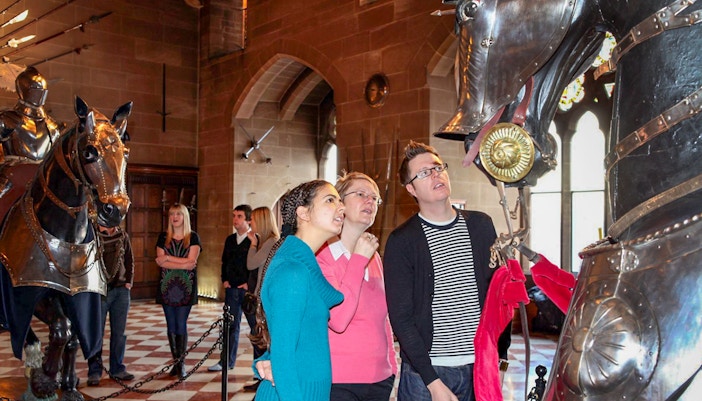
The Great Hall
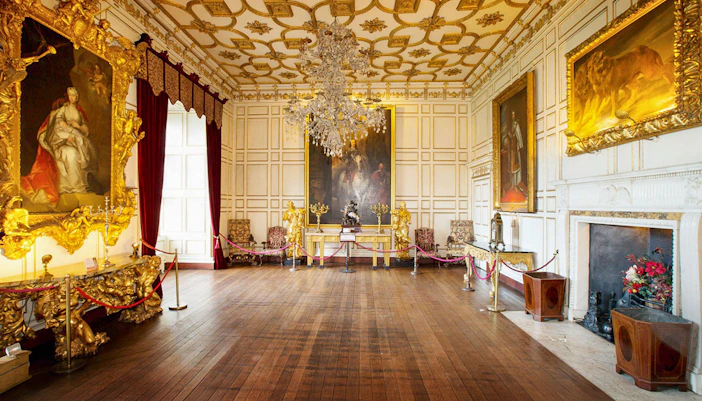
Step into one of Warwick Castle’s most powerful interior spaces, where towering ceilings, full suits of armour, wax figures, and grand medieval staging recreate the atmosphere of royal feasts and ceremonial gatherings.
- Why it matters: It represents the castle at its peak as a seat of medieval power, where ceremony, defence, and prestige came together.
- Pro-tip: Visit early to experience the hall before it fills with tour groups and live demonstrations.
The State Rooms
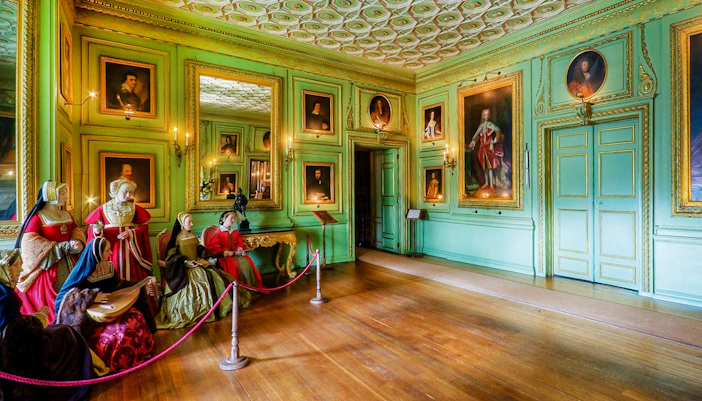
The State Rooms are a connected sequence of richly restored interiors that show how Warwick Castle evolved from a fortress into an aristocratic residence. Each room reflects different design influences and shifting ideas of luxury across centuries.
- Why it matters: They demonstrate the castle’s transformation into a lived-in home shaped by wealth, politics, and changing taste.
- Pro-tip: Move slowly through this section — the experience is in the transition between rooms, not any single highlight.
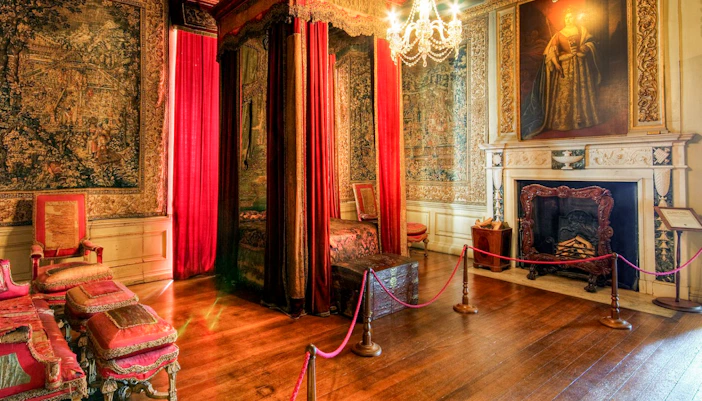
The Red Drawing Room
This room served as a formal reception space for high-status guests, richly decorated to reflect its ceremonial role during the castle’s residential era. The room contains a portrait of Sir Fulke Greville, the first Greville owner of the castle, who was killed by a stab wound from his manservant.
- Why it matters: It reveals the social function of the castle as a place of display, influence, and aristocratic hosting.
- Pro-tip: Look closely at layered decorative elements that reflect later restoration periods.
The Cedar Drawing Room
The Cedar Drawing Room is a warm, wood-panelled interior space designed for refined gatherings and more private entertaining within the castle residence. The largest of the castle’s drawing rooms, it is named after the cedar panelling installed in the 1670s and was used as the main ballroom.
- Why it matters: It highlights how comfort and domestic living replaced military function in the castle’s later evolution.
- Pro-tip: Pay attention to the woodwork — it is one of the most detailed features in the State Rooms.
The Green Drawing Room
A formal entertaining room used for social gatherings, balancing decorative elegance with restrained aristocratic design, the Green Drawing Room was originally used as a men’s drawing room. Its ceiling, installed in the 1750s, was inspired by a Roman temple in Palmyra, Syria.
- Why it matters: It shows how medieval spaces were adapted into structured social environments over time.
- Pro-tip: Lighting changes the atmosphere significantly, so take time to view it from different angles.
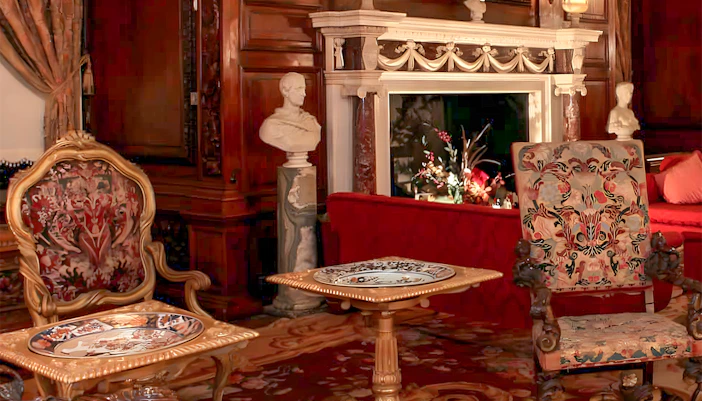
The Blue Boudoir
The Blue Boudoir was a private chamber used for personal retreat within the residential quarters of the castle. Originally used as a dressing room for the adjoining Queen Anne bedroom, it was later converted by Daisy Greville into a boudoir and writing room.
- Why it matters: It offers a rare glimpse into private aristocratic life inside a historic fortress-turned-residence.
- Pro-tip: Best experienced when quiet, as the compact space is easily overlooked.
Warwick Castle Exteriors
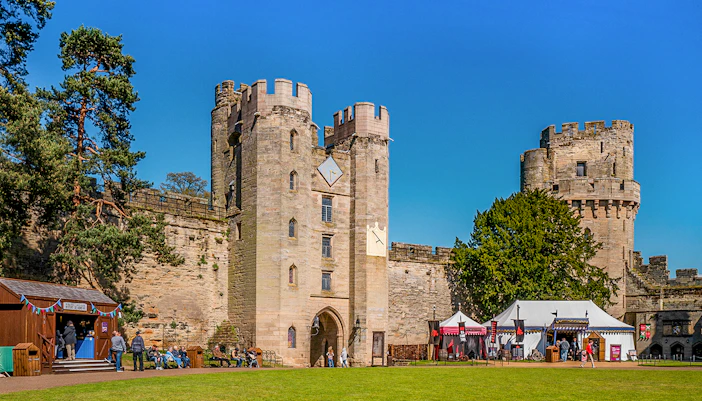
The Towers and Ramparts
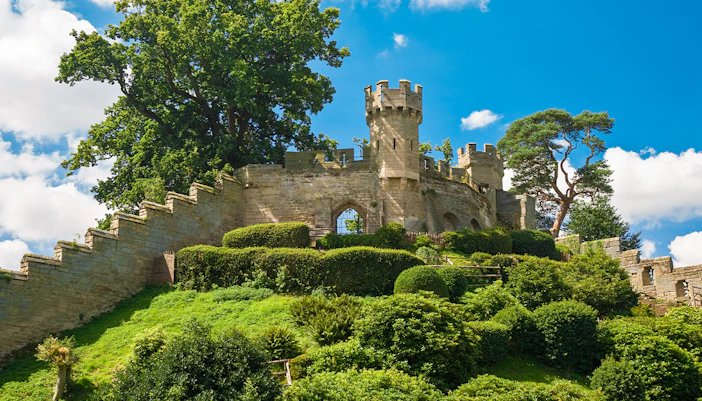
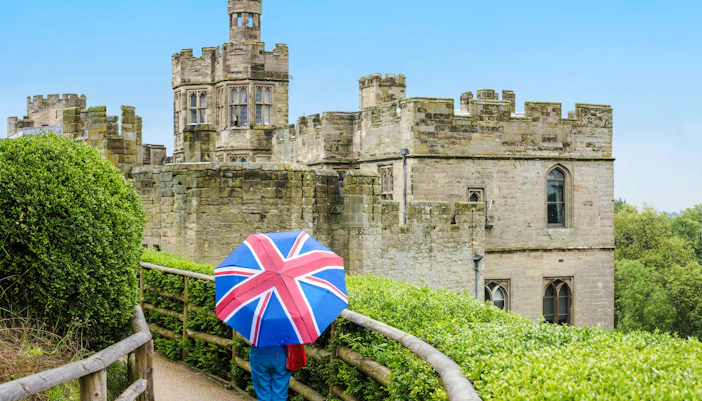
A network of medieval defensive walls, elevated walkways, and towers that formed the castle's first line of protection, connecting key points of the fortress while offering views across the surrounding landscape.
- Why it matters: They demonstrate the castle’s original defensive engineering and strategic design for surveillance and protection.
- Pro-tip: Complete the full circuit for the best panoramic views of the River Avon and grounds.
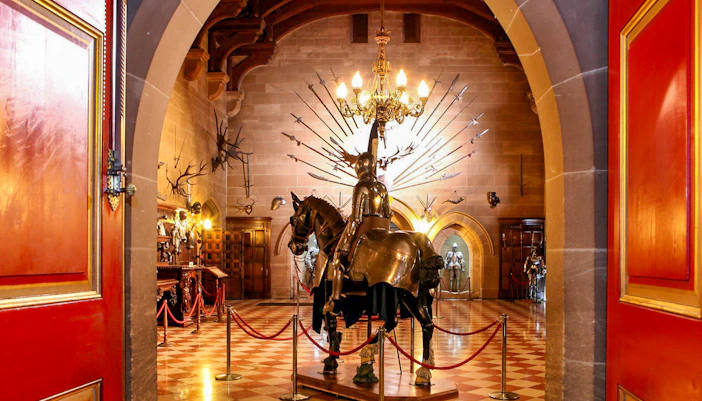
Guy’s Tower
A tall medieval tower built for defence and observation, requiring a steep climb through narrow stone stairways. Reaching the top gives a strong sense of the castle’s military scale.
- Why it matters: It reflects the importance of height in medieval defence strategy and castle design.
- Pro-tip: Climb in clear weather for the most rewarding views across Warwick.
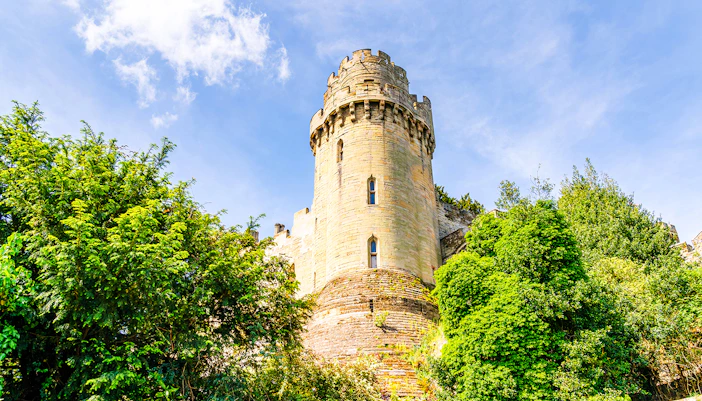
Caesar’s Tower
A major defensive tower forming part of the castle’s medieval stronghold system, reinforcing its layered fortification structure.
- Why it matters: It illustrates how the castle was engineered as a fully integrated defensive complex.
- Pro-tip: Combine with Guy’s Tower for a complete understanding of the castle’s defence layout.
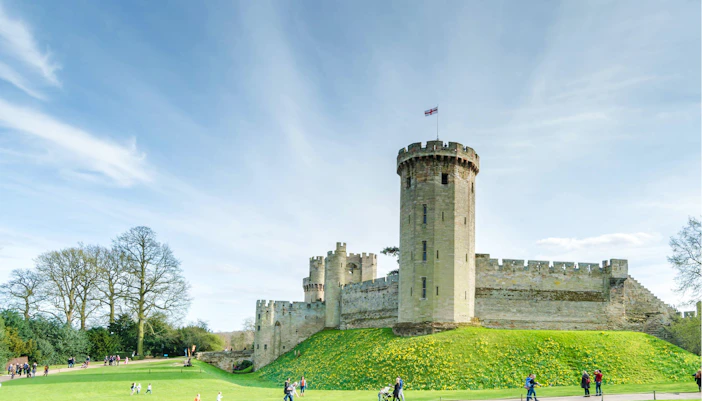
The East Front
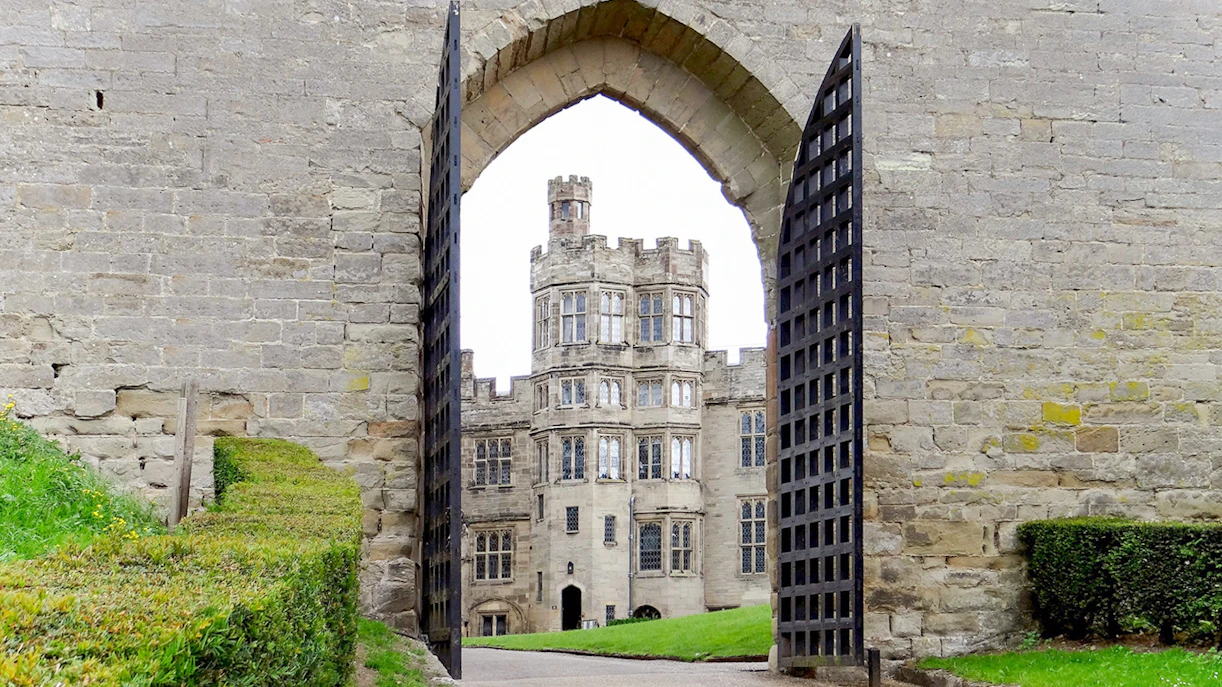
A visually dramatic façade redesigned in the 19th century to enhance the castle’s romantic medieval appearance. It is one of the most iconic visual perspectives of the site.
- Why it matters: It shows how later centuries reshaped medieval architecture for aesthetic and cultural impact.
- Pro-tip: View from the courtyard for the most balanced and complete perspective.
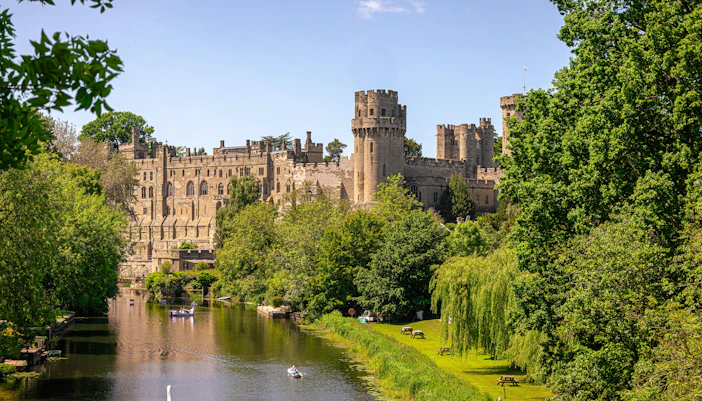
The Conqueror’s Fortress
A reconstructed medieval-style area designed to represent the castle’s early Norman defensive identity and original fortification style.
- Why it matters: It helps visitors understand how early castles were built, defended, and experienced.
- Pro-tip: Take time here to absorb the interpretive design rather than rushing through.
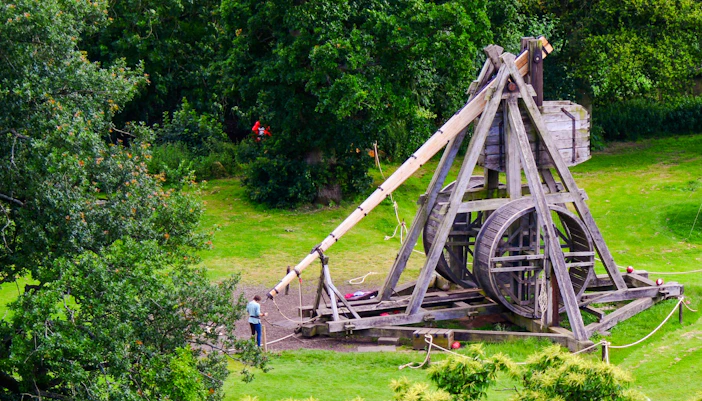
The Trebuchet Area
An outdoor demonstration zone featuring a full-scale working trebuchet used for live siege weapon displays.
- Why it matters: It brings medieval warfare engineering to life through large-scale mechanical demonstrations.
- Pro-tip: Stand at a safe distance to see the full launch arc clearly.

Birds of Prey Displays
Live flying demonstrations featuring trained birds of prey performing across the castle grounds during scheduled shows.
- Why it matters: It connects medieval hunting traditions with modern live interpretation.
- Pro-tip: Arrive early for unobstructed viewing positions.
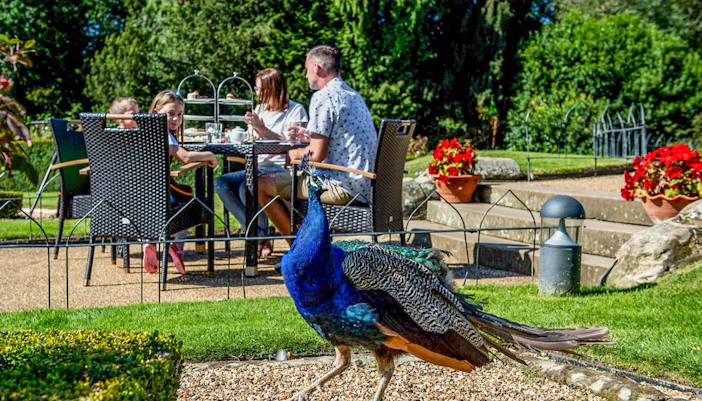
The Grounds and Peacock Garden
Landscaped gardens where peacocks roam freely, offering a peaceful contrast to the castle’s heavy stone architecture.
- Why it matters: It reflects the castle’s evolution into a heritage attraction with landscaped leisure spaces.
- Pro-tip: Visit in soft afternoon light for the best atmosphere and photography.
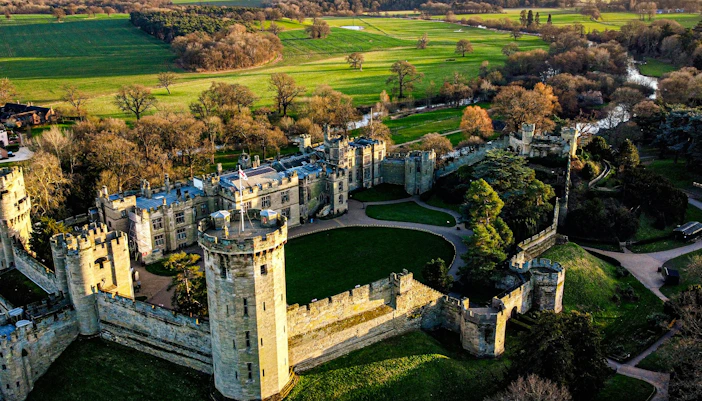
Pageant Field
A large open-air space used for seasonal performances, reenactments, and live historical shows within the castle grounds.
- Why it matters: It continues the tradition of storytelling through performance within the castle setting.
- Pro-tip: Check event timings early as this area often hosts scheduled shows.
The Mill and Engine House
Historic service buildings that supported the castle’s day-to-day operations as part of its working estate infrastructure.
- Why it matters: It reveals the practical systems that sustained life inside the castle beyond its ceremonial spaces.
- Pro-tip: Often missed, but useful for understanding how the estate functioned as a whole.
How to explore Warwick Castle
- Entry options: Warwick Castle offers standard entry tickets as well as upgraded experiences that include access to interiors, towers, and live shows. Booking online in advance is strongly recommended during peak seasons when entry slots fill quickly.
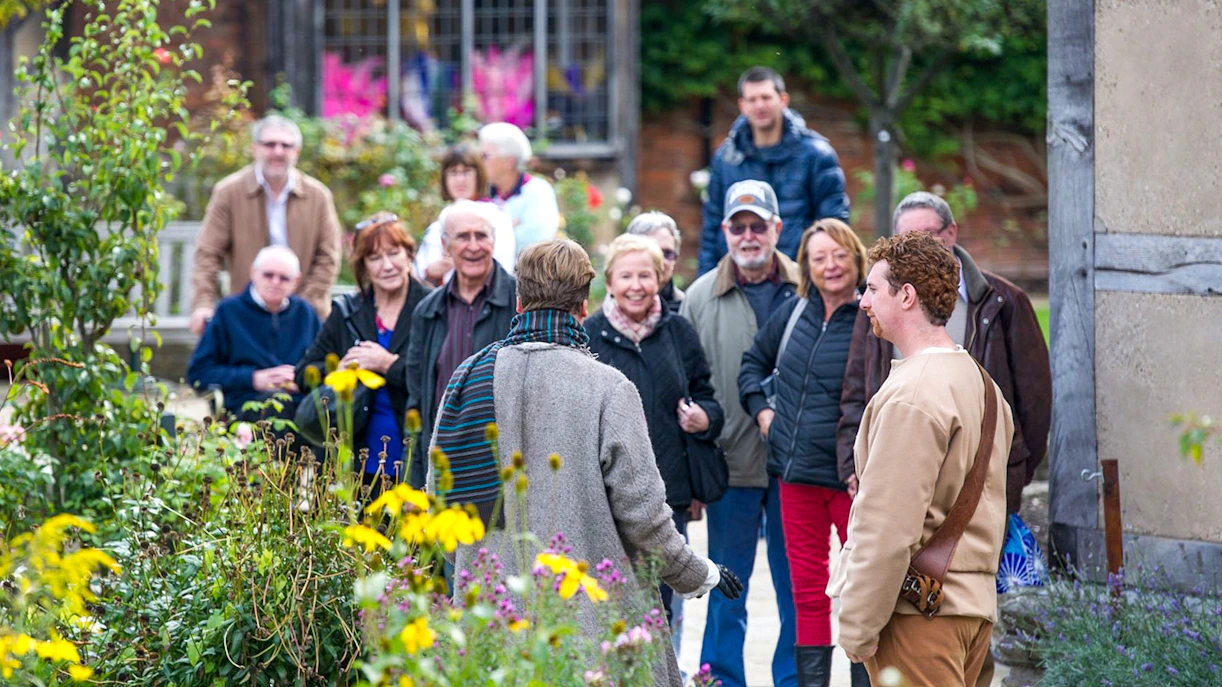
- Guided experience: A guided day trip with entry provides structured access to key interiors like the Great Hall and State Rooms, helping you experience the castle beyond its exterior.
- Arrive prepared: Timed entry is strictly managed, so arriving early ensures smoother entry and more time inside the castle.
- Early arrival advantage: Morning entry offers the most comfortable experience for interiors like the Great Hall before crowds build.
- Quieter windows: Late afternoon can feel calmer once large groups shift toward outdoor shows.
- Seasonal flow: Weekdays outside school holidays are noticeably less crowded across both interiors and grounds.
- Quick visit (1–2 hours): Focus on the Great Hall, State Rooms, and ramparts for a compact experience of the castle’s core highlights.
- Standard visit (2–4 hours): Includes towers, gardens, and selected live shows for a fuller experience of the estate.
- Full experience (half day+): Allows time for interiors, towers, outdoor spaces, and performances without rushing key areas.
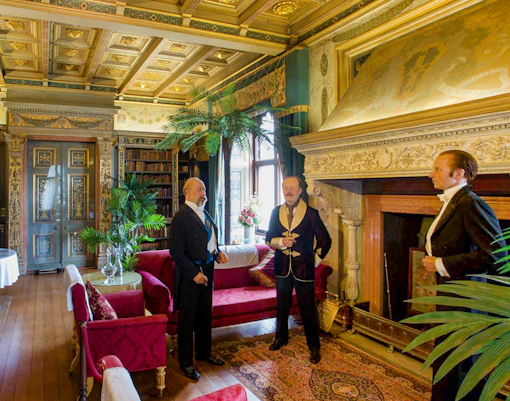
60-minute highlights route
Focus on the Great Hall, State Rooms, and ramparts for a quick but rewarding introduction to Warwick Castle’s medieval interiors, aristocratic rooms, and defensive viewpoints.
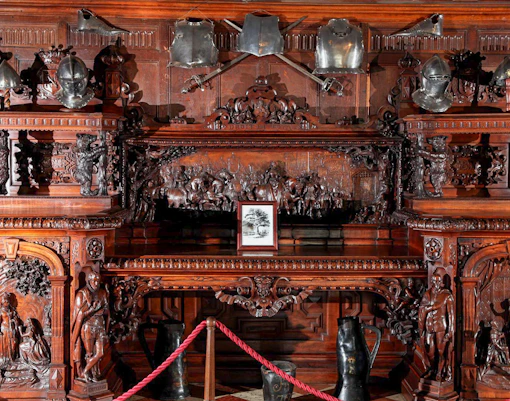
2-hour must-see route
Begin with the Great Hall and State Rooms, then move through Guy’s Tower or Caesar’s Tower before finishing on the ramparts with views over the River Avon and surrounding estate.
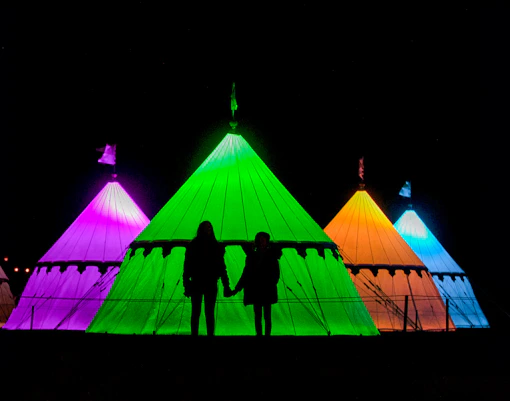
Half-day deep-dive route
Explore the full interior experience, including the Great Hall, Red Drawing Room, Cedar Drawing Room, Green Drawing Room, and Blue Boudoir, then continue to the towers, Conqueror’s Fortress, and outdoor areas like the Peacock Garden and River Island.
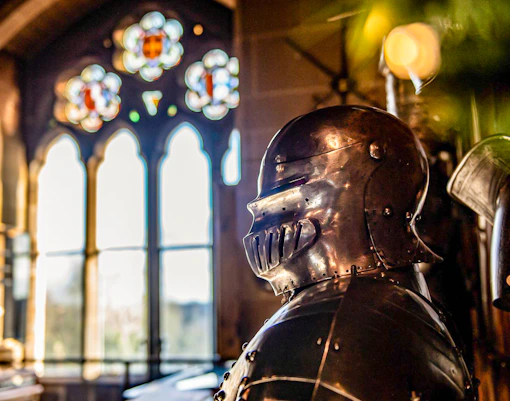
Must-see stop
The Great Hall is the castle’s most iconic interior space and becomes busy quickly during peak hours, so it is best experienced early in your visit if it is a priority.
- Step-free access: Many ground-level areas including parts of the State Rooms and outdoor spaces are accessible, though towers involve steep climbs and narrow stairways.
- Mobility support: Accessible facilities and seating areas are available across the site with assistance at key points.
- Visitor comfort: Rest areas are distributed across the grounds for breaks during longer visits.
- Photography: Allowed in most areas, though flash and tripods are restricted indoors and during certain displays.
- Bag checks: Security screening may take place at entry, and large bags may be restricted inside interiors.
- Respect interiors: Some rooms have restricted access zones and must be viewed without touching furnishings or displays.
- Plan around shows: Birds of Prey and trebuchet demonstrations can shape your entire visit, so check timings early.
- Start indoors first: Begin with the Great Hall and State Rooms before moving outdoors to avoid peak crowd overlap.
- Balance your route: Mix interiors and exterior spaces instead of completing one section fully first.
- Guided advantage: A guided entry helps structure the experience so you cover the most important interiors efficiently.
Frequently asked questions about what’s inside Warwick Castle
Yes, Warwick Castle is fully open to visitors, with access to historic interiors like the Great Hall, State Rooms, and towers, as well as outdoor spaces such as the ramparts and gardens. Some areas may require specific entry tickets or timed access depending on the season.
Top highlights include the Great Hall with its medieval armour displays, the richly decorated State Rooms, and tower climbs such as Guy’s Tower. The ramparts also offer some of the best panoramic views across the River Avon and surrounding estate.
Yes, the interior experience reveals far more than the exterior alone. Inside, you move through centuries of history—from medieval defence structures to aristocratic living spaces—giving a much deeper understanding of how the castle evolved over time.
Visitors can explore a range of key interiors including the Great Hall, multiple State Rooms, and themed drawing rooms such as the Red, Cedar, Green, and Blue rooms. Access depends on the ticket type and seasonal opening schedules.
No, you can explore independently, but guided experiences help bring context to key spaces like the Great Hall and towers. They also help you navigate the site more efficiently, especially during busy periods.
Photography is generally allowed in most areas, but restrictions may apply in certain rooms or during live shows. Flash and tripods are typically not permitted inside historic interiors.
The Great Hall features full suits of armour, wax figures, and large-scale medieval staging designed to recreate royal feasts and ceremonial gatherings, reflecting the castle’s role as a seat of medieval power.
Yes, visitor facilities including restrooms and cafés are available within the castle grounds, making it possible to spend several hours exploring comfortably.
Yes, select towers such as Guy’s Tower and Caesar’s Tower are open to visitors. These involve steep stair climbs but reward you with elevated views over the castle and surrounding landscape.
Warwick Castle was historically home to the Greville family, who transformed it from a medieval fortress into a grand aristocratic residence, shaping many of the interiors seen today.