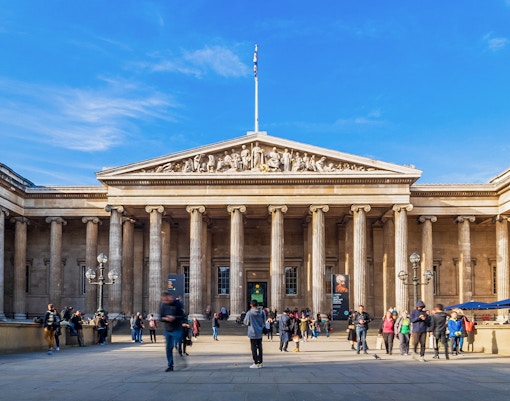
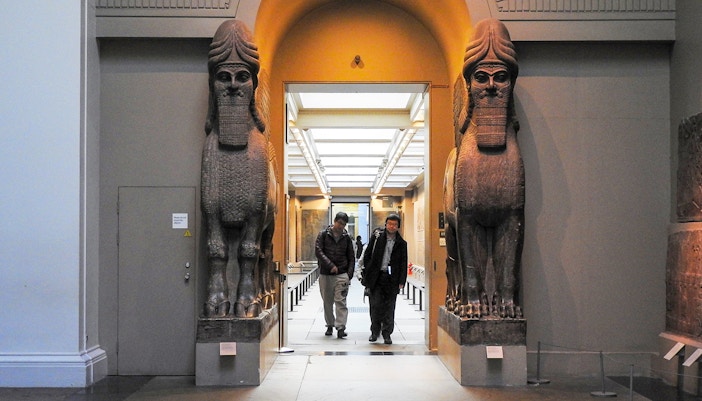
Plan your visit to the British Museum

The British Museum is a vast London museum best known for the Rosetta Stone, the Parthenon Sculptures, and its Egyptian collections. A visit feels less like a single gallery stop and more like navigating a small city of civilizations, with crowded choke points around the headline objects and much quieter wings beyond them. The biggest difference between a frustrating visit and a good one is route planning: start with your must-sees, then peel off into calmer rooms. This guide covers timing, tickets, entrances, and how to move through it smartly.

Quick overview: British Museum at a glance

If you only read one section before booking, make it this one.

  • When to visit: Daily from 10am–5pm, with late opening on Friday until 8:30pm; Friday after 5pm is noticeably calmer than 11am–3pm because school groups and midday tour traffic have mostly cleared.
  • Getting in: From £0 for standard entry. Guided tour from £14. Advance booking for a free timed slot is smart on weekends, school holidays, and in summer, but walk-ins are usually more realistic on quieter weekday mornings.
  • How long to allow: 2–3 hours for most visitors. It pushes toward 4 hours if you want Egypt, Greece and Rome, and one quieter wing such as Britain or Asia without rushing.
  • What most people miss: The Great Court is more than a pass-through, and the Sutton Hoo helmet, Enlightenment Gallery, and Chinese ceramics rooms are where the museum starts to feel spacious again.
  • Is a guide worth it? Yes if it’s your first visit and you only have a short window; otherwise the paid audioguide gives enough context for less if you’re happy choosing your own pace.

🎟️ Free timed-entry slots for the British Museum can go quickly on summer weekends and school-holiday mornings. Lock in your visit before the time you want is gone. See ticket options

Jump to what you need

🕒 Where and when to go

Hours, directions, entrances and the best time to arrive

🗓️ How much time do you need?

Visit lengths, suggested routes and how to plan around your time

🎟️ Which ticket is right for you?

Compare all entry options, tours and special experiences

🗺️ Getting around

How the galleries are laid out and the route that makes most sense

🖼️ What to see

Rosetta Stone, Parthenon Sculptures, Egyptian mummies

♿ Facilities and accessibility

Restrooms, lockers, accessibility details and family services

Where and when to go

How do you get to the British Museum?

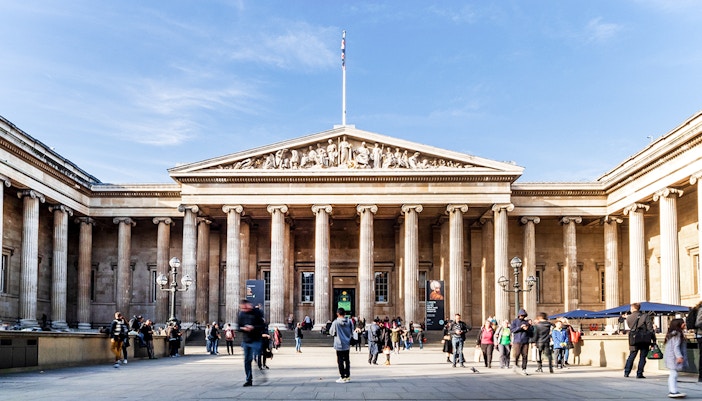
The British Museum is in Bloomsbury, a short walk from Tottenham Court Road and around 1 mile (1.6km) north of Westminster’s main sightseeing core.

Great Russell Street, London WC1B 3DG, United Kingdom

→ Open in Google Maps

  • Tube: Tottenham Court Road → 5-minute walk → Best option if you want the shortest, flattest approach.
  • Tube: Russell Square → 8-minute walk → Useful on the Piccadilly line from King’s Cross or Heathrow.
  • Tube: Holborn → 10-minute walk → Handy if you’re coming from the City or St Paul’s area.
  • Bus: Routes 1, 8, 19, 25, 38, 55, 98 → nearby stops on New Oxford Street or Tottenham Court Road → useful if you’re avoiding stairs.
  • Taxi / rideshare: Drop-off on Great Russell Street → closest for the main entrance, but traffic builds late morning.

Full getting there guide

Which entrance should you use?

Most visitors should use the main public entrance on Great Russell Street, and the biggest mistake is assuming free entry means a quick walk-in at any hour. It doesn’t on busy days.

  • Pre-booked timed entry: For visitors with a reserved free slot. Expect 5–15 minutes during the 10am–11:30am peak.
  • Walk-in entry: For same-day visitors without a reservation. Expect 20–45 minutes on summer weekends and school-holiday afternoons.

Full entrances guide

When is the British Museum open?

  • Monday–Thursday: 10am–5pm
  • Friday: 10am–8:30pm
  • Saturday–Sunday: 10am–5pm
  • Last entry: Aim to arrive at least 45 minutes before closing if you want more than a rushed highlights loop.

When is it busiest? Late morning to mid-afternoon is the most crowded, especially on weekends, summer days, and school-holiday dates when Room 4 and the Great Court can feel packed.

When should you actually go? Friday after 5pm is the best trade-off for most visitors because the Rosetta Stone area thins out and you can still cover one major route without the midday crush.

How much time do you need?

Visit typeRouteDurationWalking distanceWhat you get

Highlights only

Great Court → Rosetta Stone → Parthenon Sculptures → Egyptian mummies → exit

1.5–2 hours

~1.5km

You’ll cover the museum’s biggest-name objects, but you’ll skip quieter rooms where the visit starts to feel less crowded and more rewarding.

Balanced visit

Great Court → Rosetta Stone → Assyrian reliefs → Parthenon Sculptures → Sutton Hoo → Egyptian mummies → exit

2.5–3 hours

~2.5km

This adds range across Egypt, Greece, the Middle East, and Britain, and it gives you a much better sense of the museum beyond its top 3 crowd magnets.

Full exploration

Great Court → Egypt → Greece and Rome → Assyria and the Middle East → Britain and Europe → Asia → exit

4+ hours

~4km

You’ll understand the museum’s scale and variety, but it’s a stamina test and the quality drops if you don’t build in a break.

Full visit + special exhibition

Full exploration route → temporary exhibition galleries → exit

4.5–5 hours

~4.5km

This is the most complete day, but the temporary show requires a separate exhibition ticket and makes pacing much more important.

Which British Museum ticket is best for you

Ticket typeWhat's includedBest forPrice range

General admission reservation

Timed entry to permanent collection

A flexible self-guided visit where you already know your shortlist and don’t want to pay for commentary you may not use.

From £0

Around the World in 90 Minutes tour

Timed entry + 90-minute guided highlights tour

A first visit where you want the Rosetta Stone, Parthenon Sculptures, and mummies covered in one efficient route.

From £14

British Museum audioguide

App-based commentary on key objects and galleries

A self-guided visit where you want context without matching your day to a fixed group departure time.

From £6

Special exhibition ticket

Entry to the temporary exhibition

A visit built around a seasonal show rather than the permanent collection alone.

From £20

Private guided tour

Private guide + tailored route

A short London itinerary where wasting time in the wrong wings would cost you more than the upgrade.

From £100

How do you get around the British Museum?
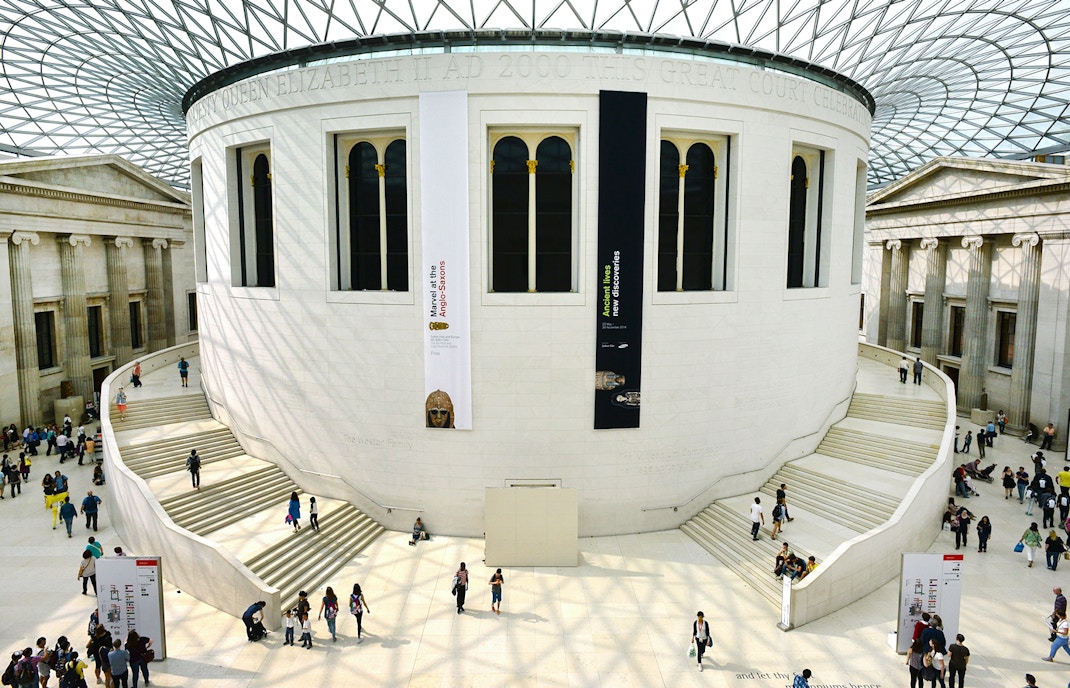
The British Museum is a sprawling multi-wing museum organized around the Great Court, and it’s easy to self-navigate only if you decide your route before you start. In practice, most visitors lose time in the central hub, then double back because the famous rooms sit in different directions rather than on one clean circuit.

Museum layout

The British Museum is sprawling and multi-winged around the Great Court, and it’s easy to think you’re seeing a lot when you’re really looping between the same high-traffic rooms. If you only have 2–3 hours, a map helps more here than in most museums.

  • Room 4 and nearby Egypt galleries → Rosetta Stone and major Egyptian objects → budget 20–30 minutes if you’re moving steadily.
  • Greece and Rome wing → Parthenon Sculptures and classical highlights → budget 30–45 minutes.
  • Rooms 62–63 → Egyptian mummies and funerary material → budget 20–30 minutes.
  • Britain and Europe rooms → Sutton Hoo, Lewis Chessmen, early medieval objects → budget 25–35 minutes.
  • Asia galleries → Chinese ceramics, Buddhist sculpture, and quieter displays → budget 30–40 minutes.

Suggested route: Start with Rosetta Stone first, then move to Greece and Rome, and save Britain or Asia for later because those rooms stay calmer and reward you once the central galleries get noisy.

Maps and navigation tools

  • Map: Free on-site map and digital map → covers room numbers and major galleries → pick one up at entry or download before arrival.
  • Signage: Good at the level of major wings, but not good enough for object-hunting if you have a fixed shortlist.
  • Audio guide / app: Paid smartphone audioguide → covers key objects and routes → worth it if you want context without joining a tour.

💡 Pro tip: Don’t keep cutting back through the Great Court after every room — treat it like a hub, finish one wing fully, then cross once.
Get the British Museum map / audio guide

Where are the masterpieces inside the British Museum?
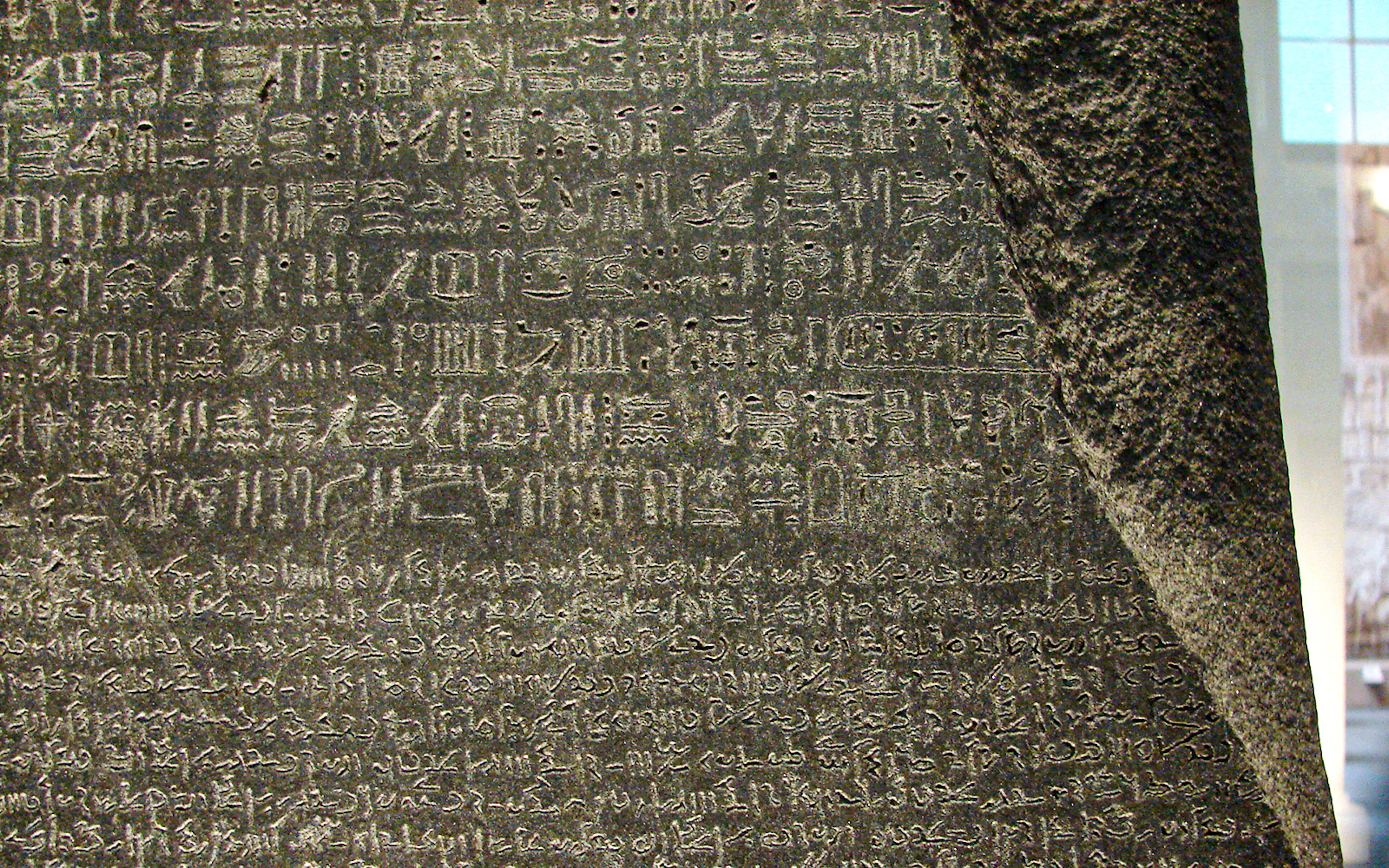
Rosetta Stone at the British Museum
Parthenon Sculptures gallery
Egyptian mummies gallery
Sutton Hoo helmet display
Lewis Chessmen in display case
Great Court glass roof
1/6

Rosetta Stone

Attribute — Era: Ptolemaic Egypt, 196 BC

This is the museum’s single biggest crowd magnet, and seeing it well depends more on timing than on how long you spend there. Most people look at the front, take a quick photo, and move on, but the side view makes the depth of the inscription much clearer. Slow down long enough to read the nearby panel explaining why three scripts on one stone changed Egyptology.

Where to find it: Room 4, Egyptian Sculpture Gallery, just beyond the Great Court route most visitors take first.

Parthenon Sculptures

Attribute — Era: Classical Greece, 5th century BC

These marble sculptures reward distance as much as detail: don’t stand only at the first friezes, walk the full length of the Duveen Gallery so the narrative panels and surviving figures make sense together. What many visitors rush past is the scale shift between relief fragments and freestanding sculpture. This is one of the few places in the museum where giving yourself 15 quiet minutes changes the experience.

Where to find it: Room 18, Duveen Gallery, in the Greece and Rome section.

Egyptian mummies

Attribute — Era: Ancient Egypt

These rooms are often treated as a quick stop for sarcophagi, but they’re one of the most emotionally immediate parts of the museum. The detail most people miss is how much the painted coffins and burial objects tell you before you even look at the human remains. Crowds thin out as you move deeper into the sequence, so don’t stop at the first case and leave.

Where to find it: Rooms 62–63, in the ancient Egypt galleries.

Sutton Hoo helmet

Attribute — Era: Anglo-Saxon, early 7th century

This is one of the museum’s most important British objects, but it’s easy to miss because it isn’t in the same crowd orbit as Egypt or Greece. What makes it worth slowing down for is not just the helmet itself, but the burial story around it — the object only fully lands once you see it as part of a ship-burial world. Many visitors glance and move on too fast.

Where to find it: Room 41, in the Britain and Europe galleries.

Lewis Chessmen

Attribute — Era: Norse, around the 12th century

These small walrus-ivory chess pieces draw people in because they’re immediately expressive, but the real pleasure is in the faces and personalities. The warders and queens hold attention longer than visitors expect, especially once you compare them piece by piece. Because they’re smaller than the blockbuster objects, people often underestimate how easily they can walk straight past them.

Where to find it: Room 40, in the medieval Britain and Europe section.

Great Court

Attribute — Creator: Foster and Partners redesign, opened 2000

The Great Court isn’t just circulation space — it’s the building’s reset button. Most people photograph the roof and keep moving, but it’s worth pausing long enough to understand how the former Reading Room sits inside it and how every major route branches from here. That mental map saves time later, especially when the museum starts feeling repetitive or crowded.

Where to find it: At the center of the museum, immediately beyond the main entrance.

Facilities and accessibility

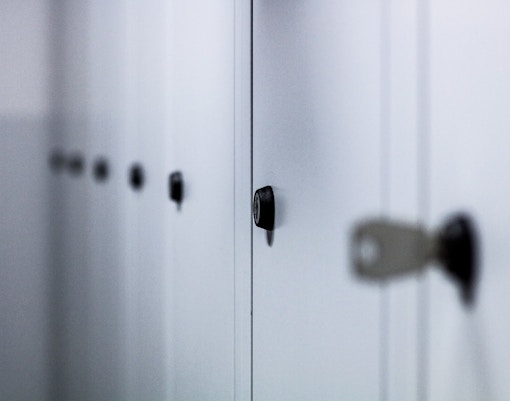
  • 🎒 Cloakroom / lockers: There is no full luggage cloakroom, and only small coin-operated lockers are available for compact items, so arrive with as little as possible.
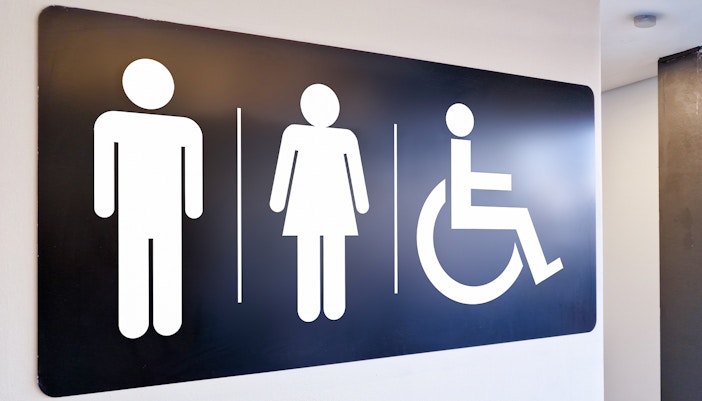
  • 🚻 Restrooms: Restrooms are available inside the museum, but lines build quickly around lunch and on busy weekends.
  • 🍽️ Cafe / restaurant: The Great Court café is the most convenient on-site option for a mid-visit break, but it works better as a practical stop than a destination meal.
  • 🛍️ Gift shop / merchandise: The main shop is worth a look if you want books, exhibition catalogs, or object-inspired souvenirs rather than generic London gifts.
  • 🪑 Seating / rest areas: The Great Court is the easiest place to sit and regroup between wings without leaving the building.
  • 📶 Wi-Fi: Wi-Fi is available, which helps if you’re using the museum map or digital audioguide on your phone.
  • Mobility: The museum is wheelchair-accessible with ramps and elevators, but some older spaces still feel less straightforward than the main circulation routes; wheelchair loan is available with advance booking.
  • 👁️ Visual impairments: Accessibility information and support can be arranged through the museum, and it’s best to ask at arrival if you need a route that avoids the most congested galleries.
  • 🧠 Cognitive and sensory needs: The calmest visiting window is the first hour after opening or Friday evening, while the Great Court and Room 4 are usually the loudest and most visually busy areas.
  • 👨‍👩‍👧 Families and strollers: The main public route is stroller-friendly via ramps and elevators, though the busiest galleries can be slow-going with a pushchair.

The British Museum works well for school-age children who like objects with stories, especially mummies, treasure, and anything tied to ancient myths or explorers.

  • 🕐 Time: 1.5–2 hours is the realistic sweet spot with younger children, and the best shortlist is mummies, Rosetta Stone, then one calmer gallery such as Sutton Hoo or the Lewis Chessmen.
  • 🏠 Facilities: Family activity backpacks are available with a refundable £10 deposit, which gives you something more engaging than just reading labels aloud.
  • 💡 Engagement: Turn the visit into an object hunt — children usually stay more engaged if they’re looking for 4 named pieces instead of trying to ‘do the whole museum.’
  • 🎒 Logistics: Bring a small bag, snacks for after the galleries, and aim for opening time so you hit the busiest rooms before crowd levels rise.
  • 📍 After your visit: Coram’s Fields is a good nearby decompression stop if your child needs outdoor space after a museum-heavy morning.

Rules and restrictions

What you need to know before you go

  • Entry requirement: General admission is free, but reserving a timed-entry slot in advance makes busy-day entry much smoother.
  • Bag policy: Large luggage is a bad idea here because only small coin lockers are available and all bags go through security screening.
  • Re-entry policy: Don’t plan your day around popping out and straight back in, because even if you return the same day you may need to rejoin security and capacity-controlled entry.

Not allowed

  • 🚫 Food and drink: Eating inside galleries is not a good plan, and staff may stop you if you bring open food near the collections.
  • 🚬 Smoking / vaping: Smoking and vaping are not allowed inside the museum building.
  • 🐾 Pets: Pets are not allowed, though assistance animals are generally permitted.
  • 🖐️ Touching exhibits: Touching objects, cases, or barriers is not allowed because many materials are fragile and light-sensitive.

Photography

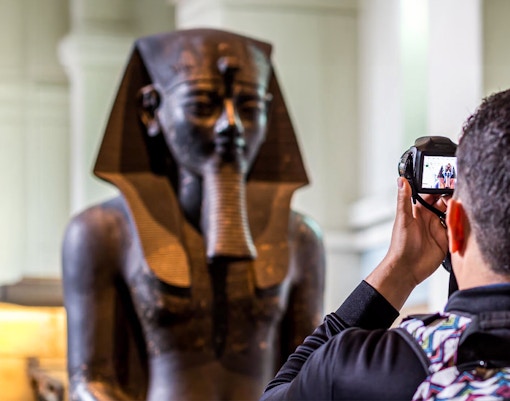
Personal photography is generally allowed in the permanent collection, which is why you’ll see lots of phones out around the Rosetta Stone and Great Court. Flash is not allowed, and tripods or other bulky setups may be restricted. If you’re visiting a paid temporary exhibition, check the room-specific signs because photography rules are often tighter there than in the permanent galleries.

Good to know

  • Free entry does not mean no line — the time cost is usually security and timed-entry control, not the ticket itself.
  • The museum gets noticeably hotter and more tiring at midday than many first-time visitors expect, so plan a break before you hit that wall.

Practical tips

  • Book a free timed-entry slot at least 2–3 days ahead for weekend mornings in summer or school-holiday weeks; the museum is still free, but the best arrival windows disappear first.
  • Go straight to Room 4 at the start if the Rosetta Stone is on your list; it’s one of the few places here where 20 minutes later can mean a completely different crowd level.
  • Don’t try to ‘cover the museum’ in one pass if you only have half a day; pick 3 headline stops and 1 quieter wing, or you’ll spend more time walking than looking.
  • Friday after 5pm is the smartest crowd-management slot for many travelers because school groups are gone and the central rooms finally feel less compressed.
  • Bring the smallest bag you can; security is slower with bulky backpacks, and the museum is tiring enough without carrying extra weight through several wings.
  • Eat either before 12 noon or after 2pm if you plan to use the Great Court café, because lunch-hour lines there can eat into the quietest museum hours.
  • Save a calm section such as Britain and Europe or the Asian galleries for the second half of your visit; that’s when the museum’s scale starts to feel rewarding instead of overwhelming.
  • If you’re visiting with children, borrow a family backpack early rather than after the mummies — interest tends to dip once the first ‘wow’ rooms are behind them.

What else is worth visiting nearby?

Commonly paired: British Library

British Library
Distance: 1.4km — 18-minute walk
Why people combine them: It’s a natural same-day pairing for anyone already in a history-and-ideas mindset, and the move from global objects to manuscripts feels coherent rather than random.
Book / Learn more

Commonly paired: Sir John Soane’s Museum
Sir John Soane’s Museum
Distance: 1.1km — 14-minute walk
Why people combine them: It gives you the opposite museum experience — intimate, eccentric, and room-based — after the scale and crowds of the British Museum.
Book / Learn more

Also nearby

Charles Dickens Museum
Distance: 1km — 13-minute walk
Worth knowing: It’s a strong add-on if you want a smaller literary stop in Bloomsbury without committing to another major half-day museum.

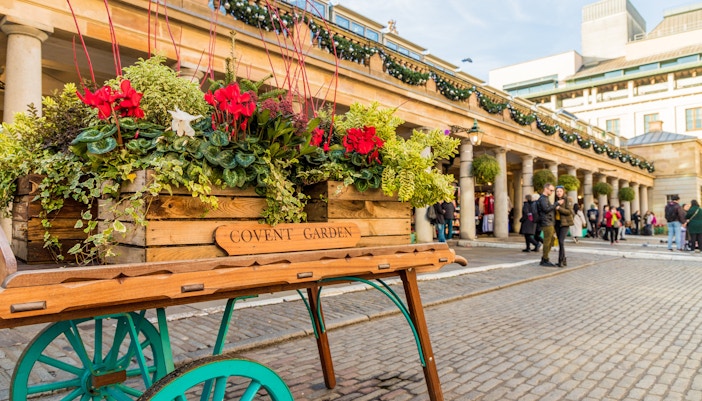
Covent Garden
Distance: 1.3km — 17-minute walk
Worth knowing: This is the easiest nearby pivot if you want lunch, street life, and a lighter reset after a dense morning of antiquities.

Eat, shop and stay near the British Museum

  • On-site: Great Court café, inside the museum, serves light meals, coffee, and pastries at central-London museum prices; it’s worth it for convenience, not for lingering.
  • Store Street Espresso (7-minute walk, 40 Store Street): Coffee, breakfast plates, and sandwiches; best before your visit if you want something quick without museum queues.
  • Dishoom Bloomsbury (10-minute walk, 57 Bernard Street): Indian café menu in a bigger sit-down setting; a good post-museum option if you want a proper meal and don’t mind a short walk.
  • The Life Goddess (8-minute walk, 29 Store Street): Greek small plates and pastries; useful if you want something lighter than a full restaurant stop.
  • Pro tip: If you’re visiting on a Friday evening, eat after the museum instead of before — the later opening gives you a calmer visit window, and nearby restaurant lines are easier after 8pm than museum crowds are at noon.
  • British Museum Shop: Books, replicas, exhibition merchandise, and smarter souvenirs than most central London gift shops; easiest to browse at the very end of your visit.
  • London Review Bookshop: Excellent history, literature, and London-focused browsing close to the museum, and far more interesting than standard souvenir retail.

Bloomsbury is one of the better bases for a museum-heavy London trip because it’s walkable, relatively calm by central standards, and close to multiple Tube lines. It works especially well if you like starting your day early and reaching major attractions before the city fully wakes up. If nightlife or postcard views matter more, you’ll probably prefer another base.

  • Price point: Mid-range to upper-mid-range, with some good value hotels and guesthouses if you book ahead.
  • Best for: Short stays where you want easy access to the British Museum, the British Library, Soho, and the West End without changing lines all day.
  • Consider instead: Covent Garden or South Bank if you want more evening energy, river views, and easier walking access to London’s classic first-time sights.

Frequently asked questions about visiting the British Museum

Most visits take 2–3 hours, though a full museum day can easily stretch past 4 hours. If you only want the Rosetta Stone, Parthenon Sculptures, mummies, and one quieter wing, 2 hours is enough. The moment you add Britain, Asia, or a temporary exhibition, you need much longer.

More reads

British Museum tickets

British Museum highlights

Getting to British Museum

London travel guide